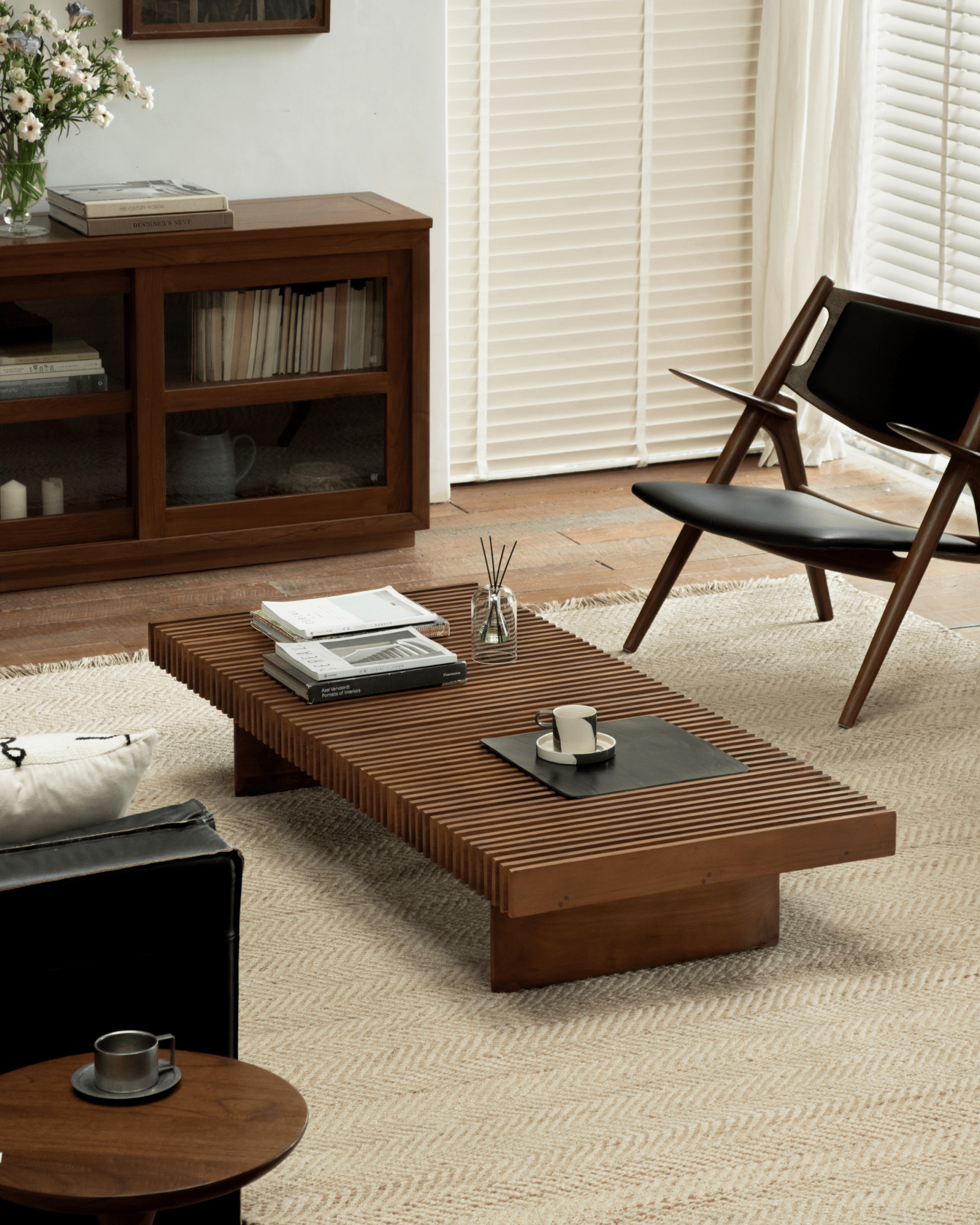

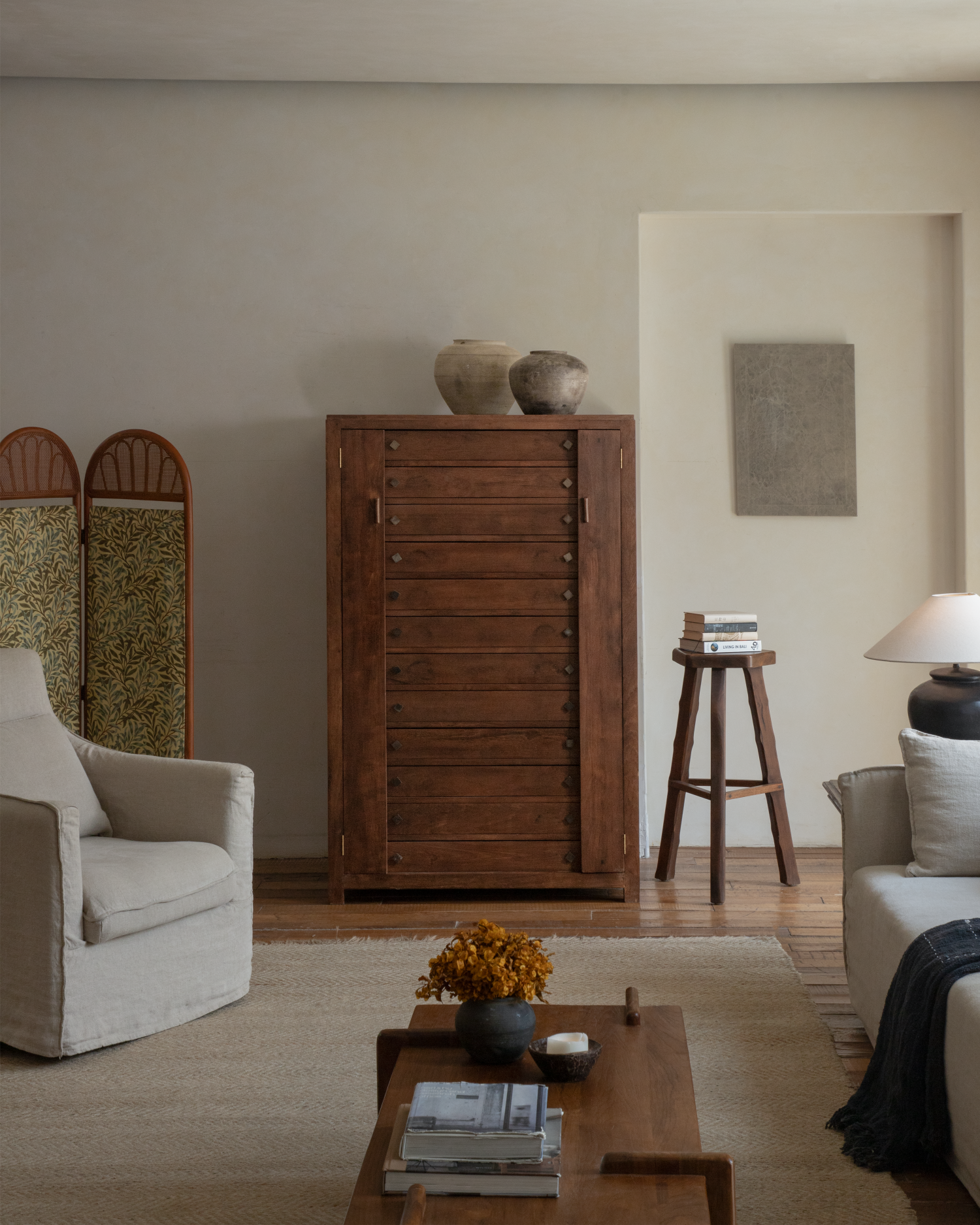
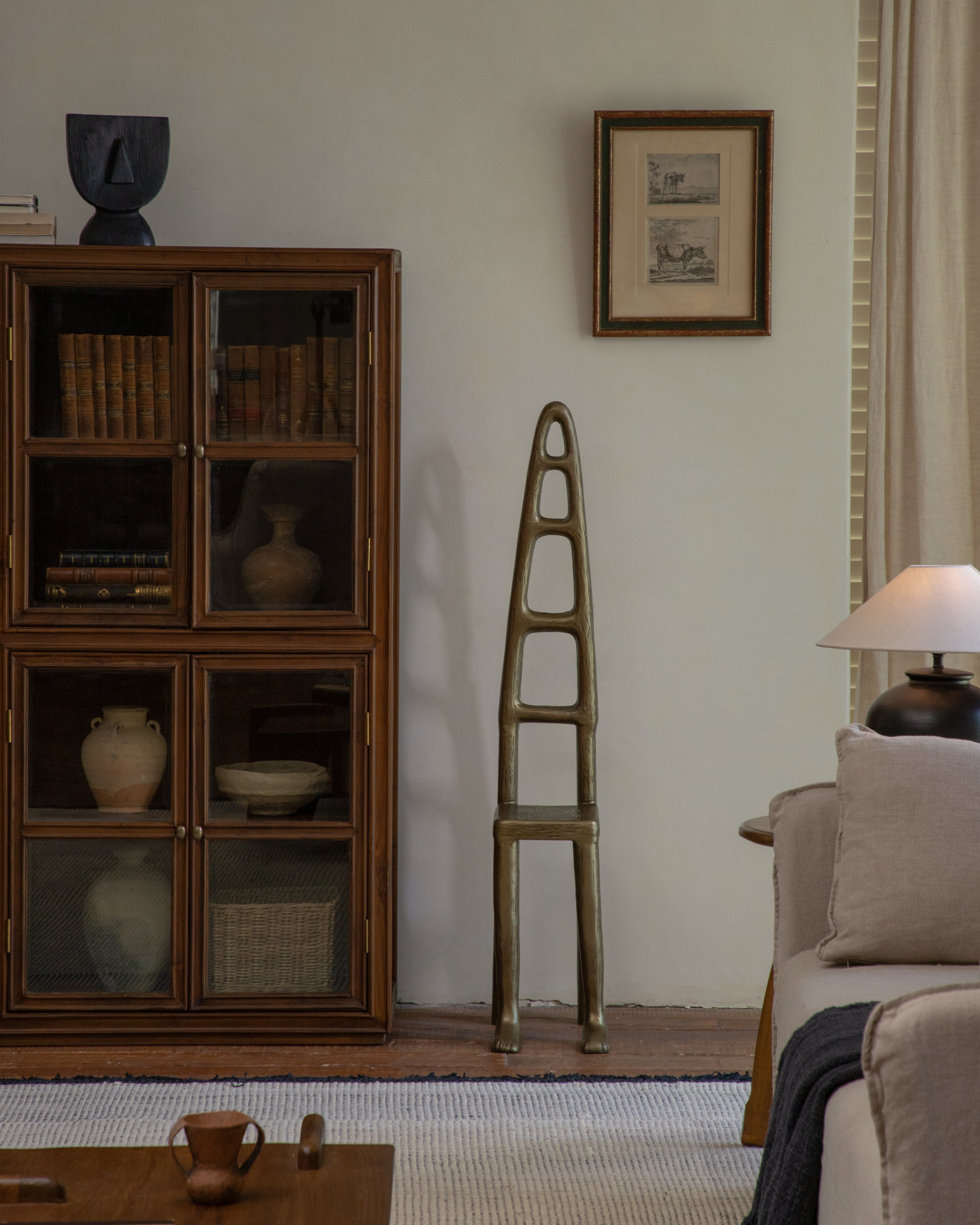


Your coffee table sits at the heart of daily life. It holds your morning mug, tired feet, and heavy books. Picking the right material keeps your living room looking sharp while handling spills and scratches. A wood coffee table adds natural warmth, while a glass coffee table keeps a small room feeling light. Choosing wisely saves you money and stress, ensuring your furniture survives years of busy snacks and movie nights.
Assessing Your Needs Before Buying the Coffee Table
Think about your daily habits and your household members to find a piece that fits. Matching your furniture to your reality prevents future stress.
- Evaluate Your Lifestyle:Small children and pets need durable surfaces and rounded edges. A sturdy wood coffee table handles rough play better than fragile glass. Adult-only homes can choose delicate items like marble.
- Determine Usage Patterns:Decide if the table is for heavy daily use or just for show. Frequent entertainers need surfaces that resist heat and water rings. For occasional use, you can focus more on style than toughness.
- Coordinate with Decor:Your table should match your sofa and flooring. A metal coffee table fits an industrial room, while natural wood suits a traditional space.
- Consider Room Space:Large, dark tables can overwhelm small rooms. Transparent materials like glass or acrylic keep a tight area feeling open and bright.
- Review Maintenance Needs:Be honest about how much cleaning you will do. Some stones need annual sealing, while a glass coffee table needs constant dusting.
- Set a Budget:Determine a realistic price. Investing in high-quality materials often saves money because the furniture lasts longer.
A Deep Look at Popular Coffee Table Materials
Each material has its own "personality" and rules for care and maintenance. Knowing these details will help you decide which material works best with your lifestyle and your design aspirations for the space.
Wood Options: Hardwood, Softwood, and Engineered Wood
- Solid Hardwoods:Woods like oak and walnut are classic. They are strong, have beautiful natural patterns, and can be sanded down and fixed if they get scratched. They cost more, but they are built to last.
- Softwoods:Pine is a common choice for a rustic look. It is cheaper than hardwood but dents more easily. It's great if you like a "lived-in" feel.
- Engineered Wood:Materials like MDF or plywood with a veneer are budget-friendly. They look like real wood but can't be refinished. Keep them away from heavy water, or the layers might peel.

Glass Surfaces: Clear and Tempered
A glass coffee tableis perfect for showing off a beautiful rug underneath. Most are made of tempered glass, which is stronger than regular glass. It won't stain, but it does show every fingerprint and bit of dust. You'll need to keep a cleaning spray nearby if you hate smudges.
Pro Tip: While tempered glass is much safer than regular glass, it can still shatter under certain conditions. Always look for tables with polished edges and check for the tempered glass stamp/certification.
Metal Styles: Industrial and Sleek
A metal coffee table is highly durable and resistant to most daily wear and tear. Stainless steel gives a modern vibe and resists rust. Brass and copper offer a warm, gold look that feels fancy, though they might change color (patina) over time. Iron is heavy and stable, making it a good fit for a farmhouse style.
Natural Stone: Marble and Granite
Marble is the height of luxury. Each piece is unique, but it is very porous. Without proper sealing, liquids like red wine or coffee can penetrate the surface and cause stains. However, regularly sealed marble (annually) provides good stain resistance for normal household use. Immediate cleanup of spills is still recommended. Granite is denser and more stain-resistant than marble, making it a more practical stone choice for busy homes.
Sintered Stone: The Modern Choice
This is a high-tech composite coffee table material made from minerals pressed together with heat. It closely mimics the appearance of natural marble but is highly resistant to scratches and stains. It can withstand high heat from items like hot pizza boxes or cookware, though using trivets for extremely hot items is still a good practice. It's a premium choice for people who want the stone look without the headache of constant care.

How to Choose the Best Coffee Table Material
Matching Materials to Your Design Style
Your furniture should speak the same language as the rest of your home. Certain materials naturally fit specific decorating themes, making it easier to narrow down your top choices.
| Design Style | Recommended Materials | Visual Effect |
| Modern | Glass, metal, sintered stone | Sleek, smooth, and fresh |
| Traditional | Cherry, mahogany, marble | Timeless, rich, and formal |
| Rustic | Reclaimed wood, pine, oak | Cozy, natural, and lived-in |
| Industrial | Iron, steel, concrete | Raw, strong, and urban |
| Mid-Century | Walnut, teak, tapered legs | Simple, iconic, and warm |
| Coastal/Boho | Rattan, wicker, light woods | Relaxed, airy, and textured |
| Glam/Luxe | Marble, brass, mirrored or tinted glass | Shiny, polished, and expensive |
| Minimalist | Sintered stone, black/white wood | Clean, quiet, and simple |
Picking a Material Based on Your Lifestyle
Your habits dictate which surfaces will stay beautiful over time. Pick a material that handles your household's activity level to avoid constant repairs or cleaning.
| Household Type | Best Materials | What to Avoid |
| Young Children | Sintered stone, sealed hardwood | Sharp metal, thin glass |
| Pet Owners | Metal, laminate, sintered stone | Soft woods, porous stone |
| Frequent Hosts | Glass, metal, treated wood | Unsealed marble |
| Small Spaces | Acrylic, glass, slim metal | Bulky concrete, dark wood |
| Low Maintenance | Tempered glass, sintered stone | High-maintenance wood |
Considering Health and the Environment
Choosing sustainable materials protects your home's air quality and reduces waste. High-quality pieces last longer, meaning fewer items end up in landfills.
- Look for FSC-certified hardwoods (Forest Stewardship Council) or equivalent certifications in your region, such as PEFC in Europe.
- For any composite coffee table, check for low-VOC finishes to keep your indoor air fresh and free of harsh chemicals.
- Investing in recycled metal or glass also helps the planet while providing a sturdy surface for your home.
Planning Your Coffee Table Budget
Prices vary based on the rarity and strength of the material. Think about the cost per year of use rather than just the initial price tag.
- Budget ($100–$300):Focus on engineered wood, laminate, or simple metal frames. These work well for temporary setups or guest rooms.
- Mid-Range ($300–$800):Expect solid oak, pine, or a high-quality glass coffee table. You may also find entry-level stone options here.
- Premium ($800–$2,000+):This tier offers walnut, teak, and luxury marble. Custom metalwork and designer sintered stone provide the highest durability and style.
Quick Maintenance Tips for Every Surface
Keeping your table looking new doesn't have to be a chore. If you follow the specific rules for your material, you can prevent damage before it starts.
| Material | Daily Care | Deep Care |
| Wood | Dust with a soft cloth | Oil or wax every year |
| Glass | Wipe fingerprints daily | Use glass cleaner for shine |
| Stone | Use coasters for everything | Reseal once a year |
| Sintered Stone | Wipe with soap and water | No special care needed |
| Metal | Wipe with a damp cloth | Polish brass to stop tarnish |
Choosing Your Perfect Coffee Table Material
The best surface matches your daily habits and your personal style. If you want warmth, pick a wood coffee table. For a modern look that stays clean easily, a glass coffee table or metal coffee table works best. Balance the look you love with the care you can actually provide. By picking the right material, you get a centerpiece that looks great and lasts for years.

3 FAQs About Coffee Table Materials
Q1: Which coffee table material is safest for homes with toddlers?
A composite coffee table like sintered stone or a sturdy wood coffee table with rounded edges is your best bet. These are heavy enough that they won't tip over easily and durable enough to survive toy impacts. Avoid glass or thin metal with sharp corners to prevent accidents during playtime. Regardless of material choice, consider adding corner protectors to prevent injuries from bumps and falls.
Q2: How do I prevent water rings on wood surfaces?
The best way to protect wood is by using coasters every time. If you do get a water ring, you can sometimes remove it by placing a dry cloth over the spot and running a warm iron over it for a few seconds. For long-term protection, choose wood with a high-quality polyurethane seal.
Q3: How much weight can a glass coffee table hold?
Most tempered glass coffee tables can safely hold 200 to 400 pounds (90-180 kg), which is plenty for books and decor. However, you should avoid sitting on them or placing extremely heavy objects in the center, as the glass can flex and eventually break at the connection points.