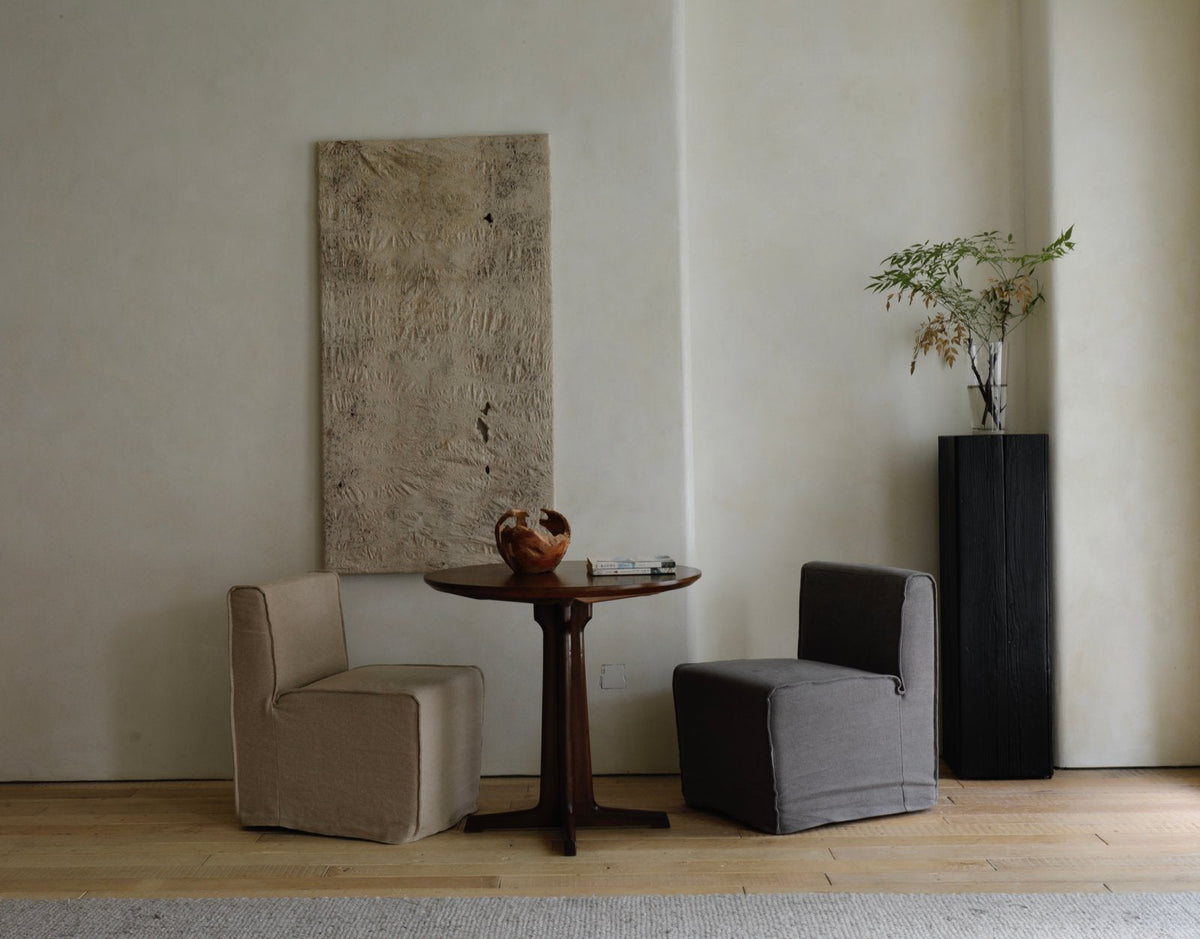
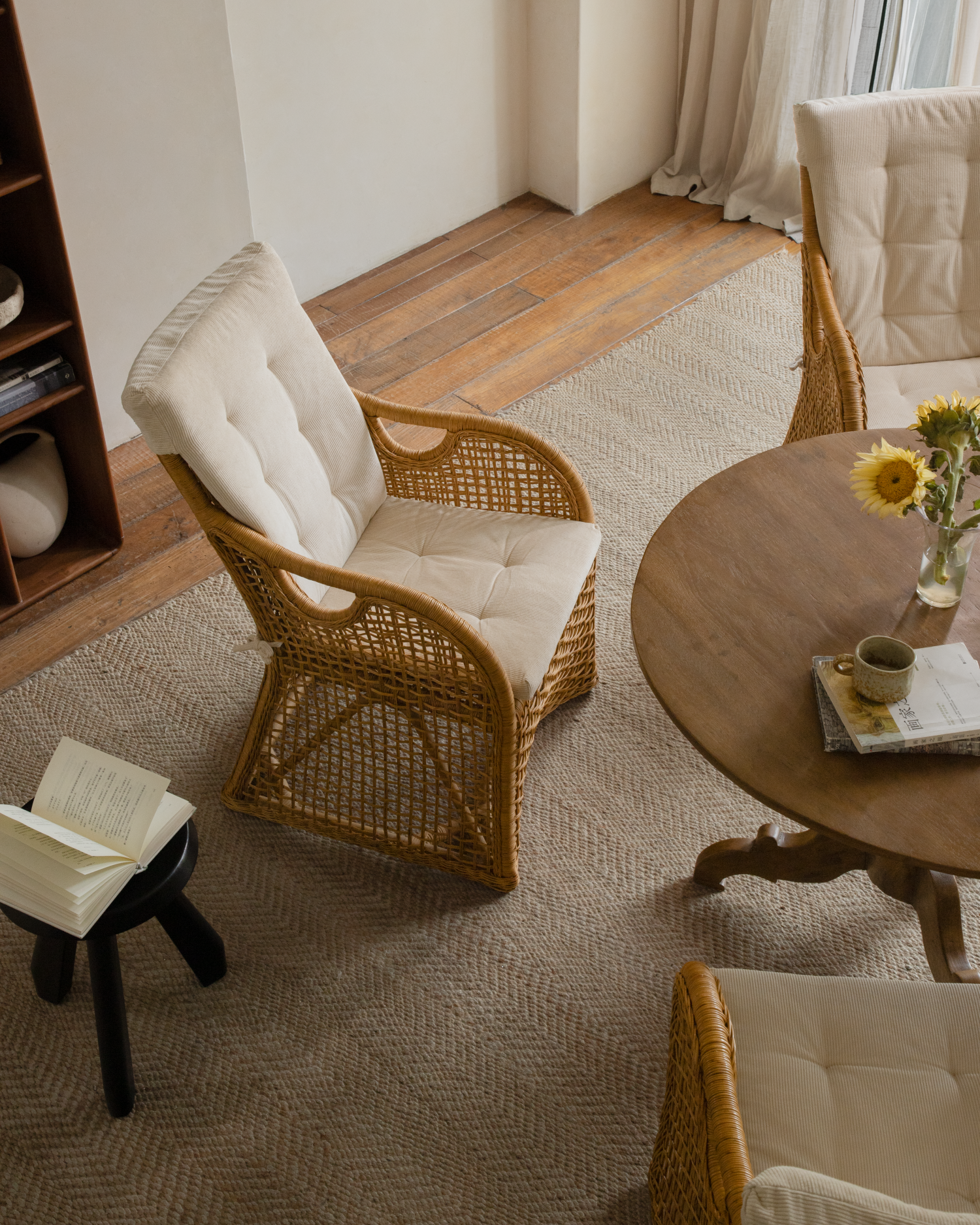
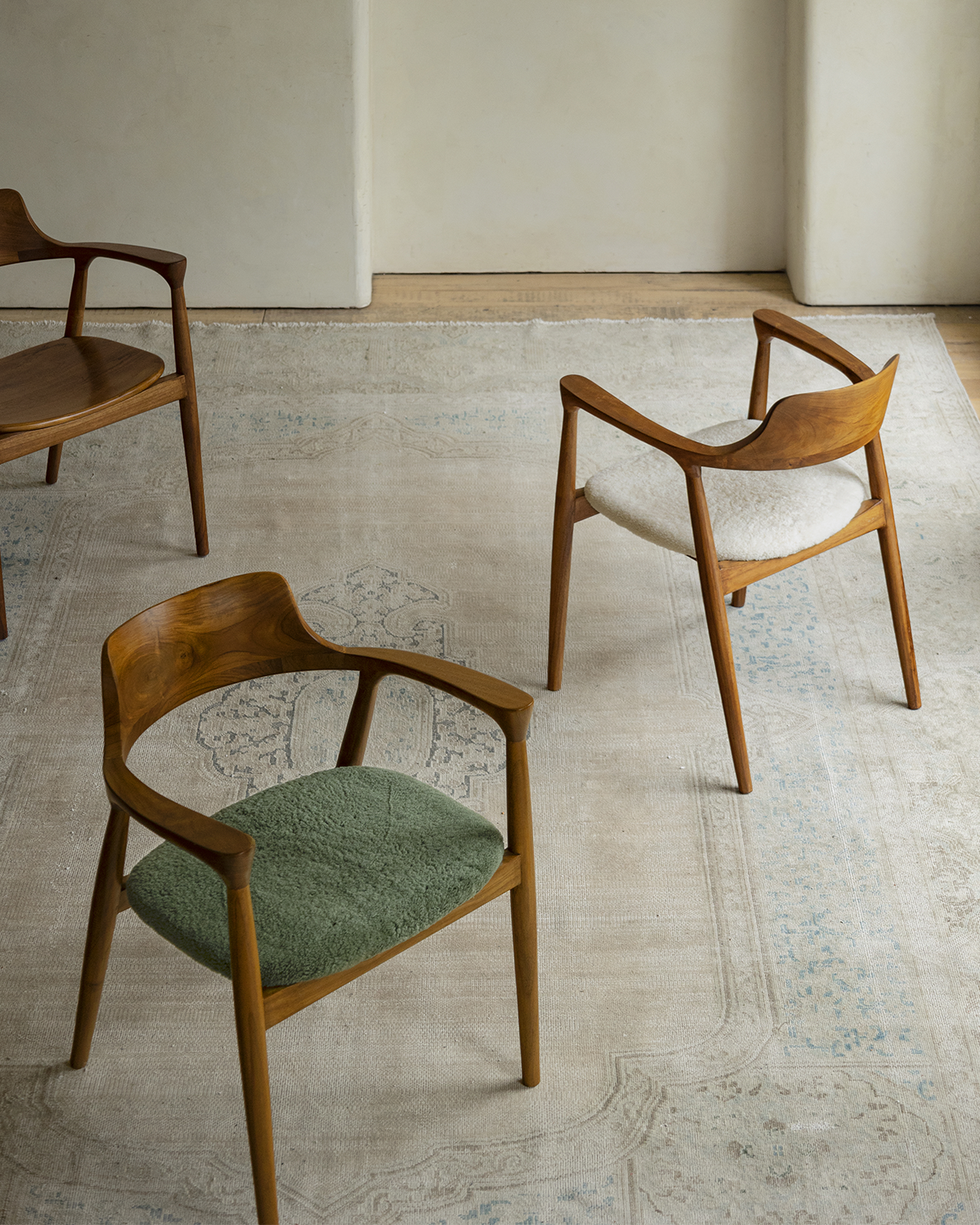

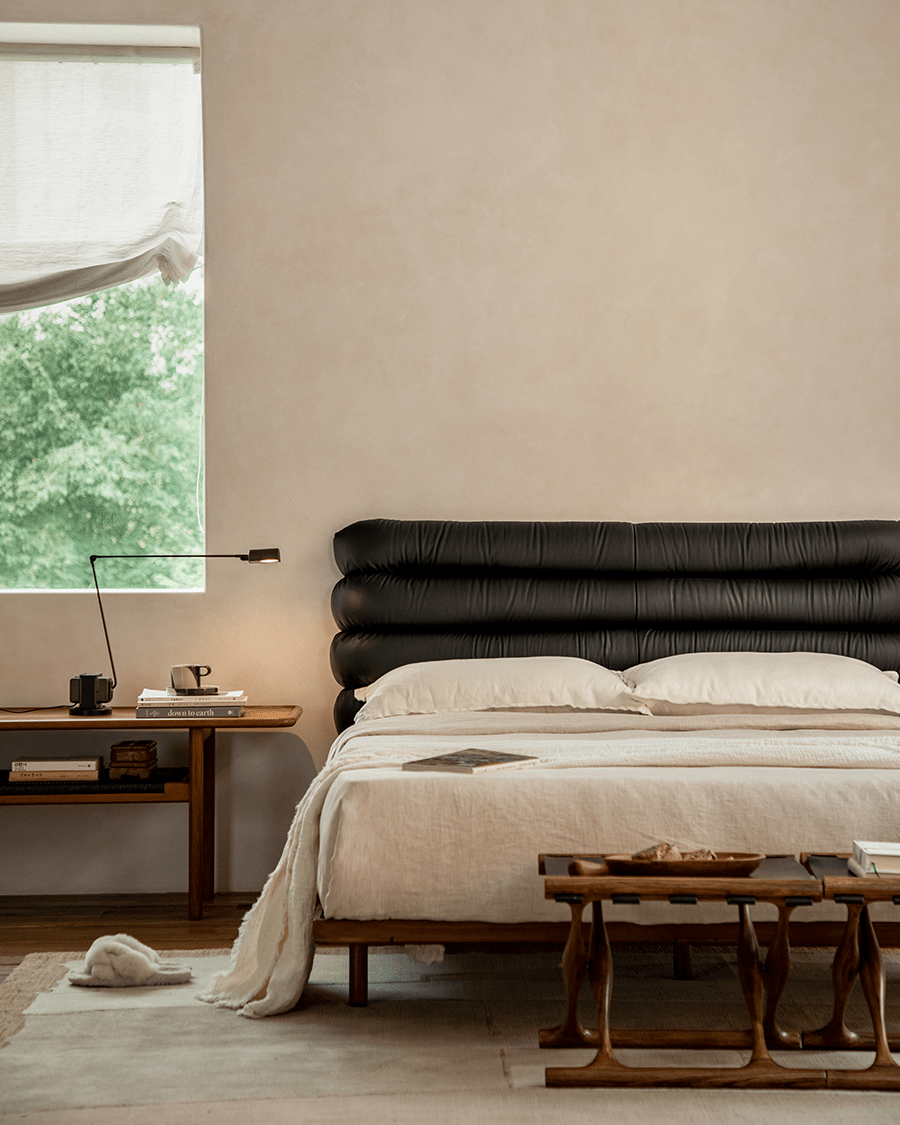
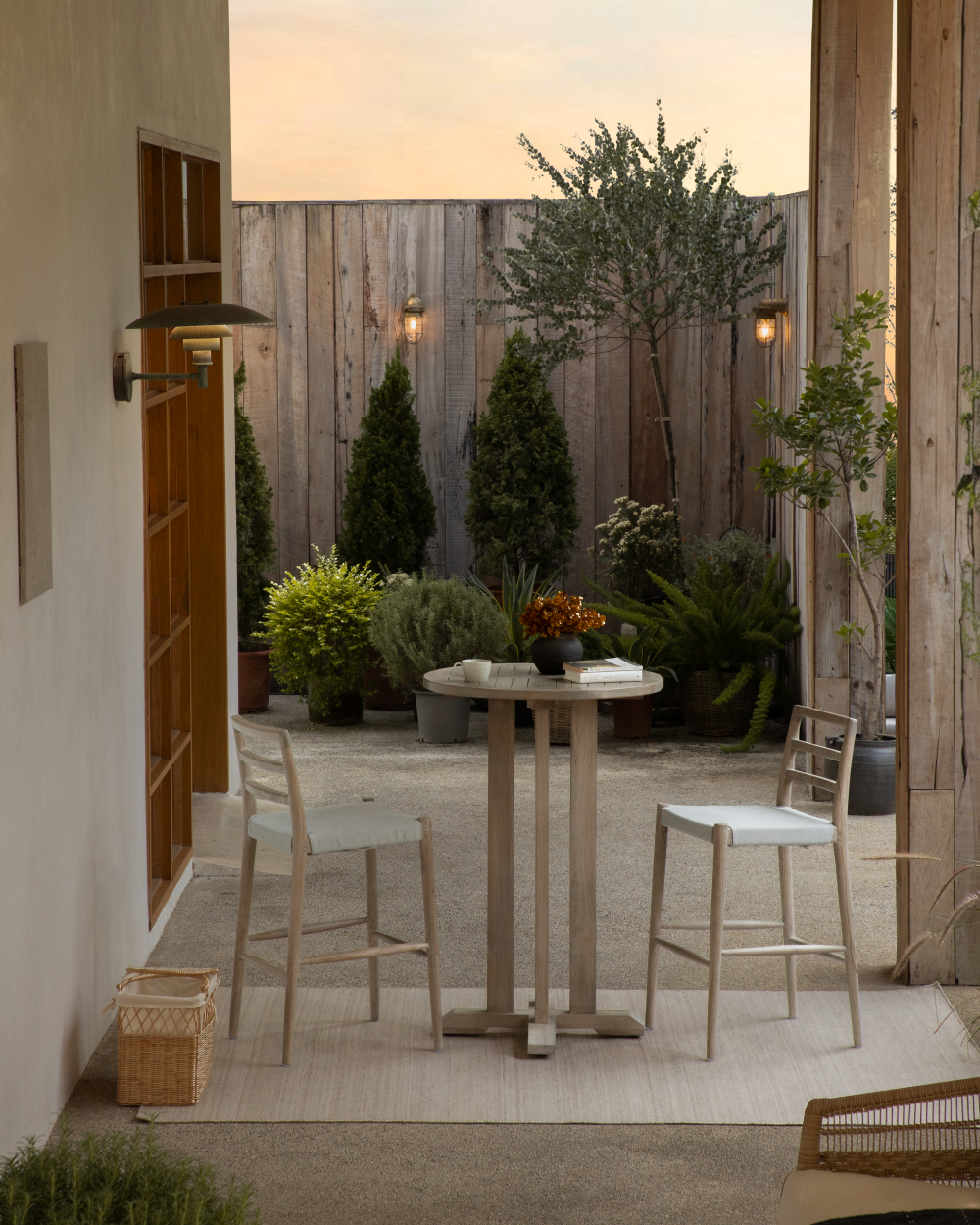
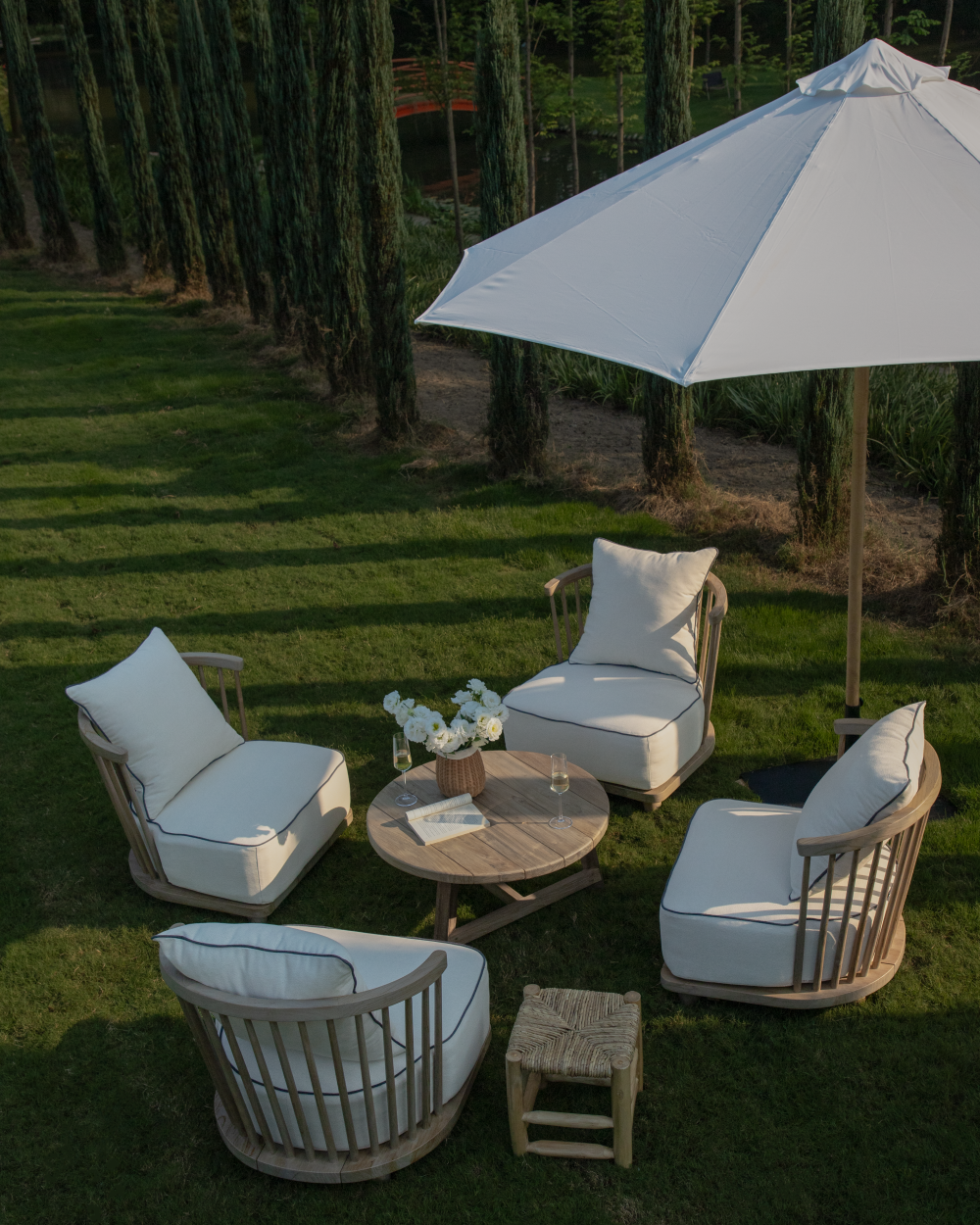


When selecting dining chairs, the interaction between form and function becomes the key to a sound choice. The perfect dining room chair doesn't only blend in with your dining room aesthetically-it establishes the atmosphere for an area where style and comfort seamlessly mix. Within this comprehensive guide, you will discover how to identify dining chairs that are not only designed for you but tailored to your needs exactly.

1. Knowing Key Measurements for Comfortable Dining Seating
Understanding ergonomics is key to achieving maximum seating comfort. The following are the ideal and typical dining chair dimensions:
Seat Height (17-19 inches)
Seat height is probably the most significant measurement, as it decides the comfort of your feet on the floor. An ideal height of 18 inches allows most adults to:
- Plant their feet firmly on the ground
- Maintain proper blood circulation in the legs
- Avoid pressure on the back of the thighs
- Enter and exit the chair with ease
If the seat is too high, the users end up hanging their feet, creating pressure points on the bottom of the thighs. If the seat is too low, it forces excessive bending of knees and makes standing difficult, particularly among elderly users or the mobility impaired.
Seat Width (15-20 inches)
At the best measurement of 18 inches, the seat width should be sufficiently wide to hold users in comfort without feeling pressed. This size:
- Provides adequate hip room for most body types
- Allows natural position shifts during extended seating
- Accommodates winter clothing without feeling cramped
- Ensures comfortable arm positioning when using utensils
While wider seats might seem more luxurious, they can actually compromise proper posture and make it difficult to reach the table comfortably.
Seat Depth (15-18 inches)
The ideal seat depth of 16 inches offers sufficient back support without putting pressure on the knees and calves. A well-designed seat depth:
- Allows users to sit fully back against the chair
- Supports the thighs without cutting off circulation
- Enables proper lumbar contact with the backrest
- Accommodates various leg lengths
The users must be in a position where they can sit against the chair back while maintaining between 2-3 inches of space between the edge of the seat and the back of their knees.
Backrest Height (12-14 inches)
At an optimal height of 13 inches above the seat, the backrest provides crucial support for the lower and middle back regions. This height:
- Supports natural spine curvature
- Promotes proper posture during meals
- Allows comfortable arm movement
- Facilitates easy conversation without neck strain
The backrest should hit most users at their natural lumbar curve, providing them with support where they most need it while leaving the upper torso unencumbered to move freely.
💡Pro Tip: A vital but often overlooked factor in selecting dining chairs is the relationship between table height and chair dimensions. The optimal table-to-chair seat distance is 10-12 inches-sufficient but snug. Ensure chair heights match table type for best dining comfort:
| Table Type | Table Height | Required Chair Seat Height |
| Standard Dining | 28-30 inches | 17-19 inches |
| Counter Height | 34-36 inches | 24-26 inches |
| Bar Height | 40-42 inches | 30-32 inches |

2. Analyzing Different Chair Back Styles for Maximum Comfort
The design of the backrest also matters for comfort and appearance. Each of these dining chair styles has its advantages:
- Straight Back Chairs: These provide firm support and encourage good posture, so they are ideal for dining rooms that are formal. Their clean lines make them ideal for contemporary interiors while still feeling classic.
- Curved Back Styles: These chairs promote natural spine alignment and offer greater comfort for longer sitting. The gentle curve offers a welcoming silhouette, and they are ideal for casual dining areas.
- Cross Back Chairs: X-back chairs are also referred to as cross back chairs. They combine style and comfort. Their distinctive shape offers visual interest while offering functional comfort, and they are ideal for farmhouse or rustic styles.
3. Calculating the Ideal Number of Dining Chairs
Proper spacing ensures comfortable dining experiences and easy movement around your dining area. Consider these essential measurements:
| Space Consideration | Recommended Measurement |
| Table Edge Per Person | 24-30 inches |
| Chair-to-Wall Clearance | 36 inches minimum |
| Traffic Path Width | 42 inches minimum |
Don't forget to factor in special events when you would need additional seating. Consider expandable tables or storage for overflow chairs.
4. Selecting Materials Based on Usage and Care
Different materials offer different benefits and must be handled differently. Being aware of the differences will help you make a well-educated choice that fits your lifestyle:
Solid Wood
Traditional and timeless, solid wood dining chairs offer excellent durability and can last 10-15 years with proper care. They require moderate maintenance, including periodic tightening of joints and protection from moisture. Wood chairs can be refinished to extend their life and adapt to changing décor.
Upholstered Chairs
These upholstered chairs provide superior comfort and add softness to dining spaces. While they require more maintenance, including regular cleaning and potential reupholstering every 5-10 years, they offer unmatched comfort for extended dining sessions. Consider stain-resistant fabrics for family-friendly options.
Metal Construction
Best for modern and industrial environments, metal chairs are best known for offering great durability at minimal maintenance. They easily survive 15+ years and hold up against wear and tear with ease. Metal chairs combine most of the time with wood or upholstery parts to deliver comfort alongside durability.
5. Optimizing Ergonomic Design for Extended Dining

To ensure the utmost comfort in a prolonged dining experience, keep the following essential ergonomic considerations in priority:
- Lumbar Support: Should be positioned 6-8 inches above the seat
- Seat Padding: Dense enough to prevent bottoming out
- Weight Distribution: Even support across the entire seat surface
- Backrest Angle: Slight recline of 2-3 degrees for optimal posture
The best dining chairs support natural posture while allowing slight movement, preventing fatigue during extended meals or conversations.
6. Assessing Weight Capacity and Structural Integrity
The structural integrity of sturdy dining chairs directly relates to its safety and longevity. Remember these considerations:
| Grade | Weight Capacity | Best Use Case |
| Standard Home | 250-300 lbs | Regular family use |
| Commercial | 350+ lbs | Heavy daily use |
| Heavy Duty | 400+ lbs | Special requirements |
Look for reinforced joints, quality hardware, and proper weight distribution in the design. Quality construction often shows in details like mortise-and-tenon joints or steel reinforcements.
Conclusion
Selecting the perfect dining chair requires careful thought of a variety of factors, from practical measurements to aesthetic appeal. By gaining an understanding of these factors and how they will impact your specific needs, you can make a thoughtful decision that will serve you for many years to come. Remember that the perfect chair is one that will combine comfort, durability, and style in a way that perfectly complements your home and life.


2 FAQs about Furniture Selection
Q1: How many dining chairs do I need?
In order to figure out how many chairs you require, the following considerations are necessary:
- Number of People: How many people will be attending the event or meeting?
- Seating Arrangement: How will the chairs be arranged (e.g., round tables, long tables, theater style)?
- Type of Event: Different events may require varying amounts of chairs (e.g., meetings, dinners, social gatherings).
As a rule, provide one chair per guest. If there are special needs or additional space, you might have to add a few extras.
Q2: What's the most durable material for families with kids?
The most challenging furniture materials for family houses with kids are:
- Leather: Stain and spill-proof and easy to maintain.
- Microfiber: Long-lasting, stain-resistant, and soft, so ideal for high-traffic zones.
- Canvas: Washable and long-lasting, ideal for quick clean-ups.
- Wood: Solid hardwoods such as maple or oak are durable and will stand up to wear and tear.
These fibers can endure the rigors of family existence and remain stylish.
Relevant Articles
- 6 Dining Chair Trends That Will Transform Your Space in 2025 - ZM Home
- Which Wooden Dining Chair Design Is Right for Your Home? - ZM Home
- Best Wood for Outdoor Dining Chairs | Durability & Style - ZM Home
- How to Upcycle Your Old Coffee Table A DIY Project - ZM Home
- How Often Should You Clean Your Fabric Sofa? - ZM Home