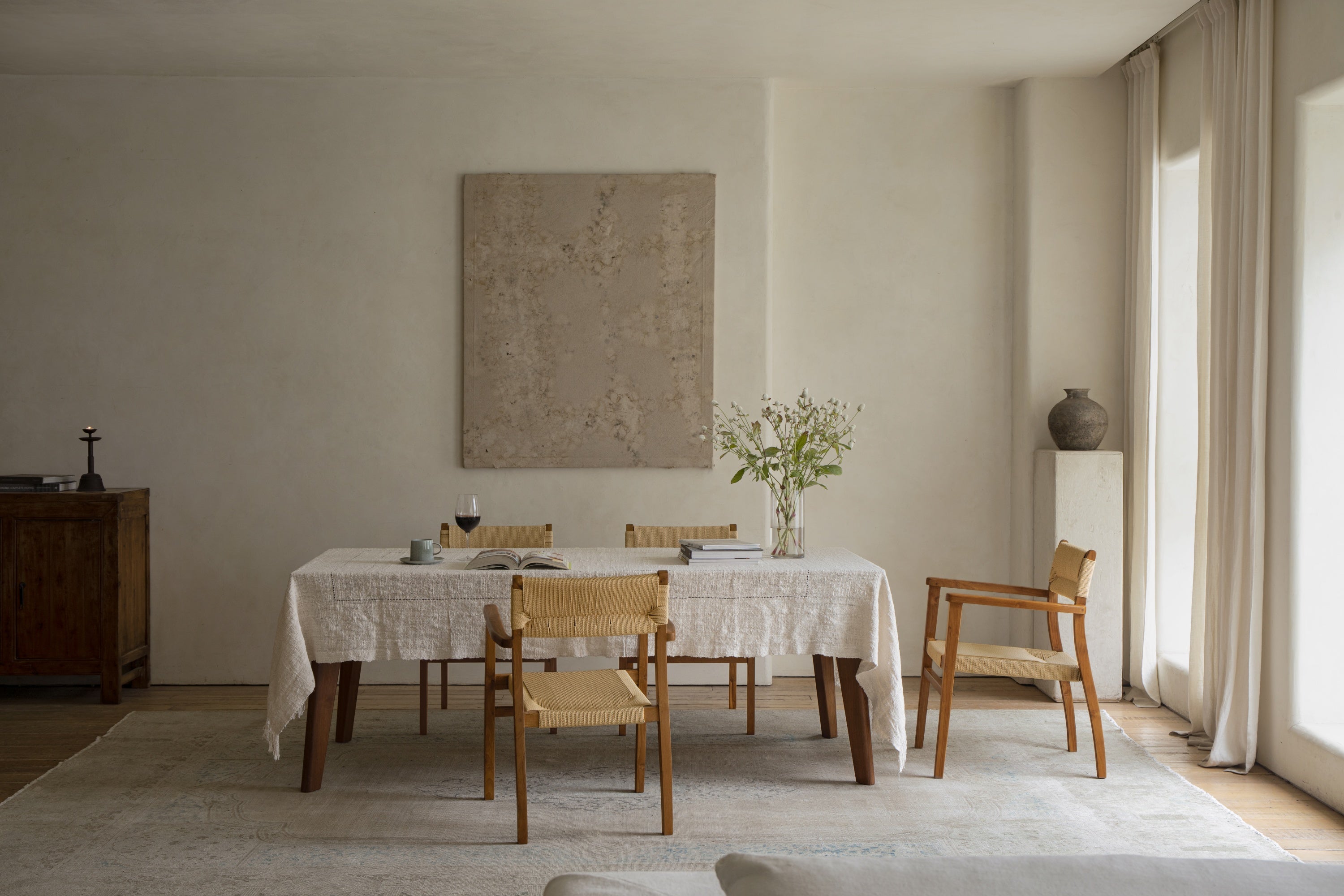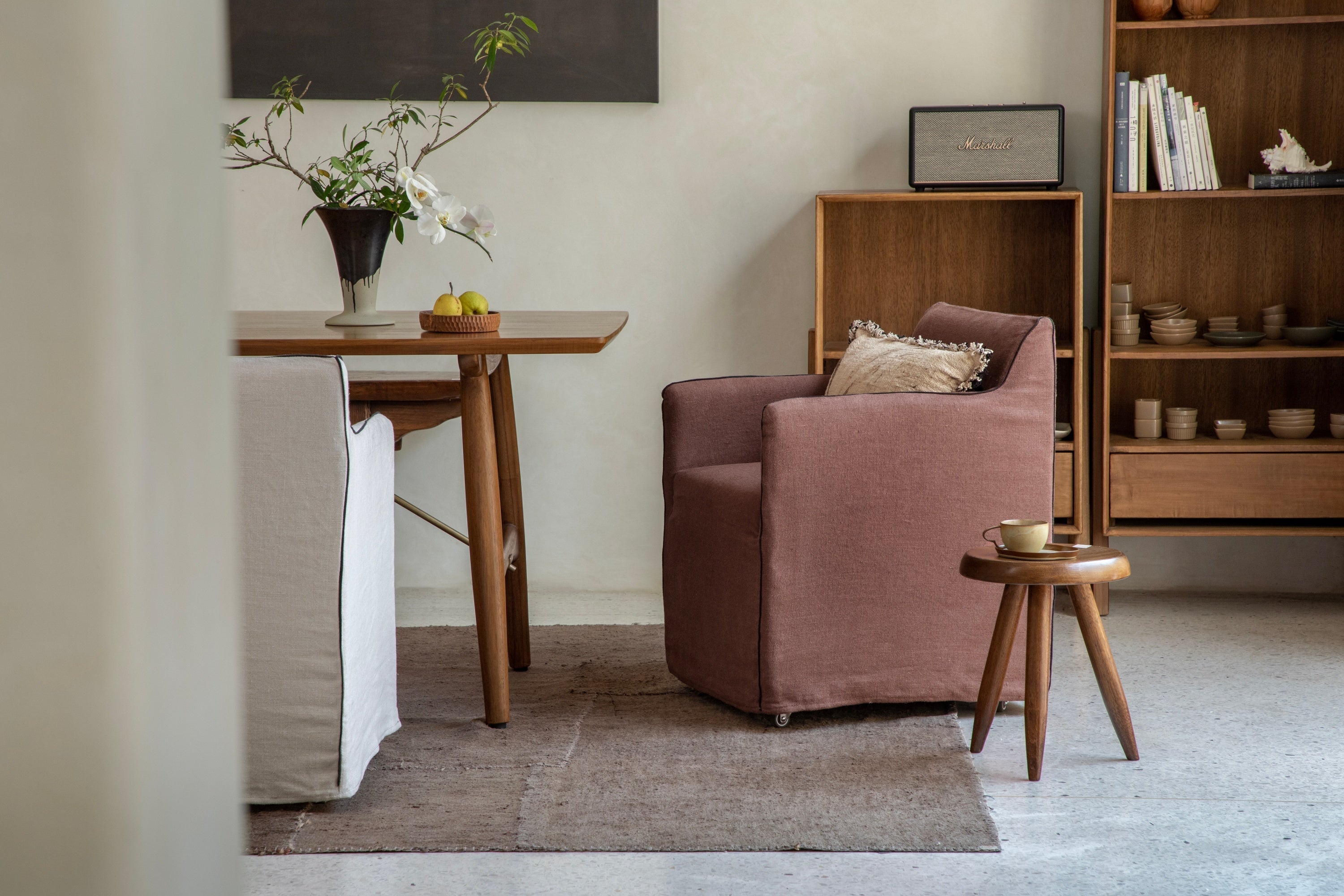


Living with a dog usually means accepting a certain amount of chaos, from muddy paws on a rainy day to the endless shedding of fur. Many owners believe they have to choose between a beautiful home and a happy pet, often resorting to covering old furniture with blankets or banning dogs from the living room entirely. You can actually have a stylish, comfortable home that withstands the wear and tear of a canine companion if you know exactly what features to prioritize.
Assessing Your Lifestyle and Dog Habits Before Buying
Your dog's characteristics determine which couch will actually work in your home. A Border Collie needs different features than a French Bulldog.
Dog Size and Weight Requirements
Large breeds like German Shepherds require hardwood frames and high-density foam that won't sag under their weight. Smaller dogs can manage with engineered wood frames, though seat height matters—a Dachshund shouldn't struggle to climb up.
Your Dog's Shedding Patterns
Long-haired dogs need slick fabrics that release fur during vacuuming. Short-haired breeds shed differently and work better with tight weaves that keep individual hairs from embedding into the material. Your dog's coat type directly affects which pet-friendly sofa fabrics will stay cleanest.
Dog Behavior and Habits
Does your dog dig into cushions before lying down? Drool constantly? Have occasional accidents? A puppy still learning house rules needs waterproof, washable features for dog-friendly couches. An older dog who respects furniture can handle more delicate materials.
Choosing based on these specific traits prevents expensive mistakes and reduces replacement costs over time.
Knowing the Best and Worst Couch Materials for Dogs
Choosing the right fabric determines if your sofa lasts for years or gets ruined in months. Not all materials can handle claws, shedding, and wet paws.
Top Pet-Friendly Sofa Fabrics for Dog Owners
- Performance Fabrics: Brands like Crypton and Sunbrella treat fibers to repel moisture and stains effectively. Since the protection is built into the fiber, it doesn't wear off like spray-on coatings.
- Genuine Leather: This offers the best hygiene. Hair wipes off instantly, and odors won't sink in. However, claws will scratch the surface. Some owners like this worn look, while others prefer to avoid it.
- Tight-Weave Microfiber: This is a top contender for pet households. The synthetic fibers are packed tightly, so claws slide off the surface instead of snagging. Fur sits on top rather than embedding deep into the cushion.
- Performance Velvet: Unlike cotton velvet, these synthetic versions are engineered for durability. They resist snags and clean easily while remaining soft.

Couch Fabrics to Avoid
- Loose Weaves: Texture-heavy fabrics like linen and chenille trap hair immediately. A dog's claws will easily pull the loose threads.
- Silk and Rayon: These require professional cleaning and cannot handle daily wear from pets.
- Cotton Velvet: This material pills easily and highlights every single paw print or hair.
Spending a little more upfront on engineered materials saves money on future cleaning bills and replacements.
Choosing Colors and Patterns That Work With Shedding
Picking the right shade keeps your living room looking clean even when you haven't vacuumed yet.
Match Your Dog's Fur Color
The simplest trick is picking a fabric close to your dog's coat. A brown couch suits a chocolate lab, while gray fits a husky. This doesn't stop the shedding, but it makes the hair much harder to spot.
Stick to Medium Tones
Extremely dark or light colors tend to highlight messes.
- White: Shows every muddy paw print and dirt smudge.
- Black: Reveals light fur, dust, and dandruff.
- Medium Shades: Gray, taupe, and camel are the safest bets. They hide both dark and light marks.

Use Patterns as Camouflage
Solid colors show wear easily. Textured or patterned fabrics work better for hiding daily use. Subtle geometric designs, small-scale prints, or varied textures disguise minor stains and worn areas that would stand out on solid colors. Just avoid patterns so busy they overwhelm your space.
Looking for Durable Sofa Construction Features for Dogs
Even the strongest fabric fails if the frame beneath it breaks. A couch needs to handle the weight and impact of a dog jumping on and off daily.
Frame Material
- Kiln-Dried Hardwood: This provides the strength needed for large dogs. It resists warping and handles repeated jumping without creaking or cracking.
- Engineered Wood: This works fine for smaller breeds and costs less. Just keep in mind that it might not support a heavy dog's enthusiastic leaps for very long.
Cushion Fill and Covers
- High-Density Foam: These cushions bounce back after your dog naps. They keep their shape through years of use.
- Avoid Down and Feathers: Feathers trap pet odors deep inside and clump up when washed. They feel nice at first but are hard to maintain with pets.
- Removable Covers: Sofas with washable covers allow you to unzip and machine wash the fabric after a muddy accident, making life much easier. Look for zippers that run the full length for easy removal.
Smart Design Choices
Elevated Legs: A sofa raised off the ground allows you to vacuum hair and retrieve lost toys easily.
Tight Backs: Avoid deep tufting or buttons. A smooth back gives hair fewer places to get stuck, meaning you spend less time cleaning.

How Can Dog Owners Extend the Lifespan of the Couch
Even the toughest fabric needs a little help to stay clean. A few simple habits will keep your furniture looking new for much longer.
Daily Protection
- Use Washable Layers: Place a throw blanket on your dog's favorite spot. It catches dirt and fur before they reach the upholstery. It is much easier to wash a blanket weekly than to scrub a sofa cushion.
- Cover the Arms: If your dog likes to rest their chin on the armrest to watch out the window, use arm covers. This prevents oils from their skin from staining the fabric over time.
Routine Maintenance
- Vacuum Often: To remove pet hair from couch cushions effectively, run the vacuum over the cushions at least twice a week. You may need to do this daily during heavy shedding seasons.
- Trim Nails: Keeping your dog's nails short prevents scratches on leather and snags on woven fabrics.
- Brush Your Dog: Regular grooming removes loose fur before it ends up on your furniture.
Handling Accidents
For urine or vomit, use a cleaner made specifically for pets. Standard sprays often just mask the smell. Enzyme cleaners break down the proteins to remove the odor completely. For deep cleaning, consider professional steam cleaning or renting a machine once a year to sanitize the sofa deep down.
Training
Teaching commands like "off" helps set boundaries. Also, ensure your dog has their own comfortable bed nearby. If they have a cozy alternative, they are less likely to take over your spot on the couch.

Botan Leather Sectional Sofa
Choosing the Best Dog-Friendly Sofa
You don't have to give up style for couch durability. Pay attention to performance fabrics or leather that doesn't get claw marks or water damage easily. To handle daily jumping and napping, look for high-density foam and strong wooden frames. Covers that can be washed are also a must for easy cleaning. Take your dog's age and budget into account before you buy. With the right materials and construction, your living room can handle wet noses while still looking great.
3 FAQs About Dog-Friendly Couches
Q1: What double rub count should I look for in dog-friendly fabrics?
Look for a rating of at least 15,000 double rubs if you live with dogs. This level is suitable for heavy-duty home use. Commercial-grade materials can usually handle more than 30,000 double rubs and last even longer. This number tells you how well the cloth can handle being rubbed and worn down. Lower grades might work for guest rooms, but daily contact with claws and rough play requires the higher standard to prevent holes and wear.
Q2: How can I get rid of dog smells that are too deep into the fabric to wash?
The best cleaners are enzyme-based, which break down the proteins that are making the smell. Another great tool is baking soda. Spread a lot of it over the seats, let it sit overnight to soak up the smell, and then vacuum it up in the morning. For stubborn smells, a professional steam cleaner reaches deep into the foam where sprays cannot go. Do not use strong perfumes or air fresheners because they will likely mix with the dog smell instead of getting rid of it.
Q3: Does leather or performance fabric resist scratches better?
Performance fabrics with tight synthetic weaves generally hide scratches better. Materials like microfiber allow claws to slide off the surface rather than digging in. Leather will show scratches. While high-quality leather develops a nice patina over time, it definitely marks up easier than synthetics. If keeping a "like-new" appearance is your priority, a durable fabric is the safer choice. If hygiene and easy wipe-downs matter more, leather wins despite the marks.