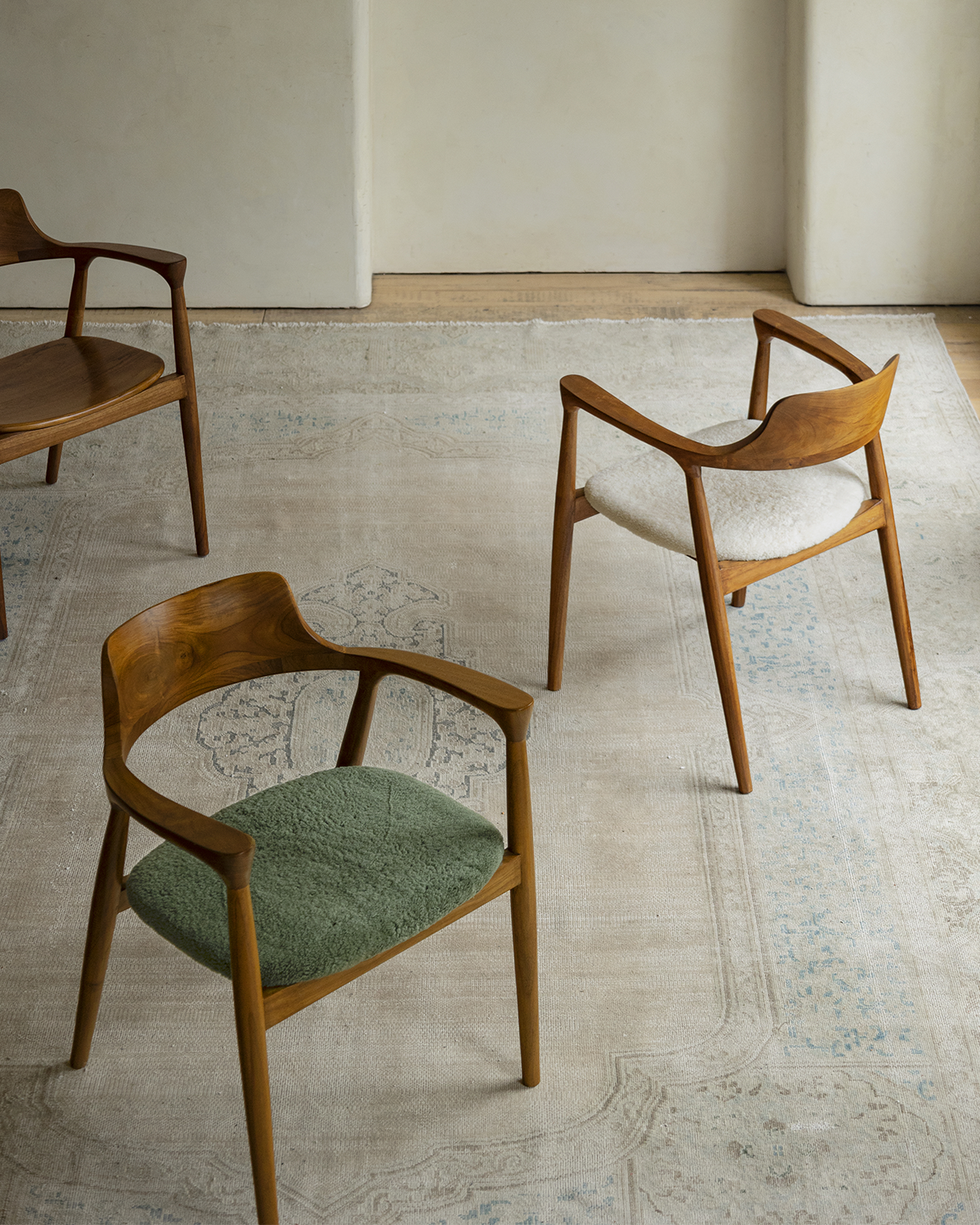

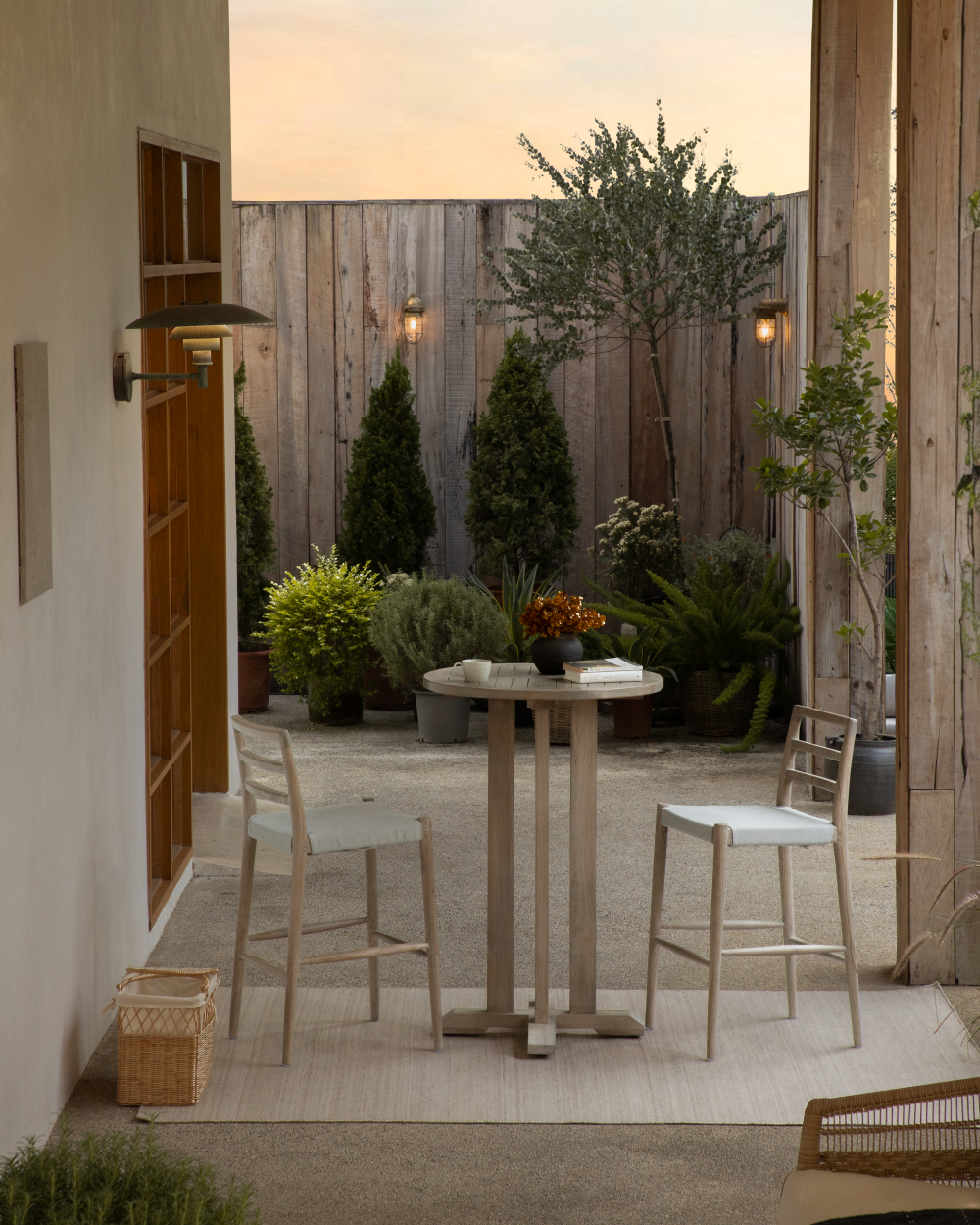

The real choice isn't about style—it's about how you actually live in your kitchen. Backless stools have no support behind you, making them easy to slide under counters. Backed stools include a backrest, offering more comfort for longer sitting.
Your decision comes down to four things: how much space you have, how long you sit, who uses the seats, and what feels right for daily life. This guide helps you choose confidently in just a few minutes.
Quick Answer
- If you want a clean look, easy storage, and more room to move in tight spaces, backless stools usually work better.
- If you need comfort for longer sits, better support, and a more stable seating option, backed stools are the smarter choice.
Many homes actually do best with both—backed stools for the main seats where people eat or work, and backless ones tucked away for extra guests.
Start With Your Space: Layout and Clearance Rules
Before you think about comfort or style, figure out if the stools will even fit properly. Measure your space and think about how people will move around it every day.
Where Will the Stools Live?
Think about the exact spot: Is it a kitchen island, a breakfast bar, or a counter against the wall? Islands and peninsulas get more foot traffic from all sides. Counters against walls have less circulation to worry about. bar-height ledges often separate rooms, so what the stools look like from both sides matters.

Visual Bulk and Sightlines
In open-concept kitchens, backed stools can block your view across the room. If you're standing at the stove and want to see into the living room, tall backs create a visual barrier. Backless options keep sightlines open and make smaller spaces feel bigger. This matters most in apartments or narrow galley kitchens where every inch of openness counts.
Circulation and Walkway Space
Backs add depth. A backed kitchen stool might stick out 18 to 22 inches from the counter, while a backless one stays closer to 15 inches. In tight walkways—like the path between your island and the fridge—that extra space can mean the difference between comfortable movement and constantly bumping into furniture. Backless designs keep paths clear and reduce the feeling of crowding.
Storage and Tuck-Under Behavior
Backless stools slide completely under the counter when not in use. This keeps your kitchen looking clean and gives you more floor space. Backed stools don't always tuck in fully, especially if the backrest is wide or the counter has an overhang issue. If you need stools to disappear after breakfast, backless ones are usually easier.
Comfort and Support: How Long You Sit Changes Everything
The amount of time you spend sitting matters more than you might think. A furniture stool that works great for a quick coffee can feel uncomfortable after 30 minutes.
Short Sits: Coffee and Quick Meals
For grabbing breakfast or checking your phone with a snack, backless stools are perfectly fine. You're not there long enough to feel tired. Many people use their island for quick moments throughout the day, and backless options work well for this type of use.
Long Sits: Homework, Laptop Work, Entertaining
If kids do homework at the counter or you answer emails while dinner cooks, your back will start to hurt without support. Guests who linger over drinks or conversation also appreciate a backrest. Backed stools reduce fatigue and make it easier to relax. You'll notice the difference after about 20 minutes.
Footrest and Seat Shape Still Matter
Whether you choose backed or backless, look for a good footrest and a contoured ergonomic seat. These features make any stool more comfortable, regardless of back support. A flat, hard seat gets uncomfortable fast, even with a backrest.

Safety and Stability: Who's Using the Stools?
Think about who sits on these stools every day. Kids, older adults, and guests all have different needs when it comes to feeling secure.
Households With Kids or Older Adults
Backed stools feel more stable and secure. Kids wiggle less when they have something to lean against, and older adults appreciate the extra support when sitting down or standing up. The backrest acts like a small safety barrier that keeps people from tipping backward.
High-Traffic Areas and Bumping
In busy kitchens where people are constantly moving around, backless stools cause fewer snags. There's nothing to catch your hip on when you're rushing past. Backed stools can get bumped or pulled out of position more easily, especially during hectic mornings.
Swivel Stools: Stability Matters More
If you're considering swivel stools, stability becomes even more important. Backed versions give you something to hold while turning, which prevents unintended spinning. Kids especially like to spin on backless swivel stools, which can become annoying or even unsafe. Think about how much control you want over movement.
Style and Maintenance: What Looks Good and Stays Clean
The right stool should match your kitchen's look and be easy to maintain. Both options have pros and cons.
Design Impact
Backless stools create a minimal, modern feeling. They're sleek and unobtrusive, which works well in contemporary or industrial kitchens.
Backed stools feel more like dining chairs and add visual presence. They can make your island feel like a proper eating area, which fits traditional or farmhouse styles. A vintage Chinese reclaimed wood stool with a back can add character and warmth.
Cleaning Considerations
Backless designs have fewer surfaces and crevices to wipe down. You can clean them quickly after meals. Backed stools require more attention—crumbs get stuck where the seat meets the back, and spills can drip down. If you have messy eaters or cook greasy foods often, a backless chair might save you time.
Materials and Finishes
Upholstered backs look cozy but absorb spills and grease. Metal or wood backs are easier to wipe clean but might feel cold or hard. Backless stools in metal or wood are the easiest to maintain overall. Think about your cooking style and how much mess your kitchen sees daily.

Decision Guide: Choose in 60 Seconds
Use this quick checklist to make your final call based on your real needs.
Choose Backless If:
- Your space is tight or narrow
- You need to tuck stools away when not in use
- You want a lighter, more open visual look
- People sit for less than 15-20 minutes at a time
- You prioritize easy cleaning and minimal maintenance
Choose Backed If:
- You sit often or for long periods
- You want more support and comfort
- You need a more anchored, stable seating option
- Guests tend to linger and chat
- Kids or older adults use the stools regularly
Choose a Mix If:
- You want comfort for daily seats but flexibility for hosting
- You have room for 3+ stools and want variety
- Some family members sit longer than others
Make Your Choice Based on Real Use
Measure your space first—check the clearance from the counter to the walkway. Think honestly about how long people actually sit at your island or counter.
- If most sits are under 15 minutes, a backless chair will work fine and keep your kitchen feeling open.
- If people regularly camp out for meals, work, or conversation, backed stools will make everyone happier.
Many kitchens benefit from having both types available.
FAQs
Q1: Are backless kitchen stools uncomfortable for everyday use?
It depends on how long you sit. For quick meals and coffee breaks, backless stools work well. Most people don't notice discomfort during short sits. For longer sessions, like working on a laptop or helping kids with homework, backless stools can cause back fatigue after 20-30 minutes. If your daily routine includes extended sitting at the counter, backless stools will feel more comfortable.
Q2: Do backed stools take up more space?
Yes, they add visual and physical bulk. Backed stools stick out farther from the counter, which can crowd narrow walkways. They also create a visual barrier in open kitchens, blocking sightlines across the room. Most backed stools don't tuck completely under the counter, so they stay visible even when not in use. In small kitchens, this can make the space feel more cramped.
Q3: Which is better for small kitchens: backless or backed?
Backless stools usually work better in small kitchens. They keep the space feeling open, tuck away easily, and don't block movement or views. If you still want some back support, consider low-back stools as a compromise. They offer comfort without the full visual weight of traditional-backed designs.
Q4: Can I mix backless and backed stools on the same island?
Yes, many people do this successfully. Keep the finishes and materials similar so they look intentional together. Place backed stools at the "primary" seats—usually the ends or the spots where family members eat most often. Use backless stools for extra seating that gets used less frequently. This gives you comfort where it matters most and flexibility everywhere else.