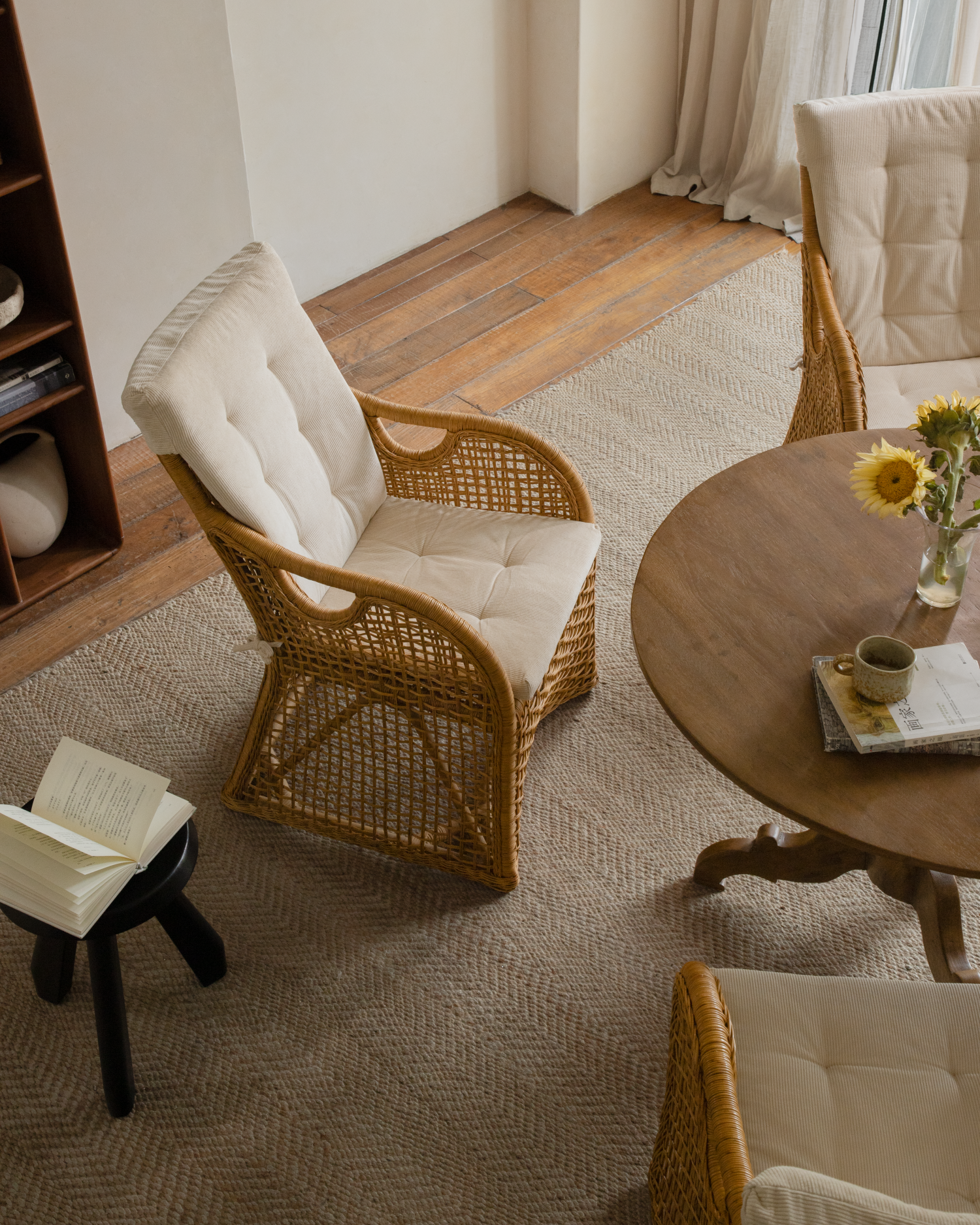
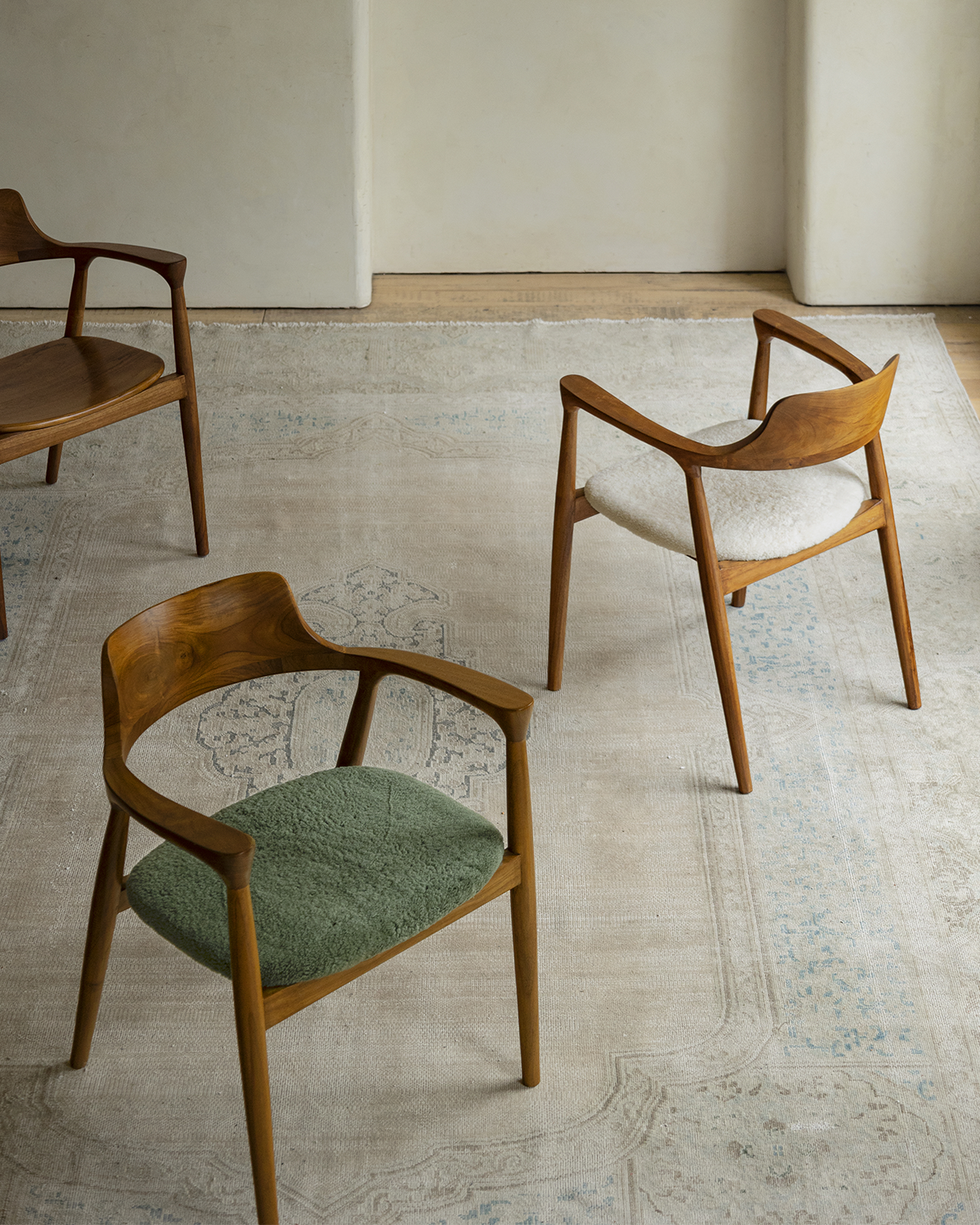


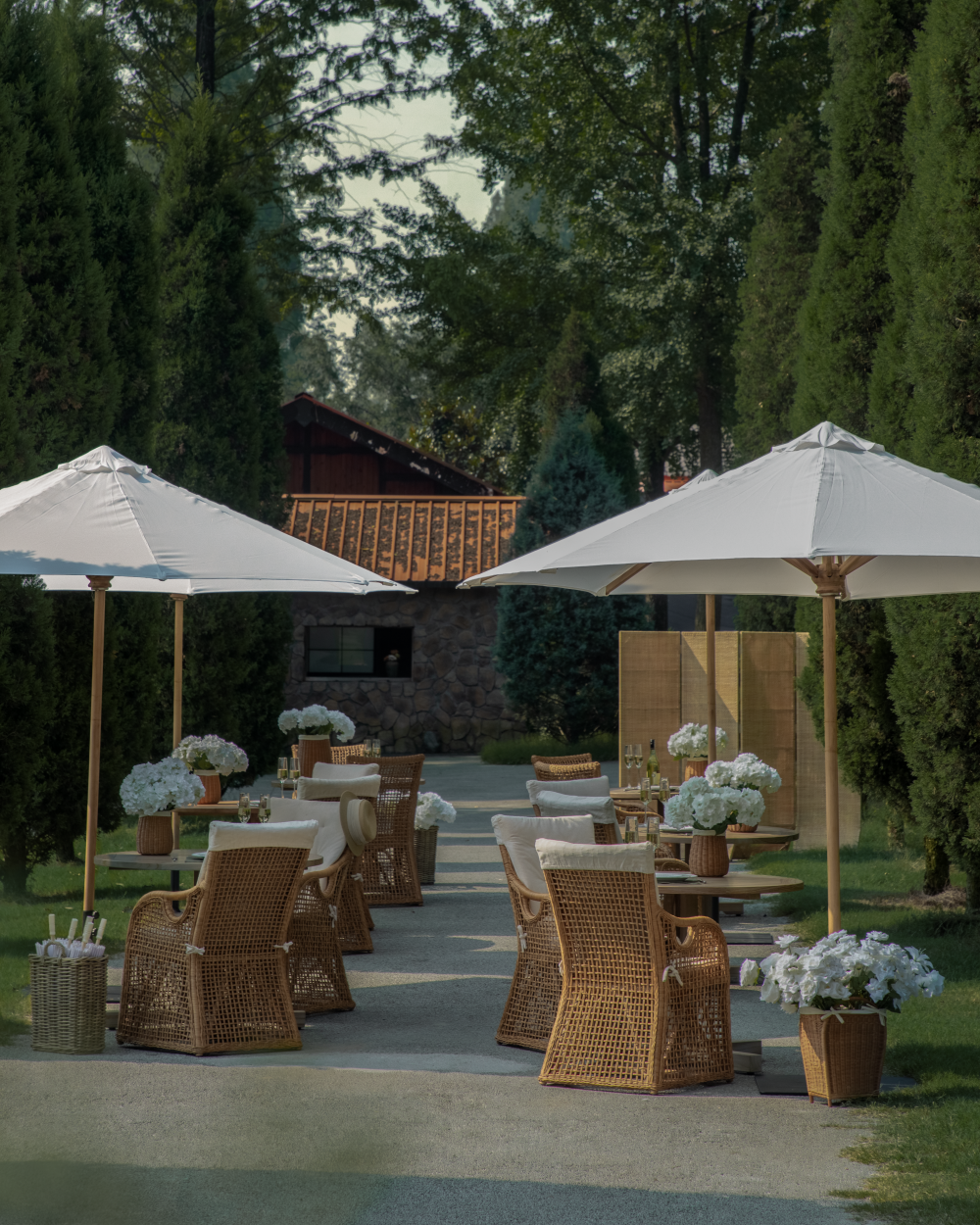
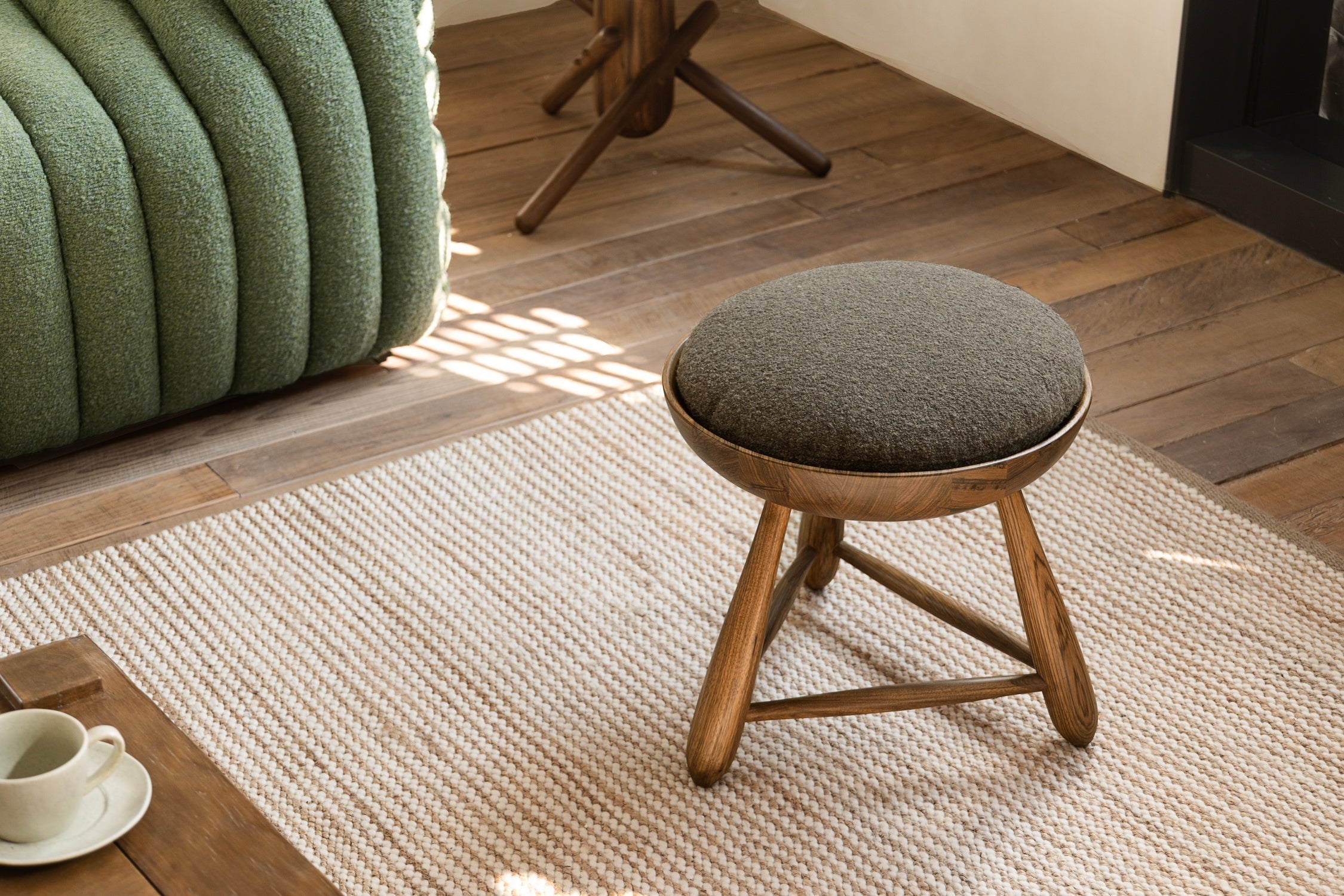

The right stool does more than fill a spot under your counter. It shapes how your family gathers, how guests interact in your kitchen, and whether your back aches after breakfast. A good choice supports your body, fits your room's traffic patterns, and pulls your design together.
Read this blog, you'll learn the exact height formula, spacing rules, and comfort features that matter for kitchen islands, home bars, and compact apartment counters.
Start With Placement and Use Case
First of all, map out where your stool will live and how you'll actually use it.
- Kitchen islands call for easy-access seating that handles spills.
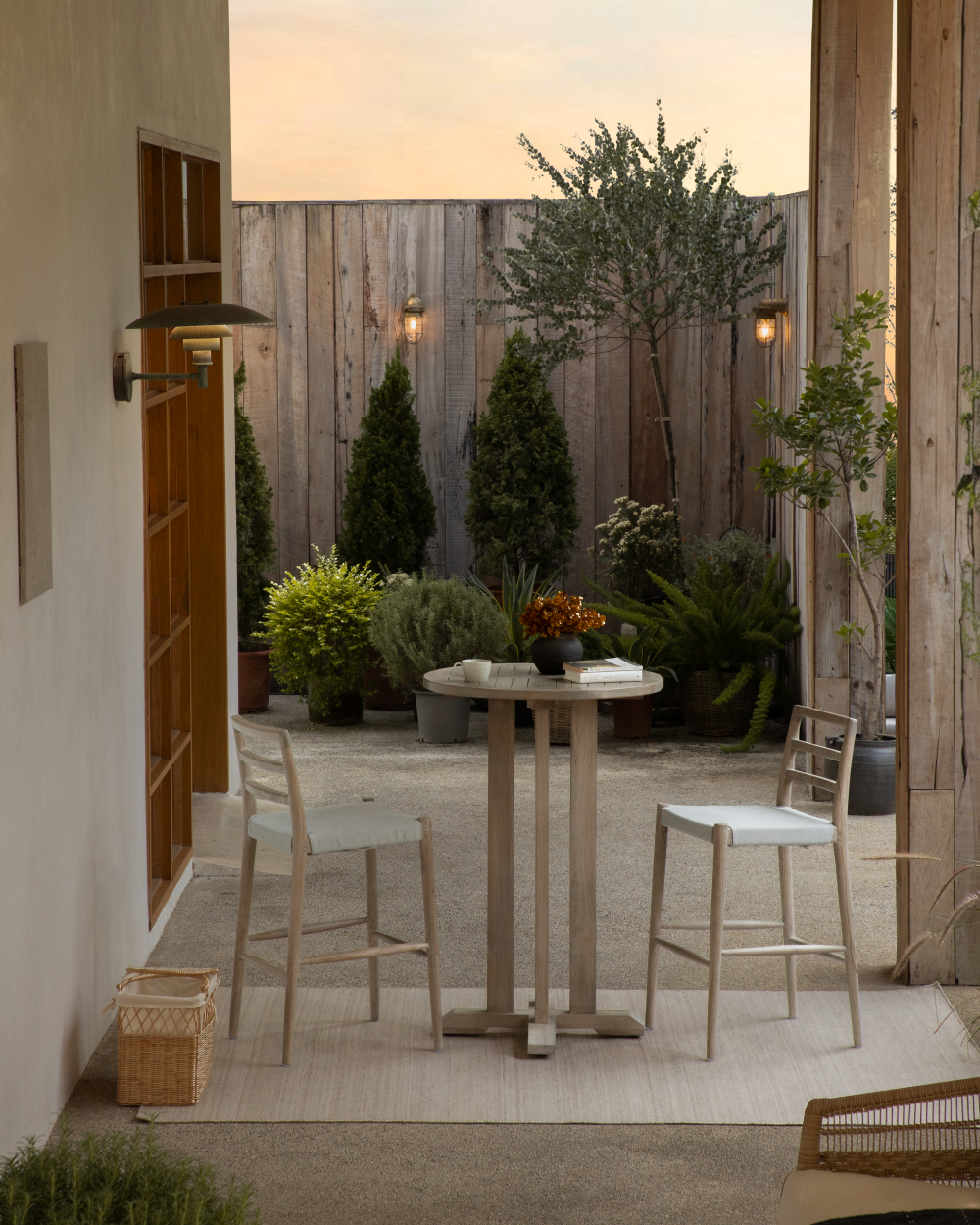
- Home bars benefit from taller options with footrests.
- Dining counters need room for plates and elbows.
Consider use patterns. Quick morning coffee needs less support than two-hour homework sessions. If kids climb up daily, stability trumps style. Entertaining guests means thinking about conversation flow.
Measure traffic flow. Leave at least 32 inches between the back of a seated person and the nearest wall. Tight kitchens need stools that slide completely under the counter.
Choose the Correct Stool Height (Most Important Step)
Getting height wrong ruins everything else.
- Counter-height stools measure 24 to 26 inches from floor to seat, pairing with 35- to 39-inch surfaces.
- Bar-height stools stand 28 to 30 inches tall for 40- to 42-inch surfaces.
- Extra-tall stools reach 33 to 36 inches.
Here's the foolproof method: measure from your floor to the underside of your counter. Subtract 10 to 12 inches. The result is your ideal seat height. This gap gives your thighs breathing room.
Adjustable-height stools solve the in-between problems. If your counter measures 38 inches, a gas-lift stool lets each person dial in their perfect fit. Families with growing kids benefit from seats that adapt.

Get Seat Size and Spacing Right
Seat width typically ranges from 15 to 20 inches. Compact stools around 15 inches suit tight apartment kitchens. Wider 18- to 20-inch seats offer more comfort but demand more space.
Space stools 6 to 10 inches apart, measured center to center. Armless designs can sit closer. Stools with arms or swivels need the full 10 inches. Reclaimed wood stools with chunky frames also require generous spacing.
To calculate capacity, measure your usable counter length. Subtract 8 to 10 inches from each end. Divide the remainder by 24 to 26 inches per stool. A 72-inch island with 10-inch end margins fits two comfortable stools.
Don't forget knee clearance. Thick countertops eat into that critical 10-inch gap. Always measure the actual underside height.
Decide on Comfort Features Based on Sitting Time
Backless vs Backed
Backless stools keep sight lines open and tuck away completely. They work well for quick breakfasts and modern kitchens. The downside: no lumbar support means tired backs during longer meals.
Backed stools provide crucial support for homework sessions or working from your kitchen counter. Low backs offer support without blocking views. Full-backs create a chair-like feel but can crowd a small space.
Arms vs Armless
Arms add comfort but steal space. They help older family members, but they must clear the underside of your counter. Measure before buying.
Seat Shape, Padding, and Footrest
Seat padding makes a difference. Flat wood or metal works for short sits. Upholstered cushions turn a furniture stool into somewhere you'll choose to sit. Every stool taller than 24 inches needs a footrest to prevent leg fatigue.
Pick the Best Base Type for Your Lifestyle
The base dictates how a tripod or stand interacts with the ground.
Swivel vs. Stationary
Swivel bases offer convenience for quick turns and easy entry, making them great for active spaces. Stationary bases provide better stability and a simpler design. With fewer moving parts, they tend to last longer and rarely wobble.
Leg Styles
Four-legged designs distribute weight evenly for a solid feel. Sled bases offer a sleek look and slide easily across surfaces. Pedestal bases save floor space but can feel tip-heavy if you lean on them.
Floor Protection
Rubber feet and anti-slip tips prevent scratches and keep the base from sliding. If your floor is uneven, look for adjustable levelers to stop annoying wobbles.

Choose Materials That Match Your Maintenance Needs
- Wood brings warmth and works with nearly every design style. Hardwoods like oak handle daily use better than soft pine. Reclaimed wood stools offer unique character and proven durability. The maintenance requirement: occasional tightening and protecting from water rings.
- Metal frames deliver serious durability and suit industrial or modern kitchens. Steel and aluminum won't crack or split. The feel can be cold without cushions. Powder-coated finishes resist rust better than bare metal.
- Upholstery makes stools comfortable but demands more care. Fabric breathes and feels soft but stains easily. Faux leather wipes clean—good for kids and pets—but cracks over time. Real leather ages beautifully but costs more.
- For outdoor use, look for rust-proof aluminum or powder-coated steel. Seats should use quick-dry foam or slatted wood.
Match Your Stool Style to Your Room Design
- Coordinate with existing elements. Match wood tones to your cabinetry or flooring. Echo metal finishes from your faucet or lighting.
- Visual weight changes how a room feels. Open-frame stools with slim legs keep small kitchens feeling airy. Upholstered stools with full backs or chunky wooden stools work better in large spaces.
- Color strategy: matching stools to your dominant room color creates a seamless look. Contrasting stools make a statement—navy stools against white cabinets, or bright reclaimed wood stools in a gray kitchen. Use repetition to tie mixed materials together.
Common Buying Mistakes to Avoid
- Buying by appearance before measuring is the number-one problem. Always start with measurements, then shop within those constraints.
- Choosing stools too wide for your counter length creates a cramped lineup. Each stool needs 24 to 26 inches of linear space.
- Ignoring back height blocks sight lines. In open-plan kitchens, tall backs create a wall. Backs taller than 20 inches can obstruct views across islands.
- Forgetting that arms must fit under the counter is common. Measure the clearance between your seat height and the counter underside, then subtract two inches for maximum arm height.
- Picking trendy materials that don't fit your cleaning habits sets up daily friction.
Quick Checklist: Find Your Perfect Stool in 5 Minutes
- Measure your counter height from the floor to the underside. Subtract 10 to 12 inches from your seat height. This eliminates half the options immediately.
- Decide on sitting time. Under 30 minutes: backless works. Over 30 minutes: get a back. Over an hour: add arms and cushions.
- Confirm stool width and spacing. Measure counter length, subtract end margins, and divide by 24 to 26 inches for your stool count.
- Choose your base type. Kids or tight space: swivel helps. Stability: stationary four-leg.
- Select material and style. Match your cleaning tolerance and echo one finish from your existing kitchen.

FAQs
Q1: How do I know if I need counter-height or bar-height stools?
Measure your counter from the floor to the top surface. Counter-height stools suit 35- to 39-inch surfaces. Bar-height stools match 40- to 42-inch surfaces. Aim for 10 to 12 inches of clearance between the seat and the counter underside.
Q2: How much space should I leave between barstools at a kitchen island?
Allow 6 to 10 inches between stools, measured center to center. Compact armless stools can sit closer together. Wider seats, arms, or swivel mechanisms need the full 10 inches.
Q3: Are swivel stools a good idea for small kitchens?
Yes, if you value easy entry and exit. Swivel bases help in tight spaces because you don't need to pull the stool far out. The tradeoff is less stability compared to stationary legs.
Q4: Should I choose backless or backed stools for everyday use?
- Backed stools win for sitting longer than 30 minutes—homework, meals, working.
- Backless stools work well for quick snacks or when you want unobstructed sight lines.