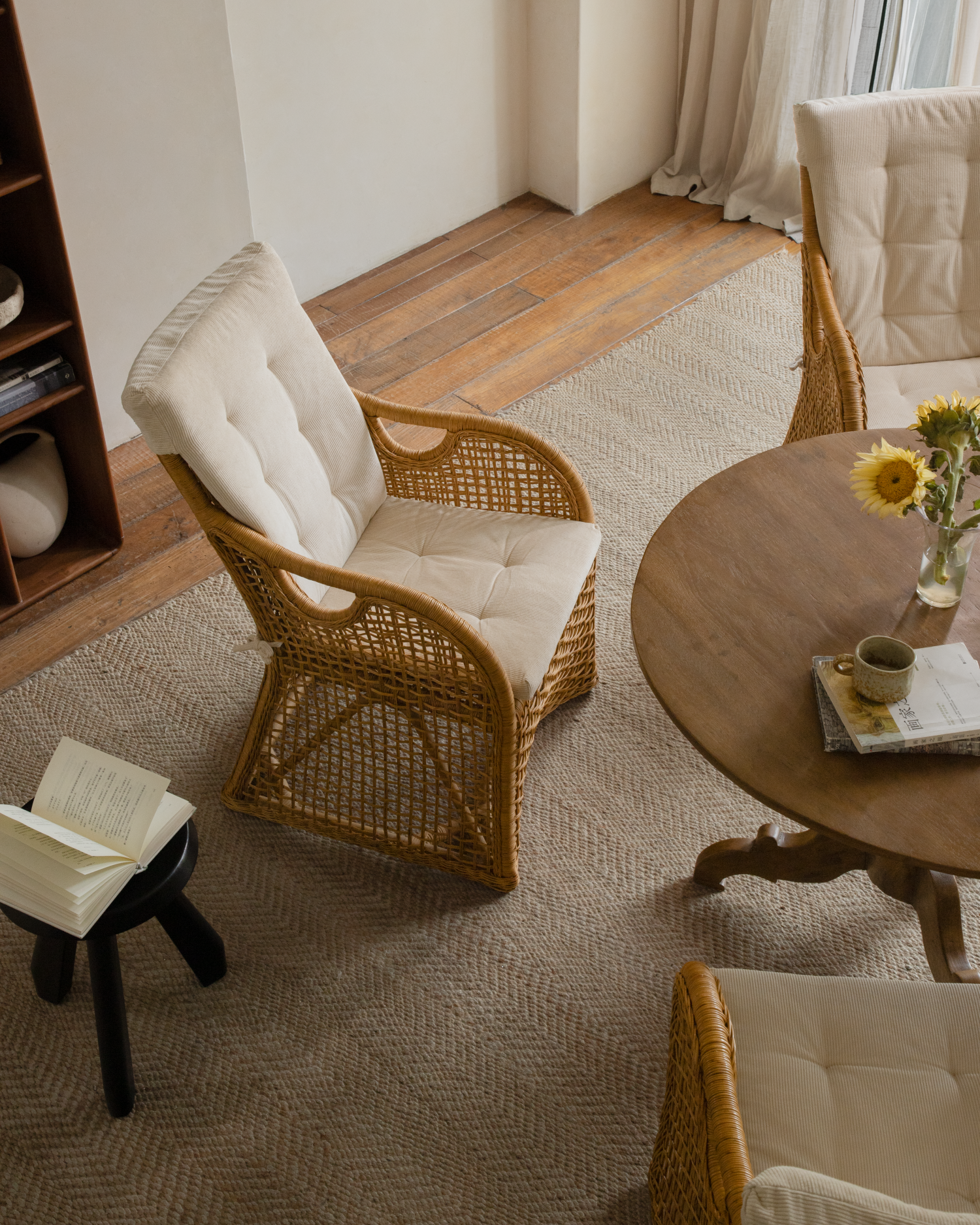
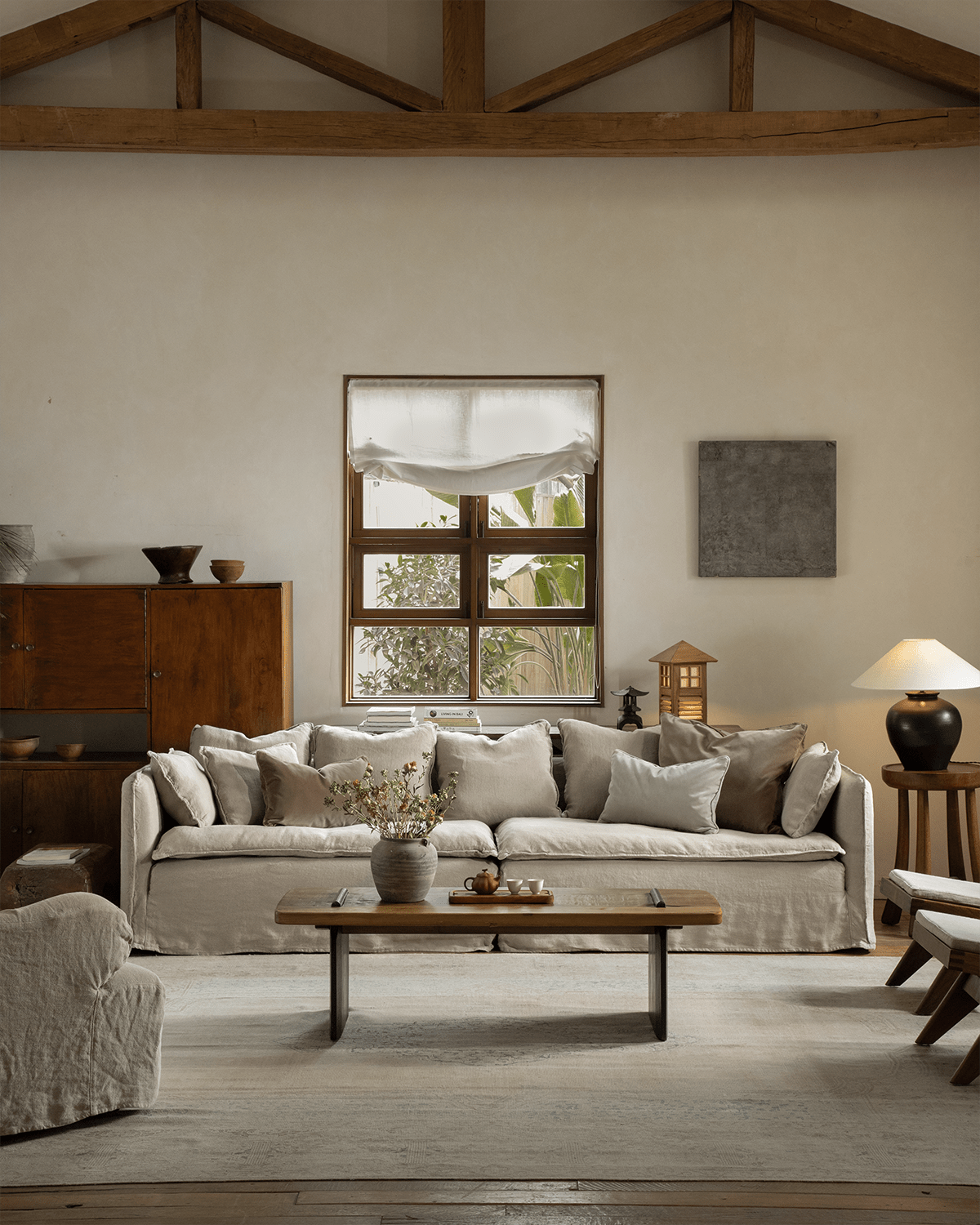
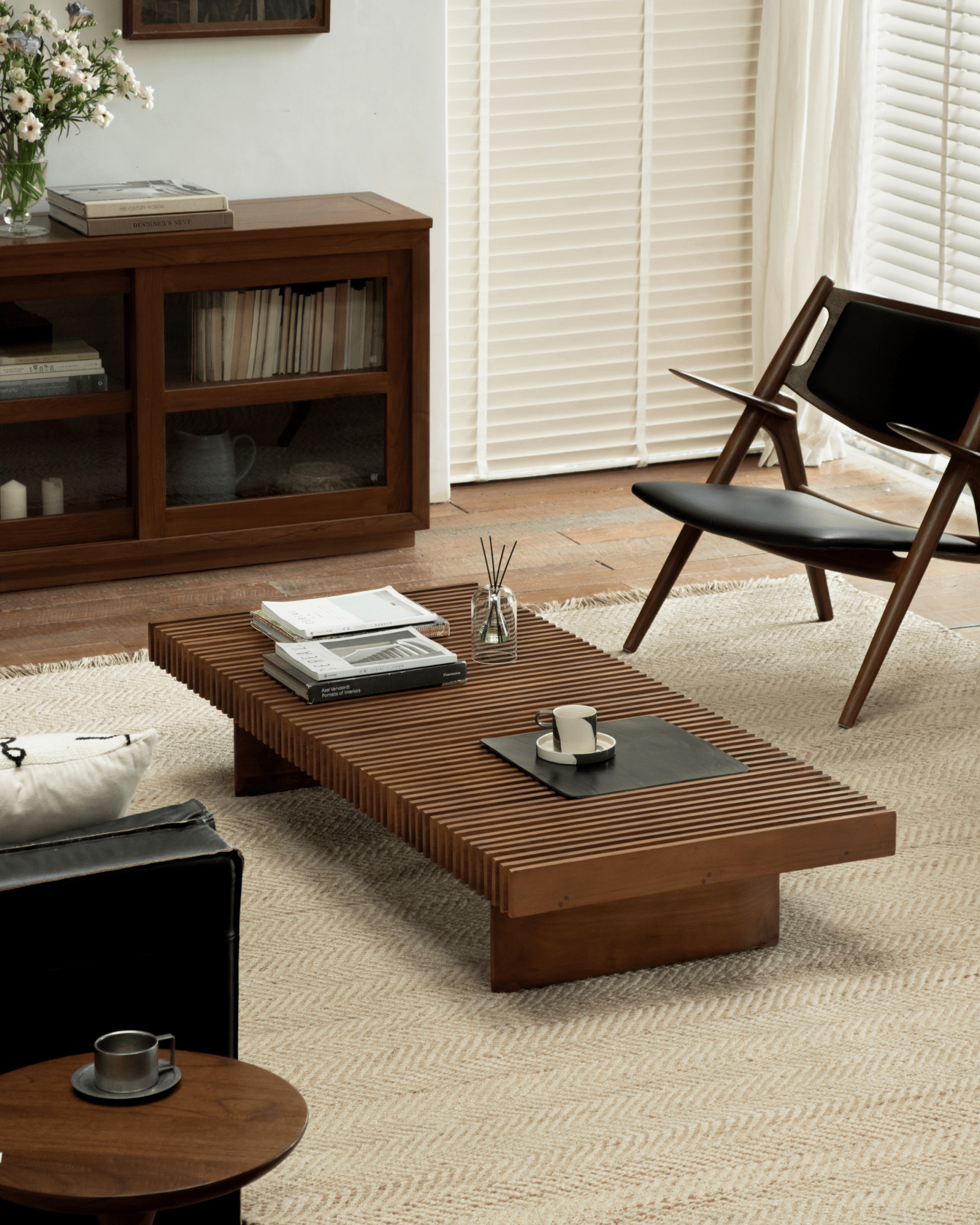
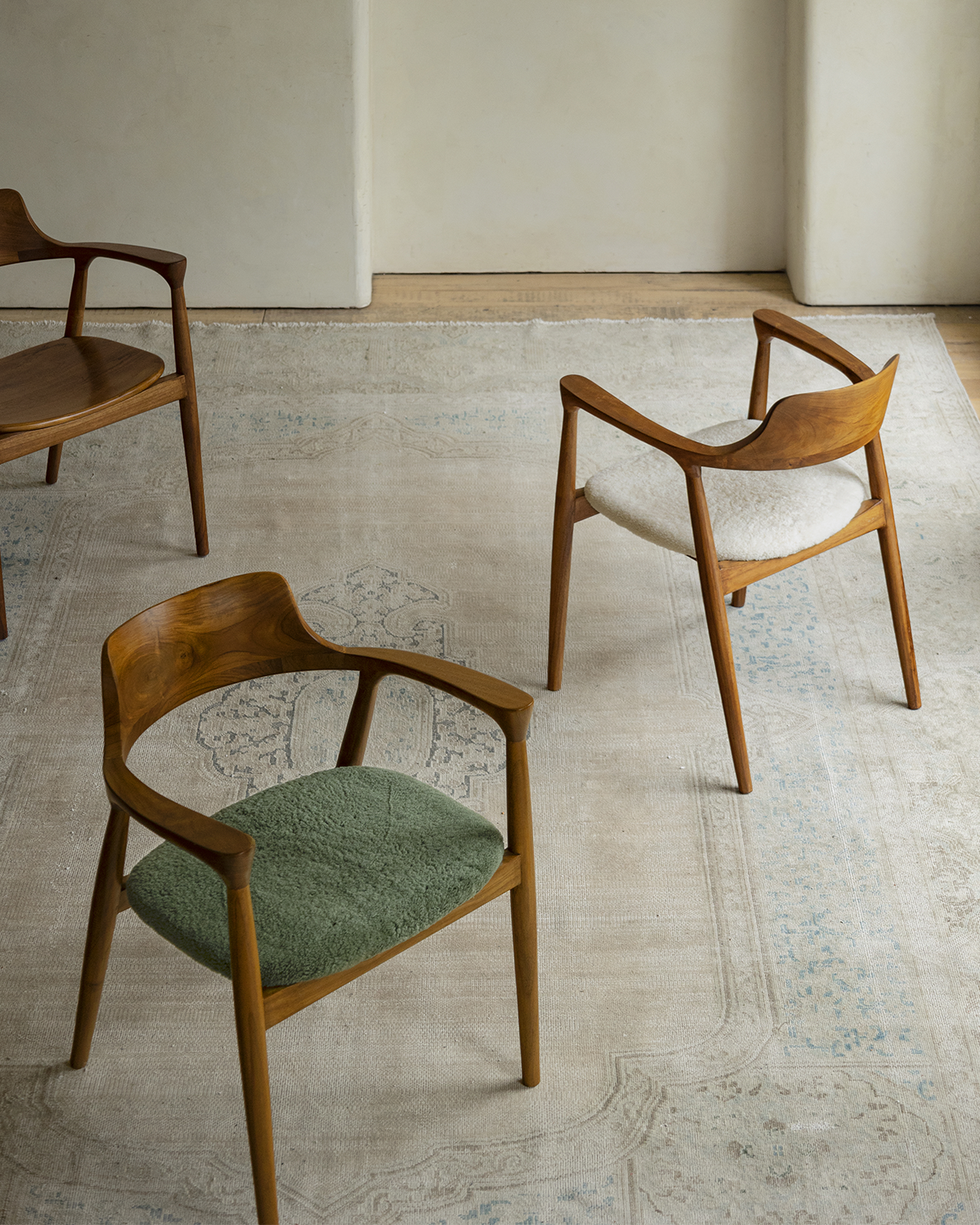


You don't need a lot of money or an extra room to build a reading nook. A supportive, comfortable chair is often the first piece of furniture that makes a reading area useful and relaxing. Having a special place to read offers benefits beyond just a place to sit. It makes a space for relaxation, promotes mindfulness, and aids in creating a regular reading habit by removing distractions.
Selecting the Best Armchair for Your Reading Nook
The chair serves as the foundation of your entire reading experience. If the seat is not comfortable, you will not use the space, no matter how beautiful it looks.
Prioritize Long-Term Comfort
A reading chair has a different job than a dining chair or a decorative side chair. You need a piece that supports your body for long periods. Look for adequate back support that keeps your spine aligned. The seat depth matters significantly here; if it is concise, you might feel like you are sliding off, but if it is too deep, your feet might dangle. Test the cushioning to ensure it is firm enough to hold you up but soft enough to feel welcoming. A chair that allows you to sit for one to two hours without shifting constantly is the goal.
Picking the Right Size and Scale
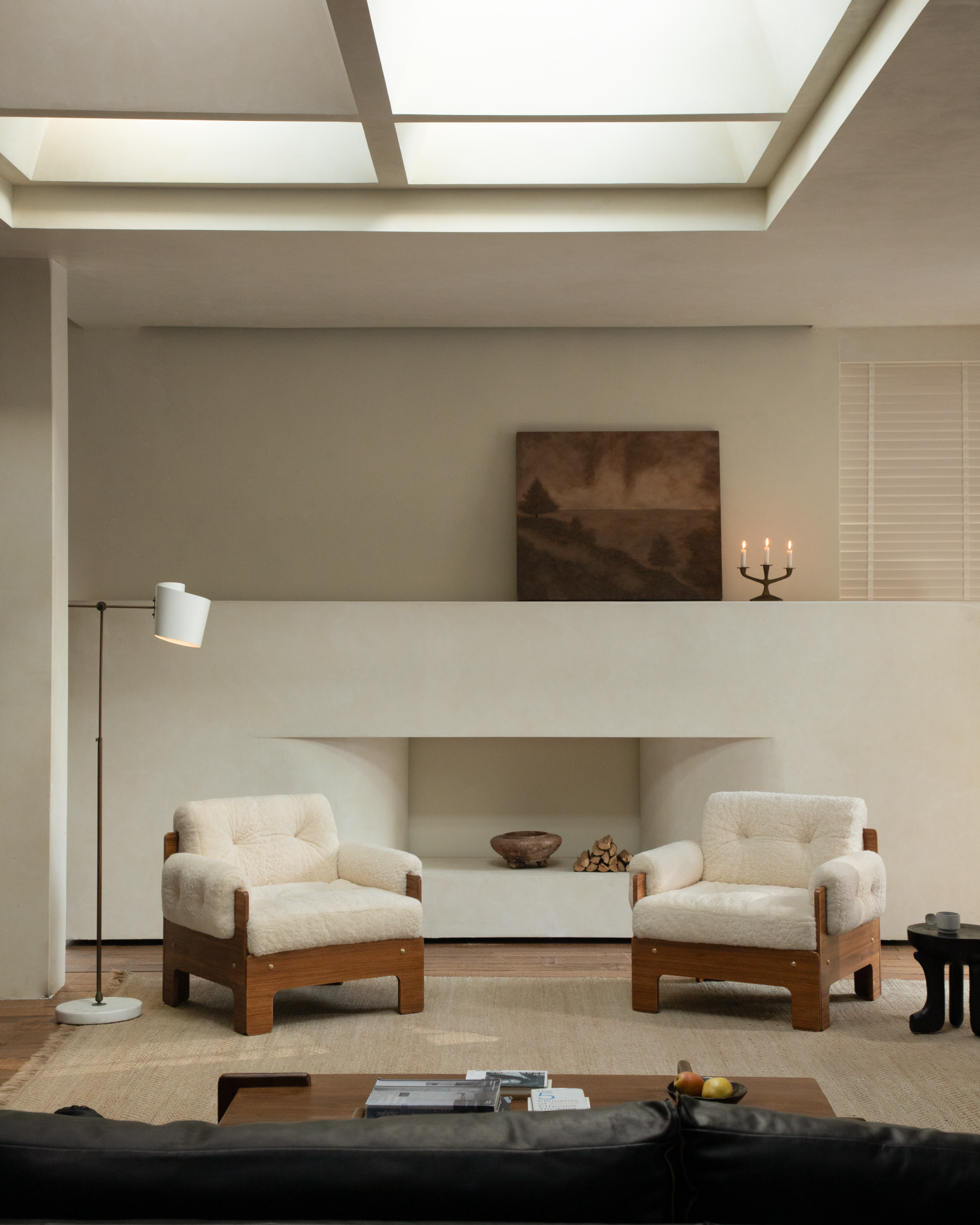
The physical footprint of the chair must match the room. A massive recliner will overwhelm a small studio apartment, while a petite chair might look lost in a large living room with high ceilings. Measure your available floor space before shopping. For compact corners, consider chairs with slim armrests or rounded backs, which take up less visual weight. In larger rooms, you have the freedom to choose wider silhouettes that command more presence.
Material and Fabric Choices
The fabric you choose dictates both the feel and the longevity of the chair. Soft fabrics like velvet or boucle add immediate warmth and texture, making the chair inviting during colder months. Leather is a classic choice that ages well and is easy to wipe down, though it can feel cool to the touch. If you plan to use this spot daily, prioritize breathability and ease of cleaning. Performance fabrics are excellent for resisting stains while maintaining a soft hand feel.
Summary:
Your choice of seating defines the success of your reading nook. Prioritize supportive structures and durable fabrics to ensure the space remains functional for years to come.

Locating the Ideal Spot to Place Your Armchair
Where you place your armchair affects how often you use it. A quiet, well-lit location invites you to sit down, whereas a dark or busy area will likely repel you. The right location balances natural light with a sense of separation from household activity.
Near a Window for Natural Light
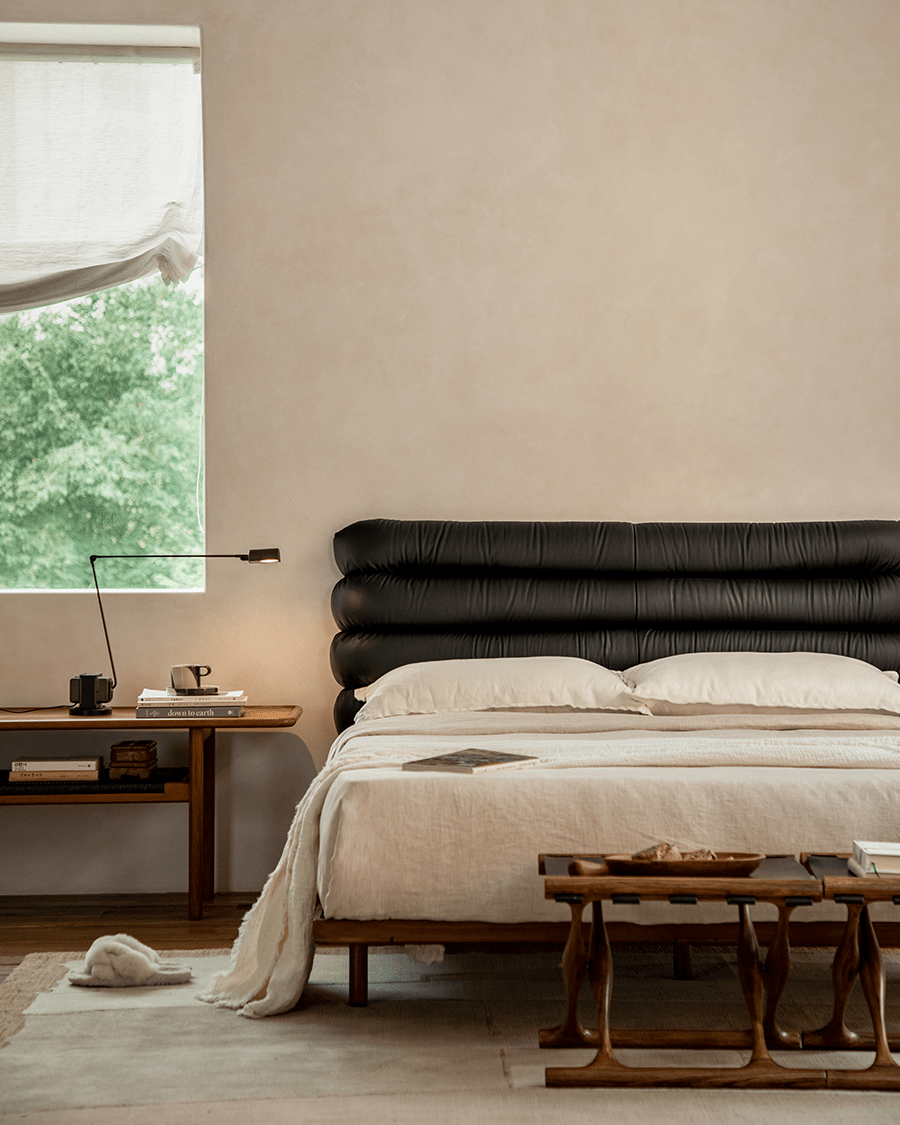
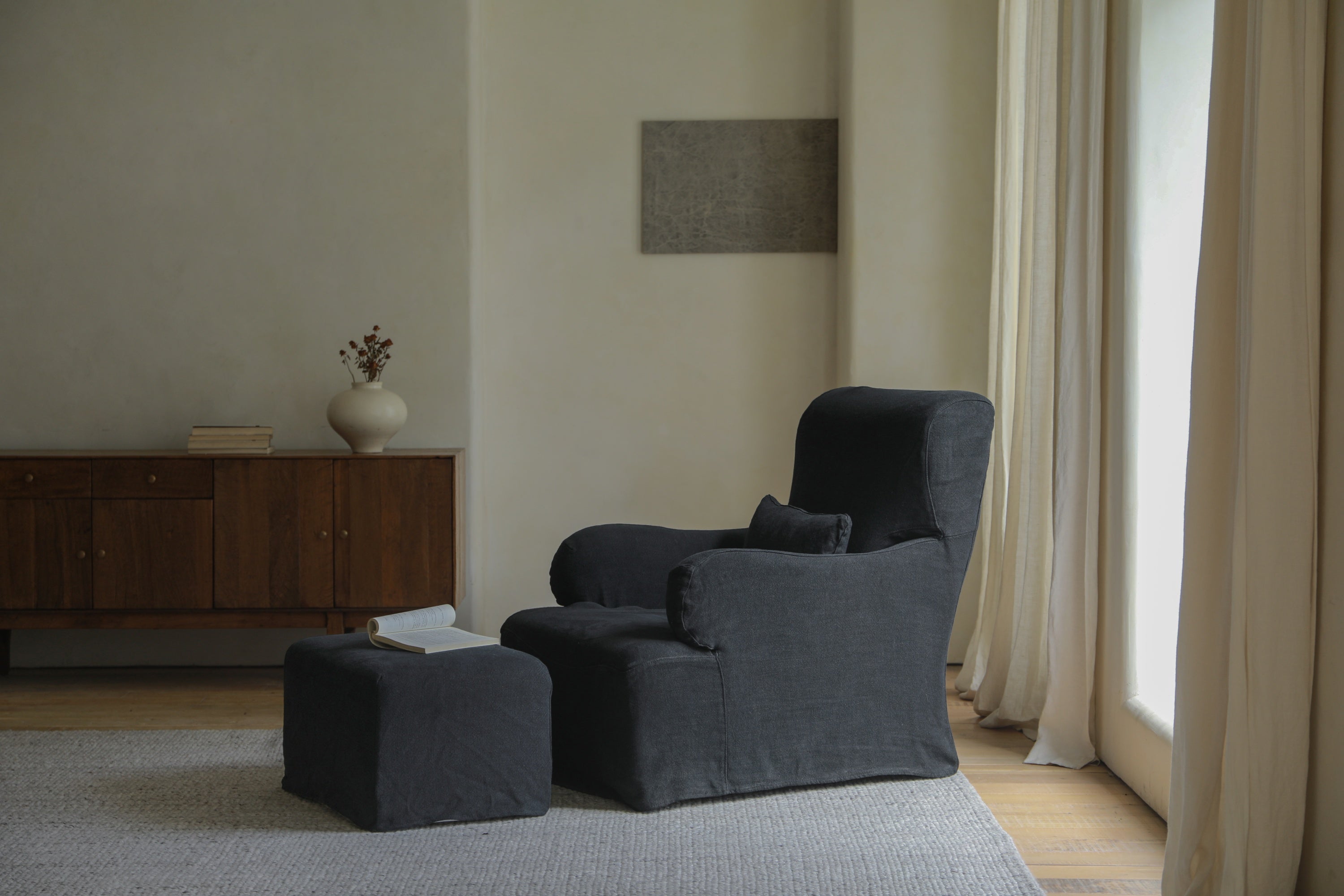
Positioning your chair near a window is a classic choice for a reason. Natural light reduces eye strain and provides excellent color rendering for illustrations or magazines. It also offers a view, allowing you to rest your eyes by looking into the distance occasionally. To manage glare during the brightest parts of the day, simply install sheer curtains that diffuse the sun without blocking it entirely.
Quiet Corners for Better Focus
Visual privacy helps the brain switch into focus mode. A corner placement naturally "hugs" the chair, creating a feeling of safety and enclosure. Try to position the chair so it does not face main traffic paths, such as the hallway to the kitchen or the front door. Facing a wall or a window rather than the center of the room can minimize visual distractions and keep your attention on the page.
Bedroom, Living Room, or Office?
Each room offers a different vibe. A bedroom corner is usually the quietest and most private, making it ideal for nighttime reading. A living room setup is more social and accessible but might be noisier if you live with others. A home office can work, provided you can mentally separate the reading chair from your work desk. In open-concept spaces, use the back of the chair to create a visual divider between the "relaxing zone" and the rest of the room.
The placement of your reading spot determines its atmosphere. Aim for a location that offers control over lighting and protection from household traffic.
Adding Essential Accessories to Elevate Armchair Comfort
Once you have your chair and location, you need a few tools to make the space usable. These accessories transform a standalone chair into a fully functioning reading station. Prioritizing armchair comfort involves having everything you need within arm's reach so you do not have to get up.
| Accessory | Purpose & Recommendation |
| A Targeted Light Source | You cannot rely on overhead ceiling lights, which are often too dim or cast shadows on your book. A floor lamp positioned behind the shoulder or a table lamp at eye level is ideal. Look for bulbs with a warm color temperature (2700K–3000K) to keep the mood relaxing. |
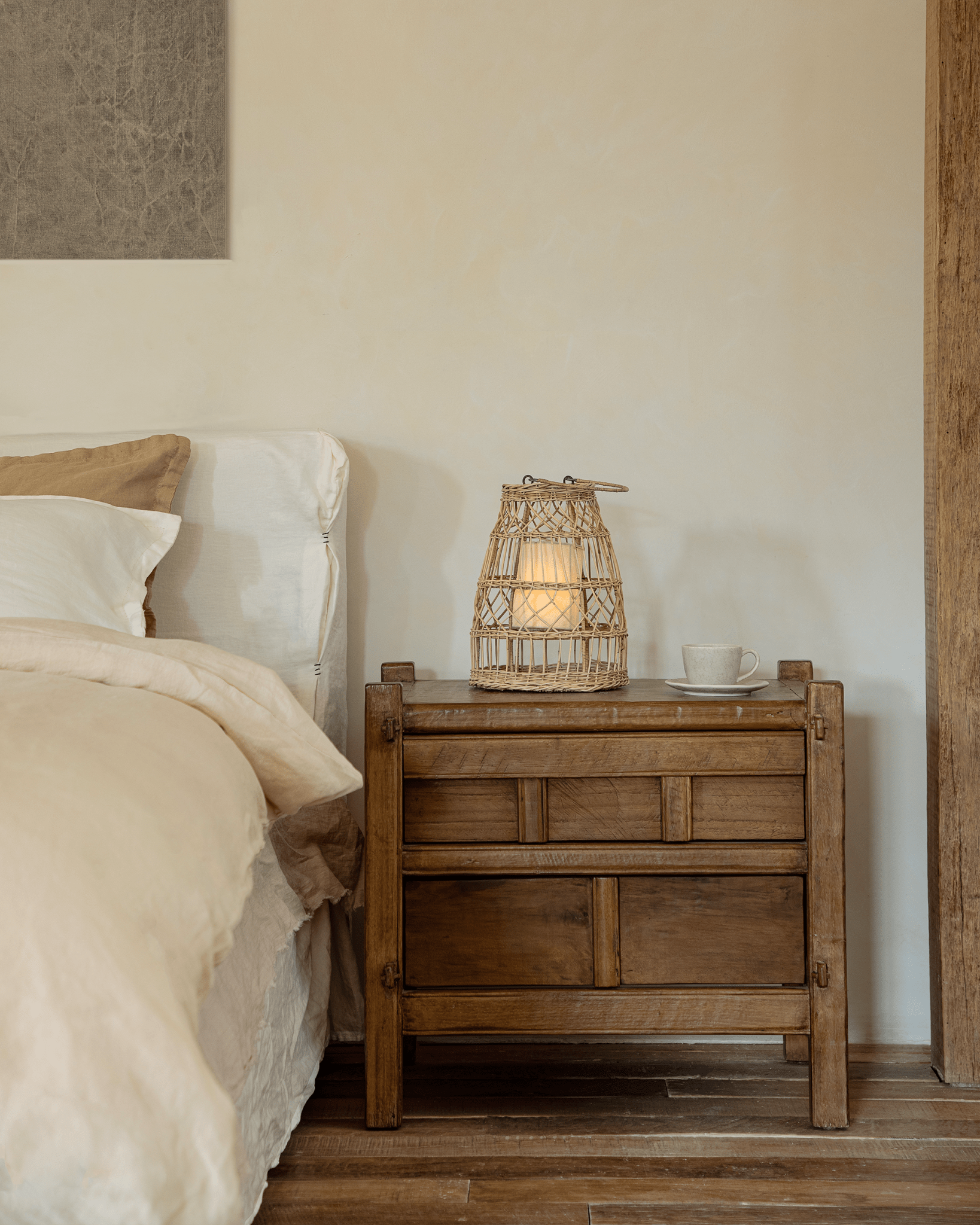
| A Side Table | You need a surface for your coffee, tea, glasses, or phone. The table should be roughly the same height as the chair's armrest. If space is tight, a small drink table or a floating shelf works perfectly. |
| Textiles & Cushions | A throw blanket adds texture and is practical for temperature control. A lumbar pillow is often necessary for additional back support, helping you maintain good posture during long reading sessions. |
| Footrest or Ottoman | Elevating your legs improves circulation and takes the pressure off your lower back. If your chair doesn't recline, a small pouf or ottoman is a simple addition that drastically increases comfort. |
Lighting, surface space, and support items are not just decoration; they are necessities. These elements ensure you can stay seated comfortably for extended periods.

Styling Your Accent Armchair to Define the Zone
Style is more than just making the space look good; it tells your brain that this room is different from the rest of the house. With the right visual cues, even a simple accent couch can become the center of attention.
Use a Rug to Define the Reading Area
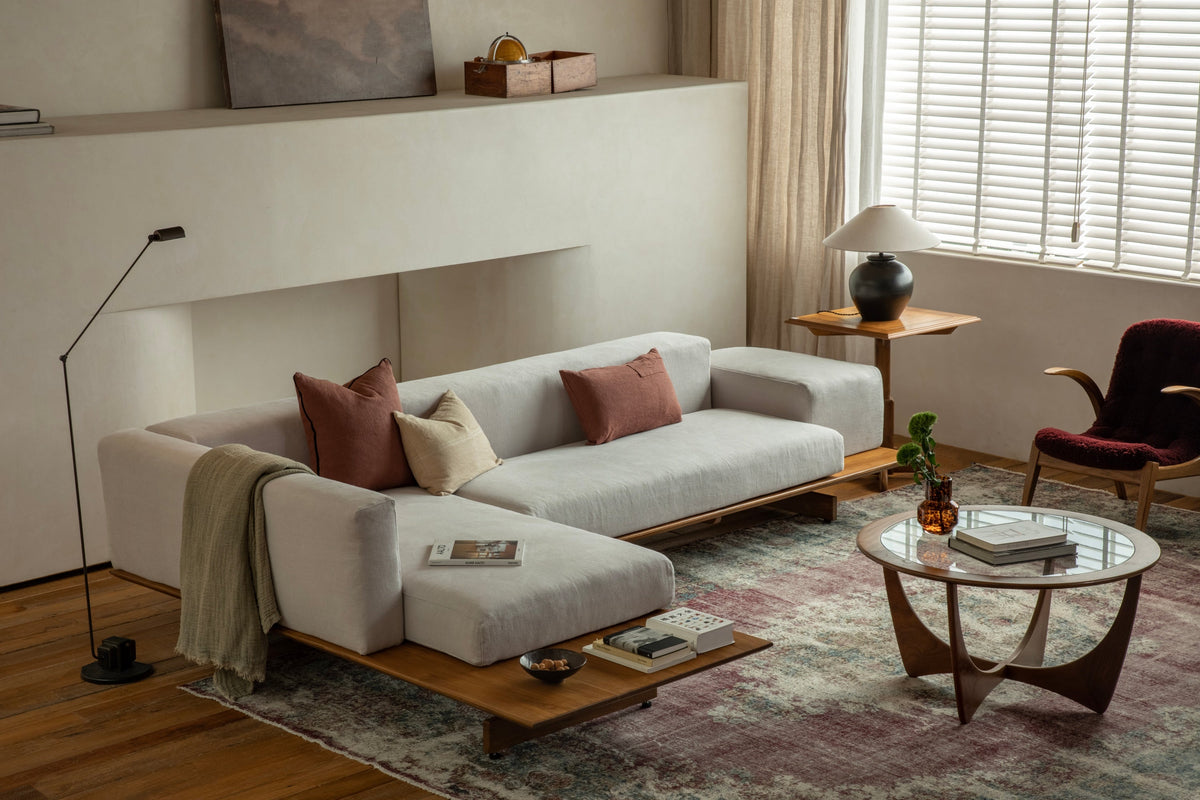
A rug acts as an island, grounding your furniture and visually separating the reading nook from the surrounding floor. This is especially helpful in open-plan living rooms. The rug does not need to be huge; it just needs to be large enough for the front legs of the chair and the side table to sit on it. High-pile or wool rugs add softness underfoot, increasing the cozy factor.
Add Plants for Calm and Freshness
Introducing greenery connects your indoor space with nature, which has a proven calming effect. A tall floor plant behind the chair or a small succulent on the side table adds life to the corner. Plants like snake plants or pothos are low-maintenance choices that thrive in various lighting conditions, ensuring your nook looks fresh with minimal effort.
Incorporate Storage for Books
You need a place to keep your current reads. If you do not have room for a bookshelf, a woven basket on the floor or a small magazine rack works well. Wall-mounted floating shelves are another space-saving option. Keeping books visible and accessible serves as a visual reminder to take a break and read.
Personal Touches
Use small decorations to make the area your own. You can make the nook feel more personal by adding a scented candle, a framed photo, or a small work of art. But be careful not to overcrowd the side table.
Using rugs, plants, and storage to define the space makes it feel like its own "zone" within a bigger room. These visual limits help you take your mind off of other things that need to be done.
Adjusting Lighting and Atmosphere for Deep Relaxation
The difference between a waiting room and a cozy nook is often the ambience. Lighting and sound play a massive role in how relaxed you feel.
Layered Lighting
Relying on a single light source creates harsh contrasts. Instead, mix ambient light (like general room light) with your focused reading lamp. This creates a softer, more balanced glow that reduces eye strain. Avoid bright, cool-white overhead fixtures, as they tend to feel clinical and alerting rather than relaxing.
Soft, Warm Tones
Color affects mood. Stick to warm neutrals, earth tones, or deep, calming colors for your throws and pillows. These shades promote relaxation. Bright, jarring colors can be energetic, but they might not help you wind down.
Scent and Sound
Engage your other senses to deepen the immersive experience. Light aromas like lavender, vanilla, or cedar can signal relaxation. If your home is noisy, consider using background sound. Soft instrumental music or a white noise machine can mask household chatter and help you focus on the narrative.
Ambiance is built through soft lighting, calming colors, and sensory details. These adjustments turn a simple chair into an immersive escape.

Common Mistakes That Reduce Armchair Comfort
Even with the best intentions, small setup errors can ruin the functionality of your nook. Avoiding these pitfalls ensures your armchair comfort remains high.
- Poor Lighting Placement: Placing the light source in front of you creates glare, while placing it too far back casts shadows. The light should come from the side.
- Ignoring Power Sources: Setting up your chair far from an outlet means you cannot plug in a lamp or charge an e-reader. Check for outlets before finalizing the spot.
- Overcrowding: Adding too many pillows or too much decor makes the chair feel cramped. You should be able to sit down without moving a mountain of items.
- Choosing Style Over Substance: Buying a chair that looks trendy but feels like a rock is a common regret. Always prioritize how it feels to sit in the chair over how it looks on social media.
Functionality should always come first. Avoid common layout errors to ensure your reading space is as practical as it is stylish.
Create Your Perfect Reading Sanctuary Today
You don't have to wait for a big home renovation to have a space just for reading. You can build a functional retreat this weekend by choosing a supportive chair, putting it somewhere with good light, and adding a few thoughtful extras. Keep things simple. Pay attention to what makes you feel calm and safe. Once you've mastered the basics, you'll want to read more often and enjoy those peaceful times.
3 FAQs about Creating Your Reading Nook
Q1: Do I need a big space to create a reading area with an armchair?
No, you don't need a big room. It only needs one corner or a small part of the living room. You can make even a small space feel planned and useful without making it too crowded by using a small chair and vertical space for storage and lights.
Q2: What kind of armchair is best for reading?
There should be strong back support and armrests that let your shoulders relax in the best chair. Wingback chairs are great for resting your head, and club chairs make you feel cozy and enclosed. Avoid chairs that are too soft because they can make your back hurt over time if you sink too deep.
Q3: How can I make my reading nook feel more private?
Visual walls are a good way to keep things private. Putting the chair in a spot that faces away from the main room helps right away. You can also create a sense of separation from the rest of the house with a tall potted plant, a folding screen divider, or a carefully placed floor lamp.

ZM Home
ZM Home is a modern homeware brand dedicated to curating pieces that blend warmth, craftsmanship, and character. Focused on thoughtful design and natural materials, ZM Home creates timeless essentials that elevate everyday living. Each collection reflects a balance of simplicity, comfort, and soul—bringing a sense of calm and intention into every space.