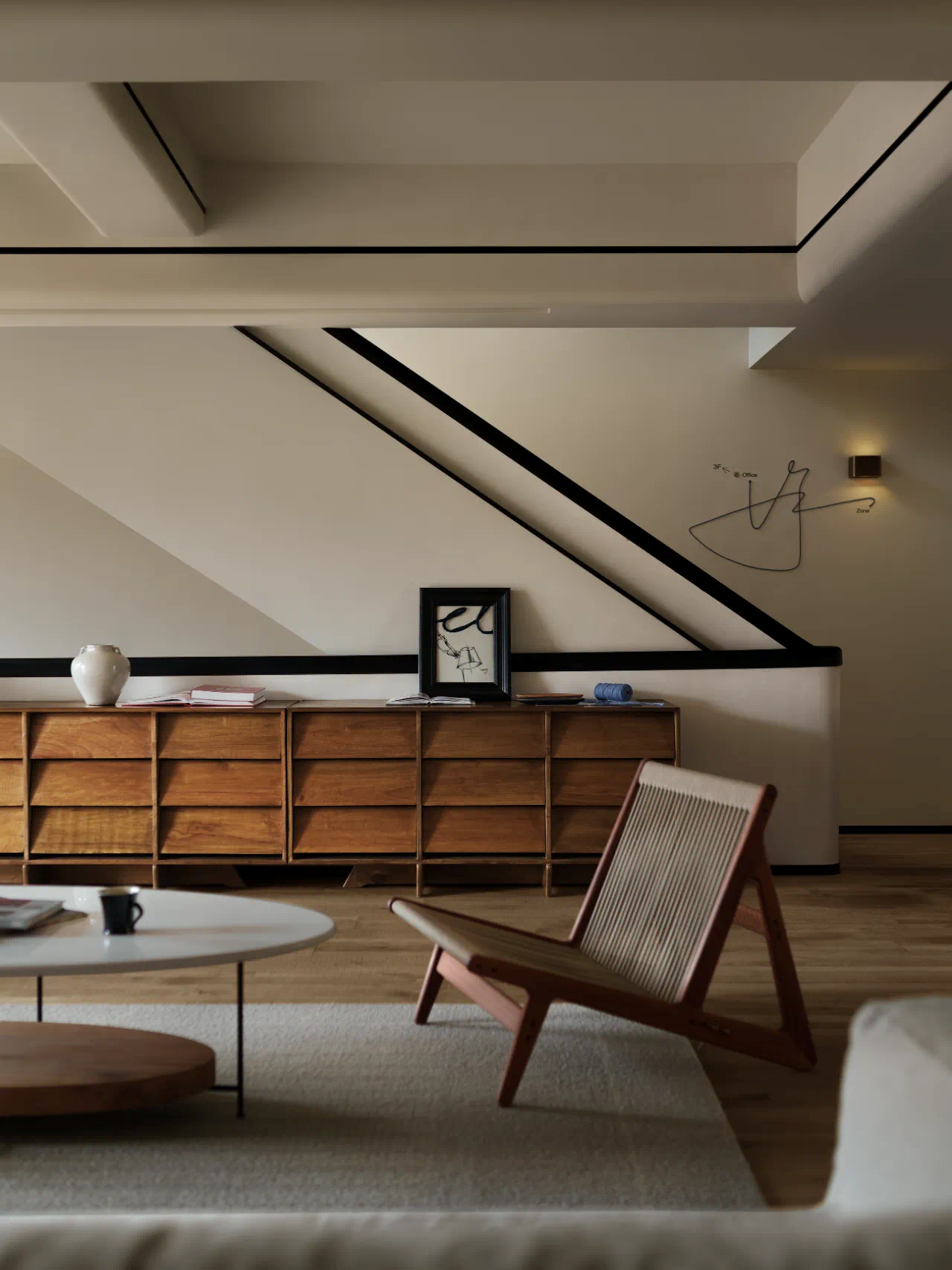
It's not enough to just pick out nice furniture to make your living space feel good; you also need to know how each piece affects the energy in your home. The coffee table, which is often the centerpiece of the living room, is very important for directing chi and fostering connection among family and guests.
Why Coffee Table Feng Shui Matters
Your coffee table does more than hold drinks and magazines. In Feng Shui, this piece of furniture directly affects how energy moves through your living room and how people interact in the space.
Your Coffee Table Controls Energy Flow
Your sitting area is built around a coffee table. Life energy, or chi, flows all the time around it and affects everyone who gathers there. A table that isn't in the right place will block this flow, making the room feel strange or uncomfortable. A well-placed table lets energy flow easily, setting up a natural rhythm that makes people feel at ease.
Good Placement Brings People Together
How your family and friends interact with each other is affected by the Feng Shui coffee table placement. When tables are set up properly, they make it easier to talk and make eye contact. These things make it easy to get things without having to stretch or lean in an odd way.
Balance Function and Harmony
It's important to find a balance between real needs and energetic harmony when placing something. There should be enough room to move around, but the table should feel close enough to bring people together. This balance makes a gathering spot that doesn't feel crowded or far away but rather open and friendly.
The living room should be a place where people want to spend time. Putting the coffee table in the right place creates a warm and inviting atmosphere.
Finding the Best Coffee Table Position for Feng Shui
Getting your coffee table placement right creates better energy flow and makes your living room more comfortable for everyone. Three key factors determine the best position: distance from seating, location in the room, and the table's shape.
Keep the Right Distance from Your Sofa
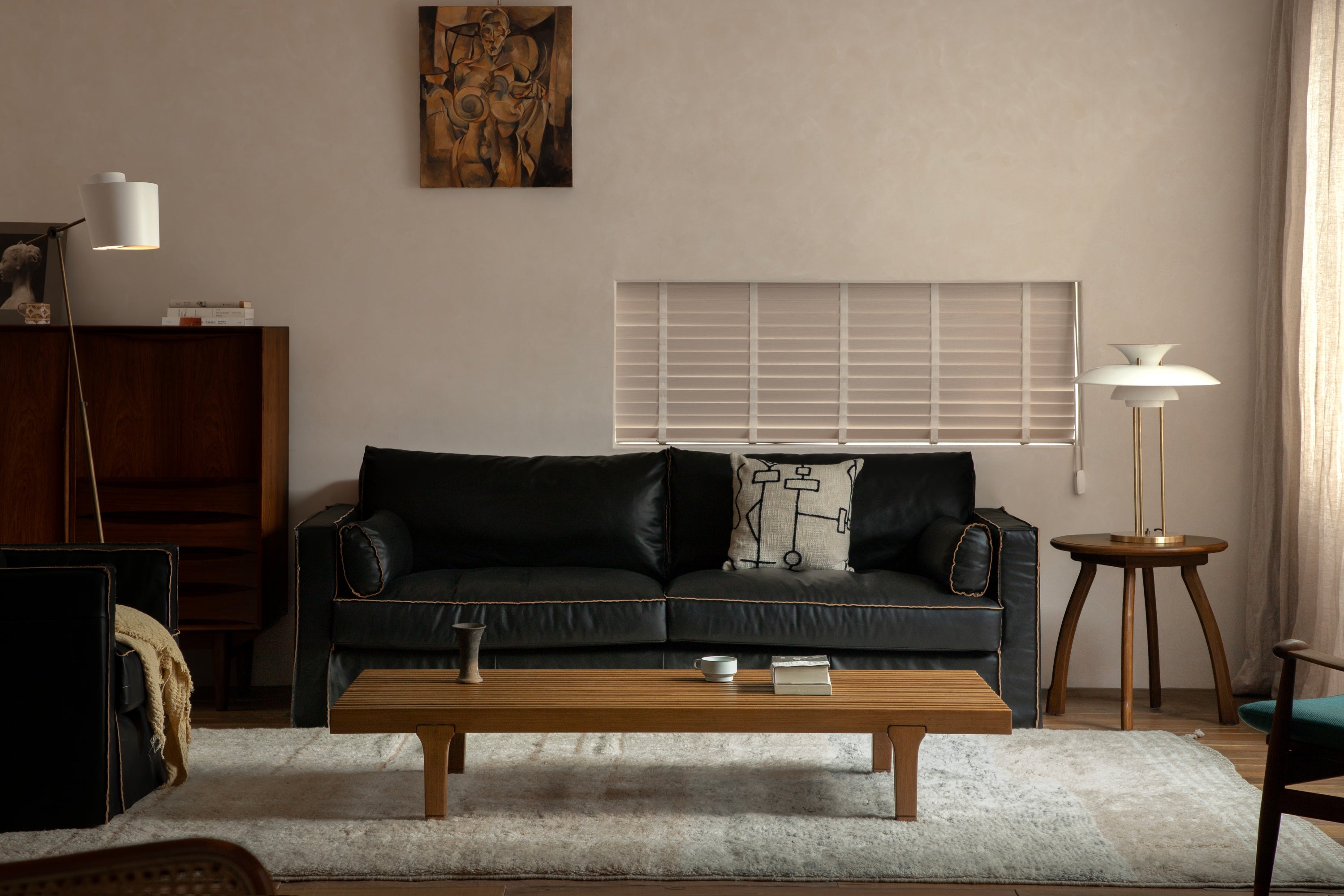
The space between your sofa and coffee table should measure 18 to 24 inches. This distance is close enough to reach drinks or books easily, but far enough to avoid feeling cramped. The reasons why this distance matters include:
- Tables too close make people feel trapped and block energy flow
- Tables too far away weaken connections between people sitting across from each other
- Proper spacing lets chi circulate freely while keeping the space functional
You can test your current setup by standing up from your sofa. Your legs should clear the table edge comfortably without stretching or bumping. This simple check tells you if your Feng Shui coffee table placement supports smooth movement and energy.
Also, leave at least 30 inches of open space for main walkways around the table. People should move through the room easily without squeezing past furniture or changing their natural path.

Position Your Table in the Center
Place your coffee table in the center of your seating arrangement, not pushed to one side. This central spot anchors the space and spreads energy equally to all seats. The best coffee table position Feng Shui practitioners recommend aligns with your room's natural focal point. This balanced placement makes everyone feel included in conversations and gatherings. Follow the below doorway placement rules:
- Never place your table directly in line with doorways. Energy rushes through doors quickly, and a table in this direct path gets hit with too much fast-moving chi. This disrupts the calm, settled energy you want around your seating area.
- If your door faces your seating area, angle your furniture slightly or move the table a few feet to either side. The table should benefit from incoming energy without sitting in the main flow path. Following these coffee table Feng Shui tips helps conversations happen naturally and makes your space feel more welcoming.
Choose the Right Shape for Your Space
Different coffee table shapes create different energy patterns. The coffee table shape Feng Shui you choose should match your room size and how people use the space.
Round and Oval Tables:
- Create smooth, continuous energy flow with no interruptions
- Eliminate sharp corners that can point harsh energy at people
- Work beautifully in smaller spaces where people move around the table frequently
- Best for families with young children or rooms with tight layouts
Rectangular Tables:
- Suit larger rooms and longer sofas perfectly
- Provide stability and grounding energy
- Should measure roughly two-thirds the length of your sofa for proper proportion
- Support the Feng Shui living room furniture arrangement in spacious areas
Square Tables:
- Offer balanced, equal energy on all four sides
- Work best in square rooms where they echo the room's natural shape
- Create symmetry that feels organized and stable
Pro tip: If you already own a rectangular or square table with sharp corners, you can improve the energy. Place rounded decorative items on the corners, or choose a table with slightly curved edges next time.

What Disrupts Energy Flow Around Your Coffee Table
Certain placement errors can disrupt the positive chi you're trying to create. Avoiding these mistakes helps maintain good Feng Shui energy flow living room spaces need.
Blocking Natural Pathways
People should walk around your table easily without squeezing past or stepping over items. Keep at least 30 inches of clearance for main walkways. Blocked pathways trap energy and make your space feel cramped and unwelcoming.
Direct Alignment with Doorways
Never place your coffee table directly in line with the main entrance. Energy rushes through doorways too quickly, and a table in this path gets overwhelmed by fast-moving chi instead of creating the calm, gathered feeling you want.
Positioning Under Overhead Beams
Tables placed under beams create oppressive downward pressure. This makes the gathering space feel heavy and uncomfortable. If you can't avoid beams, hang a crystal or bamboo flute from the beam to deflect the downward energy.
Wrong Distance from Seating
Tables placed too close (less than 18 inches) make people feel trapped. Tables too far away (more than 24 inches) weaken connections between people and create a disconnected feeling in the space.
Glass Table Issues
Glass coffee tables lack visual weight and can create feelings of instability. Items appear to float, which some people find unsettling. If you love your glass table, ground it with a decorative tray, woven mat, or solid base to add earth element stability.
Knowing how to place a coffee table Feng Shui correctly helps you avoid these common issues from the start.
Extra Tips to Enhance Feng Shui with Coffee Table Styling
The surface of your coffee table affects your home's energy just as much as its position. A cluttered table stops chi from moving, while a surface that is fully empty feels cold and unwelcoming.
Keep the Surface Clear
Remove items you don't use regularly. Mail, random objects, and excessive decorations block energy flow. Aim for 3 to 5 meaningful items that serve a purpose or bring you joy.
Add Living Elements
Fresh flowers or healthy plants bring active, vibrant energy to your gathering space. Choose plants with rounded leaves rather than spiky ones. Keep them well-maintained—dying plants create negative energy.
Use Crystals and Candles
A small bowl of crystals, particularly clear quartz or citrine, can amplify positive energy. Candles represent the fire element and add warmth. Battery-operated candles work just as well for safety while still bringing the fire element into your space.
Balance the Five Elements
Following Feng Shui decor for coffee table guidelines means incorporating wood, fire, earth, metal, and water in balanced ways:
- Wood: wooden tray or small plant
- Fire: candles or items in red tones
- Earth: ceramic bowl or stones
- Metal: small brass or silver objects
- Water: small fountain or bowl with water
A wooden tray holding a ceramic bowl with water and floating candles touches multiple elements without crowding the surface.
Coffee Table Feng Shui Tips for Different Room Sizes
Different spaces need different approaches to Feng Shui coffee table placement. Here's how to adapt these principles to your specific room.
For Small Living Rooms
A small living room Feng Shui coffee table requires careful attention to size and flow.
- Choose the Right Size: Pick a smaller table or nesting tables that can be separated during gatherings and tucked together afterward. Round or oval shapes work best because curved edges take up less visual space and make movement easier in tight spaces.
- Avoid Overwhelming the Space: Measure carefully before buying. A table that's too large makes a small room feel cramped and blocks energy circulation. Your table should fit comfortably with at least 18 inches between the sofa and the table edge.

For Open-Concept Spaces
Open floor plans need clear zones without blocking sightlines or creating barriers.
- Define Your Living Area: Use your coffee table to anchor the living zone. Position it to mark the seating area clearly while keeping views open to other parts of the room. This helps energy flow smoothly from one zone to another.
- Keep Pathways Wide: Leave generous walkways between different areas. Energy should move freely from the living area to the dining space or kitchen.
For Multi-Purpose Rooms
Rooms that serve multiple functions need flexible furniture that adapts to different activities.
- Pick Moveable Options: Lightweight tables or ones with wheels give you flexibility to shift the layout easily. This matters especially if you work from home and need to change your space throughout the day.
- Try Alternatives: Ottoman-style tables with storage serve the same gathering function while adding extra seating during parties. Some multi-purpose spaces work better with these flexible options than traditional coffee tables.
The goal is to create a gathering spot that brings people together without crowding your available space.
Transform Your Living Room Energy Today
Following strict rules isn't the most important part of Feng Shui. What's more important is making places where you and your loved ones feel at ease and connected. If you want to know what feels right in your home, use these ideas as a starting point. Good furniture arrangement easily helps you achieve the goals of conversation, relaxation, and getting together in your living room.
3 FAQs about Coffee Table Feng Shui
Q1: Should I choose a coffee table with storage for better Feng Shui?
Storage coffee tables work well for Feng Shui if you keep the hidden compartments organized and clutter-free. Messy, forgotten storage spaces collect stagnant energy. Only store items you actually use, like remote controls or coasters, and check the contents every few months. The main benefit is keeping your table surface clear while still having easy access to essentials. Choose solid lids or doors instead of glass tops for better energy containment.
Q2: Can I place my coffee table off-center in an asymmetrical room?
Yes. Asymmetrical rooms actually benefit from off-center placement that creates balance. Position your coffee table to anchor your seating arrangement, even if this means the table isn't centered in the physical room. Focus on balancing the energy around your seating area rather than trying to center everything in an oddly shaped space. The furniture grouping becomes the center point, with the table properly positioned to encourage conversation.
Q3: How high should my coffee table be for good Feng Shui?
Your coffee table should match or sit slightly lower than your sofa cushions, typically 16 to 18 inches tall. This height lets people reach items comfortably without leaning forward awkwardly or stretching upward. Tables too low make guests hunch over, blocking energy flow. Tables too high create barriers between people sitting across from each other and interrupt natural conversation.