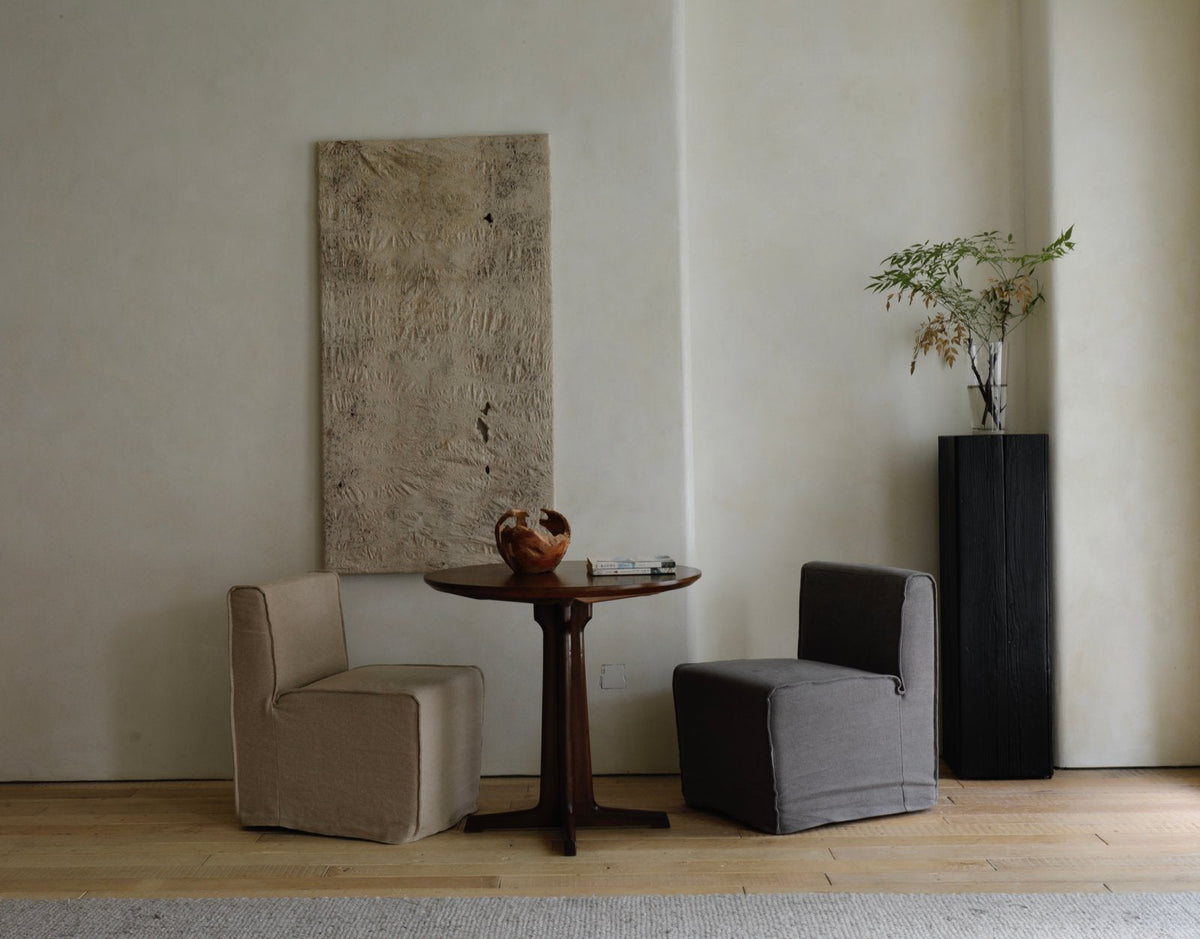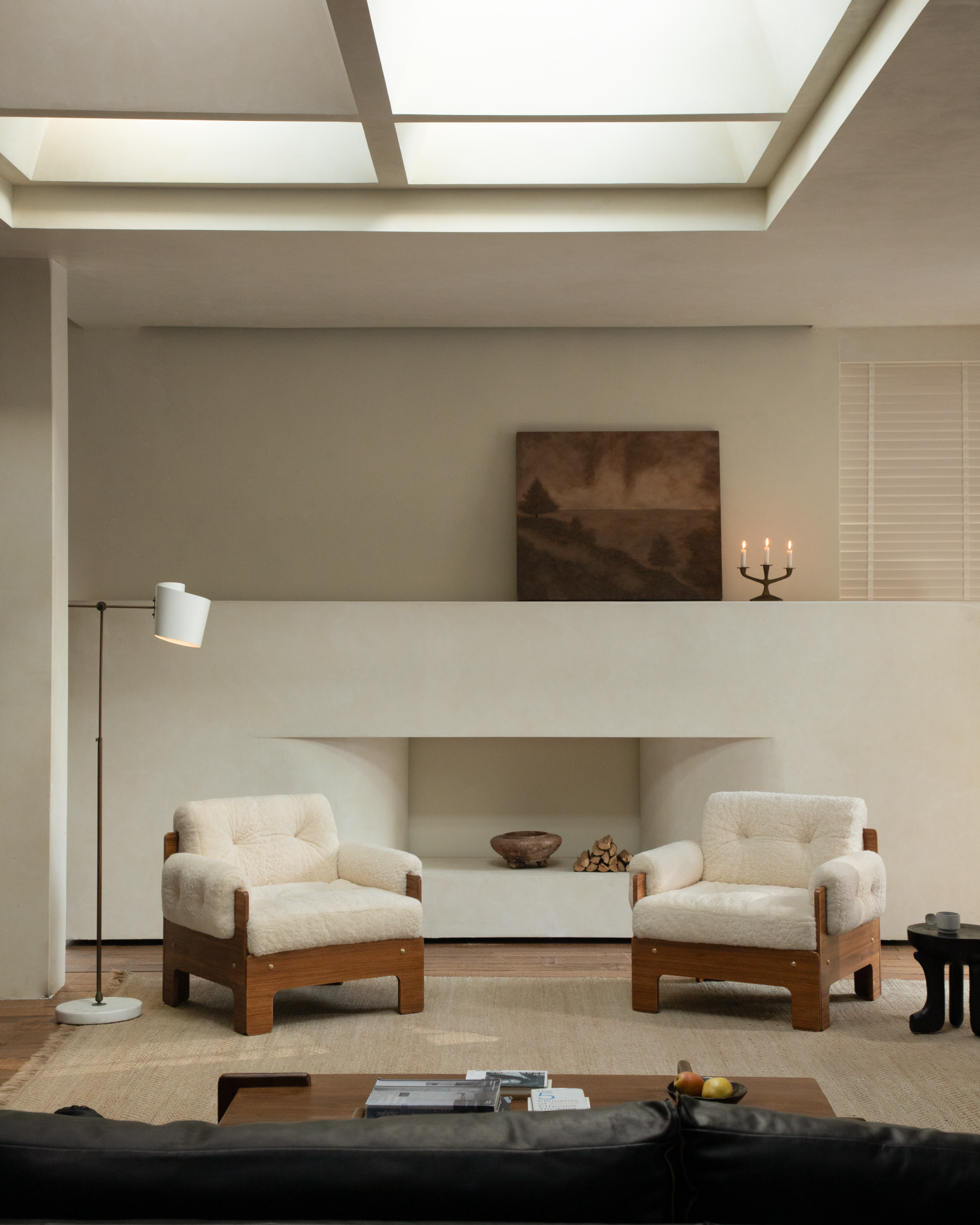
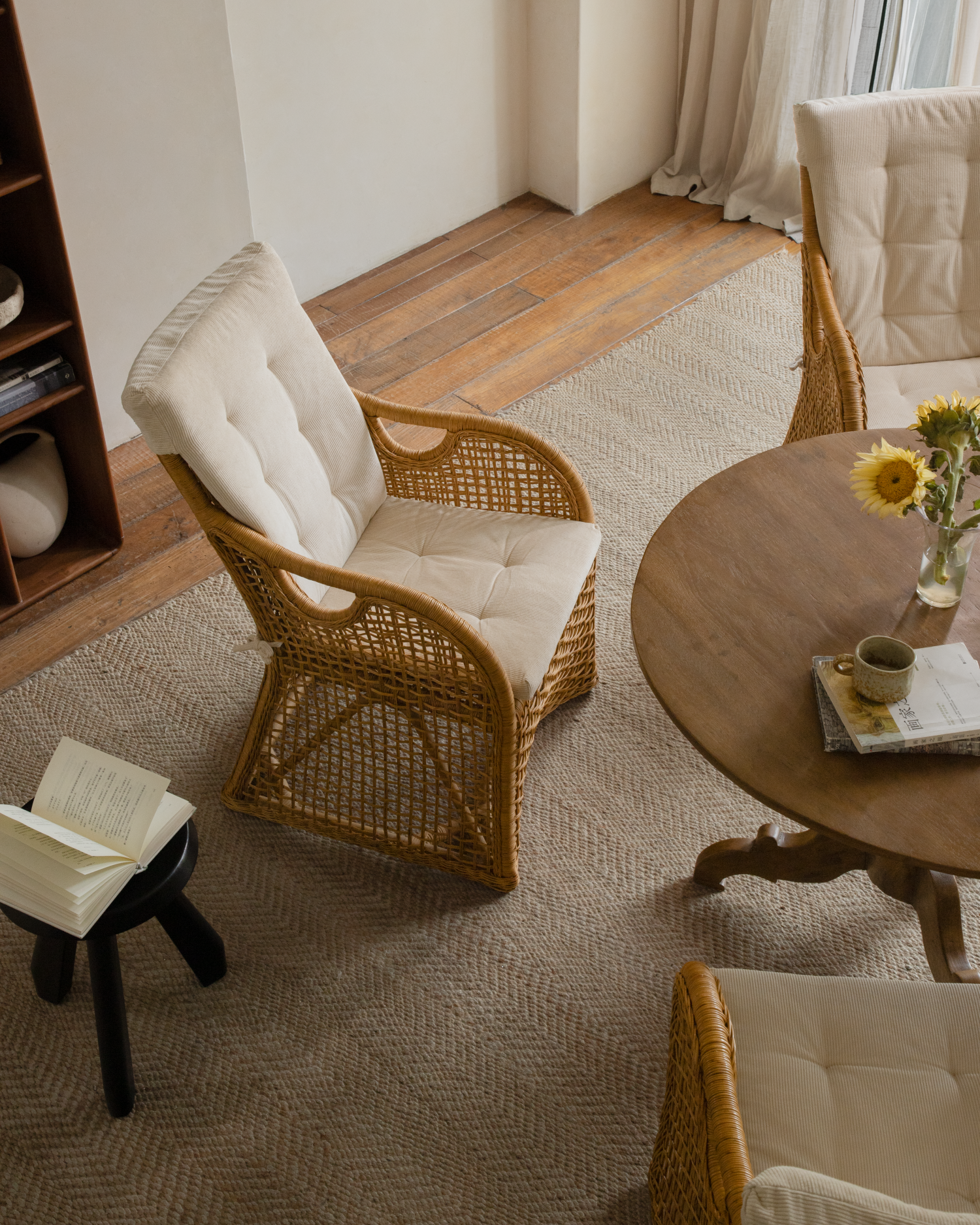
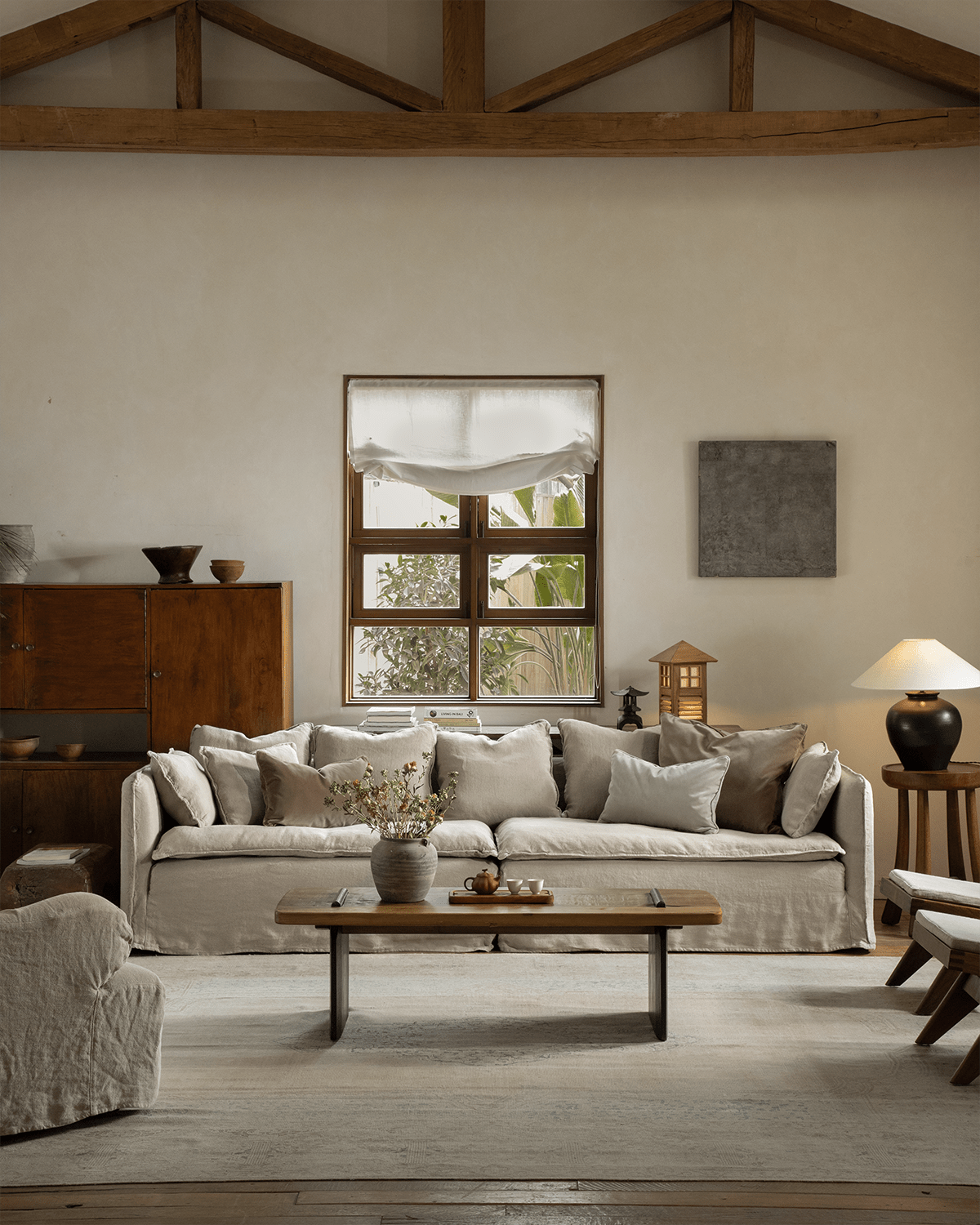
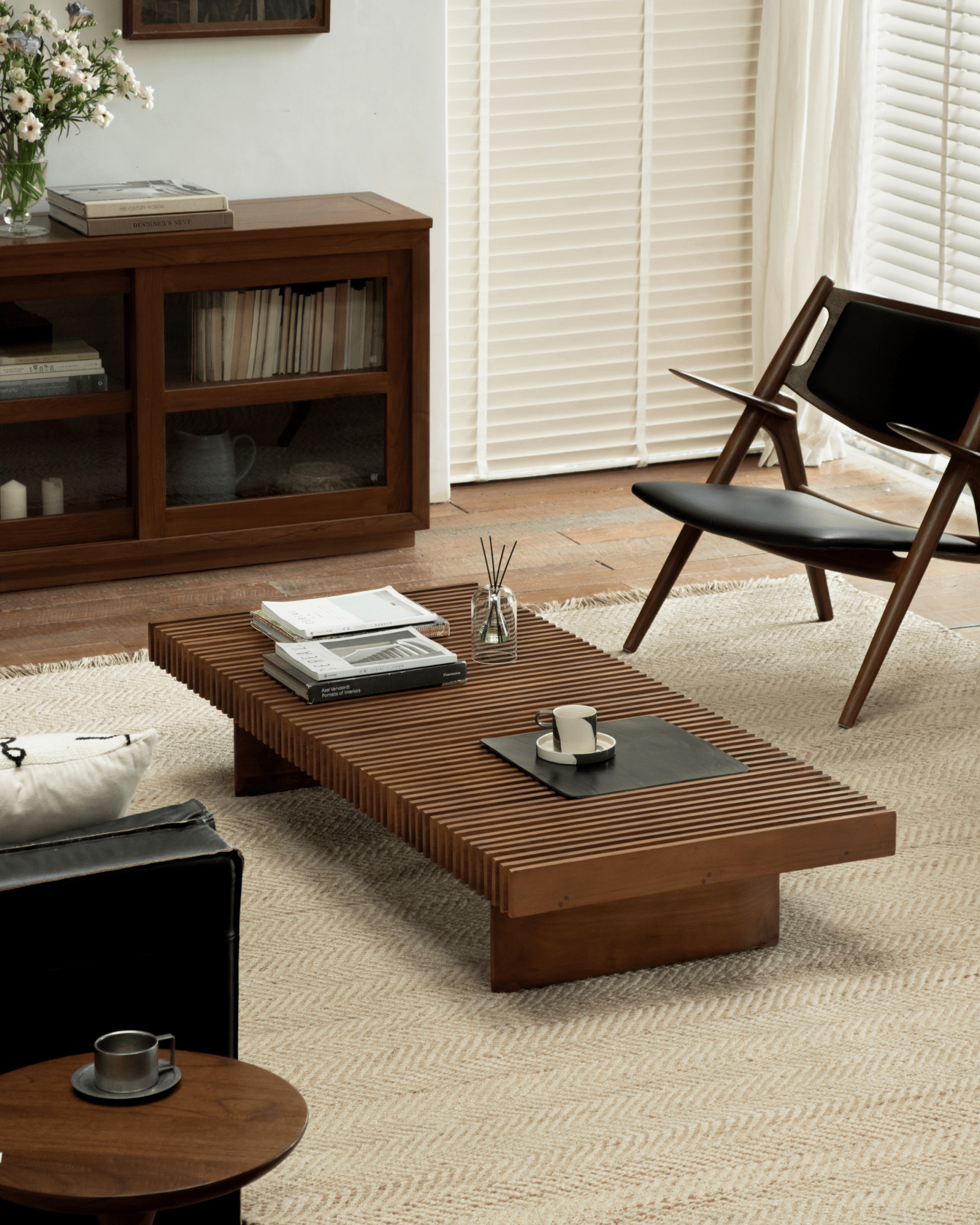
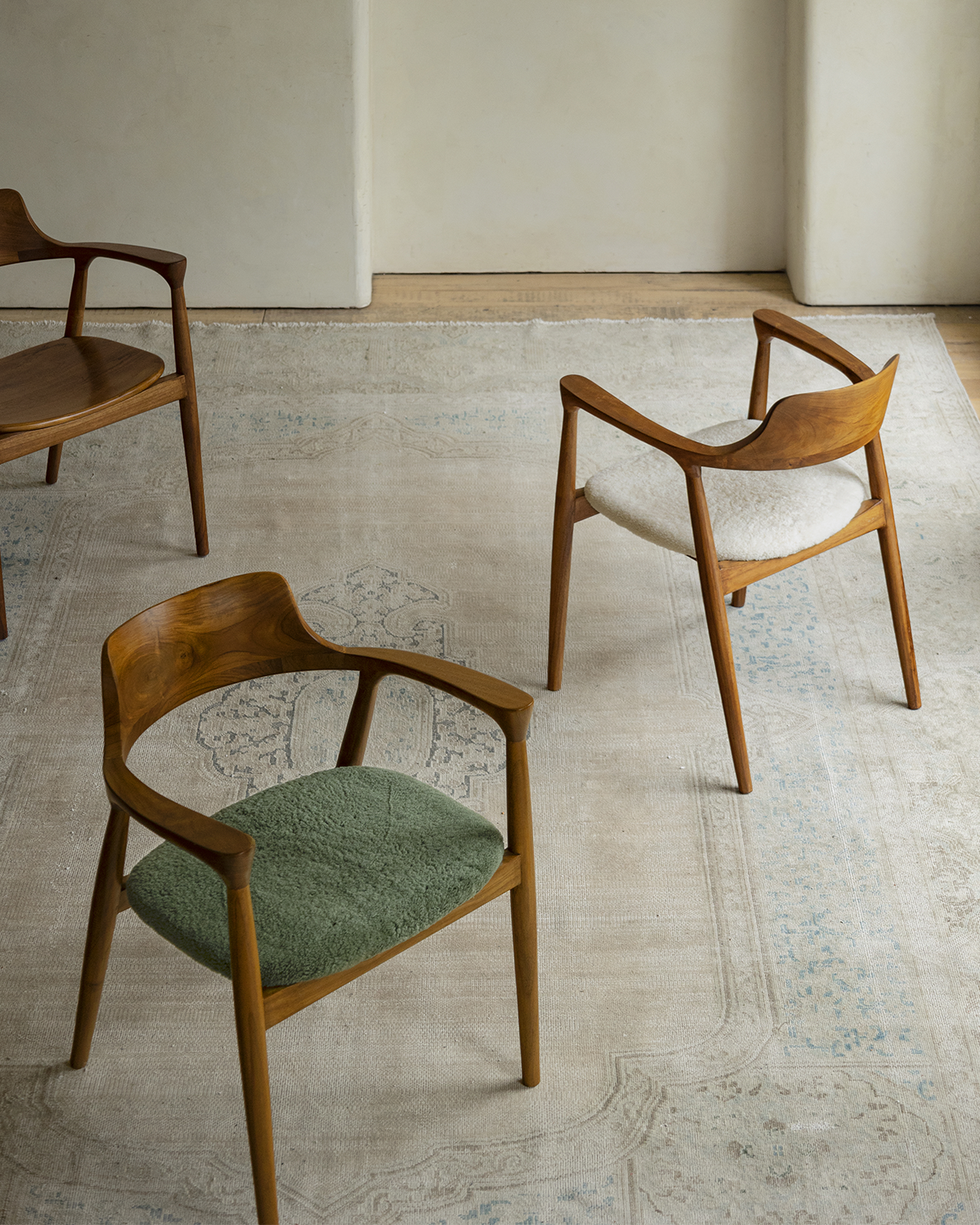

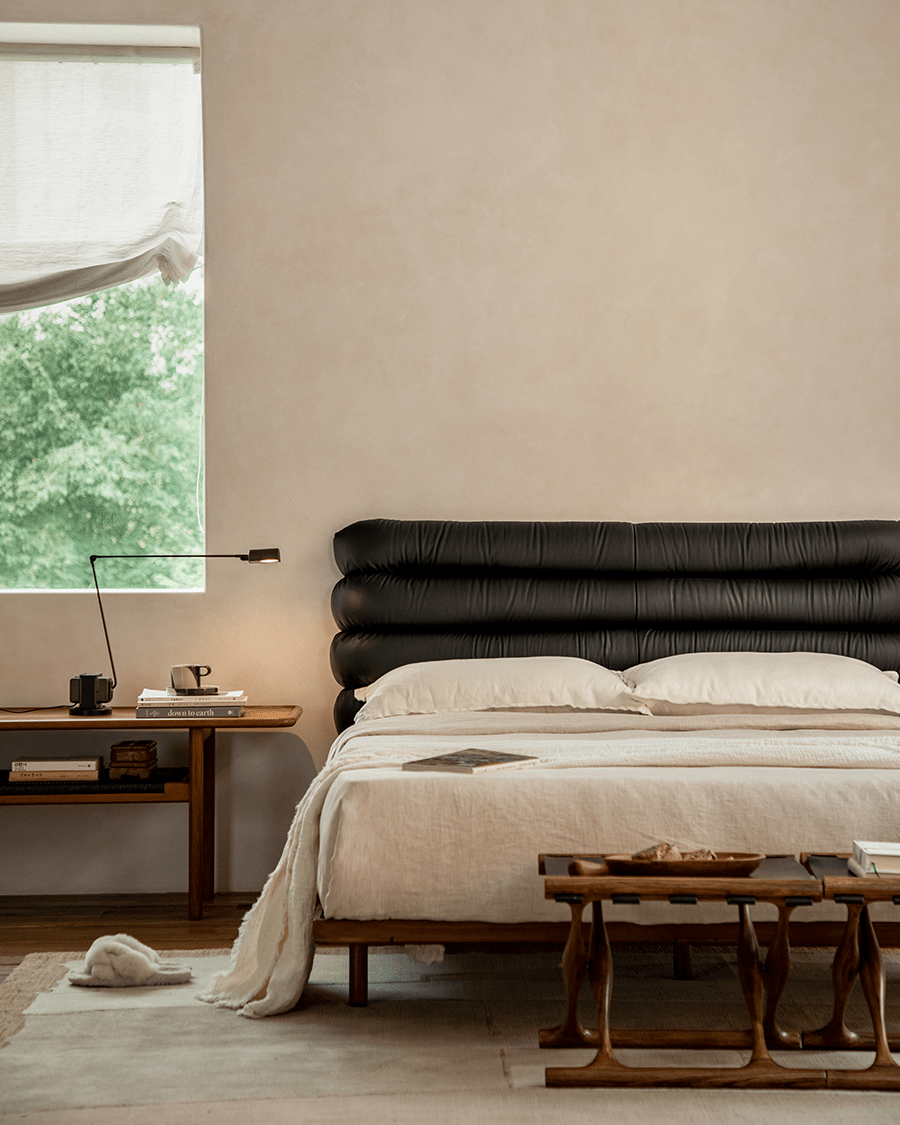
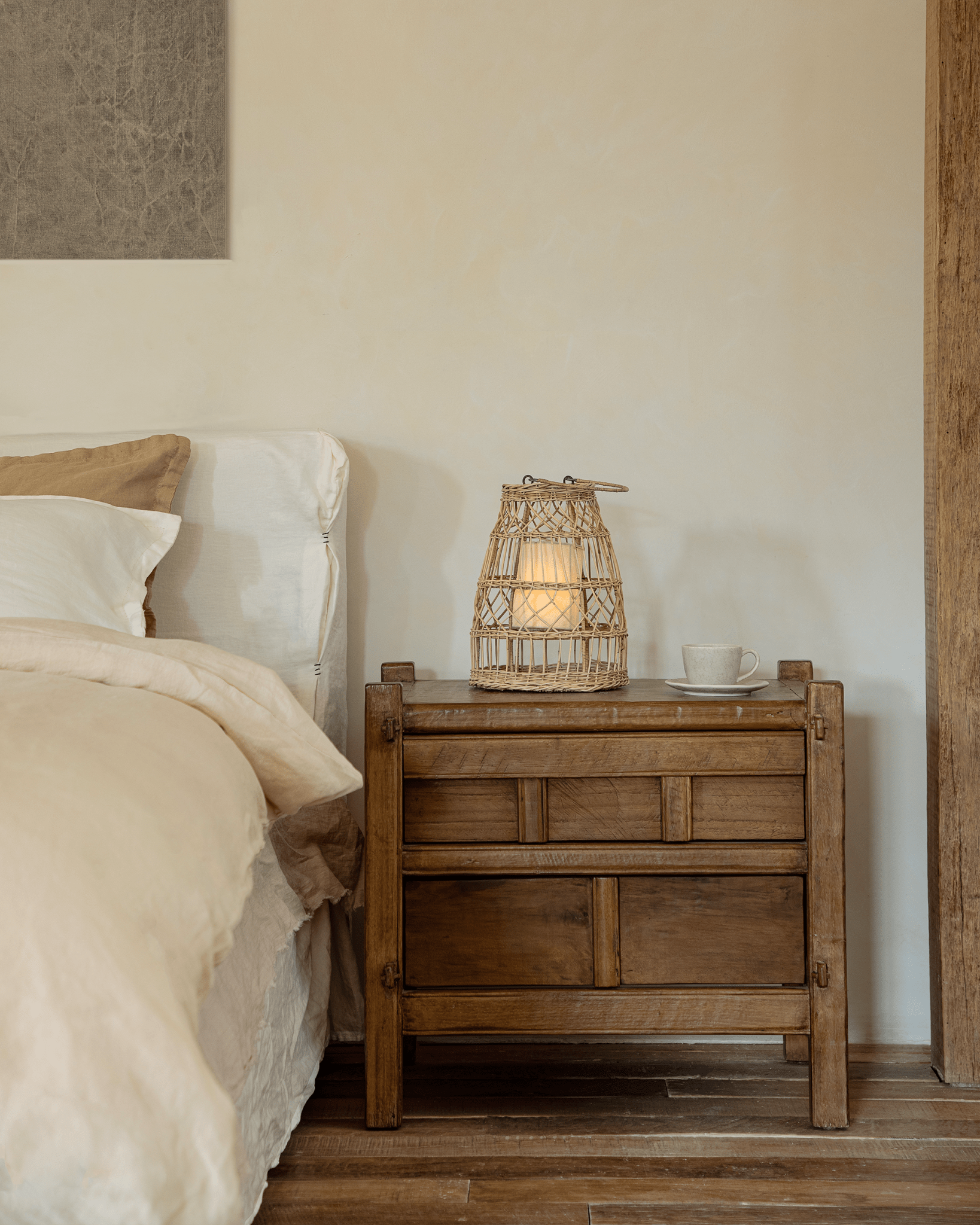
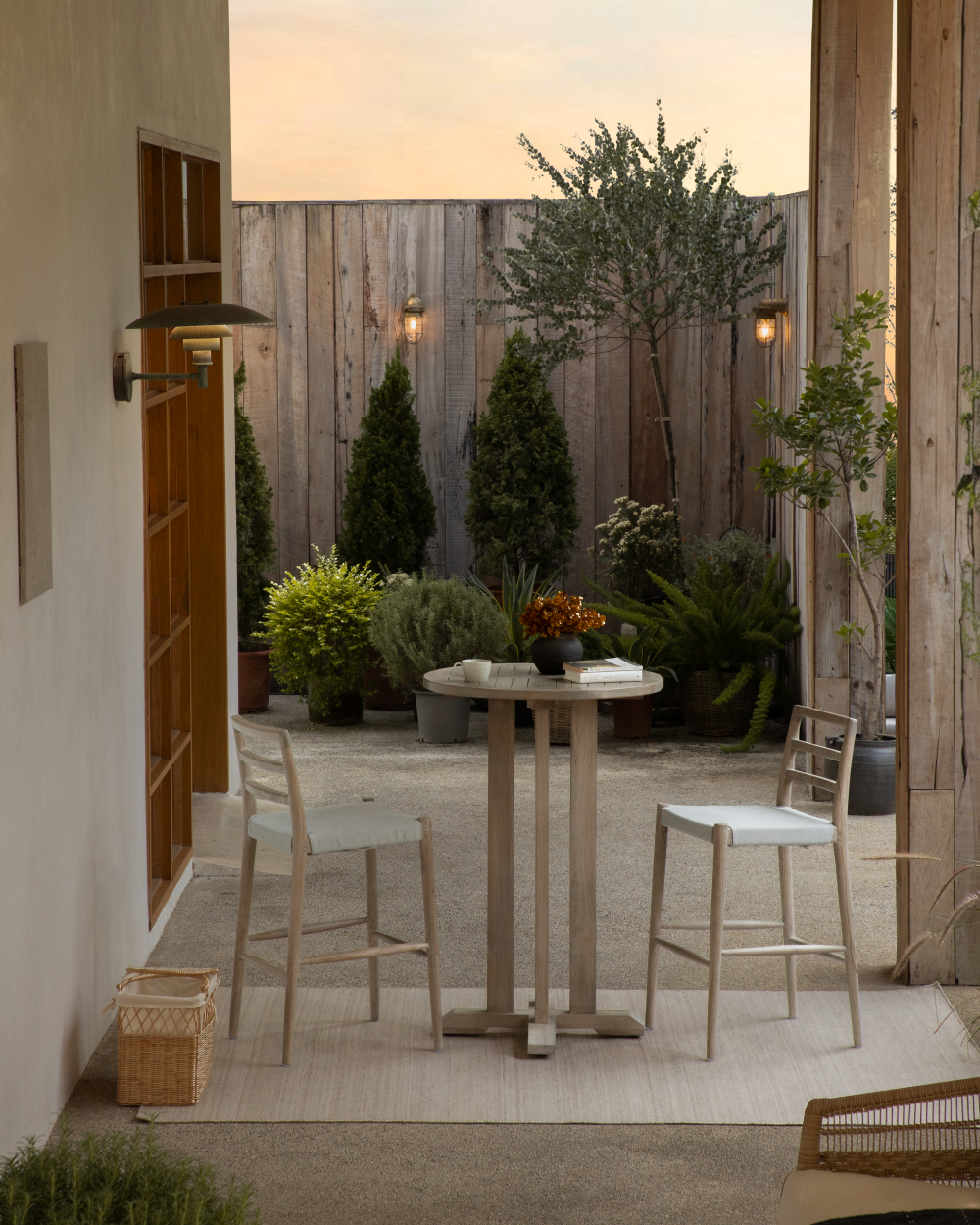
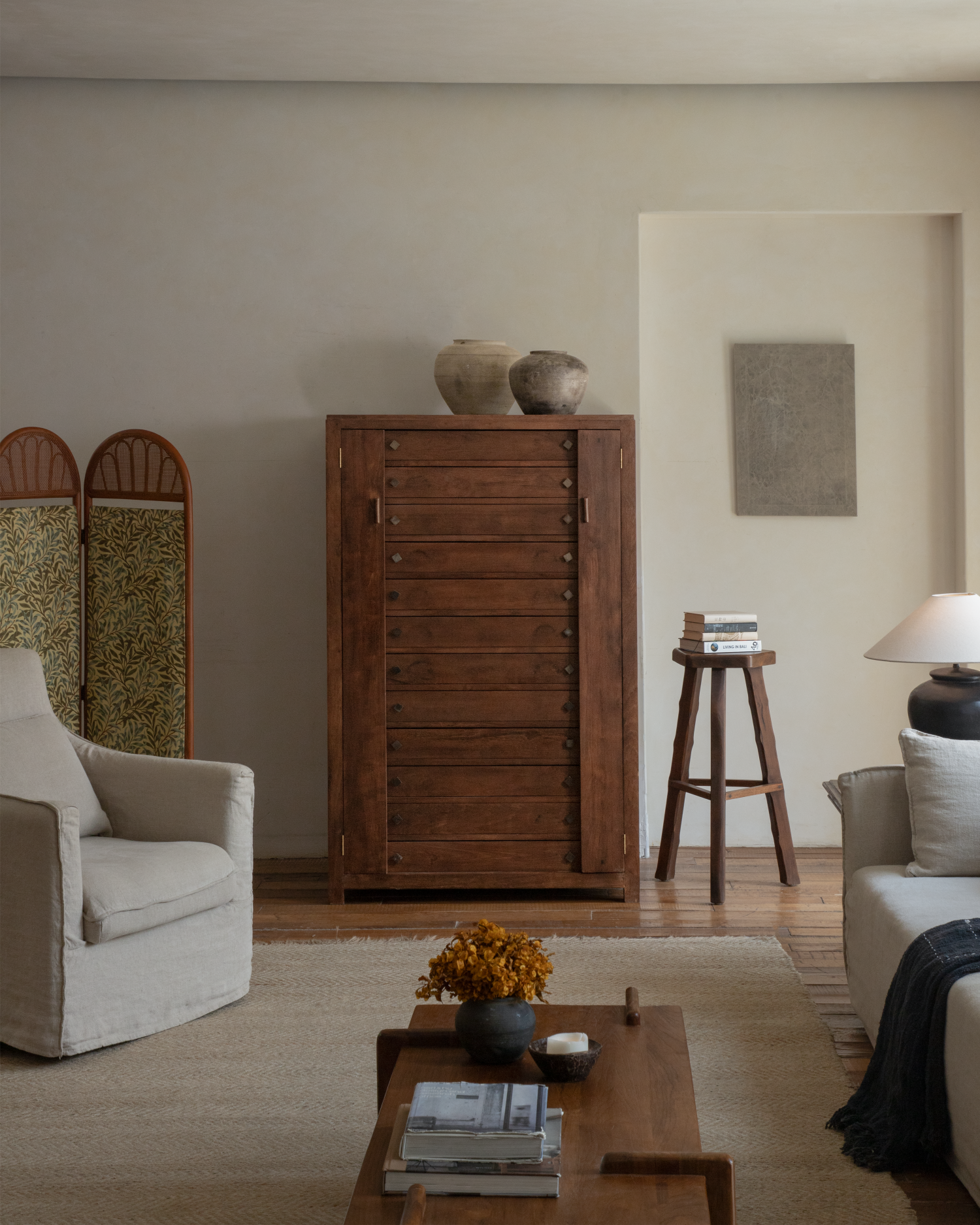
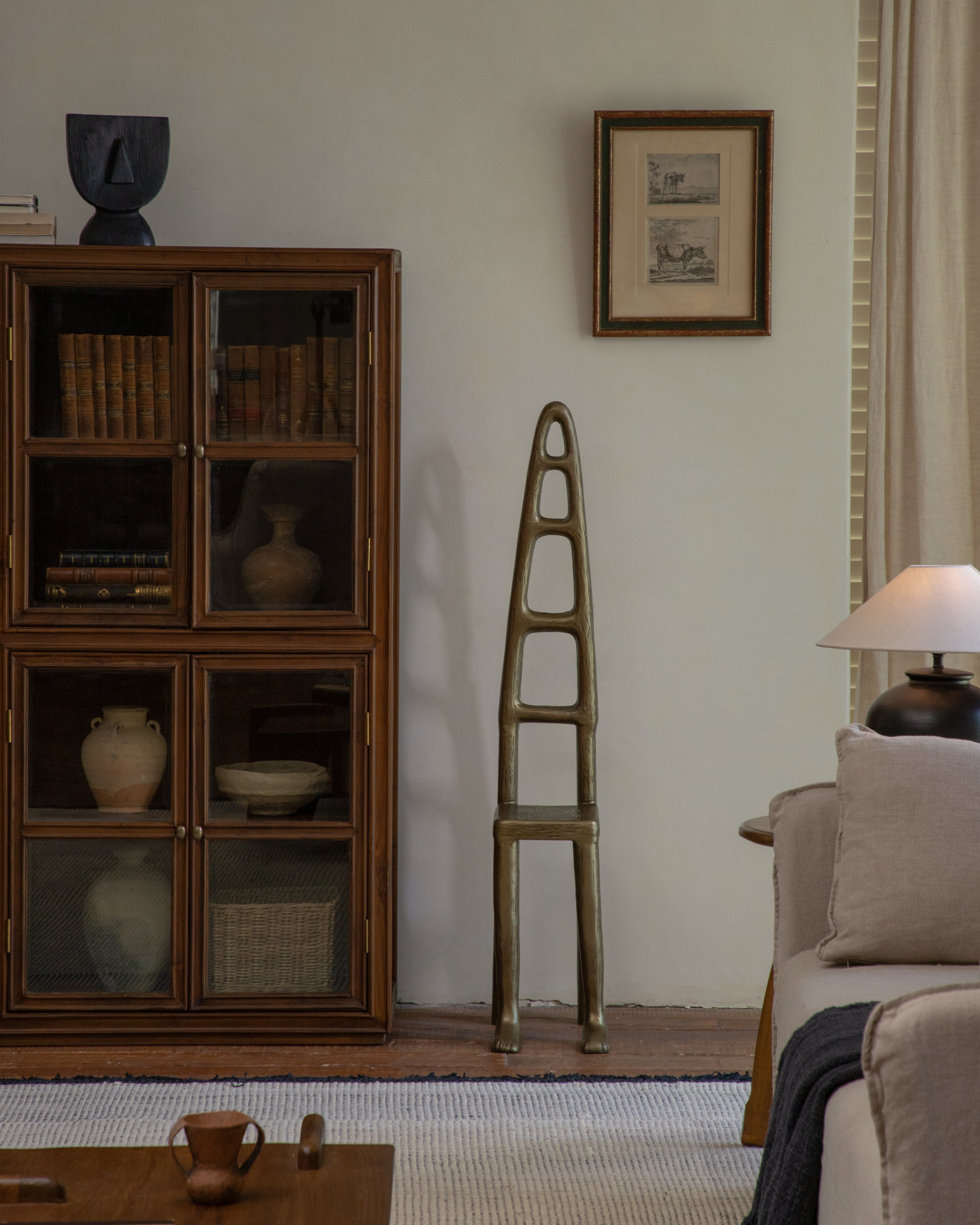
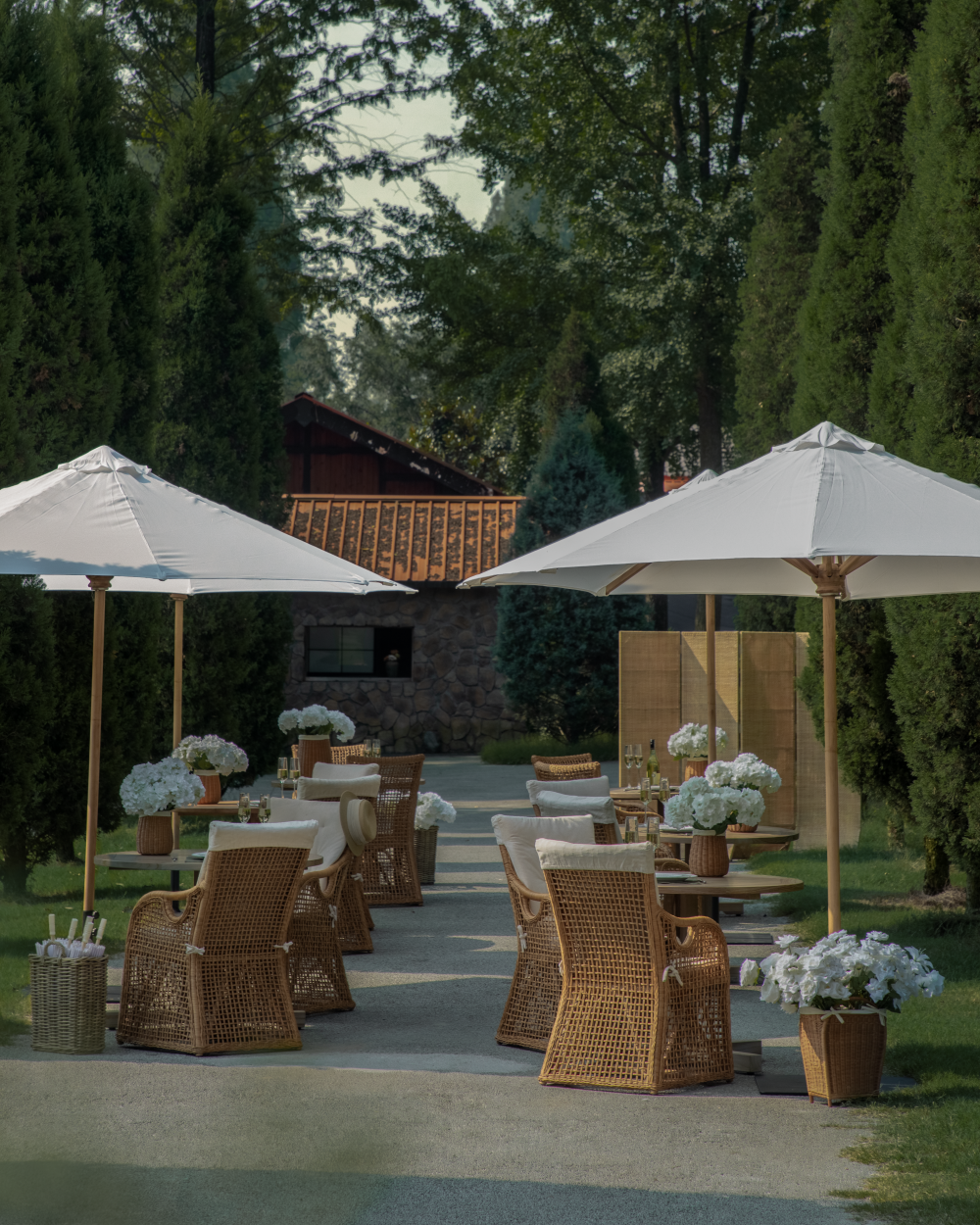
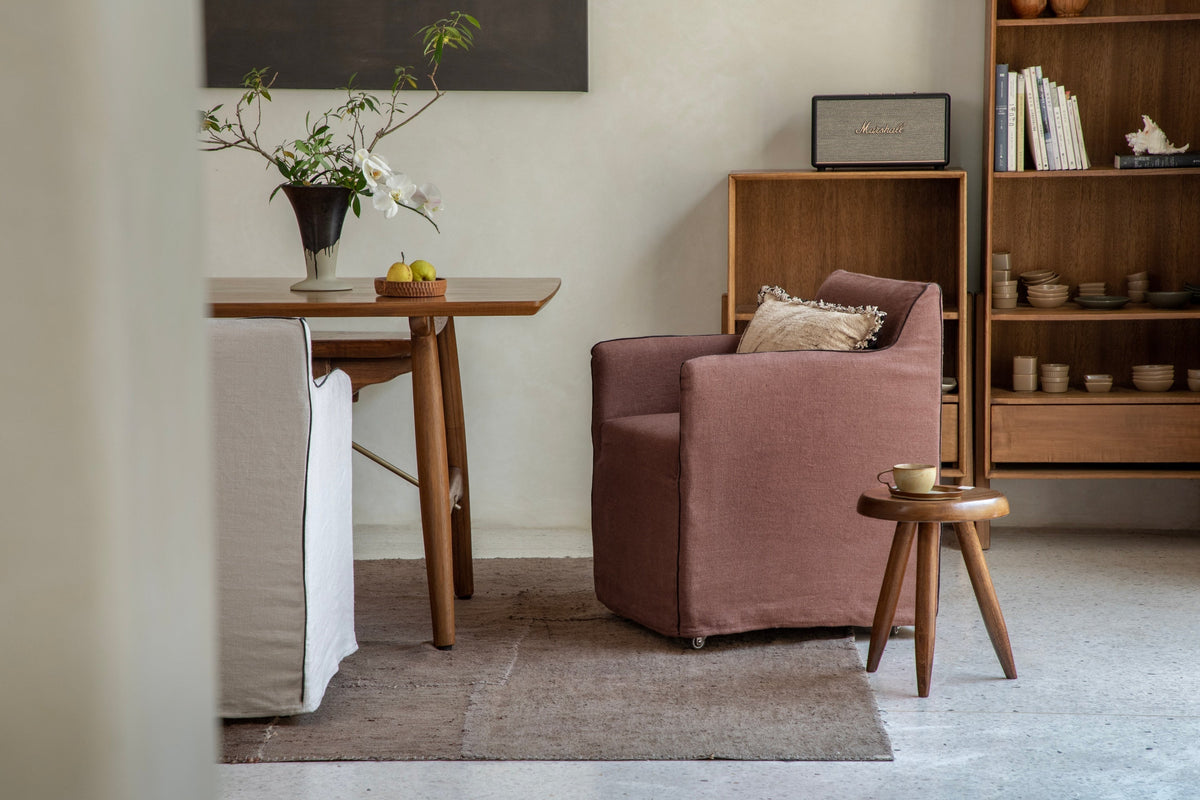

Mixing dining chair styles can create a collected, personal look, but only when done with intention. The key is to repeat one strong visual relationship (such as color family, material, finish, silhouette, or era) across the chairs while allowing other elements to vary more modestly. Always pair this design decision with practical checks: each chair's actual dimensions must work with your table, pull-out space, and walking paths.
This balanced approach works for both subtle and higher-contrast combinations because it gives the eye clear connections without requiring every chair to match exactly.
Choose a Cohesive Anchor
Start by selecting one dominant feature from the room itself — your table, rug, cabinet, or architectural details — to serve as the visual connector for the chairs. This anchor creates a visible relationship rather than forcing identical matches.
Match One Dominant Feature
Choose one element to repeat consistently, then allow controlled variation in the others:
- Color family: Related warm, cool, light, or dark tones in upholstery or frames.
- Material: Wood, woven texture, metal, or upholstery softness.
- Finish: Similar leg or frame treatments.
- Silhouette: Consistent outlines (curved backs or linear frames).
- Era/Style: Shared design period or visual language.
Repeating multiple strong features at once often makes the mix feel accidental. Use the most visible anchor from the room's main entrance as your reference point.

Support the Mix with the Surrounding Room
The rest of the room should reinforce — but not duplicate — the chairs' connection. Echo one or two chair elements (color, material, or finish) in the rug, lighting, artwork, or nearby furniture. Avoid over-coordinating every surface.
In open-plan spaces, consider the visual busyness of adjacent areas. A lively living room calls for quieter chair contrasts; a minimalist room can handle bolder chair personalities.
Control the Level of Contrast
Limit variation to what the room can comfortably support. A safe progression is:
- Start with one major change (e.g., shared finish + varied silhouettes).
- Evaluate the overall balance before adding more contrast.
Mixing Approaches
| Approach | What Stays Consistent | Best For |
|---|---|---|
| One-Anchor Mix | One clear feature (color, material, or finish) | Visually busy rooms needing calm |
| Same-Family Variation | Related silhouette + modest material changes | Collected looks around an existing table |
| High-Contrast Pairing | One shared relationship + clear hierarchy | Calm rooms that can support focal chairs |
Strong elements (dramatic backs, bold colors, or armchairs) should serve as intentional focal points rather than compete at every seat.
Establish Visual Hierarchy
Armchairs carry more visual weight due to their size and presence. Use them at ends or focal positions, while keeping side chairs lighter and more uniform.
If every chair competes for attention, simplify the side chairs or relocate the strongest pieces. A readable hierarchy makes contrast feel deliberate.
Another simple way to establish hierarchy is to repeat your side chairs while introducing a different pair only at the head of the table. This creates an intentional focal point without making every seat compete for attention.

Prioritize Scale and Practical Fit
Style only matters after physical compatibility. Measure before buying.
Pre-Purchase Checklist
- Record table height, length/diameter, and available floor space.
- Compare each chair's seat height, width, arm height, back height, and clearance against the table and neighbors.
- Verify arms slide under or beside the table comfortably.
- Test pull-out space with painter's tape or cardboard mockups.
- Walk the layout to check serving paths and traffic flow.
Balance of Chair Types
| Seating Type | Visual Weight | Recommended Placement |
|---|---|---|
| Side Chairs | Lighter, repeatable | Consistent spacing along sides |
| Armchairs | Heavier, prominent | Ends or focal positions (if space allows) |
Evaluate chairs in both pushed-in and pulled-out positions.
Adapt to Your Table Shape
Rectangular Tables: Use distinct chairs at the ends for natural hierarchy, with more uniform side chairs along the length. Keep contrasts modest in narrow or tight rooms.
Round Tables: Distribute visual weight evenly. Check the arrangement from multiple angles, including the doorway, to avoid lopsided appearances.
Extendable & Compact Setups: Test both closed and fully extended configurations. In small rooms, favor slimmer profiles and fewer strong contrasts.
Run a Final Cohesion Check
Before committing, evaluate the full arrangement:
- Anchor clarity: Can you clearly name the single repeated feature?
- Focal balance: Are there too many competing dramatic elements?
- Proportions: Do widths, heights, and bulk feel balanced?
- Movement: Can people enter, exit, and serve comfortably?
- Multiple viewpoints: Does it look cohesive from the entrance, table, and pathways?

Style Mixed Dining Chairs Easily
Bring character to your space with smart choices. Stick to one shared detail like warm wood or dark metal, then pick two distinct chair shapes. Check seat heights and table space so everyone sits comfortably. Trust these clear steps to create a beautiful, balanced dining room that feels complete.
FAQ about Mixing Dining Chair Styles
Q1: Can I Mix Dining Chairs With Different Colors Around One Table?
Yes. Test the colors together in daylight, then keep another variable, such as silhouette, leg finish, or material, quiet if the palette feels busy.
Q2: Should Dining Chairs All Have the Same Seat Height?
Not necessarily, but compare each seat height and leg clearance with the table's dimensions. Do not judge fit from photos alone.
Q3: How Do I Mix Dining Chairs in a Small Dining Room?
Use the chairs' everyday positions to test walkways. If movement is tight, reduce width or visual contrast before adding another style.
Q4: Can a Bench and Dining Chairs Be Used Together?
Yes, but test entry, exit, bench depth, table overhang, and neighboring chair positions. A bench creates a different access pattern, so it needs its own spacing check.