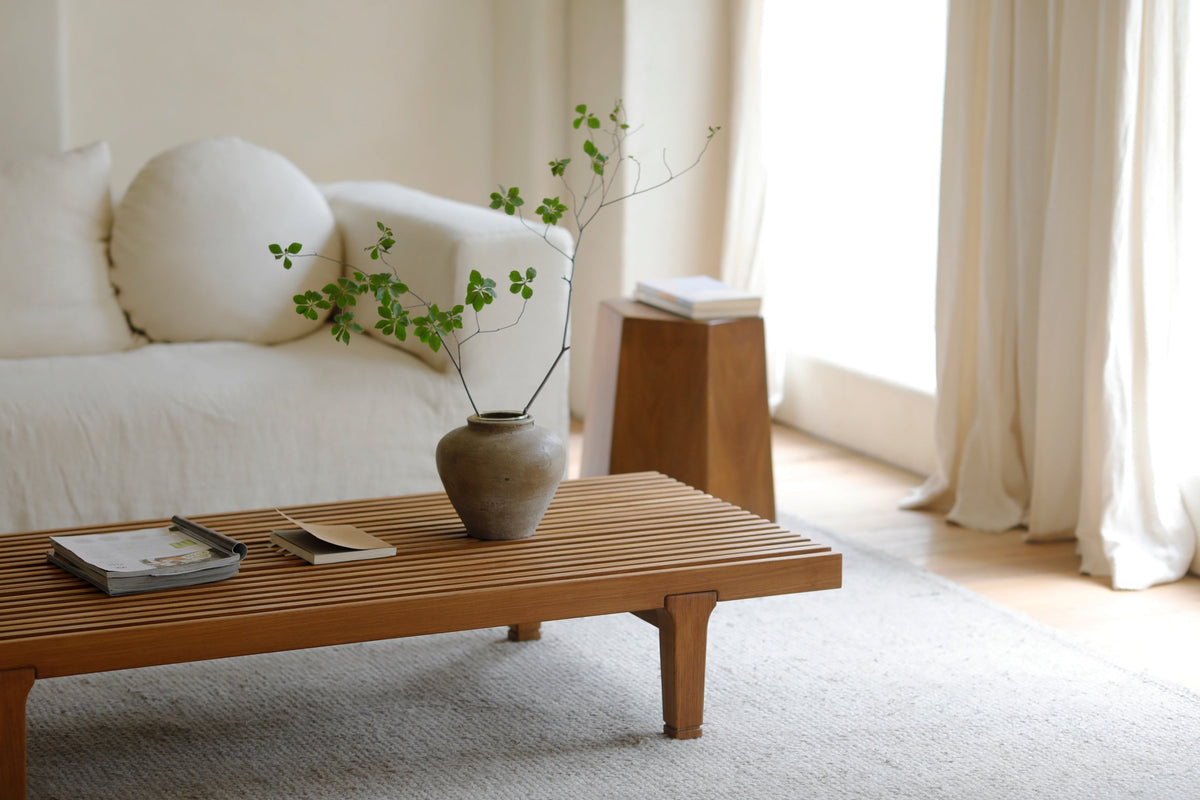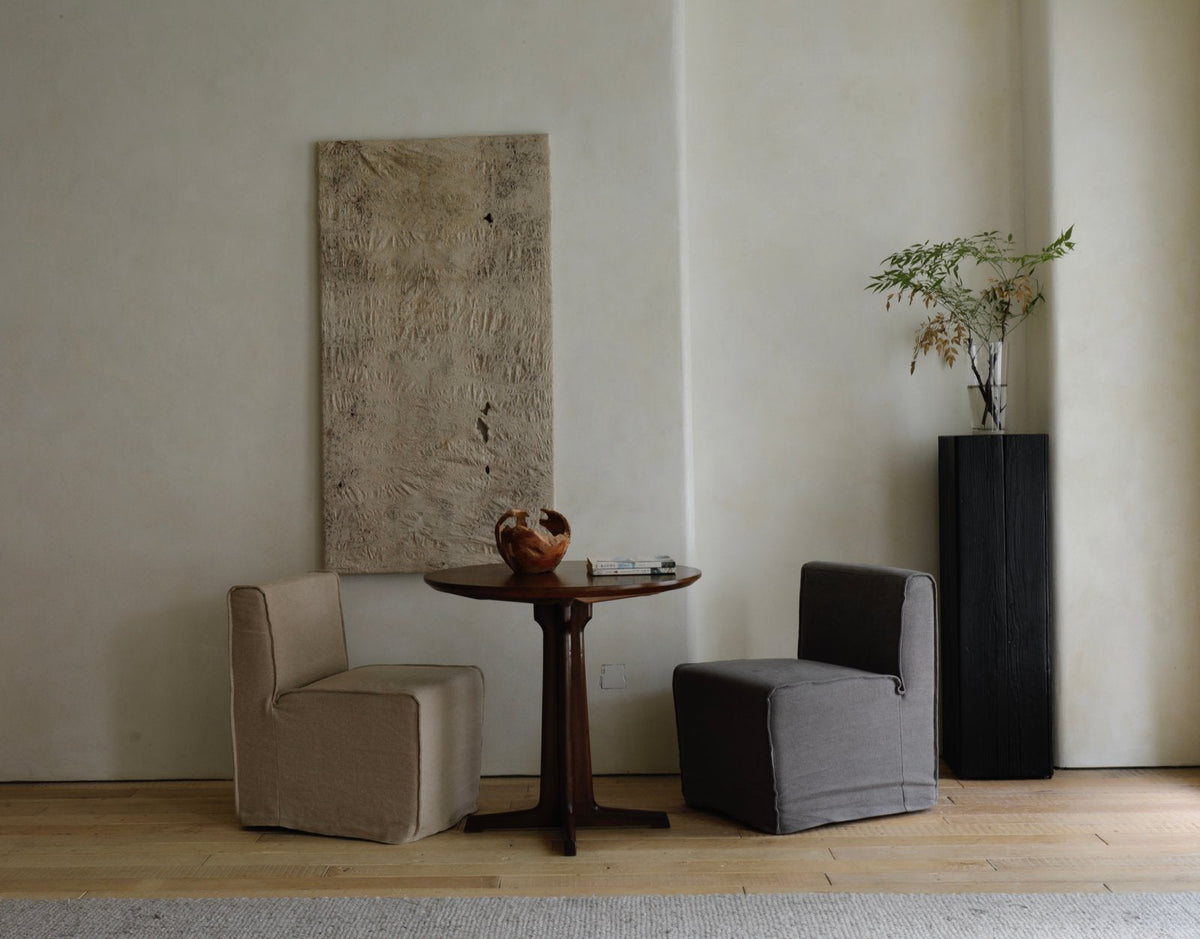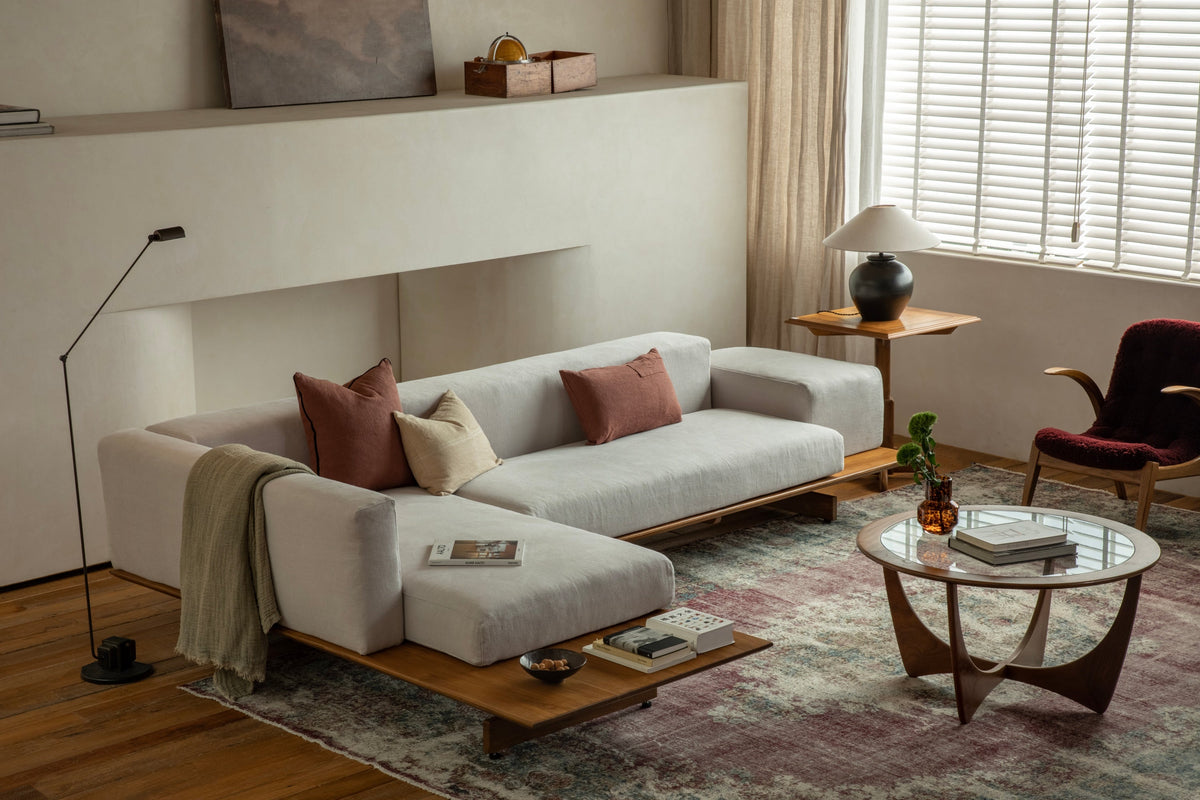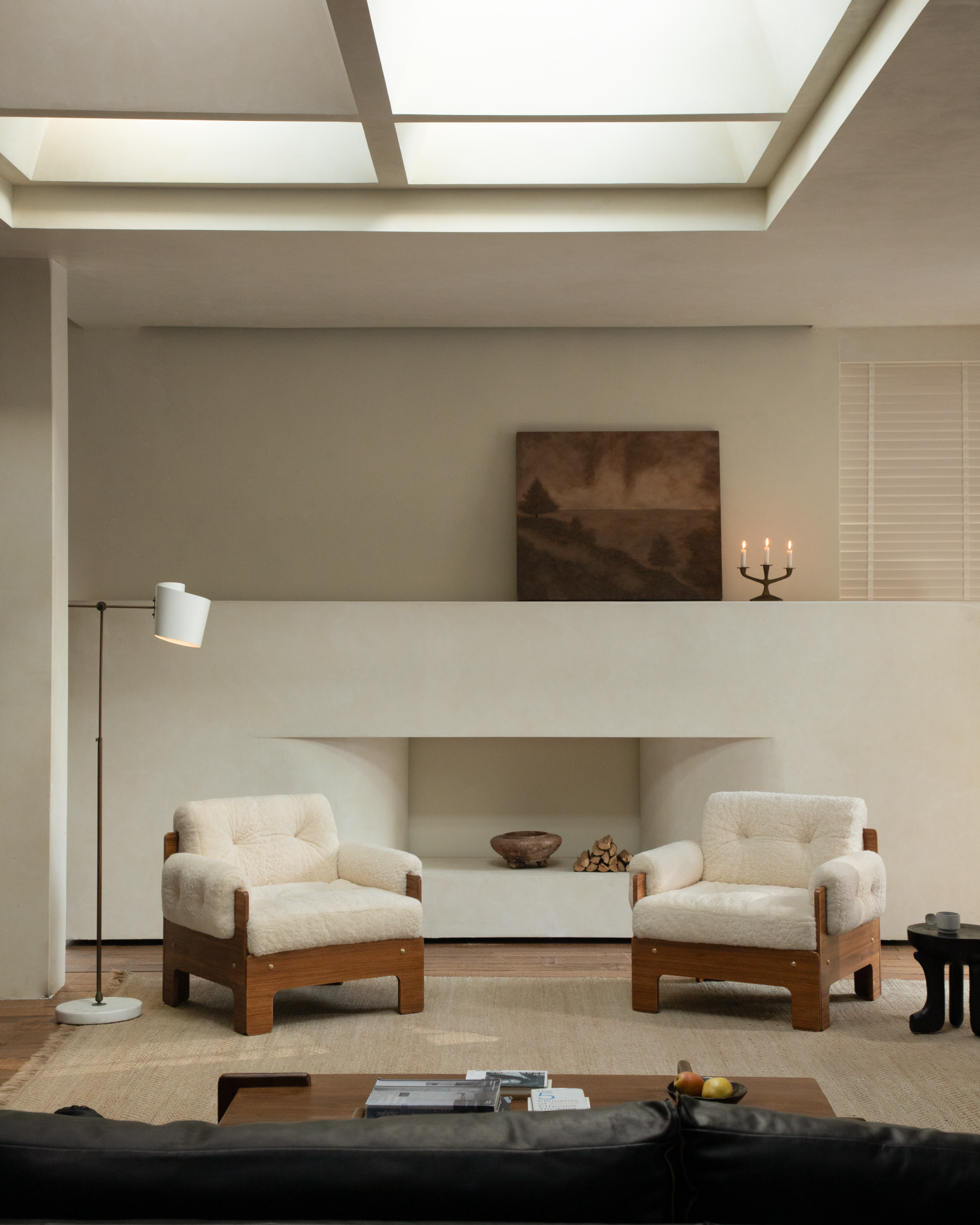

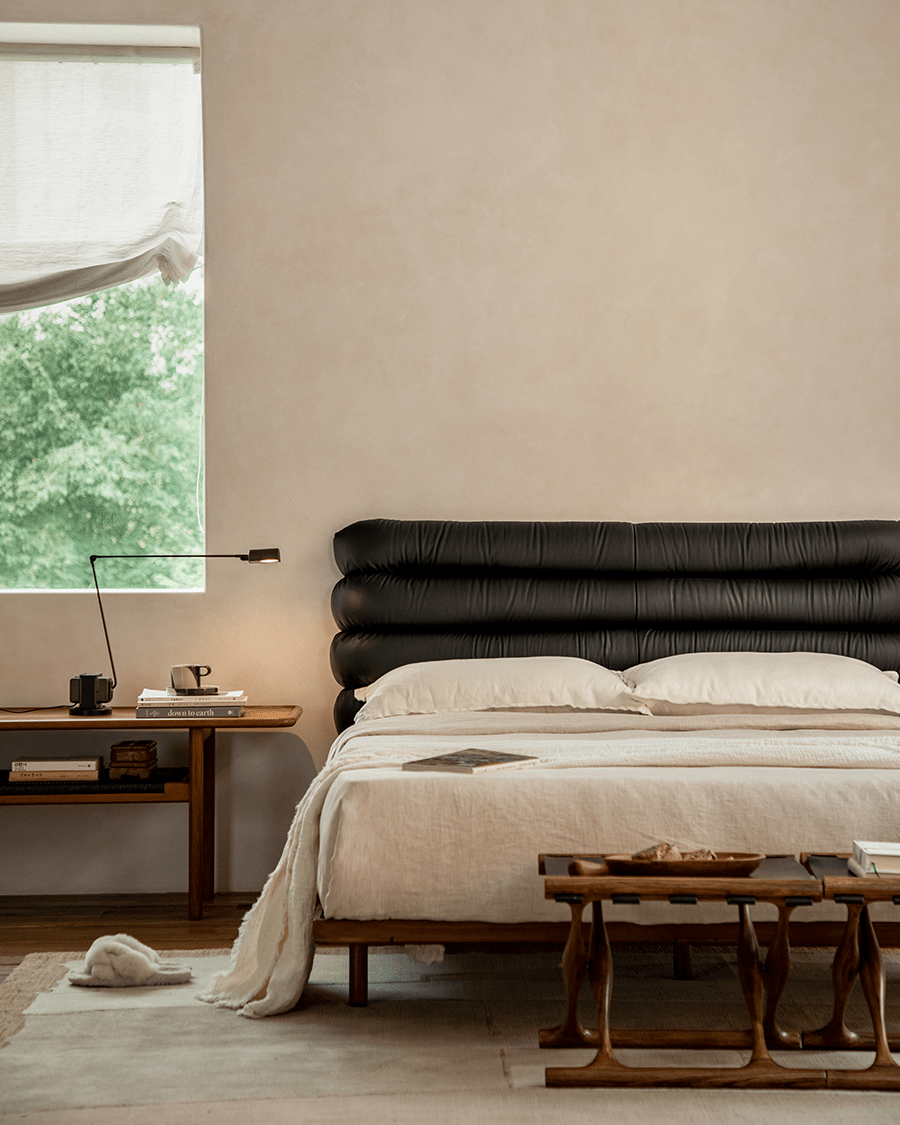
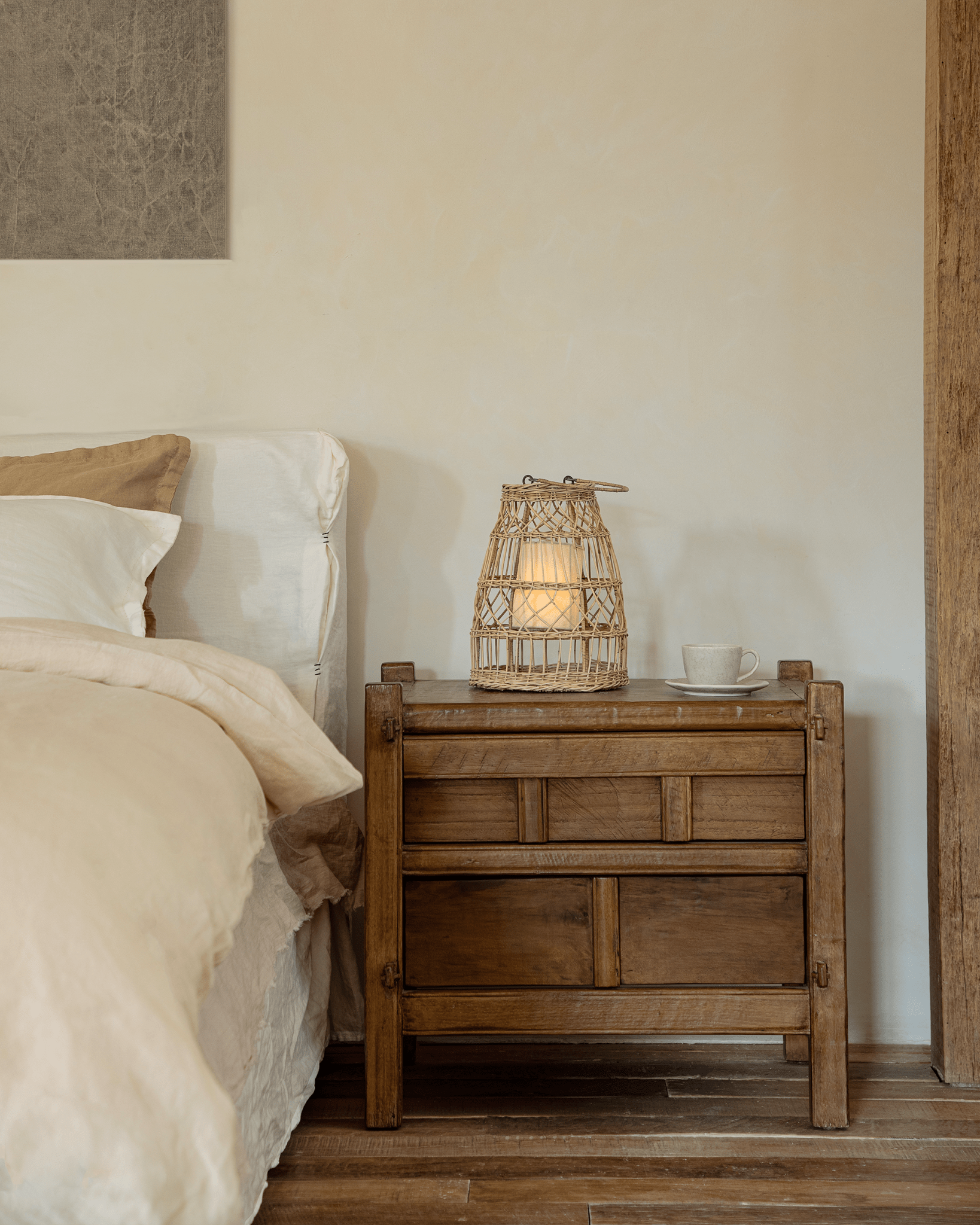
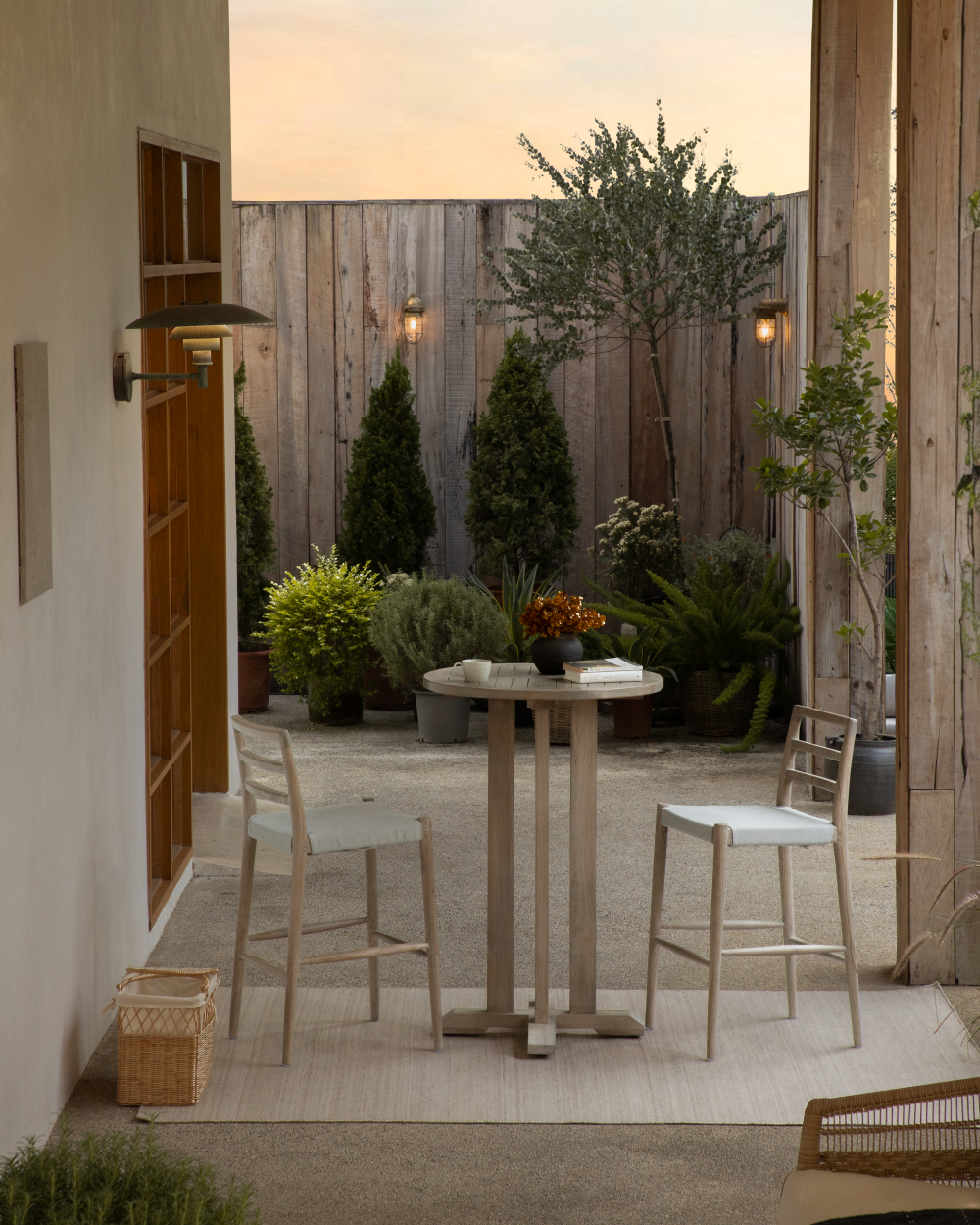
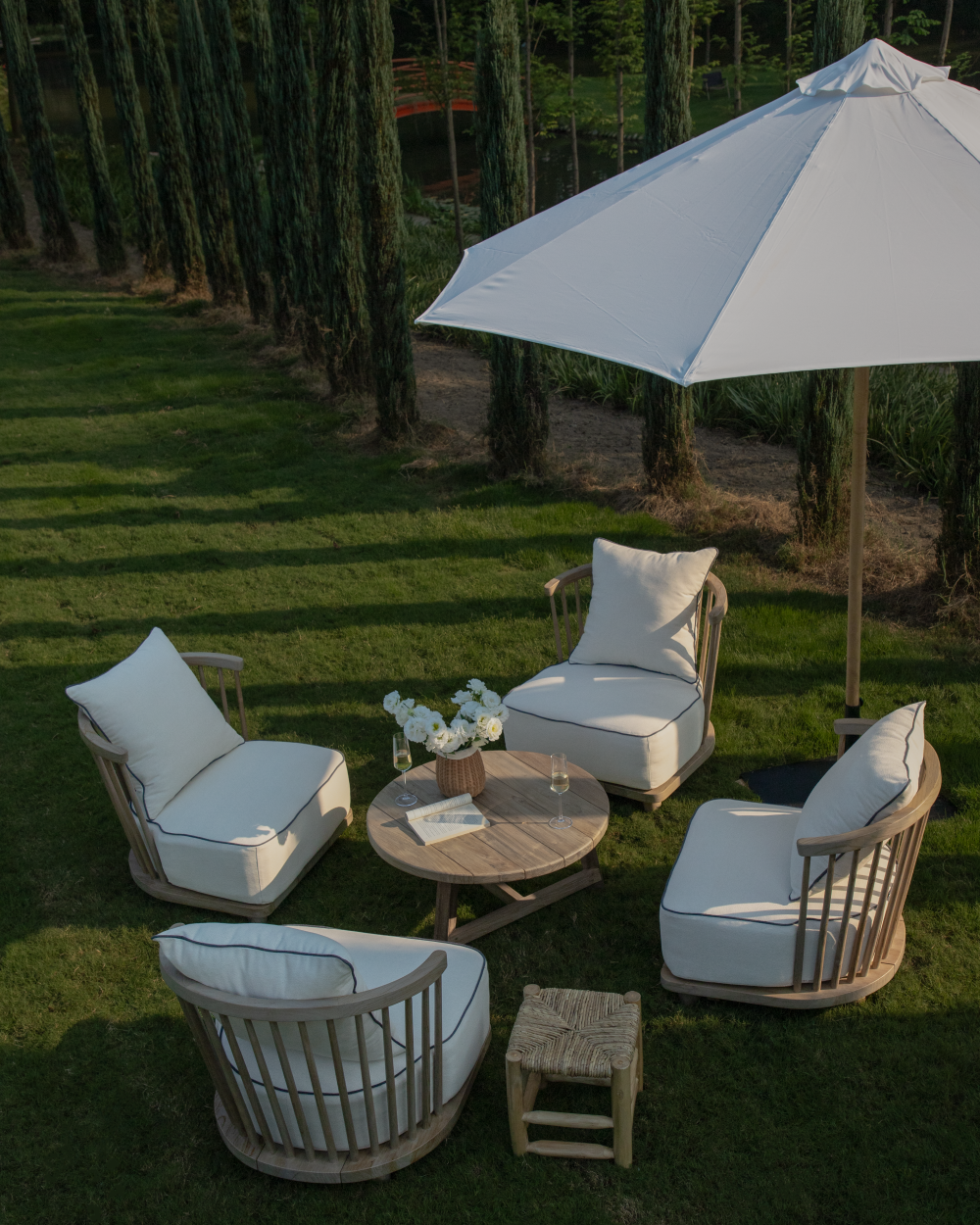

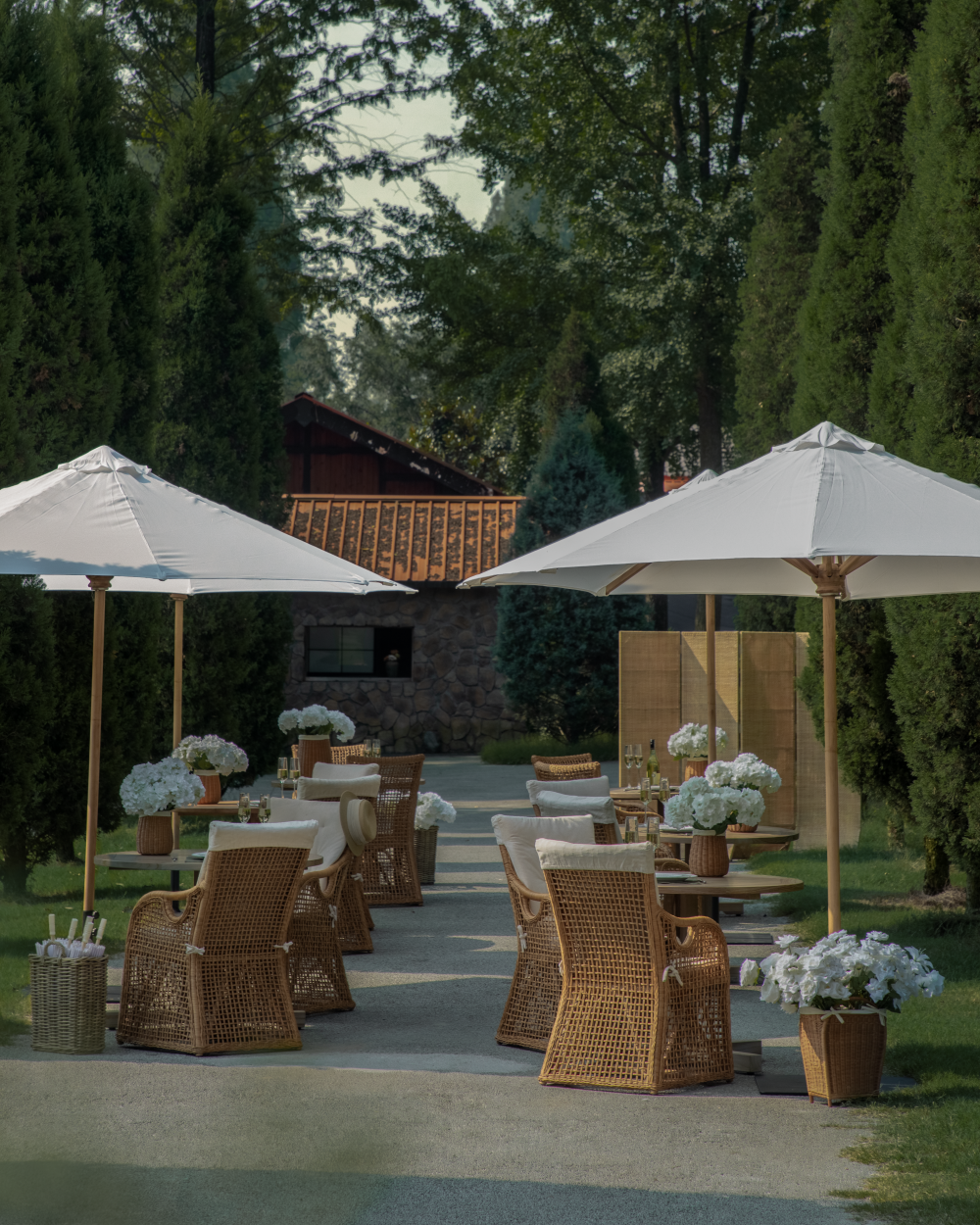


Comfortable dining chairs are not defined by softness alone. The right chair supports the person using it, works with the table, and suits the room's traffic, cleaning routine, and style. For a fall or winter refresh, six practical directions stand out: upholstered wraparound backs, curved forms with arms, warm wood, woven seats, mixed materials, and slim armless silhouettes. Treat these as trend-inspired options rather than a verified popularity ranking, and let fit and everyday use determine which direction belongs in your home.
Comfortable Dining Chairs: The Features That Matter
A dining chair feels more comfortable when its proportions suit both the person and the table—not simply because it has upholstery or a fashionable shape. Use this quick self-check before choosing a trend:
- Seat and feet: Can the user sit with their feet comfortably supported instead of dangling or reaching awkwardly?
- Seat depth and width: Does the seat support the thighs without pressing behind the knees, and is there enough room to sit without bracing against the sides?
- Back contact: Does the back support a natural sitting position without making the diner lean too far forward or recline away from the table?
- Arms and movement: If the chair has arms, do they leave the shoulders relaxed and clear the table apron when the chair is pulled in?
- Daily reality: Will the surface and construction suit the meals, spills, pets, guests, and cleaning routine the chair will actually face?
This check is more useful than choosing a style label first. A chair that looks warm and inviting still needs to work with the table and the people who use it.
Six Fall and Winter Dining Chair Trends for Modern Homes
These six style directions add seasonal warmth in different ways while changing the balance among softness, support, visual bulk, clearance, and upkeep.
Upholstered Wraparound Backs
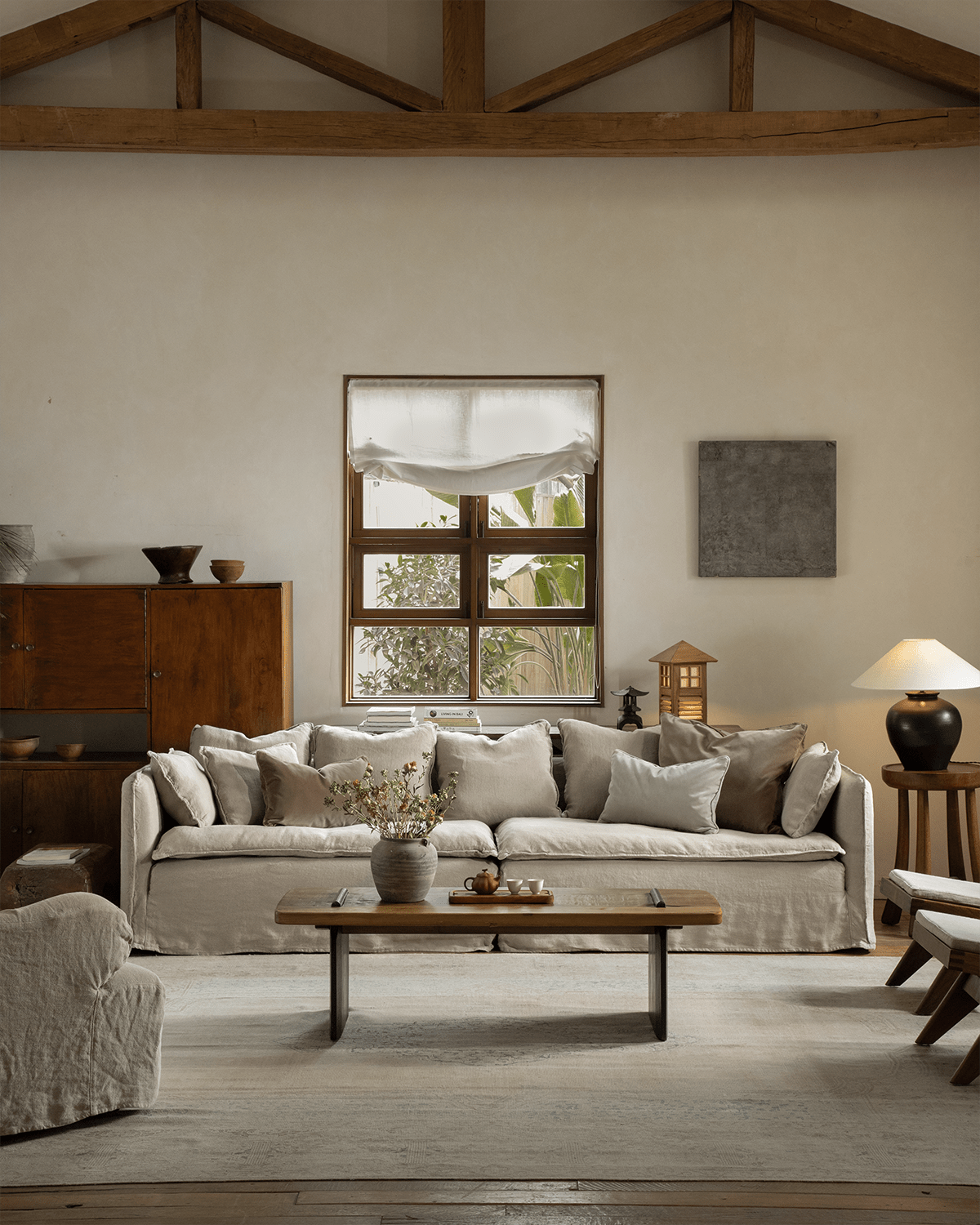
A wraparound upholstered back may provide softer contact during longer meals when the seat depth, back contour, and support suit the user. Fabric or bouclé-like texture can make a modern dining room feel warmer in fall and winter without adding seasonal decorations. The practical consideration is care: spills, crumbs, pet hair, and wear make the fabric composition, color, cover construction, and care instructions more important than the upholstery label alone. This direction is a stronger fit when tactile comfort matters and the household can maintain the surface consistently.

Curved Backs and Supportive Arms
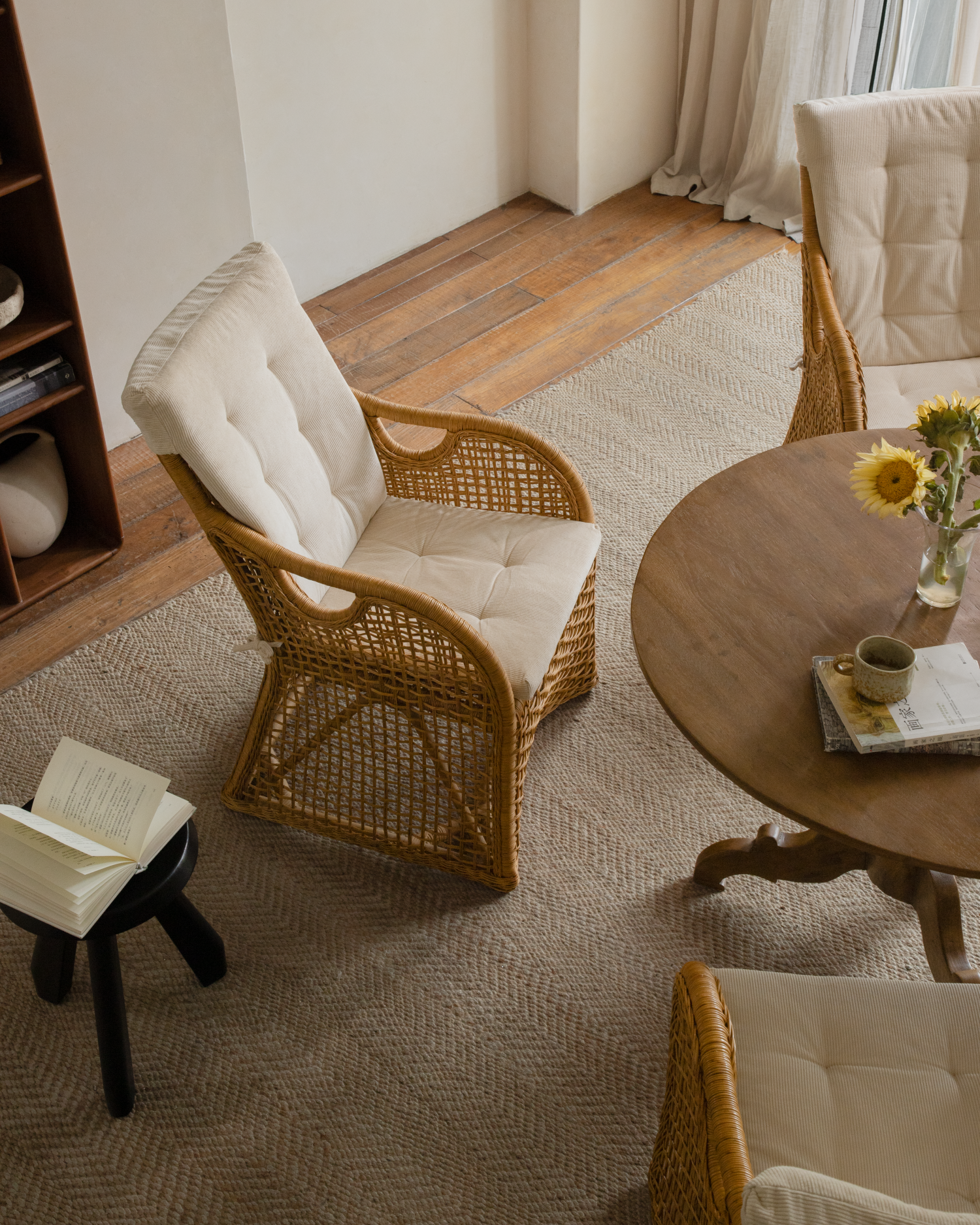
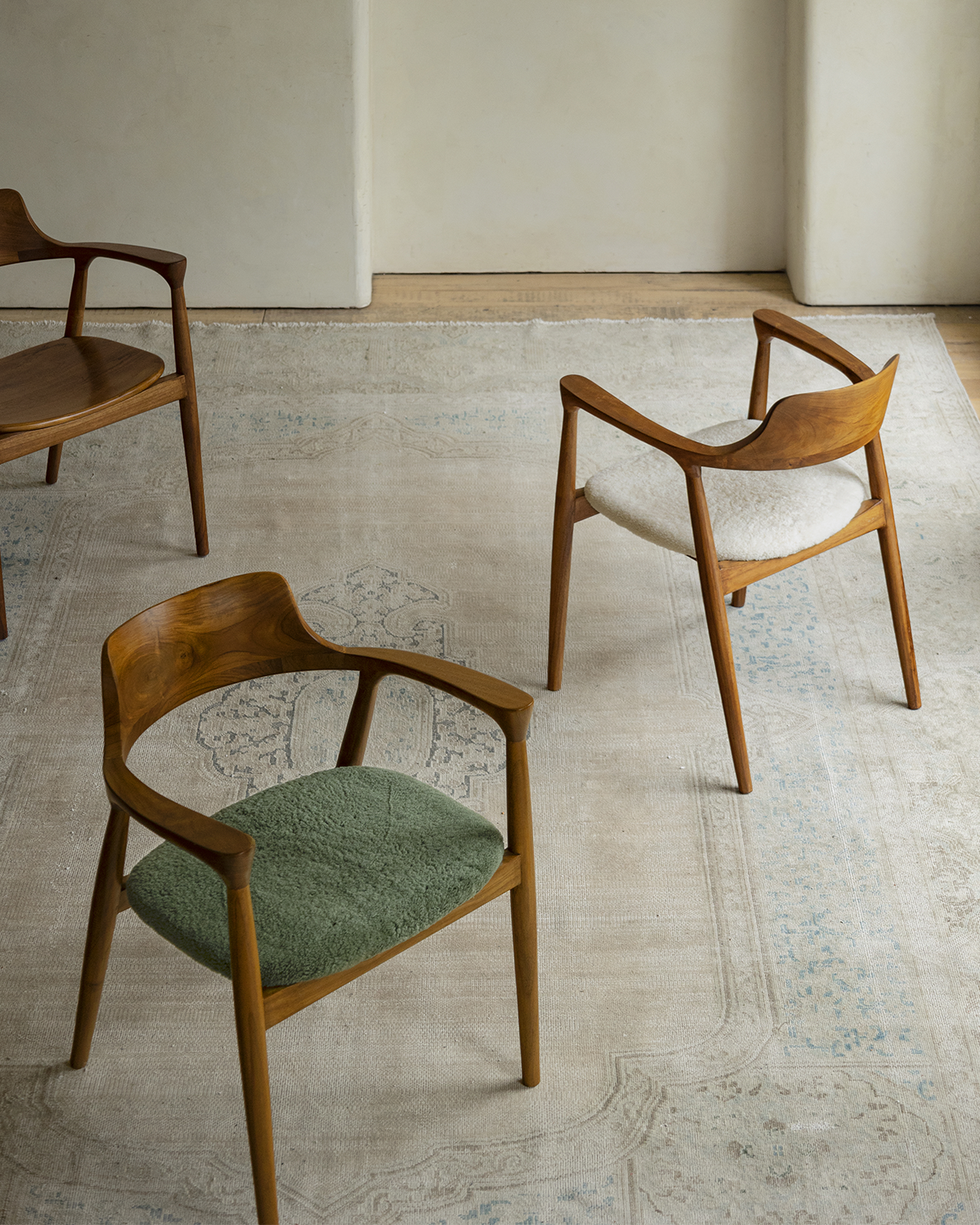
A curved back or supportive arm may feel more embracing when its width, height, and angle match the diner and the table. Rounded lines soften a modern room and pair naturally with woolly textiles, wood tones, and layered seasonal color. Arms and deeper back shapes can also take up more space, so check the table apron, arm height, chair width, and pull-out path before ordering. Choose this direction when support and a softer profile matter more than the smallest possible footprint.
Warm Wood Frames and Natural Grain
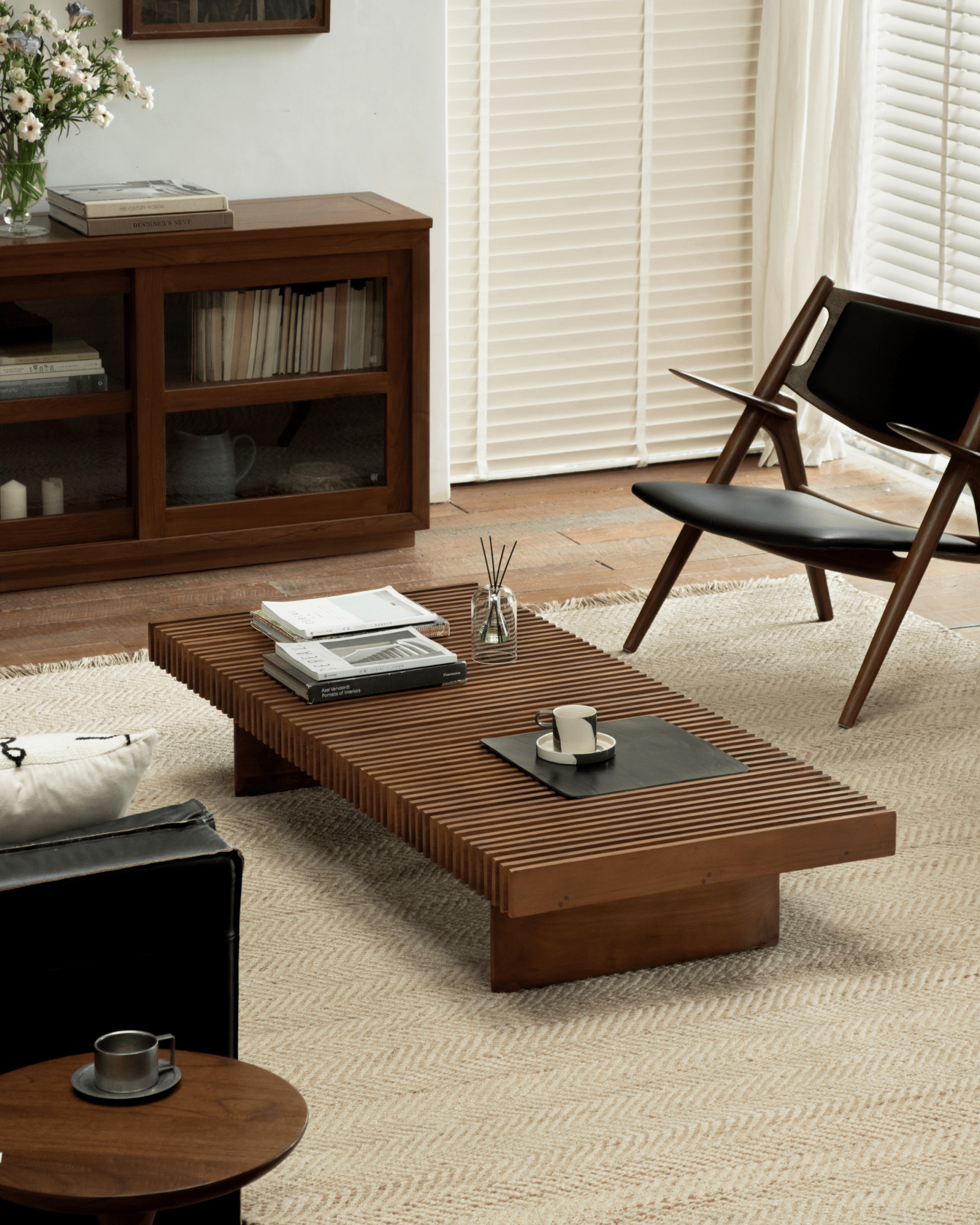
A mostly wood chair generally offers a firmer sitting experience unless the seat is shaped, padded, or paired with a cushion. In return, natural grain brings visible warmth to a modern dining room without relying on heavy upholstery, making it useful for a cleaner fall or winter update. If longer meals are common, compare the seat shape and back support rather than assuming wood will feel comfortable or uncomfortable for everyone. This direction suits shoppers who want texture, structure, and a surface that does not visually dominate the room.
Woven Seats and Organic Textures
A woven seat can provide tactile interest and a visually lighter alternative to full upholstery, especially alongside wood and neutral seasonal accessories. Its comfort depends on the weave, tension, shape, and back support, so the material name alone does not predict the sitting experience. Open or textured surfaces may also require a care routine that does not suit frequent spills or a household seeking maximum cushioning. Choose woven seating when organic texture and visual openness matter, then verify the specific care instructions.
Mixed-Material Comfort
A wood frame with a softer, woven, or otherwise tactile seat can balance structural definition with more comfortable contact at the seat or back. The contrast helps a contemporary table feel less stark in colder months and gives you more than one material to coordinate with flooring, lighting, or seasonal textiles. Each exposed surface creates its own care question, however, and construction still controls the feel. This direction works well when you want warmth without committing the entire chair to upholstery.
Slim Armless Silhouettes
A slim armless chair can preserve usable comfort when its seat and back proportions fit, while its open profile may make movement easier in a compact dining area. The reduced visual bulk supports modern rooms where nearby doors, walkways, or furniture make a large chair feel crowded. The tradeoff is less arm support and potentially less softness or lounging comfort, so this style is better for upright meals and tighter clearances than for relaxed lingering. Measure the listed width and depth rather than assuming every slim chair will fit.

Match the Trend to Your Room and Routine
Choose a trend only after considering the room's traffic, the chair's relationship to the table, and the care routine your household can realistically maintain. The same silhouette can be a smart choice in one dining area and a frustrating one in another, so narrow your shortlist by conditions before using color or texture as the tie-breaker.
For Compact Dining Spaces
Start with the pull-out path, not the seasonal look. Use the chair's listed dimensions and the table's legs and apron to test whether a diner can pull out, turn, and sit without creating a bottleneck.
Then assess visual bulk: slim, armless, or open designs may help the room feel less crowded, but only the actual measurements can confirm fit. Add fall and winter warmth through wood grain, woven texture, or a seasonal color rather than choosing a deeper chair solely for its cozy appearance.
- Check the table apron, chair footprint, nearby doors, and movement path.
- Confirm the chair can pull out and tuck away without blocking circulation.
- Add warmth through material or color after the space test passes.
For Family Meals and Frequent Cleanup
Start with the comfort level needed every day, then match the surface to your actual maintenance tolerance. Verify the fabric composition, care instructions, removable-cover claims, and finish details in the current product specifications; a material category alone cannot tell you how a particular chair should be cleaned. If routine maintenance is limited, avoid choosing a delicate-looking surface for seasonal appeal unless its care requirements fit your household.
- Daily comfort: Test seat support and table relationship for the people who use the chairs most.
- Verified care details: Look for the exact cleaning method and cover information rather than assuming "easy care."
- Realistic upkeep: Choose a surface your household can maintain after ordinary spills, crumbs, and repeated use.
For Holiday Hosting and Modern Table Pairings
For longer meals and varied guests, prioritize usable support and table compatibility before decorative styling. Compare seat height, chair scale, arm position when applicable, and the space needed to pull the chair out; guests will not all have the same body proportions. Once those factors work, narrow the choice to two or three chairs and let wood tone, texture, color, or silhouette determine which one best completes the modern table.

Choose Your Ideal Fall Dining Chairs
Great seasonal style starts with real daily fit. Measure your space, test table clearances, and consider your household cleanup routine. The best seat makes long family meals relaxed and simple. Combine smart measurements with warm textures to build a cozy dining room ready for every cool-weather gathering.
FAQ about Dining Chairs
Q1: How Many Dining Chairs Should Fit Around My Table?
There is no reliable fixed count without knowing the table's usable edge, shape, chair width, armrests, and pull-out space. Compare each chair's full width with the available table space, then test adjacent chairs and nearby furniture for a usable path. Armchairs may reduce the practical count even when their seats appear to fit.
Q2: Are Upholstered Dining Chairs Practical for Households With Kids or Pets?
They can be, but practicality depends on the exact surface and your care routine. Check the fabric composition, color, cover details, and cleaning instructions; a darker or textured fabric is not proof of stain resistance. If the care requirements do not fit your cleanup habits, compare a cushioned wood-frame or mostly wood option.
Q3: Can I Mix Different Dining Chair Styles Around One Table?
Yes, mixed chairs can look intentional when they share a visible or measurable link, such as seat height, wood tone, material, or silhouette. Check comfort, clearance, and combined widths first. Then narrow the choice to two or three options and use the strongest contrast at the head positions or repeat chairs along the sides.
Q4: What Should I Measure Before Ordering Dining Chairs Online?
Record the table height, underside or apron clearance, chair width and depth, seat height, and arm height when applicable. Also check doorway access and the space needed to pull each chair out. Compare those figures with the current product specifications and return terms before ordering.