

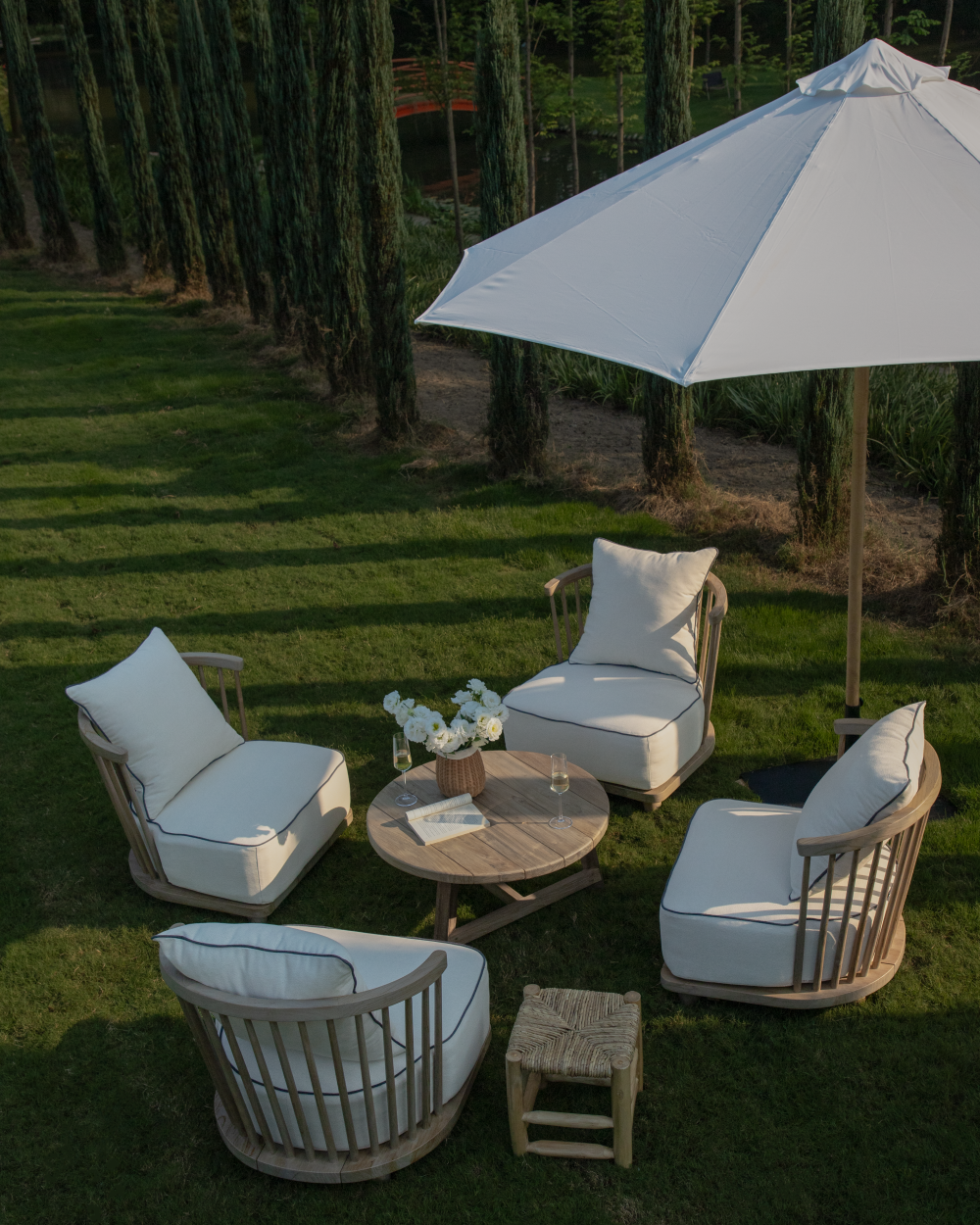


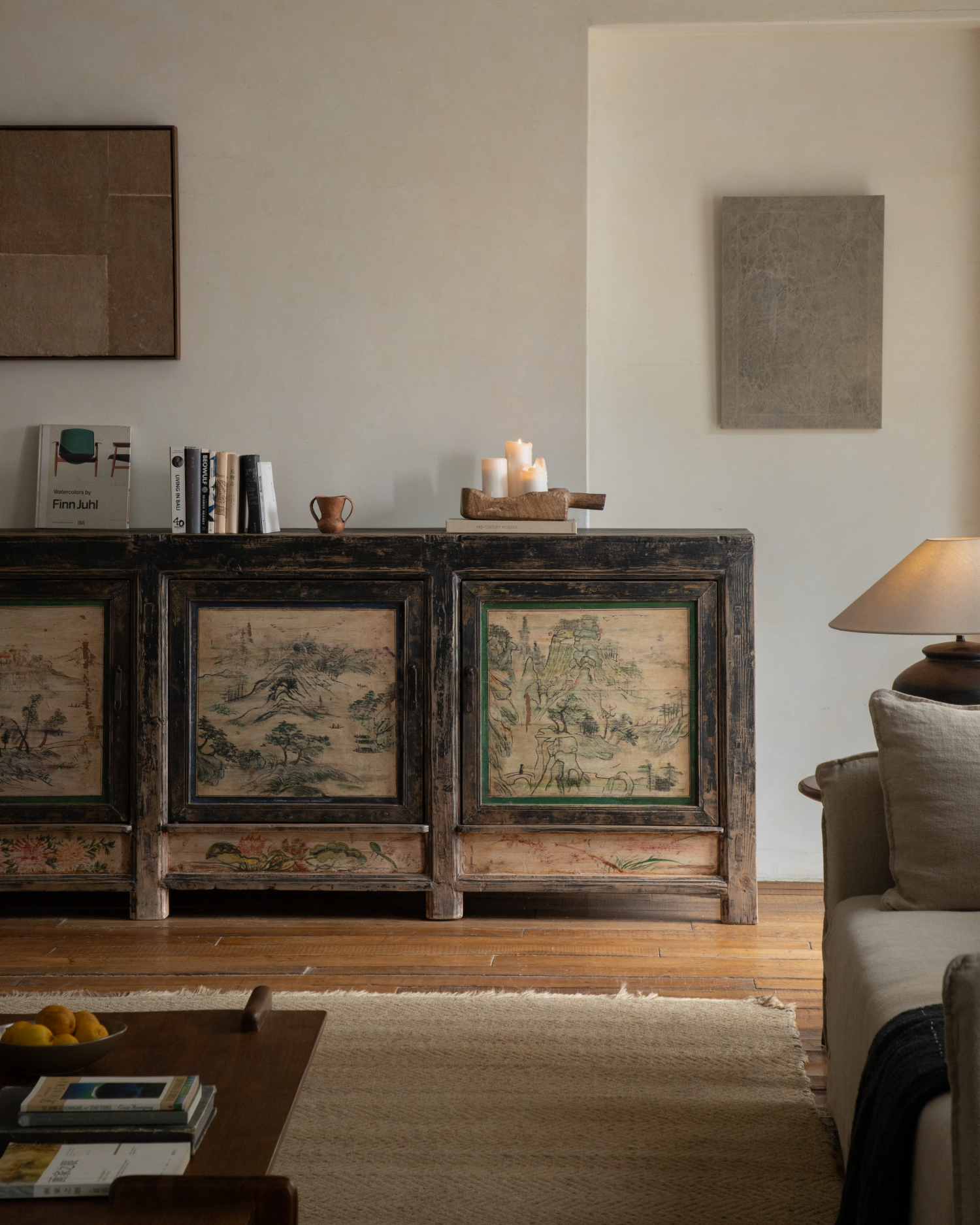
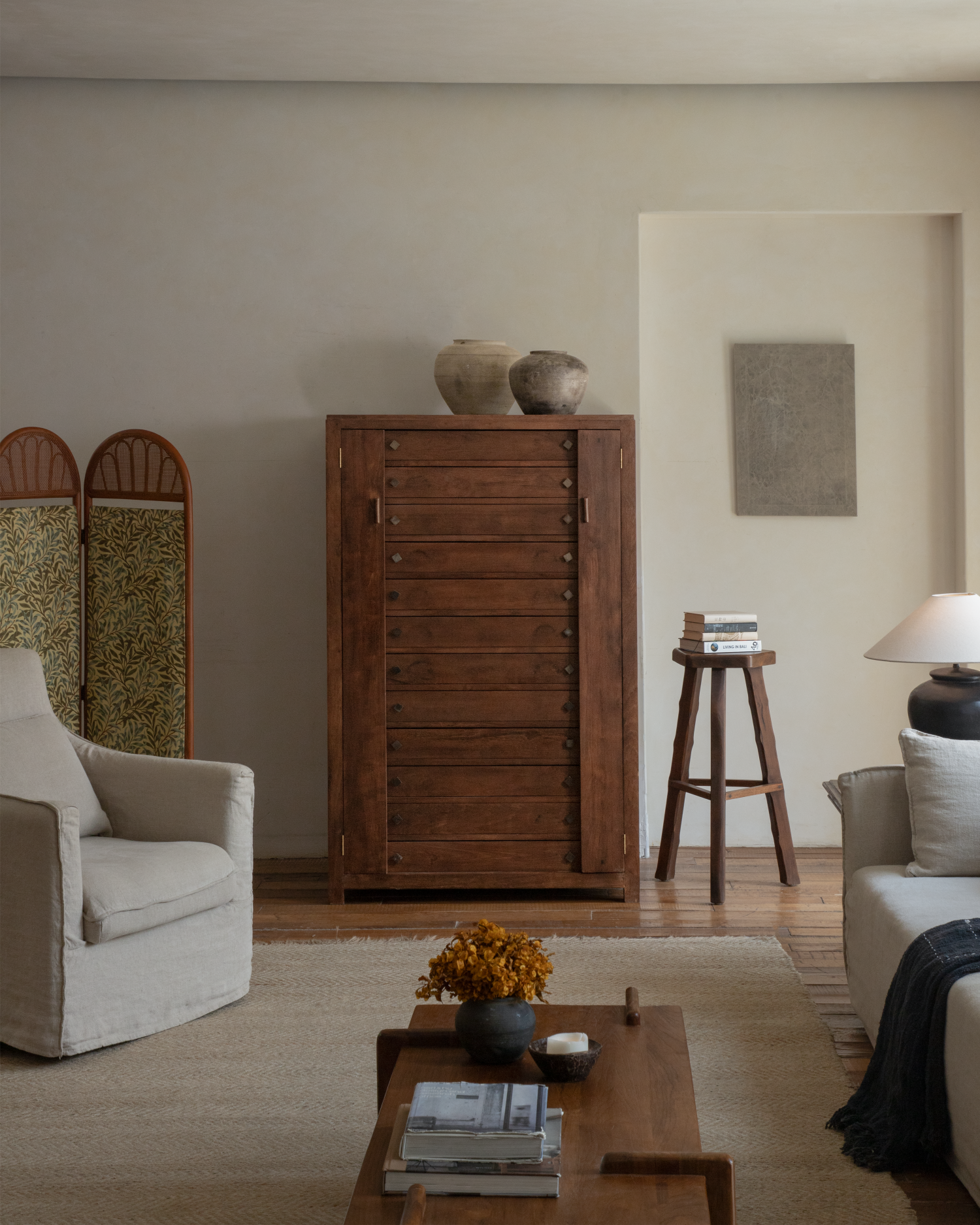
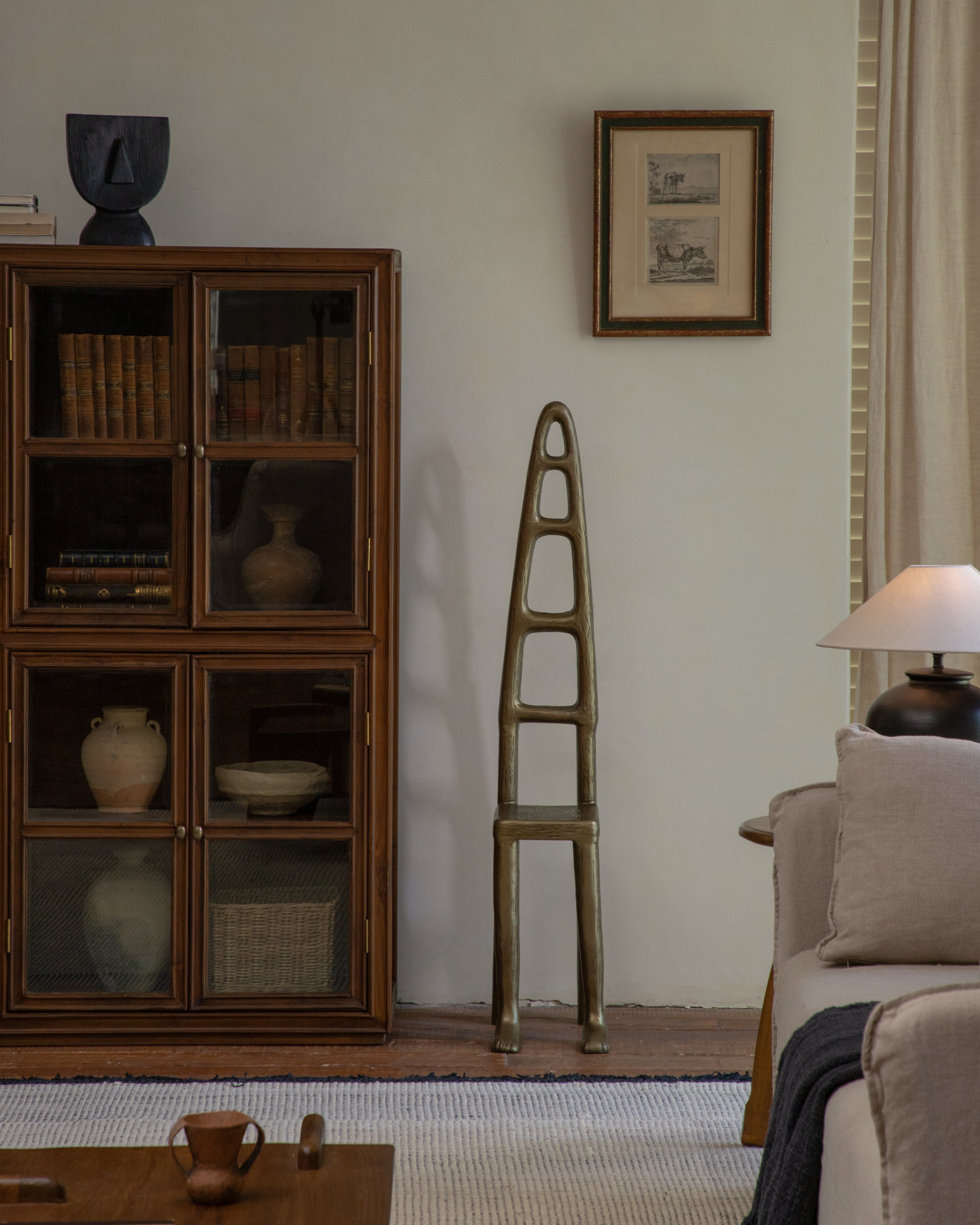

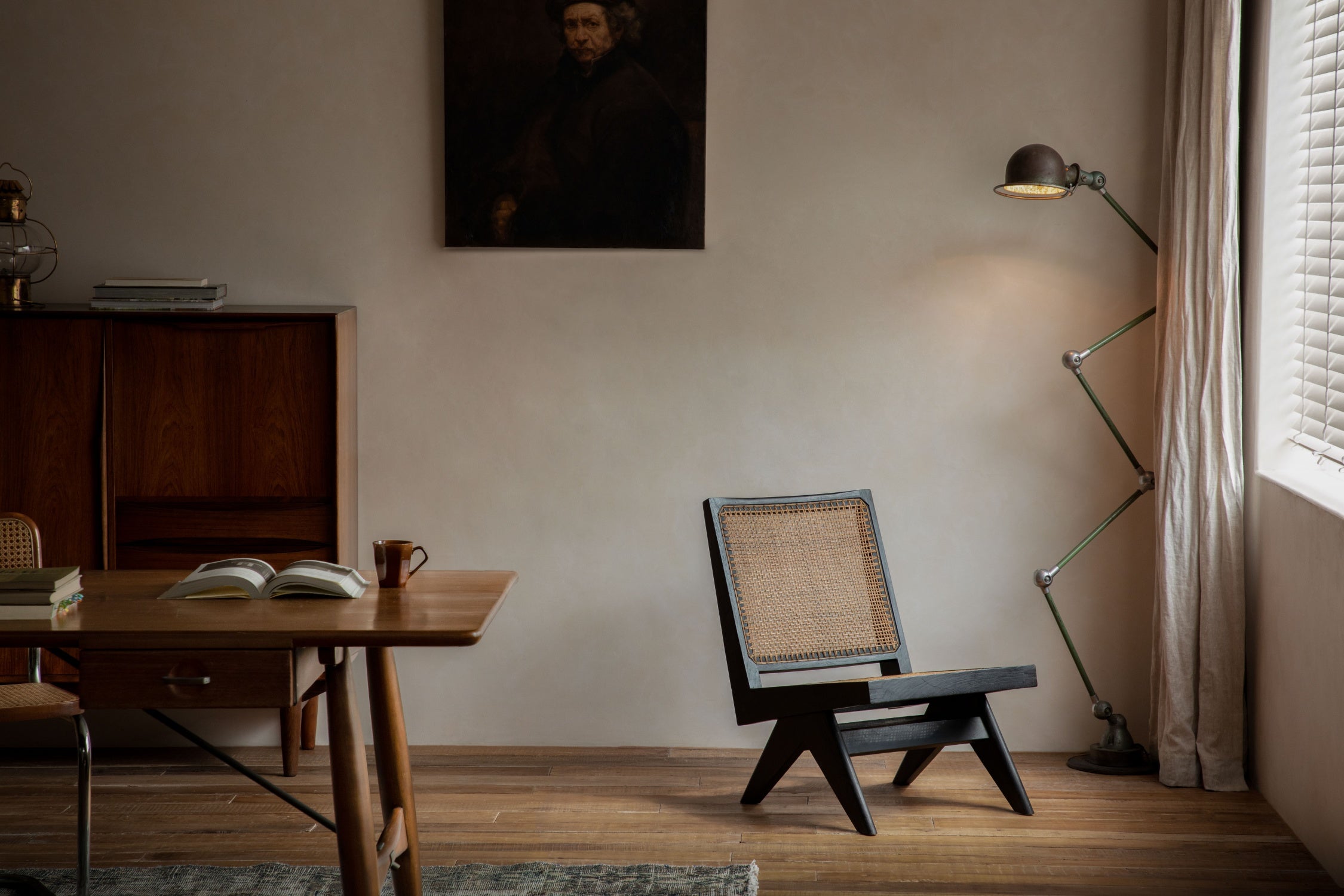
When you need more spots to sit, the shape of your furniture matters. The battle between armless chairs and traditional armchairs is about more than just style. It determines how many guests can fit and how open your home feels. By picking the right silhouette, you can create a room that feels both social and spacious. Use these tips to pick the best mix for your layout and comfort.
What Is the Difference? Armless Chairs vs Armchairs
Figuring out the basic design of these two options helps you see where they fit best.
Armless Chairs: Sleek and Slim
An armless chair is exactly what it sounds like. It has a seat and a backrest but lacks side supports. These are often called slipper chairs because they sit lower to the ground, or they might be modern dining-style chairs used as accents. Because they have no sides, they take up less physical width. They are perfect for short conversations or as a quick spot to put on shoes.
Armchairs: The Classic Lounge Seat
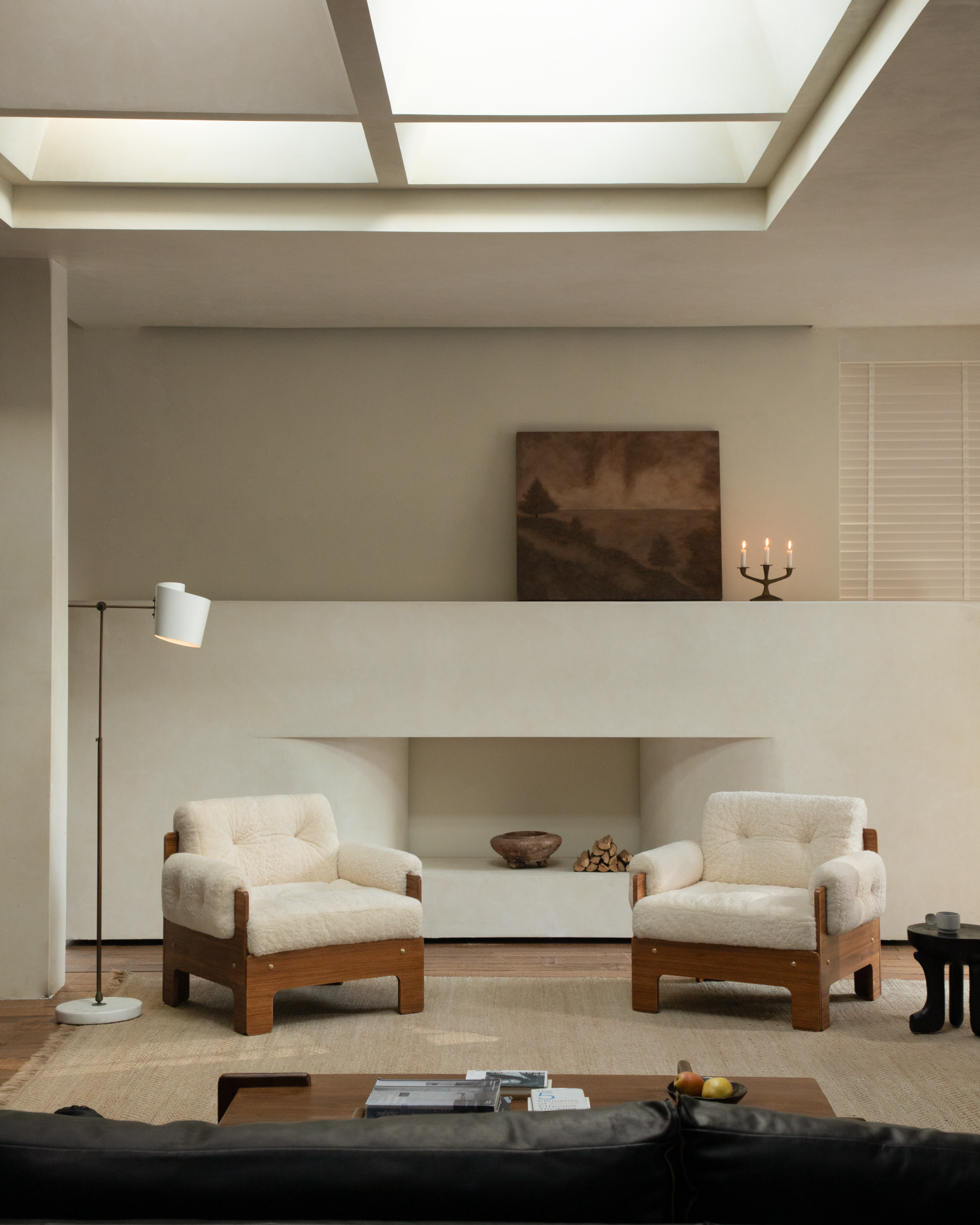
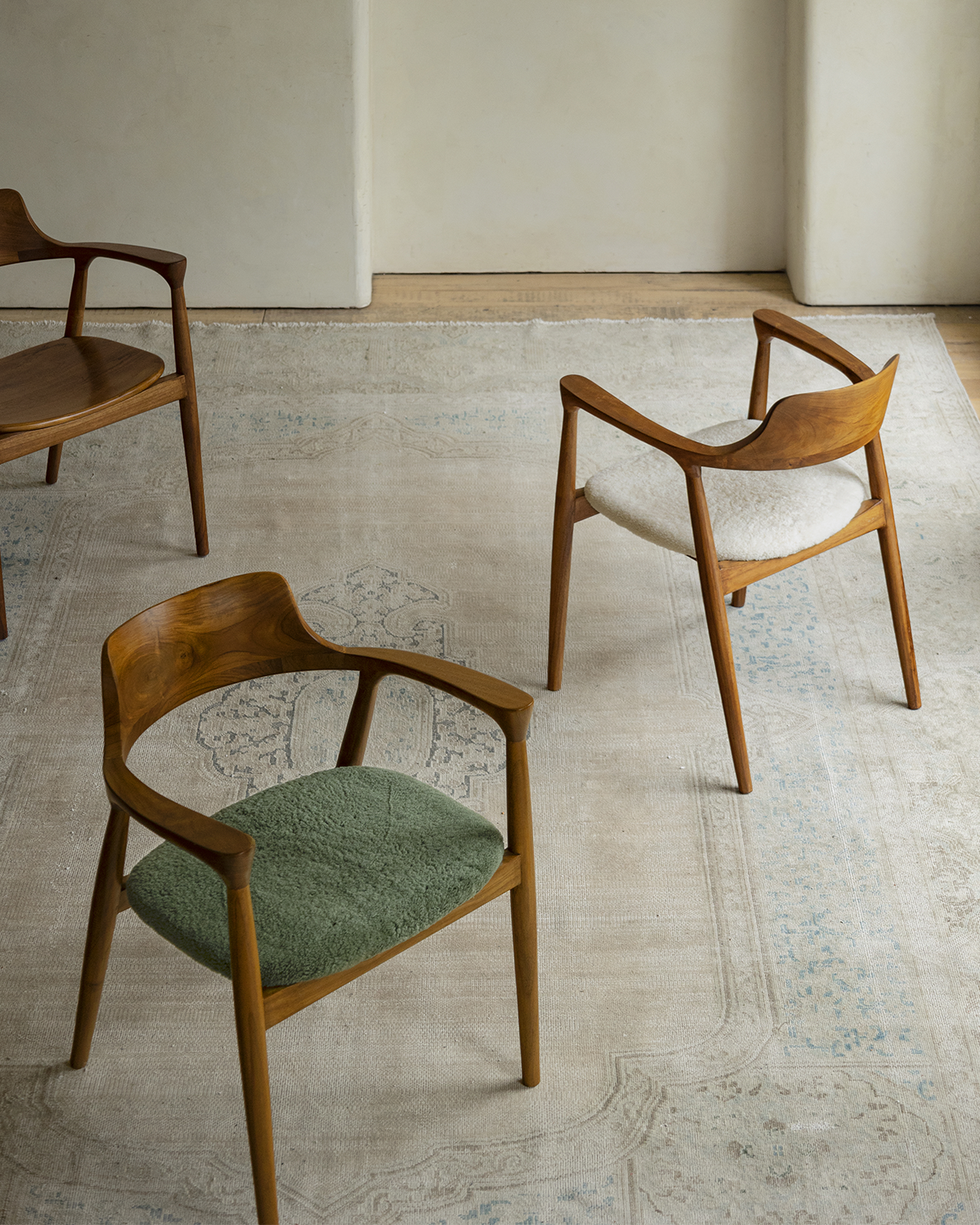
An accent armchair features built-in supports for your elbows and forearms. These chairs are usually wider and feel more substantial. They are the go-to choice for a lounge chair where you plan to spend an hour or more. Because they have a "frame," they define a clear personal space for the person sitting in them, which feels more private and cozy.

Space 101: How Chairs Use Up Your Room
A chair takes up more than just the inches where its legs touch the floor. You also have to think about how much air it fills and how people walk around it.
- Look at the footprint when buying new furniture. This is the total area the chair occupies. An armchair might have a footprint that is 35 inches wide, while an armless version might only be 24 inches wide. That 11-inch difference is huge in a tiny apartment.
- There is also "visual space." A chair with high, thick arms acts like a wall. It blocks your view of the floor and the rest of the room, making the area feel crowded. An armless chair allows your eyes to see past it, which tricks your brain into thinking the room is bigger than it is.
- Finally, consider traffic flow. You need at least 18 to 24 inches of walking space between furniture pieces. If a chair's arms stick out into a walkway, people will constantly bump into them.
Do Armless Chairs Really Save More Space?
If your goal is to fit as many people as possible into a small area, armless designs are usually the winners. They solve many layout problems that heavy furniture creates.
- By removing the arms, you can line up two or three chairs side-by-side along a wall without it looking like a waiting room. This is great for holiday parties or big family gatherings.
- Armless chairs also slide easily into corners. If you have a window or a doorway where a standard chair would block the path, an armless slipper chair fits right in.
- Because they lack side barriers, these chairs feel "light." They don't have the heavy, boxy look of modern lounge chairs. This openness is helpful in "pass-through" rooms where you need to see from one side of the house to the other. You get the extra seating you need without creating a physical or visual barrier in the middle of your home.
When Armchairs Still Make Sense in Small Rooms
Comfort is important, even in a small room. For some people, the extra support that a bigger chair gives is worth the extra room it takes up.
- An accent armchair is the best choice for long-term sitting. If you enjoy reading or watching movies, your arms need a place to rest so your shoulders don't get tired.
- For older adults or people with mobility issues, arms provide a sturdy place to push off from when standing up. An armless chair can feel unstable for someone who needs extra help.
- You can use one high-quality lounge chair as a "hero piece." This becomes the main spot for the person who spends the most time in the room.
By having one comfortable, larger chair and several smaller armless ones, you satisfy the need for both deep comfort and high-capacity seating. It gives the room a focal point without making every corner feel heavy.

Layout Strategies: Mixing Armless and Armchairs to Maximize Seating
Choosing one type of chair style isn't the only solution to a well-planned room. You can choose and place different shapes in the spots where they function best for your daily life.
Small Living Room Solutions
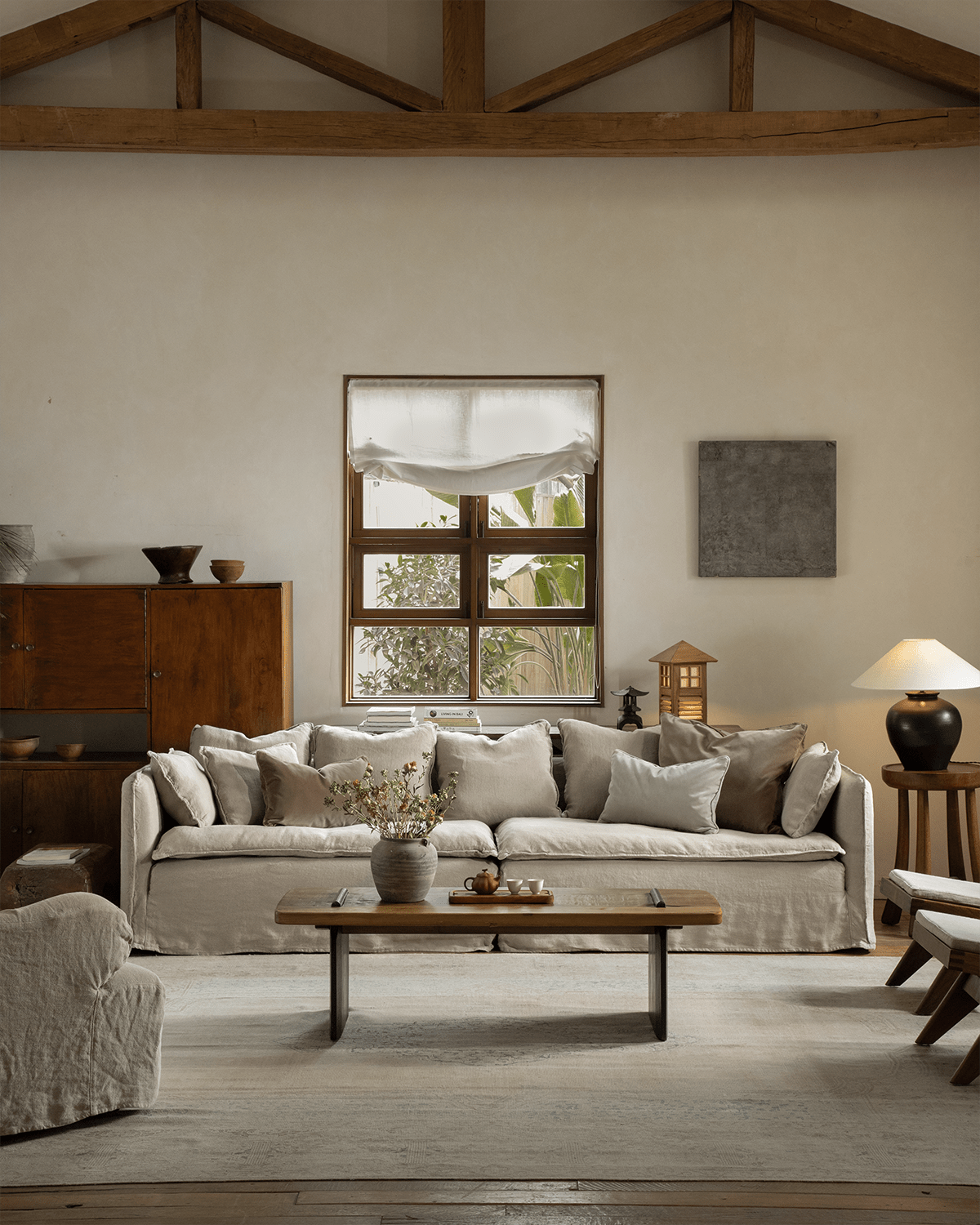
In a standard small living room, try placing a sofa with arms against the longest wall. Instead of adding two more bulky armchairs, add one accent armchair in a corner and two armless chairs opposite the sofa. This creates a conversation circle. Because the armless chairs are thin, you can still walk between them to get to the kitchen or the door.
Studio Apartments and Open-Plan Zones
In a studio, you want to keep sightlines clear so the bed, kitchen, and living areas don't feel like separate boxes. Use armless modern lounge chairs to divide the spaces. Since they don't have sides, you can sit in them facing the TV or turn slightly to talk to someone in the kitchen. They act as flexible furniture that doesn't "wall off" any part of your home.
Narrow Rooms and Awkward Corners
Narrow rooms are the hardest to furnish. If you put a wide chair in a narrow room, you lose the walking path. Use slim armless chairs along the narrowest walls. You can also place an armless chair right next to a fireplace or a bookshelf. Since there are no arms to get in the way, you can sit closer to the furniture or the wall, saving precious inches of floor space.
Design Factors That Affect Space Perception (Beyond Arms)
The frame of a chair is only part of the story. Other design details can make a chair look heavy or light, regardless of whether it has arms.
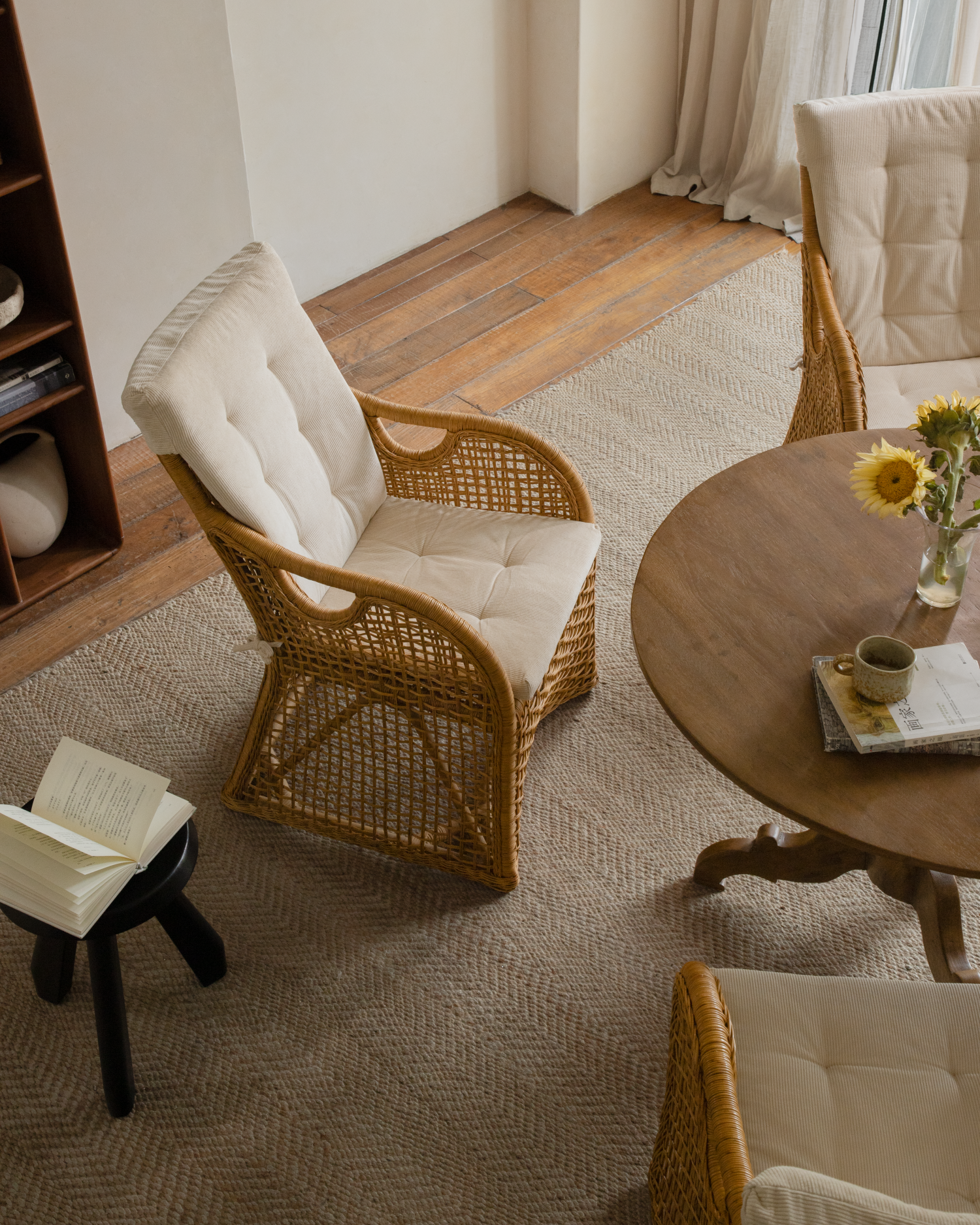
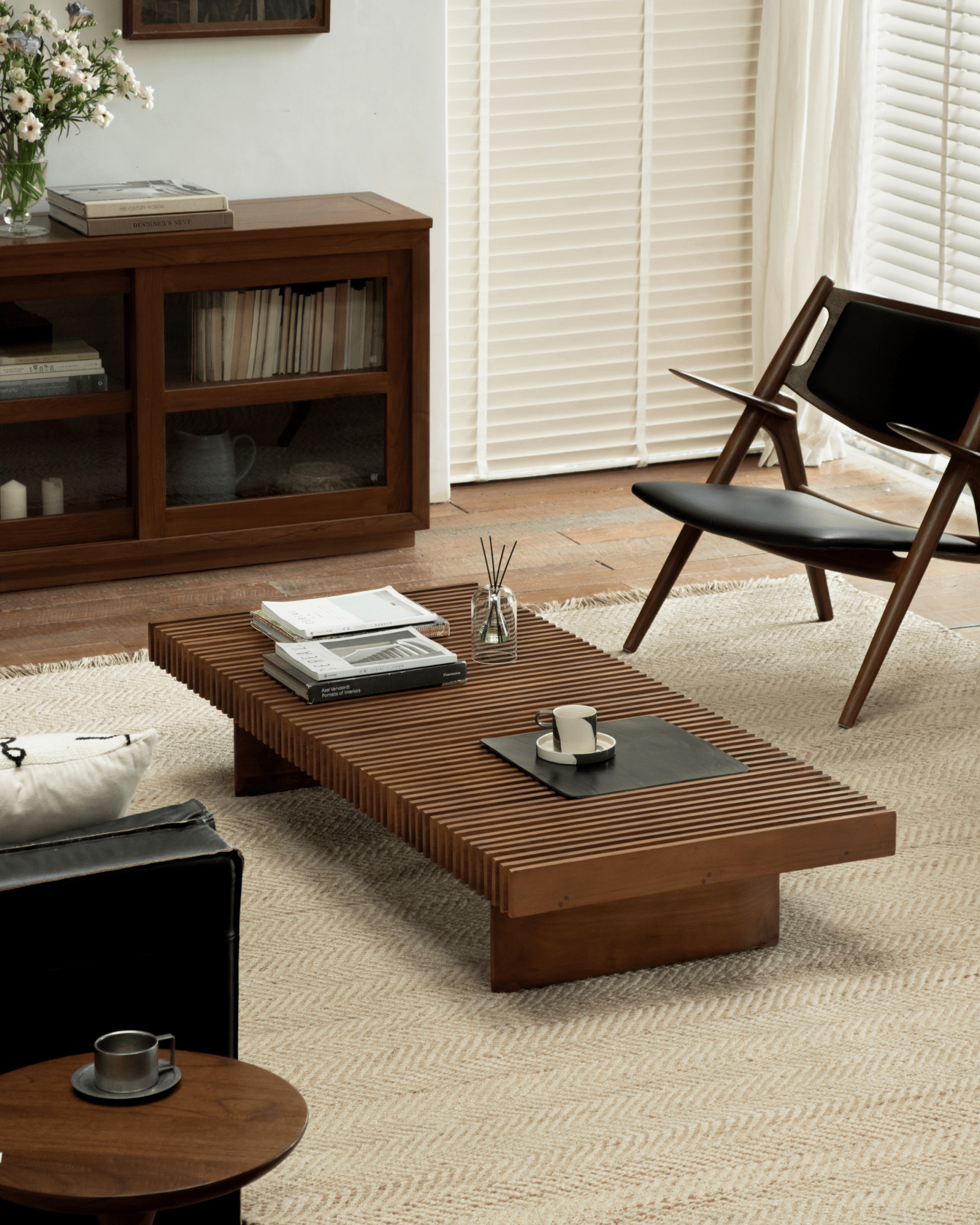
- Arm Thickness: If you must have arms, look for "open-frame" designs. These have wooden or metal arms that you can see through. They offer support without blocking the view.
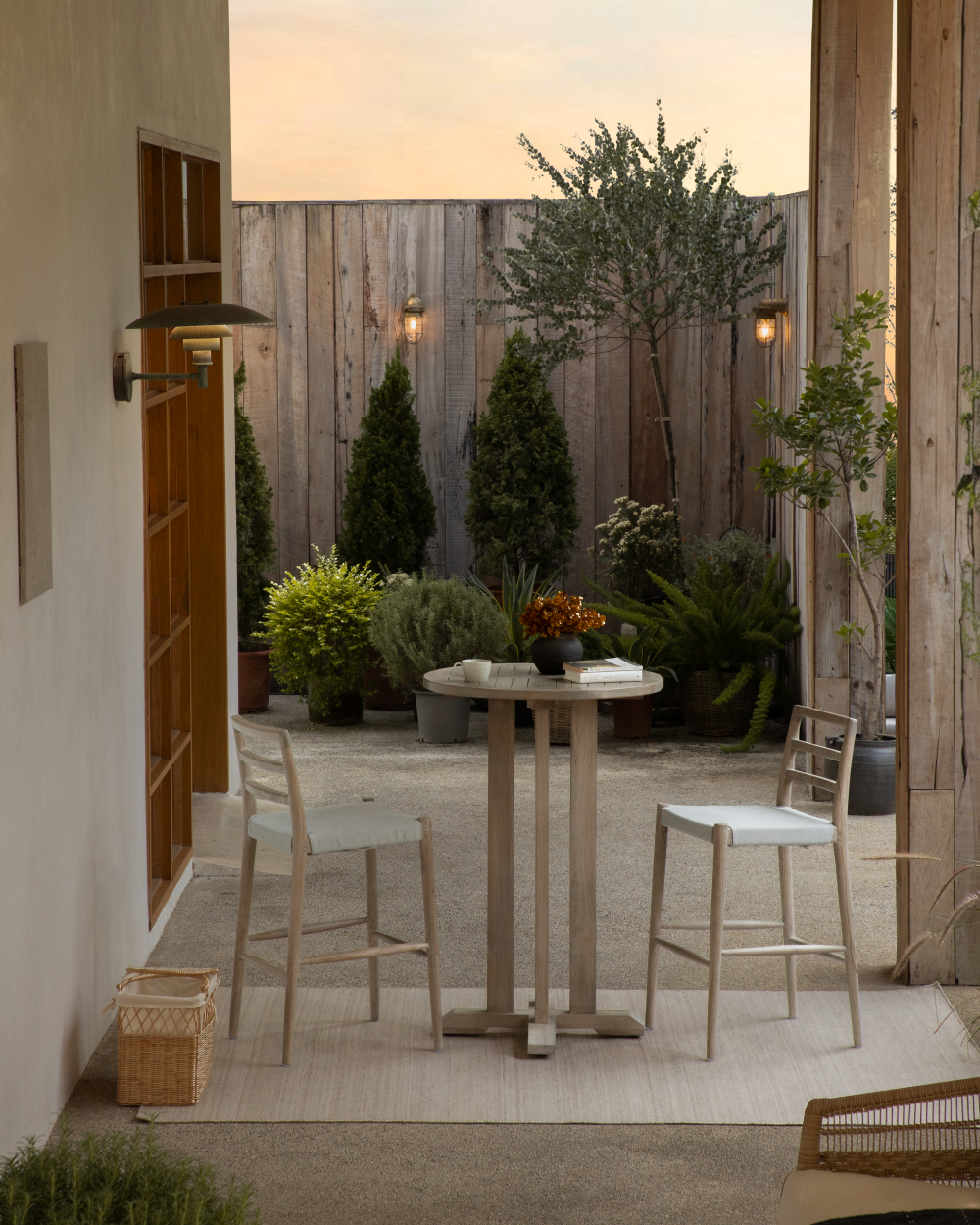
- Leg Style: Chairs with tall, thin legs make a room look bigger. When you can see the floor underneath the chair, the room feels less cluttered. Avoid "skirted" chairs that hide the legs, as they look like heavy blocks on the ground.
- Color and Fabric: Light colors like beige, light gray, or soft blue blend into the walls. Dark or very bright colors draw the eye and make the chair's size more obvious. Choosing a simple fabric without a busy pattern also helps the chair look smaller and sleeker.
Practical Tips for Choosing the Right Silhouette
Making the right choice requires a bit of planning before you head to the furniture store. Always measure your space and think about how you live.
- First, use painter's tape to mark the size of the chair on your floor. This shows you exactly how much room will be left for walking. Note the width of the seat versus the width of the arms. Some lounge chairs for living room use have arms that are 6 inches wide each—that's a foot of space used just for armrests!
- Think about your lifestyle. If you host a book club or have friends over for drinks, you need armless chairs that are easy to move and squeeze together. If your main goal is a quiet night in, prioritize comfy lounge chairs with padded arms.
If you can't decide, look for modular furniture. Some sofas come in sections, allowing you to add armless middle pieces to extend the seating without making the whole unit look massive.

Maximize Seating with the Right Lounge Chair Mix
Armless chairs save space and keep your home feeling airy. They fit into tight corners where bulky furniture fails. Use armchairs for your main sitting spots to get the best arm support and comfort. A mix of both styles works best for most rooms. You can keep your favorite accent armchair for relaxing and add several small lounge chairs to host more friends without the clutter.
FAQs About Armless vs Armchairs in Small Spaces
Q1: Do armless chairs really make a small living room look bigger?
Yes. Because they lack side barriers, they don't block your view of the room. This "visual transparency" makes the walls feel further apart. They also have a smaller footprint, leaving more floor visible.
Q2: Are armless chairs comfortable enough for everyday use?
They are great for sitting for 30 to 60 minutes. They work well for guests, dining, or working at a desk. However, for a long night of watching movies, most people prefer the support of an accent armchair.
Q3: How many armchairs vs armless chairs should I have?
A good rule for small rooms is the "1-to-2 ratio." For every one chair with arms (or one sofa), you can usually fit two armless chairs. This keeps the room from feeling too "heavy" on one side.
Q4: Can I mix armless chairs with a sofa that has big arms?
Absolutely. In fact, this is a smart design move. The sofa provides a solid, comfortable base for the room, while the armless chairs add balance and prevent the space from looking like it's filled with giant blocks of foam.


