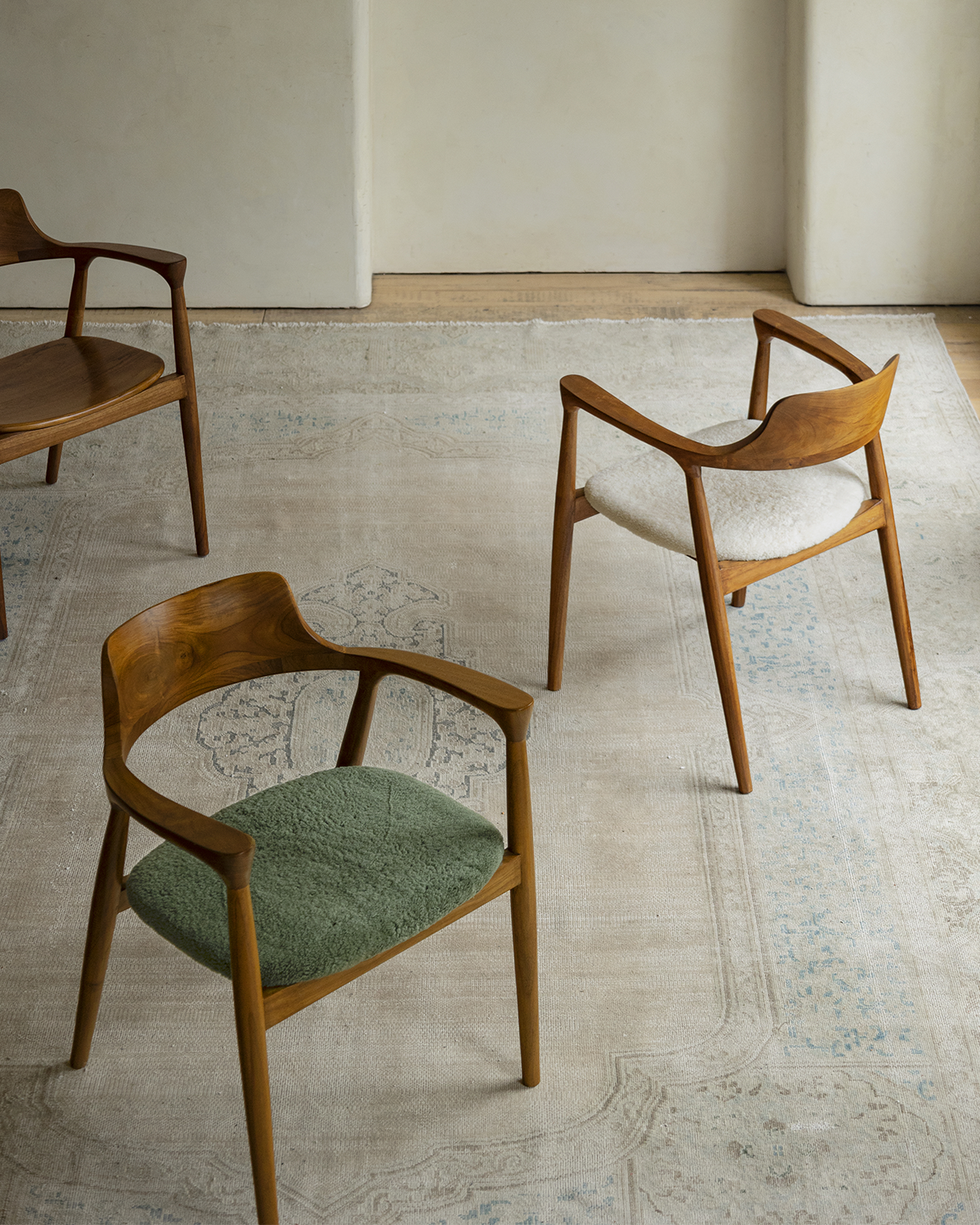

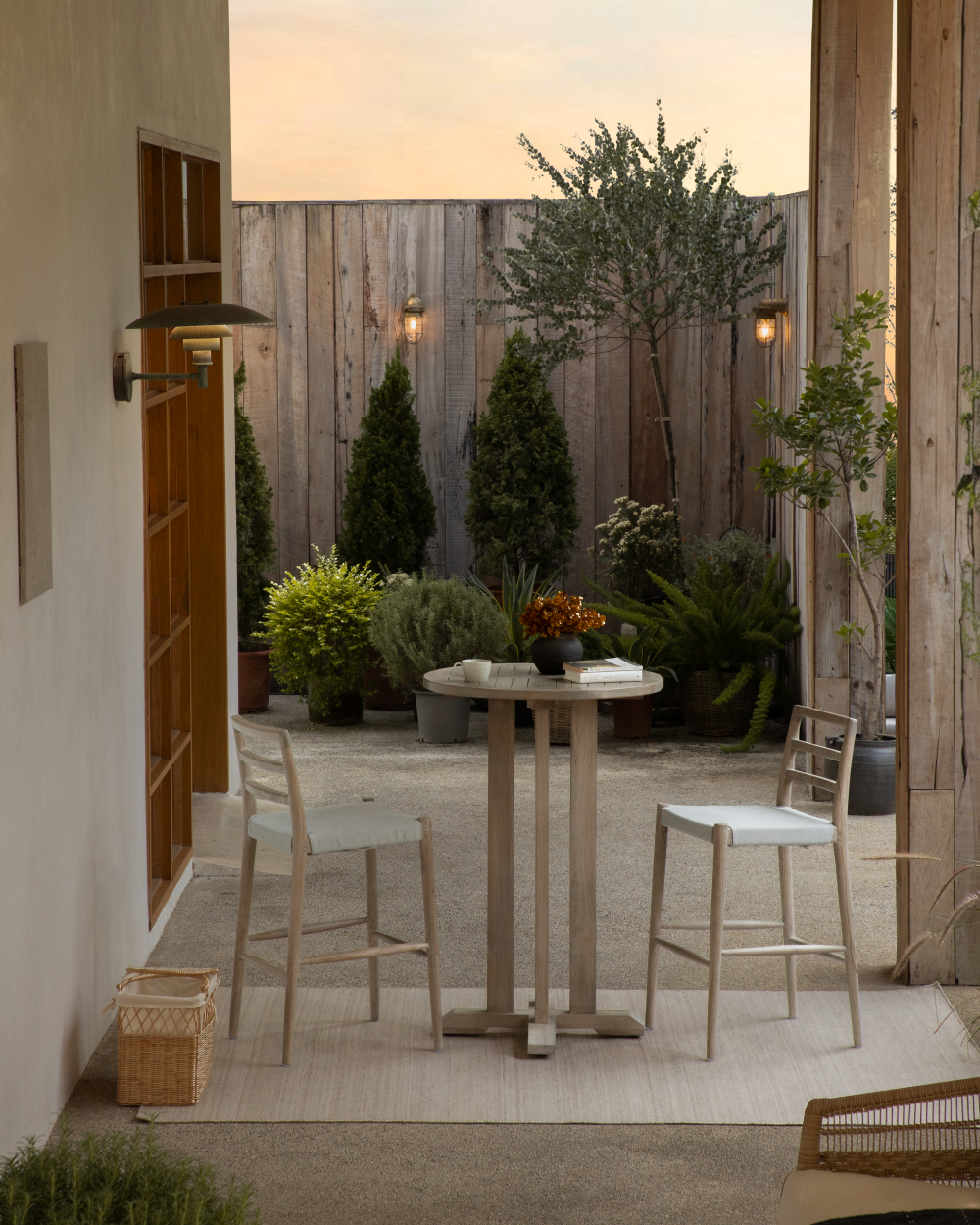
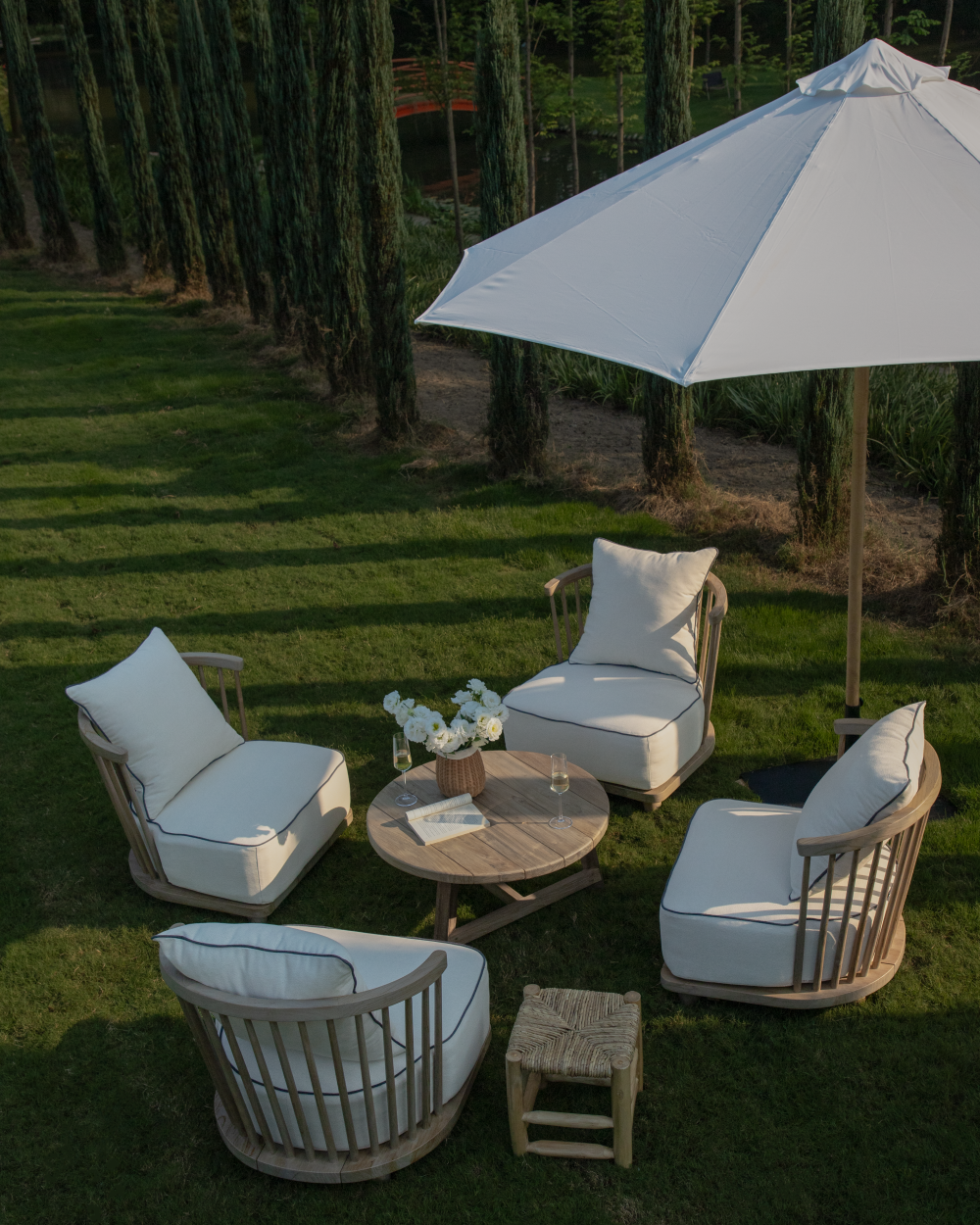

Investing in a new garden lounge chair is exciting, but it quickly gets confusing when you see all the different options available. The skin-burning sun, sudden downpours, and freezing winters can destroy poor-quality furniture in just one or two seasons. Selecting the right garden lounge chair materials ensures your seats stay beautiful, safe, and comfortable for many years.
When you shop for outdoor furniture, you will encounter five major options: teak, aluminum, synthetic wicker, alternative woods like acacia, and steel. The best choice for your yard depends heavily on your local weather, how much time you want to spend cleaning, and how you plan to use the chairs.
What Makes a Garden Lounge Chair Material Truly Durable?
To find the longest-lasting outdoor furniture materials, you need to know how different elements attack furniture. True durability means a chair can handle daily outdoor exposure without warping, breaking, or losing its structural integrity.
Weather Resistance Against Rain and Humidity
Moisture is the primary enemy of backyard furniture. Constant rain, morning dew, and high humidity create a perfect environment for mold, mildew, and wood rot. If water gets trapped inside metal frames, it can cause hidden rust that weakens the structure. High-quality weather resistant outdoor furniture either naturally repels water or features protective barriers that keep moisture from soaking into the core components.
UV and Temperature Resistance
The sun emits strong ultraviolet (UV) rays that act like a slow bleach on fabrics and hard surfaces. Over time, heavy sun exposure causes cheap plastics to become brittle and crack, while paints fade and peel. Extreme temperature shifts also cause materials to expand in the summer heat and contract in the winter cold. Durable materials handle these rapid thermal changes without splitting or warping.

Maintenance Requirements for Longevity
Every material needs some care, but the amount varies wildly. Some options require annual sanding and oiling, while others only need a quick rinse with a garden hose. Choosing low maintenance garden furniture is often the smart route for busy homeowners because it reduces the chances of premature damage caused by forgotten upkeep.
Frame Strength and Superior Construction Quality
Even the highest-grade material will fail if the joints and hardware are low quality. Look closely at how the pieces connect. Welded joints on metal chairs hold up much better than cheap screws that can loosen and rust. For wooden chairs, interlocking wood joints are vastly superior to simple glue and staples. Heavy-duty construction keeps the frame stable when people sit down and lift themselves up.
Teak: A Premium Choice for High-End Backyard Seating
Teak has a stellar reputation across the globe as a luxury choice for building boats and high-end patio furniture. If you want a natural wood look that shrugs off bad weather, this material sits at the top of the list.
Why Teak Performs Well Outdoors
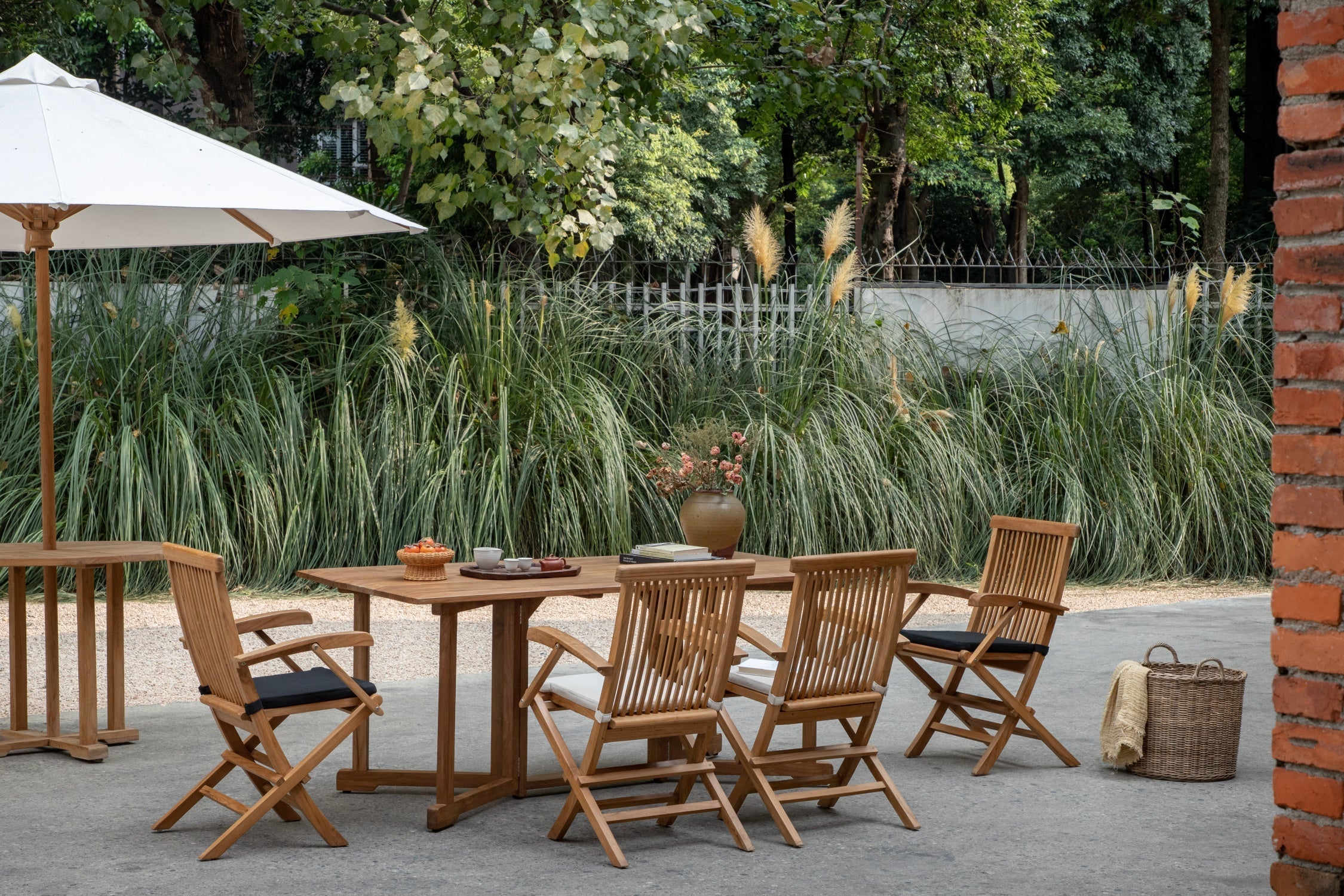
Teak is a dense, tight-grained hardwood that contains a high concentration of natural rubber and protective oils. These built-in oils act like a waterproof shield from the inside out, repelling burrowing insects, stopping wood rot, and preventing warping. Even when left outside during snowy winters or tropical rainstorms, teak retains its strength and structural shape.
Advantages and Limitations of Teak Lounge Chairs
Investing in teak lounge chairs outdoors gives you furniture that easily lasts for decades. It starts with a warm, golden-brown hue. If left untreated, the sun naturally changes the wood to a handsome silver-gray color over time.
The main drawback is the cost; teak grows slowly and is expensive to harvest, making it a premium investment. Additionally, if you prefer the original golden look over the weathered gray, you must scrub the wood clean and apply a specialized sealer once every year.
Aluminum: The Lightweight and Rust-Free Modern Favorite
If your main goal is to avoid heavy maintenance, aluminum is one of the best material for outdoor furniture options on the market. It offers a clean, contemporary aesthetic that blends into modern yard designs.
Why Aluminum Is Popular for Garden Lounge Chairs
Unlike iron or standard steel, aluminum cannot rust. When aluminum reacts with oxygen, it naturally forms a microscopic protective layer that stops corrosion from spreading. It is also incredibly lightweight. This makes it easy to move your lounge chairs into the shade when the afternoon gets hot, or stack them inside a garage when winter arrives.
Advantages and Limitations of Aluminum
Aluminum requires almost zero effort to keep alive. A quick spray with a hose and a wipe down with soapy water a few times a year is all it takes. Manufacturers typically coat the metal in a baked-on powder finish that resists scratches and chips.
On the downside, bare metal gets uncomfortably hot under direct summer sunlight and cold in the winter. To make aluminum comfortable for long relaxation sessions, you will need to add thick cushions or buy chairs that use a flexible mesh fabric across the seat frame.
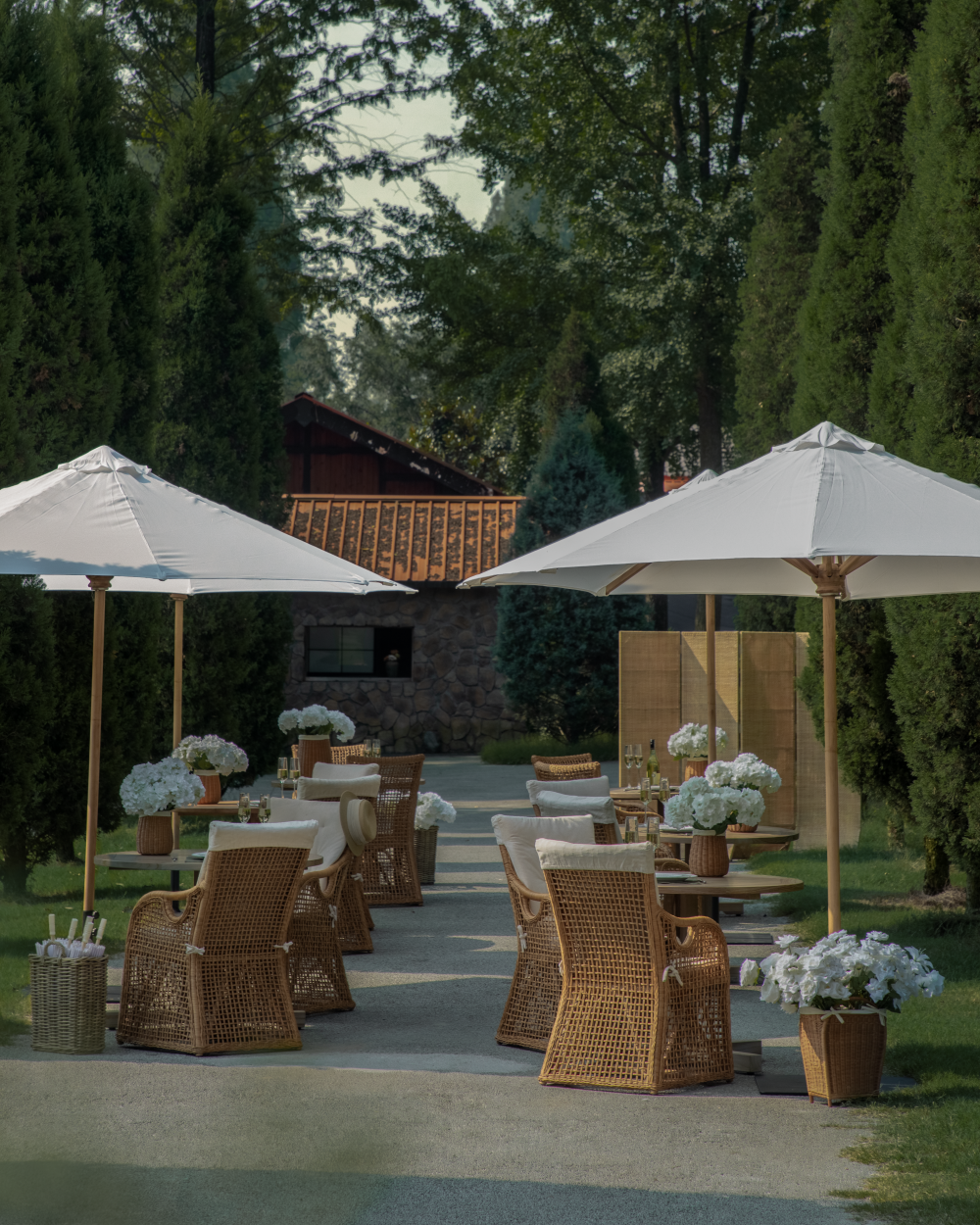
Synthetic Wicker and PE Rattan: Classic Style Meets Modern Tech
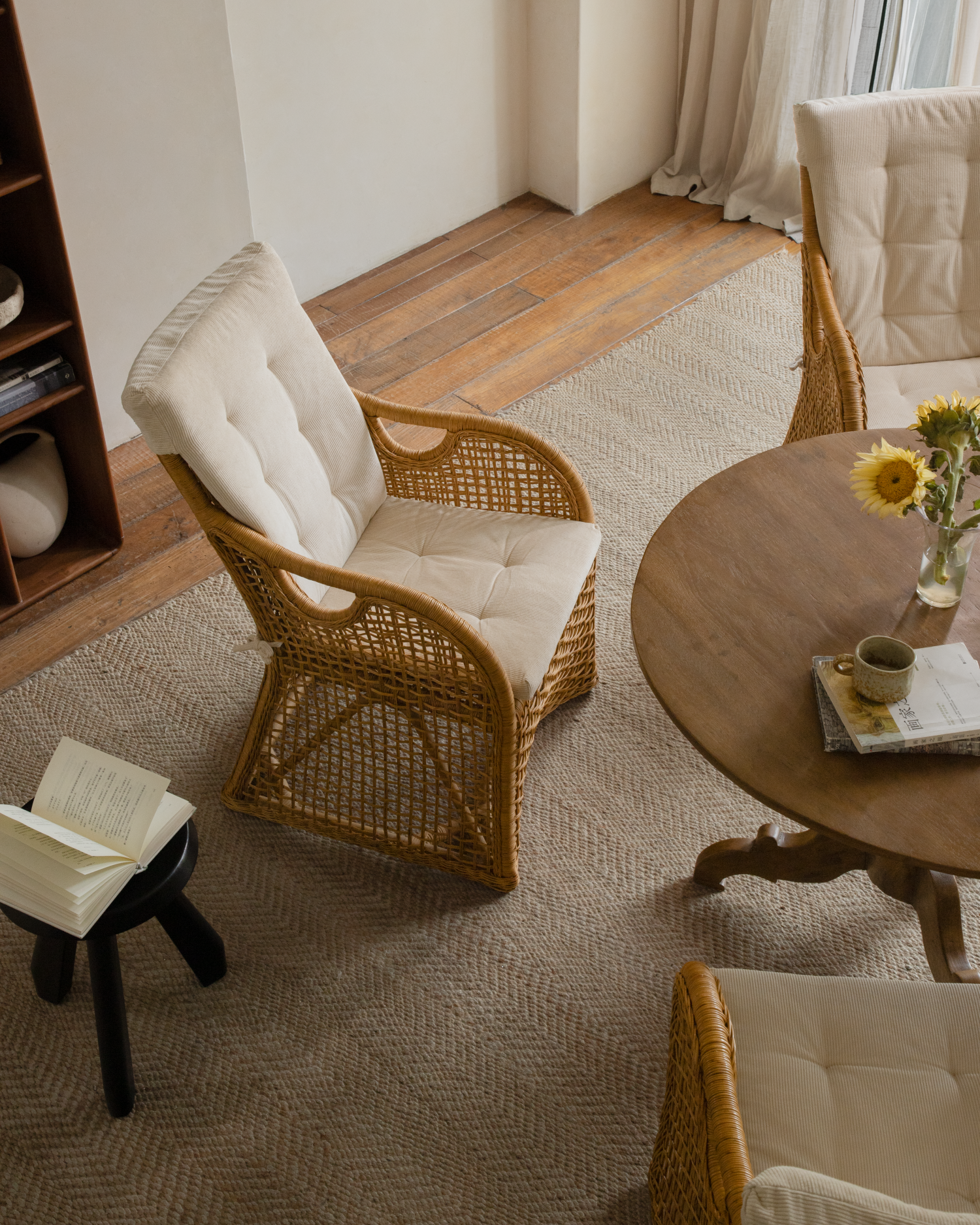
Natural wicker made from rattan vines cracks and rots quickly when exposed to rain. Synthetic wicker, also known as resin wicker or PE rattan, solves this issue by using engineered plastics to replicate the beautiful woven look.
Why Synthetic Wicker Works Outdoors
High-quality synthetic wicker uses polyethylene (PE) resin. This specific plastic is highly flexible, waterproof, and treated with UV inhibitors to stop the sun from breaking down the chemical bonds. The plastic strands are hand-woven over an inner metal frame, creating a soft, supportive seat that yields slightly to your body weight.

Pros and Cons of Synthetic Wicker Lounge Chairs
These chairs offer great comfort and a welcoming, cozy look by the pool or on a deck. They do not hold heat like metal, and they dry quickly after a rainstorm.
However, quality varies tremendously in the retail market. Cheap wicker chairs use PVC plastic, which turns brittle and starts cracking within two or three years. For long-term use, you must verify that the chair uses PE plastic wrapped around a rust-proof aluminum frame, rather than a cheap steel frame.
Other Reliable Furniture Materials for Your Garden
While teak, aluminum, and synthetic wicker are the most popular choices, a few other options work well depending on your specific budget and stylistic tastes.
Acacia and Alternative Hardwoods
Acacia is a fast-growing hardwood that costs significantly less than teak. It features an attractive, swirling grain pattern and offers decent density. However, it lacks the high volume of natural oils found in teak. To prevent acacia from cracking, warping, and fading, you must apply a protective waterproof sealant every single year.
Steel and Wrought Iron Frames
Steel and wrought iron are incredibly heavy and strong. They will not blow over during high winds, making them excellent choices for exposed, windy patios. The major downside is rust. If the painted finish chips or scratches, moisture will reach the bare metal and start eating away at the frame. You must touch up chips immediately with rust-resistant paint to preserve the chair.
Recycled Plastic and HDPE Materials
High-Density Polyethylene (HDPE) is made from recycled milk jugs and plastic bottles. It is incredibly dense, heavy, and completely immune to rot, insects, and moisture. HDPE chairs never need painting or staining. They are highly durable, but they have a distinct plastic appearance and rigid structure, meaning they lack the traditional elegance of natural wood or sleek metal.
Side-by-Side Comparison of Backyard Seating Options
To help you visualize the trade-offs, this table compares how the top materials perform across the key categories that matter most to homeowners.
|
Material Type |
Structural Lifespan |
Weather Proofing |
Maintenance Level |
Average Cost |
Ideal Use Case |
|
Premium Teak |
30+ Years |
Excellent |
Moderate to High |
High |
Long-term luxury and traditional style |
|
Cast Aluminum |
15 to 20 Years |
Excellent |
Very Low |
Medium |
Poolside areas and easy moving |
|
PE Resin Wicker |
5 to 10 Years |
High |
Low |
Medium |
Cozy decks and soft, padded comfort |
|
Acacia Wood |
5 to 10 Years |
Moderate |
High |
Low to Medium |
Budget-conscious natural wood looks |
|
Coated Steel |
10 to 15 Years |
Moderate |
Moderate |
Low to Medium |
Windy environments needing heavy frames |
|
HDPE Plastic |
20+ Years |
Excellent |
Very Low |
Medium to High |
Maximum durability with zero upkeep |
Matching Your Patio Furniture to Your Specific Environment
A material that lasts for decades in a dry desert might fail quickly in a humid swamp. You must match the material properties to your specific living conditions.
Aligning with Local Climate Hazards
- Rainy and Humid Zones: Avoid cheap metals and softwoods. Stick to aluminum, HDPE plastic, or teak, which handle constant moisture without rotting or rusting.
- Hot and Sun-Drenched Places: Look for premium UV-treated PE wicker or teak. Avoid dark metals that absorb heat and cheap plastics that become brittle.
- Saltwater Coastal Settings: Ocean air accelerates rust on steel. Aluminum and plastic are the absolute best choices for beach houses because salt water cannot corrode them.
Understanding Your Upkeep Habits
Be honest about how much time you want to spend working on your furniture. If you want to sit down without thinking about maintenance, build your yard around aluminum or recycled plastic. If you find peace in wood restoration projects and love the smell of furniture oil, teak or acacia will reward your efforts with stunning natural beauty.
Fitting Your Daily Lifestyle Needs
Consider how you use your outdoor spaces. If you host frequent parties, lightweight aluminum chairs are easy to rearrange into conversation circles. If you spend hours reading by the pool, the soft give of synthetic wicker or a cushioned teak lounger provides the support you need for long afternoons outside.

Simple Methods to Make Your Outdoor Furniture Last Longer
No matter which material you choose, basic preventative care will protect your investment and add years to the lifespan of your durable garden lounge chairs.
Clean the frames regularly: Perform 2-3 times per season
Dust off pollen, dirt, and fallen leaves using a soft brush. Wash the frames with warm water and a small amount of mild dish soap, then rinse thoroughly with a garden hose.
Dry the surfaces completely: Allow to air dry fully
Let the chairs dry completely in the sun before adding cushions or pulling fabric components tight. Trapped water breeds mildew.
Store the fabric cushions safely: Do this after every use
Bring fabric cushions inside a storage box or house when rain is forecasted. Even water-resistant fabrics degrade quickly if they stay soaked for days.
Apply high-quality protective covers: Use during offseason or long trips
Cover your chairs with breathable, waterproof furniture covers when you go on vacation or during the winter months. This keeps UV rays and snow off the primary surfaces.
Choose Long-Lasting Garden Lounge Chair Materials Wisely
The longest-lasting garden lounge chair material depends on your climate, budget, and care preferences. Teak offers natural beauty and lasting strength, aluminum keeps maintenance simple, and PE wicker adds comfort with modern durability. Choose the material that fits your outdoor space and daily routine.
Answers to Common Outdoor Furniture Questions
Q1: What is the single most durable material for a garden lounge chair?
Teak and aluminum are the two most durable options. Teak survives for decades because its natural oils stop rot, while aluminum lasts because it is physically incapable of rusting.
Q2: Are aluminum garden lounge chairs better than wooden lounge chairs?
Aluminum is better if you want a lightweight chair that requires zero maintenance. Wood is better if you prefer a heavy, sturdy chair with a traditional appearance that stays cool to the touch under the sun.
Q3: How many years do garden lounge chairs typically last?
Cheap plastic or steel chairs usually last 2 to 4 years before cracking or rusting. High-end materials like aluminum, teak, and HDPE plastic easily last 15 to 30 years with proper care.