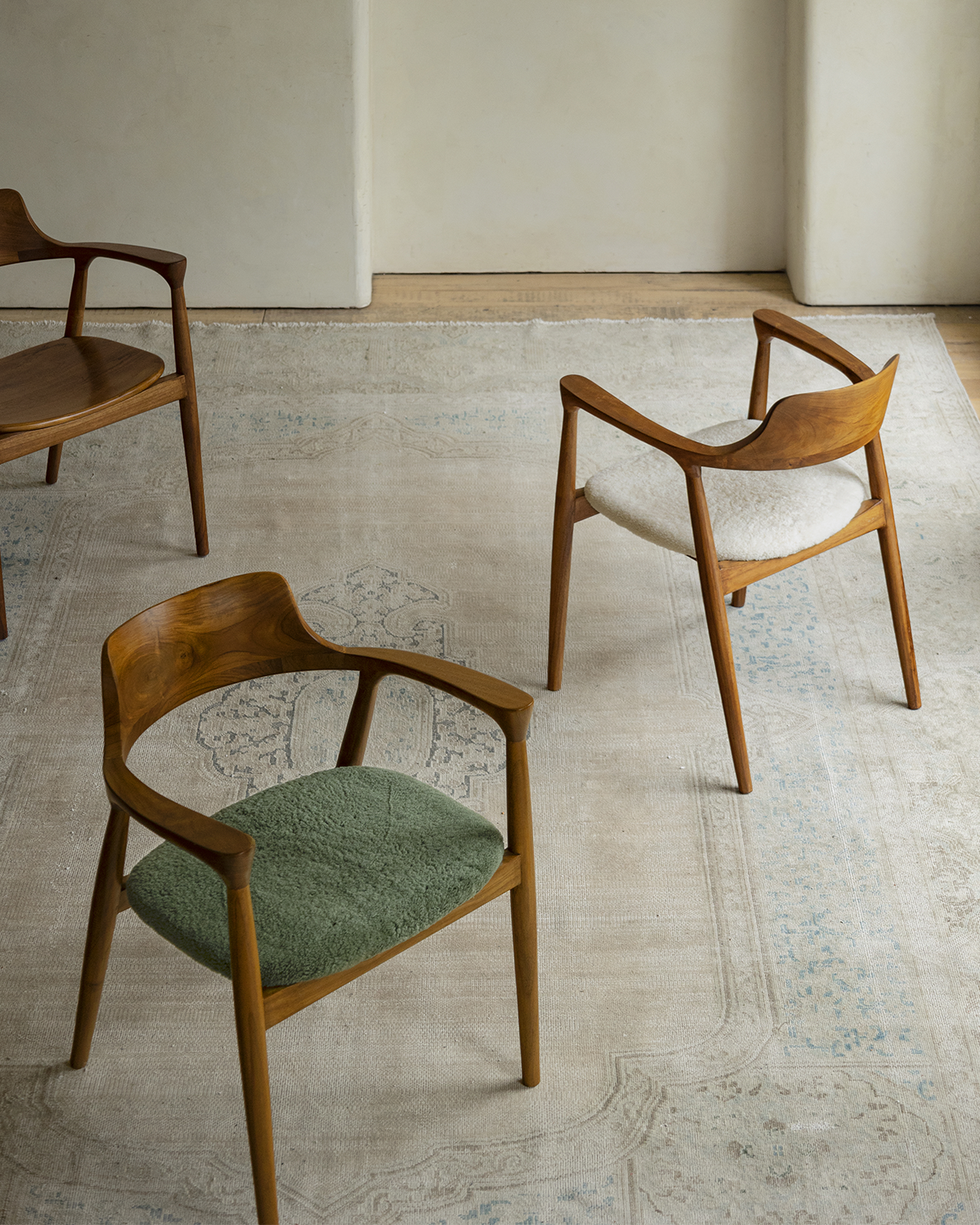

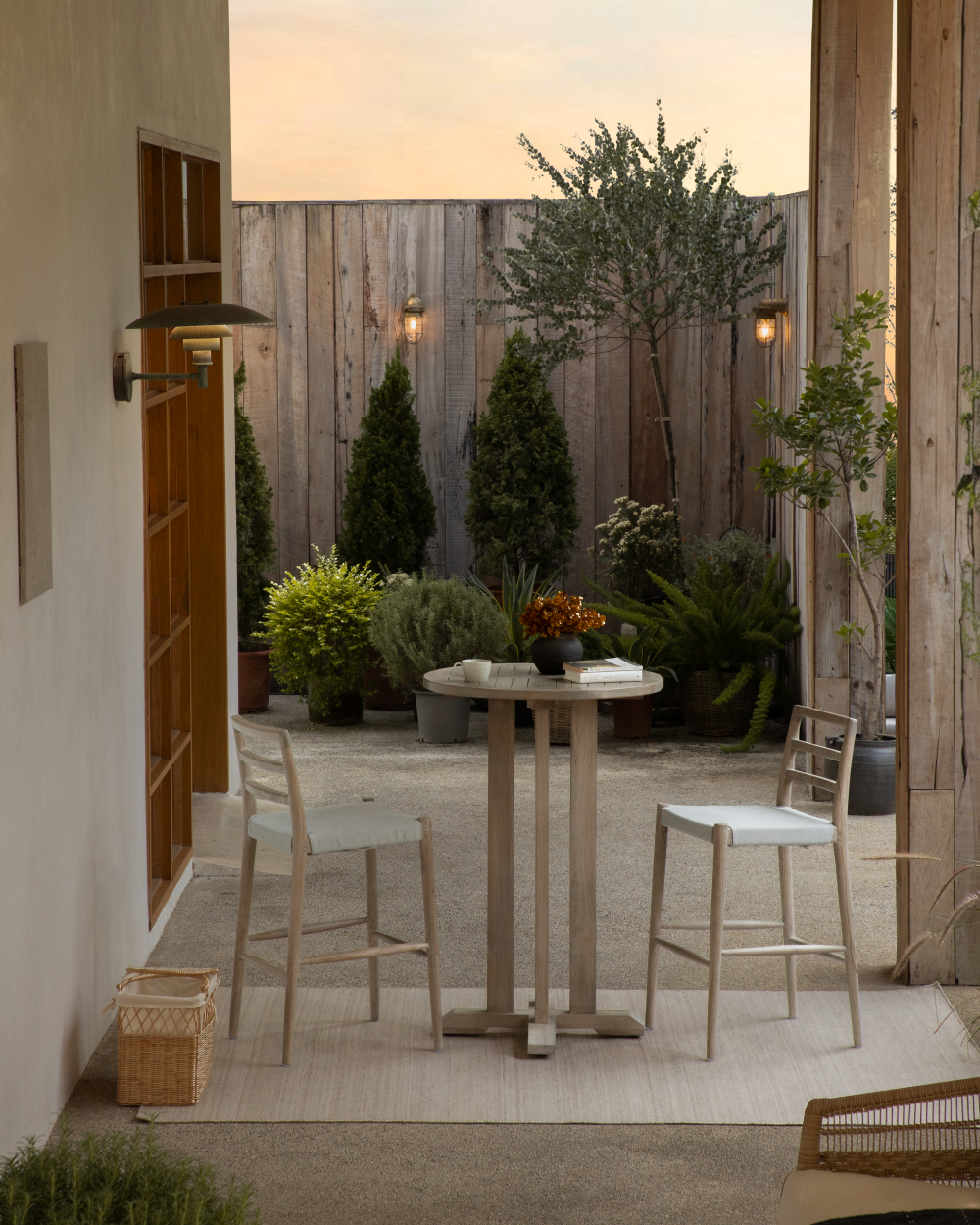
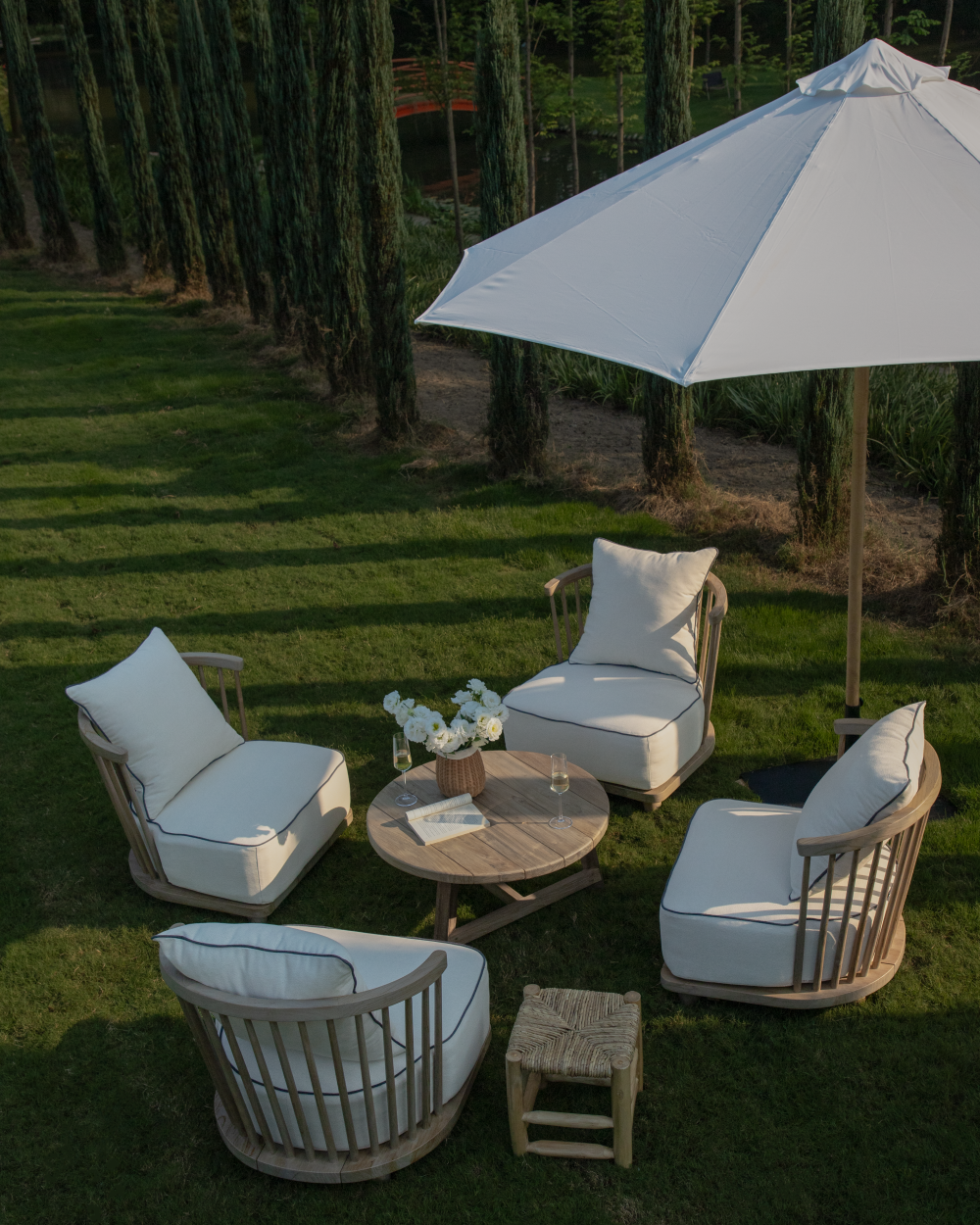



A garden lounge chair feels comfortable when its proportions, support, and surface feel match how you actually want to sit outside. If you want a chair for reading, conversation, or longer weekend lounging, seat height, depth, back angle, and cushion feel matter more than looks alone.
What Comfort Actually Means in a Garden Lounge Chair
Comfort is not just "soft." In a garden lounge chair, comfort comes from the way seat height, seat depth, back angle, arm placement, and surface feel work together. A chair can look plush in photos and still feel awkward if the proportions do not suit your body or your usual sitting posture.
For most shoppers, the right question is not "Does it look relaxing?" It is "Will I stay in it comfortably for 20 minutes, an hour, or a whole afternoon?" That answer changes depending on whether you plan to read, chat with guests, or stretch out with your feet up.
Seat Height and Depth Shape Everyday Comfort
Seat height is one of the easiest comfort clues to check because it affects how easily you can sit down, stand up, and place your feet. Lounge chairs are typically built lower than standard chairs, often around 12.5 to 17 inches from the floor to the seat, which helps create that relaxed, low-slung feel that many people want outdoors.

Seat depth changes a chair's whole mood. A deeper seat often feels more reclined and better for stretching out, while a shallower seat can keep you more upright and make it easier to stay engaged in conversation. The trade-off is that too much depth can reduce back contact, and a shorter sitter may feel like they are sinking too far back.
That is why proportion matters more than one number in isolation. A chair that looks ideal in a product photo may still feel off if the seat is too deep for your legs or too low for easy standing. For many shoppers, the best match is the one that lets your feet rest naturally while still giving enough room to settle in.
If you are shopping for garden lounge chair dimensions, compare the published size to the body and posture of the person who will use it most.

Back Angle, Support, and Cushion Feel
Back angle changes how a chair supports you. A more upright angle usually works better for reading and conversation, while a slightly more reclined shape feels better when you want to relax. A seat-to-back angle around 90 to 105 degrees is common for upright seating, and lounge comfort often needs a bit more recline than that to spread weight more evenly across the backrest. In plain terms, the more you plan to lean back, the more that angle matters.
Cushion firmness is where many shoppers get fooled by first impressions. A very soft cushion can feel cozy at first touch, but over a longer sit it may compress and lose support. Firmer cushions often feel steadier over time, especially if you plan to stay seated for more than a few minutes.
Back contact matters too. If the lumbar area is left hanging or the backrest shape does not meet your back well, the chair may feel fine at first and tiring later. General ergonomic guidance from the OSHA chair basics supports the simple idea that back support and backrest angle affect how long you can stay comfortable before fatigue starts to build.
Armrests are worth checking if you like to sit and read for a while. They can help your shoulders relax and make it easier to get out of a deeper chair. That said, decorative armrests do not automatically equal good support, so pay attention to where your arms actually land, not just whether the chair has arms at all.
If you prefer a curved-back silhouette, a curved-back lounge chair is a natural category to compare, but the real question is whether its back shape and cushion feel suit your posture. Style is the easy part to see; support is the part that decides whether you keep using the chair.
Materials That Feel Better Outdoors
Material affects outdoor comfort because a chair does not feel the same in every environment. Heat, sunlight, humidity, and daily exposure can change how a surface feels when you sit down. A frame that looks comfortable indoors may feel very different on an uncovered patio during a hot afternoon.
|
Frame Material |
How It Usually Feels |
Comfort Trade-Off |
Best Fit |
|
Teak |
Often feels warm, natural, and less harsh to touch compared with many hard outdoor surfaces |
May still benefit from cushions for longer lounging sessions |
Sunny patios and exposed outdoor areas |
|
Aluminum |
Lightweight, easy to move, and practical for flexible setups |
Can become hot in direct sunlight and may feel less inviting without shade or cushions |
Covered patios or spaces where furniture needs to be moved often |
|
Rattan or woven-look frames |
Creates a softer visual feel and a more relaxed outdoor atmosphere |
Comfort depends on the chair design, weave structure, and overall support |
Casual outdoor seating areas and decorative corners |
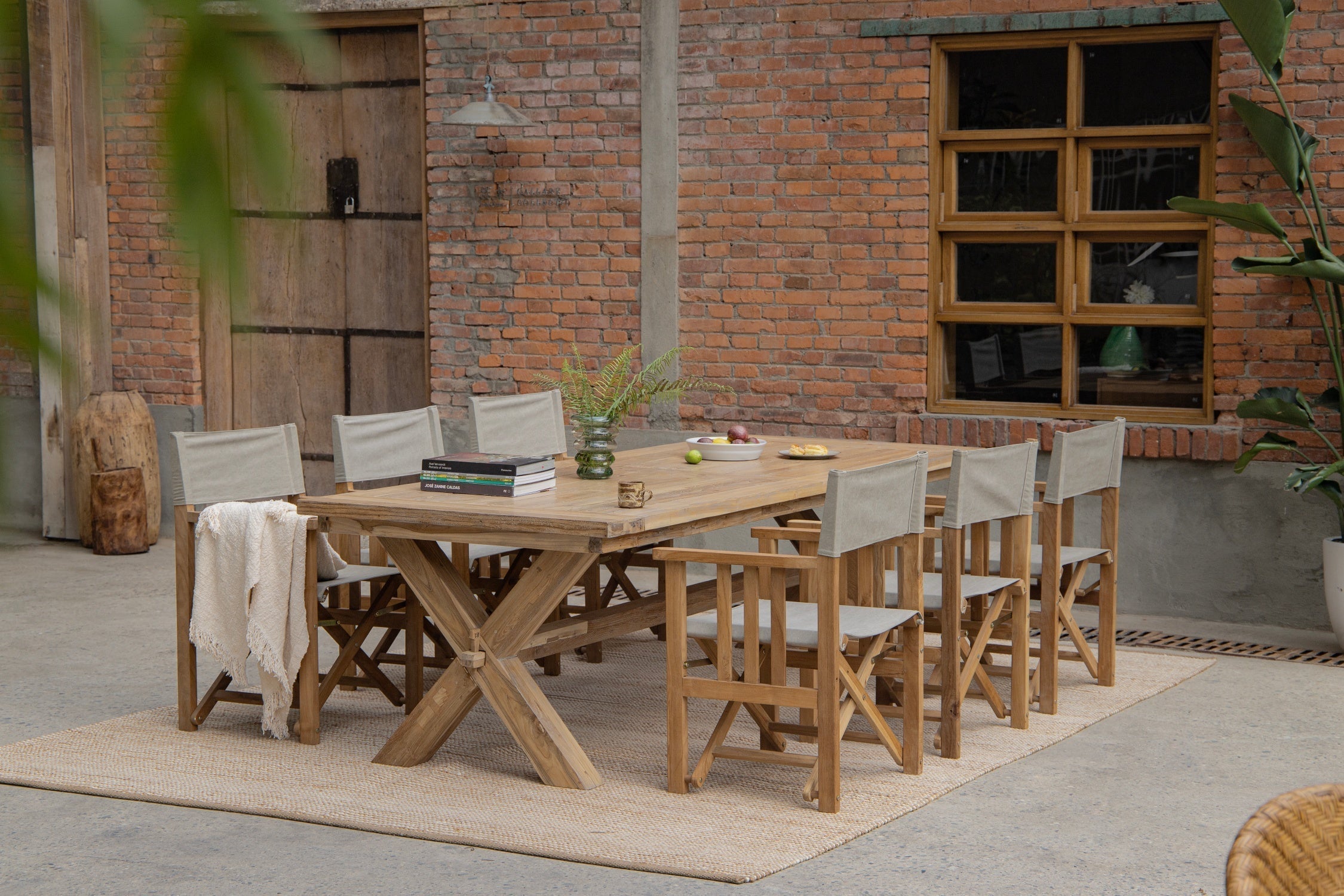
- Teak is often considered a comfortable choice for sunny outdoor spaces because it has a warmer, more natural surface feel than many metal options. It can create a more inviting sitting experience when the chair is exposed to the elements, although cushions may still be needed for longer periods of lounging.
- Aluminum is popular because it is lightweight and easy to rearrange, but its surface temperature can become a comfort issue in direct sunlight. For outdoor areas with strong afternoon sun, placement and shade can matter just as much as the material itself.
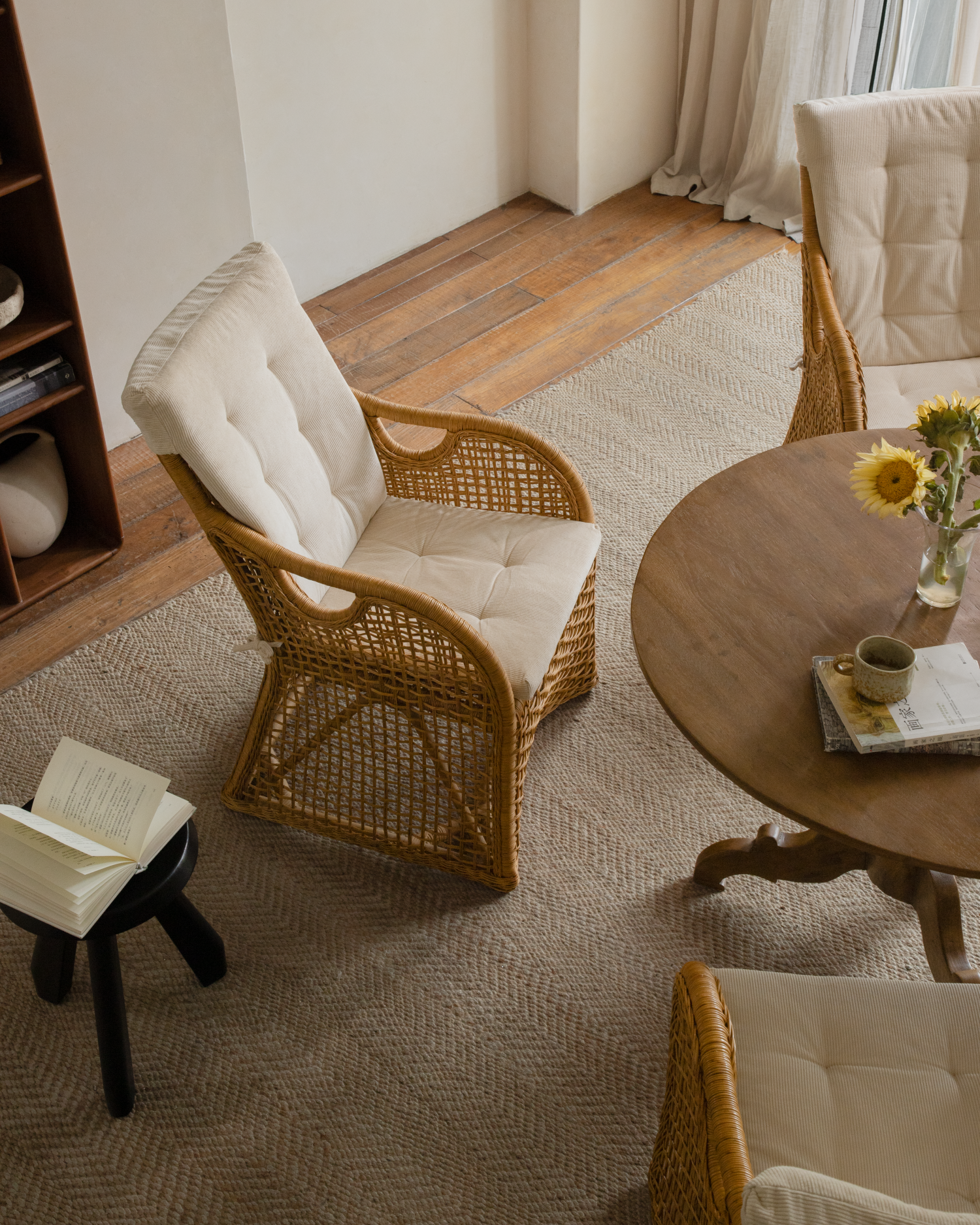
- Rattan or woven-look frames offer a softer appearance and can make an outdoor space feel more relaxed. However, the material alone does not determine comfort. The chair's overall shape, support, and seating design still play an important role in how it feels during everyday use.
The best outdoor material is not simply the one that looks the most attractive. Consider your climate, sun exposure, and how you use the chair. A cooler-feeling surface may matter more on a hot patio, while a lightweight frame may be more valuable if you frequently move your furniture around.

How to Judge Comfort Before You Buy
Use this short buying sequence when you cannot try the chair in person:
- Check the dimensions first. Compare seat height and depth against the main sitter's body and the kind of sitting you want to do most.
- Match the back angle to the use case. A more upright chair is usually better for reading and conversation, while a more reclined seat suits relaxed lounging.
- Read cushion language carefully. Look for clues about firmness, foam density, and whether the cushion sounds supportive or just thick.
- Review the material feel. In sunny spaces, hot-touch surfaces can become the main comfort problem even when the shape is right.
- Check return or exchange terms before checkout. Comfort is personal, and the safety net matters when you are buying based on photos.
If a chair looks great but the seat is too low, the depth too deep, or the back too upright for your use case, it is probably not the right fit. In that situation, style should not win the decision.
Choose a Garden Lounge Chair That Feels Right for You
A comfortable garden lounge chair should fit your body, your habits, and your outdoor space. Check the seat size, back support, cushion feel, and material surface before buying. The best choice is the chair that feels natural to sit in and makes you want to stay outside longer.
FAQs
Q1: How Do I Know If a Garden Lounge Chair Will Fit My Body Comfortably?
Start with seat height, seat depth, and back angle, then compare those proportions with the person who will use the chair most. If you like to sit upright, you need easier foot placement and stronger back contact. If you like to stretch out, you can tolerate a deeper, lower feel.
Q2: What Seat Height Feels Most Comfortable for Outdoor Lounging?
There is no single best height for everyone. Lower seats feel more relaxed, but they can be harder to get in and out of. A comfortable choice usually depends on leg length, sitting style, and whether you want easy conversation or a deeper lounge posture.
Q3: Why Do Some Cushions Feel Comfortable at First but Not Later?
Soft cushions can feel inviting at first touch, but they may compress during a longer sit and reduce support. That is why firmness, cushion construction, and back support matter together. A chair that feels plush for five minutes is not always the one that feels best after an hour.
Q4: Can a Stylish Garden Lounge Chair Still Be Comfortable?
Yes, but only if the proportions and support line up with real use. Style does not cancel out a bad seat depth or a back angle that does not match your posture. If the chair is beautiful but you keep mentally adding pillows or repositioning yourself, it is probably not the right fit.
Q5: What Should I Look for If I Cannot Try the Chair in Person?
Use the spec sheet, product photos, cushion notes, and return policy together. Check the seat height, depth, and back angle first, then look for clues about firmness and surface heat. If the listing does not answer those questions clearly, treat that as a warning sign rather than a minor detail.