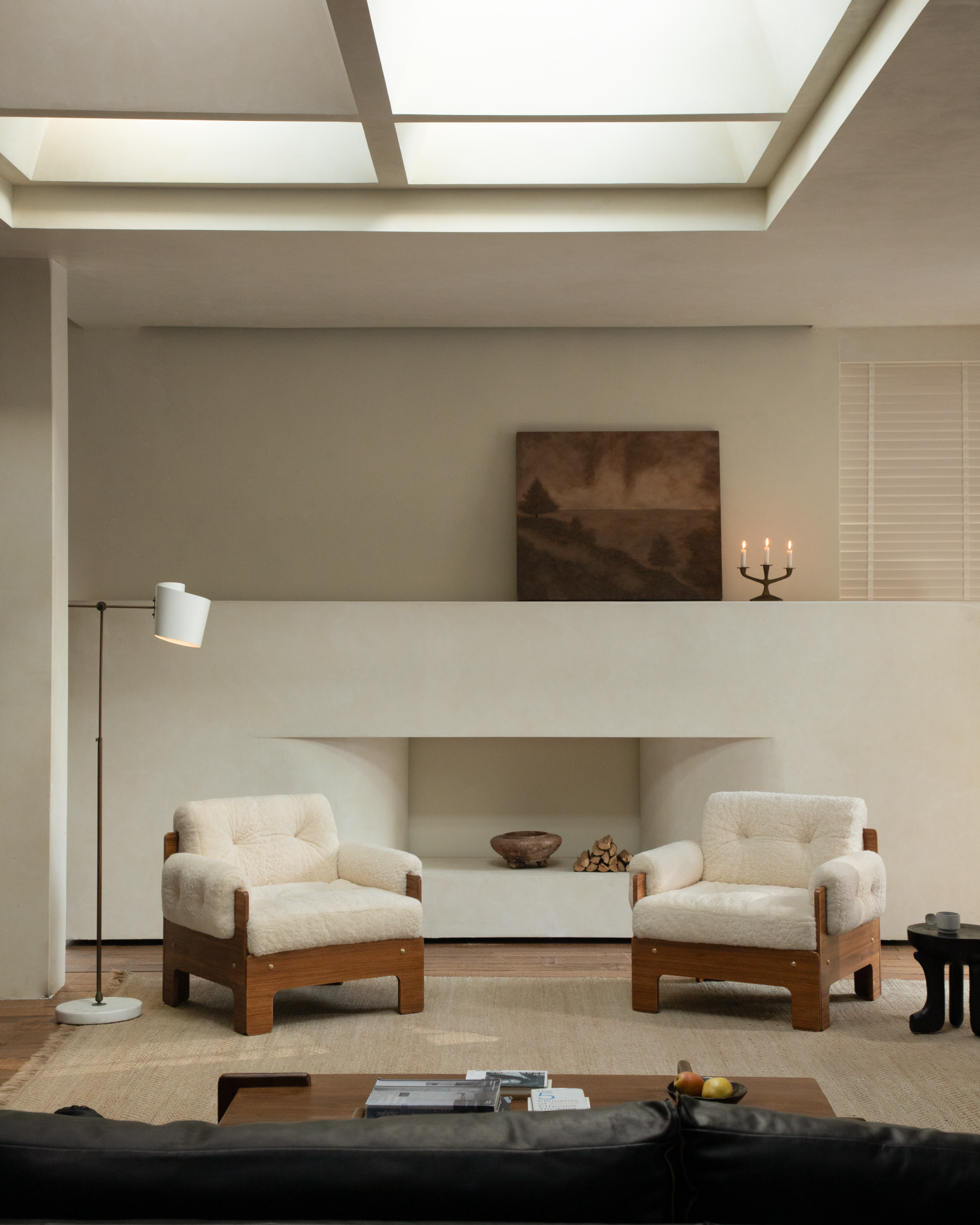
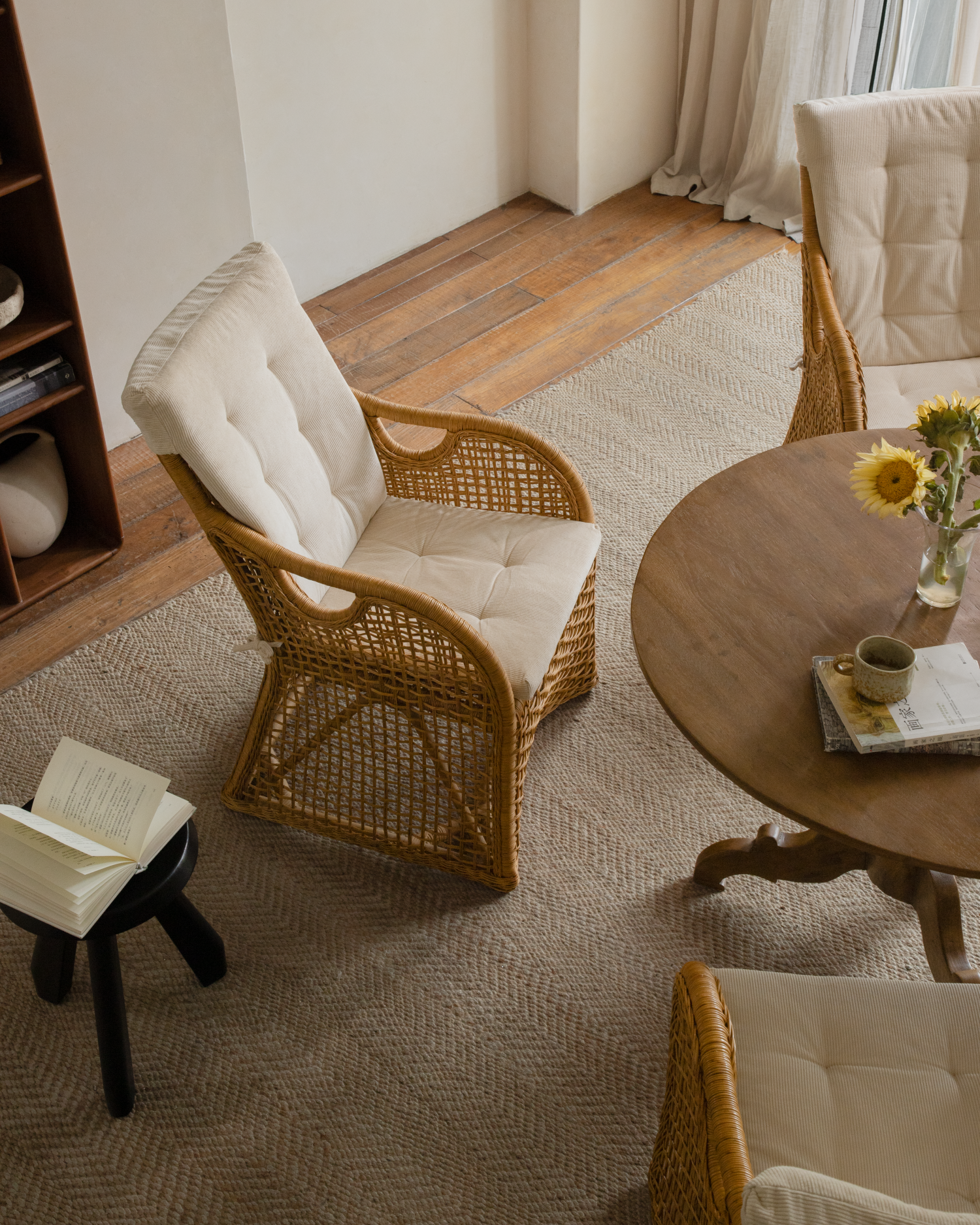
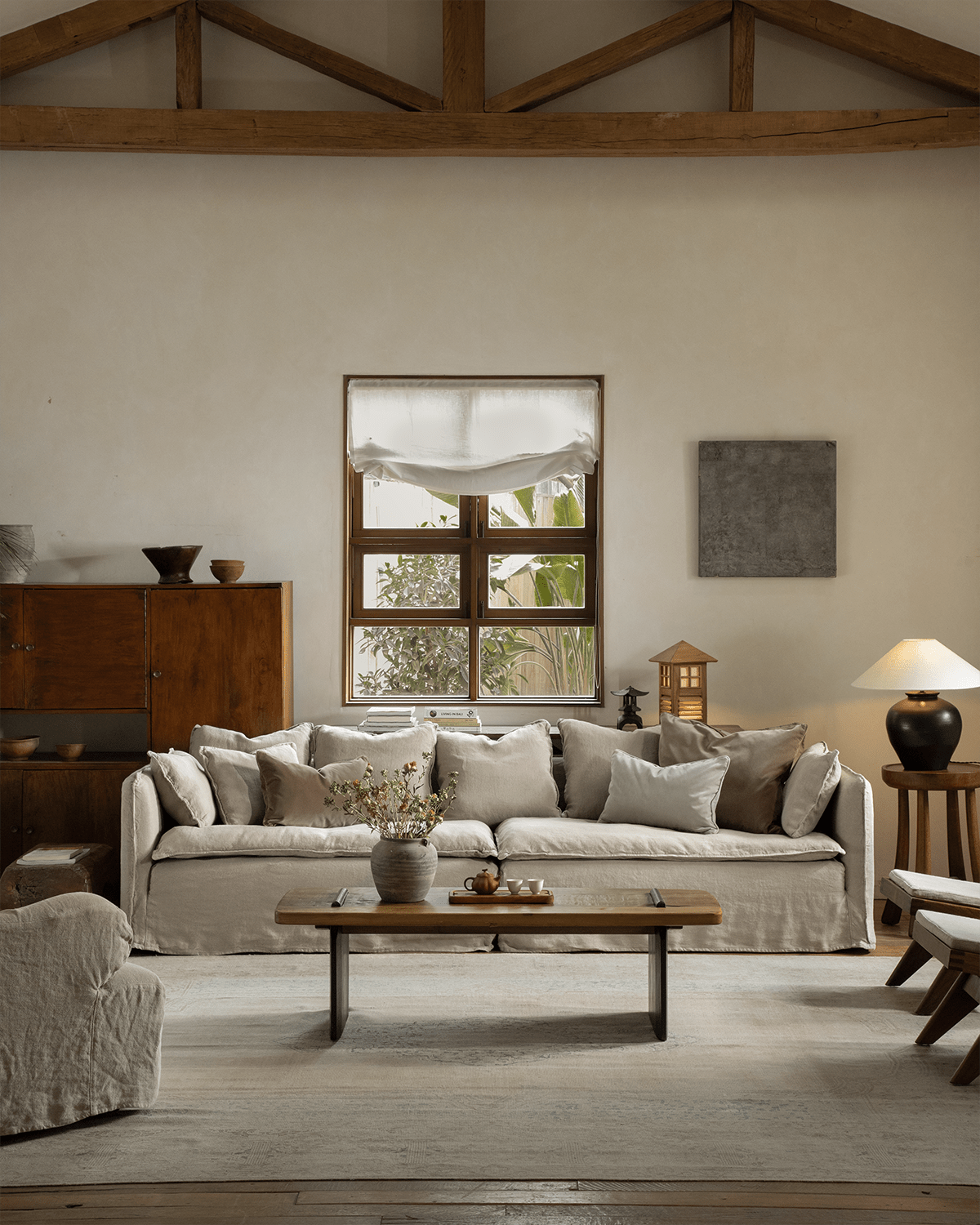
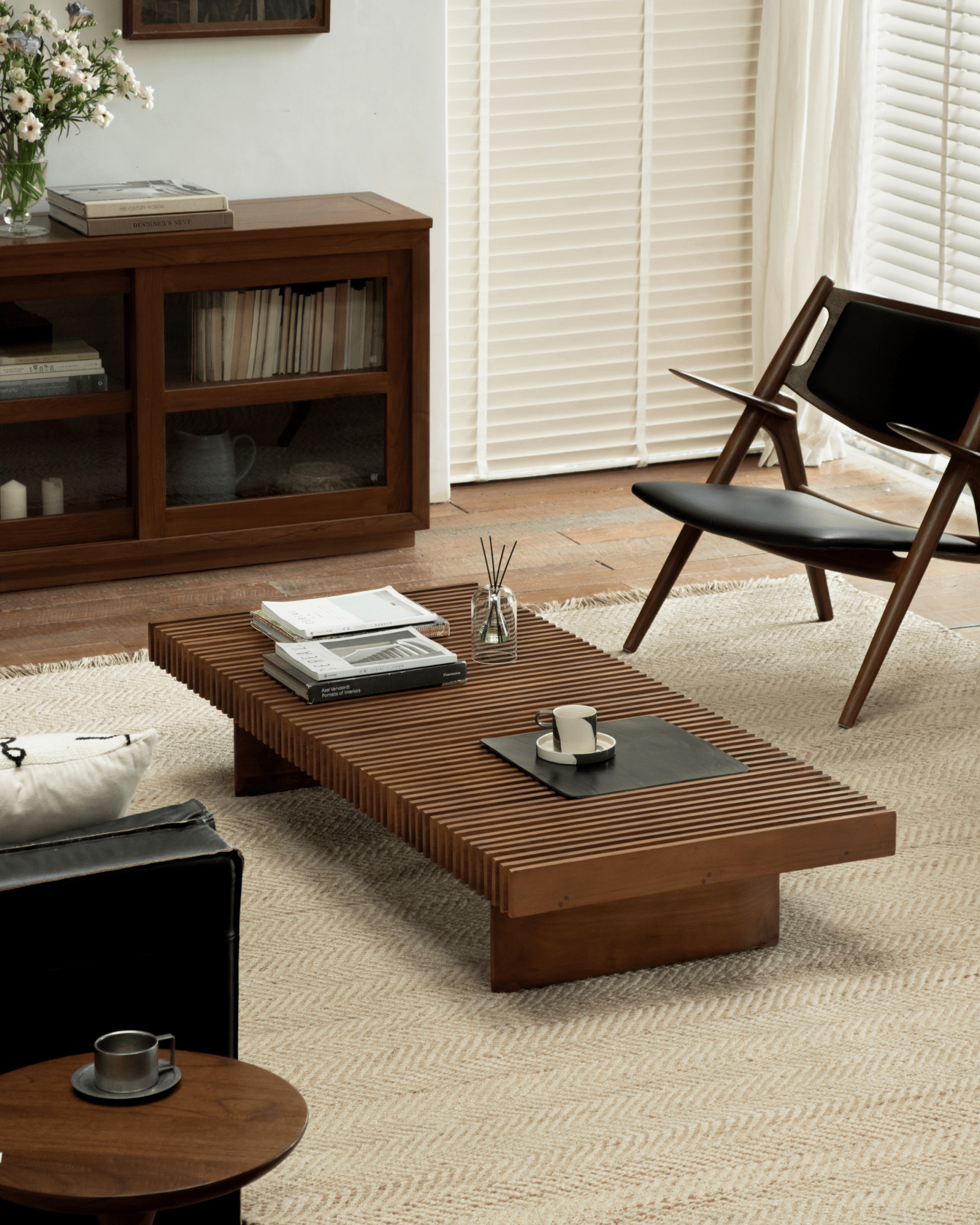
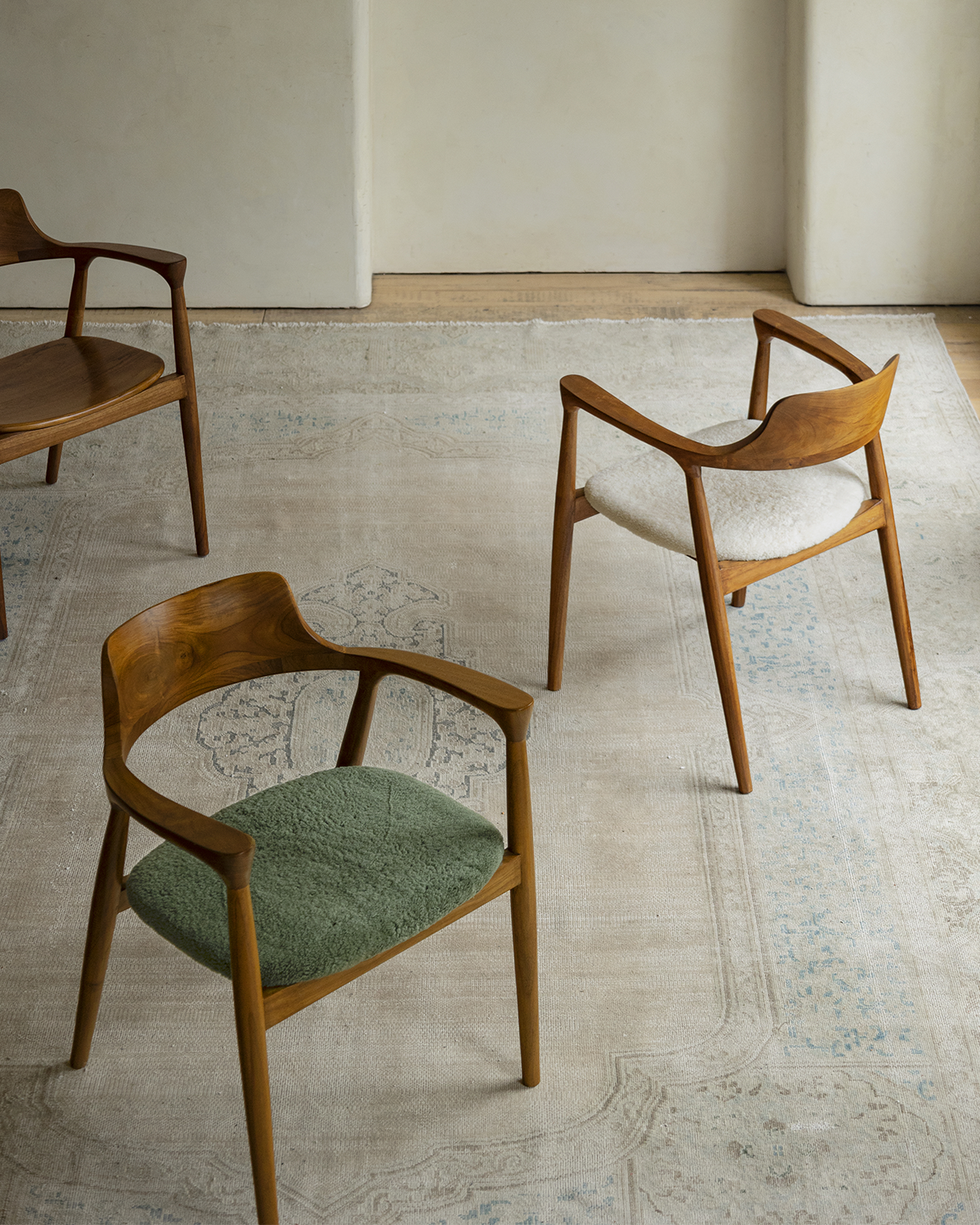

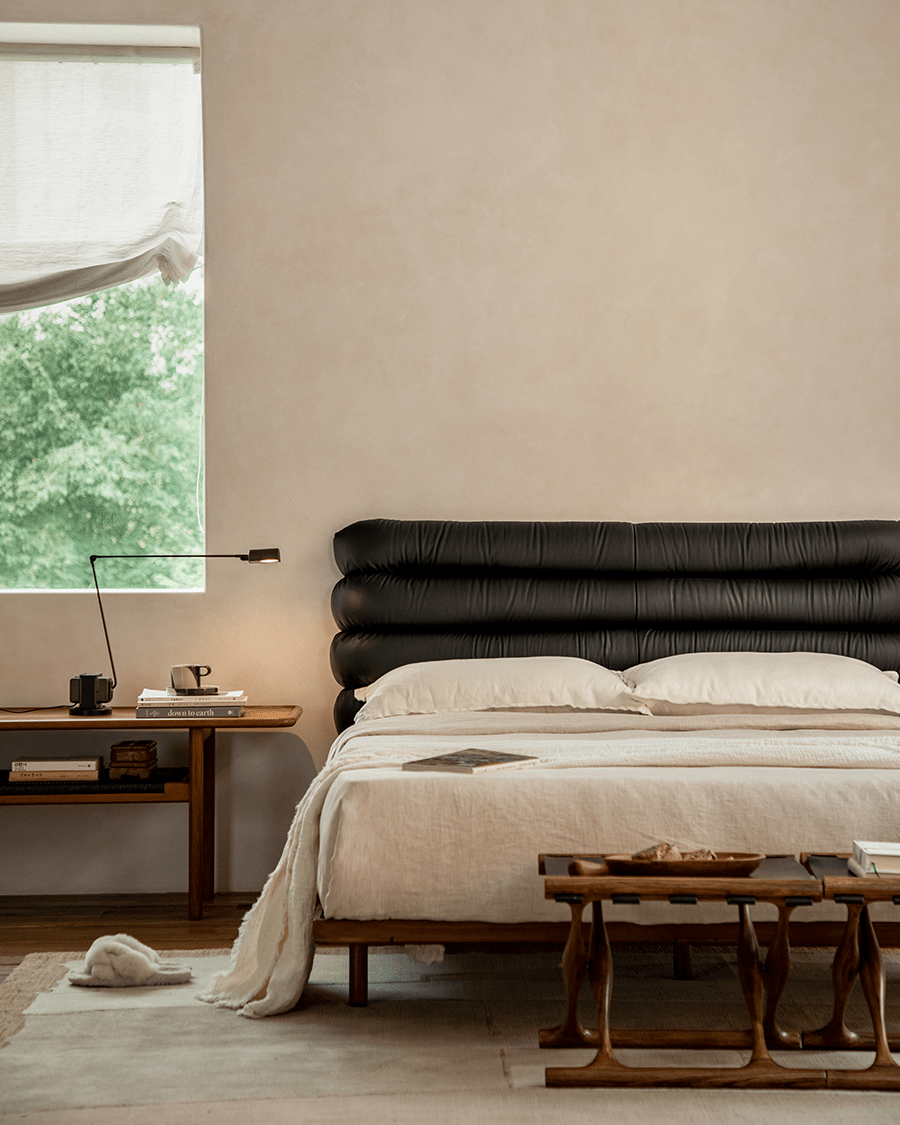
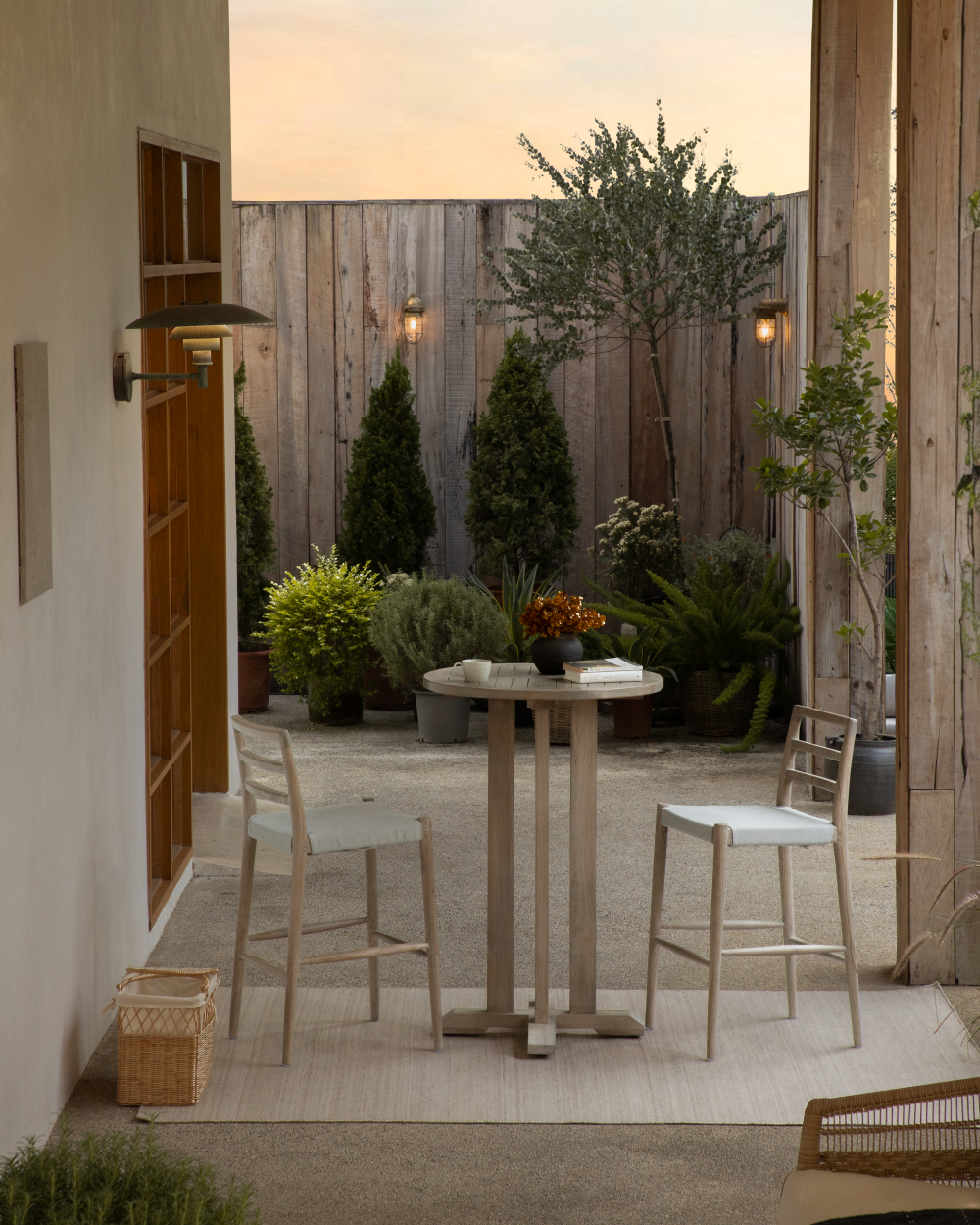
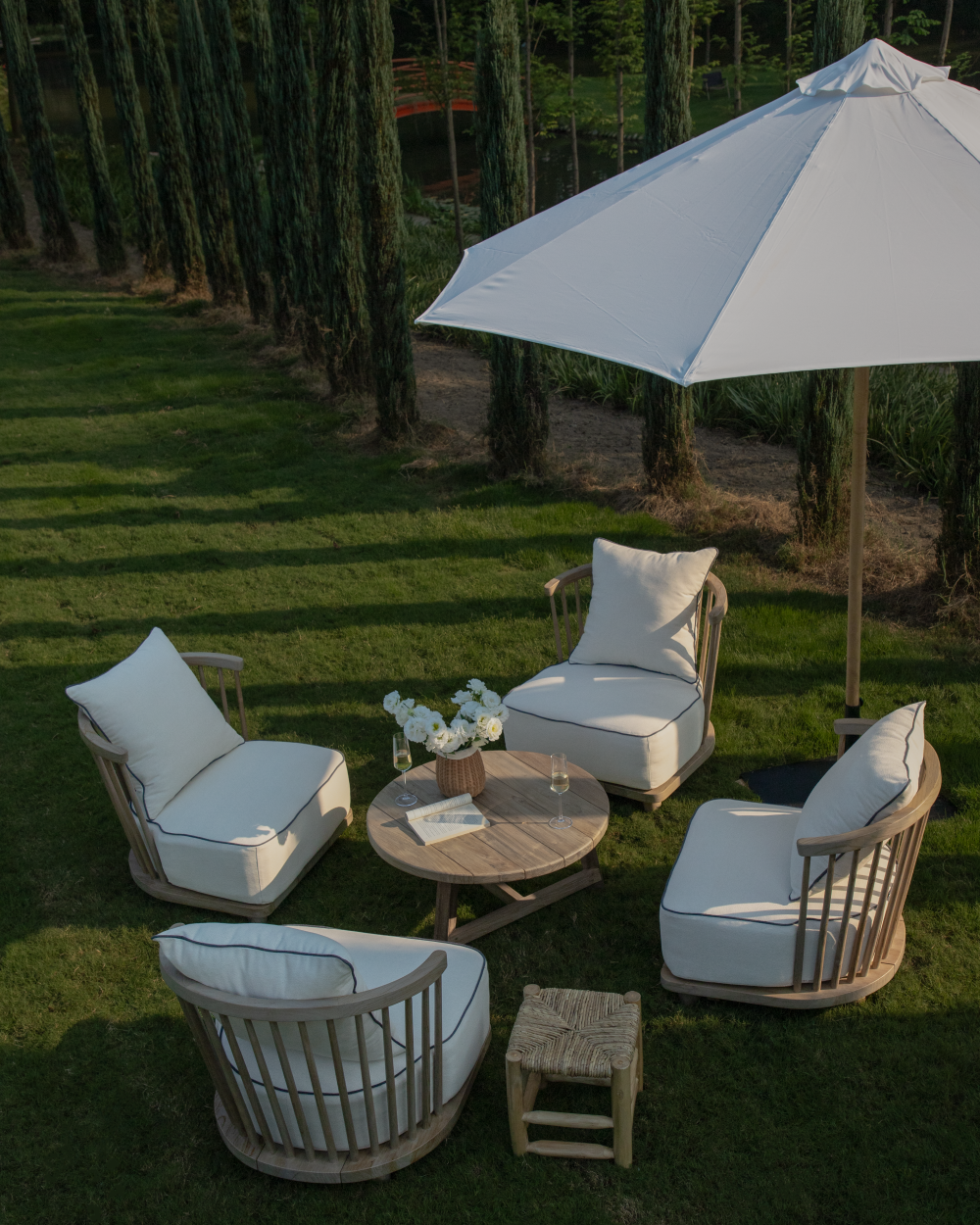
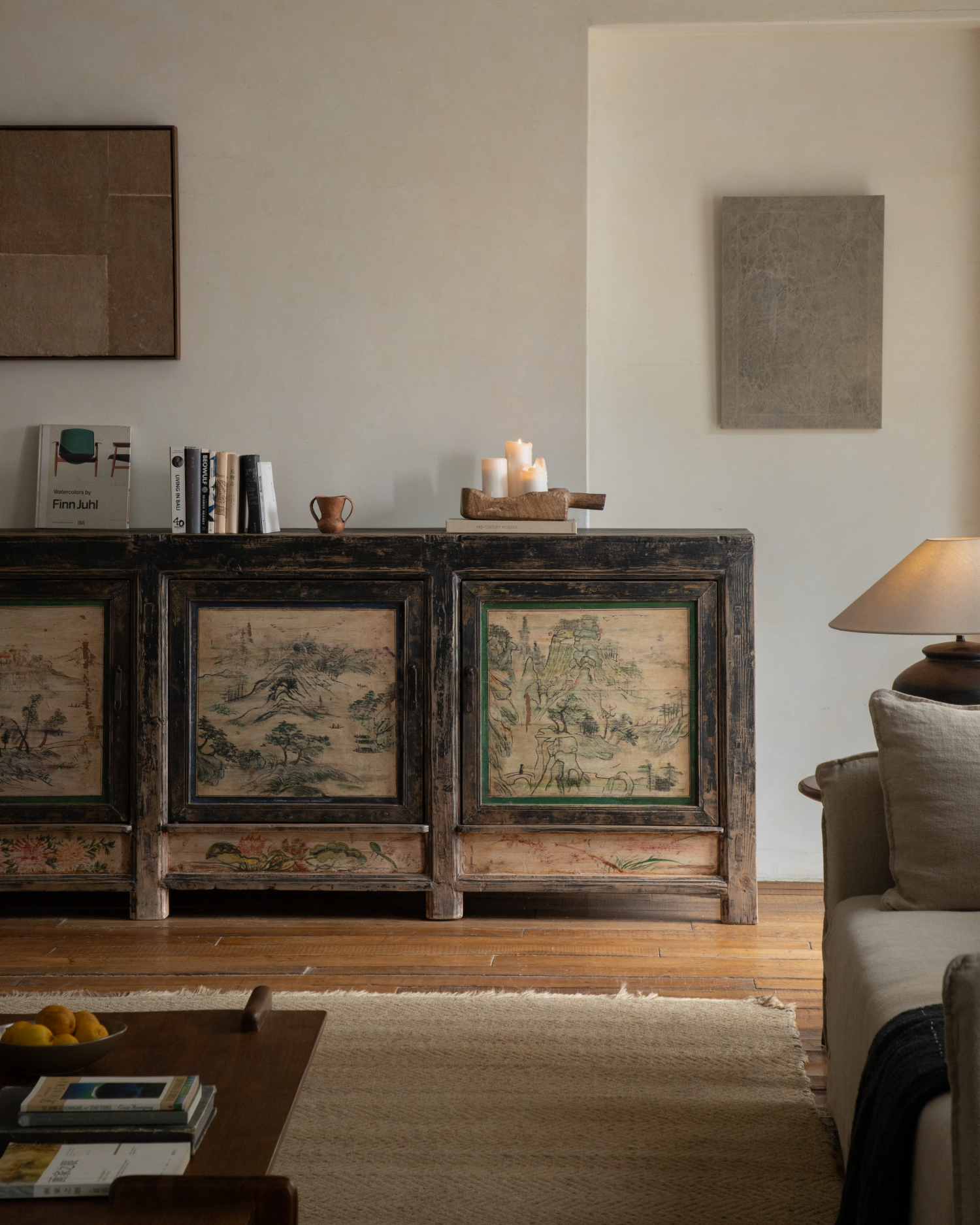
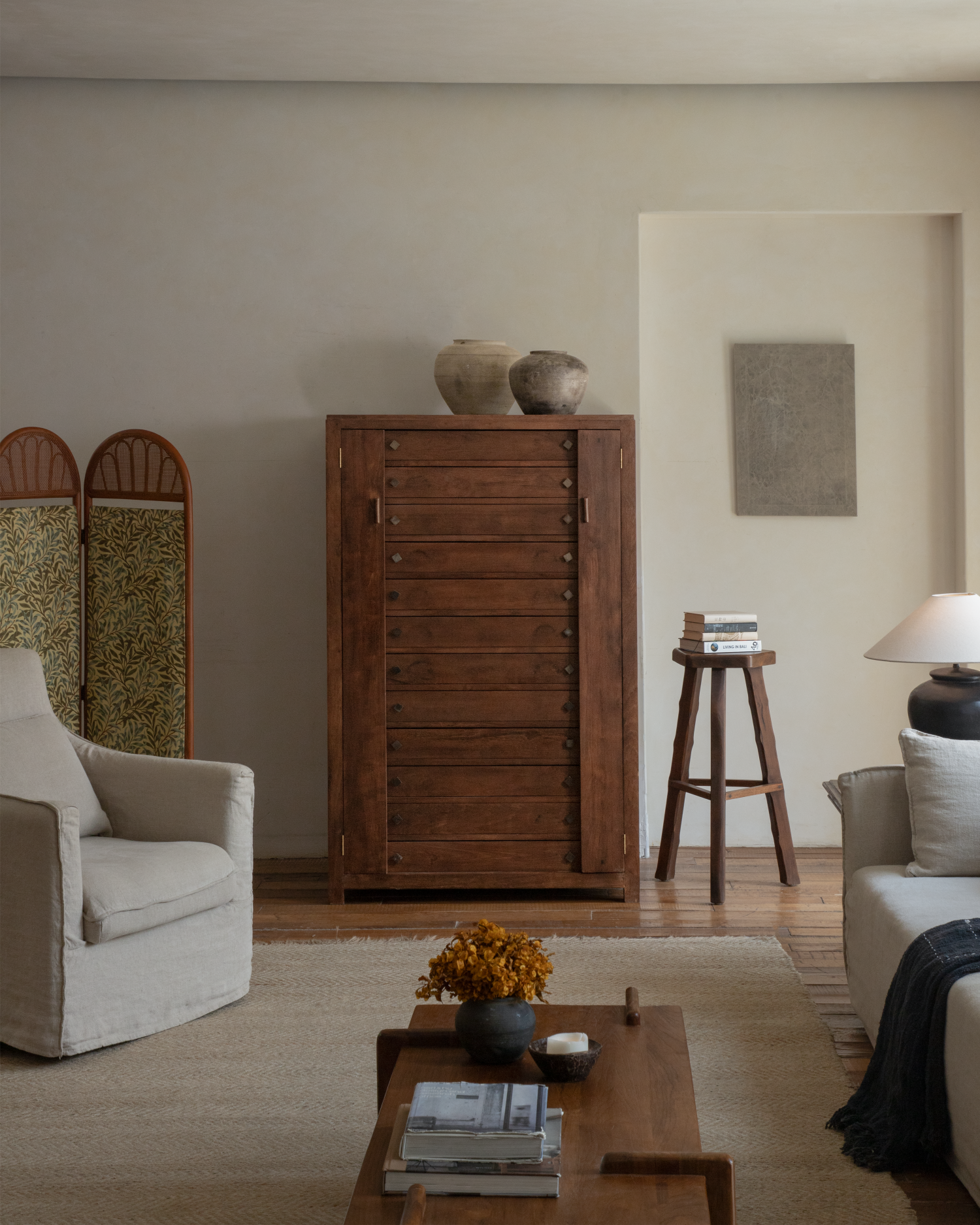
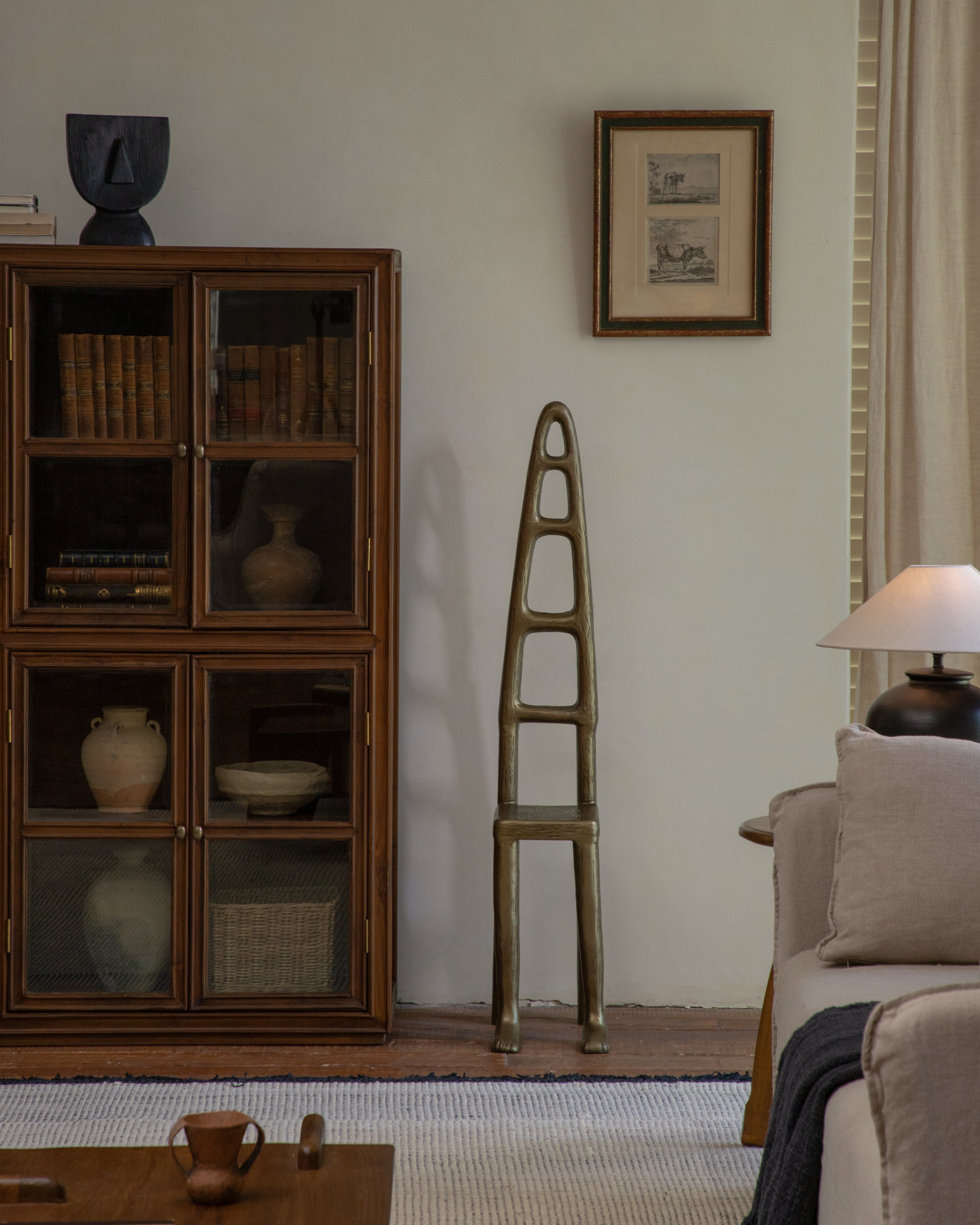
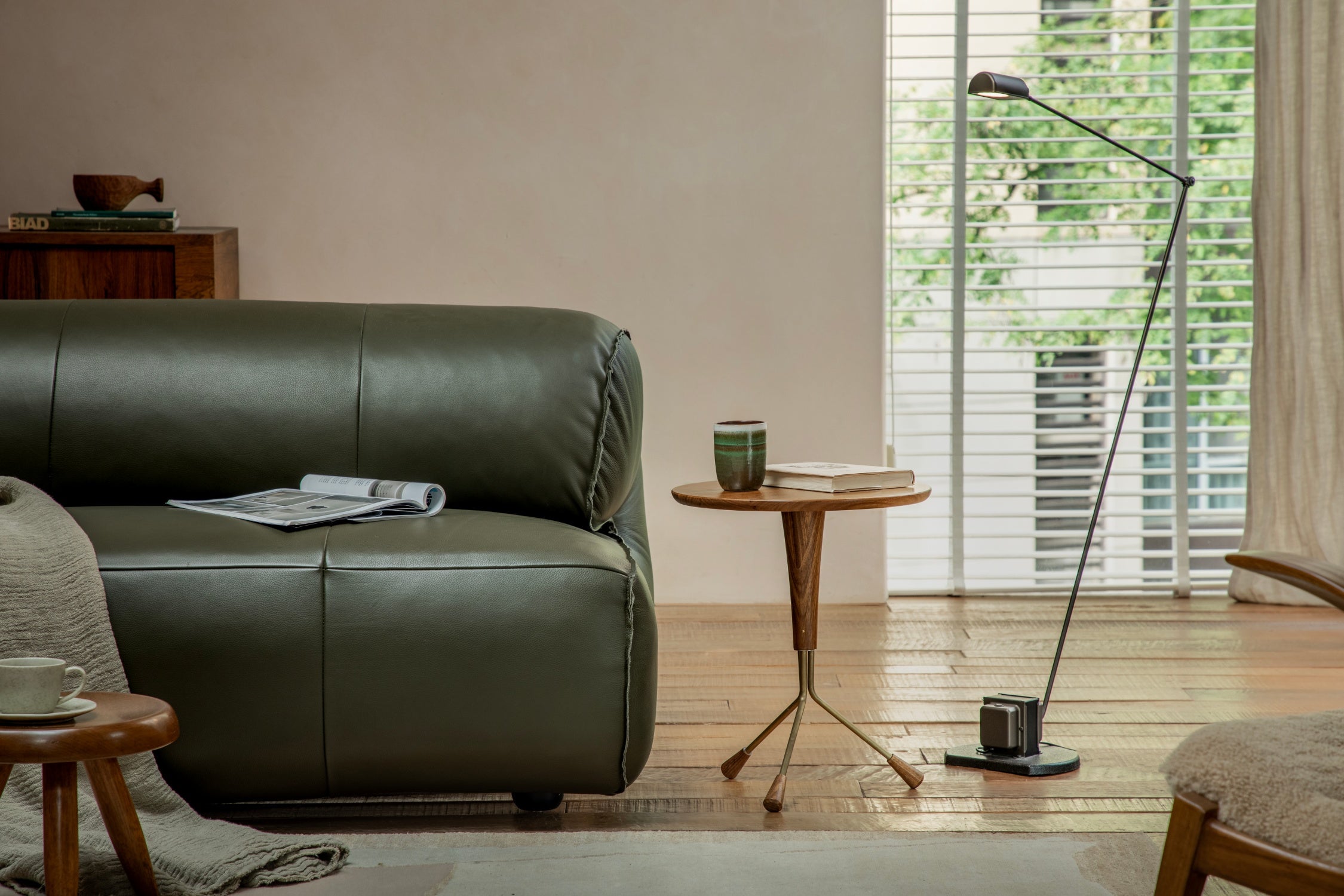

A sectional sofa often leaves the chaise, corner seat, or outer arm without a nearby surface. The right end table adds a practical spot for drinks, lamps, books, remotes, and phones. Choose one by seat reach, table height, walkway space, material, storage, and how it pairs with a coffee table for a sectional sofa.
Where Should an End Table Sit Around a Sectional Sofa
An End Table works best beside the seat that needs a closer surface. In many sectional layouts, that spot is near the outer arm, chaise, open end, or wall side.
Common placements include:
- Beside the main arm for a lamp, drink, or book
- Near the chaise for items that are hard to reach from the center
- At the open end of an L shaped sectional
- Between two seating zones in a large living room
- Along a wall side when an outlet or reading light is useful
A sectional couch with coffee table may still need one or two side tables. The center table usually serves the middle seats, while the outer seats need smaller surfaces within reach. Place tables only where they improve use and keep the walkway clear.
For a chaise sectional, a round or narrow side table often works well near the open side. For a U shaped sectional, two compact tables can balance both ends. For an armless sectional, choose a table height that aligns with the seat and nearby cushions.
What Size End Table Works Best Beside a Sectional
The best End Table height usually sits close to the sofa arm height or slightly below it. Many end tables fall around 22 to 30 inches tall, but the best fit depends on the sectional’s arm height, seat depth, and room layout.
Use these checks before choosing:
|
Size Factor |
What to Check |
|
Height |
The top should be easy to reach from the seat |
|
Width |
The table should look balanced beside the sofa arm |
|
Depth |
The table should leave comfortable walking space |
|
Top Surface |
The surface should fit daily items without clutter |
|
Base Shape |
The base should feel steady on rugs or hard floors |
A deep sectional may need a slightly larger top near the chaise because users sit farther back. A smaller apartment layout may work better with a slim side table, round shape, or open base.

Which Materials Match a Sectional Sofa Best
Choose material by sofa fabric, floor tone, and daily use. Natural textures work well with linen, bouclé, cotton blends, neutral upholstery, wood floors, and soft rugs.
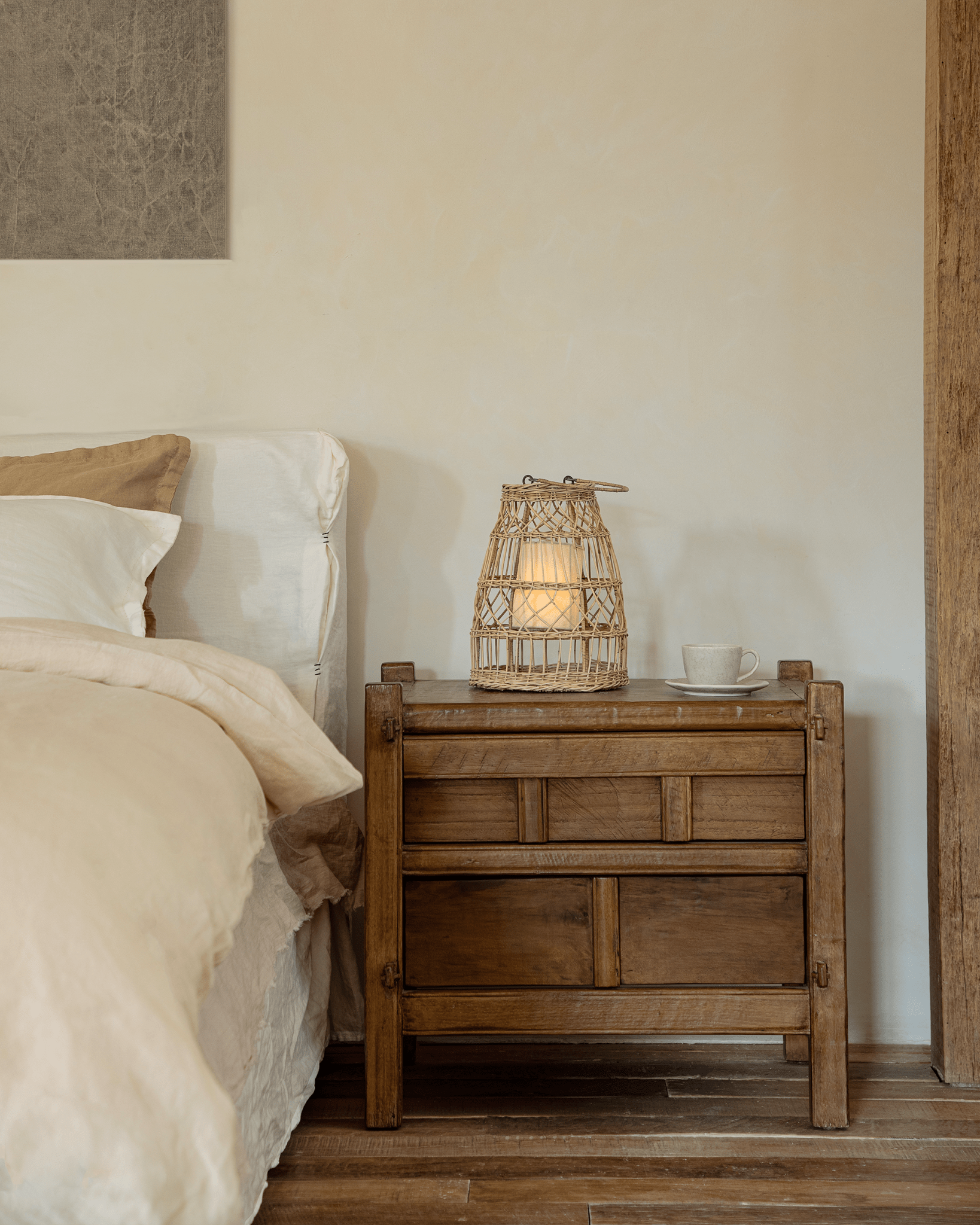
A reclaimed wood end table suits rustic, organic modern, coastal, and vintage inspired rooms. Its grain, knots, and tone variation bring warmth to a large sectional. A reclaimed wood side table can also pair with a modern wood coffee table when the wood tones stay connected.
A rattan end table with storage works well beside a large sofa because woven texture keeps the room visually light. It can hold remotes, coasters, books, or a small throw while leaving the top surface open.
Solid wood suits living rooms that need a grounded furniture look. It pairs well with a round natural wood coffee table or square wood coffee table in the center area. For a cleaner room palette, repeat one design detail across the tables, such as warm wood tone, rounded edges, woven texture, or simple legs.
What Table Style Fits a Natural or Modern Sectional Layout
The best style depends on the room function. Choose the piece that supports how people sit, reach, read, charge devices, and move around the sectional.
For a Small Living Room
A compact round or oval side table helps keep movement easy near the sofa corner. Curved edges fit tight seating areas and soften the straight lines of a sectional. Open bases and woven details can also keep the space feeling lighter.
For a Family Room
Choose an End Table with a shelf, lower tier, or storage space. This gives remotes, books, coasters, glasses, and small daily items a regular home. Storage is especially useful when the coffee table already holds trays, decor, or snacks.
For an Organic Modern Room
A reclaimed wood end table with a simple shape adds natural texture without making the room feel busy. It works especially well with neutral upholstery, soft rugs, woven baskets, and warm lighting.
For a Layered Living Room
Two side pieces can differ in material as long as they share scale or tone. A wood table on one side and a rattan table on the other can feel balanced when both relate to the sofa height and room palette.

How Should a Coffee Table Work With a Sectional Sofa and Side Tables
A coffee table supports the central seats. Side tables support the outer seats. Since sectionals spread seating across a wide area, a single center table may not serve every seat comfortably.
For a coffee table with sectional sofa, choose the shape by layout:
|
Coffee Table Shape |
Best Fit |
|
Round |
Chaise sectionals, tight paths, soft room flow |
|
Square |
Large balanced sectionals or U shaped layouts |
|
Rectangular |
Long straight sectionals |
|
Oval |
Narrow rooms that still need length |
|
Nesting |
Small rooms or flexible entertaining |
A sectional with round coffee table often feels easy to move around because the curve softens the sofa’s angles. Round coffee tables also work well near chaise seating and open floor paths. A round natural wood coffee table adds warmth to a neutral sectional, while a square wood coffee table gives a large room a stronger center.
For a coffee table with sectional sofa, connect pieces through one shared detail. That detail can be wood tone, leg shape, curved edges, woven texture, or visual weight. The tables do not need to match as a set. They need to feel intentional together.
What Should You Check Before Buying an End Table Online
Measure the sectional first. Photos show style, while dimensions decide comfort and fit.
Check these details before buying:
- Sofa arm height
- Seat depth
- Chaise direction
- Distance between sofa and walkway
- Rug size
- Nearby outlets
- Table height, width, and depth
- Shelf or storage space
- Surface material
- Care instructions
- Clearance near recliners or moving sections
For reclaimed wood end tables, expect natural grain, knots, and tone variation. For rattan pieces, check the frame, shelf design, and tabletop support. For wood tables, use coasters, wipe spills promptly, and place hot items on a protective surface.

Pick an End Table That Makes Your Sectional Sofa Easier to Use
The best End Table improves reach without crowding the room. Place it beside seats that need a closer surface, match the height to the sofa, choose a material that fits the room, and let the coffee table serve the center. Natural wood, reclaimed wood, rattan, and woven textures can all work well when the scale, placement, and daily function are right.
FAQs
Q1. Is a Side Table Necessary If I Already Have a Coffee Table?
Yes. A side table is useful when the outer seat, chaise, or corner seat cannot reach the center table comfortably. It also gives lamps, charging cables, drinks, and small items a better location near the sofa arm.
Q2. How Tall Should a Side Table Be Next to a Sectional?
A side table usually works best at 22 to 30 inches tall. The top should sit close to the sofa arm height. For low profile sectionals, choose a lower table so the proportions feel natural.
Q3. Can I Use a Nightstand as a Side Table in a Living Room?
Yes, if the scale and finish fit the sofa. A nightstand can work as a side table when its height, depth, and style suit the living room. Simple wood designs are usually the easiest to adapt.
Q4. What Shape Works Best Beside a Sectional With Round Coffee Table?
A round or oval side table works well beside a sectional with round coffee table, especially near tight walking paths. A square wood piece can also work when the room needs a stronger shape and the corners have enough clearance.
Q5. Are Reclaimed Wood End Tables Hard to Maintain?
No. Reclaimed wood end tables usually need simple care: dry dusting, coasters, prompt spill cleanup, and gentle cleaners. Keep hot items and standing water off the surface to help protect the finish and wood tone.