


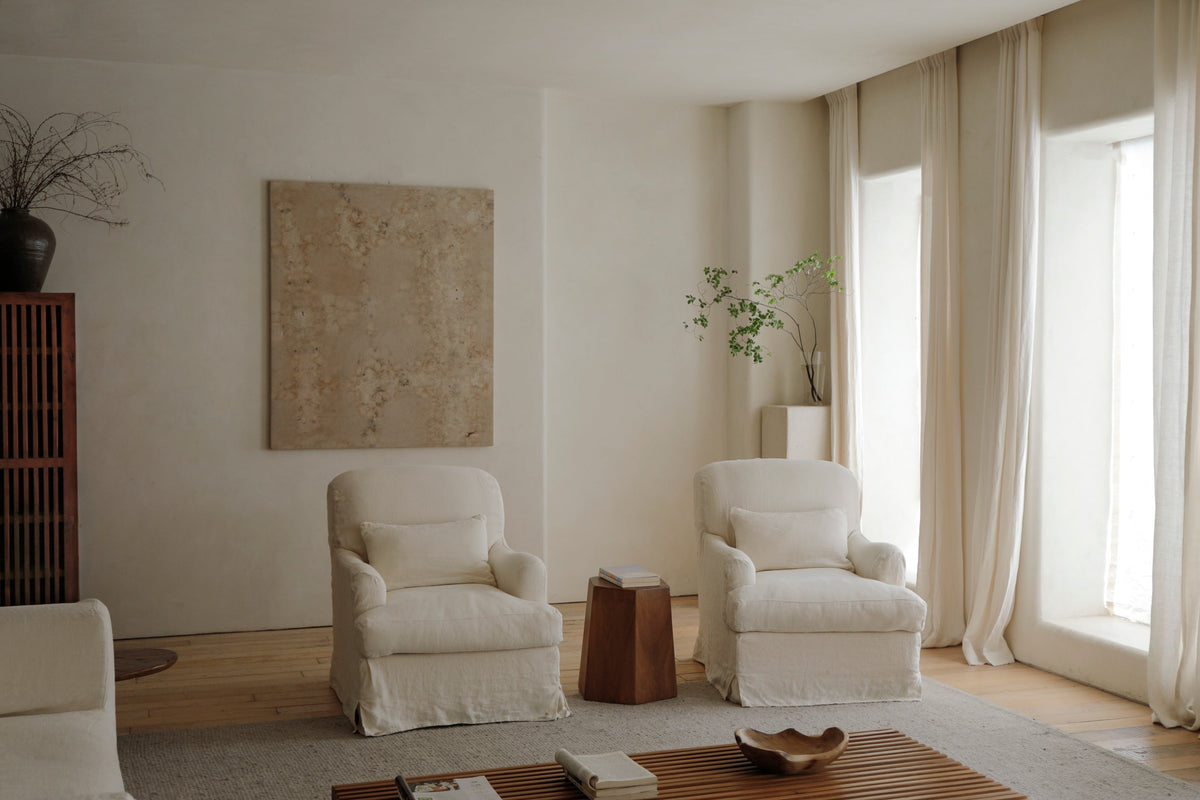

Key Takeaway
An armchair is defined mainly by its armrests, while an accent chair is defined by its role in a room. The two categories can overlap, so you do not always have to choose between them. Pick an armchair when comfort and regular use matter most. Pick an accent chair when you want more color, texture, or visual interest. If you want both, an accent armchair can give you a comfortable seat with a stronger design presence.
Shopping for a living room chair can get confusing fast. A product may be called an armchair, accent chair, lounge chair, or another style, even though several terms can describe the same piece.
The easiest way to sort out armchair vs accent chair is to look at what each term describes. An armchair points to the chair's structure, especially its armrests. An accent chair points to the role the chair plays in a room.
That distinction makes the choice much easier. Instead of focusing only on the label, think about how you plan to use the chair, how much space you have, and what your room needs.
What Is an Armchair and What Is an Accent Chair?
These two names can overlap, but they start from different ideas.
What Is an Armchair?
An armchair is a chair with supports on both sides for your arms. It is commonly designed for comfortable sitting and can work in a living room, bedroom, home office, or reading area.
The term does not tell you a specific style. An armchair can have a traditional shape, a clean modern frame, a curved back, a deep seat, or a compact design.
An armchair for reading, for example, may have a supportive back, comfortable cushions, and arms that give your elbows a natural place to rest. A living room armchair may be designed for conversation, relaxing, or extra everyday seating.
The key point is simple: the presence of armrests is what makes the chair an armchair.
What Is an Accent Chair?
An accent chair is defined more by its role in the room. It can add color, texture, shape, or a visual contrast to the main furniture.
An accent chair for living room use may sit beside a sofa, near a window, or in an unused corner. It can provide extra seating while also giving the room more personality.
An accent chair does not have to follow a single shape. It can be a barrel chair, slipper chair, swivel chair, club chair, wingback chair, or armchair. That is why the term can cover such a wide range of furniture.

Are Armchairs and Accent Chairs the Same?
Not exactly, but they can overlap.
An armchair describes what the chair is. An accent chair describes what the chair does in the room.
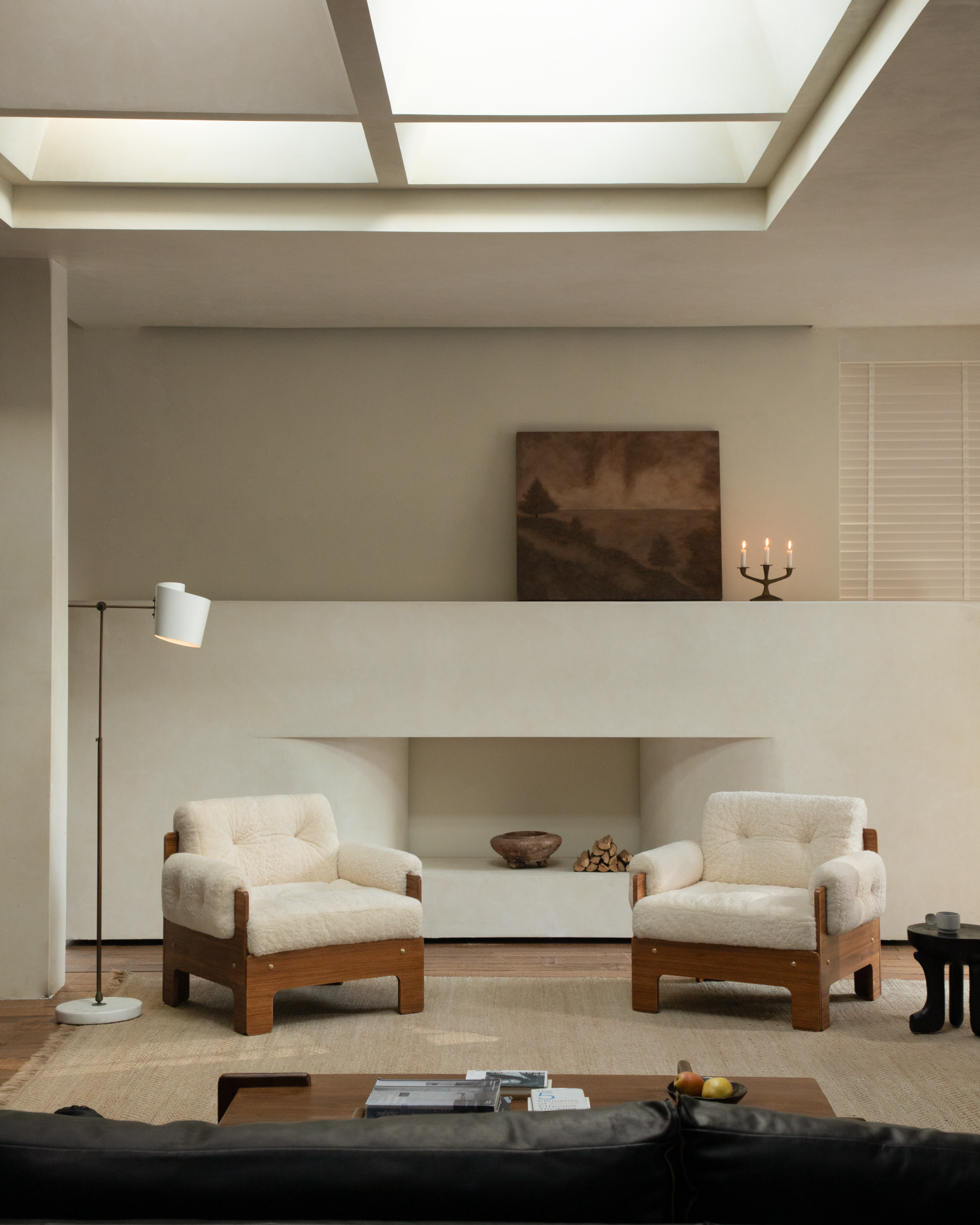
A chair with arms that matches the rest of a seating set may simply function as an armchair. Put that same type of chair in a contrasting fabric or color and use it as a visual focal point, and it can also serve as an accent chair.
That is the key difference between an armchair and an accent chair to keep in mind.
Can an Armchair Be an Accent Chair?
Yes. A comfortable armchair can also work as an accent piece.
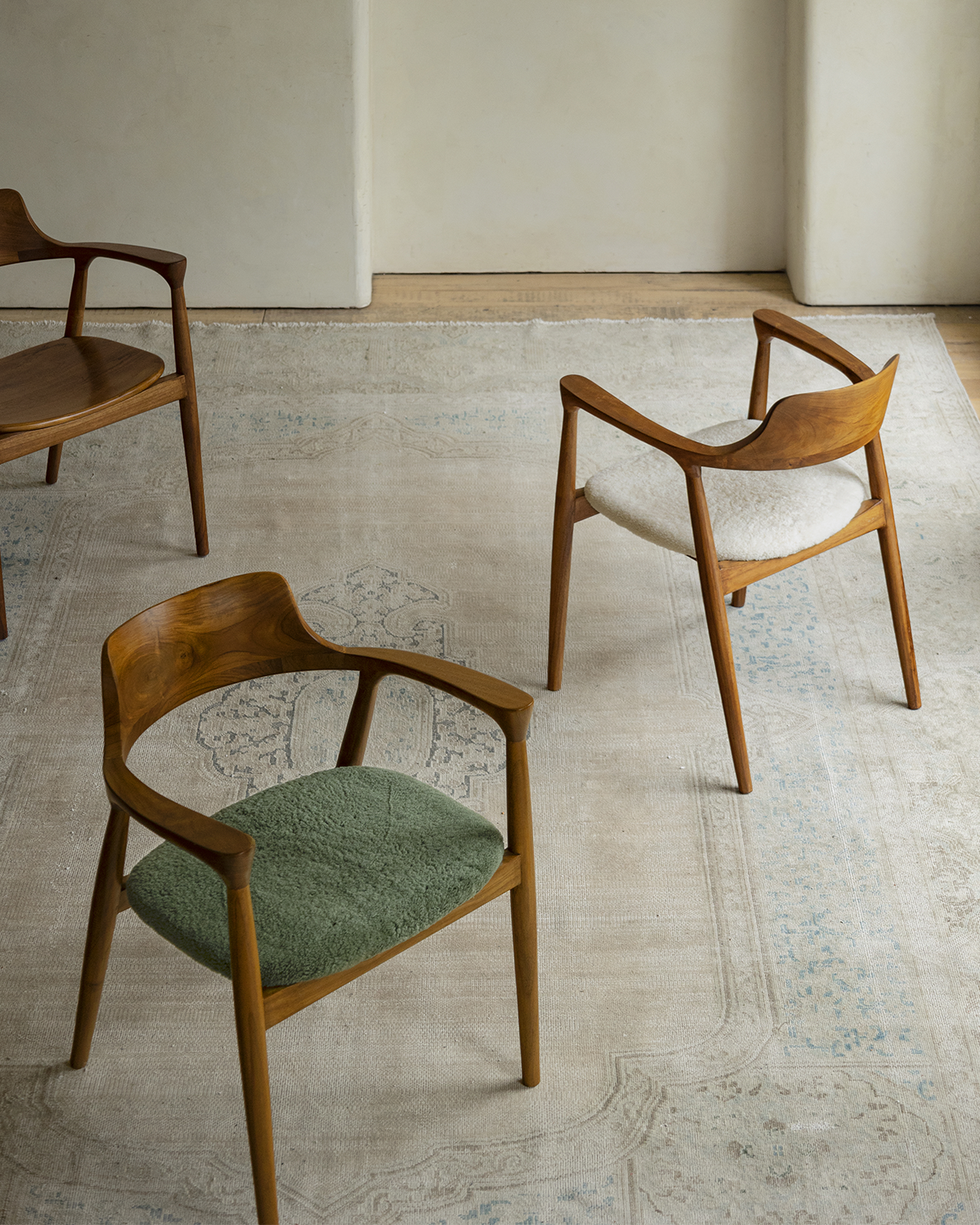
For example, imagine a neutral sofa paired with a deep green upholstered armchair. The chair has arms, so it fits the armchair definition. Its different color also adds contrast to the room, so it serves as an accent chair.
Choose an Armchair When Comfort Is the Main Priority
If you expect to use the chair often, comfort should shape the decision first. Seat depth, back support, arm position, and cushion feel all affect daily use.
For Reading and Longer Sitting
A supportive armchair can work well as a dedicated reading seat. Look for a backrest that supports your upper body and a seat that lets you sit without feeling cramped.
Seat depth matters too. A deep chair can feel relaxing, but too much depth may leave shorter users without enough back support. A shallower seat can encourage a more upright position for reading or conversation.
Armrests also matter for armchair comfort. Your arms should have a natural place to rest without forcing your shoulders upward.
For Everyday Extra Seating
An armchair can give a living room another reliable seat without taking up the space of another sofa.
This makes it useful for:
- Watching TV
- Reading
- Talking with family
- Drinking coffee
- Sitting with a laptop
- Relaxing after work
If you expect the chair to serve these purposes regularly, look beyond its appearance. Cushion support and sitting position will affect how often you actually use it.
For a Dedicated Lounge Spot
A larger armchair can create a personal relaxation area in a living room, bedroom, or home office.
A deeper seat can feel more relaxed, while a more upright back can work better for reading or conversation. The best armchair for your home is not automatically the largest or softest option. It should match your body, room, and main activity.
Choose an Accent Chair When Your Room Needs More Visual Interest
An accent chair can solve a different problem. If your room already has comfortable seating, the next chair can add contrast through color, texture, shape, or material.
Add Color Without Replacing the Sofa
A neutral sofa does not need another neutral chair beside it. A muted blue, warm brown, deep green, or patterned accent chair can introduce a new visual element while still working with the rest of the room. The chair does not need to match the sofa exactly. It only needs enough connection to the existing palette to feel intentional.
Add Texture and Shape
Fabric can change the feel of a room just as much as color.
For example:
- Linen can create a relaxed, natural look.
- Bouclé can add softness and texture.
- Velvet can create a richer appearance.
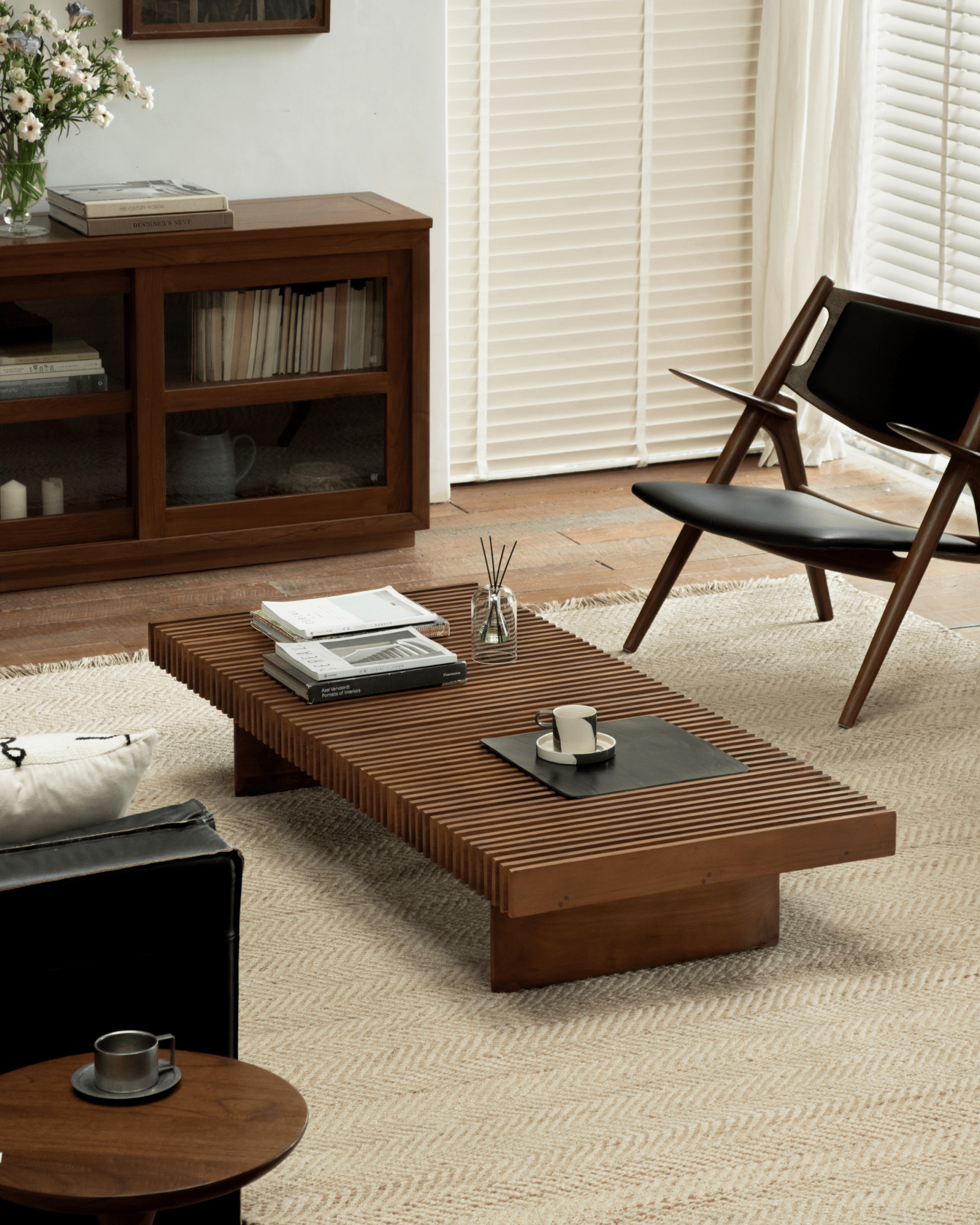
- Leather can give the room a cleaner, more structured feel.
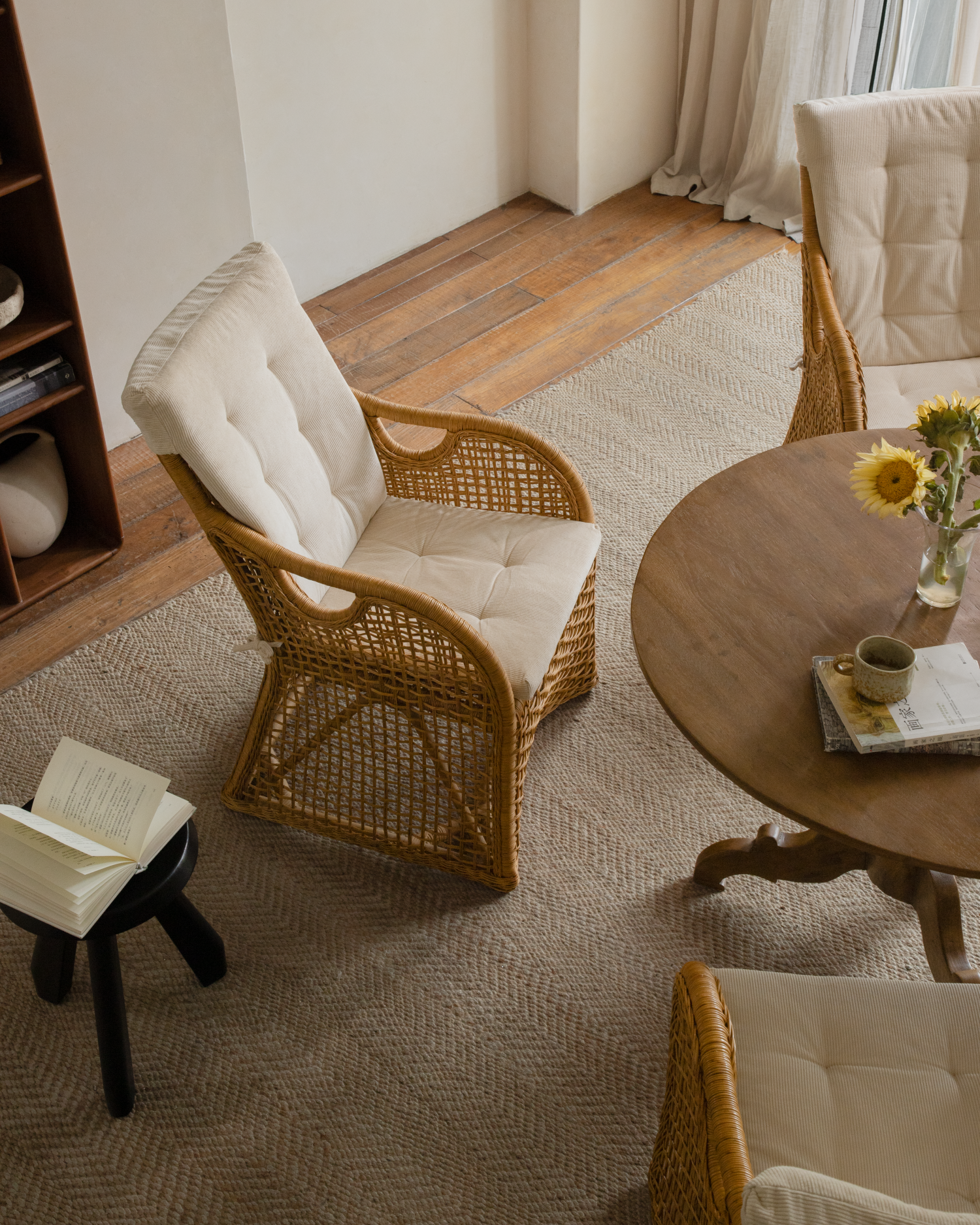
- Rattan can make a space feel lighter and more casual.
Shape also matters. Rounded backs, curved arms, swivel bases, and sculpted frames can make an accent chair stand out without relying on a bright color.
This is where elegant accent chairs can work well. A simple room may benefit from a chair with a refined silhouette rather than a bold pattern.

Create a Focal Point or Finish an Empty Corner
An accent chair can give purpose to an awkward corner.
Try placing one near:
- A large window
- A floor lamp
- A small side table
- A fireplace
- The edge of a living room seating area
- A bedroom corner
A vintage accent chair, for example, can bring character to a modern room without requiring every piece of furniture to have a vintage style.
The goal is balance. The chair should feel like part of the room rather than an object placed there simply to fill space.
Let Your Daily Habits Decide Between an Armchair and Accent Chair
The best choice becomes clearer when you start with your routine. Think about who will sit in the chair, how often it will be used, and what your room lacks.
If Comfort Matters Most
Choose an armchair with:
- Supportive back cushioning
- Comfortable seat depth
- Useful armrests
- A suitable seat height
- Cushions that fit your preferred firmness
This is especially useful for reading, relaxing, or daily sitting.
If Style Matters Most
An accent chair gives you more freedom to focus on:
- Color
- Pattern
- Fabric
- Texture
- Shape
- Visual contrast
You can use the chair to bring a new design element into a room without changing the larger furniture pieces.
If You Need Both
You do not have to choose between a comfortable chair and a stylish chair.
An accent armchair can provide the arm support and seating comfort associated with an armchair while also adding visual interest.
This can be a smart choice for a living room because the chair can serve a practical purpose every day while still giving the room a stronger focal point.
Match the Chair to Your Existing Furniture
A good chair does not need to match every other piece in the room.
You Do Not Need to Match the Sofa Exactly
Matching furniture can create a neat look, but too much matching can also make a room feel flat.
An accent chair can stand apart from the sofa through:
- Upholstery
- Color
- Frame style
- Shape
- Texture
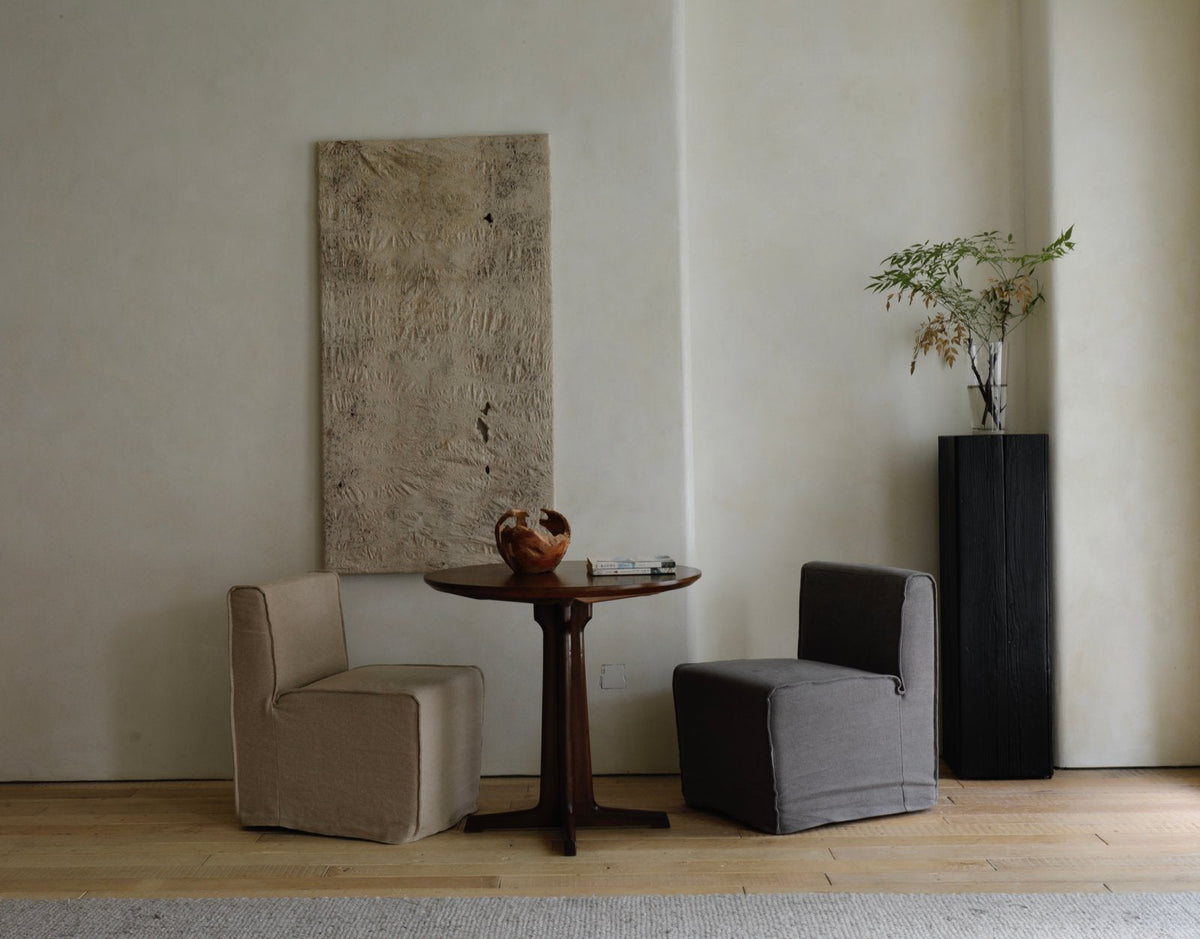
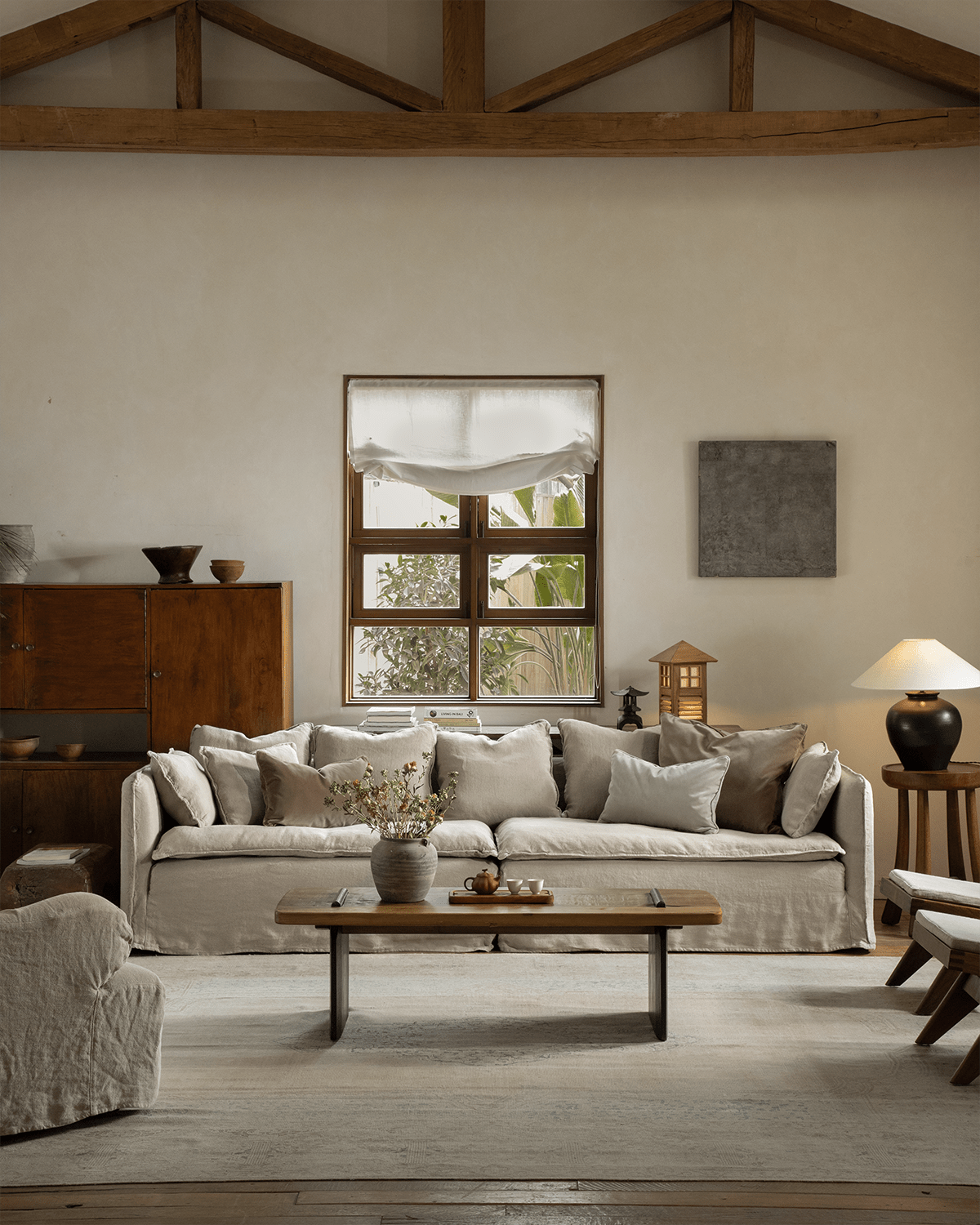
A beige sofa with a brown leather chair can feel coordinated without looking like a matched set. A simple sofa with a curved chair can create another kind of contrast.
Share One Design Element
If the chair looks very different from the sofa, connect it to another part of the room.
You might repeat:
- A color from the rug
- A wood tone from a side table
- A metal finish from a lamp
- A fabric texture from nearby cushions
- A shape found elsewhere in the room
This gives the chair some visual connection without forcing everything to look the same.
Balance Contrast With the Rest of the Room
A strong accent chair can become the focal point, so the rest of the room should give it enough space to stand out.
For example, a bold patterned chair can work with a simple sofa and understated accessories. A sculptural chair may need less visual competition from other furniture.
The goal is a room that feels coordinated rather than crowded.
Armchair vs Accent Chair: Which One Do You Need?
The final choice depends on the job you want the chair to perform. Use your daily needs, room layout, and style preferences to narrow the options.
Choose an Armchair If:
- You will sit in it often.
- You want strong arm and back support.
- Reading or relaxing is a main activity.
- You care more about long-term comfort than making a bold statement.
- You need a dependable living room seat.
Choose an Accent Chair If:
- Your room already has enough comfortable seating.
- You want more color or texture.
- You want to highlight an empty corner.
- You want a chair that stands apart from your sofa.
- You care strongly about shape and visual style.
Choose an Accent Armchair If:
- You want everyday comfort and visual impact.
- You like the support of an armchair.
- You want a distinctive fabric, color, or silhouette.
- You want the chair to work as both seating and a design feature.
This is why the accent chair vs armchair decision does not always have a single winner. The better choice depends on the role you need the chair to play.

Choose the Right Armchair or Accent Chair for Your Space
An armchair can bring everyday comfort, while an accent chair can add color, texture, and personality. You do not have to choose between the two. An accent armchair can give you both. Focus on how you will use the chair, how it fits your space, and what your room needs most. The right accent chair or armchair should feel good to sit in and look right at home.
FAQs
Q1: Can an Armchair Also Be an Accent Chair?
Yes. An armchair can also function as an accent chair if its color, material, shape, or placement gives it a strong visual role in the room.
Q2: Is an Accent Chair Comfortable for Everyday Use?
It can be. "Accent chair" describes its role in a room, not a fixed comfort level. Check seat depth, cushion support, back height, seat height, and armrests if you plan to use it often.
Q3: Should an Accent Chair Match the Sofa?
No. It can coordinate with the sofa without matching it exactly. Repeating a color, material, wood tone, or design detail can create a connection while still giving the chair some contrast.
Q4: Which Is Better for a Small Living Room, an Armchair or an Accent Chair?
Neither is automatically better. Focus on the chair's footprint, seat size, and effect on traffic flow. A compact armchair can work well if comfort is important, while a smaller accent chair can add seating and style without taking up too much visual space.