





Key Takeaway
Finding comfortable dining chairs requires looking beyond surface style. Focus n proper seat height, optimal seat depth, and firm, supportive cushioning rather than overly soft padding. Choose durable, easy-to-clean materials that match your daily routine, and double-check measurements for table clearance to ensure long-term comfort and seamless everyday use.
A sleek, stylish chair can completely transform the look of a dining room, yet look alone tells only half the story. Sitting in a beautiful seat often feels great for the first ten minutes, but as time passes, poor support leads to slouching, restlessness, and body aches.
True comfort demands a balance between long-term sitting support and everyday practicality. A great seat needs to handle quick morning breakfasts just as well as extended family gatherings. To pick the right design, evaluate key elements like seat height, seat depth, back support, cushioning quality, upholstery materials, armrest design, and exact table compatibility.
What Makes a Dining Chair Comfortable for Long Dinners?
Soft padding might feel luxurious right away, but lasting support requires much more than extra foam. The best seating lets your body rest in a natural posture while giving you freedom to shift around during long conversations.
Look for Proper Body Support
A supportive seat maintains proper alignment across your entire body:
- Comfortable seating position: Keeps your spine aligned without forcing a stiff posture.
- Feet resting naturally on the floor: Prevents pressure points along the backs of your thighs.
- Adequate thigh support: Distributes body weight evenly across the entire seat surface.
- Supportive backrest: Fits the curve of your spine to reduce lower back strain.
Consider Seat Firmness and Cushioning
Thick padding often tricks people into thinking a seat will stay comfortable for hours. In reality, overly soft foam causes your body to sink, which tilts your pelvis and stresses your lower back. You want firm chair cushions for dining chairs that hold their shape while absorbing body pressure evenly. Choosing upholstered options with dense interior padding gives you the ultimate mix of soft surface feel and structural support.
Think About Your Typical Dining Habits
Consider how your household actually uses the eating area on a daily basis:
- Everyday family meals: Require durable, stain-resistant surfaces that take minimal effort to wipe clean.
- Long weekend dinners: Call for thicker padding and gentle back contours to keep guests relaxed.
- Dinner parties and entertaining: Demand supportive seating that keeps people comfortable through multiple courses.
- Multi-purpose table use: Demands ergonomic support when the table doubles as a space for board games, crafts, or working on a laptop.

How to Match Dining Chair Height to Your Table
Getting the seat height right is the foundation of a comfortable eating space. Standard seat heights typically sit between 17 and 19 inches off the floor, but the actual space between the seat and the table matters far more than standard measurements.
Measure Your Dining Table First
Before shopping for comfortable dining chairs, take three precise measurements from your current table:
- Tabletop height: Measure from the floor directly to the top surface.
- Underside/apron height: Measure from the floor to the bottom edge of the wooden frame running beneath the table.
- Available legroom: Check the horizontal space between table legs to see how many seats fit comfortably side by side.
Check the Seat-to-Table Clearance
Aim for a vertical gap of 10 to 12 inches between the top of the seat and the top of the table. If this gap is under 10 inches, your legs will feel trapped against the bottom of the table. If the space stretches past 12 inches, the tabletop will sit awkwardly high, causing shoulder strain whenever you reach for your plate or glass.
Don't Forget Cushion Compression
Upholstered seats compress under weight. A thick dining chair cushion might measure 19 inches high on the store floor, but sink down to 17 inches when someone sits on it. Always factor in this natural drop so your legs stay at a relaxed, natural angle.
Choose the Right Dining Chair Seat Depth and Width
A seat can match your table height perfectly and still feel miserable if the proportions are off. Seat depth and width dictate how weight gets distributed, making them vital factors for avoiding stiff legs and cramped hips.
Find a Seat Depth That Supports Your Legs
Seat depth controls how far back you sit against the frame. If a seat is too deep, shorter people must lean back awkwardly, leaving their feet dangling off the floor. If a seat is too shallow, taller people lose critical thigh support, putting excessive pressure on their hips. Look for a depth that leaves a two-inch gap between the front edge of the seat and the back of your knees.
Choose a Comfortable Seat Width
Standard seat widths usually fall between 18 and 20 inches across. If you prefer extra space to shift positions, look for wider options around 21 to 22 inches. Remember to account for armrests, as thick arms reduce the usable seating surface. Always balance your personal comfort needs with the total number of seats you need to slide under the table.
Consider Different Users in the Household
Every person in your home has a different frame. Taller family members need extra seat depth to relax their legs, while shorter family members require a shallow design to keep their feet flat on the floor. In a shared home, picking a middle-ground depth around 17 to 18 inches offers the best compromise for everyone.
Look for Supportive Backrests and Comfortable Cushioning
The shape of the backrest determines how your upper body rests throughout a meal. A great backrest encourages relaxed posture without forcing you to sit completely vertical like a school desk.
Choose a Backrest That Supports Your Natural Posture
Look for backrests that offer full upper-body coverage with a subtle backward angle. Straight, flat wooden slats feel rigid after a few minutes, while deep recliners pull you too far away from your plate. A gentle curve that follows the natural line of your spine keeps your neck and shoulders completely relaxed.
Consider Upholstered vs. Non-Upholstered Seats
| Chair Type | Primary Benefits | Care & Maintenance | Best Suited For |
|---|---|---|---|
| Upholstered | Maximum padding, soft texture, great insulation | Requires spot cleaning or fabric protection | Long hostings, extended evening meals |
| Solid Wood | High durability, timeless style, sturdy support | Simple wiping with a damp cloth | Busy families, casual daily meals |
| Leather / Faux Leather | Sleek finish, great comfort, wipeable surface | Periodic conditioning or light wiping | Modern spaces, messy dining rooms |
| Performance Fabric | Liquid resistance, stain defense, soft feel | Easy spot treatments | Kids, pets, frequent entertaining |
Look Beyond Cushion Thickness
Thick foam does not guarantee long-term comfort. High-density foam retains its shape and offers firm pushback, preventing your body from hitting the hard wooden base beneath. Inspect the build quality of any dining chair cushions to ensure the core foam stays firm through daily wear.

Should You Choose Dining Chairs With or Without Arms?
Deciding between armchairs and armless designs involves balancing personal comfort against the total physical footprint of your dining set.
Benefits of Dining Chairs With Arms
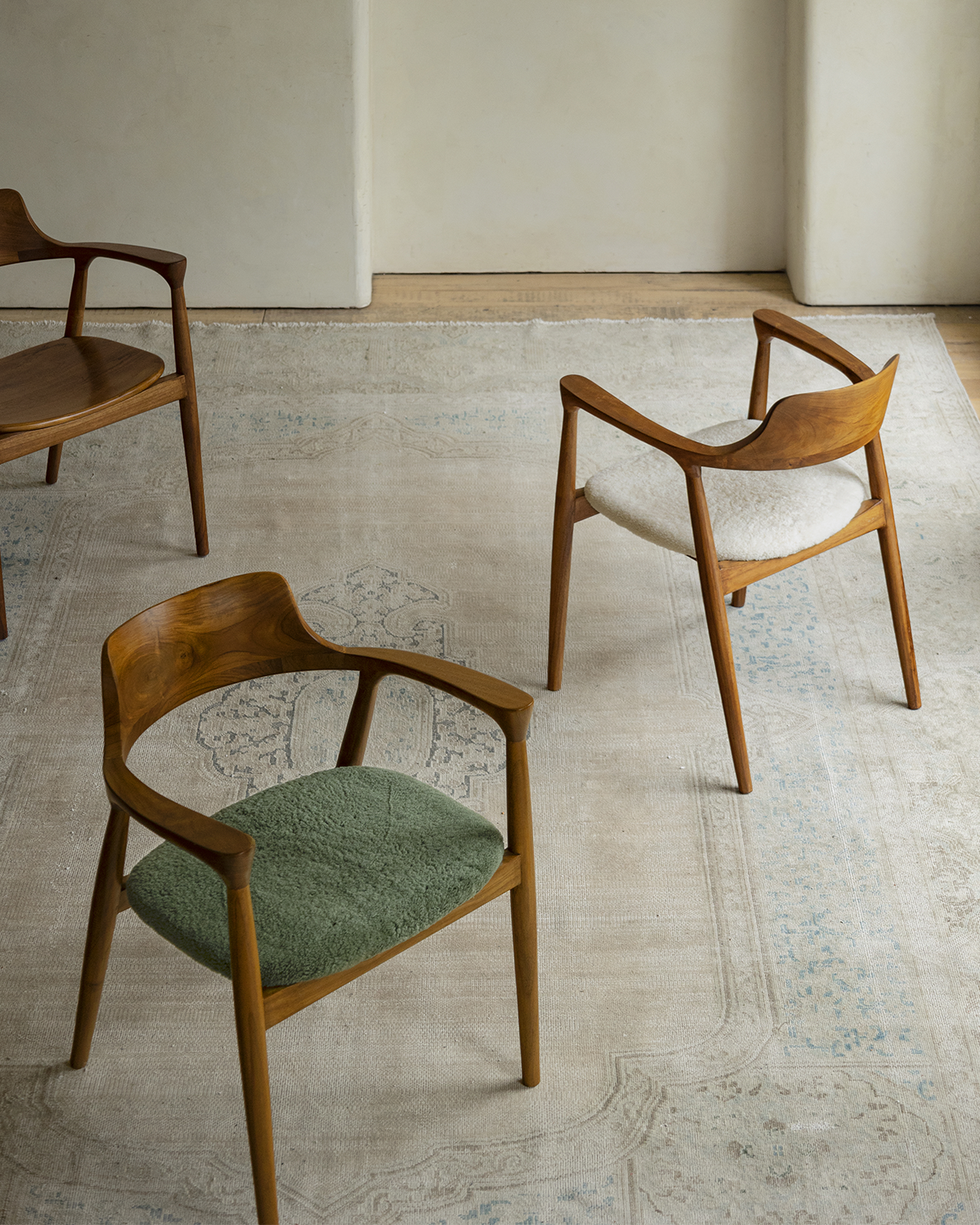
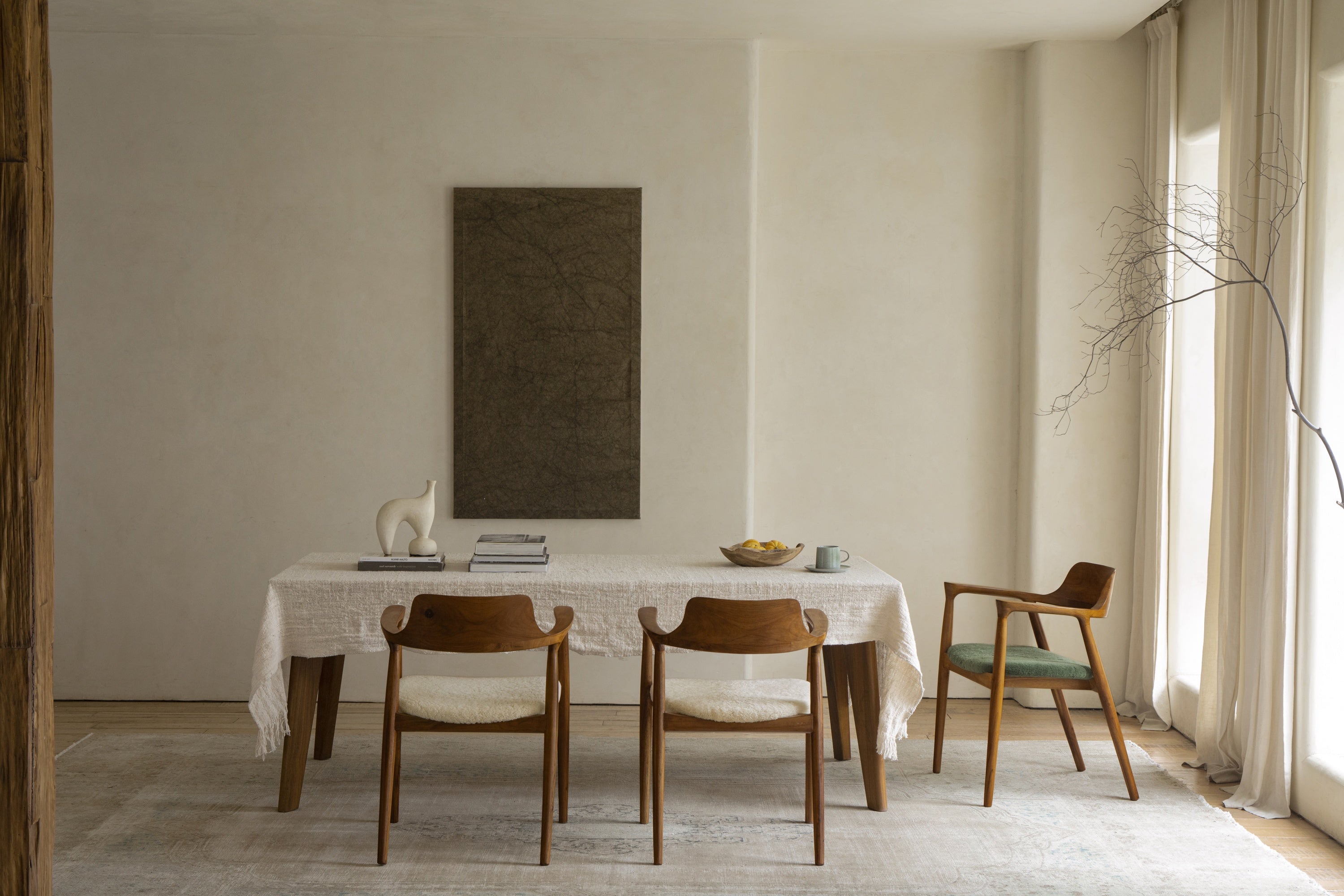
Armrests give your shoulders and upper arms a place to rest, making them ideal for long conversations after a meal. They create an inviting, armchair-like experience that works wonderfully at the heads of a long rectangular table.
Benefits of Armless Dining Chairs
Armless side chairs slide easily under any table surface, keeping open walkways clear in tight kitchens. They allow people to sit down and stand up without pushing the frame far back, making them a great practical pick for smaller floor plans.
Check Armrest Clearance Before Buying
Always measure the distance from the floor to the top of the armrest. Compare that measurement against the bottom edge of your table apron. If the armrests hit the table frame, you will not be able to push the chairs in, wasting valuable floor space when the dining set is not in use.
Choose Durable Dining Chair Materials for Everyday Use
The right material keeps your dining set looking fresh despite daily spills, heavy use, and ambient kitchen mess. Pick a finish that fits your household cleanup routine.
Upholstered Fabrics
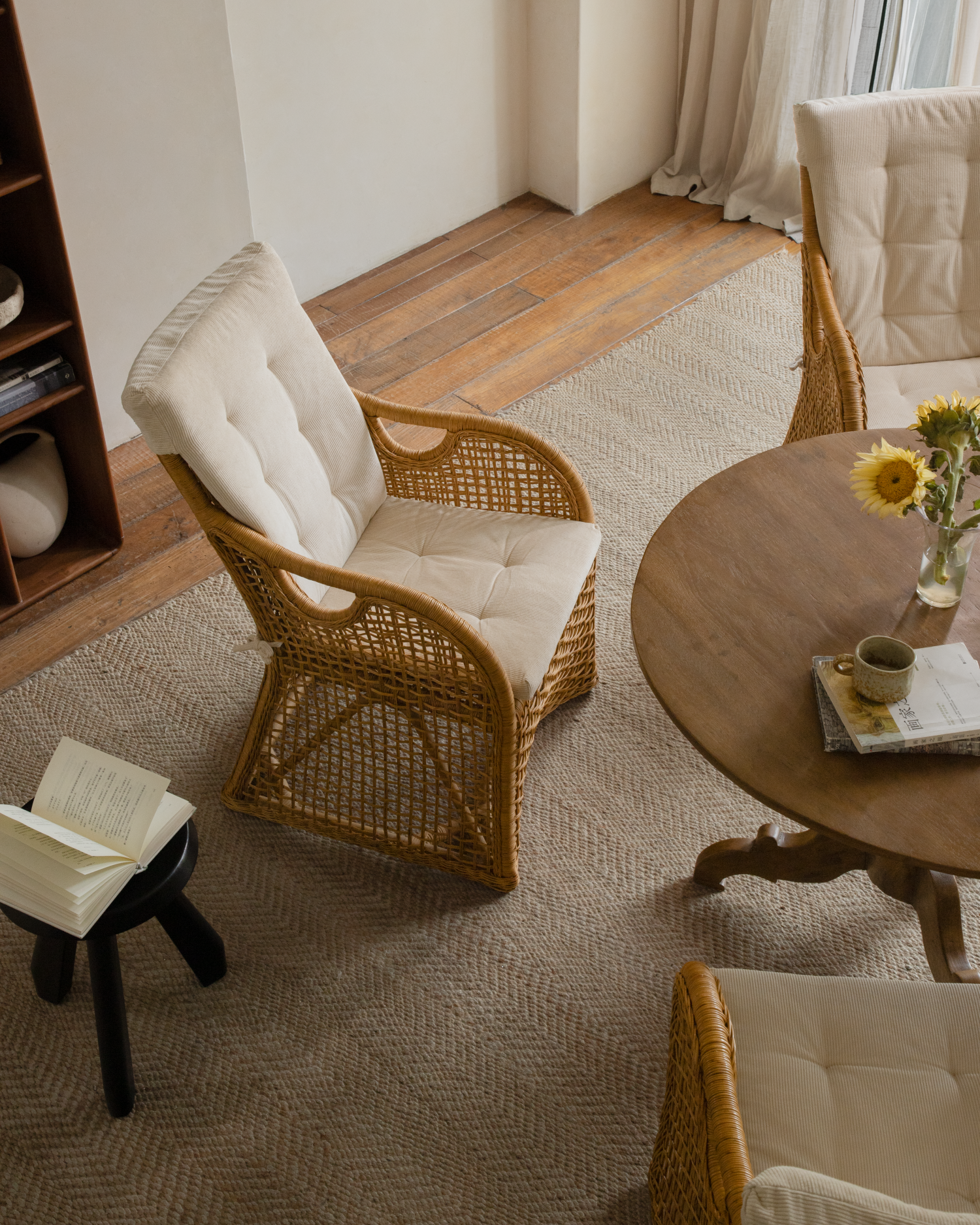
Upholstered options bring warmth and rich color to a room. If you host long dinners regularly, upholstered frames offer superior surface comfort. Choose treated textiles that resist liquid spills to prevent permanent stains.
Solid Wood Construction
Wood remains a top choice for overall durability. It holds up against daily knocks, cleans up in seconds, and provides solid ergonomic support. You can always add removable dining room comfortable chair pads if you want extra surface softness for special occasions.
Leather and Faux Leather
Leather offers a smooth, luxurious texture that resists liquid absorption. Spills wipe right off with a rag, making leather a smart choice for households that want high-end style without complex fabric maintenance.
Performance Fabrics for High-Traffic Homes
Performance textiles feature built-in stain resistance and water repellency. They allow you to enjoy soft, padded seating without worrying about dropped food, pet hair, or messy kid spills.
Make Sure Your Dining Chairs Fit Your Space
Even the most comfortable dining chairs feel frustrating if people are packed together like sardines. Proper spacing gives everyone room to eat, talk, and move freely.
Allow Enough Space for Each Diner
Allow 24 inches of horizontal table width per person for casual meals. Expand that to 28 or 30 inches per person if you use wide armchairs or host formal multi-course dinners. This extra room prevents diners from knocking elbows while cutting food or reaching for serving dishes.
Check the Space Behind the Chairs
Leave at least 36 inches of open space between the back of your table seats and nearby walls, counters, or doorways. This gap allows people to push their seats back comfortably without hitting furniture or blocking main walkways.
Think About How the Chairs Move
Daily life requires moving seats constantly. Pick options that glide smoothly across your flooring without scuffing the finish. Lightweight frames or well-designed wood seats make clearing the table and vacuuming beneath much faster.
How to Test Dining Chair Ergonomics Before You Buy
Dimensions give you a starting framework, but sitting in a seat remains the ultimate test. Testing a frame in person shows you exactly how the unit responds to your body shape.
Use the Sit Test
When evaluating comfortable dining room chairs, sit back completely and check these physical cues:
- Ensure both feet plant flat on the floor without strain.
- Verify your lower back touches the backrest firmly.
- Check for a two-inch gap between the seat edge and the backs of your knees.
- Confirm your thighs rest flat along the cushion without feeling pinched.
- Ensure your knees sit comfortably under the table frame with room to spare.
- Stay seated for at least five minutes to see if pressure points develop.
Test the Chair With Your Actual Dining Table
If possible, bring a tape measure to the showroom to recreate your home setup. Verify that the seat slides cleanly under a table of your height, check armrest clearance, and consider whether the seat proportions fit every member of your family.

Choose Dining Chairs That Balance Comfort and Everyday Practicality
Choosing the right seating comes down to balancing structural support with real-world function. The goal is to pick options that look great, fit your physical dimensions, stand up to daily use, and wipe clean without hassle.
Focus on these six core points:
- Comfort: Supportive design built for long conversations.
- Fit: Proper height, seat depth, and overall width.
- Support: Natural spine alignment and firm leg support.
- Durability: Sturdy construction that holds up over time.
- Maintenance: Easy cleaning suited to your daily lifestyle.
- Style: Colors and materials that elevate your room layout.
By evaluating these factors, you will find a seating setup that works seamlessly for a quick morning coffee and a relaxed two-hour dinner party with friends.
FAQs About Dining Seating
Q1: What makes a dining chair comfortable for long dinners?
A great seat combines a supportive backrest, proper seat depth, firm high-density foam, and correct table clearance. These features keep your spine aligned and prevent thigh pressure during long meals.
Q2: How high should a seat be for a standard dining table?
Standard seat heights range from 17 to 19 inches off the floor. Aim for a 10 to 12-inch gap between the top of the seat cushion and the top of your tabletop.
Q3: Are upholstered dining chairs better for long meals?
Upholstered options offer extra surface padding that reduces sitting pressure. However, strong lower-back support and proper seat depth remain just as important as foam thickness for long-term comfort.
Q4: Are dining chairs with arms more comfortable?
Armrests give your shoulders and arms extra support, making them very comfortable for extended entertaining. Just make sure the arm height allows the seat to slide fully under your table apron.