





Key Takeaways
- Position your chair around daily routines, such as reading, getting dressed, or unwinding, rather than filling empty floor space.
- Keep walkways clear between your bed, entry door, closet, and bathroom.
- Use empty corners or window spots for quiet relaxation; try the foot of the bed in larger rooms.
- Select a chair scale that suits your bedroom's layout before choosing fabrics or patterns.
- Add a small side table, targeted lighting, or an area rug to turn a simple seat into a defined relaxation zone.
Adding an armchair in bedroom spaces introduces daily comfort and extra utility to your personal sanctuary. A well-placed seat transforms a simple sleeping area into a versatile living space without crowding your floor. Here are seven practical placement strategies to consider for your space:
1. Tucking a chair into an unused corner
2. Setting up a window-side reading nook
3. Positioning a seat at the foot of the bed
4. Placing a chair near your dressing area
5. Building a dedicated relaxation zone
6. Selecting a compact chair for smaller rooms
7. Creating a multi-functional seating setup
7 Ideas for Smart Bedroom Accent Chair Placement
Idea 1: Place an Accent Armchair in an Unused Bedroom Corner
Empty corners often become dead zones that collect dust. Placing a bedroom accent chair in a quiet corner puts that open area to work while leaving central walkways completely clear. This approach keeps your room open and creates an inviting visual anchor in an overlooked spot.
To make a corner seat functional, pair it with a compact side table for holding drinks or books. Add a slim floor lamp or a wall-mounted sconce right above it for light. Keep extra decor light—a single throw blanket or small cushion keeps the spot neat. In compact rooms, ensure the chair back sits flush against the walls without blocking nearby closet doors or dresser drawers.

Idea 2: Put a Linen Swivel Armchair Beside a Window for a Reading Spot
Natural light makes window areas ideal for relaxation. Positioning a linen swivel armchair near a window turns an underused spot into an inviting nook for reading, writing, or enjoying morning coffee. Swivel bases let you easily pivot between looking at the outdoor view and facing the rest of your room.
Building a functional reading space requires a few basic pieces:
- A supportive, plush chair
- A small table for your mug or glasses
- A focused reading lamp for evening use
- A small rug to ground the area
Focus on real comfort rather than just decorative appeal. Ensure the chair offers good back support, and position your lamp to direct light over your shoulder to prevent eye strain.
Idea 3: Position a Bedroom Accent Chair at the Foot of the Bed
Placing seating directly at the foot of your bed creates a balanced look reminiscent of high-end hotels. This layout works best in medium-to-large rooms with plenty of open space around the bed frame. This setup adds a second functional zone that grounds your sleeping area. However, it fails if your bedroom is narrow or tight. Skip this layout if the chair blocks access to your mattress, cuts into walking paths, or sits too close to dressers and closets. Always measure the distance between the chair and surrounding walls before selecting this option.
Idea 4: Place a Vintage Accent Chair Near a Dresser or Closet
Furniture should simplify your morning routine. Setting a vintage accent chair near a closet or dresser provides immediate practical support for everyday tasks like putting on socks, lacing shoes, or laying out work attire.
To keep this dressing zone fully functional, check all clearance distances. Open dresser drawers and swing closet doors wide to ensure they clear the chair completely. Leave enough space for yourself to walk comfortably between your storage pieces and the seat.

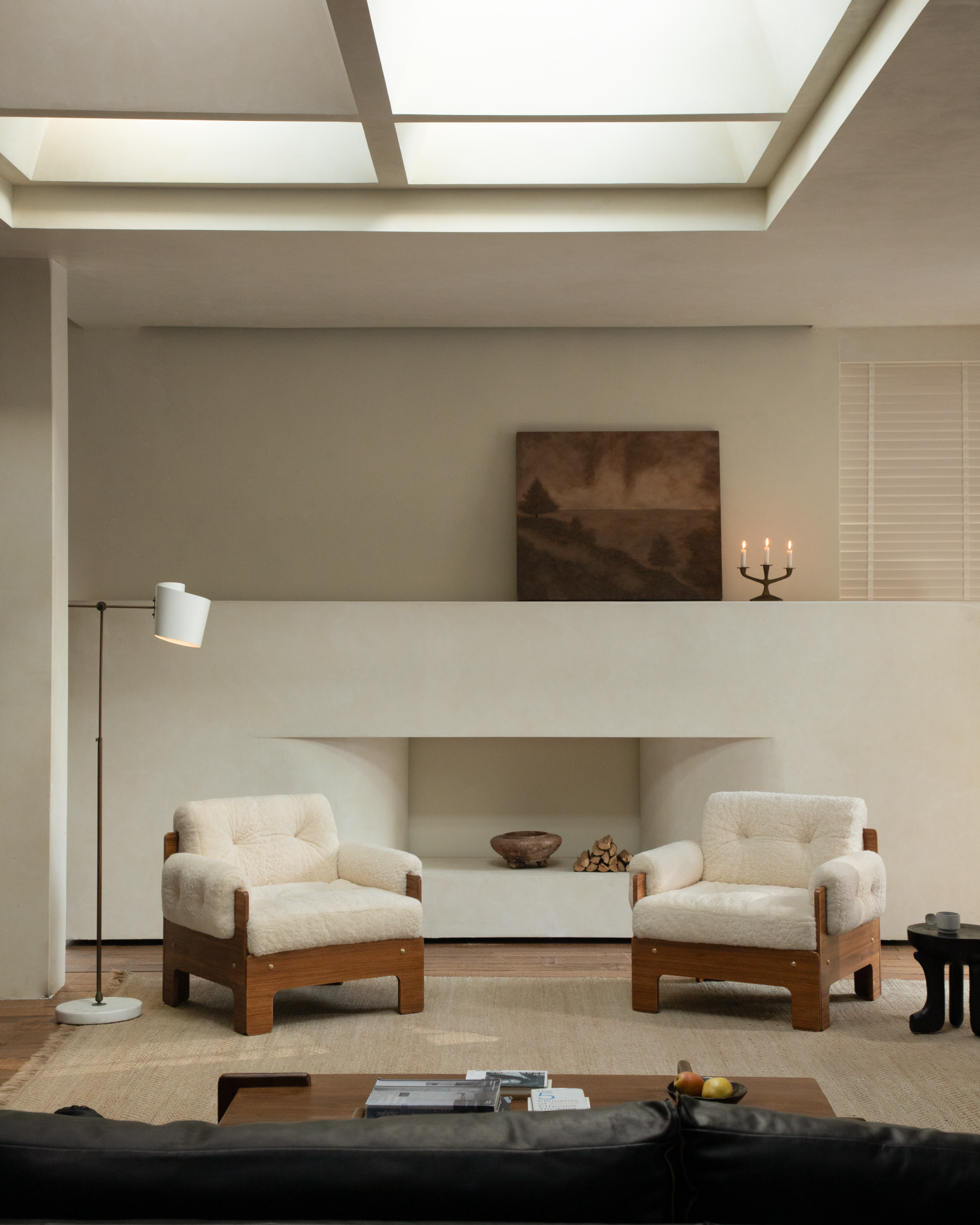
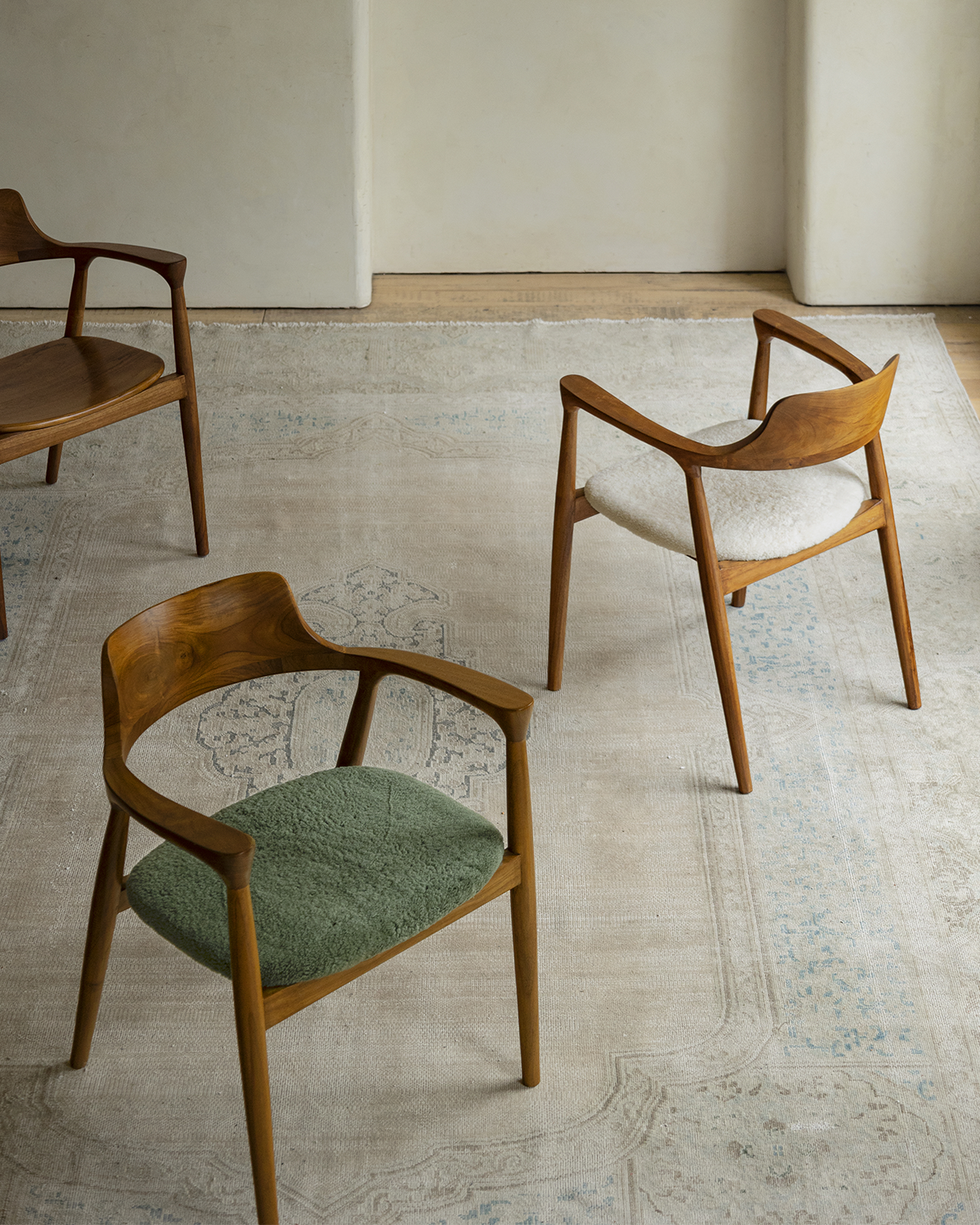
Raymond Shearling Armchair
Idea 5: Create a Dedicated Relaxation Corner with Cozy Armchair Styles
If you have a large master suite, use furniture to break the room into distinct functional zones. Building a dedicated relaxation corner keeps your bed focused purely on sleep while offering a separate lounge space for quiet evenings. To build a balanced seating corner, combine these core items:
- A cozy armchair with deep seating
- An ottoman or footstool
- A small side table
- A dedicated floor lamp
- A soft accent rug
Angle the chair slightly toward the center of the room to create an inviting feel. Match your seat's upholstery colors to your bedding palette using complementary tones rather than identical fabrics.
Idea 6: Choose a Compact Linen Slipcover Armchair for Small Spaces
Selecting a compact linen slipcover armchair allows you to add functional comfort without overwhelming small floor plans.
Look for specific design features when shopping for tight spaces:
- Slim or narrow armrests
- Shallow seat depth
- Exposed legs that let light pass through underneath
- Lightweight, breathable fabrics
Place small-scale chairs in empty corners, next to a window, or against a bare wall segment. Avoid oversized lounge seats that look plush in store displays but crowd smaller spaces at home.
Idea 7: Turn an Unused Spot Into a Multi-Functional Seating Zone
Tailor your choice to your specific daily needs. An unused bedroom corner can easily adapt to different activities depending on the furniture combination you choose. Match your furniture pairings directly to your lifestyle:
- Reading focus: Chair + focused lamp + side table
- Dressing focus: Upright chair + full-length wall mirror
- Lounge focus: Deep chair + plush footstool
- Morning routine: Seat + small drink table
Let your daily habits determine where the chair goes and what accessories you place around it.

How to Choose the Right Bedroom Seating Ideas for Your Layout
Selecting the ideal spot for a chair requires careful planning around your existing room setup and daily movement paths. Taking accurate measurements prevents costly buying mistakes.
Start by treating your bed as the central anchor of your room. Draw imaginary pathways on your floor representing your regular walking routes between the entry door, bed, closet, and bathroom. Never place seating along these primary movement paths.
Next, measure your floor space thoroughly. Jot down these key dimensions before buying furniture:
- Full seat width and depth
- Clear distance from the edge of the bed
- Closet door swing radiuses
- Dresser drawer extension limits
- Access clearance for windows and curtains
- Distance from radiators, vents, and wall outlets
Finally, define the primary job of your seat. A dedicated reading nook needs deeper proportions and direct light, while a dressing chair requires an upright frame and a compact footprint.
Styling Tips to Improve Armchair Comfort and Room Decor
Tie the chair into your existing decor by picking up subtle colors from your duvet or curtains. If your bed features neutral linens, choose an accent shade for your chair fabric to create a pleasing focal point. Match warm wood chair legs to nearby nightstands or dressers to keep the room cohesive.
Add functional accessories that elevate your comfort:
- A compact table for holding books and drinks
- A focused floor lamp or wall light
- A soft throw blanket draped over one arm
- A supportive accent pillow
- A small area rug underneath to frame the zone
Keep accessories simple. Overdecorating a small seating spot causes visual clutter and reduces overall armchair comfort.
Choose the Placement That Fits Your Daily Routine
Finding the right spot for your chair comes down to three main questions:
- How will you actually use the seat every day?
- Where can it sit without blocking your natural walking paths?
- Do its size and visual weight fit your overall room dimensions?
Effective bedroom armchair placement depends on a clear purpose. Rather than dropping a seat into whatever space looks empty, place it where it supports your real daily habits. Above all, your setup must protect open walkways so moving around your room remains easy and natural.
FAQs on Bedroom Armchair Placement
Q1: Where Is the Best Place to Put a Chair in a Bedroom?
The best position depends on your room size and primary activity. Unused corners, window areas, dressing zones, and the foot of the bed are popular functional options.
Q2: Can You Put a Seat Directly at the Foot of a Bed?
Yes, this layout works well in medium-to-large bedrooms. Always leave at least two to three feet of open walkway around the seat so moving past the bed remains easy.
Q3: Where Should You Place a Chair in a Small Bedroom?
Tuck a small-scale chair into an empty corner or beside a window. Choose designs with slim armrests and exposed legs to keep the floor looking spacious.
Q4: How Do You Prevent a Bedroom Chair From Looking Out of Place?
Anchor the seat by pairing it with a small side table, light fixture, or small rug. Match its fabric, wood tones, or accent colors to your existing bedding and furniture.