




Key Takeaways
- Flexibility vs. Stability: A swivel armchair offers 360-degree rotation for multipurpose open spaces, while a stationary armchair provides steady support for quiet corners.
- Layout Needs: Open floor plans benefit from motion seating. Dedicated reading nooks suit traditional four-legged designs.
- Aesthetic Match: Hidden swivel mechanisms fit organic modern furniture seamlessly. Visible wood legs complement classic Scandinavian furniture setups.
- Daily Use: Choose based on primary activities like watching TV, hosting, sipping morning coffee, or working from home.
Choosing living room seating was once a basic task. You tested cushion softness, picked a pretty color, and placed it next to a lamp. Today, a single chair handles many daily routines, from reading books to hosting friends on weekends.
Because open spaces host so many activities, picking furniture requires a balance of style and comfort. Deciding between a swivel base and fixed legs depends on how your household moves through the space each day.
The Way You Live Should Decide Your Living Room Armchair
Finding right living room seating means matching furniture to your daily routine. Here is how your household flow dictates which type of seat will suit your everyday space best.
For Homes That Are Always in Motion
Open-plan layouts combine kitchens, dining areas, and sitting zones into single large spaces. In these floor plans, activity moves constantly. Someone might watch television while talking to another person cooking in the kitchen.
A dynamic swivel chair vs stationary chair choice becomes clear here. Rotating seats let you pivot toward the kitchen conversation, turn back toward the TV, or look out a window without moving the chair legs across your floor.
For Homes With Defined Spaces
Traditional floor plans feature separated rooms with single functions. In defined areas, furniture stays in one place because the activity in that room rarely changes.
A classic stationary armchair anchors these spots visually. It defines a cozy corner without taking extra floor space for rotation clearance. The fixed position keeps your room layout structured, neat, and predictable.

Why More Homeowners Choose a Swivel Armchair Today
Modern open floor plans demand flexible furniture pieces that adapt quickly. Adding a smooth rotating base turns a basic seat into an active hub for daily interaction.
| Feature | Everyday Benefit |
|---|---|
| 360-Degree Rotation | Pivot between TV, conversation, and kitchen seamlessly |
| Zero Floor Dragging | Change viewing angles without scratching wood floors |
| Concealed Base Mechanisms | Clean aesthetics that fit modern living room decor |
| Space Optimization | Functions well in open-concept setups and tight corners |
Movement Without Rearranging Furniture
Dragging heavy furniture across rugs to face a guest is inconvenient. A swivel armchair eliminates that heavy lifting entirely.
You can turn 180 degrees to join a conversation and then glide back toward the fireplace. This smooth action keeps your floor plan intact while keeping you connected to whatever happens nearby.

Ray Mini Rattan Swivel Chair
A Better Fit for Open Living Rooms
Large, open-concept rooms often contain multiple focal points. You might have a television along one wall, a fireplace on another, and large windows facing a backyard garden.
A lounge chair for living room spaces with a swivel base lets one seat serve all three focal points. Instead of buying multiple chairs, one well-placed rotating seat covers every angle effortlessly.
Small Design Feature, Big Everyday Difference
Modern design hides swivel mechanisms under upholstered bases. This means you gain total movement without sacrificing tailored appearance. An upholstered armchair with a concealed swivel mechanism looks identical to a stationary piece when still, giving you practical motion without visible mechanical hardware.
When a Stationary Armchair Still Makes More Sense for Your Home
Dynamic motion helps in dynamic rooms, but traditional fixed legs offer solid grounding. Classic designs provide quiet stability and long-lasting style for traditional living setups.
If You Love a Dedicated Reading Spot
A comfortable armchair designed for reading needs absolute stability. When you settle in with a book, subtle shifts in posture should not cause the chair base to drift or rotate slightly. Fixed legs hold firm, letting you lean back, tuck a foot under, and rest without unexpected movement.
When Simplicity Is the Priority
Stationary seats rely on simple woodworking or metal leg frames. Fewer moving components mean fewer parts that could creak over time. If you prefer low-maintenance furniture that stays firmly put for decades, a classic four-legged design offers straightforward peace of mind.
Some Layouts Don't Need a Swivel Base
Small or narrow rooms usually have a single logical focus—like a TV screen or an accent wall. When furniture sits against a flat wall or nestled tightly between two tables, turning side to side serves no purpose. In these tight footprints, fixed legs keep the silhouette slim and keep side tables easily accessible.

Swivel Chair vs Stationary Chair: Real-Life Armchair Comparison
Specs tell only half the story when picking out functional seating. Comparing how both options perform in actual daily scenarios helps you make a practical decision.
Movie Nights
During long movie sessions, staying comfortable requires changing positions. A swivel base allows slight angle adjustments to avoid glare on the screen. However, stationary models often allow deeper recline profiles or wider seat pans with matching ottomans, making them fantastic for curling up with blankets.
Morning Coffee
Early mornings call for gentle routine. Sitting in a linen armchair near a sunlit window with a warm mug is ideal. A stationary seat holds your mug steady on a neighboring end table without any accidental swiveling motion spilling your drink.
Hosting Friends
When friends gather, seating arrangements need flexibility. A swivel chair makes host duties easy. You can turn toward the entryway when guests arrive, face the sofa to talk, or turn toward the kitchen counter—all without standing up or dragging furniture across the floor.
Reading Before Bed
In a bedroom setting, quiet relaxation matters most. A fixed neutral living room furniture piece moved into a bedroom corner creates an inviting sanctuary. The lack of movement promotes calm, still resting states before sleep.
Working From Home Occasionally
If you review documents or answer phone calls from your living area, motion helps you stay active. A swivel chair lets you pivot toward a side desk to check a laptop and turn back toward the room when taking a call, functioning as a comfortable temporary work station.

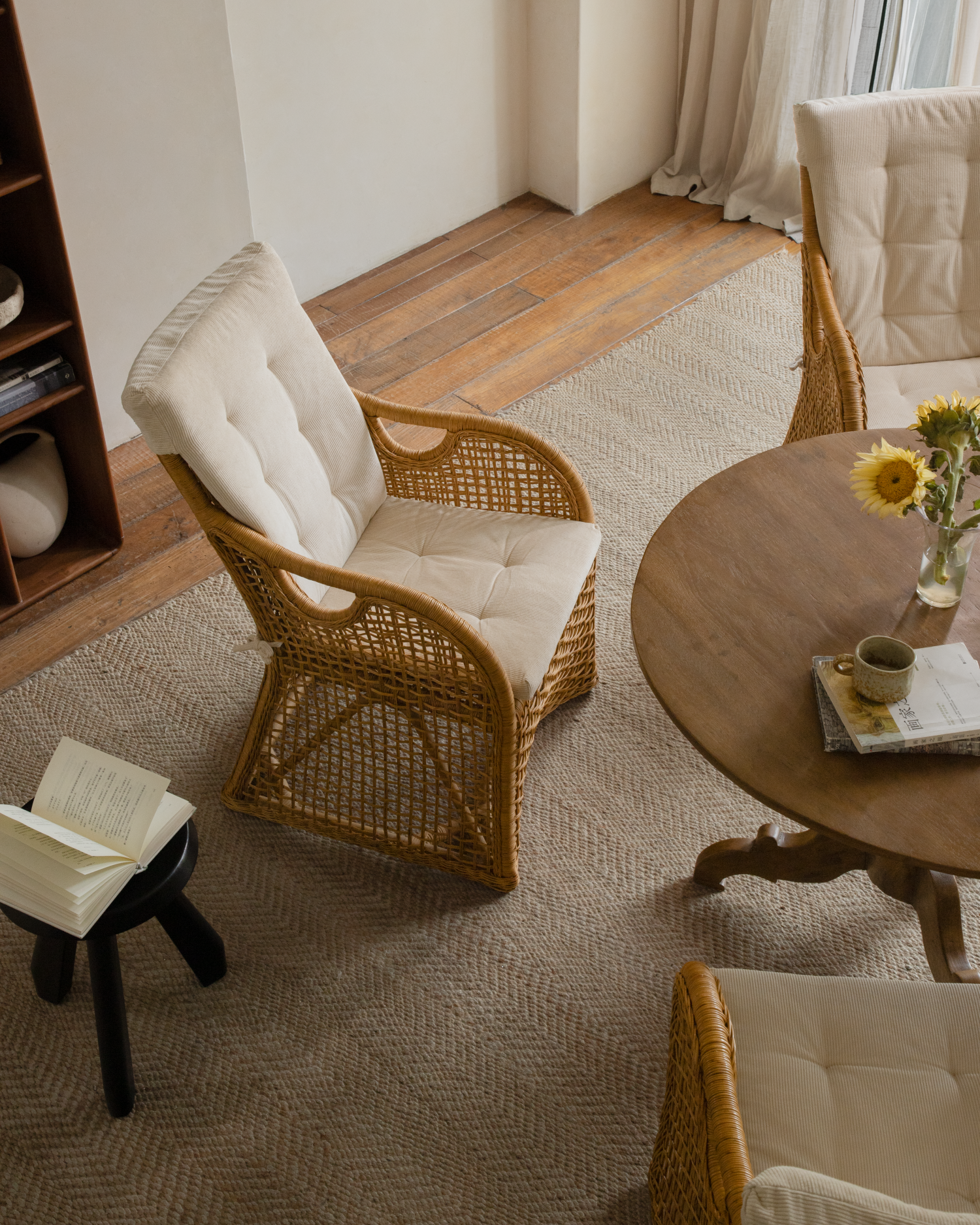
Gakusha Rattan Swivel Chair
Which Living Room Seating Style Fits Your Home Decor?
Decor aesthetic determines how seamless your new seat looks in your room. Different design approaches favor specific chair bases depending on texture, wood details, and line balance.
| Interior Style | Recommended Base Type | Key Material/Aesthetic |
|---|---|---|
| Organic Modern | Concealed Swivel Base | Warm bouclé, soft curved edges |
| Scandinavian | Exposed Wood Stationary Legs | Light oak, natural linen weave |
| Japandi | Low-profile Swivel/Fixed | Muted neutral tones, simple wood |
| Transitional | Classic Fixed Four-Legs | Tailored upholstery, brass caps |
Organic Modern Interiors
Organic modern furniture focuses on soft curves, tactile fabrics, and natural shapes. Curved swivel armchairs wrapped in textured fabrics suit this style perfectly. The rounded form mirrors organic architecture, while hidden bases make the seat look like a continuous, sculpted art piece.
Scandinavian Spaces
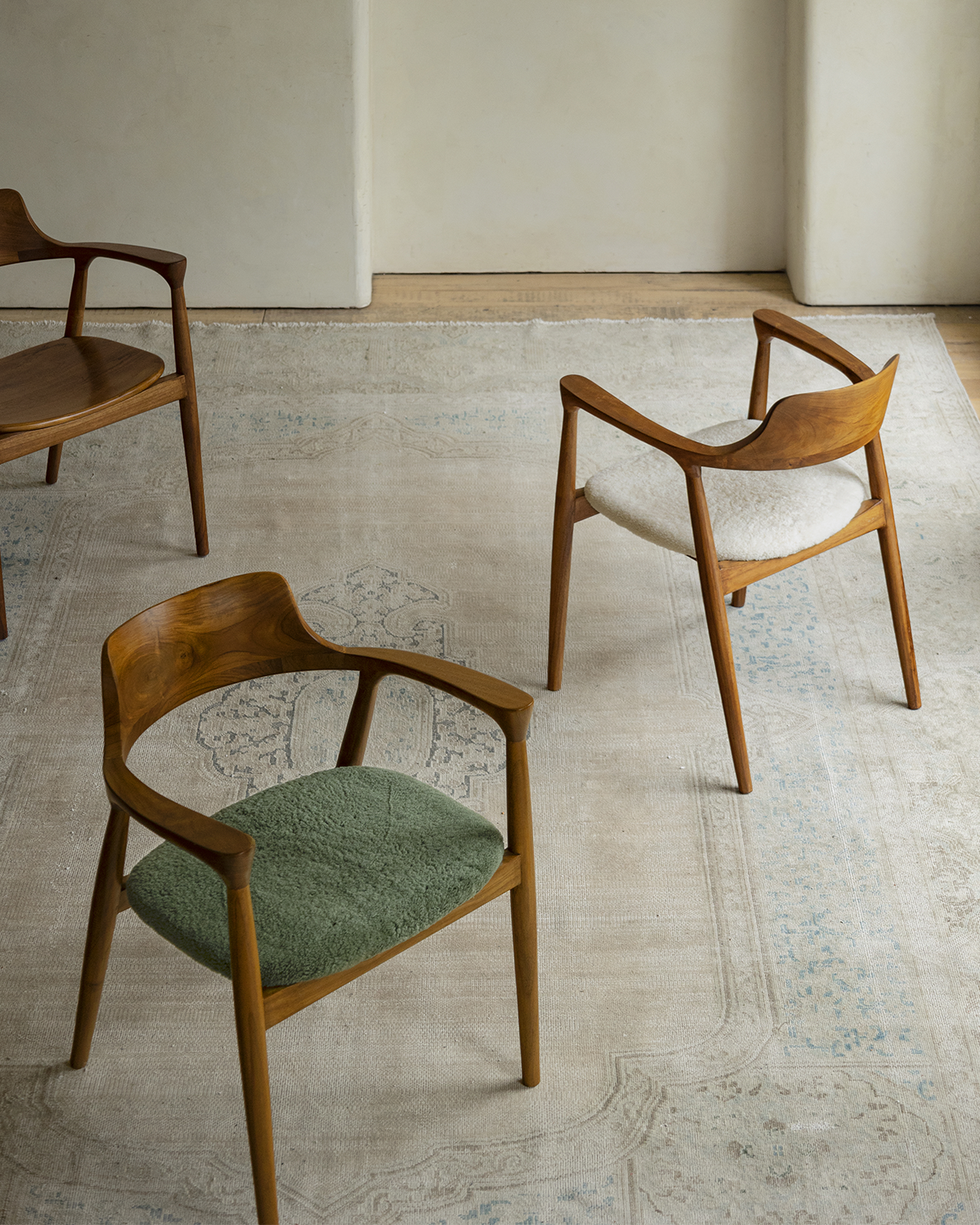
Scandinavian furniture highlights clear structural lines, light woods, and functional simplicity. Exposed wooden legs are central to this design language. A stationary modern armchair with tapered oak or birch legs emphasizes the light, airy look typical of Scandinavian homes.
Transitional Homes
Transitional spaces blend traditional craftsmanship with clean contemporary lines. A timeless furniture piece like a classic fixed arm seat upholstered in durable cloth balances existing traditional couches while adding structured sophistication.
Small Apartments vs Spacious Living Rooms
In compact apartments, every square inch counts. Swivel designs require a small clearance radius around them so the back rest does not hit adjacent walls during a turn. If space is tight, measure your clearance carefully. In large living rooms, mixing both types, like using a sofa, two stationary seats, and one swivel accent seat, creates balanced visual variety.

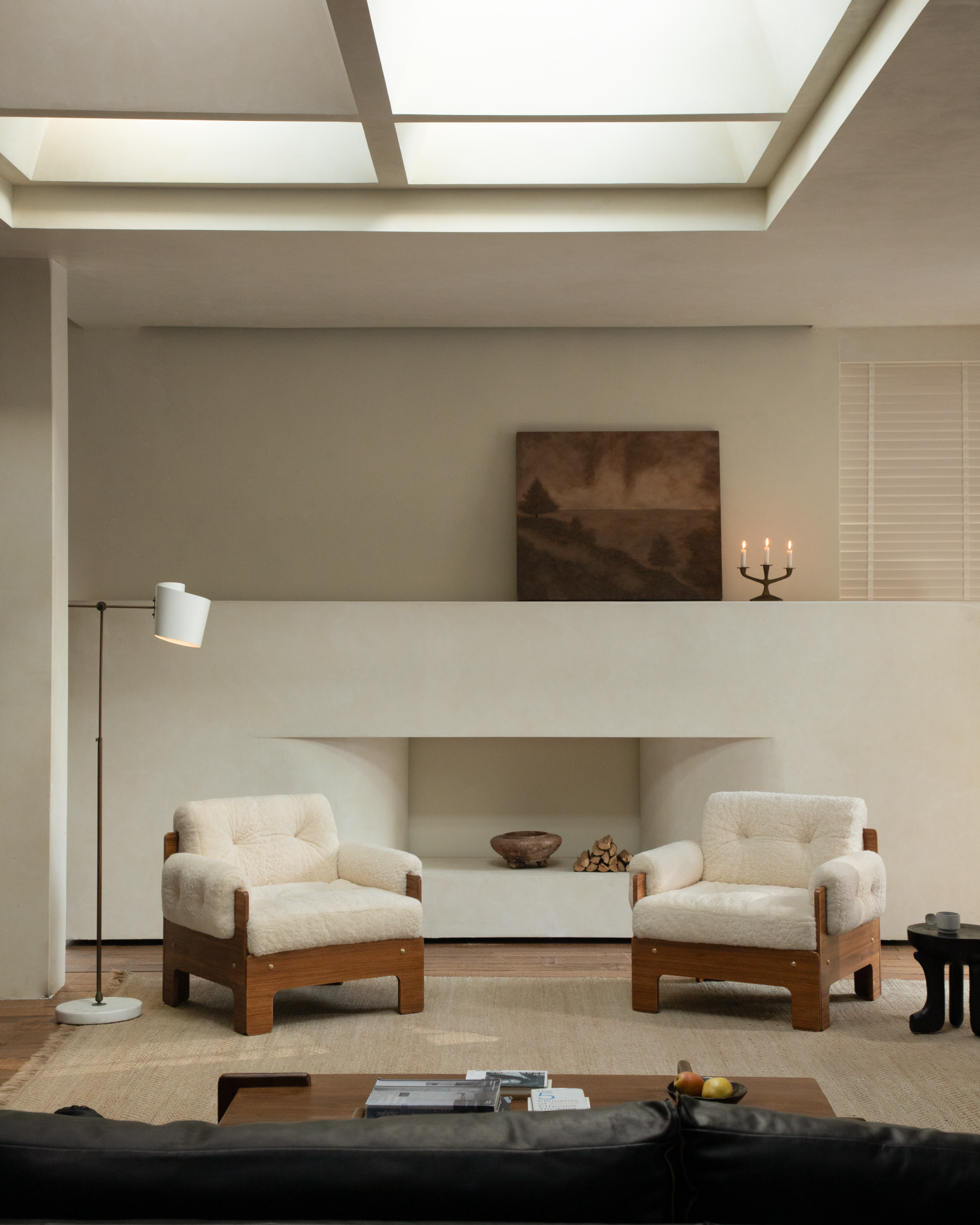
Arc Shearling Lounge Chair
Choosing the Best Armchair for Living Room Lifestyles
Selecting ideal furniture requires reviewing your personal space and habits carefully. Asking simple practical questions upfront guarantees your choice serves your house well for years.
- What is the room layout? Open spaces thrive with swivel features; narrow, wall-bounded spaces benefit from stationary legs.
- Who uses the seat most? Children often love spinning on swivel seats, which might cause safety concerns in small spaces. Adults seeking quiet reading usually prefer stationary bases.
- What fabric fits your life? Busy homes benefit from performance weaves, while low-traffic corners shine with soft linen upholstery.
- How often will you move the chair? If you constantly shift furniture around during social gatherings, dynamic swivel bases save your floors from wear and tear.
Choose the Right Living Room Seating for Your Daily Routine
Finding great furniture comes down to how your family uses the room. Swivel bases adapt smoothly to dynamic social spaces where activity shifts fast. Fixed legs anchor cozy corners with steady comfort and timeless lines. Picture your everyday habits, check your room dimensions, and select the design that feels like a natural fit.

FAQ about Swivel Armchair and Stationary Armchair
Q1: Are swivel armchairs comfortable for everyday use?
Yes, high-quality swivel designs provide the same cushion support, ergonomic back angles, and foam density as fixed chairs. The internal rotating mechanism sits underneath the seat frame, meaning it does not alter the comfort of the cushion itself.
Q2: Do swivel chairs work in small living rooms?
They work well in small rooms because they allow you to face different directions without moving the frame. However, you must place the seat a few inches away from walls and side tables to allow full rotation clearance.
Q3: Are stationary armchairs more durable?
Stationary seats have fewer mechanical parts, which reduces potential wear over long periods. However, high-grade swivel mechanisms built with solid steel ball bearings are extremely durable and built to handle years of regular home use.
Q4: Which style is easier to decorate around?
Stationary chairs with exposed wooden or metal legs are often easier to pair with traditional side tables and standing lamps. Swivel chairs with hidden bases offer a sleeker profile that pairs easily with modern, minimalist, or low-profile coffee tables.