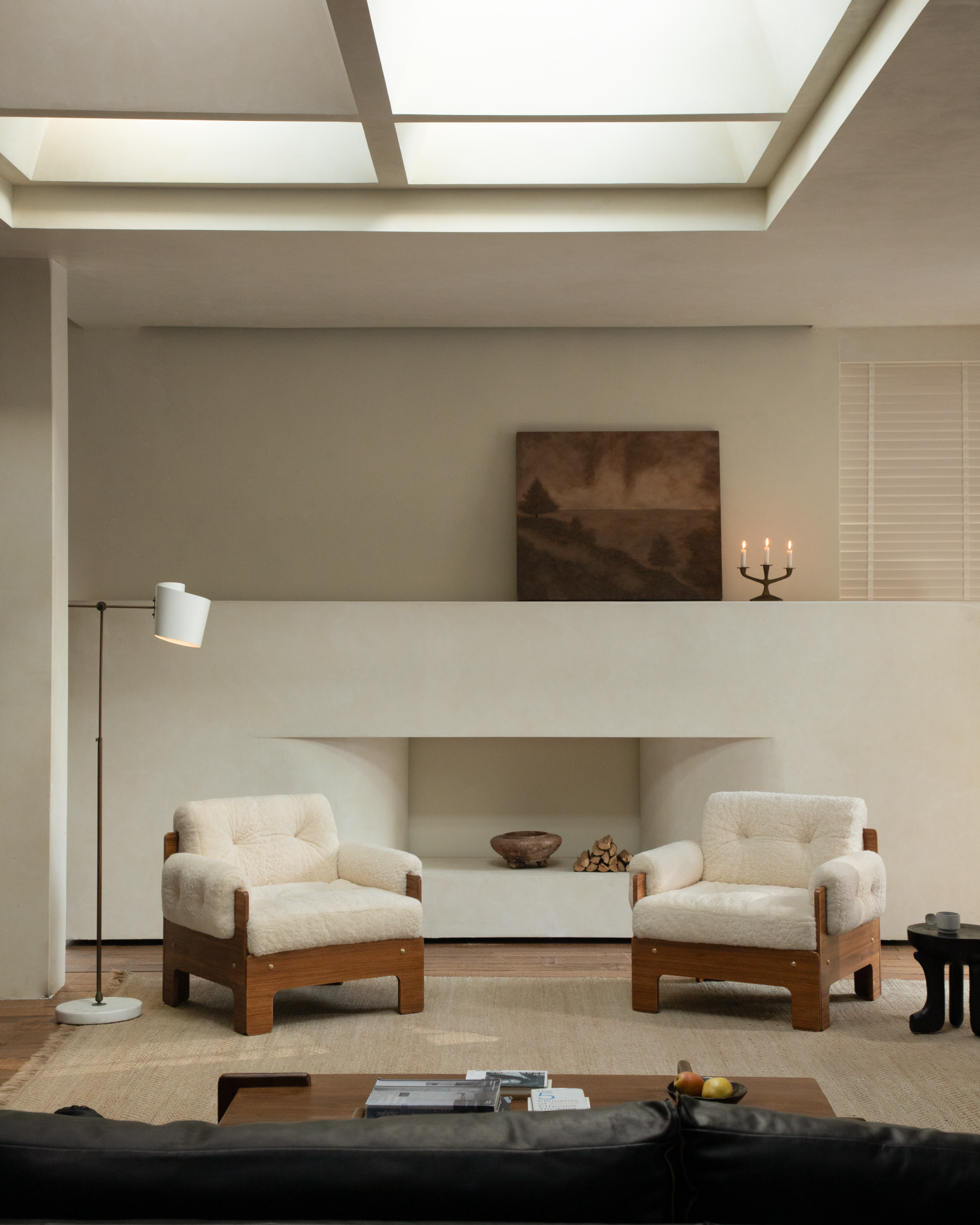
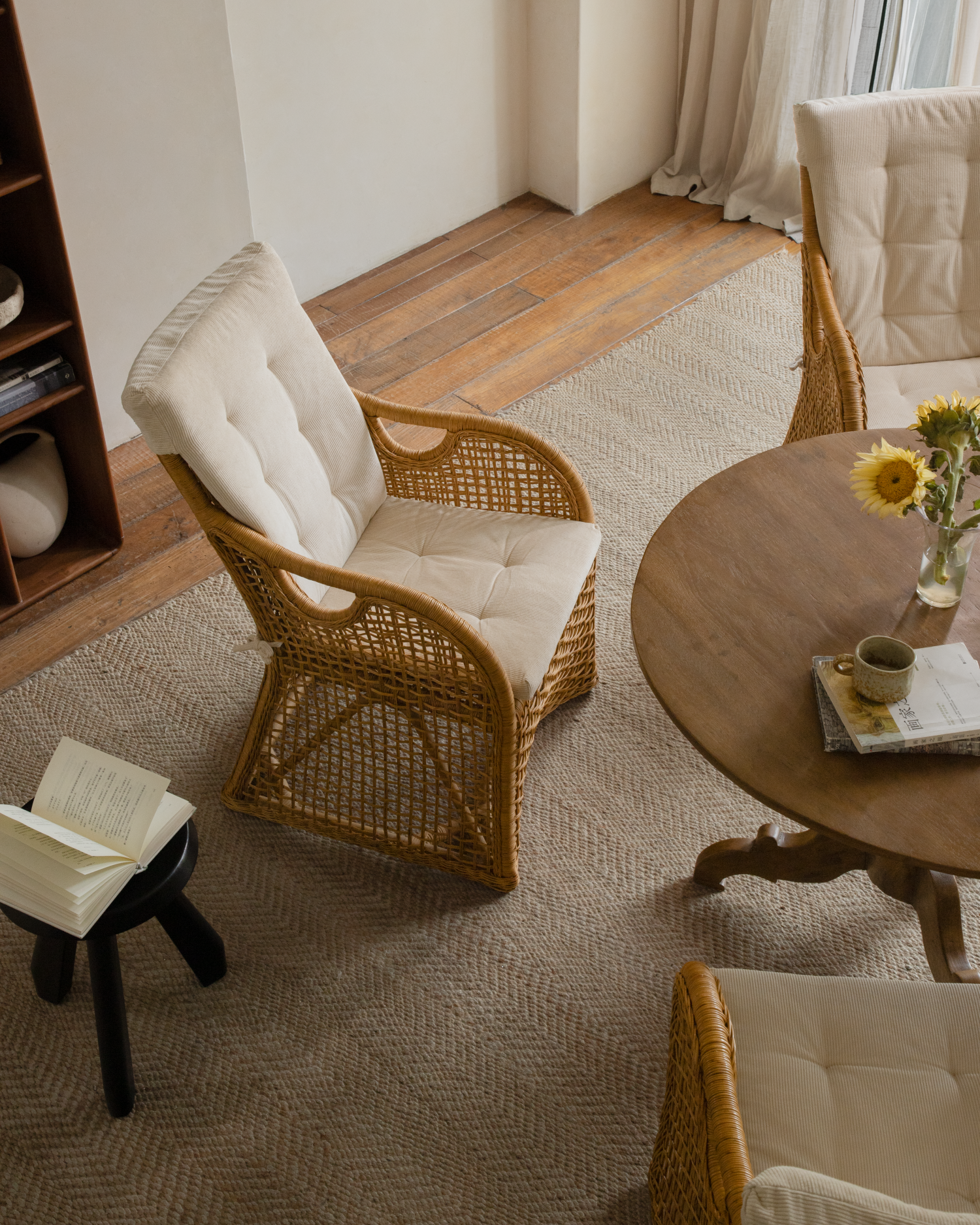
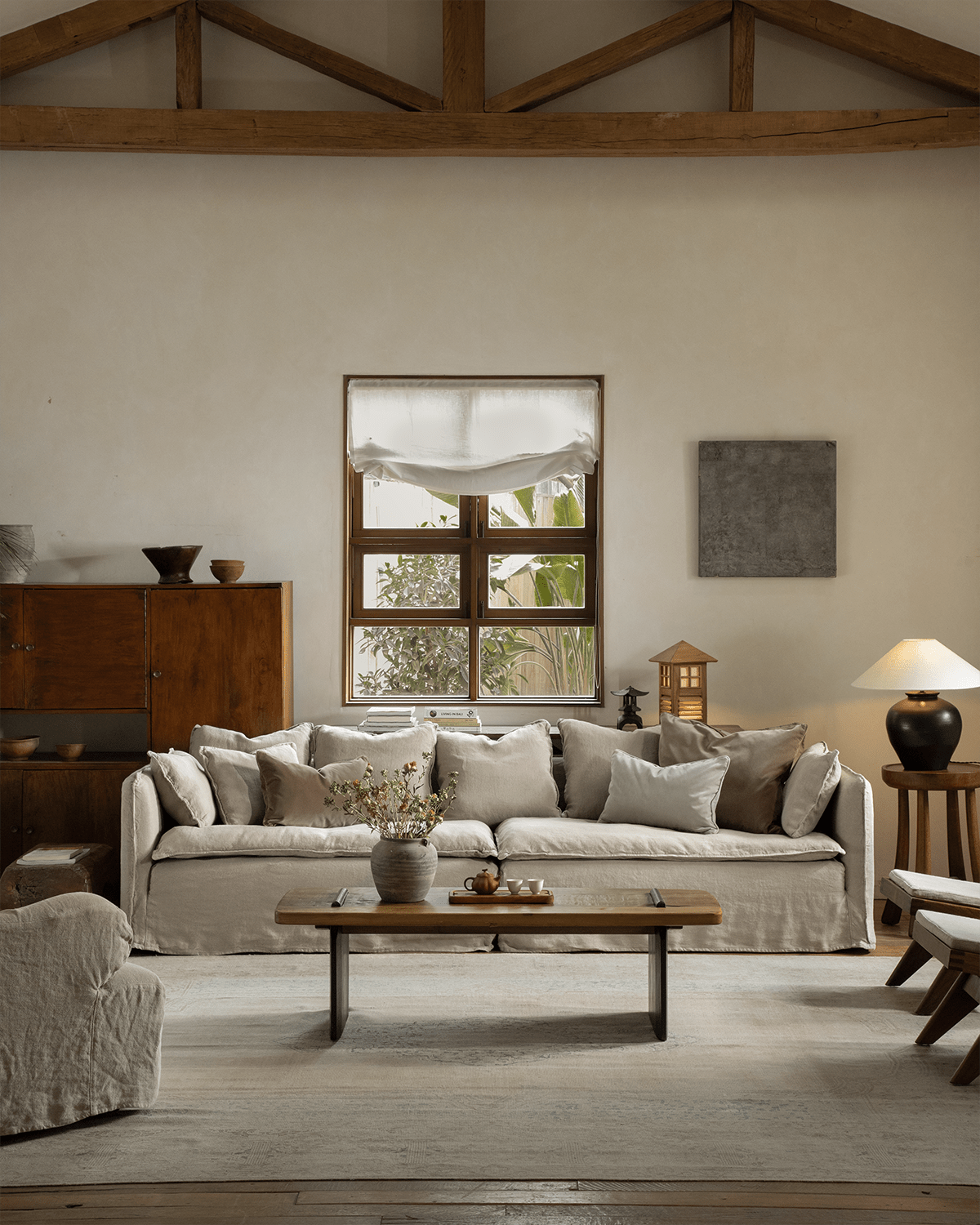
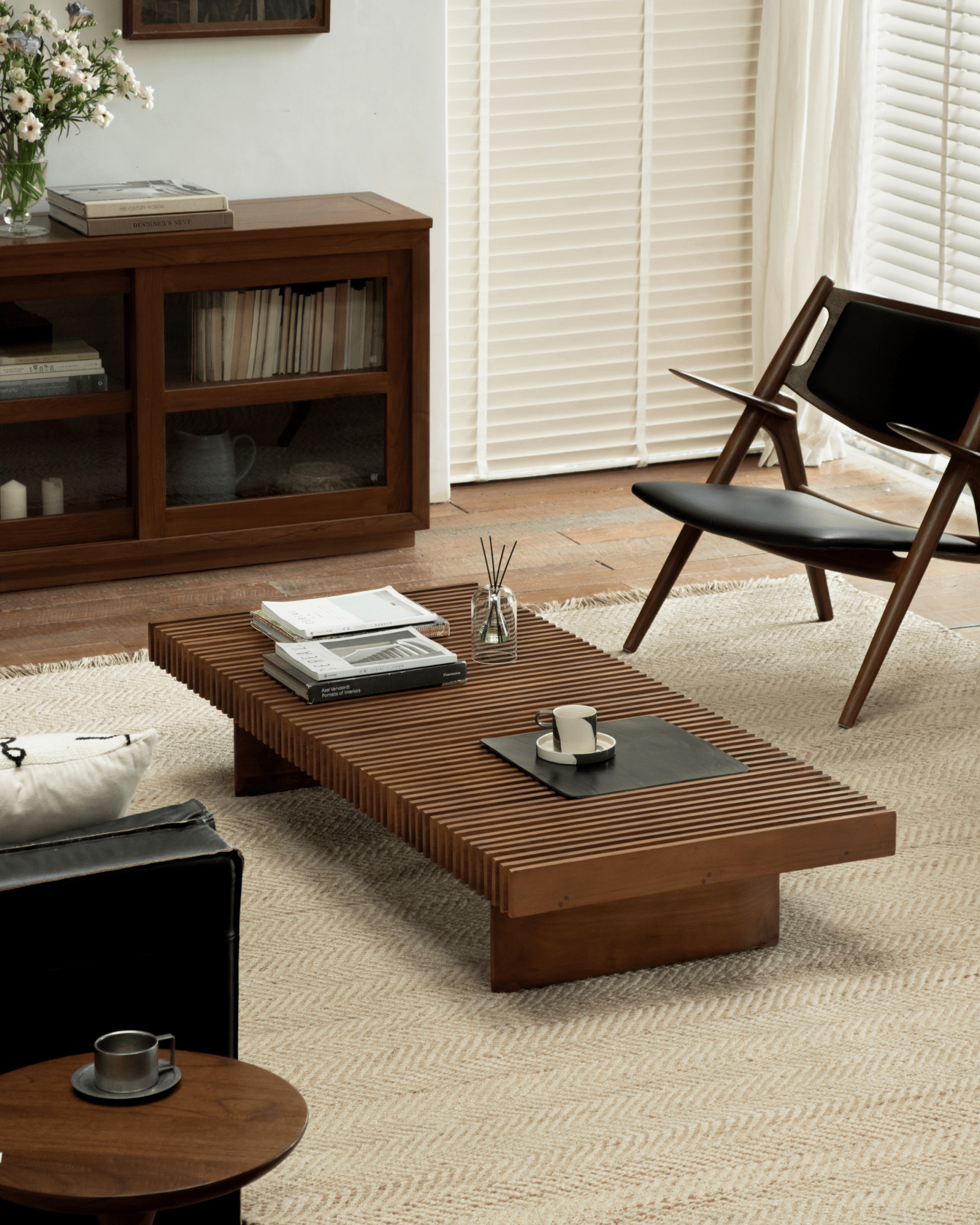



Mid-century stools can still look current in 2026, especially when their warm materials and clean shapes support the room around them. They are more likely to feel dated when several conspicuous retro details—ornate legs, strong period colors, theatrical curves, and competing vintage pieces—appear together. The practical test is simple: choose a restrained profile, match the stool to the surface and available space, and repeat only one or two visual cues elsewhere.
Why Mid-Century Stools Still Feel Current in 2026
Mid-century stools remain a useful design reference because the original style brought together practical forms, modern production, craftsmanship, and warmth. That history does not mean every stool is timeless or that the category is universally trending, but it does explain why selected mid-century cues can work in a contemporary home.
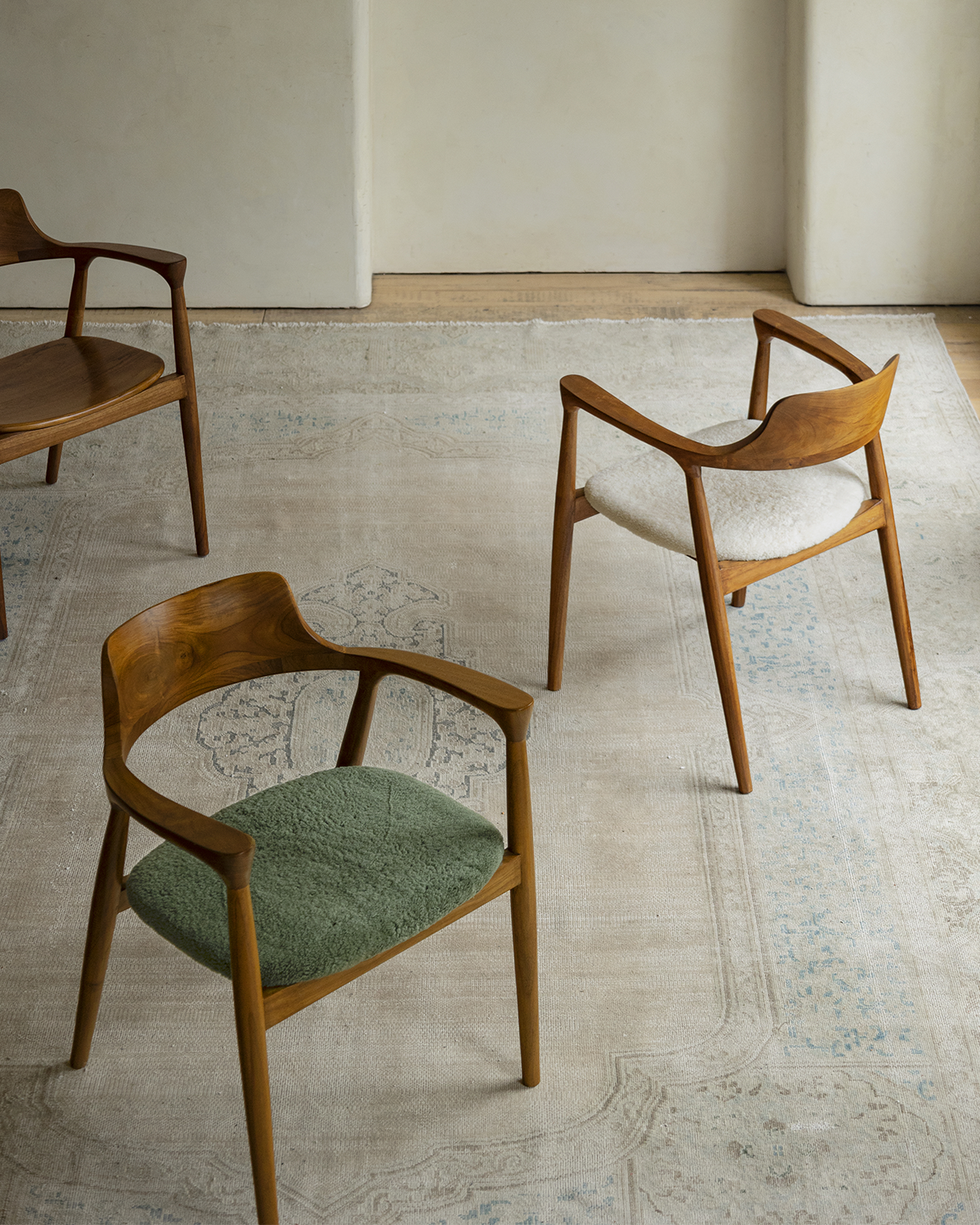
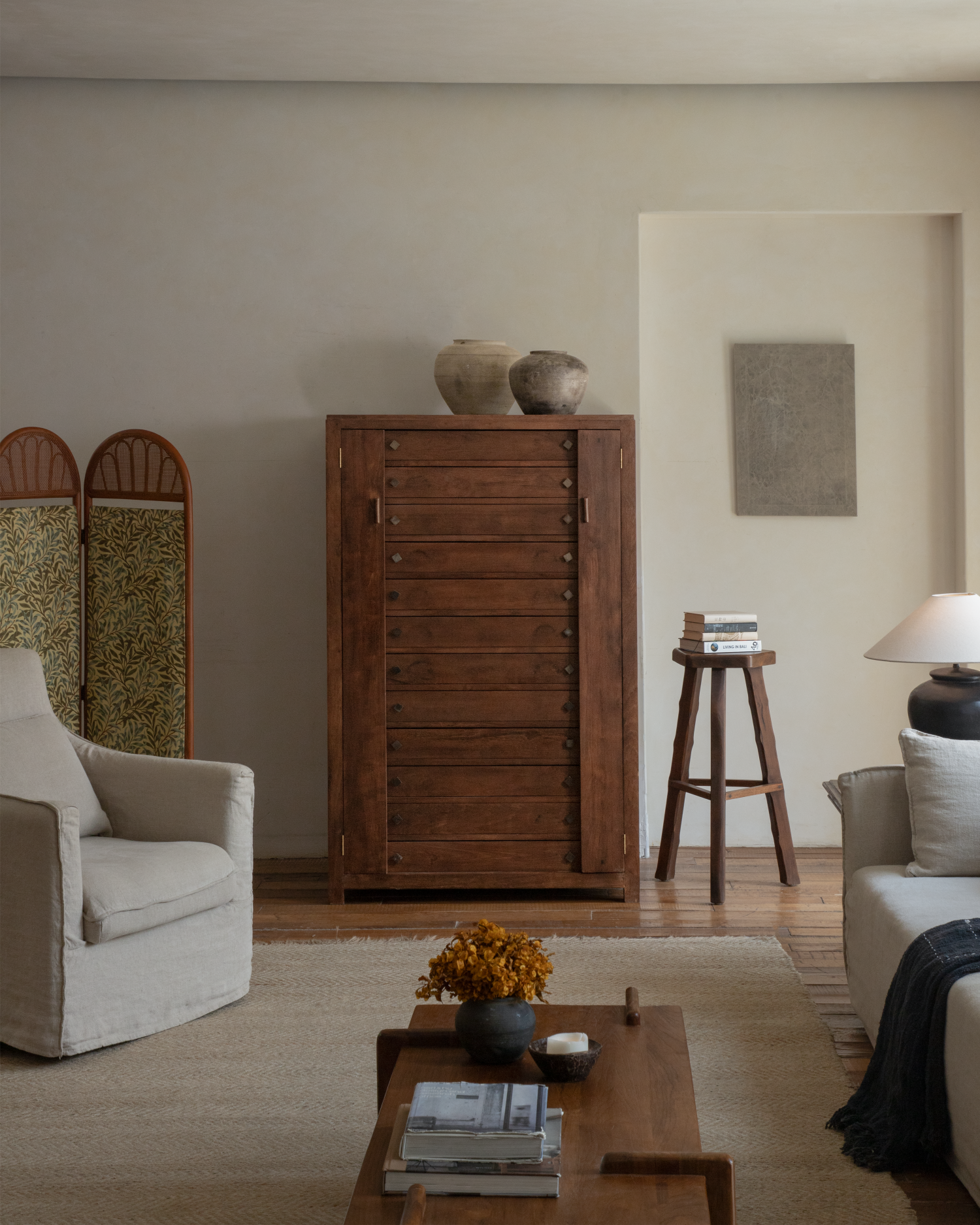
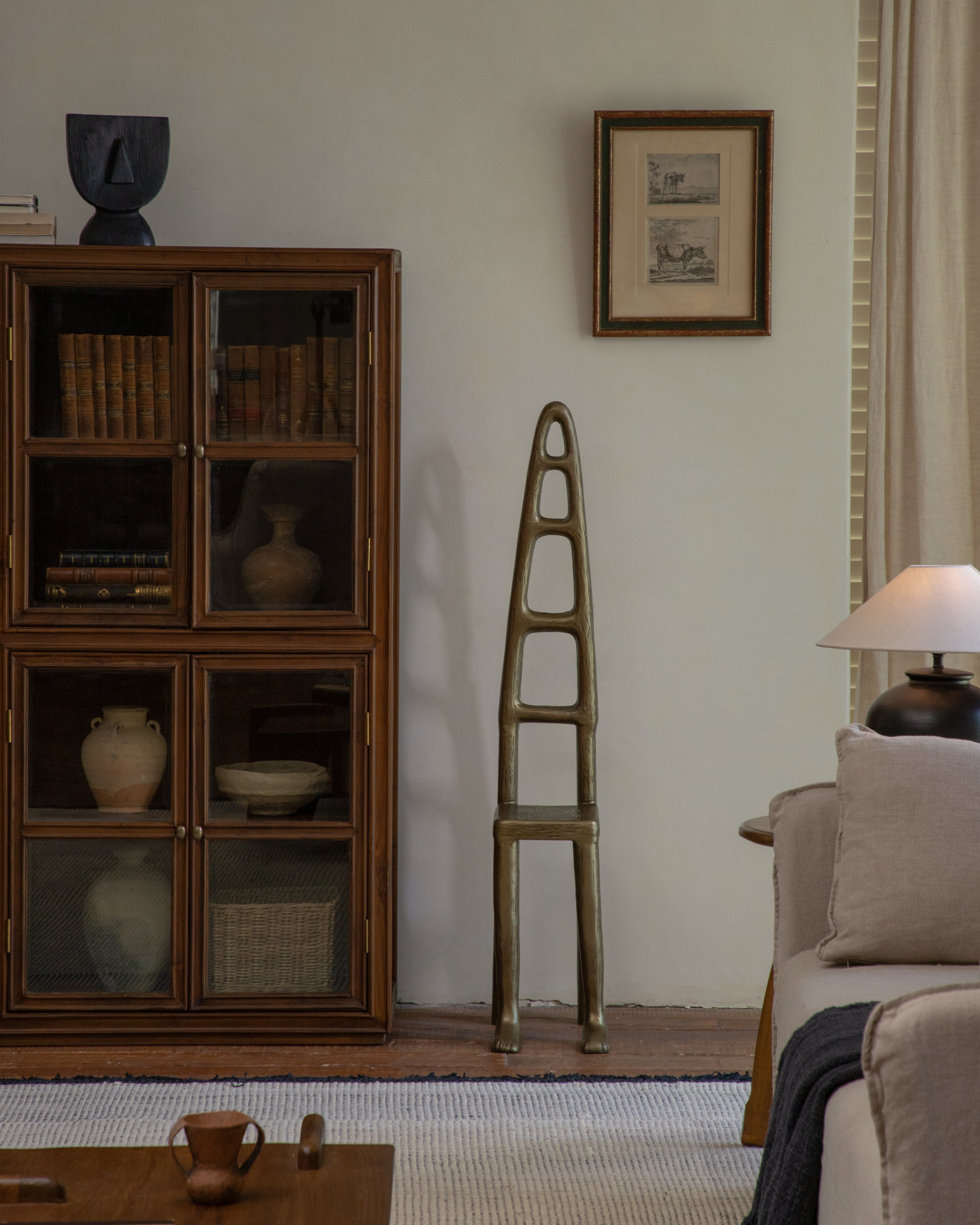
A current-looking room usually borrows a few recognizable elements rather than recreating a complete period set. A simple wood frame, tapered legs, a woven detail, or a gently curved seat can provide the reference, while the cabinetry, lighting, flooring, and surrounding furniture keep the composition up to date. Design history also shows that modern forms are often reinterpreted instead of copied unchanged, as the Smithsonian's design-after-modernism collection illustrates.
Use this current-versus-dated test before choosing:
- More likely to feel current: one clear mid-century cue, open visual space, compatible scale, and materials that echo the room.
- More likely to feel dated: several loud retro references, a bulky footprint, clashing wood tones, or a silhouette that competes with busy cabinets and lighting.
- Probably not a fit: a highly theatrical stool in an already layered room, or any stool that fits the mood but obstructs movement around the island.
If you like the design language, browsing mid-century modern furniture can help you compare category-level shapes without treating the style label as a performance guarantee.
The Details That Make the Look Feel Timeless
The safest path to current-looking seating is an edited silhouette, proportionate scale, compatible material and finish, and controlled contrast. Treat these as styling tendencies rather than guarantees: the surrounding room should determine how much visual emphasis the stool can carry.
| Design factor | Current-looking choice | Dated-looking tendency | Room condition to check |
|---|---|---|---|
| Silhouette | Simple profile with one recognizable mid-century cue | Several decorative features competing at once | Whether cabinets, lighting, or artwork already have strong shapes |
| Scale | Footprint and visual weight proportionate to the island or table | Bulky seat, oversized back, or crowded leg structure | Available floor area, sightlines, and movement around the surface |
| Material | Wood, woven texture, leather, or upholstery that connects to existing finishes | A material chosen only because it signals a period | Nearby textures, spill exposure, and the model's care instructions |
| Finish | Controlled sheen and a wood tone that relates to the room | High contrast or multiple unrelated wood finishes | Daylight and the actual colors of cabinets, flooring, and counters |
| Color | One deliberate accent or repeated tone | Several saturated retro colors creating a theme | Whether the rest of the room is quiet enough to support the accent |
Silhouette and Scale
Start with the profile, not the color. Check the leg angle, seat shape, back height, footprint, and relationship to the island or table. A recognizable reference works more easily when the overall form has visual breathing room instead of a heavy base paired with several decorative details.
Use this quick check:
- Profile: Does one defining curve, taper, or turned detail do most of the stylistic work?
- Scale: Is the seat and base proportionate to the surface, nearby cabinetry, and available floor area?
- Sightline: Will the back or leg structure crowd the room when viewed from the adjacent dining or living area?

Wood, Woven, and Upholstered Finishes
Material changes the mood of the room, but it does not create a universal ranking. Wood generally reads as warm and structured; woven texture adds visual softness; leather or upholstery can introduce a smoother or more tailored note. The right choice depends on the room's existing surfaces and your household's realistic cleaning needs.
| Material direction | Visual effect | Maintenance question | Room character that may suit it |
|---|---|---|---|
| Wood | Warm, defined, and visually simple | What cleaning and conditioning does the specific finish require? | Kitchens with wood cabinets, floors, or other natural accents |
| Woven | Textured and lighter in appearance | How will the material handle spills, crumbs, and regular cleaning? | Organic modern or relaxed rooms that need softness |
| Leather | Smooth and tailored | What does the manufacturer specify for wiping and conditioning? | Rooms with clean lines and a controlled material palette |
| Upholstery | Softer and more decorative | Is the fabric suitable for the household's spill exposure? | Breakfast nooks or dining areas where textile continuity matters |
If woven texture is part of your plan, compare it with the room's other natural elements through woven furniture, rather than assuming the material will automatically make the space feel more modern.
Color and Contrast
A controlled accent can feel deliberate; several competing retro colors can make the kitchen feel themed. Repeat one finish, tone, or textile note in a nearby chair, pendant, rug, or piece of art. When possible, compare finish samples in the room's actual daylight because a warm wood tone can look very different beside cool counters or low-light cabinetry.
Where These Stools Work Best at Home
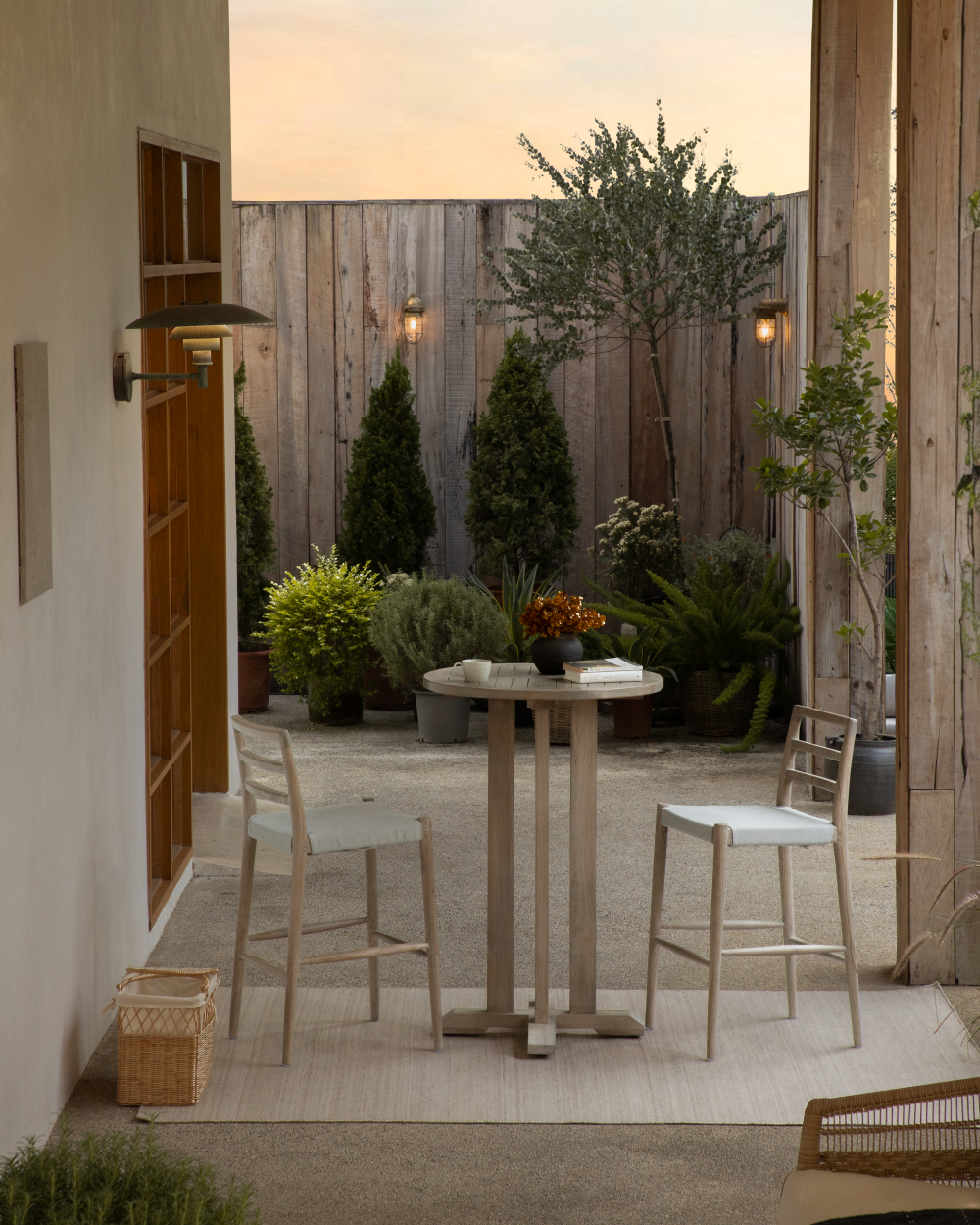
These stools fit most naturally where their height, footprint, and visual weight suit the surface. Common matches include:
- Kitchen islands and counters: Confirm the surface category and the model's published dimensions.
- Breakfast nooks: Compare the stool with the table or built-in surface rather than assuming island proportions.
- Open-plan dining areas: Check the full sightline from the kitchen and nearby seating.
- Living rooms: Treat occasional seating as a separate use case, with storage and movement checked first.
Treat the style label as a starting point and compare the specific model's published dimensions.
Kitchen Islands and Counters
Use this sequence before shopping:
- Identify the surface category. Decide whether you need seating for a counter-height, bar-height, or another surface. Do not rely on a listing label alone if the surface is custom-built.
- Measure the actual surface. Record the usable height, depth, and nearby floor area. Then compare those measurements with the specific stool's seat height, width, depth, and overall footprint.
- Check clearance and movement. Look at leg clearance, the path behind the stool, cabinet and appliance doors, and how far a backed form projects into the room.
- Assess the visual relationship. Compare the stool's profile and finish with the cabinets, countertop, flooring, and lighting. Warm wood can connect a mixed-finish kitchen, while a high-contrast accent may need more visual space.
For a more detailed measurement workflow, use this stool sizing guide. If you are planning more than one seat, the guide can help you think through the layout; do not treat any general spacing figure as a substitute for your island's dimensions and circulation needs.
Backless forms may preserve sightlines and make a compact kitchen feel less crowded, while backed forms create a stronger visual presence. Neither is automatically the better choice: verify the specific model's foot support, footprint, and sitting experience for the way you use the island.

Breakfast Nooks and Dining Areas
Match the stool's scale to the table or built-in surface rather than borrowing an island seating assumption. Dining-height seating and occasional seating have different proportions, and a stool that looks right beside an island may appear too small or too substantial at a breakfast table.
A more expressive silhouette can work here when nearby chairs, textiles, or art provide a connecting line or color. In an open-plan room, step back and judge the complete sightline from the kitchen to the dining area. The stool should contribute warmth without becoming the only period-specific object in view.
How to Style Them With Modern Decor
Use a simple method: choose the stool's main cue, select one supporting material or color, keep the surrounding shapes contemporary, and limit additional retro references. Current kitchen coverage has emphasized warmer palettes and layered finishes, including wood, but that is editorial context rather than proof of a universal rule. The practical question is whether the stool reduces or adds visual noise.
Japandi and Minimalist Kitchens
- Choose quiet wood tones, low contrast, and a simple profile.
- Balance wood or woven texture with smooth cabinetry and uncluttered lighting.
- Repeat the finish in one nearby detail instead of adding several vintage-looking pieces.
- Leave negative space around the stool so its shape reads as intentional rather than cluttered.
This approach adds warmth without disrupting the calm structure associated with Japandi or minimalist kitchen design.
Organic Modern Spaces
- Combine natural-looking texture with clean-lined cabinetry, stone, or metal.
- Use woven detail or upholstery to soften sharper kitchen elements.
- Limit competing wood tones; compare samples in daylight before committing.
- Let one material provide warmth while another supplies contrast, rather than layering several rustic finishes.
The result should feel collected instead of themed. Warm wood can connect to a natural surface, but it does not need to match every wood item exactly.
A Focused Retro Accent
A butterfly stool or another sculptural form can work as a focused accent when surrounding colors and shapes stay controlled. Keep the cabinetry, lighting, and accessories contemporary so the accent reads as a deliberate reference rather than an attempt to reproduce an entire 1950s or 1960s room. If the silhouette is the loudest element in the kitchen, reduce contrast elsewhere.

A Practical Checklist Before You Buy
Use this checklist in order. If a stool fails the practical fit, skip it even if the appearance is exactly right.
- Define the use. Write down whether the seating is for a counter-height surface, bar-height surface, dining-height table, breakfast nook, or occasional living-room use.
- Measure the surface and floor area. Record the actual surface dimensions and the space available for pulling the stool in, sitting, and moving around it.
- Compare the specific model's dimensions. Check seat height, seat width, depth, back height, overall footprint, and any published foot-support details. Exact fit is model-specific.
- Plan the quantity and spacing. Determine how many seats the surface can accommodate without blocking drawers, doors, appliances, or walkways. Use the published dimensions rather than assuming a universal number.
- Judge the silhouette in context. Choose a restrained form when the room is already busy. Use a stronger retro detail only if the surrounding palette and shapes can support it.
- Coordinate materials and color. Look for one shared wood tone, textile, finish, or line. Compare samples in the room's light, especially when the kitchen combines cool stone with warm wood.
- Review care instructions. Ask whether the specific wood, woven material, leather, or upholstery has care limitations that conflict with spills, pets, children, or frequent use. A wood stool care guide can provide general context, but the model's instructions take priority.
- Check store terms before ordering. Review current shipping, returns, warranty language, and any assembly or delivery conditions for the exact item. If those details are unavailable, treat them as unresolved checks rather than assumptions.
The final decision is straightforward: choose this style when the dimensions work, the finish supports the room, and the retro reference is controlled. If the stool crowds the surface, clashes with the existing palette, or lacks clear care and policy information, keep comparing stool styles rather than forcing the look.
FAQ about Mid-Century Stools
Q1: What Height Stool Should I Use at a 36-Inch Kitchen Counter?
A 36-inch counter does not determine the right stool by itself. Measure the finished surface, account for any edge or apron, and compare the model's published seat dimensions and leg clearance.
Q2: Can I Mix These Stools With Nonmatching Dining Chairs?
Yes, if wood tone, color, scale, or a repeated line connects them. Judge the full sightline in an open-plan room and keep finishes quieter when the silhouettes differ sharply.
Q3: Are Backless Stools a Good Choice for a Small Kitchen?
They may preserve sightlines, but check foot support, storage, footprint, and the intended sitting time. Backless seating is not automatically more comfortable or suitable.
Q4: How Do I Choose Between Wood, Woven, and Upholstered Seating?
Start with the room's visual need, then check spill exposure and the manufacturer's care instructions. Choose the material that fits both the palette and your routine.
Q5: Do These Stools Work in a Rental Kitchen?
They can add a reversible change without altering cabinets or counters. Measure the existing surface, check storage and movement, and review current return terms before ordering.


French Stools