


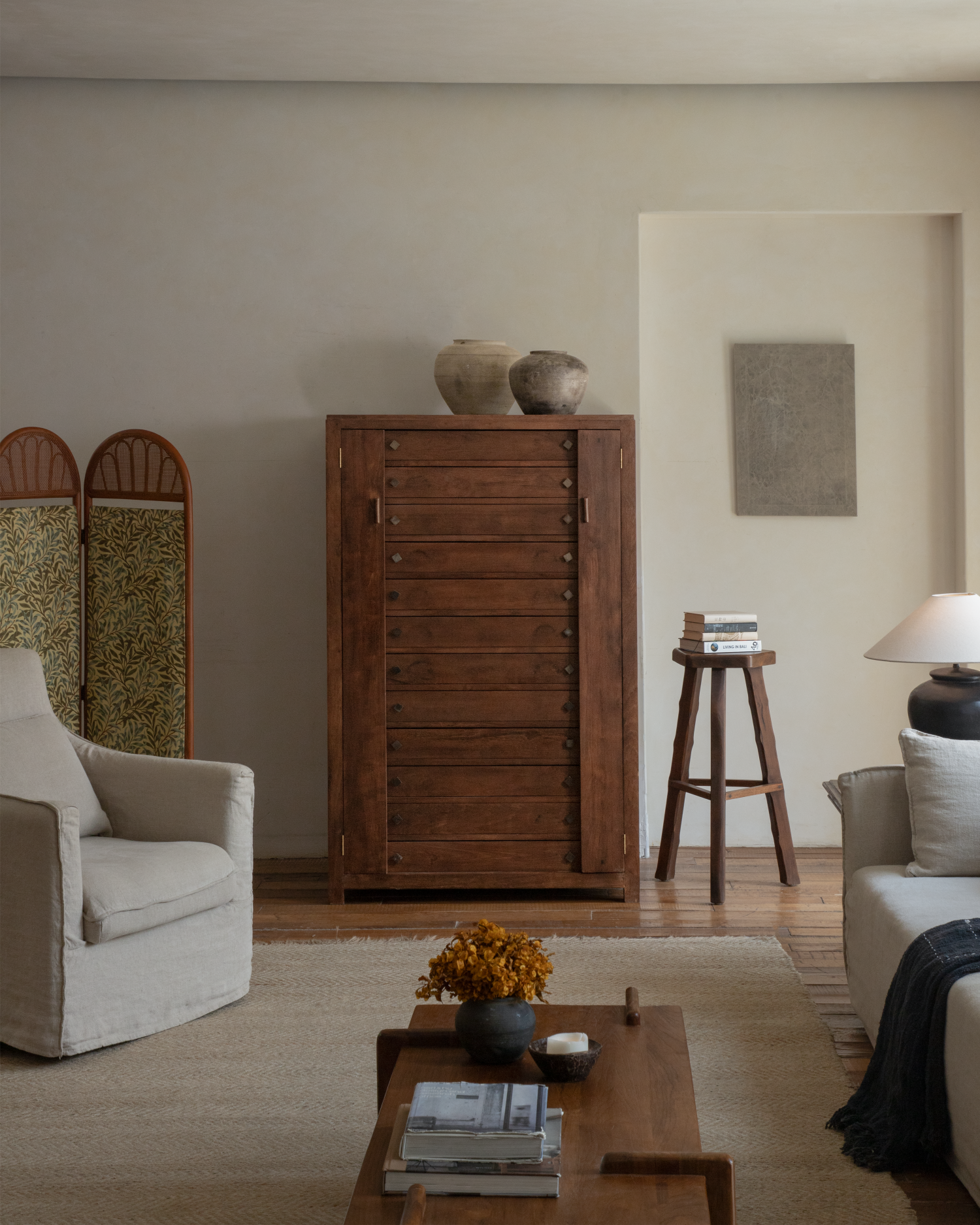

Wooden stools are handy for quick meals or reaching high shelves, but daily use takes a toll. Spills, sunlight, and constant movement can cause the wood to fade or the joints to loosen. Because wood changes with the air around it, ignoring these issues leads to cracks and wobbles. Keeping your seating sturdy and attractive is easy with a few basic habits. This advice covers simple ways to protect your furniture from wear and tear so it stays in top shape for years to come.
Identify the Finish on Your Wooden Stools
Maintenance depends on the type of coating on your stool. Knowing the surface prevents you from using the wrong products that might cause permanent damage.
Types of Wood Finishes
- Natural Finish: The wood is bare or has a very thin layer. It feels like raw wood and absorbs liquids quickly.
- Oil Finish: This soaks into the wood to prevent drying. It looks natural but does not have a hard outer shell.
- Wax Finish: This provides a soft shine. It looks great but can be damaged by heat or scratches.
- Sealed Coating: Products like lacquer or polyurethane create a hard, plastic-like barrier. This is the most durable type.
How to Tell the Difference
Check the wood grain to see how it reacts to moisture. Drop a tiny bit of water on a hidden spot. If the water beads up and stays on top, the surface is sealed. If the water soaks in and leaves a dark spot, the wood is porous.
Why the Finish Matters
Unfinished or lightly oiled wood needs regular conditioning to stay strong and avoid cracks. Sealed surfaces are much easier to handle. These usually only need a gentle surface wipe to remove dust and dirt. Identifying the finish first ensures your cleaning efforts help rather than hurt your furniture.
Clean Your Wood Seating the Right Way
Dust is actually quite abrasive. Over time, tiny dust particles can act like sandpaper when people sit and move on the stool. Keeping your stools clean doesn't require a lot of work, but using the right tools ensures you don't scratch the surface.
- Use a soft, lint-free cloth or a microfiber duster at least once a week. Make sure to wipe the seat, the legs, and those small areas where the rungs meet the legs. This prevents grime from building up in the joints.
- For sticky spots, like food spills or greasy fingerprints, a dry cloth might not be enough. In these cases, use a slightly damp cloth. Use water mixed with a tiny amount of mild dish soap. Do not soak the cloth; it should feel just barely wet. Wipe the dirty spot gently. Right after you wipe it with the damp cloth, use a separate dry towel to remove any moisture. Wood and water do not mix well. If moisture sits on the wood, it can get under the finish and cause cloudy white spots or even rot the wood over time.
Avoid Common Mistakes When Cleaning Wood
Using the wrong methods can quickly ruin a good wooden stool. Knowing which habits to avoid will help you keep the wood in top condition for much longer.

Skip Harsh Chemicals and Tools
- Avoid Strong Cleaners: Bleach, ammonia, and many all-purpose sprays are too aggressive. They can strip away the finish or leave the wood feeling sticky.
- Stay Away from Alcohol: Products with alcohol can dissolve protective coatings instantly.
- No Abrasives: Never use steel wool or rough sponges. These leave tiny scratches that make the seat look dull and foggy.
Prevent Water Damage
Excess moisture is a major threat to wood furniture. Soaking a stool with water or leaving a wet cloth on the seat can cause the wood fibers to swell. If spills sit too long, the wood may warp, stain, or crack.
To keep the surface smooth, always use soft cloths and products labeled safe for wood. If you use a liquid cleaner, spray it onto the cloth instead of the stool to control the moisture. Wiping up accidents immediately prevents permanent damage.
Protect Wooden Stools from Everyday Damage
Proper placement and careful handling stop wood damage before it starts.
Watch the Environment
- Avoid Sunlight: Keep stools away from sunny windows. Bright light bleaches the wood color and causes the surface to crack.
- Stay Away from Heat: Placing stools near heaters or radiators dries out the wood, leading to warping.
- Keep it Dry: Damp areas can cause wood to rot or grow mold. Always store furniture in a dry, room-temperature spot.
Handle with Care
Lifting a stool is much better than dragging it. Pulling a stool across the floor puts heavy pressure on the legs and weakens the joints. Over time, this makes the seat shaky and unsafe.
Practical Maintenance Tips
- Use Foot Pads: Stick felt pads on the bottom of the legs to prevent scratches.
- Check Parts: Look for loose screws or wobbly rungs once a month.
- Stay Dry: Wipe up any water rings from cups immediately to keep the finish smooth.

Condition and Refresh the Wood When Needed
Dry air can pull moisture out of your furniture, making it look dull and brittle. Periodic conditioning restores this moisture and keeps the surface looking new.
Care for Unsealed Wood
Natural or lightly finished stools need oiling or waxing every few months. This process prevents the wood from drying out and cracking. Without this care, the fibers become weak and lose their rich color.
How to Apply Conditioner
- Apply Thin Layers: Use a clean, soft cloth to rub a small amount of wood oil or wax onto the stool.
- Let it Sit: Give the product about 15 minutes to soak into the wood grain.
- Wipe Away Excess: Use a fresh towel to buff the surface. Removing extra oil prevents the seat from feeling sticky or attracting dust.
Follow Specific Instructions
Always check the label on your wood care bottle to make sure it matches your specific wood type and finish. Using the correct match ensures the wood stays flexible and strong for many years.
Fix Minor Stool Problems Early
Even with great care, small issues like scratches or loose legs can happen. Fixing these problems right away prevents them from turning into a broken stool that you have to throw away.
- If you notice a small scratch, you might be able to hide it easily. For dark wood, some people use a matching wood marker or even a bit of coffee grounds to darken the scratch.
- If the wood is natural or oiled, a very light sanding with high-grit sandpaper followed by a bit of wood oil can make the scratch disappear. Just be careful not to sand through a sealed finish, or you will have to reseal the entire seat.
- Wobbly legs are a safety concern. Check the bottom of the stool once a month. If there are screws, tighten them with a screwdriver. If the joints are glued and have come apart, you may need to clean out the old glue and apply new wood glue. Use a clamp to hold the joint tight while the glue dries for 24 hours. Catching a loose leg early saves the stool from collapsing and prevents the wood around the joint from splintering.
Build a Simple Care Routine for Your Stool
Regular care is much easier than trying to fix a broken or stained stool later. Following a schedule keeps your furniture strong and looking new with very little effort.
Suggested Care Schedule
- Daily: Wipe up spills as soon as they happen to prevent stains.
- Weekly: Dust the seat and legs with a soft cloth to stop grime from building up.
- Monthly: Check for loose screws or wobbly joints. Replace worn foot pads to protect your floors.
- Twice a Year: Apply a deep conditioner or wax to keep the wood from drying out and cracking.
Consistency is Key
Waiting until a stool looks worn out often means the damage is already permanent. Small, quick actions prevent big problems. Tightening a loose bolt today stops a leg from breaking tomorrow.
These simple habits ensure your wood stays healthy and beautiful. Taking a few minutes each month makes a huge difference in how long your seating lasts. Small efforts lead to furniture that stays sturdy for many years.
Keep Your Wooden Stool Sturdy and Bright
Taking care of your furniture pays off. Regular dusting, quick spill cleanup, and protection from the sun stop most problems before they start. Always check your finish before using new oils or cleaners to avoid damage. Fixing a loose screw or a small scratch right away keeps your seating safe and beautiful. These simple habits save you money and ensure your favorite wooden stool stays in top shape for a long time.

FAQs about Wooden Stool Care
Q1: How often should I clean wooden stools?
You should dust your stools once a week to prevent dirt buildup. Spills should be cleaned up the second they happen. If you use the stools every day, a quick wipe with a damp cloth once a month is usually enough to keep them fresh.
Q2: Can I use all-purpose cleaner on wooden stools?
It's suggested that you avoid all-purpose cleaners. They often contain chemicals that can eat away at the wood's finish or leave a dull film. A mix of very mild soap and water is a much safer choice for wood.
Q3: Do all wooden stools need oiling?
No, they do not. Stools with a hard, clear coat like polyurethane are sealed, so oil won't soak in. Only stools with a natural, "open" grain or an existing oil/wax finish need periodic oiling to stay hydrated.
Q4: What is the best way to prevent wooden stools from wearing out?
The best way is a combination of things: keep them out of direct sun, don't drag them across the floor, and keep them dry. Checking for loose screws every few months also ensures they stay safe to sit on.