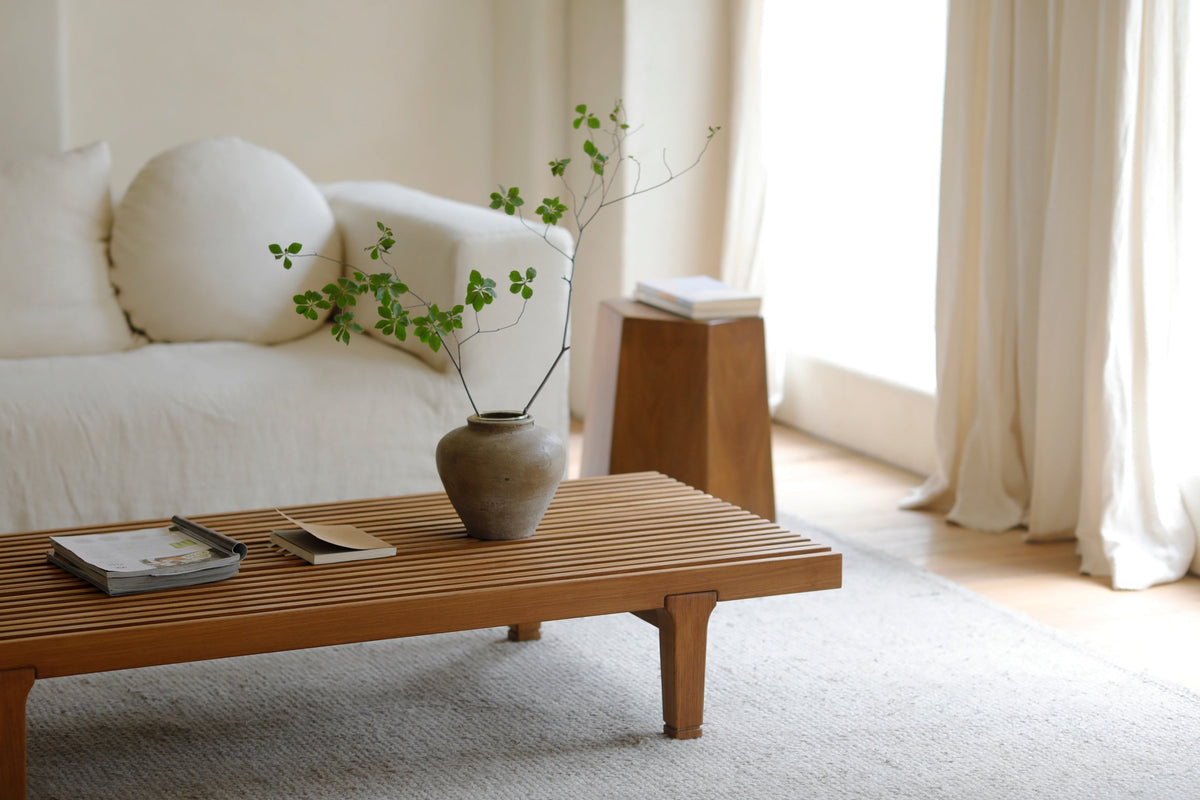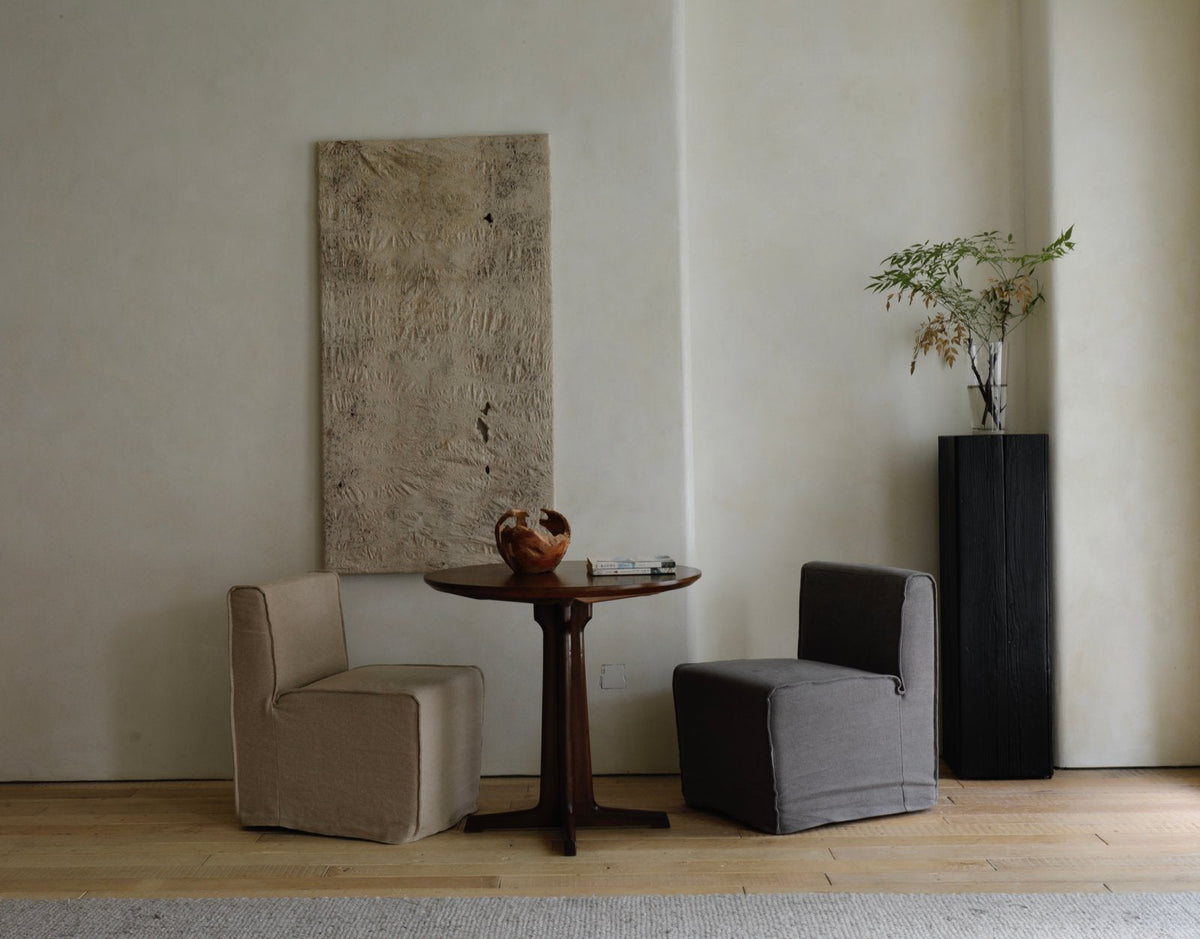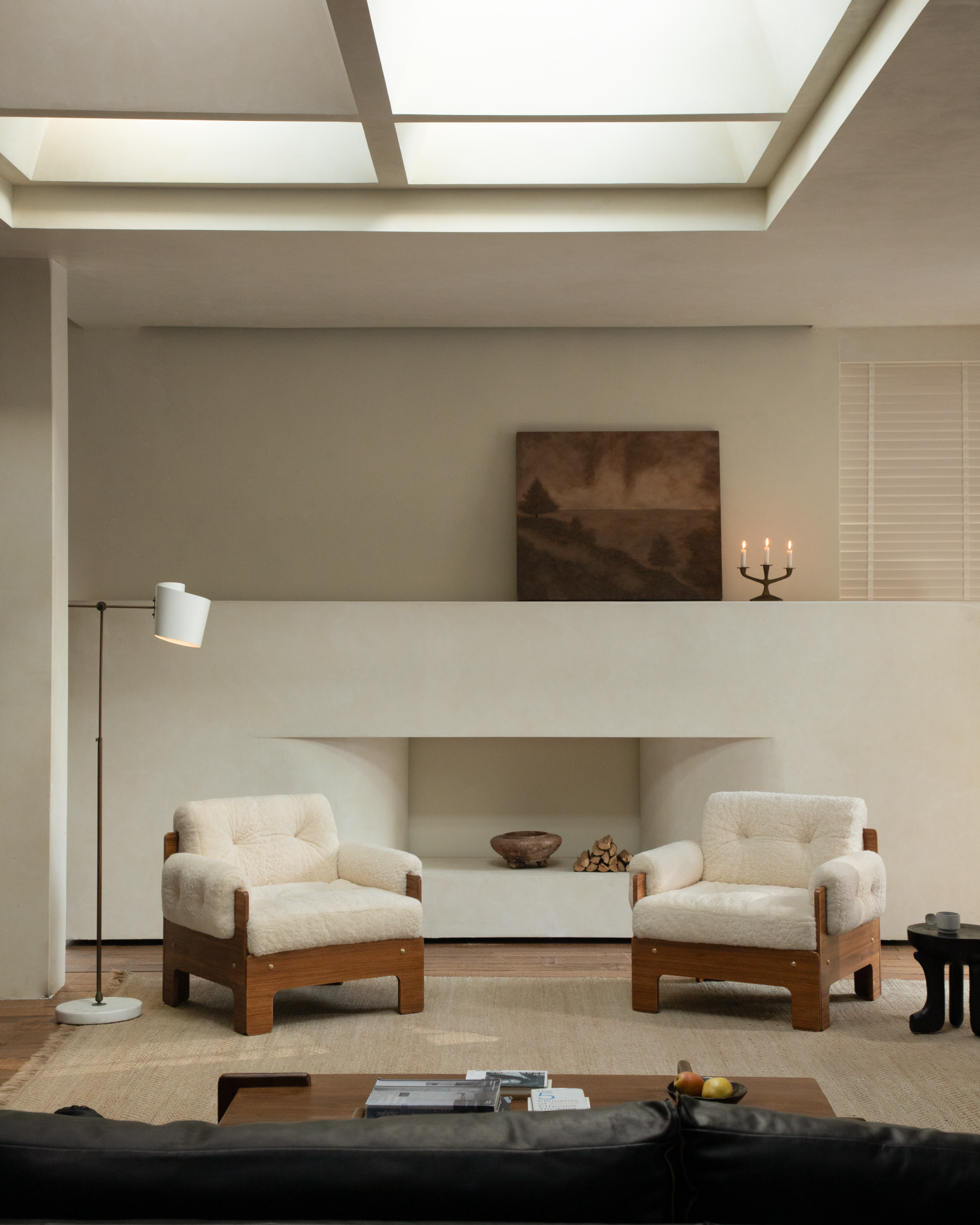
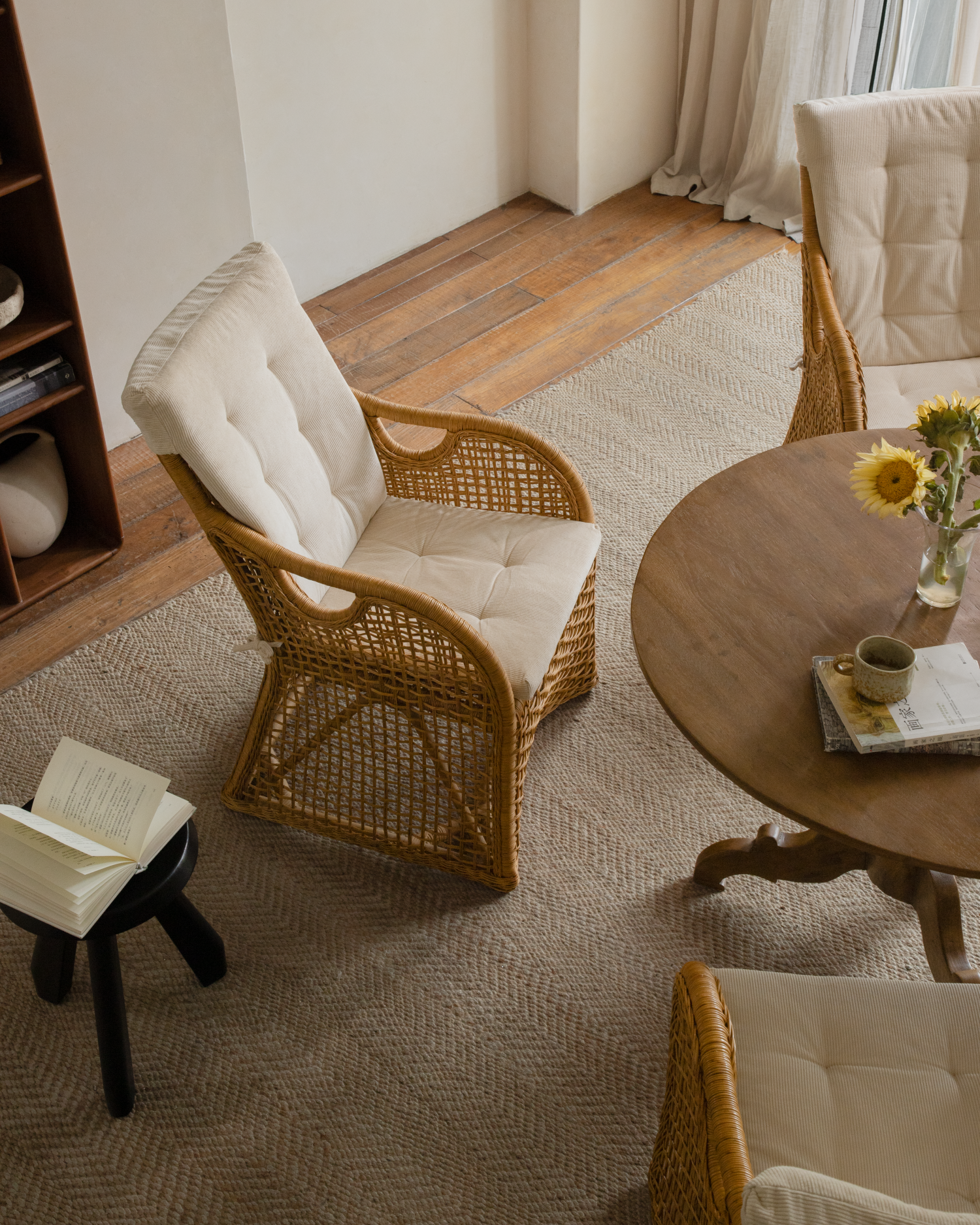

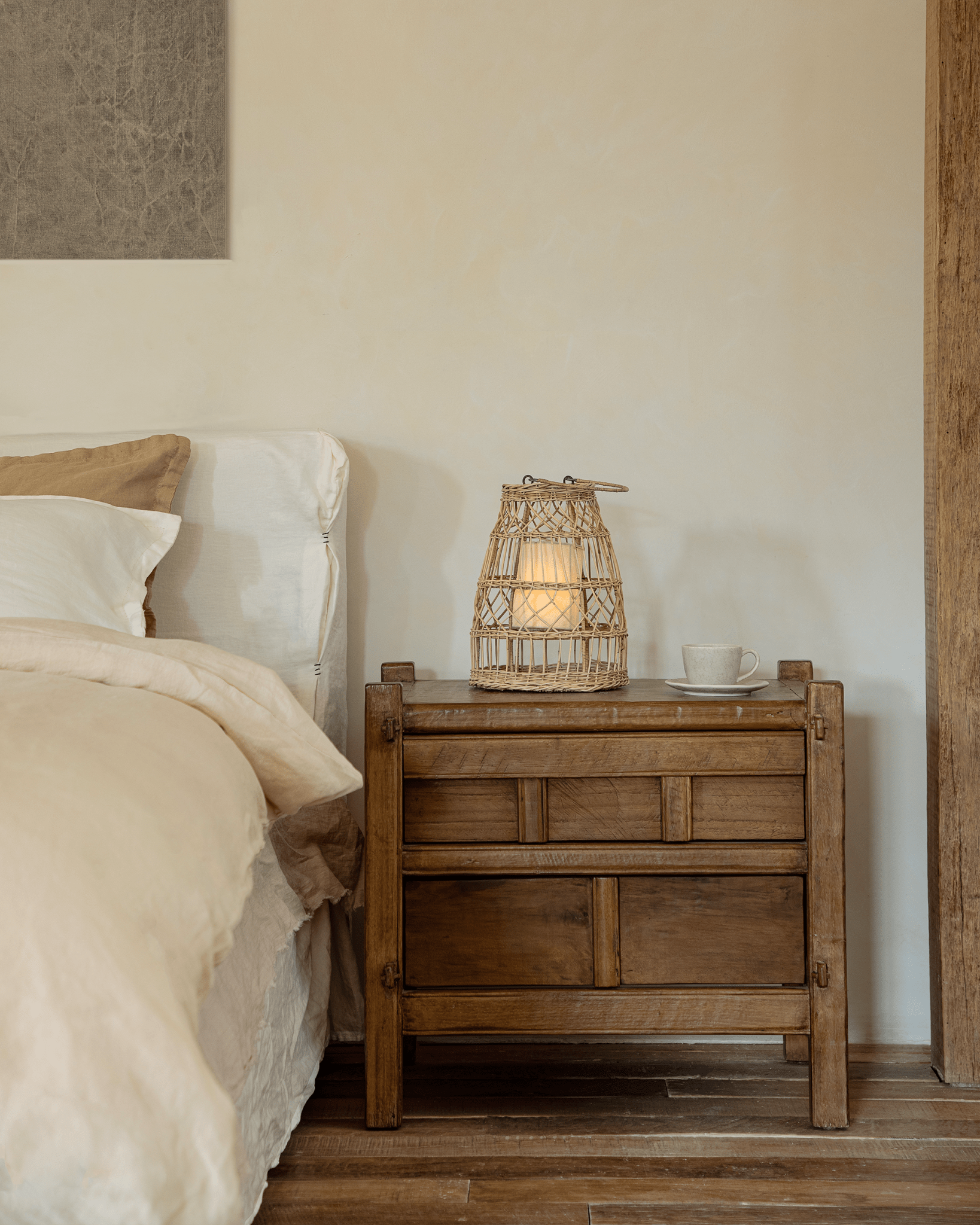
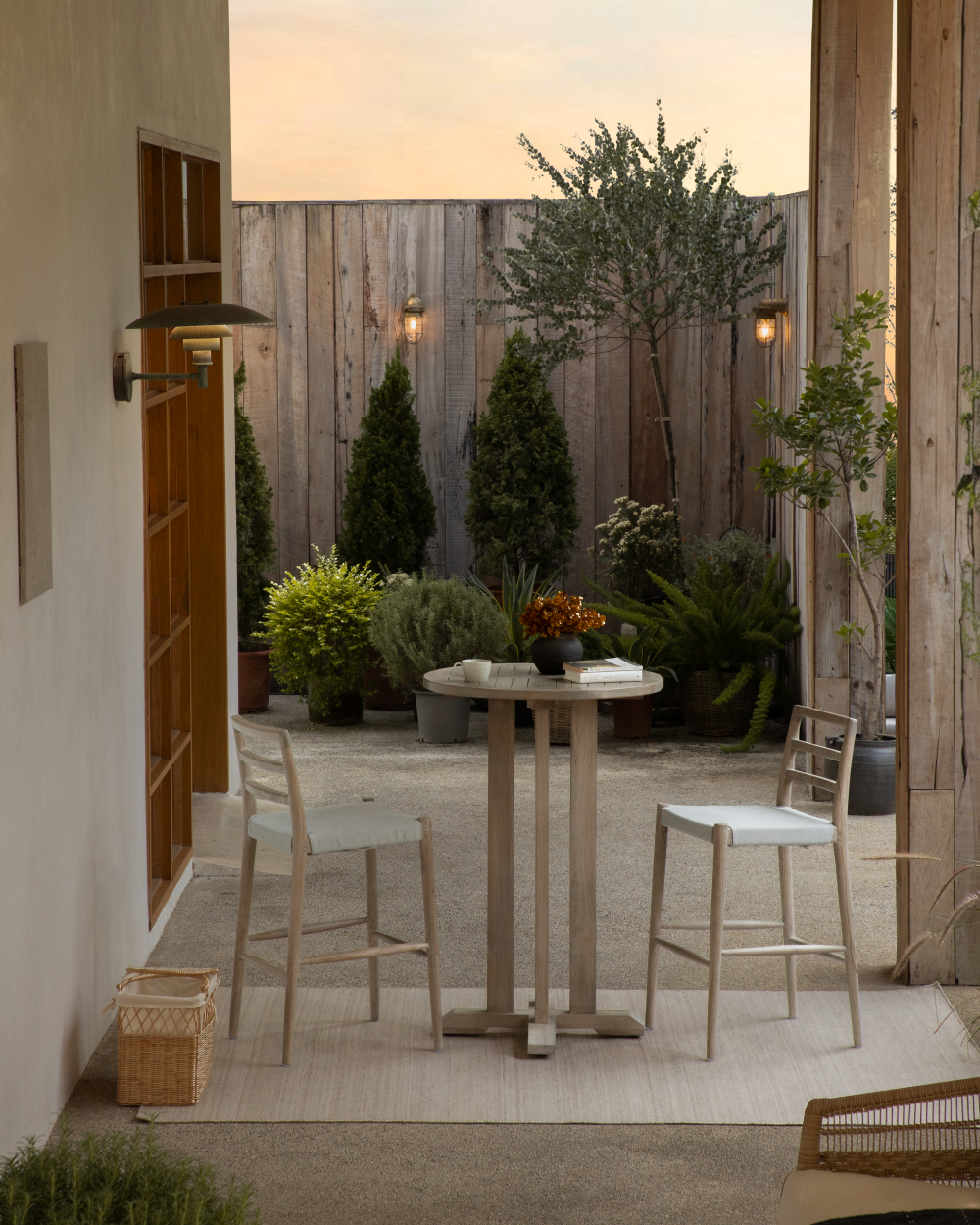


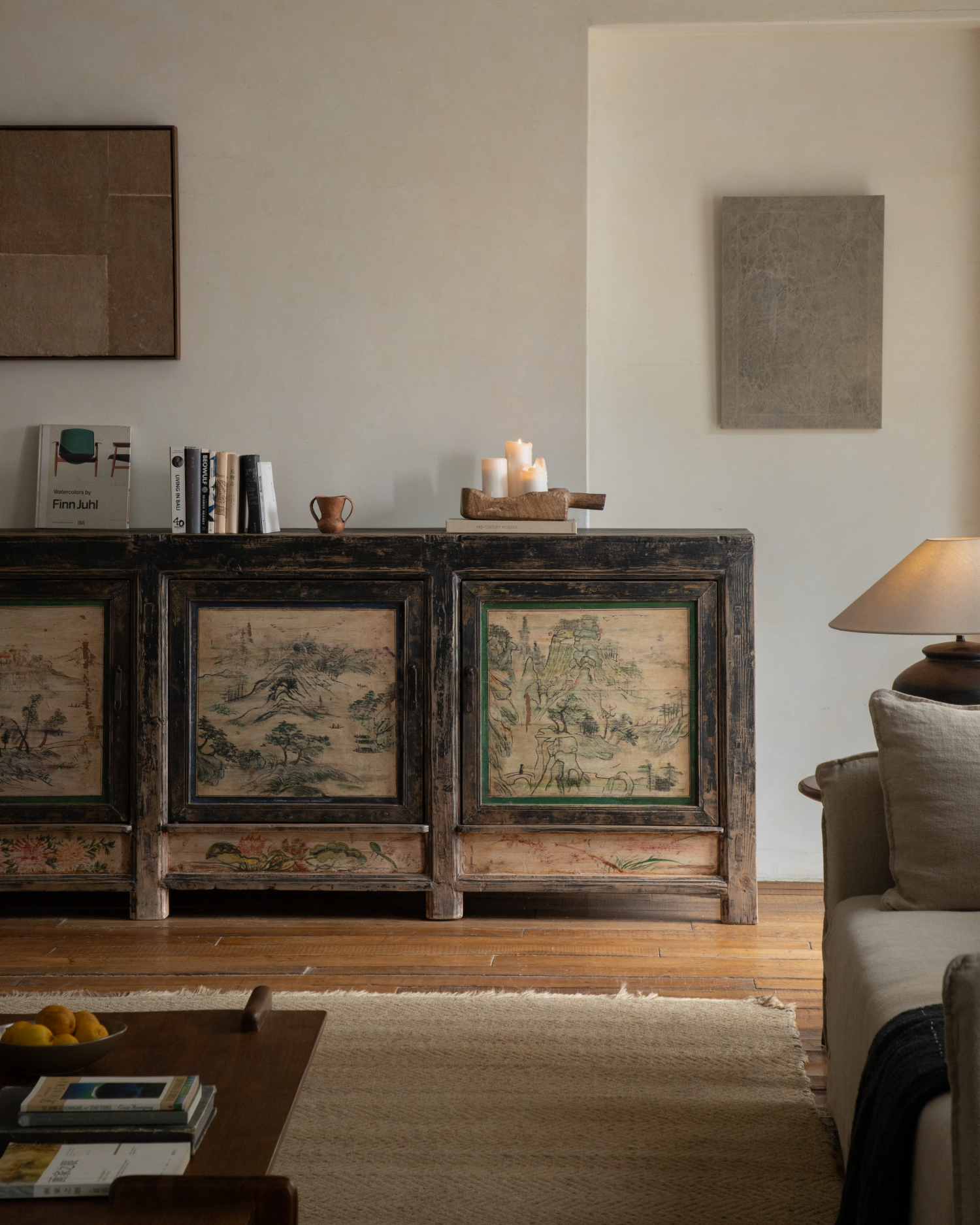
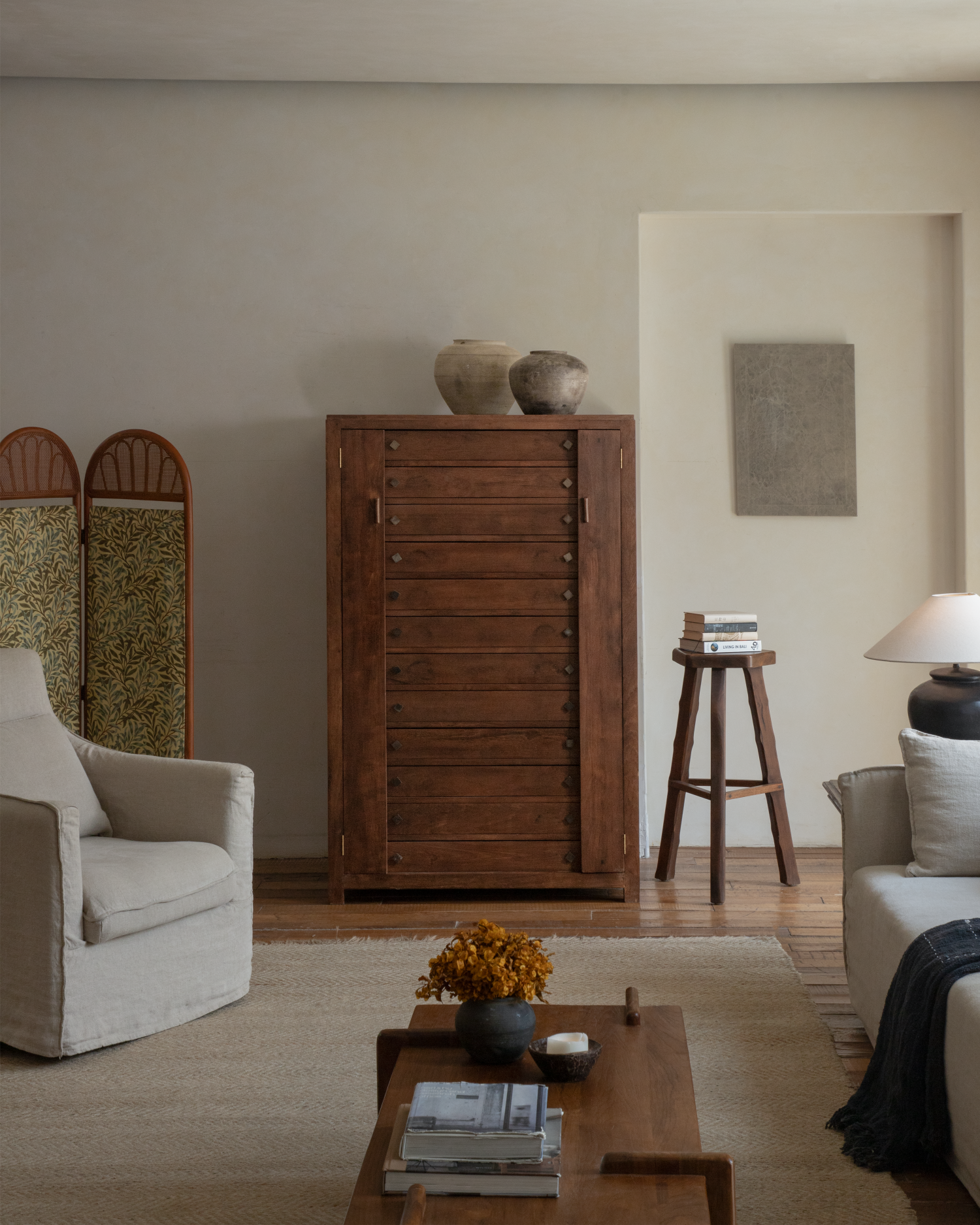
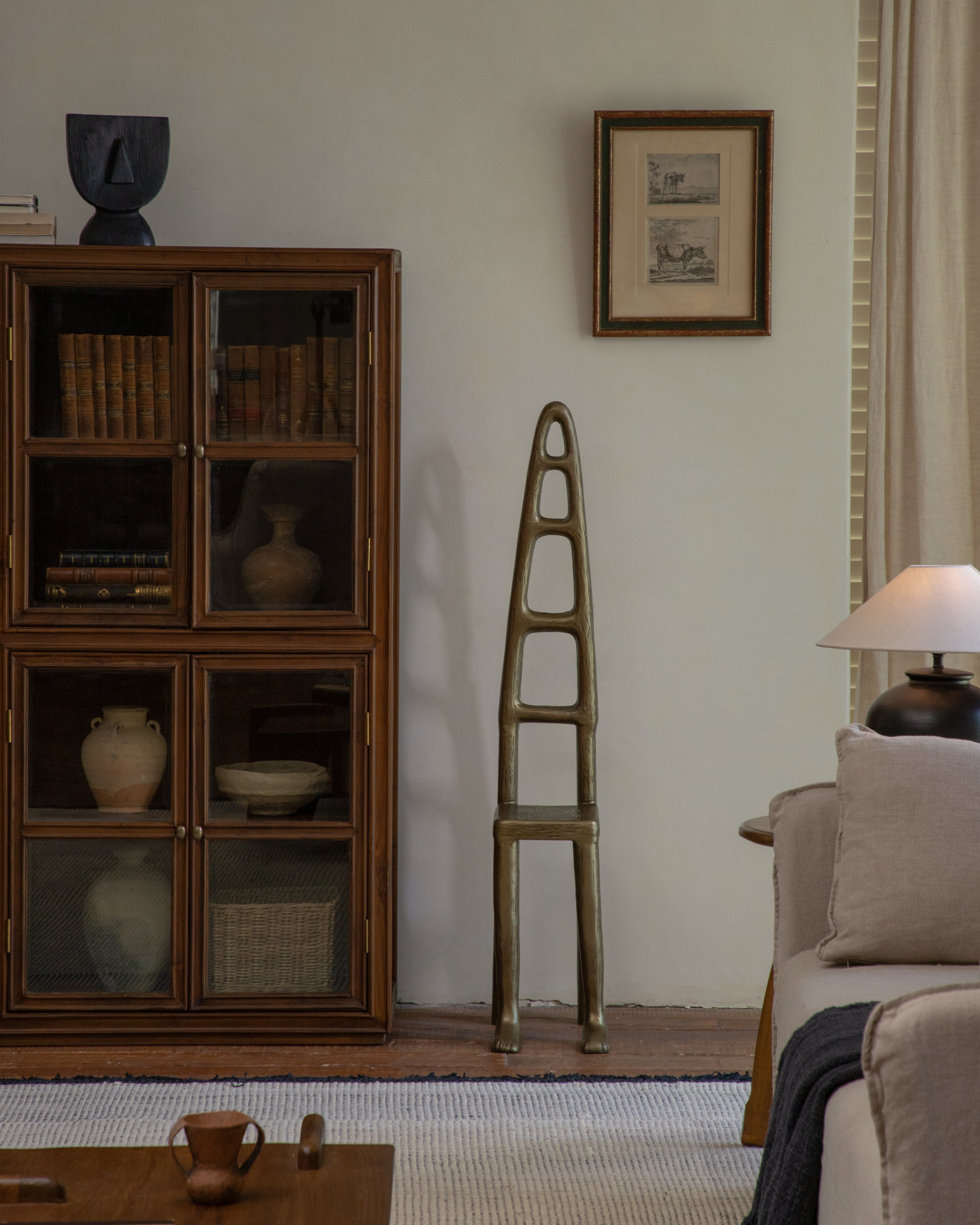


Reclaimed wood brings sustainability, history, and character that new lumber can't replicate. But many buyers notice cracks after purchase and worry: is this a defect or just normal? Let's clear that up. Most cracks you'll see are completely normal, but you should know how to tell the difference between natural wood behavior and actual problems.
Why Cracks Appear in Reclaimed Wood Furniture
Wood continues reacting to its surroundings long after being cut and finished. These cracks you're seeing? They're usually just natural wood behavior, not damage.
Moisture Changes and Drying
Wood cells hold water naturally. As moisture leaves or humidity levels shift, the outer layers dry faster than the interior. This uneven drying creates internal stress that eventually releases through surface cracks.
Your reclaimed wood dining table sat in a warehouse at one humidity level, then was moved to your home, where conditions are different. The wood responds to this change, and new cracks can appear as it adjusts.
Wood Grain and Structure
Timber shrinks differently depending on direction. It shrinks far more across the grain than along it, and that's just cellular structure at work. Growth rings add another layer of complexity. This uneven movement creates those characteristic surface checks running parallel to the grain. Larger pieces face bigger challenges. A thick beam or wide slab can't dry uniformly, so surface checking becomes nearly unavoidable.
Environmental Stress Over Time
Temperature swings, seasonal humidity changes, and exposure to elements all make wood expand and contract. These cycles increase cracking over the wood's lifespan, especially in pieces that have been outdoors or in uncontrolled environments for years.
History Leaves Its Mark
Reclaimed wood carries decades of experience. An 80-year-old barn beam went through countless freeze-thaw cycles. Summer humidity followed by winter dryness, year after year. All that history shows up in how the wood behaves now, making cracks more visible or likely to develop.
This past doesn't indicate damage, on the other side it's proof the wood is genuine and has lived a real life.

Types of Cracks in Reclaimed Wood: Checks vs. Splits
Cracks vary quite a bit in severity. Some are purely cosmetic, while others can affect how well your furniture holds up. Here's how to tell them apart.
Checks (Surface Cracks)
These are the shallow ones, usually just on the surface, not going deep. They follow the grain and look like thin lines. Most people in the wood business don't even call these defects. They're just part of reclaimed wood, especially in larger pieces. For high-end reclaimed wood furniture, surface checks are often considered a feature, not a flaw.
Splits (Deep Cracks)
This is different. A split goes through the wood, from one side to the other, or deep into the core. These can affect how strong the piece is, depending on where they are and how the furniture will be used. A split through a decorative mantel? Probably fine. A split through a table leg that holds up the whole piece? That needs a closer look.
Split Checks (In-Between)
These go deeper than surface checks but don't penetrate all the way through. You'll need to evaluate them based on location and what the piece is supposed to do.
In fact, cracks and splits in reclaimed wood aren't automatically bad. Surface checks are mostly cosmetic. Many craftsmen expect them and work with them as part of the material's authentic look.

What Makes Cracks Acceptable in Reclaimed Wood
Some cracks are just fine. Really. You don't need to worry about them or fix them.
Surface Checks Are Part of the Package
On big beams, thick tabletops, mantels, and slabs, you're going to see checking. The wood isn't falling apart—it's just being wood. If you're using the piece for decoration (wall panels, shelves, headboards), these surface cracks don't matter at all for function.
A lot of people actually want this. They're buying reclaimed wood specifically because it has character marks that prove it's authentic and old.
Some Cracks Add Character, Not Problems
Here's a real-world example: you've got a reclaimed wood dining table with some fine surface checks running along the grain. The wood is smooth, stable, and solid. Those checks just add visual texture. The table will work perfectly for meals, homework, game nights—everything you bought it for.
Craftsmen who work with reclaimed materials know this. They're not trying to hide every little check. In fact, trying to find large reclaimed timbers without any checking would be nearly impossible.
Cracks Make Furniture More Desirable
For certain styles, like farmhouse, industrial, rustic, those natural imperfections increase the appeal. A perfectly smooth, crack-free surface made from "reclaimed" wood might actually make people suspicious. The checks tell the story.
So are cracks in reclaimed wood normal? For surface checking—absolutely yes.
When Cracks in Reclaimed Wood Furniture May Indicate a Problem
That said, some situations do need attention. You should know what to watch for.
Deep Splits Change the Game
The presence of a crack completely through the wood alters the situation. This is especially true for parts that carry weight or handle stress. For example, a table leg with a complete crack in it might break easily under pressure, while a support beam bearing a complete crack in it is less stable than it should be.
The location of the crack is significant, too. A split near where pieces connect, around bolt holes, or at joints creates a weak point that could get worse.
Other Warning Signs
Pay attention if you see:
- Soft, crumbly wood around cracks
- Evidence of insect holes or tunnels
- Rot or decay (you might smell it)
- Dark staining that suggests moisture damage
These red flags mean the wood has problems beyond normal checking. Is it safe to buy furniture with cracked reclaimed wood? If you see these issues, probably not.
Progressive Cracking
There's another concern that you also need to pay attention to: the wood keeps cracking after it's been in your home for months. New cracks appear, old ones get wider, maybe the wood starts warping. This means the piece hasn't stabilized. Something's off; either the wood wasn't properly dried, or your environment is causing serious stress.

How to Inspect and Care for Your Reclaimed Wood Pieces
Taking care of reclaimed wood isn't complicated, but a few smart practices go a long way.
Check Before You Buy
Get up close and personal with any piece before you commit. Run your hands over it—you'll feel things you can't always see. Look for:
- How deep do the cracks go?
- Are there soft spots when you press gently?
- Any holes or insect damage?
- Does anything feel unstable?
Good lighting helps. What looks like a minor crack in dim warehouse lighting might be more significant in natural light.
Ask questions too. How long has this wood been stored? What's its history? Has it been kiln-dried or air-dried? A reputable seller will have answers and won't mind explaining.
Keep Humidity and Temperature Stable
Reclaimed wood hates dramatic changes. Keep your furniture away from:
- Heat vents and radiators
- Direct blasting air conditioning
- Very sunny spots that create hot-cold cycles
- Damp basements or overly dry rooms
Try to maintain relatively consistent humidity. A humidifier in winter or dehumidifier in summer can help. This doesn't have to be scientific—just avoid extremes.
When you first bring a piece home, give it time to adjust before you stress it. Let a table sit for a few weeks before loading it up with heavy items.
Use the Right Wood for the Right Job
Use common sense here. Got a board with significant checking? Perfect for a decorative shelf, wall accent, or headboard. Don't use it for the main structural support of something heavy. Your nicest, most solid pieces should go where strength matters. The character pieces can shine in visible, decorative spots.
Fill Cracks If You Want To
Some people love the cracks and leave them alone. Others prefer filling them. Both approaches work. It's about your preference.
For tabletops and surfaces you use daily, filling can prevent dust and crumbs from getting stuck. Options include:
- Clear or tinted epoxy resin
- Wood putty that matches the color
- Specialized crack fillers
On rustic furniture, many people skip this entirely. The cracks are part of the look.
Monitor Your Furniture Over Time
Check your pieces every few months, especially in the first year. Are new cracks appearing? Are old ones getting worse? Is anything warping or shifting? Stable cracks that don't change over time need no action. But if you see progression, that's your signal to reassess or get professional advice.
Choose Quality Reclaimed Wood Furniture with Confidence
When you shop for reclaimed wood furniture pieces, don't worry too much about the cracks. Most of them are just surface checks, which are normal and harmless, and can add character and signal authenticity. If you see deep splits near stress points, that is something to note; but shallow checking is a natural part of owning genuine reclaimed pieces. Provided you inspect it carefully and maintain steady conditions in your home, your piece of reclaimed wood furniture can stand the test of time—cracks and all.
3 FAQs About Reclaimed Wood Furniture
Q1: Are small surface cracks in reclaimed wood a defect?
Surface cracks are simply a normal part of reclaimed wood and don't represent any defects. The shallow surface cracks, known as "checks," occur naturally due to drying and changes in moisture levels over time. This is a more frequent process in larger timbers and thicker pieces, and doesn't surprise wood suppliers and woodworkers in the least. These checks don't weaken the wood or affect how it functions, and many people value them as authentic features that add rustic character to their furniture.
Q2: When should I worry about cracks in reclaimed wood?
You should be concerned if the cracks go deep into the wood, especially if you find them near joints, bolts, or areas that bear weight. You should also be worried in case the cracks are filled with soft spots, rot, insect damage, or musty smells. If the issue persists or other cracks begin to appear, even though the item has been in similar conditions for a period of time, that's a red flag too.
Q3: Can I use wood with cracks for furniture or decorative work?
Yes, wood with surface cracks works great for most furniture and decorative projects. Surface checking doesn't affect the strength of tabletops, shelves, wall panels, mantels, or similar pieces. Many beautiful, high-quality reclaimed wood pieces deliberately showcase these natural marks as part of their appeal. Just match the wood to its purpose—use your most solid pieces for weight-bearing parts, and let boards with more character shine in decorative or non-structural roles.