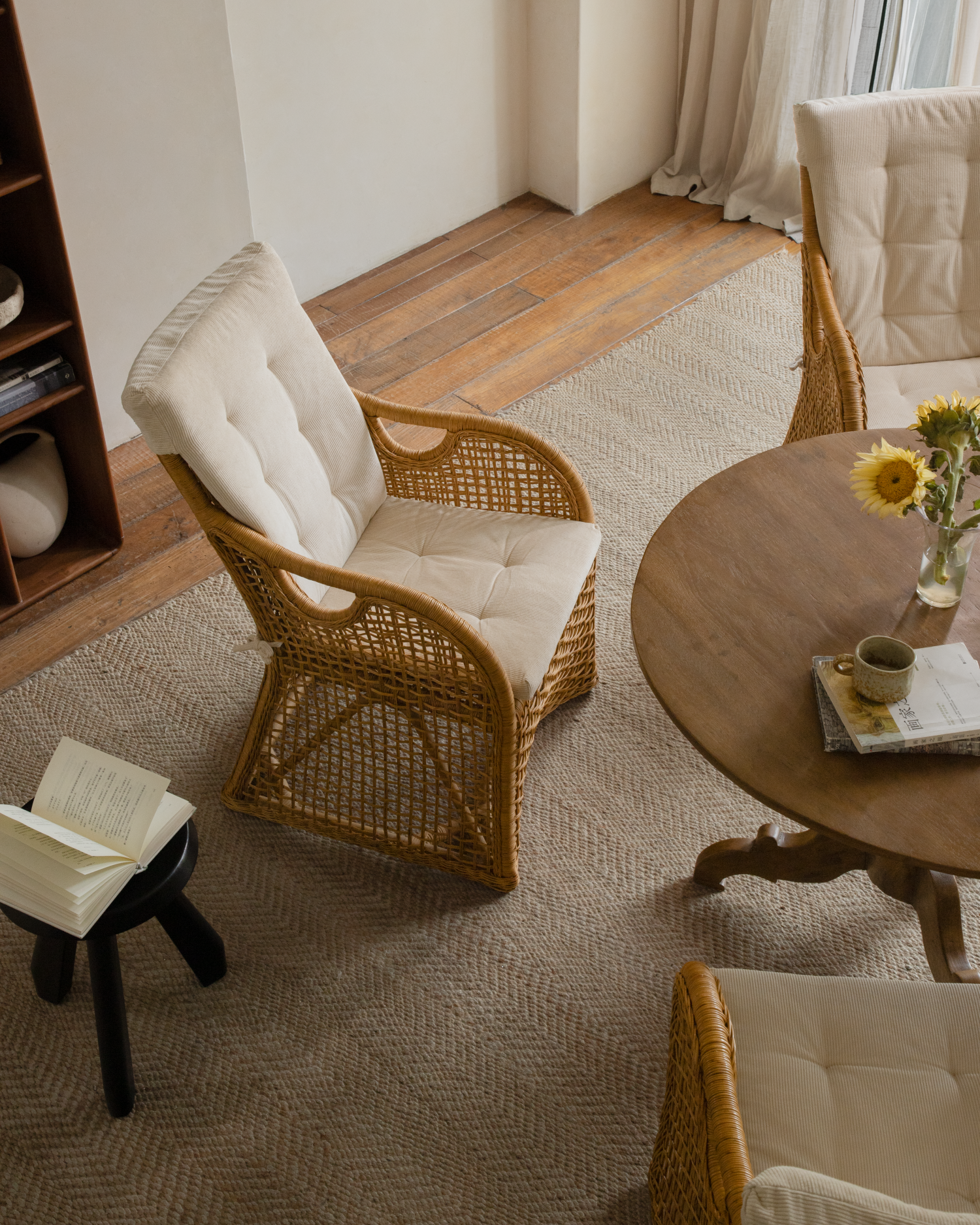
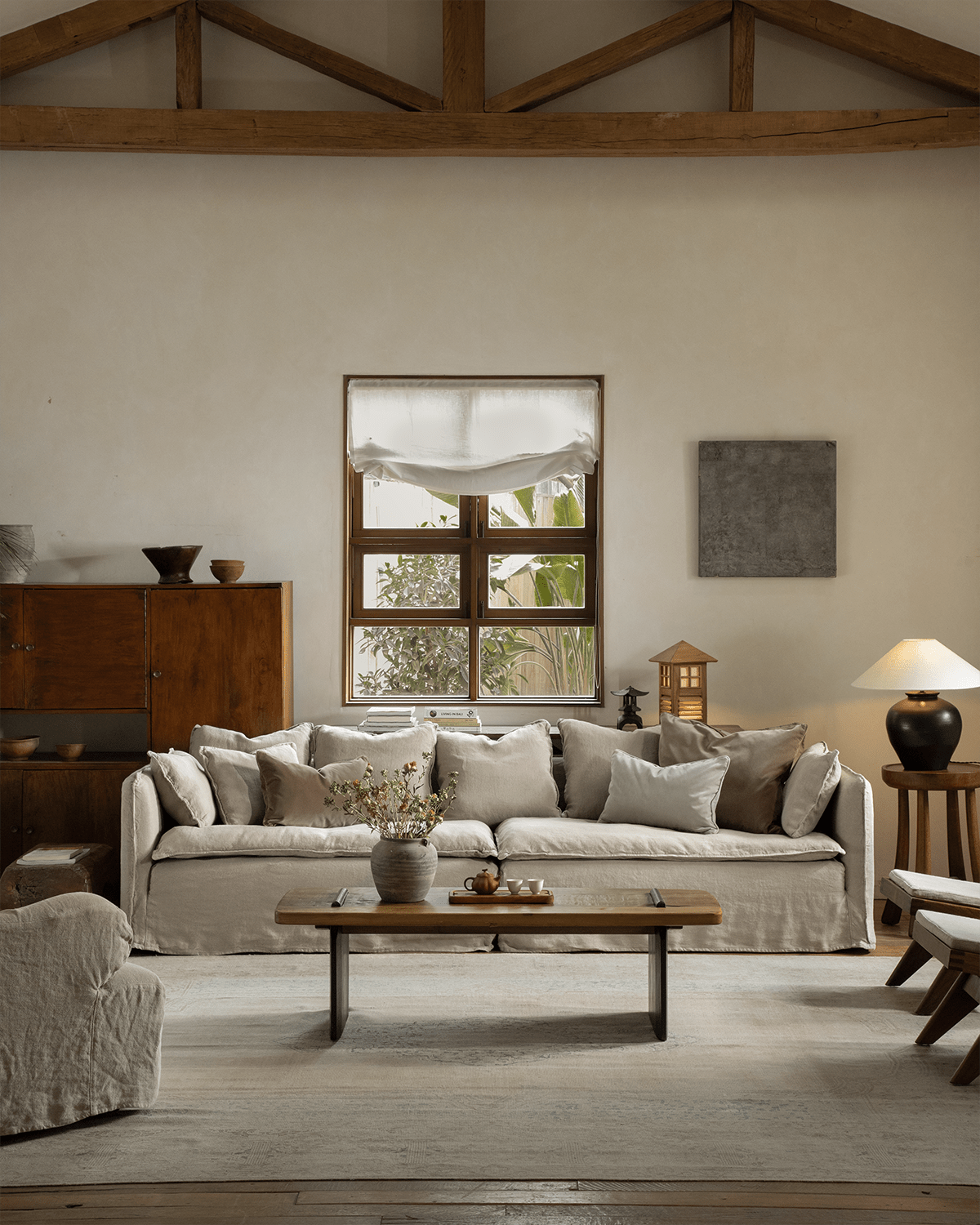
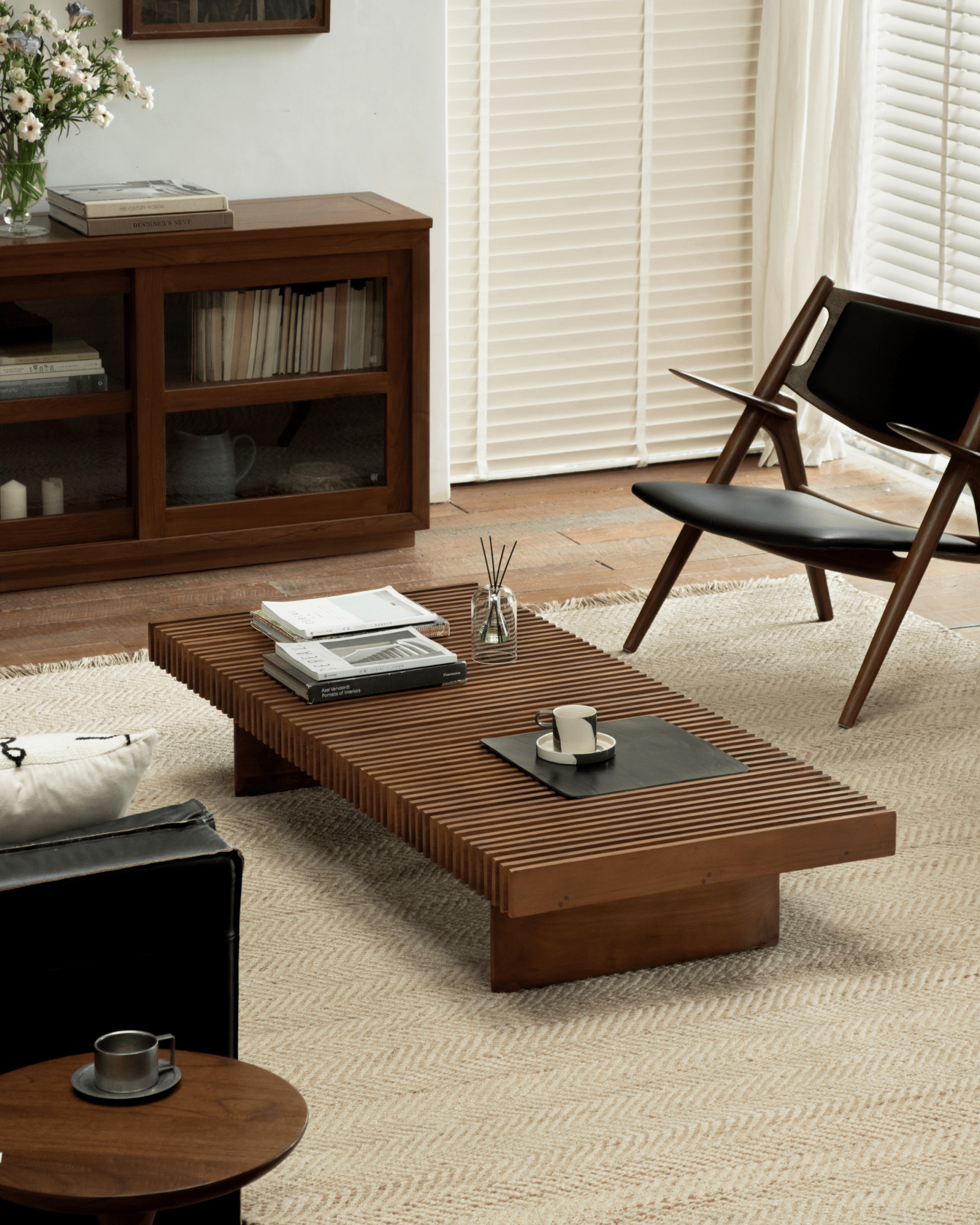
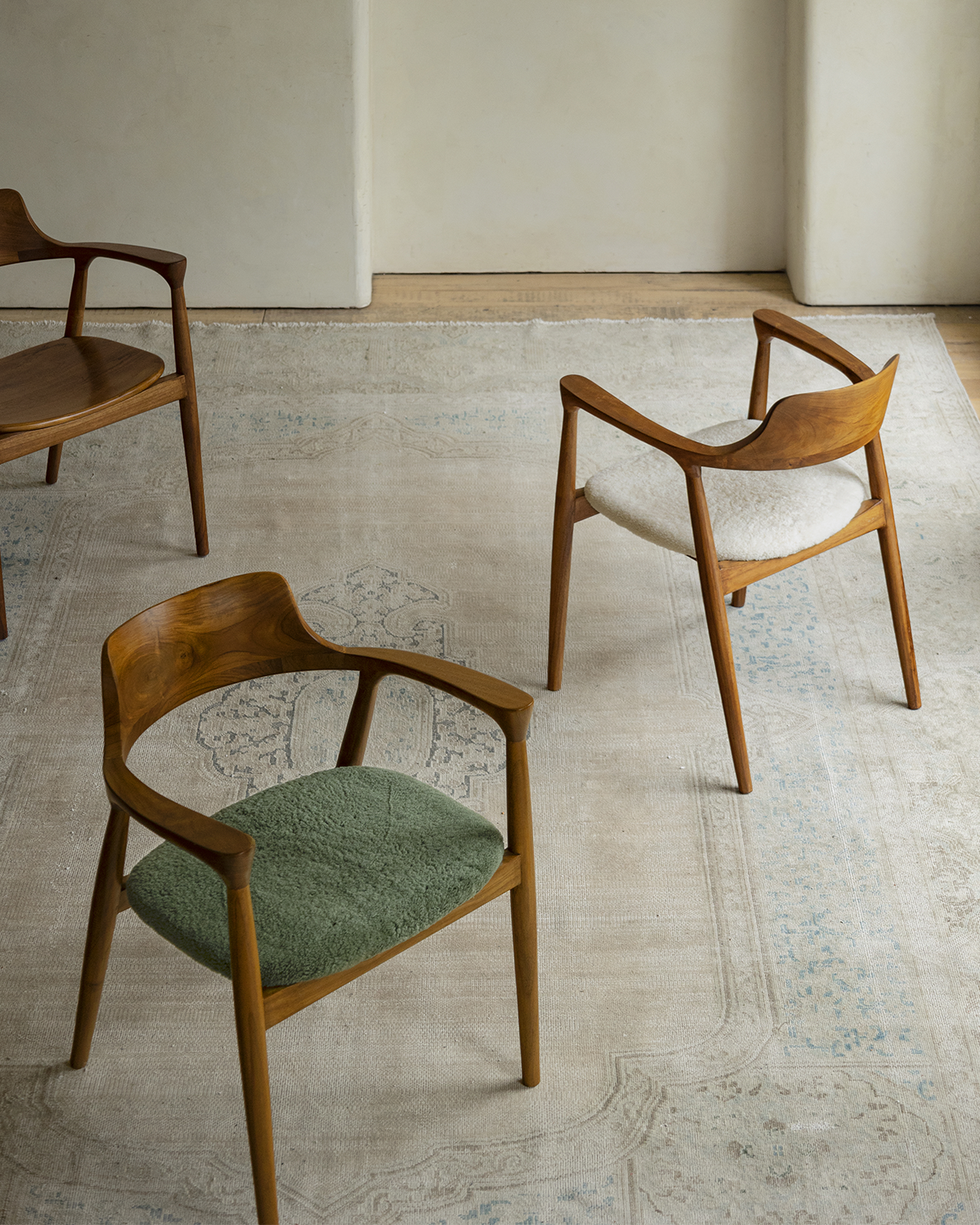



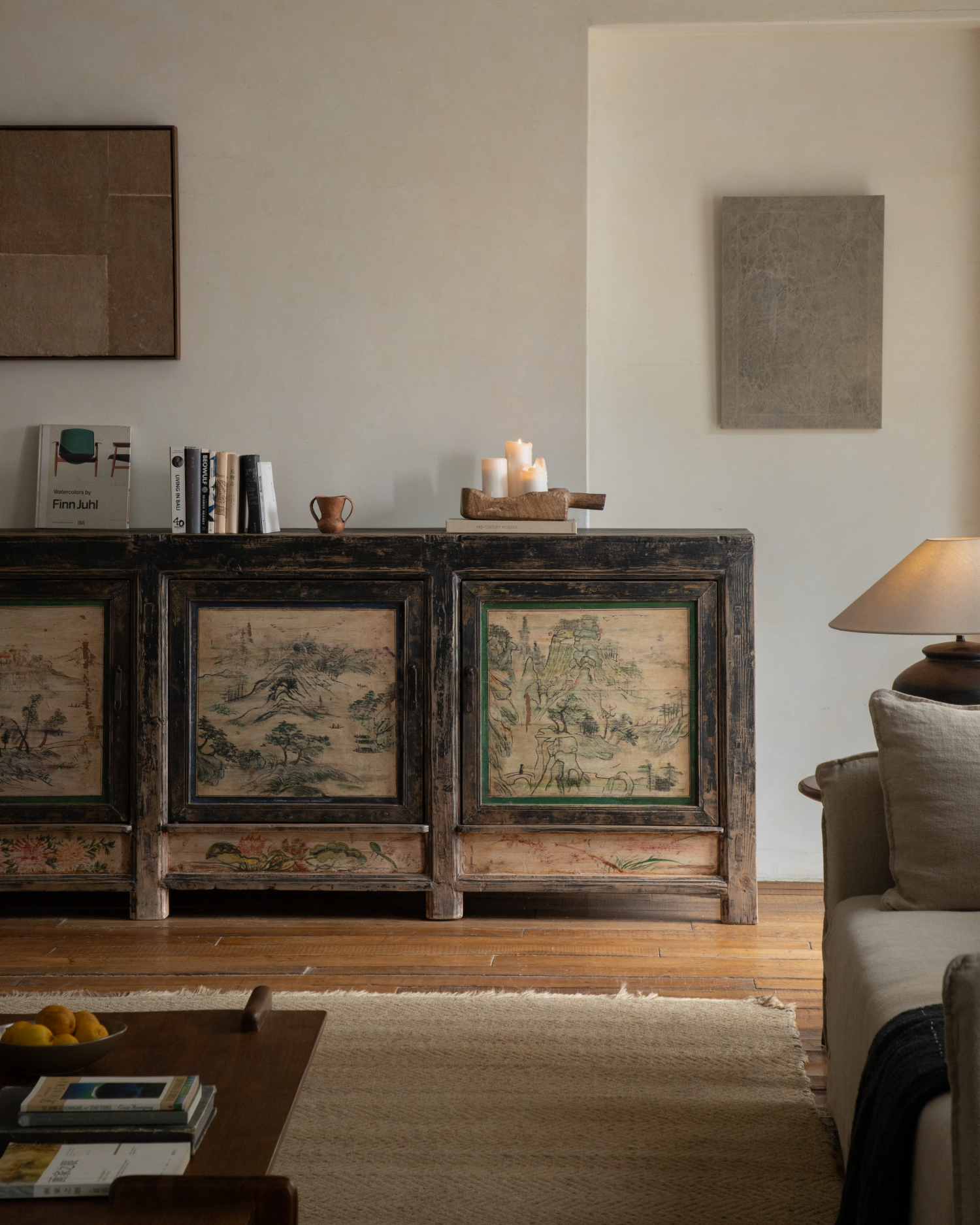
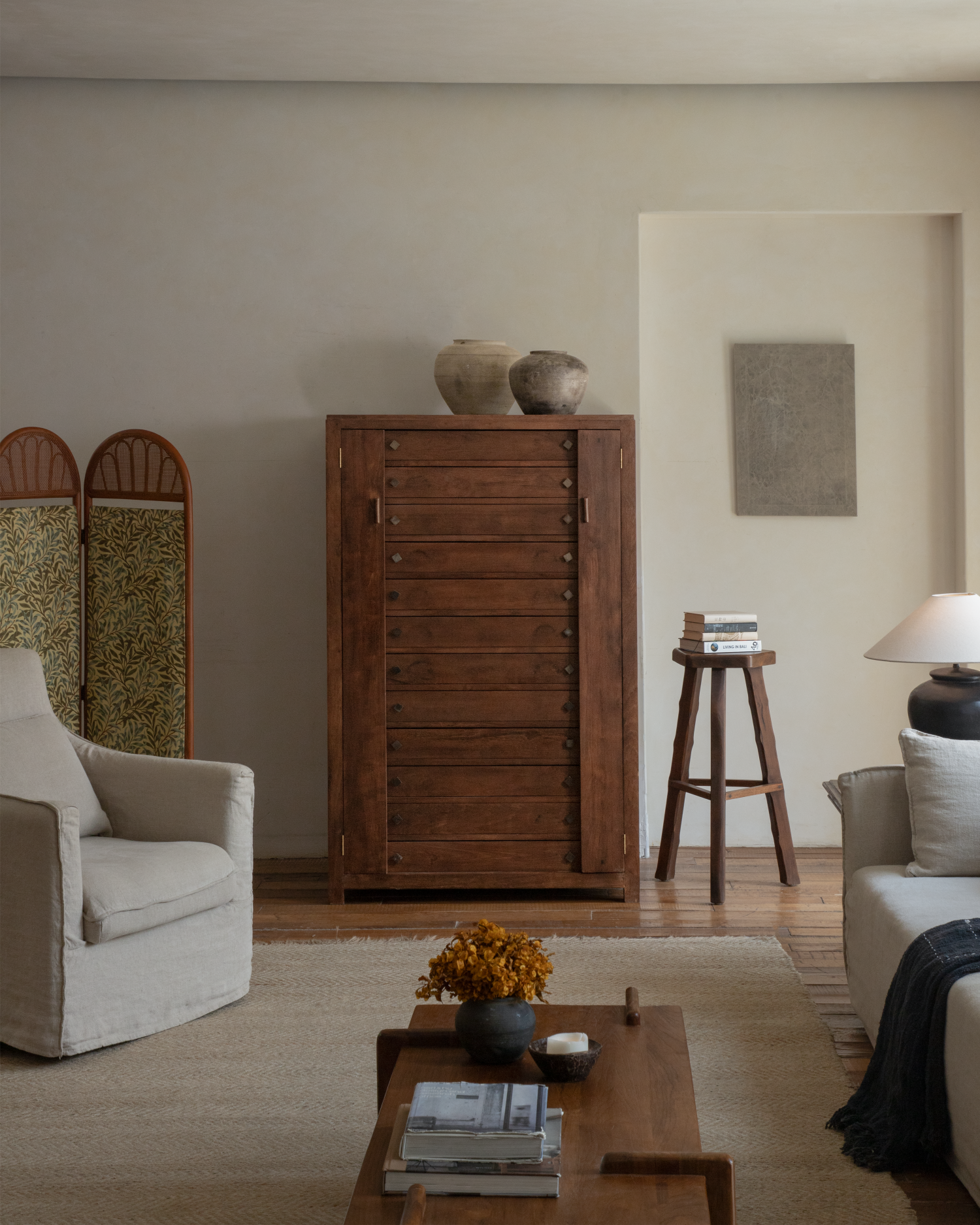
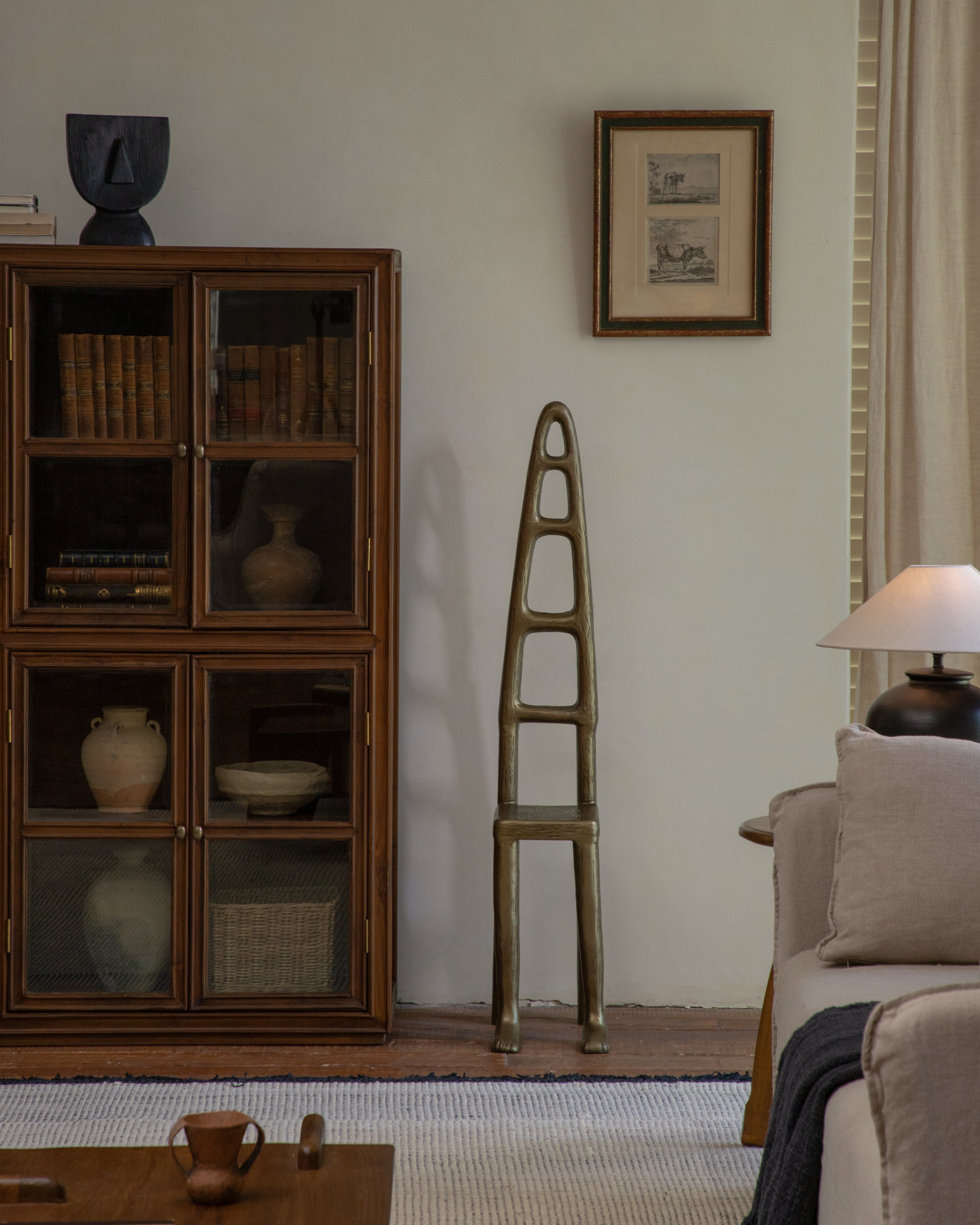

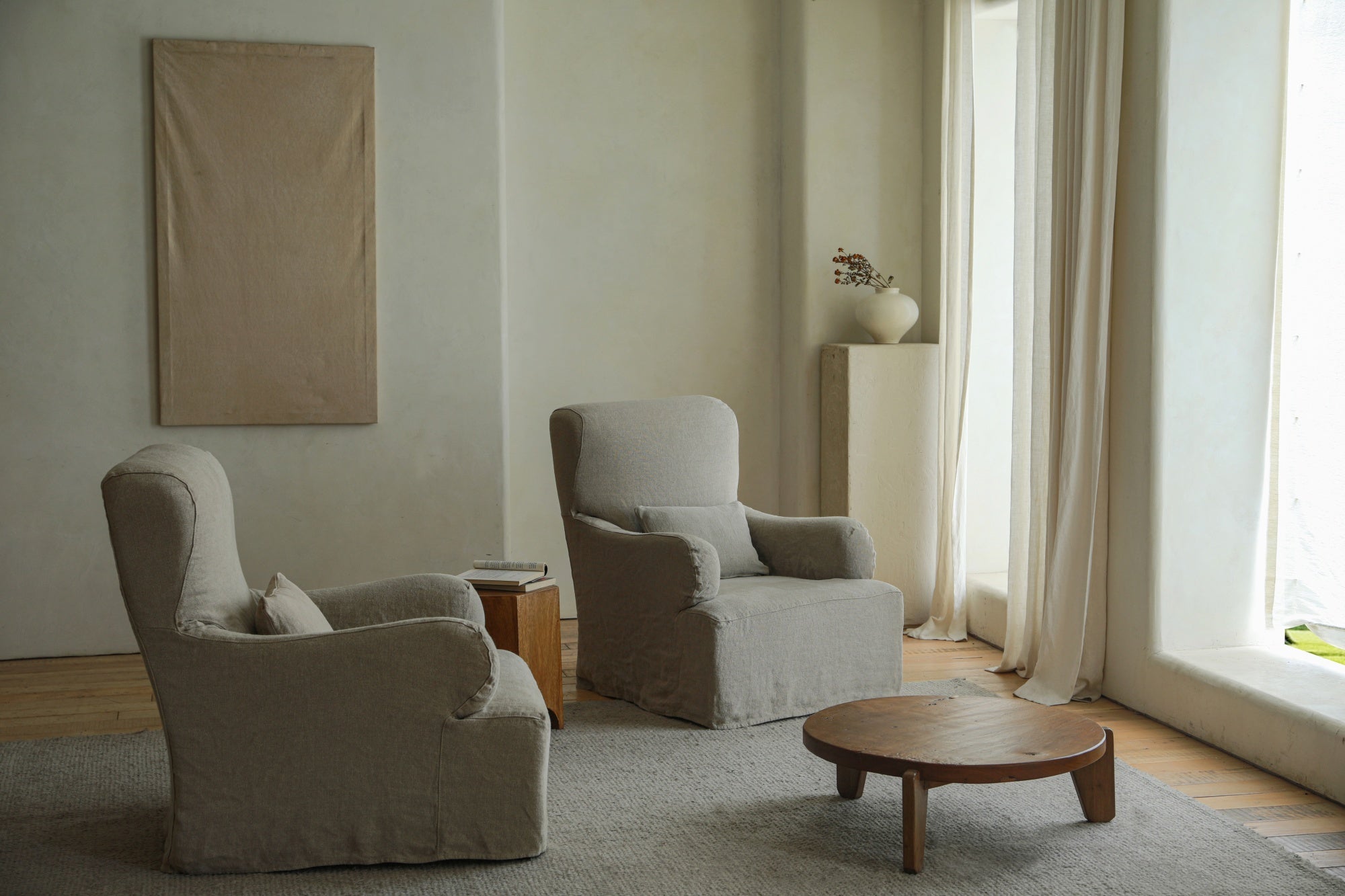
An armchair can create the vibe of a cozy retreat in a compact apartment, perfect for reading, relaxing, and enjoying coffee in the morning, too. Small apartments tend to be a challenge to work with because they contain restrictions such as slender entrances, compact hallways, and restricted living space.
Measure Your Space and Doorways First
Grab a measuring tape before you do anything else. This step saves you from the nightmare of buying a chair that can't actually get into your apartment.
What to Measure on the Chair:
- Width, depth, and height
- Arm width (arms stick out further than you'd think)
- Any parts that might need to tilt or angle through doors
What to Measure in Your Apartment:
- Entry door width and height
- Hallway width (measure the narrowest point)
- Any turns or corners the chair needs to make
- Elevator dimensions or stairwell clearance
- The actual room where the chair will live
Another thing people might miss: a 32-inch-wide chair requires 36 inches of doorway clearance to pivot through. You need a little "wiggle room."
You should also measure the walkways. You'll want 24-30 inches of clear space to move around comfortably. You should note the placements of windows, radiators, and any built-in features that might interfere with placement.
Choose an Armchair Designed for Compact Living
Some chairs just work better in small spaces. The difference isn't always size; it's the design.

Go for Visual Lightness
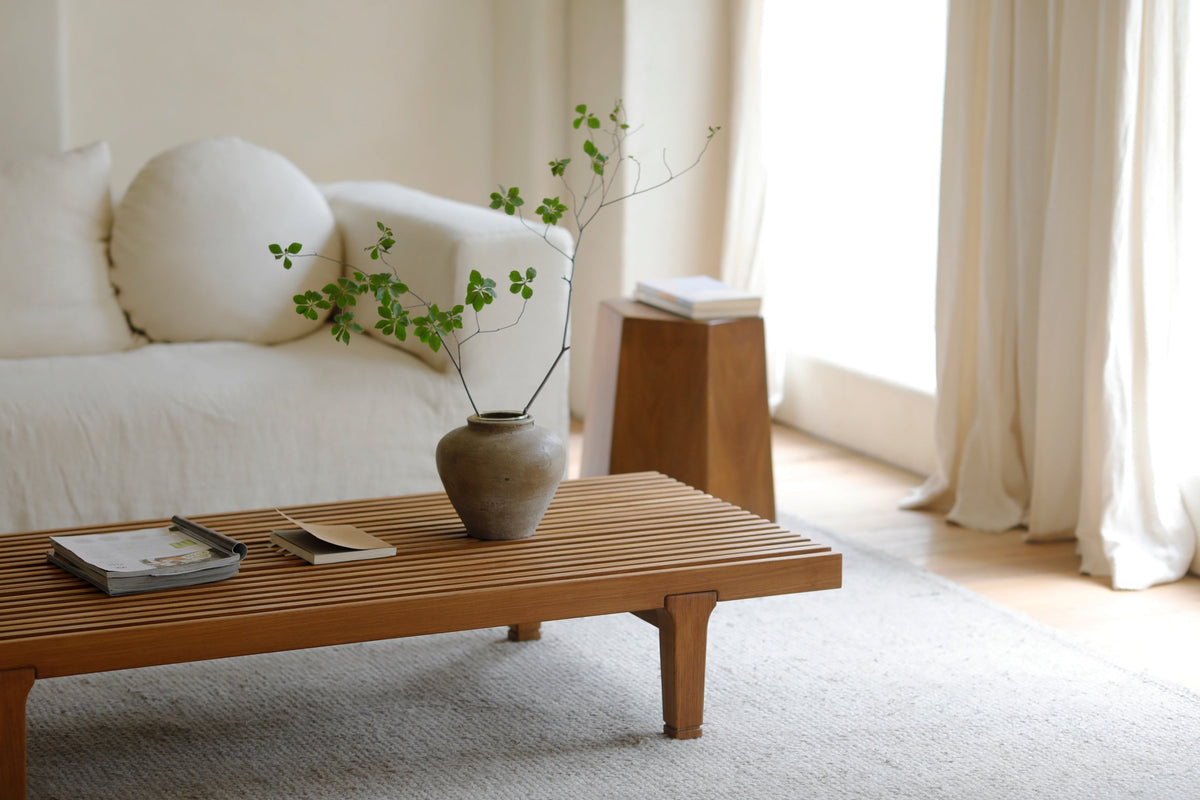
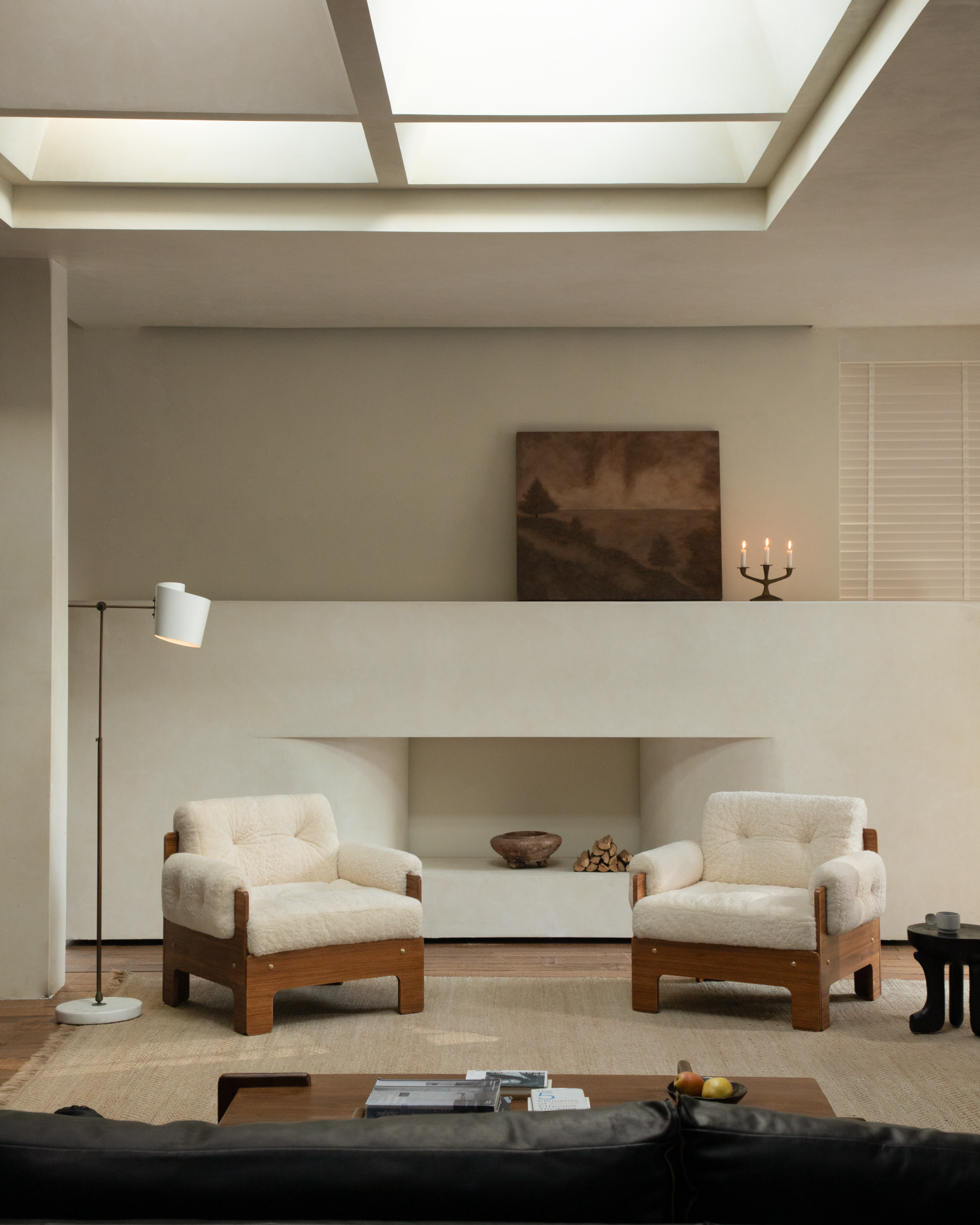
The best armchair for small spaces usually sits on exposed legs instead of having fabric that goes all the way to the floor. Why? Because seeing the floor underneath makes the chair look (and feel) less bulky.
Slim arms help, too. So do open, airy frames. A chair can take up the same footprint but feel completely different based on its design.
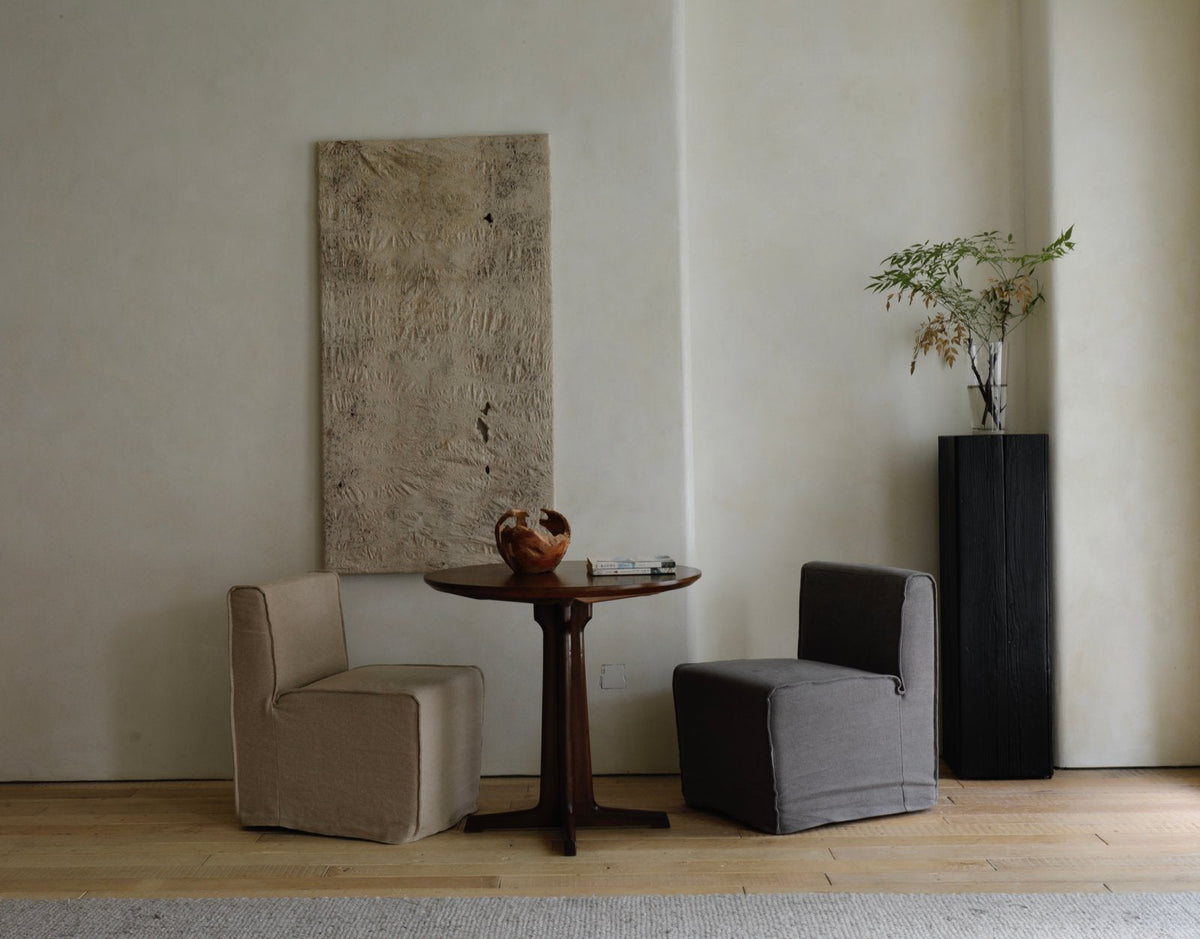
Color matters more than you'd expect. Light upholstery, such as cream, soft gray, or light beige, bounces light around and blends with your walls. Dark, heavy fabrics tend to dominate a room.
Check for Modular Features
Some chairs come with removable legs or backs. This is a game-changer for getting furniture through tight spaces. The pieces snap or screw together once you're inside. Chairs with removable cushions are also lighter and easier to maneuver. Worth asking about before you buy.
Match the Scale to Your Room
A chair might be beautiful in the showroom and totally wrong for your 150-square-foot studio. Pay attention to proportions. High ceilings? You can get away with a slightly bigger chair. Low ceilings and tight quarters? You'll want something more modest. The key is to find an armchair that fits your specific space, not fighting against it.
Position the Armchair Smartly to Maximize Space
Where you put your chair matters just as much as which chair you pick.
- Don't automatically push everything against the walls. This sounds backwards, but pulling your chair 6-12 inches away from the wall actually makes your room feel bigger. It creates depth and lets the space breathe.
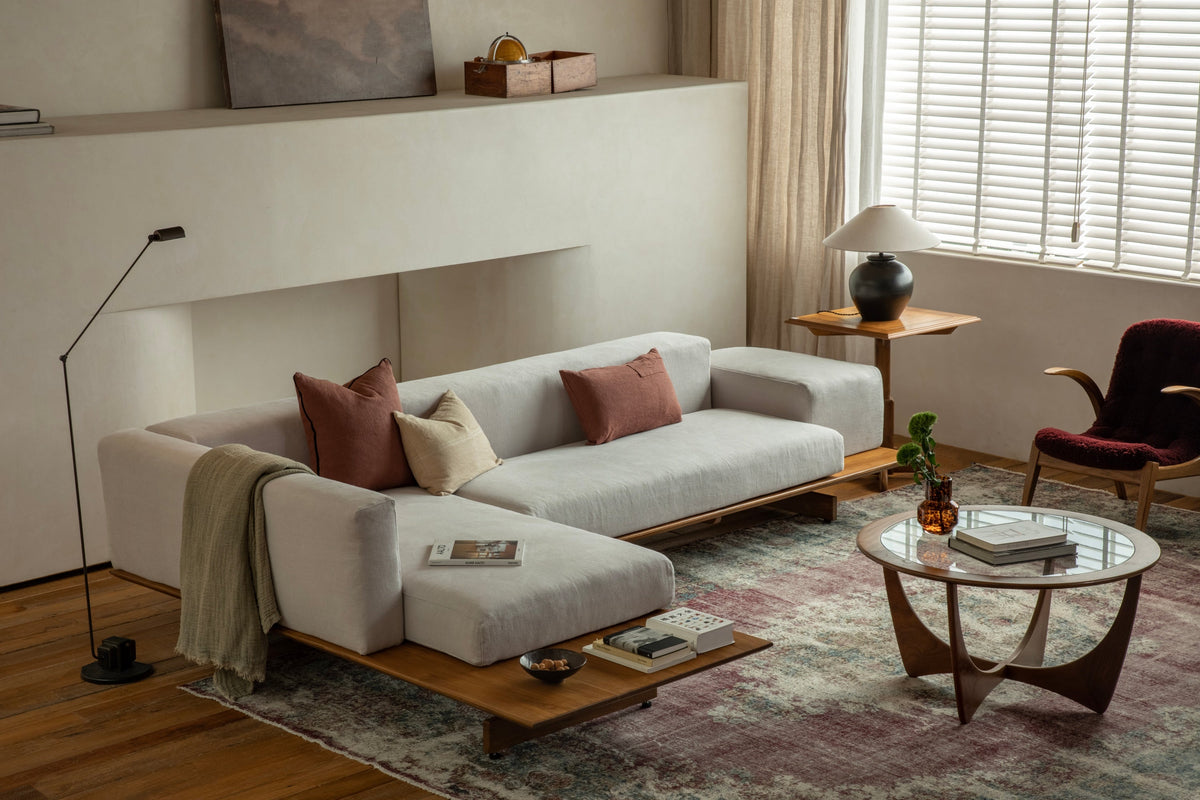
- Try angling your armchair for small apartment layouts. Face it toward a window for a reading spot. Or arrange it with a side table and lamp to create a defined zone. A small rug underneath helps too—it tells your brain "this is the cozy corner" instead of "furniture randomly shoved in a room."
- Traffic flow is huge. Your beautiful chair becomes an obstacle if people constantly bump into it or squeeze past to reach the closet. Sometimes rotating the chair 45 degrees opens up pathways and adds visual interest at the same time.
Think about how you actually move through your space. Where do you walk most often? Keep those paths clear.

Complement Your Chair With Smart Furniture Choices
Your chair doesn't exist in isolation. Everything around it either helps or hurts.
- Go vertical with storage. Tall, narrow bookcases and wall-mounted shelves use space that would otherwise go to waste. They pull the eye upward, which makes your ceiling feel higher and your floor feel less crowded.
- Pick a slim side table next to your chair. You need somewhere to set your coffee, but it doesn't have to eat up tons of floor space. Tables with open shelving underneath give you storage without bulk.
- Multi-functional pieces are your friends. An ottoman can be a footrest AND hidden storage for blankets. A narrow console table behind your chair holds a lamp while creating a surface that doesn't block the floor.
If you're furnishing your whole space, remember that sofas for small spaces follow the same rules: low profiles, exposed legs, light colors, and clean lines. Keeping your bigger pieces in the same style family makes everything feel pulled together instead of chaotic.
Use Light and Color to Expand Your Space Visually
Layout is only half the battle. Light and color completely alter the size perception of the apartment.
- Natural light is the biggest factor to consider. Sit near a window if possible. Hang light, thin curtains to let as much light as possible into the room.
- Mirrors work magic. Place one on the wall opposite your seating area, and it essentially doubles the visual space. Mirrors near windows bounce light around the entire room.
- Paint light and neutral shades on the walls. This will give a light and airy effect to the room and make the furniture appear lighter too. Painting the walls a light white and cream color will make the seating arrangement appear to be floating instead of anchoring down.
- Your chair can be darker and bolder if you like, but you balance it with lighter walls and fewer accessories.
- Speaking of accessories—less is more. A sculptural lamp, one piece of wall art, maybe a plant. That's plenty. Competing patterns and fussy decorations make small spaces feel cluttered and busy.
Simple equals calm. Calm makes rooms feel bigger.
What to Do When the Armchair Chair Really Doesn't Fit
Sometimes a big chair simply will not fit in the space where you want to put it. That's okay. You have other options.
- Modular seating gives you flexibility. It is easier to transport disassembled components through doorways with narrower widths. You can configure them however works best, and reconfigure later if needed.
- Compact accent chairs offer surprisingly comfortable seating in scaled-down dimensions. Mid-century modern design elements tend to work well in this way: ergonomic shapes that support your body despite being more streamlined.
- You might also consider changing the way you arrange seating in the room. Instead of one large armchair, consider a loveseat or a small sofa. This will also be better if you have guests over. Having a folding chair or an ottoman can add to the seating capacity flexibly.
Sometimes the answer isn't forcing one piece to work. It's stepping back and asking what combination of furniture actually fits your life.
Choose the Best Armchair for Compact Living
Fitting a large armchair into a limited space takes planning, but it's absolutely doable. Measure carefully, choose designs with exposed legs and light colors, and think hard about placement. Float furniture, create zones, and keep walkways clear. Pair your chair with vertical storage and multi-functional pieces. If it doesn't work, plenty of compact alternatives deliver real comfort. With these strategies, you can create a space that feels like home.

3 FAQs about Large Armchairs in Small Spaces
Q1: How about if my large armchair fits through the door but feels too big in the room?
Perhaps try to arrange it in a new way before giving up on the chair. Arrange it to create a reading nook, or move it away from the corner to create a cozy seating area, and switch out another heavy piece to balance out the room. Painting the walls a light neutral color and keeping accessories minimal will make the chair less bulky and really improve the appearance of the room.
Q2: I have a narrow hallway or elevator—how can I bring in a large chair?
Pick furniture pieces that can be disassembled and taken apart, such as by removing the legs and backs, to make them easier to transport. Experienced furniture movers know how to maneuver pieces into tight spaces at an angle. Measure the diagonal clearance through doorways since tilting furniture at angles often provides crucial extra inches. Some retailers offer white-glove delivery where professionals handle tricky installations.
Q3: Will a large armchair make my small apartment feel cramped?
Not if you choose wisely. The one with exposed legs and an open design appears to be lighter than skirted, bulky designs. The light-colored cushions will make the seating area blend in rather than dominate. The seating area will be a problem only if it crowds the corridor, overwhelms your room's proportions, or lacks proper supporting furniture.