

A mortise and tenon joint represents one of the oldest and most reliable methods of connecting wood pieces in furniture construction. This time-tested technique involves inserting a projecting tenon from one piece of wood into a corresponding mortise (hole) cut into another piece. Despite advances in modern woodworking, this traditional joinery method continues to define quality craftsmanship. Let's look at seven solid reasons why this joint remains the gold standard in quality furniture construction.
1. Provides Incredible Structural Strength
The mortise and tenon joint creates an exceptionally strong connection that can withstand decades of daily use. This strength comes from the way the joint distributes weight and stress across a larger surface area compared to simple butt joints or metal fasteners.
How the Joint Distributes Forces
The tenon fits snugly inside the mortise, creating a mechanical lock that resists pulling forces from multiple directions. The surrounding wood fibers of the mortise grip the tenon, preventing separation even under significant stress.
Comparison to Modern Alternatives
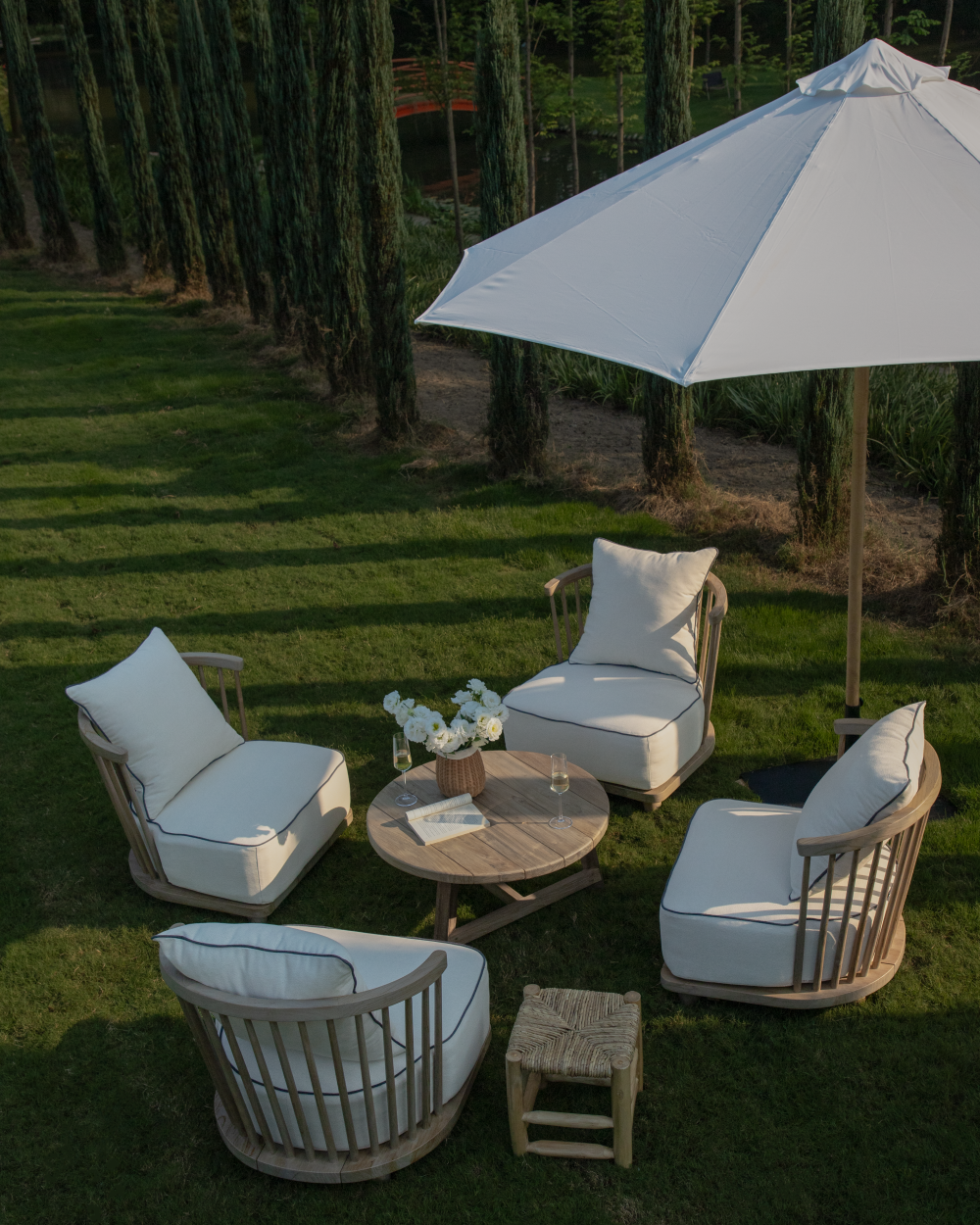
Pocket screws and metal brackets may offer quick assembly, but they concentrate stress at specific points. A properly fitted mortise and tenon spreads forces throughout the joint, making it ideal for high-stress applications like dining chair legs or the frame of a coffee table and sofa set. These joints regularly outlast the wood around them.
This superior load distribution explains why antique furniture often remains sturdy after a century of use. The joint's strength ensures that your investment in quality pieces pays off over time.

2. Eliminates the Need for Metal Fasteners
Building furniture with mortise and tenon joints allows craftsmen to create strong connections using only wood and glue. This approach honors centuries of woodworking tradition while delivering modern performance benefits.
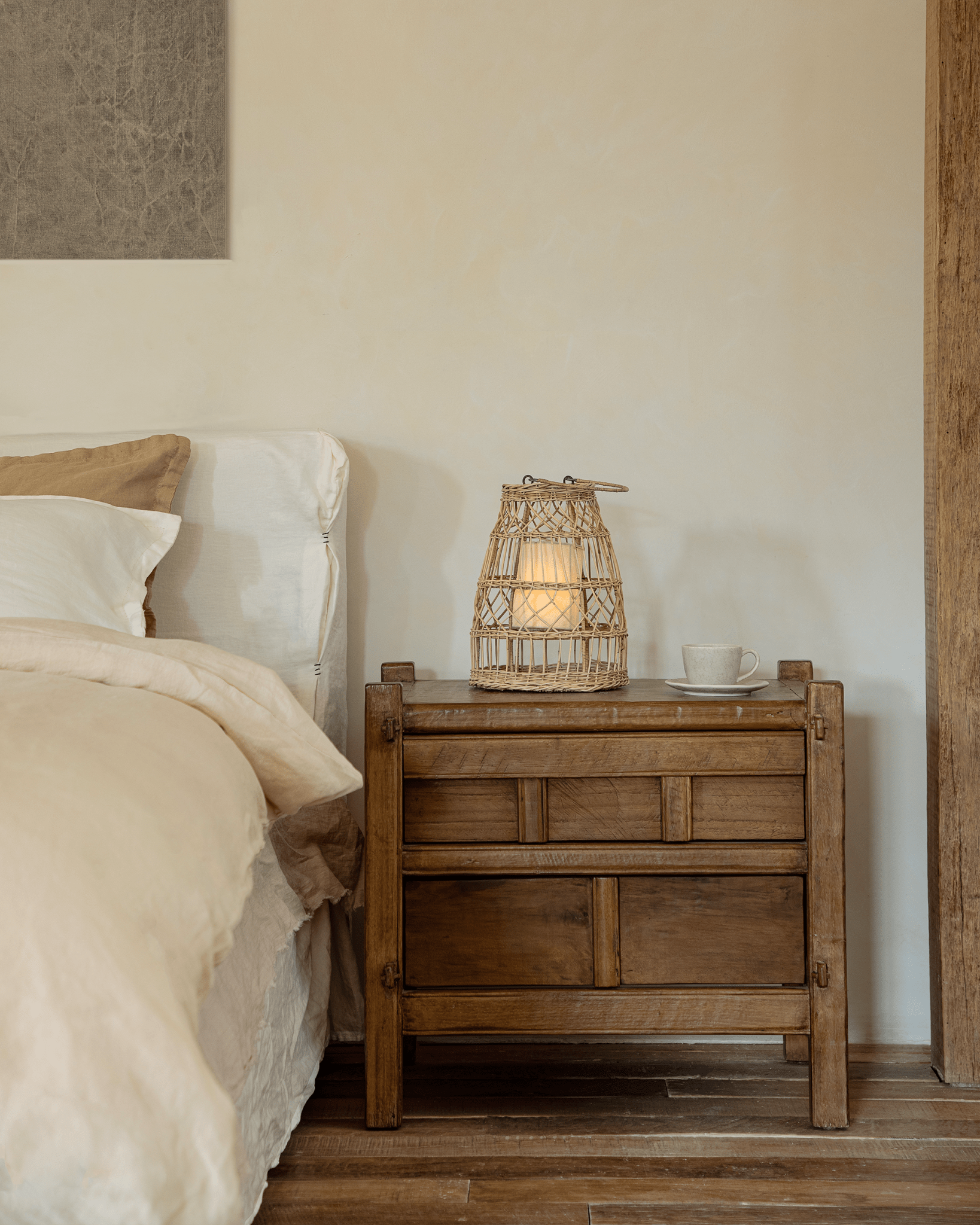
The joint relies on precise fitting and wood-to-wood contact rather than screws or nails. Hide glue or modern wood adhesives fill any microscopic gaps, enhancing the natural friction between the tenon and mortise walls. This method produces cleaner lines since no metal fasteners interrupt the wood's natural beauty, particularly important for reclaimed wood furniture where the character of aged timber takes center stage.
Metal fasteners can corrode, loosen, or stain wood over time. A glued mortise and tenon joint avoids these problems entirely. The absence of metal also makes future repairs simpler, as craftsmen can steam or carefully heat the joint to soften old glue without damaging metal components.
3. Resists Twisting and Wobbling
Furniture faces constant lateral forces during regular use. Chairs get pushed backward, tables get bumped sideways, and frames experience twisting motions. The mortise and tenon joint excels at resisting these racking forces.
Key stability advantages include:
- The tenon's shoulders bear directly against the mortise walls, preventing angular movement.
- The deep insertion of the tenon creates multiple contact points that resist twisting
- The joint maintains its integrity even as wood expands and contracts with seasonal humidity changes.
- Four-sided contact between mortise and tenon prevents rotation in any direction.
This resistance to racking makes the joint indispensable for chair construction, where leg-to-rail connections must handle both vertical weight and sideways pressure. The same principle applies to bed frames, cabinet doors, and table aprons. A well-executed mortise and tenon keeps these components square and stable for generations.
4. Creates Superior Bonding with Maximum Glue Contact
The mortise and tenon joint creates significantly more glue surface area than simpler joinery methods. A typical tenon offers four long-grain surfaces for glue adhesion: two faces and two edges, plus the shoulder surfaces.
| Joint Type | Approximate Glue Surface | Relative Strength |
| Butt Joint | 1x wood thickness | Baseline |
| Dowel Joint | 3-4x wood thickness | Good |
| Mortise and Tenon | 8-10x wood thickness | Excellent |
Long-grain to long-grain glue joints create bonds stronger than the wood itself. The mortise and tenon maximizes this effect by surrounding the tenon with glue on all sides. Modern polyurethane and epoxy adhesives form both mechanical and chemical bonds within this large contact area, creating a connection that often proves stronger than the surrounding wood fibers.
This extensive gluing surface means the joint can handle substantial loads. The chemistry of wood adhesion works best with larger contact areas, making this joint particularly reliable for stress-bearing applications.

5. Adapts to Various Furniture Styles
The mortise and tenon joint works equally well in mission-style oak furniture and contemporary minimalist designs. Craftsmen can modify the joint's proportions, depth, and configuration to match different aesthetic and structural requirements.
Joint Variations for Different Needs
Through mortise and tenon joints, where the tenon passes completely through the mortise, create visual interest and extra strength. Blind mortise and tenon joints hide the connection entirely, maintaining clean surfaces. Wedged versions add decorative elements while mechanically locking the joint. Each variation suits different furniture styles and structural demands.
Material Versatility
This joinery technique adapts to hardwoods, softwoods, and even engineered materials. The joint scales from delicate picture frames to massive timber frame structures. You'll find it in everything from heirloom dining chairs to rustic reclaimed wood furniture, proving its universal applicability across price points and design philosophies.
The technique's flexibility means furniture makers can use it throughout a single piece or mix it with other joinery methods as structural needs dictate.
6. Allows for Easier Repairs for Future Generations
Unlike glued dowel joints or furniture assembled with permanent adhesives, mortise and tenon connections can be carefully disassembled when necessary. This repairability adds significant value to quality furniture pieces.
Furniture restorers can soften traditional hide glue with steam or heat, allowing them to separate joints without damaging the surrounding wood. Even modern glues can be worked carefully when the joint design allows access to all glue surfaces. Once separated, craftsmen can clean the mortise and tenon, apply fresh adhesive, and reassemble the joint to like-new strength.
This matters particularly for family heirlooms and valuable antiques. A wobbly chair leg or loose table rail doesn't mean the end of the piece—skilled woodworkers can restore the original joint rather than fabricating an entirely new connection. The same joint structure that provided strength for decades continues to serve the piece after repair.
7. Adds the Furniture's Value with Craftsmanship
Furniture built with mortise and tenon joinery commands higher prices and greater respect in the marketplace. Buyers recognize these joints as indicators of thoughtful construction and superior quality.
Value factors include:
- Demonstrated woodworking skill and attention to detail.
- Expected longevity exceeding mass-produced alternatives by decades.
- Investment in time-intensive traditional techniques.
- Heirloom potential for passing furniture to future generations.
A coffee table and sofa constructed with proper mortise and tenon joints will serve your family far longer than pieces assembled with staples or minimal fasteners. The upfront investment in skilled craftsmanship pays returns through decades of reliable use. These pieces often appreciate rather than depreciate, particularly when built from quality materials.

Build Furniture That Lasts Generations
The mortise and tenon joint has been used for hundreds of years and has won its place as the foundation of high-quality furniture construction. This way of joining wood gives you strength that lasts longer than fashion trends and a build that respects both custom and function. Every dining chair, table frame, and cabinet made with these joints is an investment in long-lasting quality that can't be matched by cheap furniture. If you learn this method or can find craftspeople who do, you'll own furniture that will be valued as an antique in the future.
3 FAQs about Mortise and Tenon Joint
Q1: How difficult is creating a mortise and tenon joint for someone new to woodworking?
Beginners can absolutely learn this joint with some patience and careful measuring. Hand tools like chisels and saws help develop a feel for the technique before spending money on power equipment. Practice on scrap lumber until the tenons fit snugly without forcing. The process needs precision more than strength, making it doable once the fundamentals click. Most woodworkers find it less intimidating than expected after successfully completing their first joint.
Q2: Does this joint work equally well with all types of wood?
Mortise and tenon joints perform best in hardwoods like oak, maple, walnut, and cherry because of their density and strength. Softwoods such as pine or cedar also work but need slightly different proportions—thicker tenons make up for lower density. Grain direction matters a lot: tenons should run with the grain to avoid splitting. Reclaimed wood furniture builders must carefully check each board before cutting joints, since weathered wood may have cracks or weak spots.
Q3: What tools are necessary to make these joints?
Hand tool enthusiasts can create mortise and tenon joints using only chisels, a backsaw, and marking gauges, though the process takes practice and patience. Power tool options include routers with mortising jigs, dedicated mortising machines, and table saws for cutting tenons. Budget-conscious woodworkers often start with quality bench chisels and a tenon saw, adding power tools as skills improve. A drill press with Forstner bits removes most mortise waste, leaving just final cleanup for chisels.