


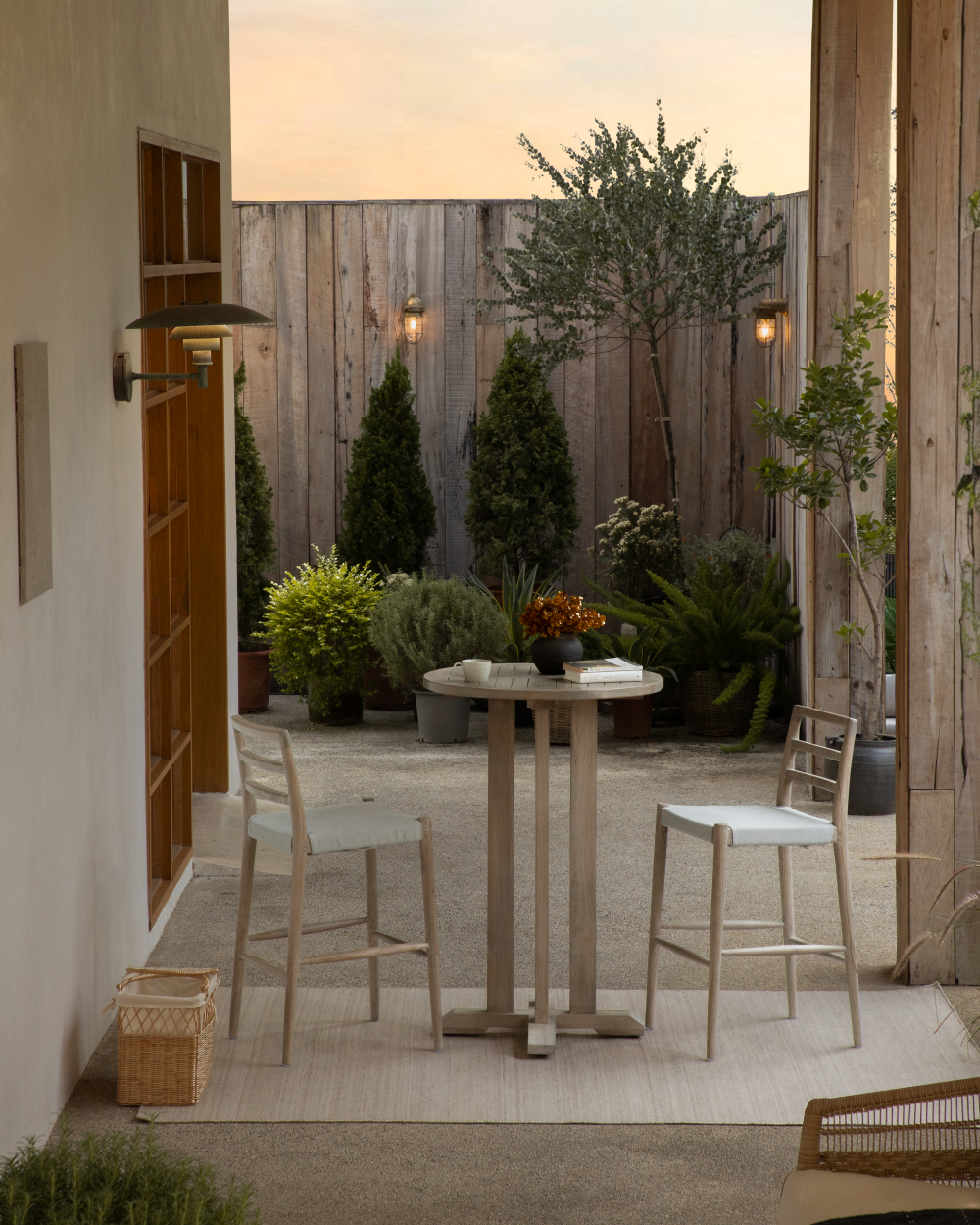




Buying the wrong number of seats is one of the most common and costly kitchen planning mistakes. A stool, defined as a backless or low-backed elevated seat designed for counter or bar-height surfaces, anchors an island's functionality. This guide breaks down a spacing rule, a quick island-length chart, material style choices, a height checklist, and practical examples to help you plan correctly.
The Spacing Formula: How Much Room Each Stool Needs
Precise spacing rules, not guesswork, determine how many seats fit without crowding. Three measurements every buyer must calculate before purchasing are per-seat clearance, overhang depth, and end-clearance margins.
Minimum Clearance Per Seat
Each dining stool requires 26 to 30 inches of linear counter space for comfortable elbow room during meals.
- Seats wider than 18 inches demand the full 30-inch allocation to prevent shoulder overlap with adjacent users.
- Narrow stools measuring 15 to 17 inches wide can fit within a 26-inch span without discomfort.
Crowding below 24 inches per seat causes shoulders to contact neighboring sitters, making meals physically uncomfortable within minutes.
Overhang Depth and Knee Space
Counter overhang must reach at least 12 inches deep for a kitchen stool positioned at counter height, which ranges from 34 to 36 inches. Bar-height surfaces measuring 40 to 42 inches need at least a 10-inch overhang to provide proper knee clearance. Overhangs shorter than 10 inches force users to angle their legs sideways, which reduces comfort and limits how long they stay seated.
End-Clearance Margins for Traffic Flow
Reserve 6 inches of buffer between the last seat and each end of the island to prevent chairs from blocking adjacent kitchen pathways. In open-plan kitchens, maintain 42 to 48 inches of walkway clearance on all non-seating sides of the island, which aligns with standard residential traffic-flow guidelines. Ignoring end margins causes the outermost seats to obstruct cabinet access and pedestrian movement, particularly during meal preparation when multiple people occupy the kitchen simultaneously.
Applying these three measurements—per-seat clearance, overhang depth, and end margins—produces a reliable seat count before any purchase. The next section shows how island length translates those numbers into exact quantities.

Matching Stool Count to Island Length: A Quick-Reference Guide
Island length is the single fastest variable for estimating seat count. The table below maps common island lengths to realistic quantities using the 26 to 30-inch spacing rule and 6-inch end margins on each side.
|
Island Length |
Usable Seating Run (After End Margins) |
Stools at 26-Inch Spacing |
Stools at 30-Inch Spacing |
Recommended Stool Type |
|
36 inches |
24 inches |
1 |
1 |
Backless round stool or low stool |
|
48 inches |
36 inches |
1-2 |
1 |
Minimalist stool or wooden stool |
|
60 inches |
48 inches |
2 |
1-2 |
Modern stool or accent stool |
|
72 inches |
60 inches |
2-3 |
2 |
Fabric stool or leather stool |
|
84 inches |
72 inches |
2-3 |
2-3 |
Wooden stool or reclaimed wood stool |
|
96 inches |
84 inches |
3 |
2-3 |
Reclaimed wood stools or dining stool |
|
108+ inches |
96+ inches |
3-4 |
3 |
Any style; prioritize consistent finish |
A 72-inch island, the most common residential size, reliably seats two to three guests using standard spacing rules. Style choices such as a reclaimed wood stool or a fabric stool do not change the count but do affect visual weight and maintenance needs, which the next section addresses.
Choosing Bar Stool Materials and Styles for Your Kitchen Island
Style selection affects visual proportion, durability, and cleaning effort, three practical factors that influence long-term satisfaction. Each criterion below applies to a specific style category.
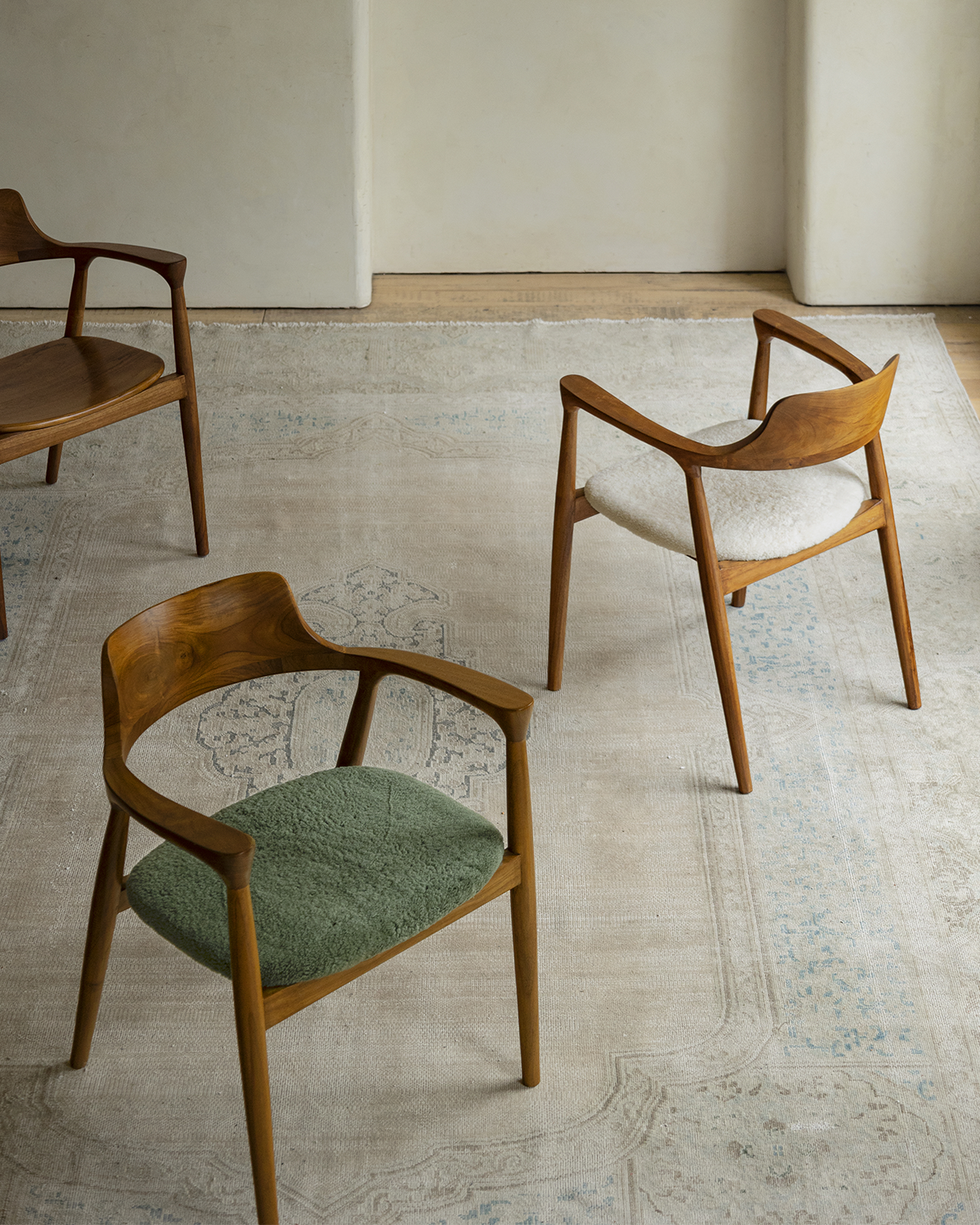
- A wooden stool or reclaimed wood stool adds warm texture to white or grey cabinetry and resists wobbling better than metal-legged alternatives on uneven floors.
- A modern stool with a slim metal frame visually enlarges a small kitchen because negative space beneath the seat remains visible rather than blocked by a bulky silhouette.
- A minimalist stool in a neutral finish works across multiple design updates, reducing the cost of re-styling when cabinet colors change over time.
- A fabric stool adds acoustic dampening in hard-surface kitchens but requires spot-cleaning within minutes of spills to prevent permanent staining.
- A leather stool withstands daily wiping with a damp cloth and ages to a patina, making it cost-effective over a 10-plus-year lifespan.
- A round stool without corners reduces bruise risk in high-traffic kitchens where children move frequently between the island and surrounding areas.
- An accent stool in a contrasting color or material functions as a focal point, but should be limited to one or two units to avoid visual clutter across the seating run.
- Reclaimed wood stools often show natural variation in grain and tone. To maintain a consistent look and size across a set, it helps to choose stools from the same production batch, keeping height and depth aligned.
Style and material choices narrow down quickly once lighting conditions, cleaning habits, and cabinet finishes are considered.

How to Choose the Right Stool Height for Your Kitchen Island
Height mismatch is the leading cause of discomfort and early replacement among kitchen seating. Following these six steps in sequence identifies the correct seat height before ordering any quantity.
- Measure counter height from the floor to the underside of the countertop surface, not the top surface, because knee clearance depends entirely on the underside measurement.
- Subtract 10 to 12 inches from that underside measurement to find the ideal seat height; a 36-inch counter requires a seat positioned between 24 and 26 inches from the floor.
- Confirm that the chosen dining stool or kitchen stool provides at least 10 inches of knee clearance between the seat top and the countertop underside before finalizing selection.
- Check whether the seat uses a fixed or adjustable-height mechanism; adjustable models suit households with mixed adult and child users but introduce mechanical components that require periodic maintenance.
- Verify footrest placement on the unit; a footrest positioned 8 to 10 inches below the seat surface reduces lower-back fatigue during meals lasting longer than 20 minutes.
- Order one unit first when possible, test it at the actual island for one full day of normal household use, then complete the full purchase only after comfort and clearance are confirmed.
Six measurements and a single-unit trial eliminate the most common sizing errors before a full set arrives. With count, spacing, style, and height resolved, the only remaining decision is how these variables interact across different real-world kitchen scenarios.
Apply Bar Stool Spacing Rules for Kitchen Island Seating
Three simple rules guide kitchen island seating. Leave 26 to 30 inches per stool for comfortable spacing. Keep seat height 10 to 12 inches below the counter underside for proper legroom. Choose materials that match cleaning habits and cabinet style instead of trends. Measure island length and counter height first, then use those numbers to set both seat count and style with clarity.

Frequently Asked Questions
Q1. How Do You Measure an Island to Determine How Many Stools Fit?
Measure the full linear length of the seating side, subtract 6 inches from each end for clearance margins, then divide the remaining inches by 26 to 30 inches per seat. A 72-inch island produces a usable run of 60 inches, comfortably accommodating two to three seats depending on individual seat width.
Q2. What Is the Difference Between a Counter-Height and a Bar-Height Stool?
A counter-height seat sits 24 to 26 inches from the floor and pairs with 34 to 36-inch countertops. A bar-height seat positions the user 28 to 30 inches from the floor, suited to 40 to 42-inch surfaces. Using the wrong height category creates knee clearance problems and noticeable discomfort within minutes of sitting down.
Q3. Can You Mix Different Stool Styles on the Same Island?
Yes, but only when one consistent element unifies the set, such as identical seat height, a matching material finish, or a shared color across all units. Mixing a wooden stool with a metal-framed seat in contrasting tones without a unifying detail creates visual fragmentation, which designers usually recommend avoiding in small kitchens.
Q4. Why Do Stools Feel Uncomfortable Even When the Height Seems Correct?
Discomfort despite correct height usually traces to insufficient footrest depth, a seat pan shallower than 14 inches, or a counter overhang too shallow for adequate knee clearance. Each factor independently causes lower-back strain or awkward posture within 15 to 20 minutes, regardless of whether the seat-to-counter gap measurement is technically accurate.
Q5. How Long Should Kitchen Island Stools Last Before Replacement?
A solid wooden seat or a leather seat used daily typically lasts 8 to 15 years with routine maintenance. Fabric-upholstered seats average 5 to 8 years before visible wear or staining requires replacement. Joint construction quality, specifically mortise-and-tenon versus dowel assembly, is the main factor that determines how long stools last.