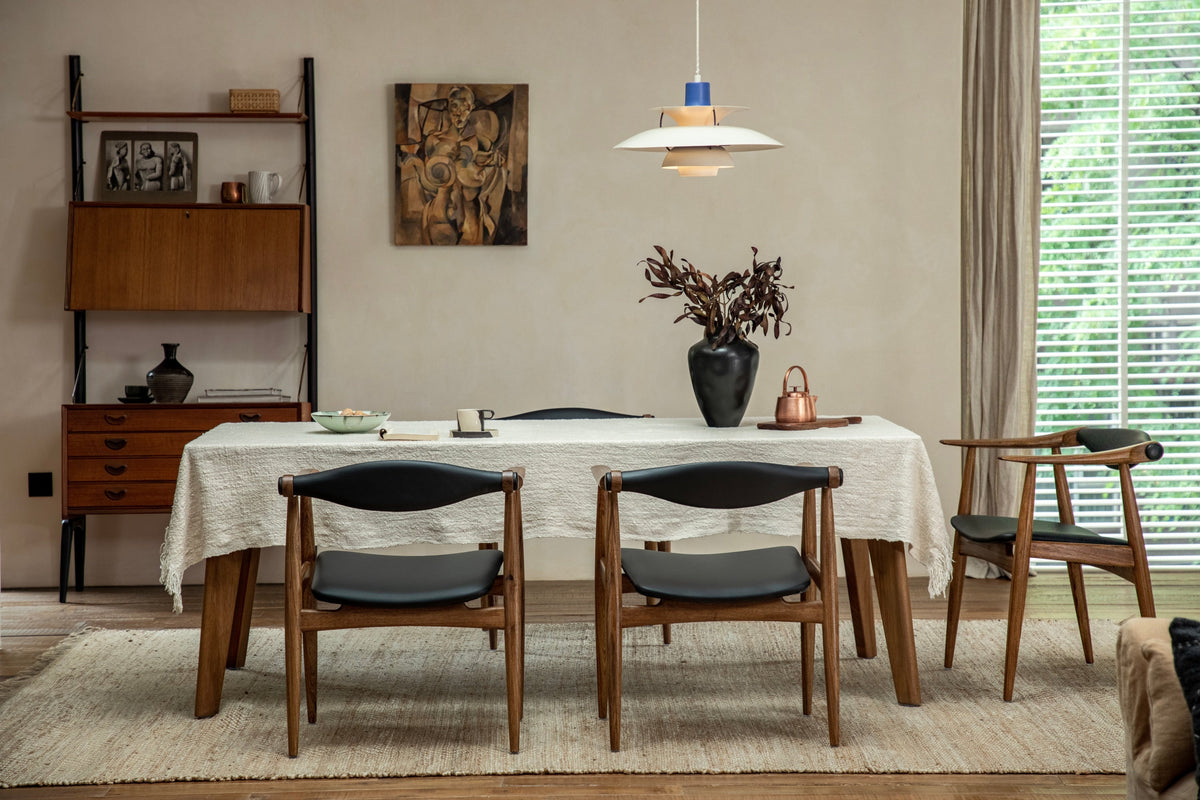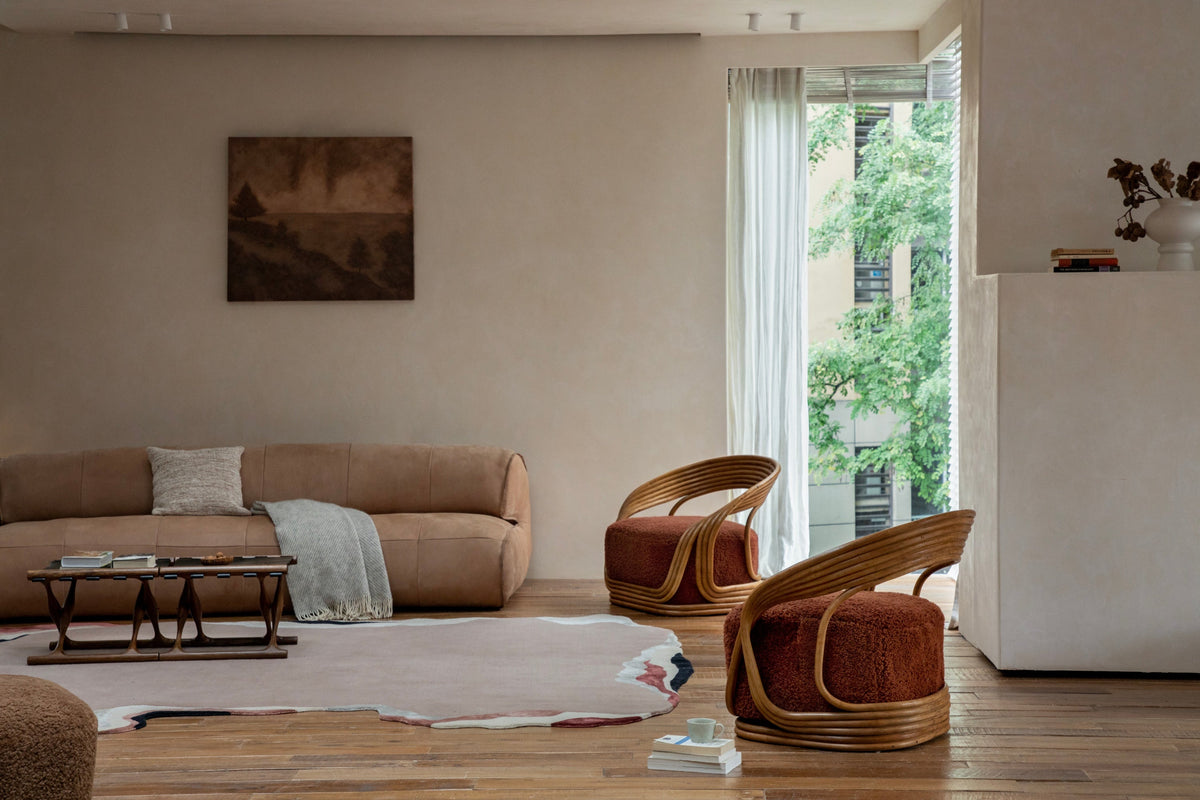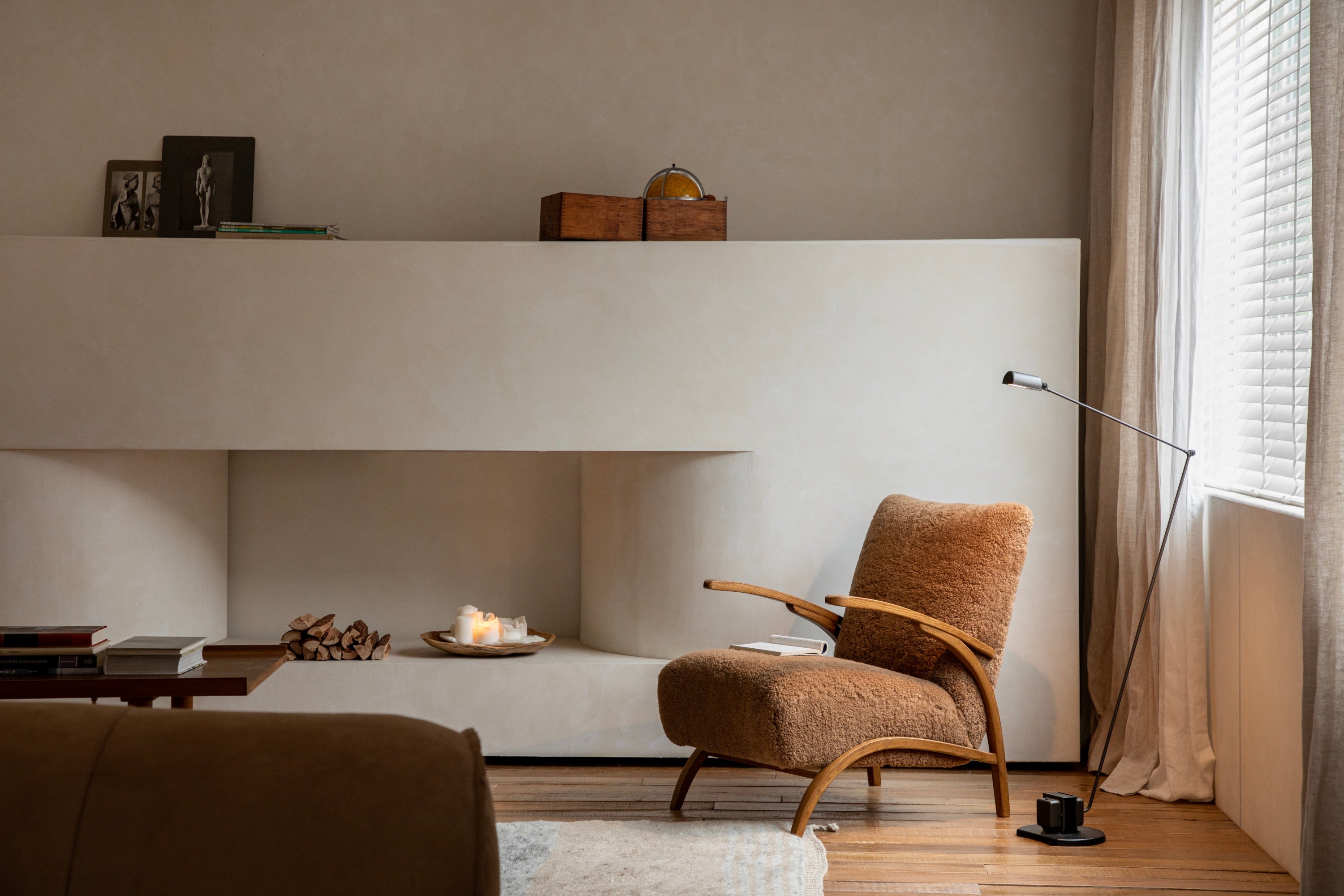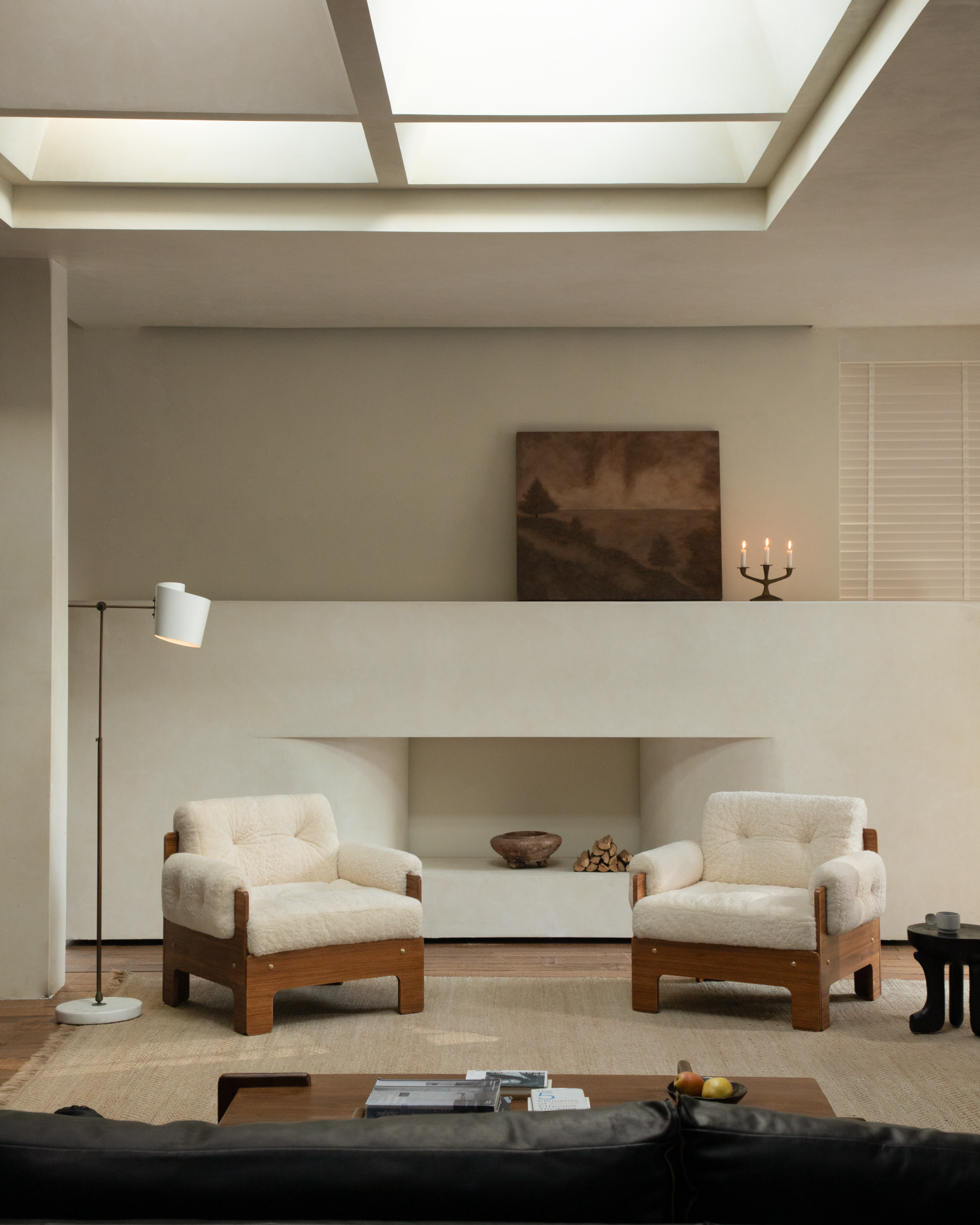

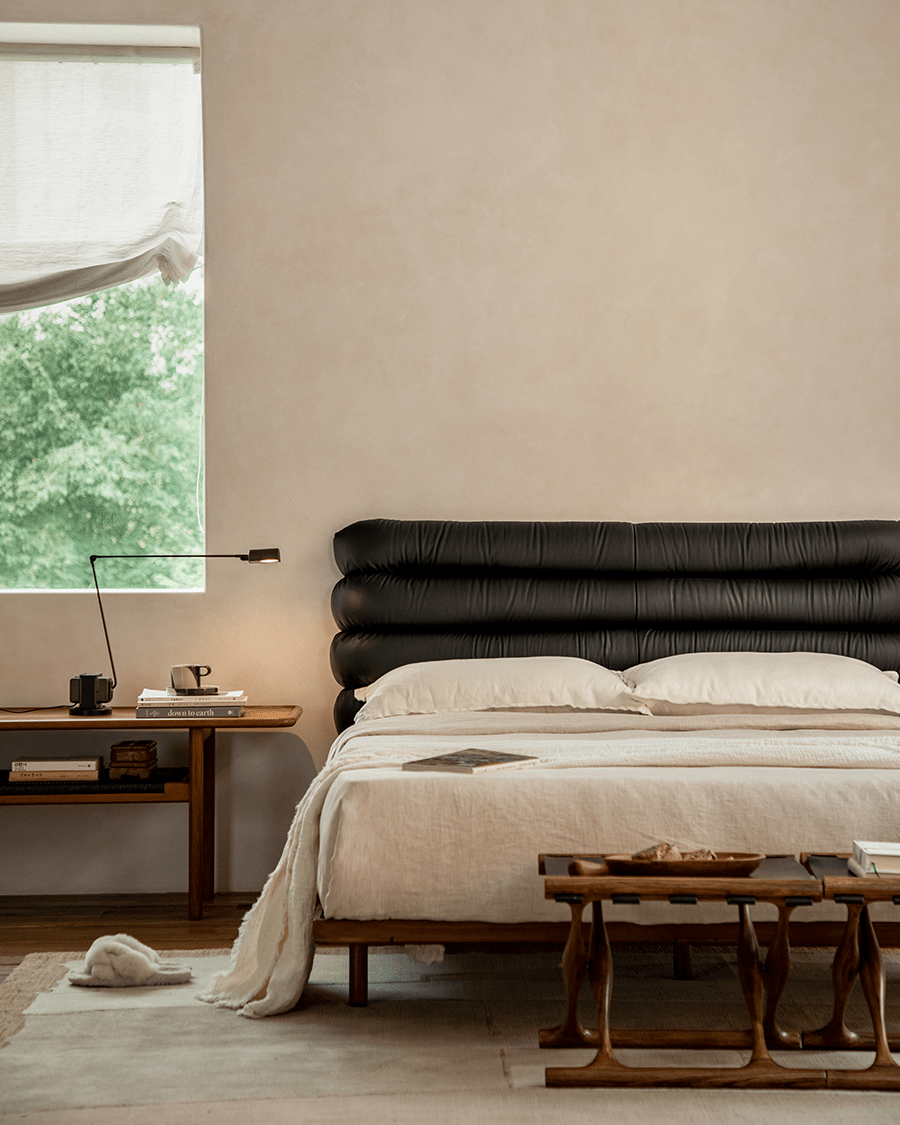
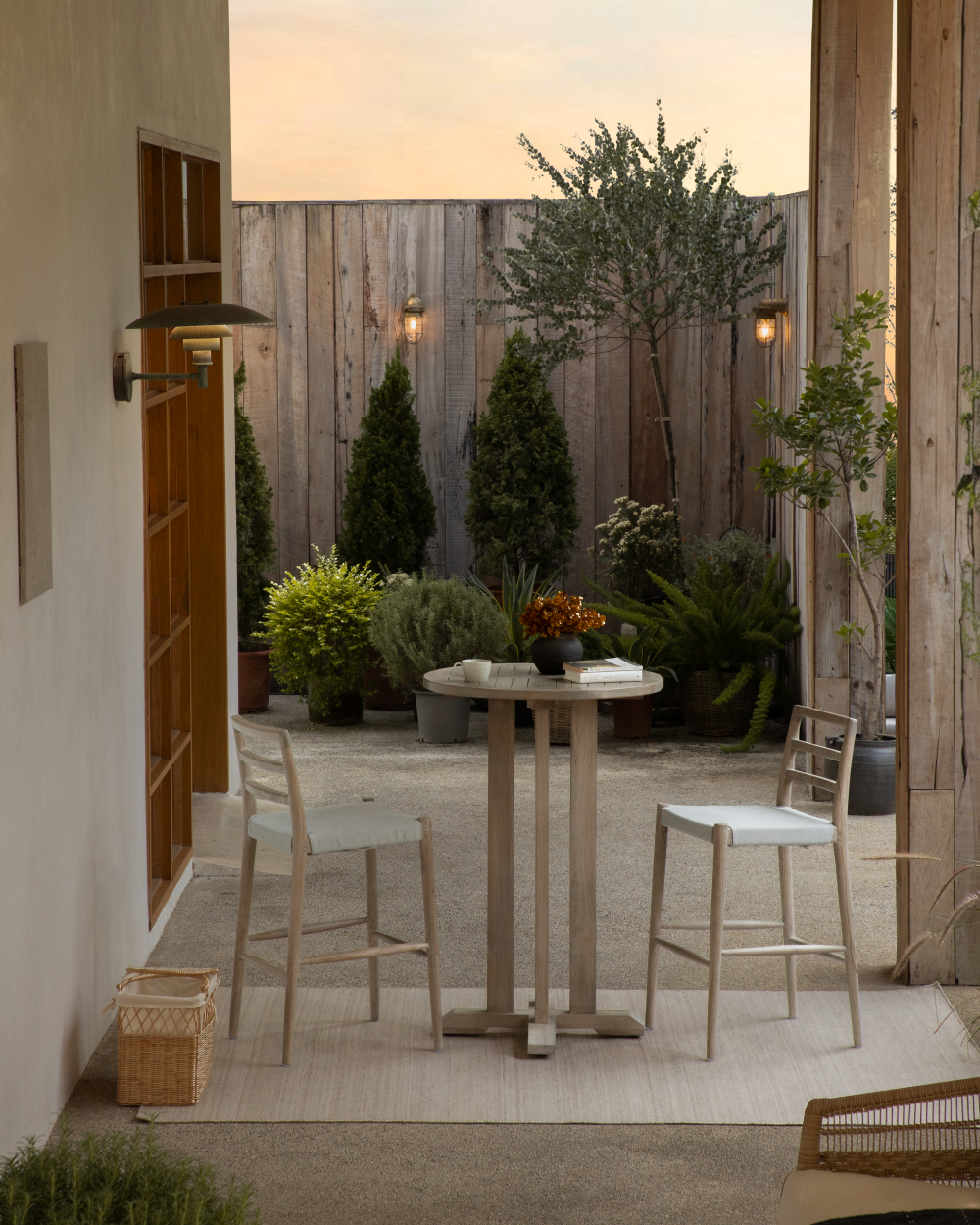
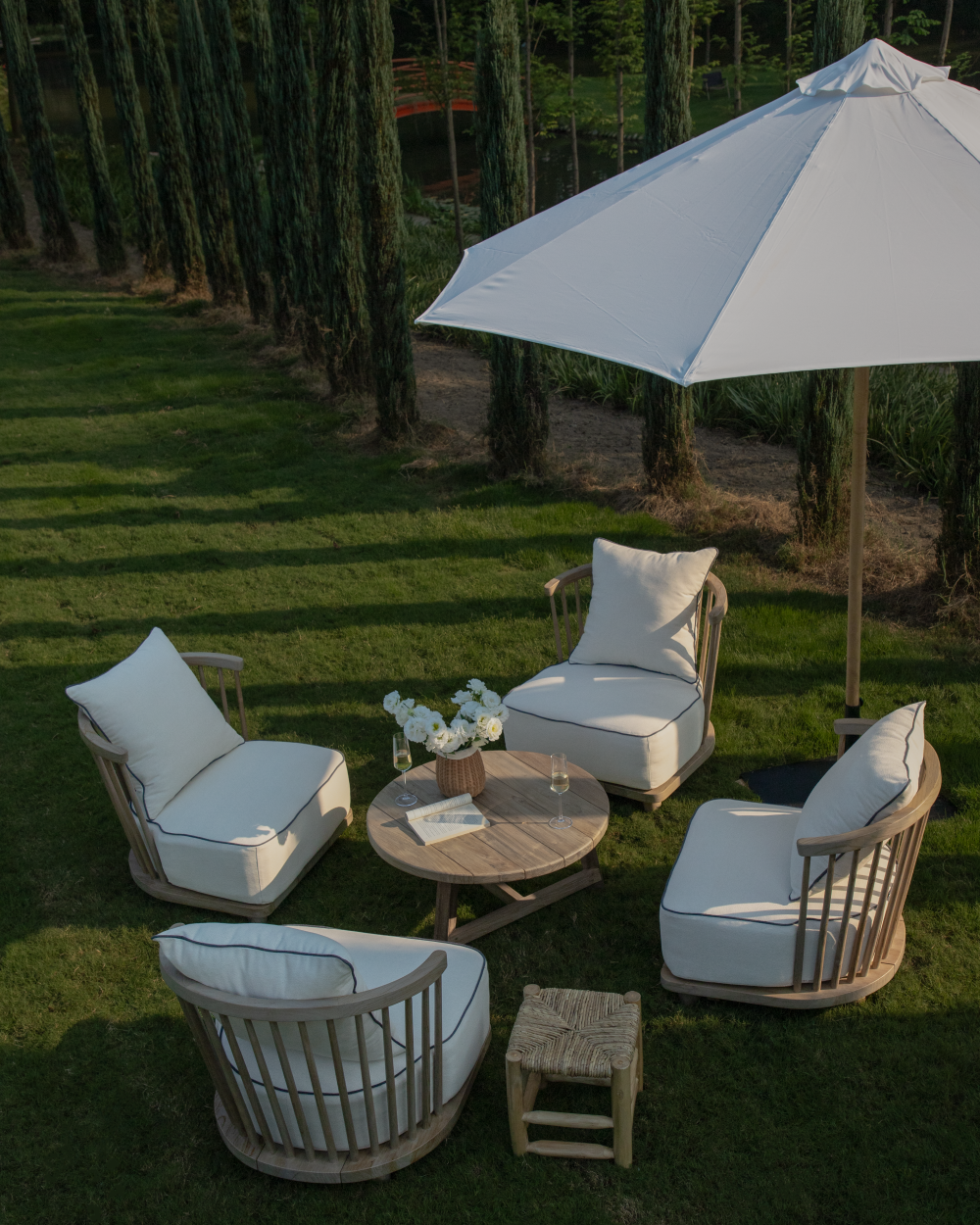
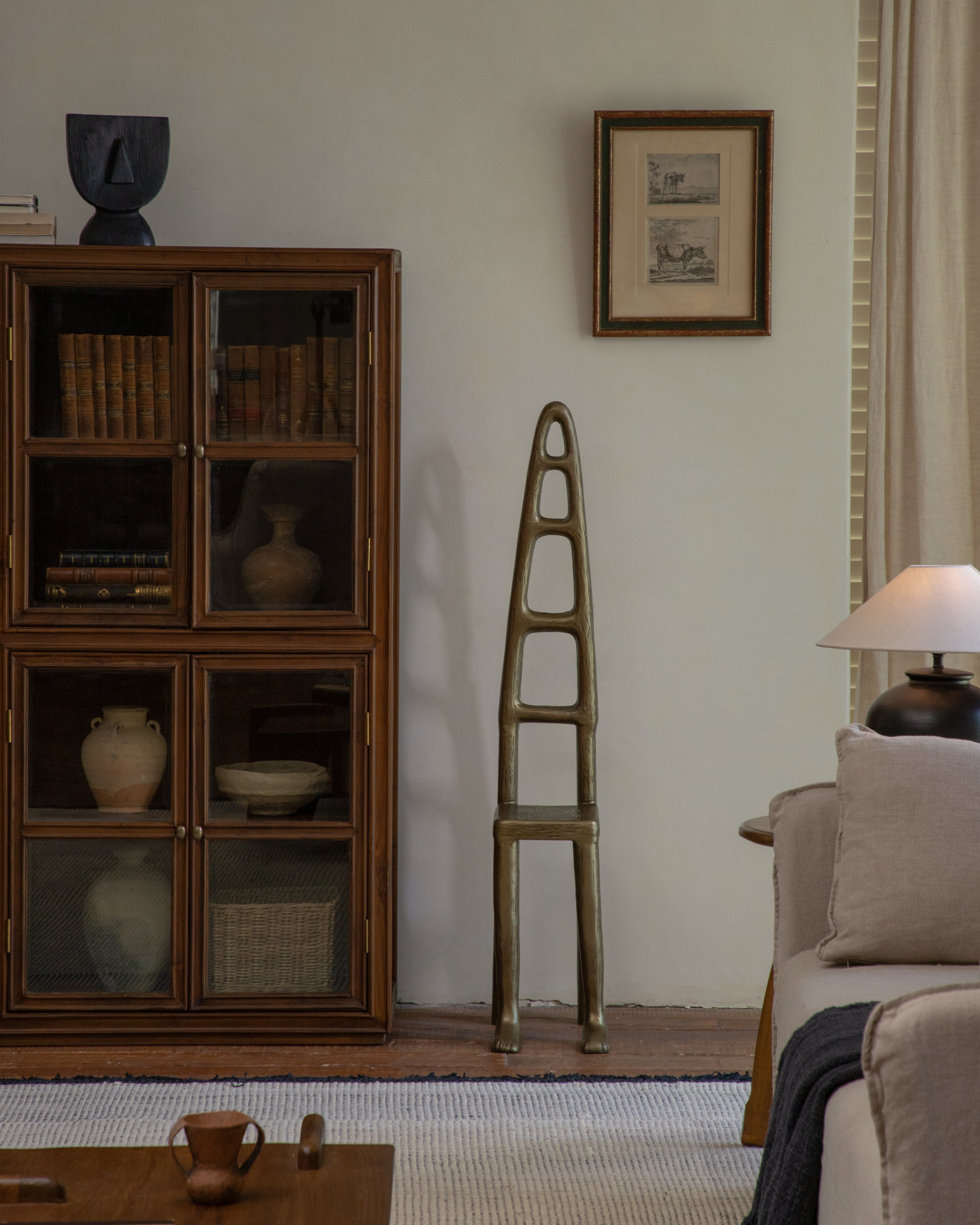
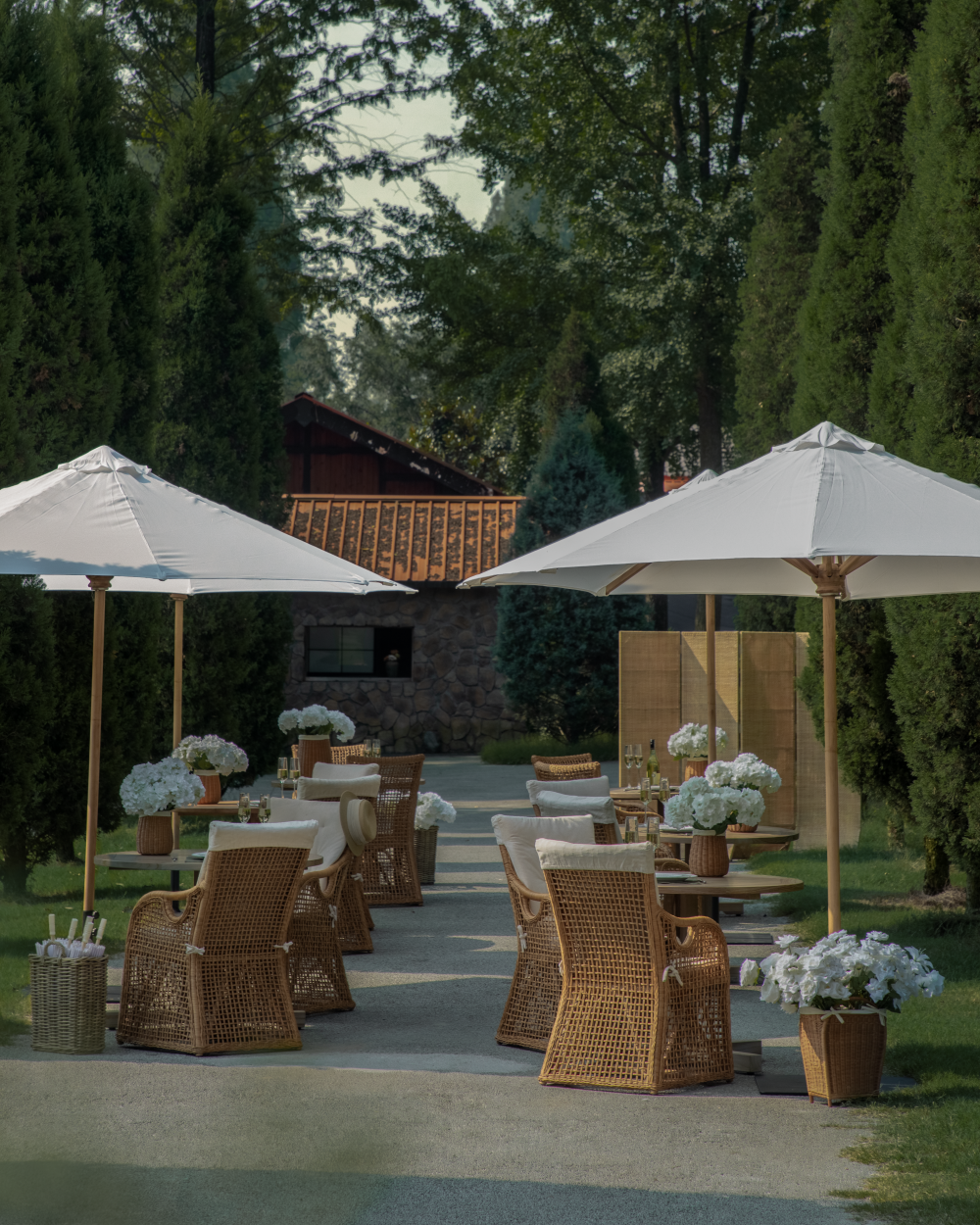
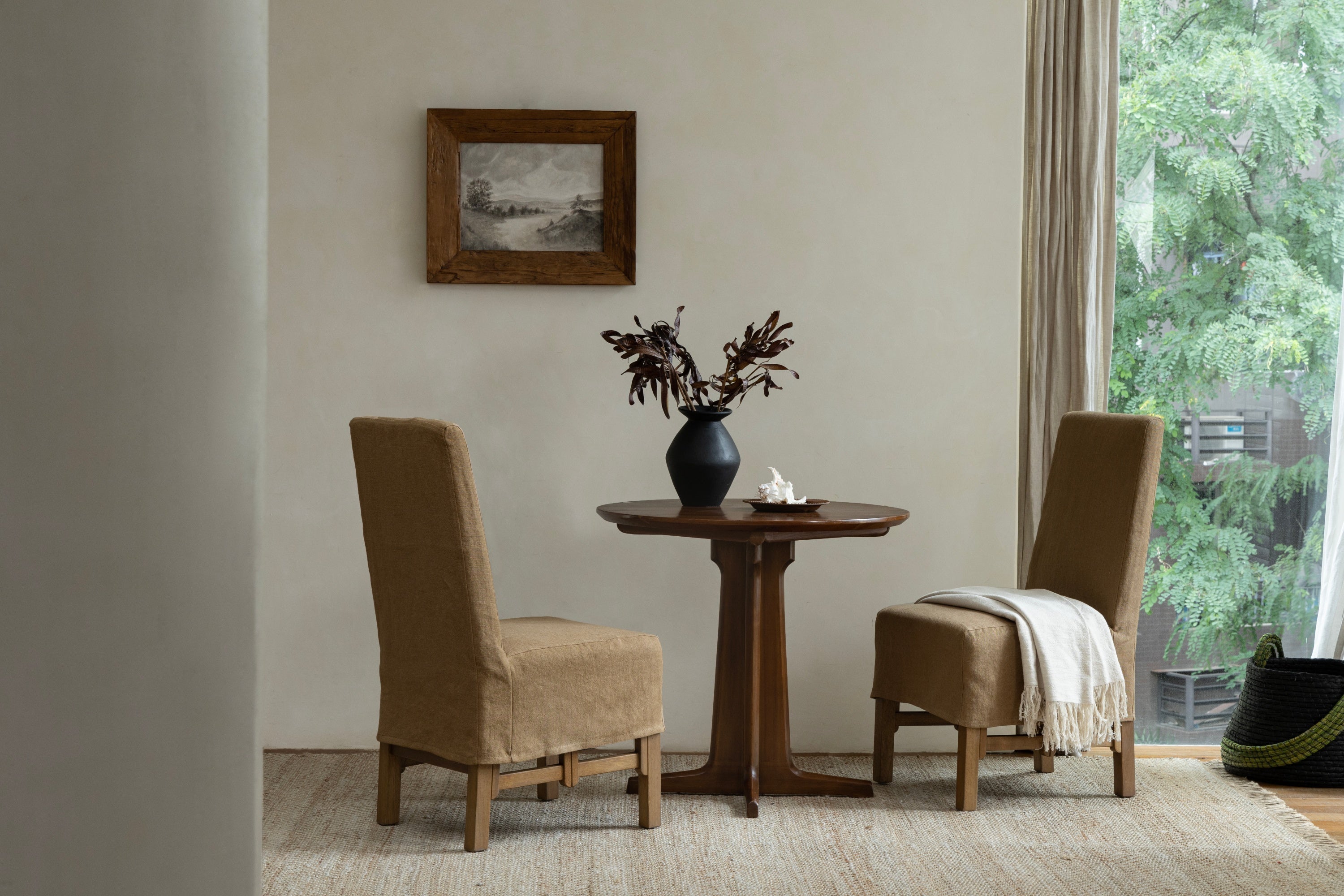
Dining chairs have a major impact on how a dining room looks and feels, especially when different styles are mixed together. Without a clear plan, the space can quickly feel messy instead of collected. The difference between a curated mix and an accidental one comes down to four design levers: style, material, color, and silhouette. Master all four, and a table ringed with different chair types feels intentional and well put together. Ignore even one, and the mix can end up looking accidental.
What Makes Dining Chair Styles Work Together
Successful chair mixing depends on a shared visual anchor, one consistent element across all chairs that signals the combination is deliberate. Three anchor categories cover the full range of dining chair styles and dining room chair styles.
Anchor by Color: Use One Hue Across Every Chair
Repeating a single color across every chair, whether through seat upholstery, frame finish, or cushion tone, creates visual continuity even when shapes differ significantly. The 60-30-10 color rule provides a reliable proportion system: 60% dominant color, 30% secondary color, and 10% accent color applied across the entire chair grouping. For the simplest starting point, match one chair color to the dining table's own finish, because the table already occupies the room's visual center and a color echo reinforces that hierarchy.
Anchor by Leg Design: Match the Base, Vary the Seat
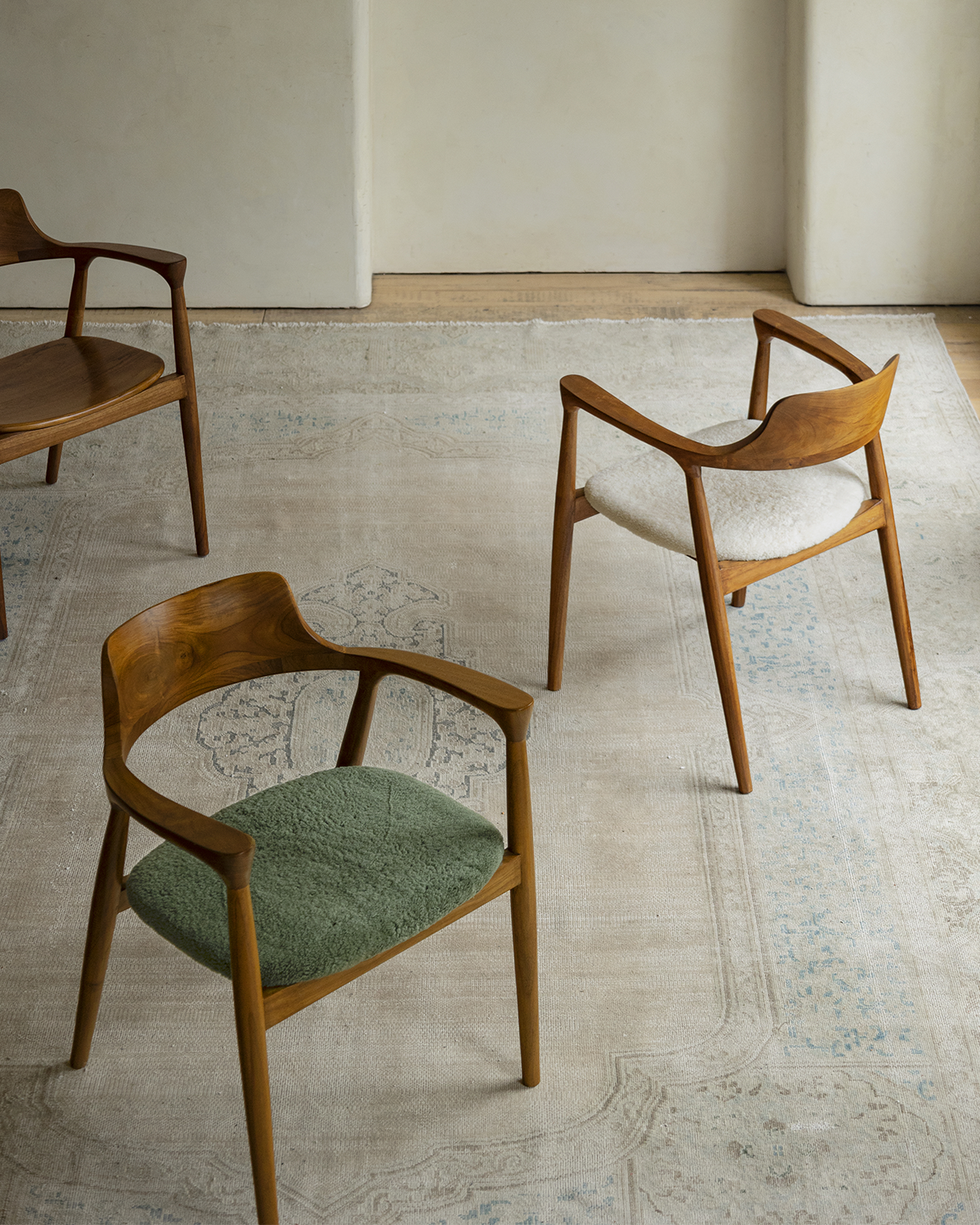
Identical or near-identical leg profiles, such as tapered, turned, or hairpin forms, unify chairs whose seats look completely different. Material consistency at the leg level, all-wood legs or all-metal legs across every piece, performs the same anchoring function without requiring identical profiles. This strategy works especially well when combining upholstered seats with non-upholstered ones, because the eye resolves the upper-body contrast by locking onto the consistent base.
Anchor by Era or Design Movement
Grouping chairs from the same design era creates cohesion because proportion systems and material palettes overlap naturally within a movement. Mixing two adjacent eras, such as mid-century modernism and contemporary minimalism, works reliably when silhouette weights are similar in scale and visual density. Combining three or more unrelated eras without a separate anchor, a shared color, or leg style, usually makes the setup feel disconnected because no single reference point remains stable enough to organize the composition.
Choosing one strong anchor, whether color, leg design, or era, gives mixed dining chairs a reason to coexist rather than compete. Mixing materials can add depth and personality to a dining space, but the balance has to feel intentional.

Pairing Materials: When Wood, Rattan, and Metal Belong at the Same Table
Mixing materials can make a dining space feel more layered and interesting, but each additional material introduces visual noise that must be offset by another shared quality. The following rules define which pairings succeed and where combinations cross into clutter.
- A modern wood dining chair pairs naturally with metal-frame seats because both materials share an industrial or Scandinavian design lineage, keeping the overall mood internally consistent.
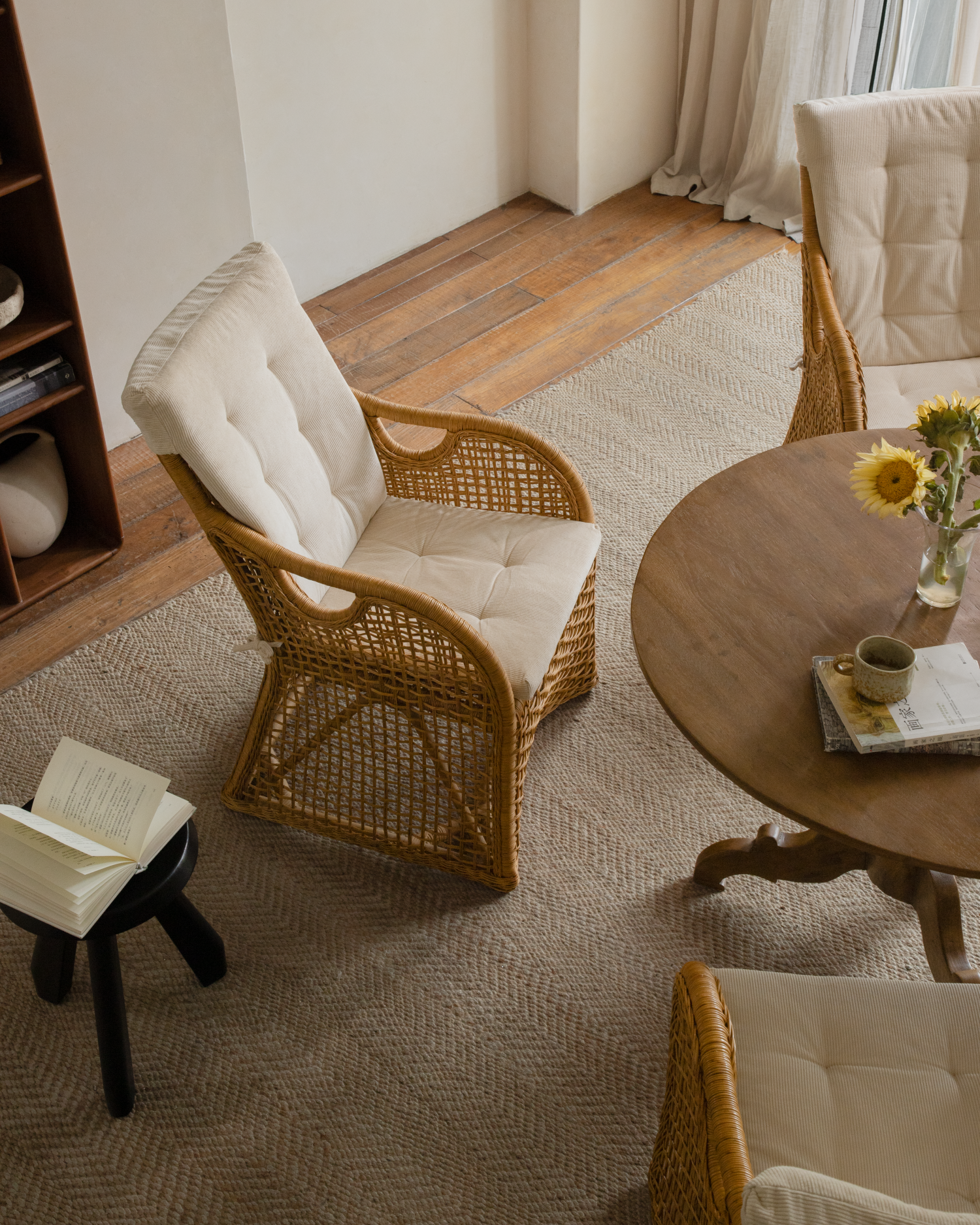
- A rattan dining chair introduces organic texture that reads as intentional when at least one other element in the room, such as a pendant light or a side table, repeats natural fiber or cane.
- A modern rattan dining chair with a powder-coated metal base bridges two material families, making it a versatile connector piece between an all-wood grouping and an all-metal one.
- Limiting material variety to two dominant materials per table setting prevents sensory overload; a third material is acceptable only when it appears in a single accent chair rather than across multiple seats.
- Matching sheen levels across materials, matte wood paired with matte metal, or glossy lacquer paired with polished chrome, creates cohesion even when the underlying materials differ completely.
- Upholstered seats in a material mix should share fabric weight and texture category, all velvets, all bouclés, or all linens, rather than mixing lightweight and heavy textiles at the same table.
Two dominant materials with matched sheen levels cover the widest range of dining chair combinations without making the setup feel disconnected. The following section translates these principles into a step-by-step selection process.
How to Build a Mixed Dining Chair Set From Scratch
Building a mixed set requires a defined sequence beginning with the table, not the chairs, so every subsequent choice is constrained by a clear visual reference point rather than isolated personal preference.
- Lock the Table First: Identify your dining table's material, finish, and leg style before selecting any dining chair, because the table sets the overall tone for the rest of the chairs.
- Select a Hero Chair: Choose one dining chair style that represents the room's dominant aesthetic, such as a mid century dining chair with tapered legs, and purchase enough units to fill at least half the seats at the table.
- Choose a Contrast Chair That Shares One Quality: Select a second chair style that differs in silhouette or material but mirrors the hero chair in leg finish, seat height, or color family to preserve the visual anchor established in Step 1.
- Decide on Armchair Placement: Position chairs with arms, typically wood dining chairs with arms or upholstered armchairs, at the table heads only, because placing armed chairs along the sides reduces knee clearance and disrupts the seating line's visual rhythm.
- Test the Squint Rule: Step back three meters, squint to blur detail, and evaluate whether the chair grouping feels visually connected or as several competing objects; redistribute chairs or adjust the color anchor if distinct clusters remain visible.
- Validate Scale Consistency: Confirm that seat heights fall within a 2 cm variance across all chairs and that back heights differ by no more than 10 cm, because scale mismatches register as errors even when style and color are well-coordinated.
Following this six-step sequence prevents the most common mixing mistake, which is choosing chairs independently rather than relationally. The size and shape of the table also affect how many different chair styles can work together without feeling chaotic.

Seating Configurations: How Many Chair Types Can One Table Support?
The number of distinct dining chair types a table can absorb depends on table size, seating count, and the strength of the shared visual anchor. The comparison below maps common configurations to their ideal complexity level.
|
Table Size / Seat Count |
Recommended Chair Type Count |
Best Configuration Pattern |
Key Constraint |
|
4-seat round or square table |
2 types maximum |
2 identical armless dining chairs + 2 identical armchairs at opposite sides |
Scale and seat-height parity are critical; any mismatch is immediately visible on a small table. |
|
6-seat rectangular table |
2-3 types |
4 matching side chairs + 2 distinct head chairs (e. g., wood dining chairs with arms) |
Head chairs should be the most visually bold; side chairs act as the neutral majority. |
|
8-seat rectangular table |
2-3 types |
6 matching side chairs + 2 statement armchairs, or alternating pairs of two complementary styles |
Alternating pattern requires a very strong shared anchor (color or leg finish) or the rhythm reads as indecision. |
|
10-seat or banquet table |
Up to 3 types |
Bench on one long side + 2 armchair styles on opposite side and heads |
Bench reduces visual complexity, freeing up capacity for more varied chair styles on the opposite side. |
Larger tables tolerate more chair variety because the eye has more surface area to find repeating patterns before registering difference as disorder. The overall arrangement matters, but the smaller finishing touches are what pull a mixed chair set together visually.
Finishing Touches That Make Mixed Chairs Look Elegant, Not Accidental
If you don't add the deliberate finishing touches, even a well-balanced chair mix can look unfinished. These five interventions help the entire setup feel more polished and cohesive.
- Uniform seat cushions or tie-on pads in a single fabric applied across all chair types instantly reduce visual competition and signal clear intentionality.
- Elegant dining chairs stand out more naturally when positioned at the table heads, because the highest-detail piece at the ends of the table reads as the designer's primary statement of intent.
- A consistent table runner color that echoes the dominant chair hue creates a horizontal visual thread tying disparate seat shapes into a single composition.
- Overhead lighting positioned at the same height as the average chair back top draws the eye upward and away from seat-to-seat differences, reducing perceived contrast between chair types.
- Removing excess chairs from the room when not in use keeps the room from feeling overcrowded; any chair that does not fit the mix should be stored rather than pushed against a wall where it competes with the set.
Finishing details do not rescue a poorly planned mix, but they amplify a well-planned one into a room that reads as professionally designed.
Mix and Match Dining Chairs Without Looking Messy
Keep at least one detail consistent across the chairs, such as color, material, or leg finish, so the mix feels connected instead of random. Limit the number of chair styles based on table size, and use simple finishing touches like matching cushions or head chairs to tie everything together. A balanced mix adds personality without making the dining space feel busy.

Frequently Asked Questions
Q1. How Do You Mix Chair Styles Without Making the Room Look Cluttered?
Choose one shared visual element, such as leg finish, seat color, or design era, and apply it consistently to every chair in the set. This single anchor helps the different chair styles feel connected. Without an anchor, even two styles can look accidental; with one, four styles can look deliberate.
Q2. Can You Mix Mid Century Dining Chairs With Contemporary Styles?
Yes. Mid century dining chairs pair well with contemporary styles because both movements prioritize clean lines and restrained ornamentation. Seat-height consistency and a shared leg finish are the key constraints. Avoid pairing mid-century tapered wood legs with ornate turned legs, as their shapes and detailing usually clash.
Q3. Are Wicker Dining Armchairs Hard to Incorporate Into a Mixed Set?
Wicker dining armchairs and wicker dining armchairs work best as accent or head seats rather than the majority type, because their open-weave texture dominates visually. Pair them with solid-back armless seats so the wicker reads as a deliberate contrast element rather than a mismatched addition to the grouping.
Q4. How Many Chairs Should Be Identical in a Mixed Dining Set?
At a minimum, 50% of the seats at the table should be one identical chair type to establish a clear visual majority. On a six-seat table, four matching chairs plus two contrasting chairs creates a stable hierarchy. Dropping below 50% identical chairs requires an exceptionally strong shared anchor to prevent a chaotic result.
Q5. What Is the Easiest Way to Update a Mismatched Set of Dining Chairs?
Re-upholstering all seats in a single fabric is the fastest correction because it imposes a color and texture anchor across chairs that otherwise share nothing. A uniform slipcover achieves the same result at lower cost. Both approaches work without replacing any chair frame, preserving existing investment while restoring visual cohesion.