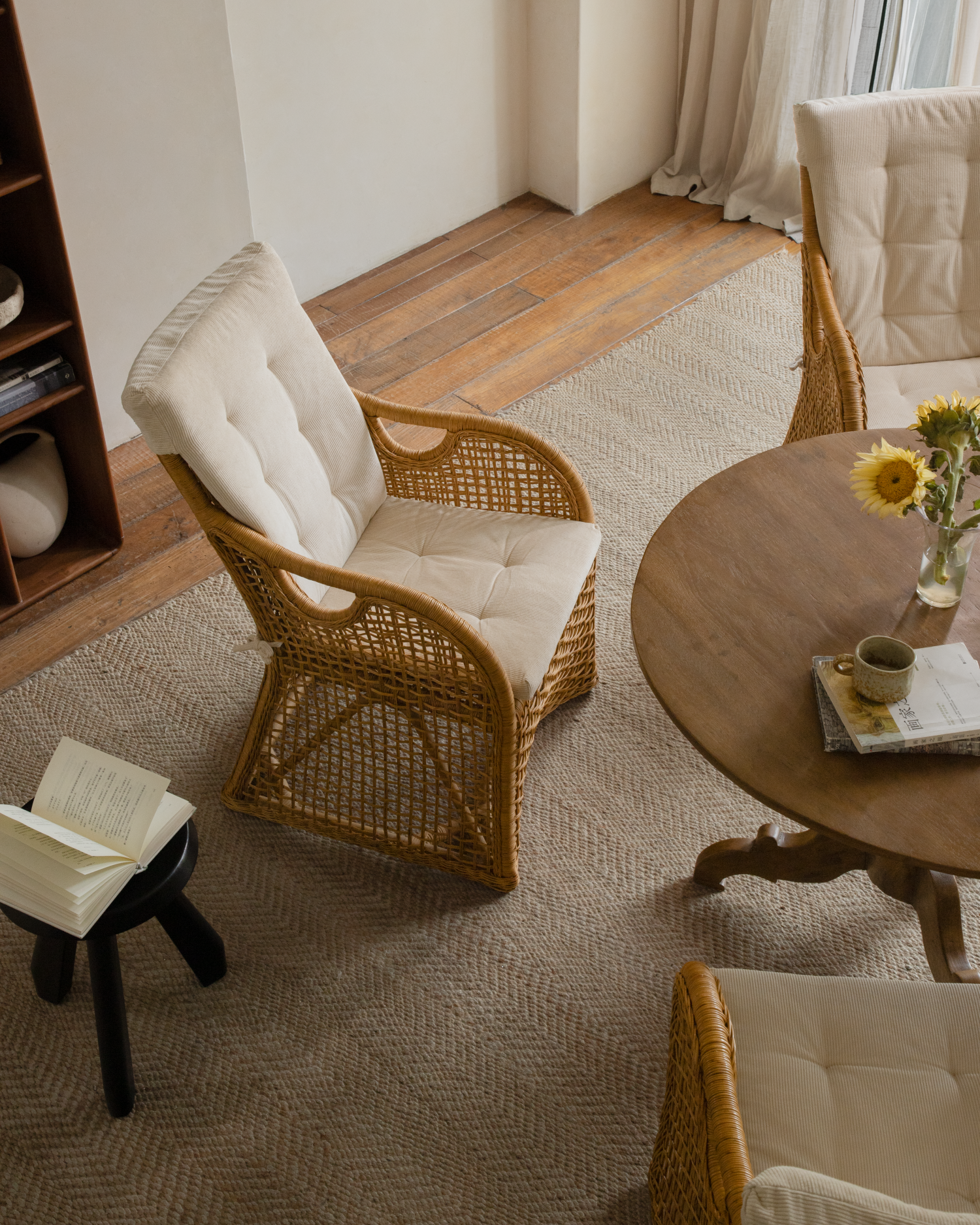
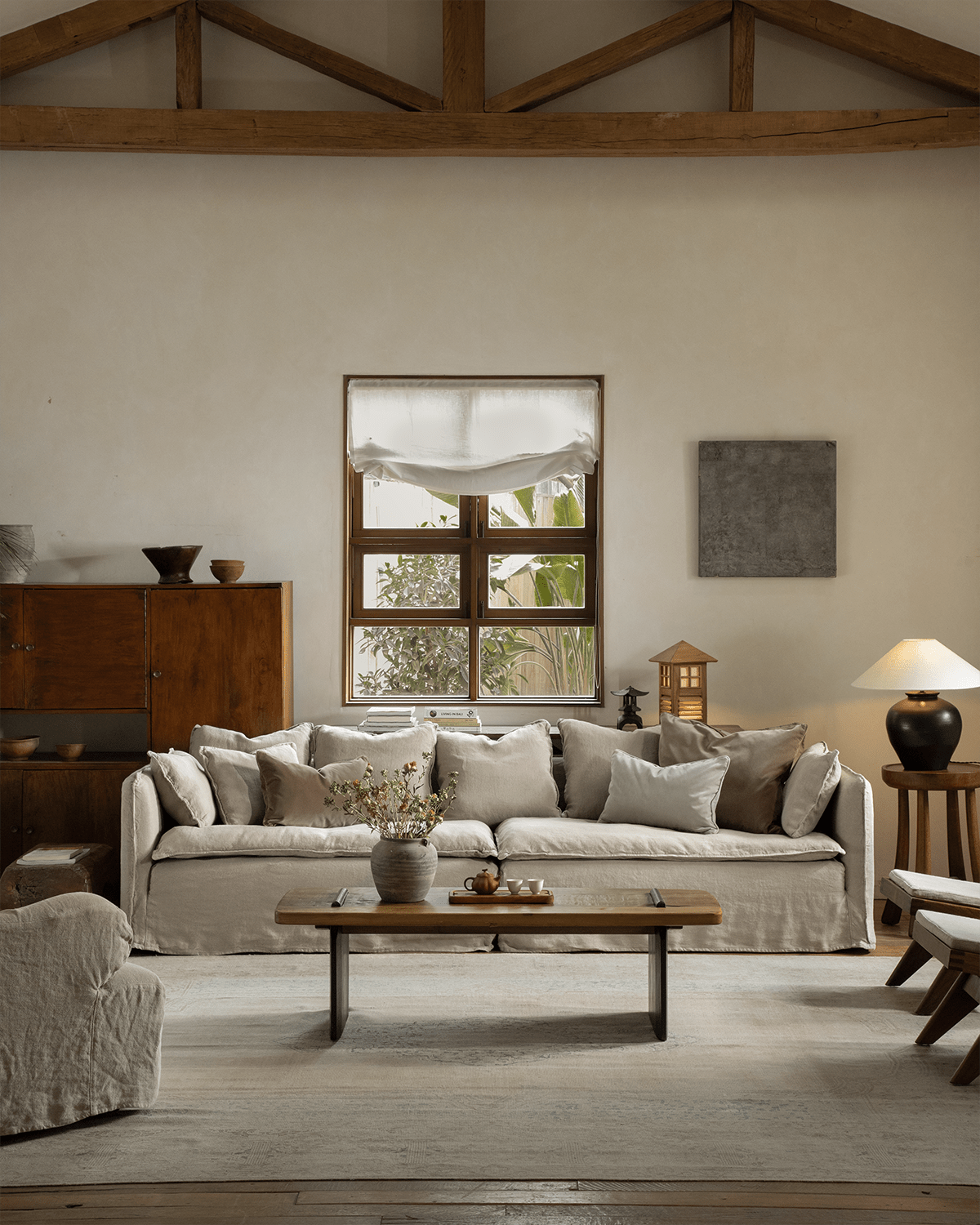
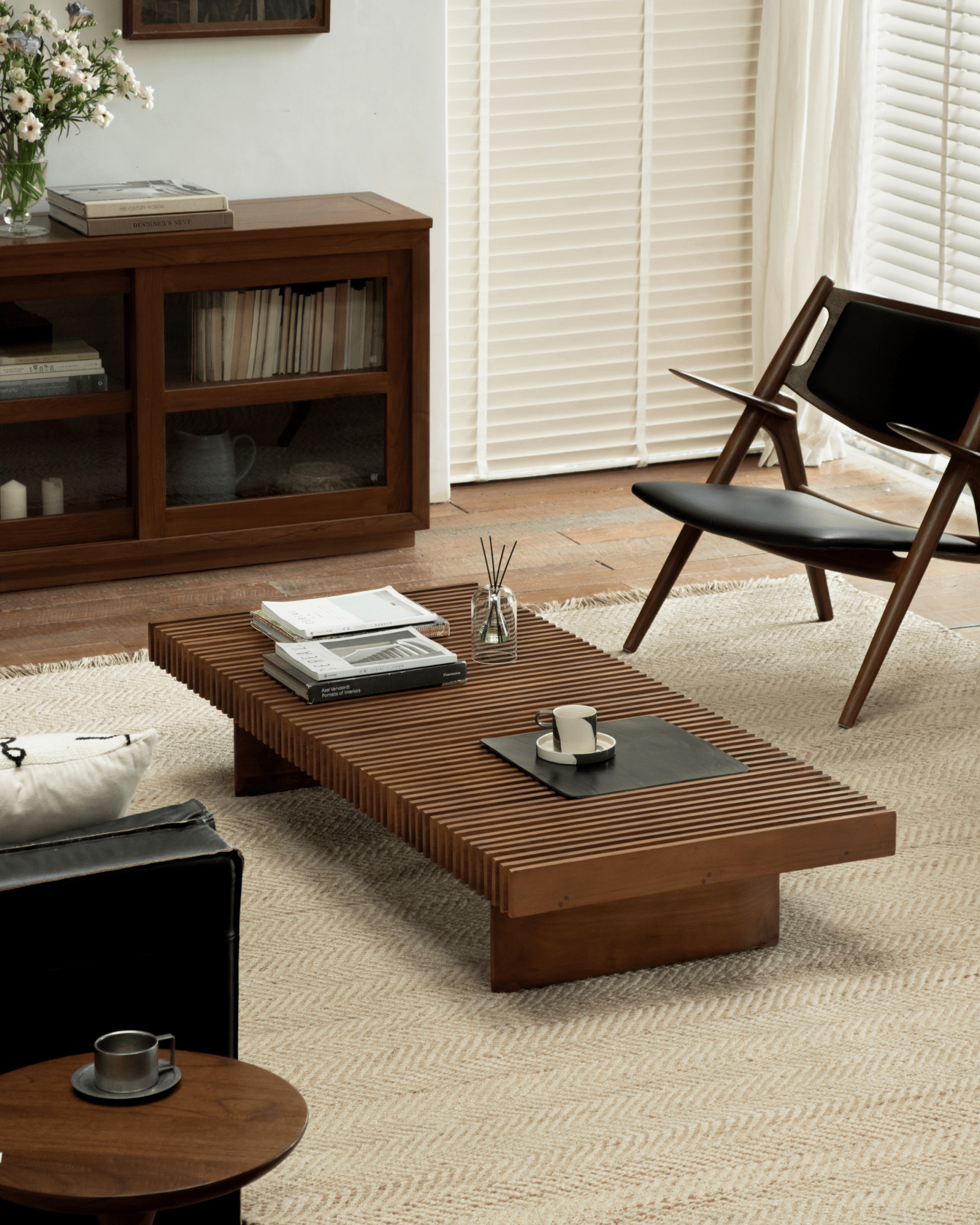
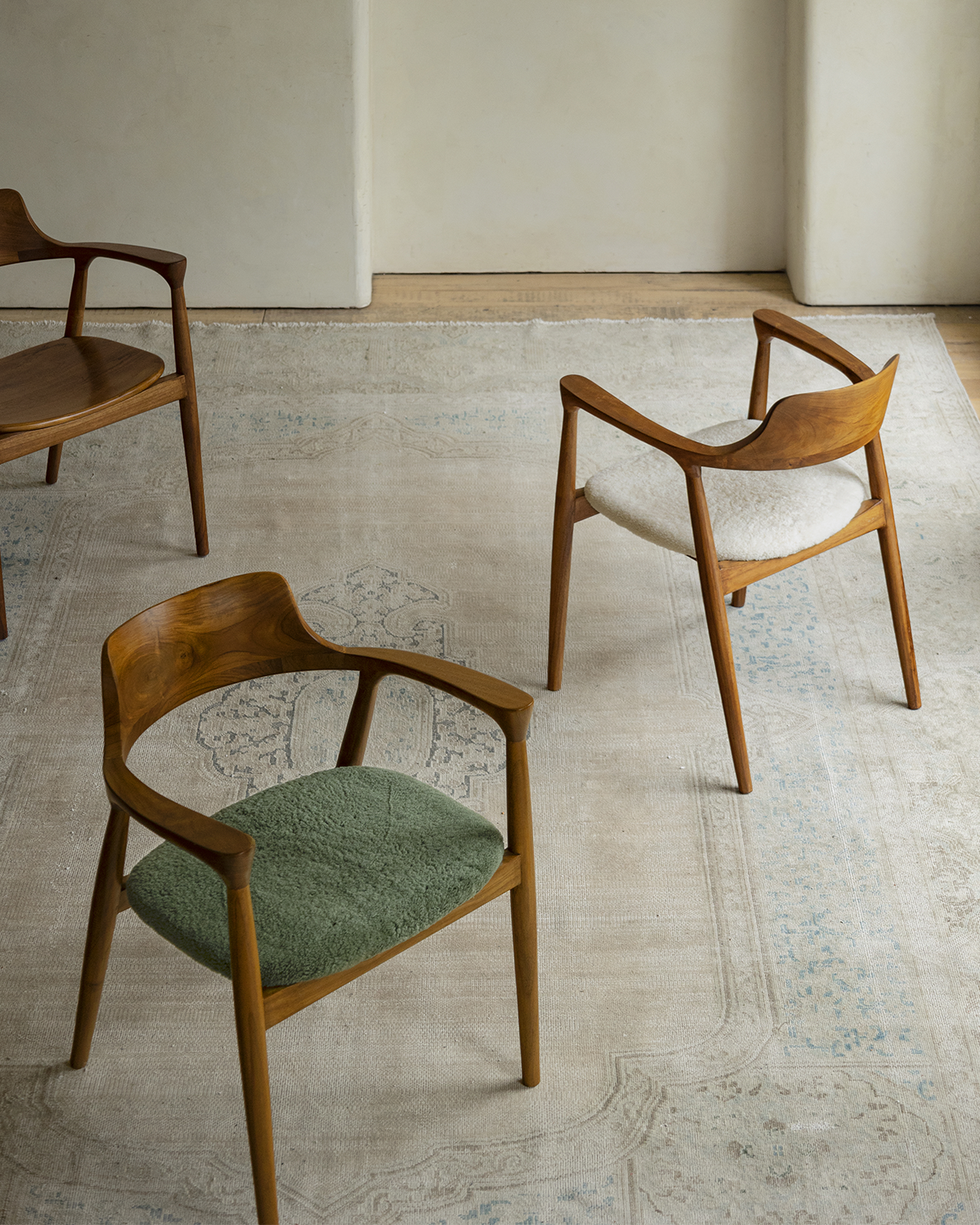

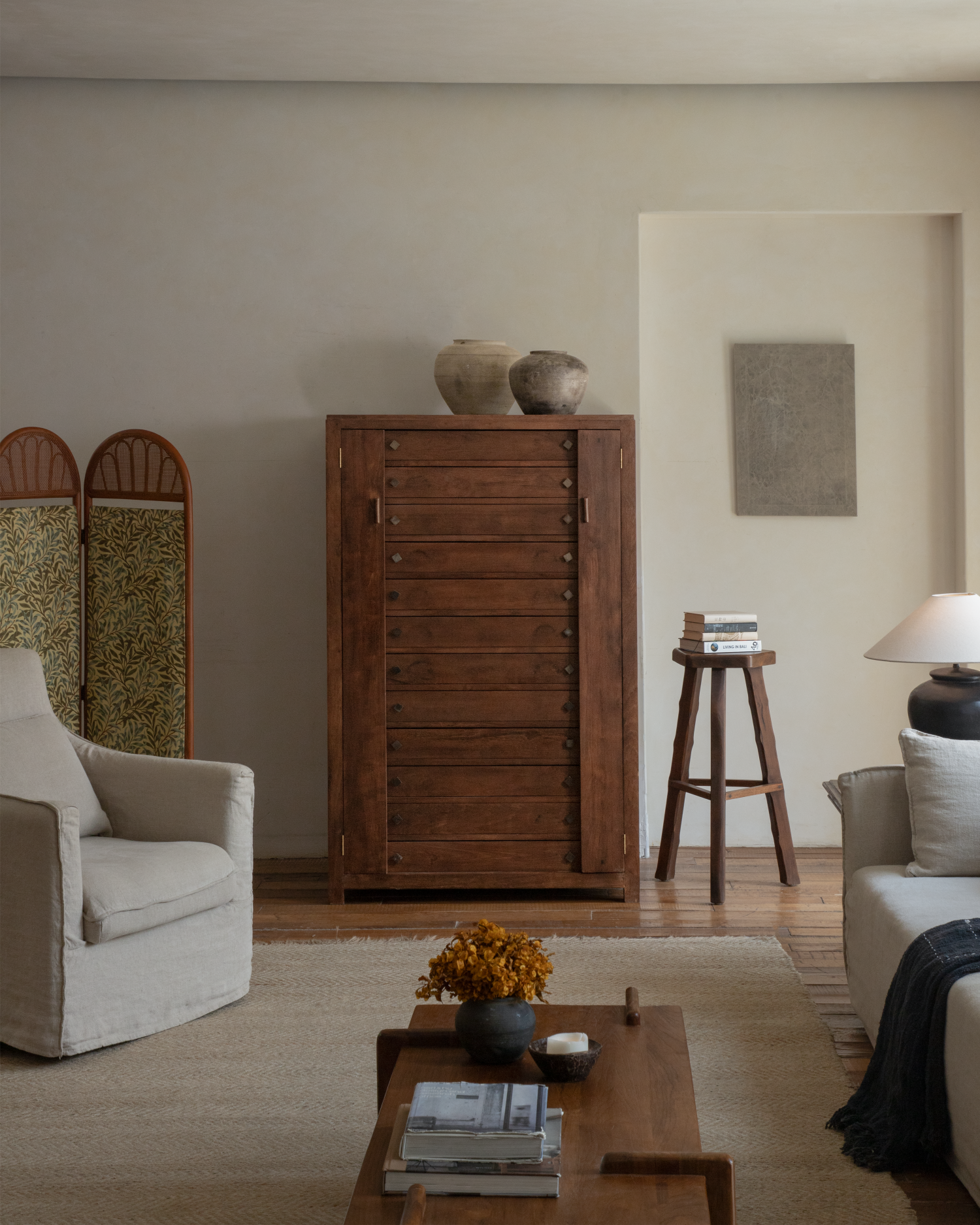
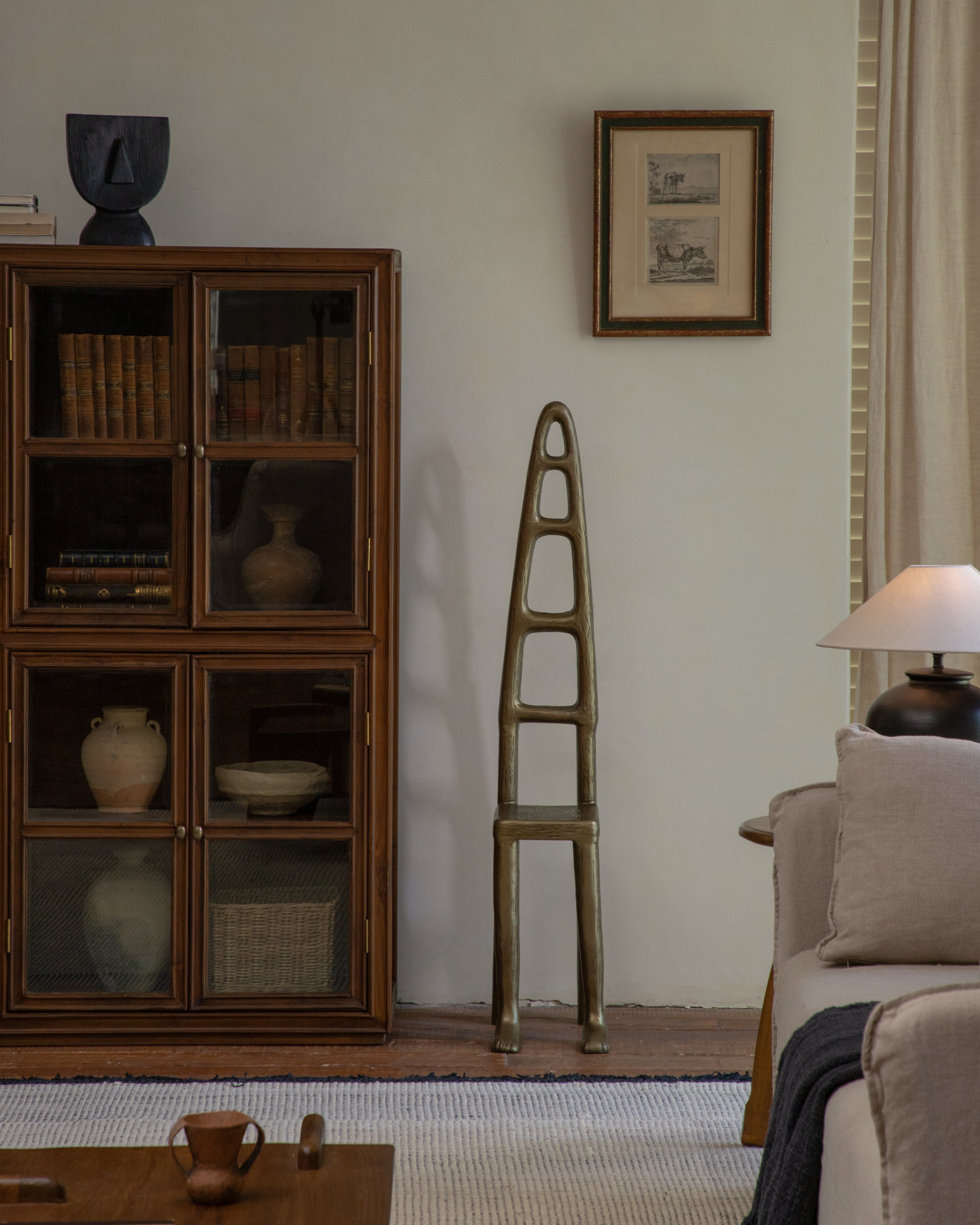

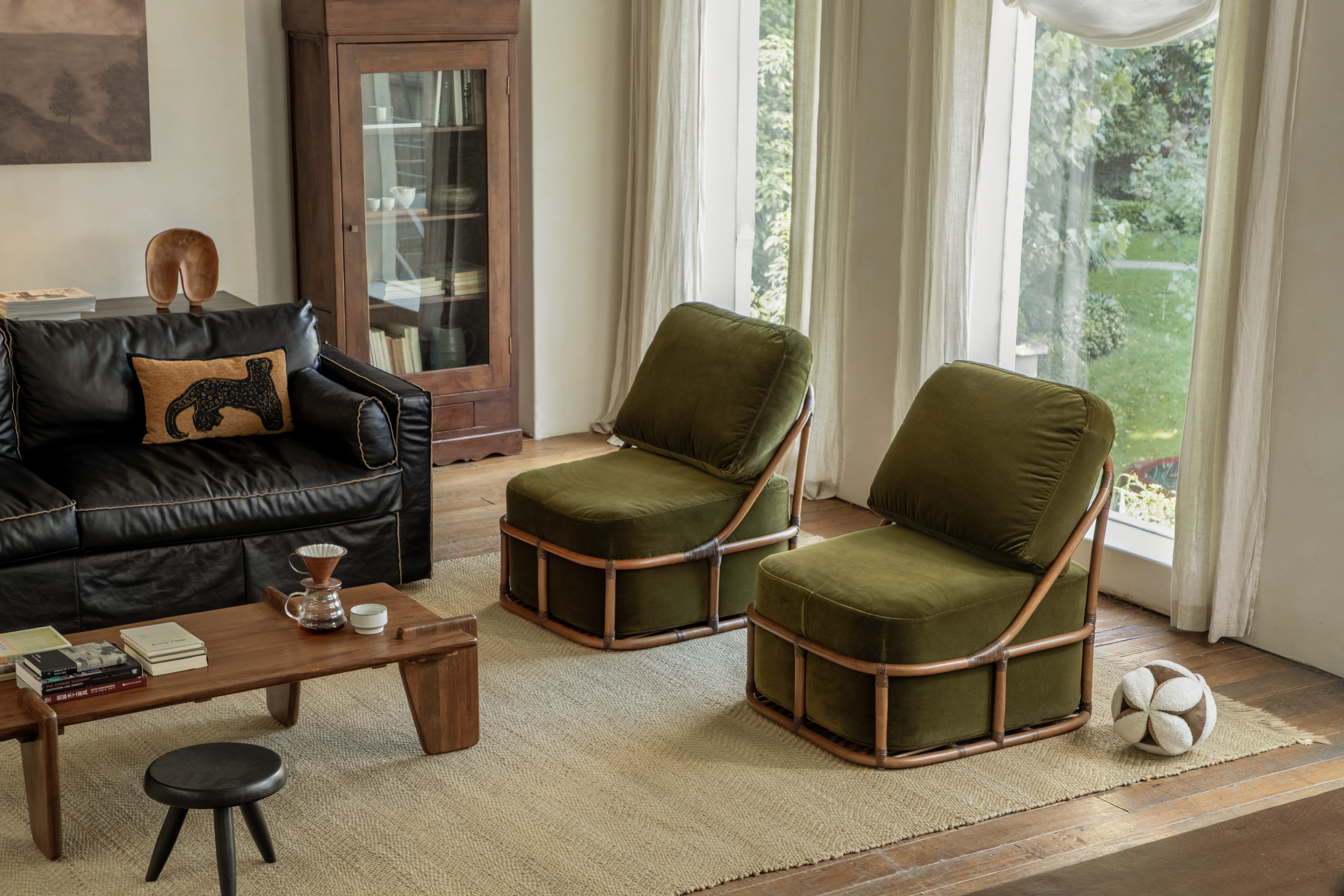
An accent chair can do more than fill an empty corner. The right piece adds comfort, balances the room, and gives your space a polished look. In quiet luxury interiors, accent chairs stand out through soft curves, rich textures, and thoughtful proportions rather than bold patterns or flashy details. This article covers the key features to look for so you can choose a chair that feels refined, comfortable, and easy to live with.
What Defines a Quiet Luxury Accent Chair?
Quiet luxury focuses on quality, comfort, and thoughtful design. Instead of bold patterns or decorative details, these chairs stand out through shape, texture, and materials.
Sculptural Shapes
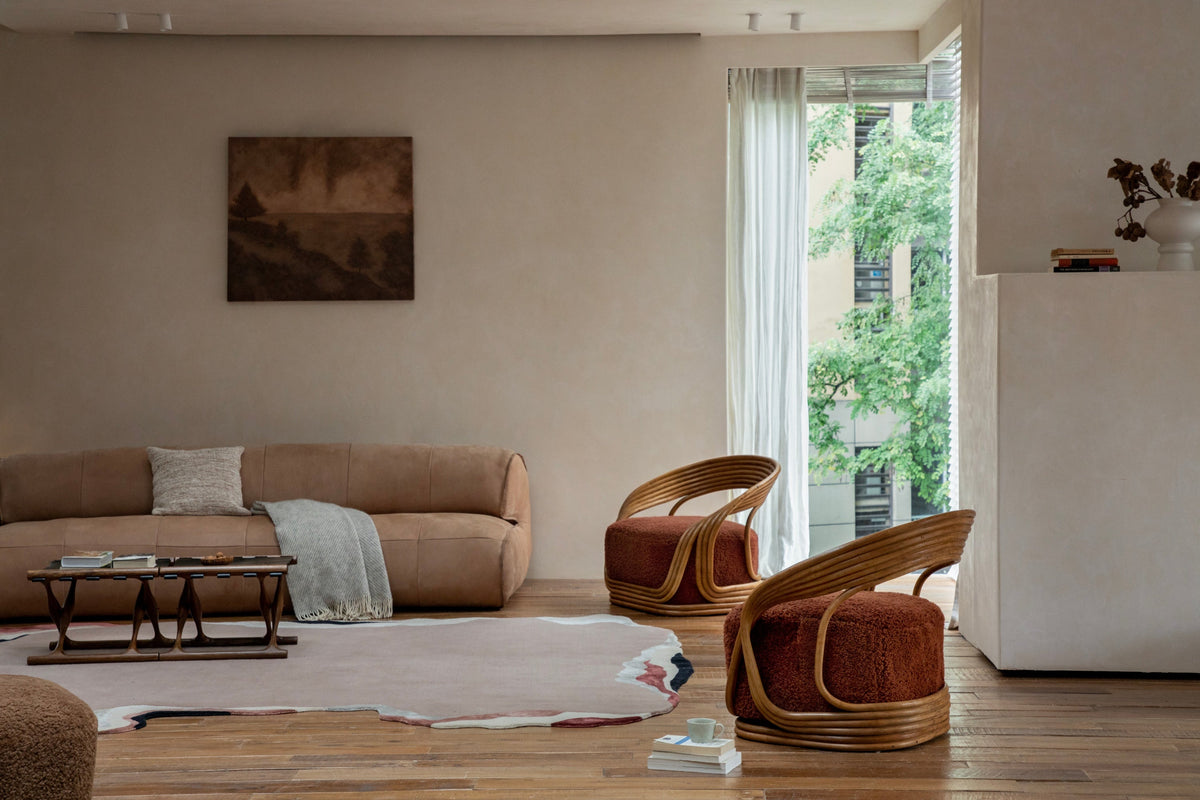
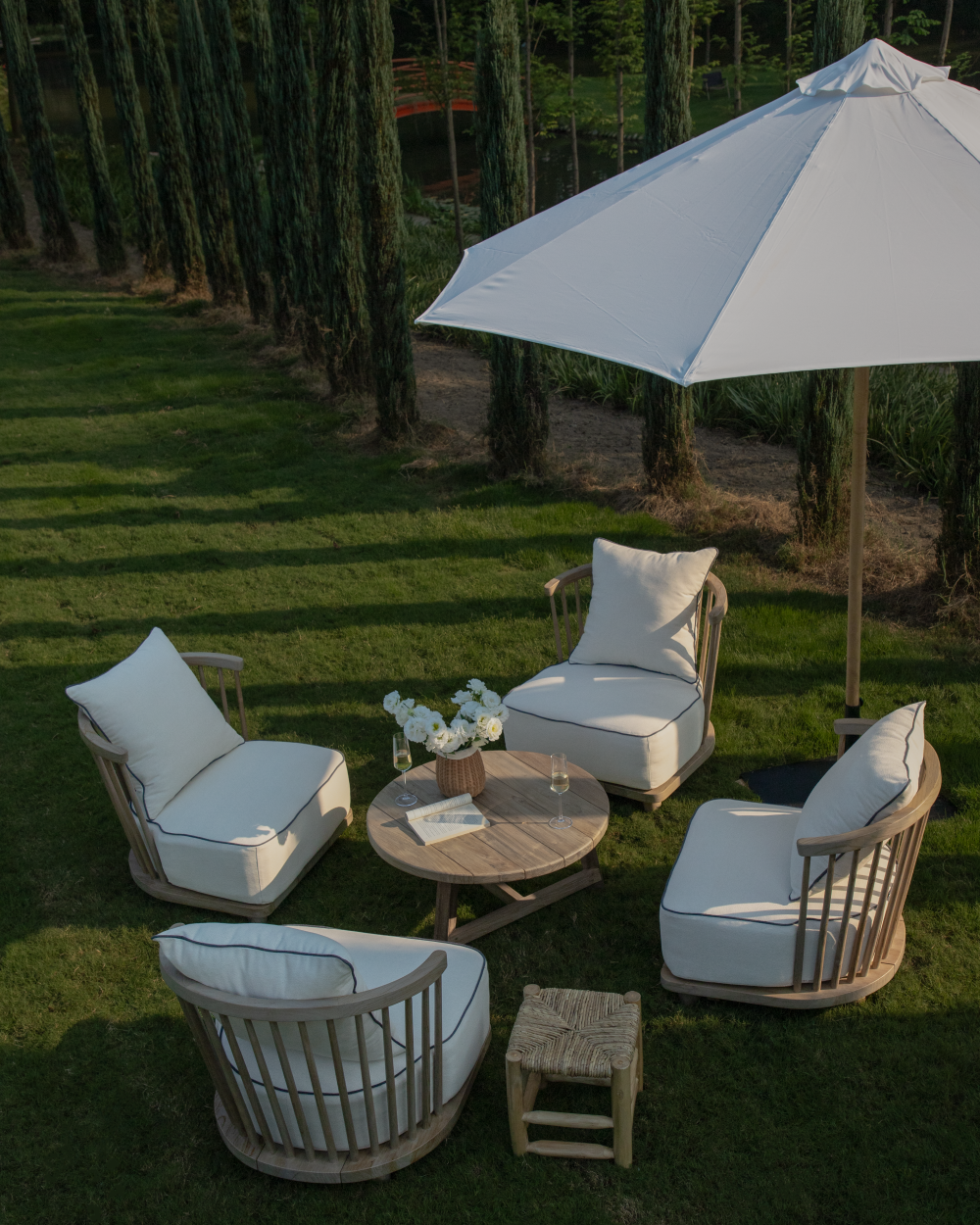
Curved silhouettes are a key feature of quiet luxury interiors. Barrel-back chairs, rounded edges, and soft lines help create a relaxed and welcoming feel.
Many designs also include swivel bases, making them practical for living rooms and conversation areas. These chairs work best when they have enough space around them, allowing their shape to become part of the room's design.
Rich Textures and Natural Materials
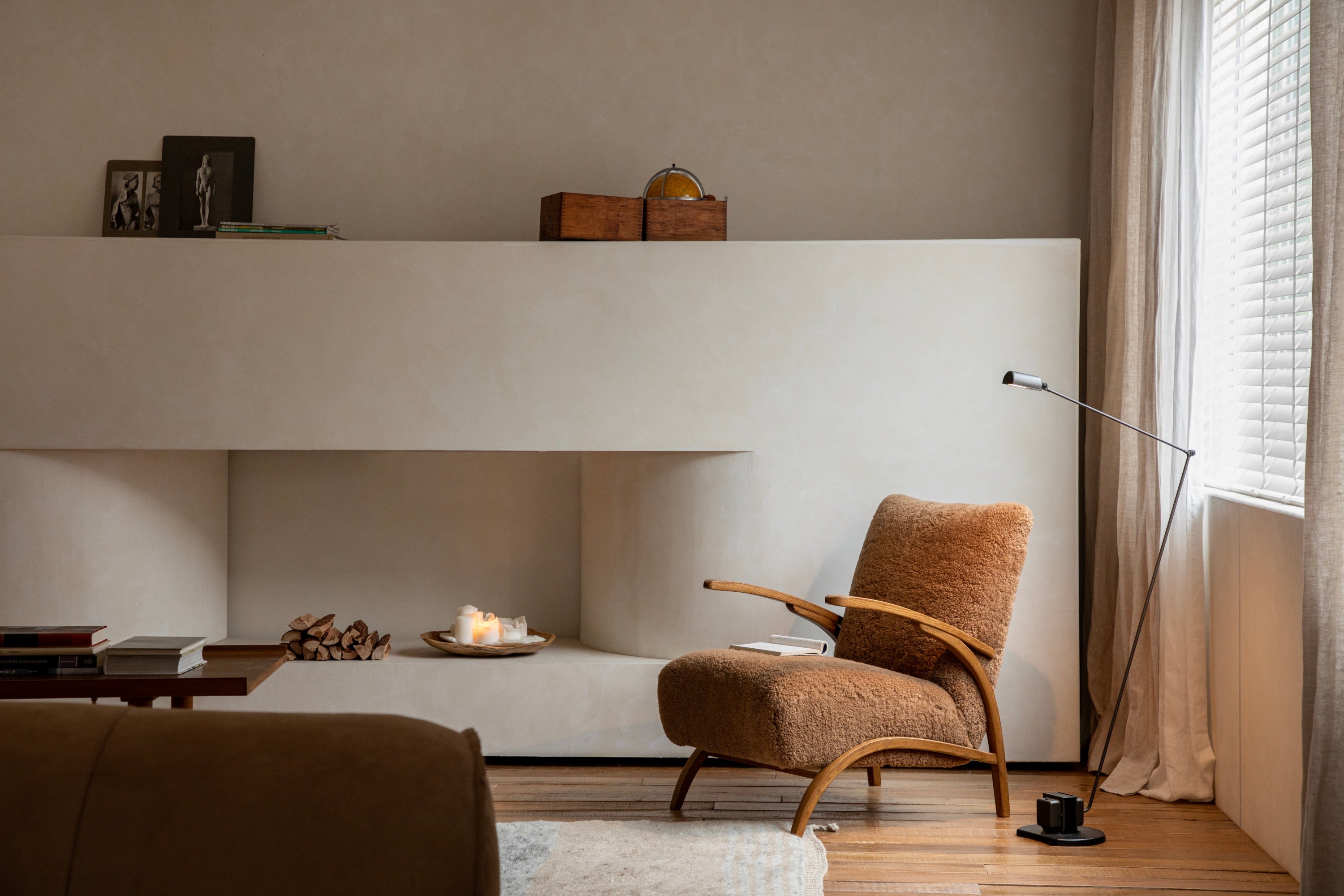
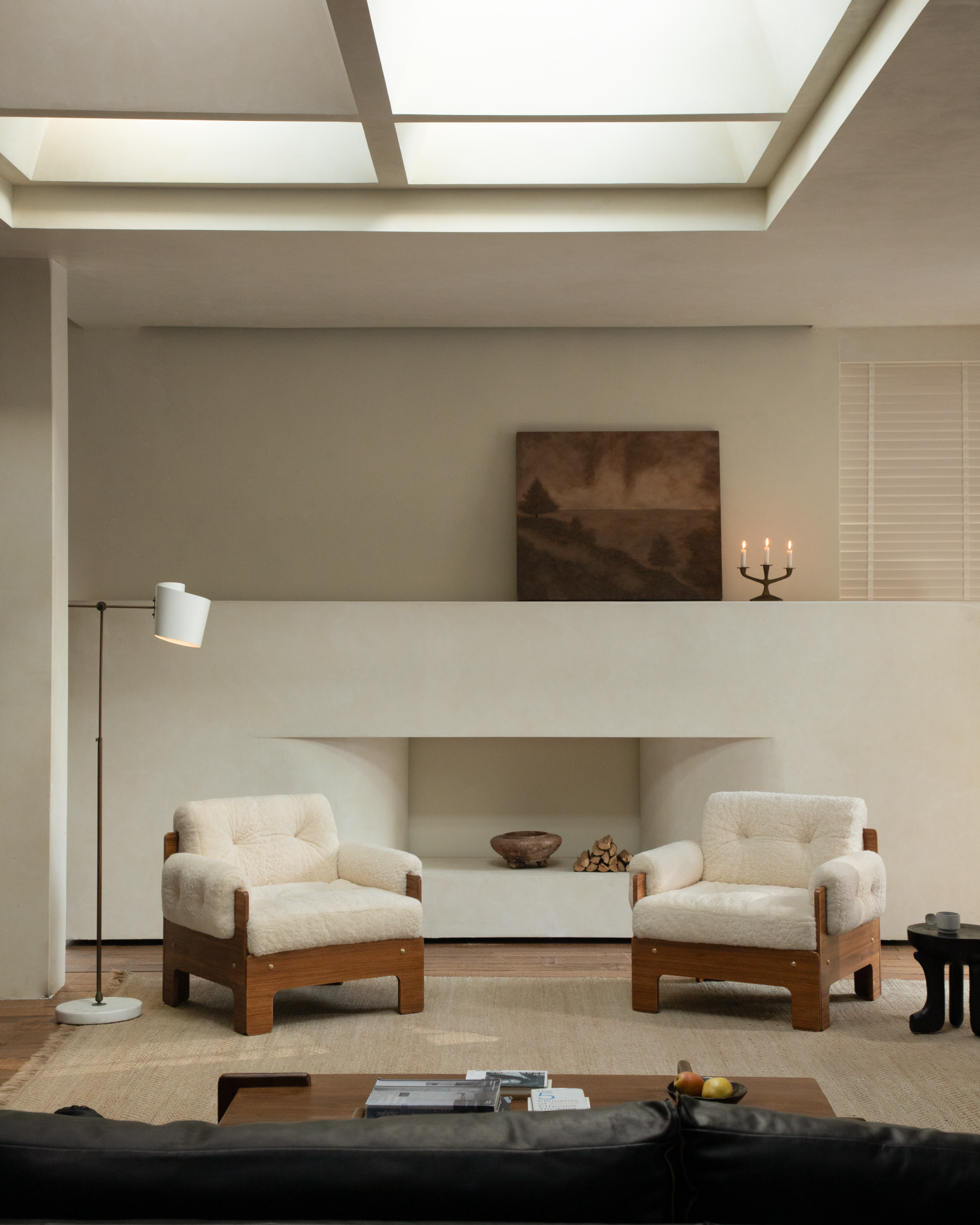
Texture adds depth without making a room feel busy. Bouclé remains popular, but it is often used more selectively than in previous years. Chenille and velvet are also common choices because they feel soft and comfortable.
To create balance, pair textured fabrics with smoother materials such as leather, glass, wood, or metal. This contrast keeps the room from feeling flat or overly coordinated.
Warm, Natural Colors
Quiet luxury spaces often use colors inspired by nature. Warm beige, sage green, terracotta, taupe, and chocolate brown help create a calm and inviting atmosphere.
Instead of matching every piece of furniture, many designers use the accent chair as a subtle focal point. A chair in a warm neutral or earthy shade can add depth while still blending naturally with the rest of the room.
These three elements, sculptural shapes, tactile materials, and warm natural colors, help create an accent chair that feels timeless, comfortable, and easy to live with.

How to Choose an Accent Chair for Living Room Proportions
Proportion mismatch is the top reason seating fails visually. Use these five sizing rules to ensure your chair complements your sofa and room scale without dominating or disappearing.
- Seat height must fall within 4 inches of your sofa's seat height to maintain visual balance and conversation flow across seating zones, preventing awkward eye-level mismatches when guests occupy different seats.
- Chair depth should be 30-36 inches for standard living rooms; deeper seats (38+ inches) work only in rooms exceeding 250 square feet to avoid overwhelming the space and blocking sightlines to architectural features.
- Arm height should align with or sit slightly below sofa arm height to create a cohesive sightline when viewing the seating arrangement from the room entrance, preserving the layered visual rhythm that defines polished interiors.
- Scale the chair's visual weight to room size: barrel-back and wingback styles suit spacious rooms (200+ square feet), while slipper chairs and open-frame designs prevent cramped feelings in compact spaces under 150 square feet where mass dominates.
- Leave 18-24 inches of clearance between the accent chair and the nearest furniture piece to ensure comfortable traffic flow and preserve the chair's sculptural presence, allowing its silhouette to register as intentional rather than crowded.
Successful layout comes down to ergonomic math: seat height parity, proportional depth, and traffic clearance. Measure your sofa first, then use these five constraints to filter options.
Matching Materials to Your Design System
Material choice determines tactile experience and longevity. This table maps fabric and frame options to common quiet luxury scenarios, helping you balance aesthetic goals with practical durability.
|
Material Type |
Best Use Case |
Maintenance Reality |
|
Bouclé (wool or synthetic) |
Low-traffic accent seating; pairs with natural wood and stone to avoid matchy overload |
Vacuum weekly; professional clean every 12-18 months; shows wear faster than performance fabrics |
|
Chenille or velvet |
High-touch comfort zones; ideal for reading nooks or media rooms where sensory richness matters |
Brush pile direction after use; spot-clean spills immediately; rotate cushions monthly |
|
Solid wood frames (oak, walnut) |
Sculptural exposed-frame chairs; warm neutral palette; heirloom investment pieces |
Dust monthly; oil annually; scratches add patina rather than detracting from quiet luxury aesthetic |
|
Metal wireframe or powder-coated steel |
Minimalist open-plan spaces; pairs with plush upholstery for material contrast |
Wipe with damp cloth; touch up chips with matching paint; extremely low maintenance |
The best accent chair for quiet luxury living room schemes layers materials intentionally: bouclé upholstery on walnut frames creates warmth, while chenille on metal wireframes delivers the sensory-minimalist contrast that defines 2026 interiors. Avoid pairing two high-maintenance materials (velvet upholstery on oiled wood) unless you commit to weekly care routines, as neglect shows immediately on tactile surfaces.
Quiet luxury materials demand intentional pairing: use bouclé sparingly, reserve chenille for high-comfort zones, and choose frame materials that complement your flooring and cabinetry. Maintenance requirements scale with tactile richness.

A Simple Process for Choosing the Right Accent Chair
This five-step process eliminates guesswork by forcing you to audit your existing space before evaluating any candidates.
- Measure your sofa's seat height, arm height, and visual depth, writing these numbers down as your proportion baseline for filtering candidates; most sofas have 17-19 inch seat heights and 24-26 inch arm heights, which dictate your chair's acceptable range.
- Map your room's traffic flow by measuring clearances between furniture zones, marking 18-24 inch buffer zones around where the piece will sit to ensure it does not block pathways between entryways, hallways, or high-traffic kitchen corridors.
- Audit your existing material palette (flooring, sofa fabric, rug texture, wood tones), identifying one tactile gap: if your room is all smooth leather and glass, prioritize bouclé or chenille; if it is already soft, introduce a sculptural wood or metal frame for contrast.
- Test swivel versus stationary bases by considering room function: swivel bases suit open-plan spaces where conversation zones shift between kitchen islands and TV walls, while stationary chairs work for dedicated reading corners or flanking a fireplace where orientation stays fixed.
- Sit in finalists for at least 5 minutes before purchasing, testing lumbar support and seat depth under real posture conditions; sculptural beauty means nothing if the chair forces you to perch awkwardly or leaves your lower back unsupported during extended use.
This five-step sequence forces you to audit space constraints and material gaps before shopping, preventing impulse buys that clash with your sofa or crowd your room. Measure first, shop second.
Anchor Your Space With Sculptural Confidence
The right choice balances sculptural presence with ergonomic reality: seat height within 4 inches of your sofa, tactile materials used in moderation, and warm mineral tones that ground the space. Measure your existing seating first, audit your material gaps second, then select a piece that acts as functional art rather than decorative clutter. Start by measuring your sofa dimensions today.

Frequently Asked Questions
Q1. How Do You Know if an Accent Chair Is Too Big for Your Living Room?
An accent chair is too large if it leaves less than 18 inches of clearance to nearby furniture, sits more than 4 inches taller than your sofa seat, or occupies more than 10 percent of the room's total floor area. Measure traffic flow paths before purchasing to confirm the chair does not create bottlenecks.
Q2. What Makes a Bouclé Accent Chair Quiet Luxury Instead of Trendy?
A boucle accent chair quiet luxury approach uses the fabric in moderation - one statement piece rather than covering all seating - and pairs it with natural wood frames, mineral-toned cushions, or stone side tables. This prevents the matchy aesthetic that dates quickly and instead grounds the texture within a layered material system.
Q3. Can You Mix Modern Accent Chairs With Traditional Sofas?
Yes, if you bridge the styles through shared elements. Pair a sculptural modern chair with a traditional sofa by matching either the color palette (both warm neutrals) or texture family (both tactile fabrics like velvet and linen). Avoid clashing wood tones, which create visual friction rather than intentional contrast.
Q4. Why Do Some Accent Chairs Feel Uncomfortable Despite Looking Sculptural?
Sculptural chairs often prioritize visual form over ergonomic science, resulting in shallow seat depth, insufficient lumbar support, or arm heights that force awkward posture. Always sit for five or more minutes before buying to test real comfort against aesthetic appeal, checking whether your feet rest flat and your back stays supported.
Q5. How Often Should You Replace Luxury Accent Chairs for Living Room Spaces?
Quality luxury accent chairs for living room spaces last 10-15 years with proper maintenance. Replace only when frames crack, upholstery shows irreparable stains, or your design system shifts entirely. Invest in solid wood frames and performance fabrics to maximize lifespan and avoid the disposable furniture cycle.