
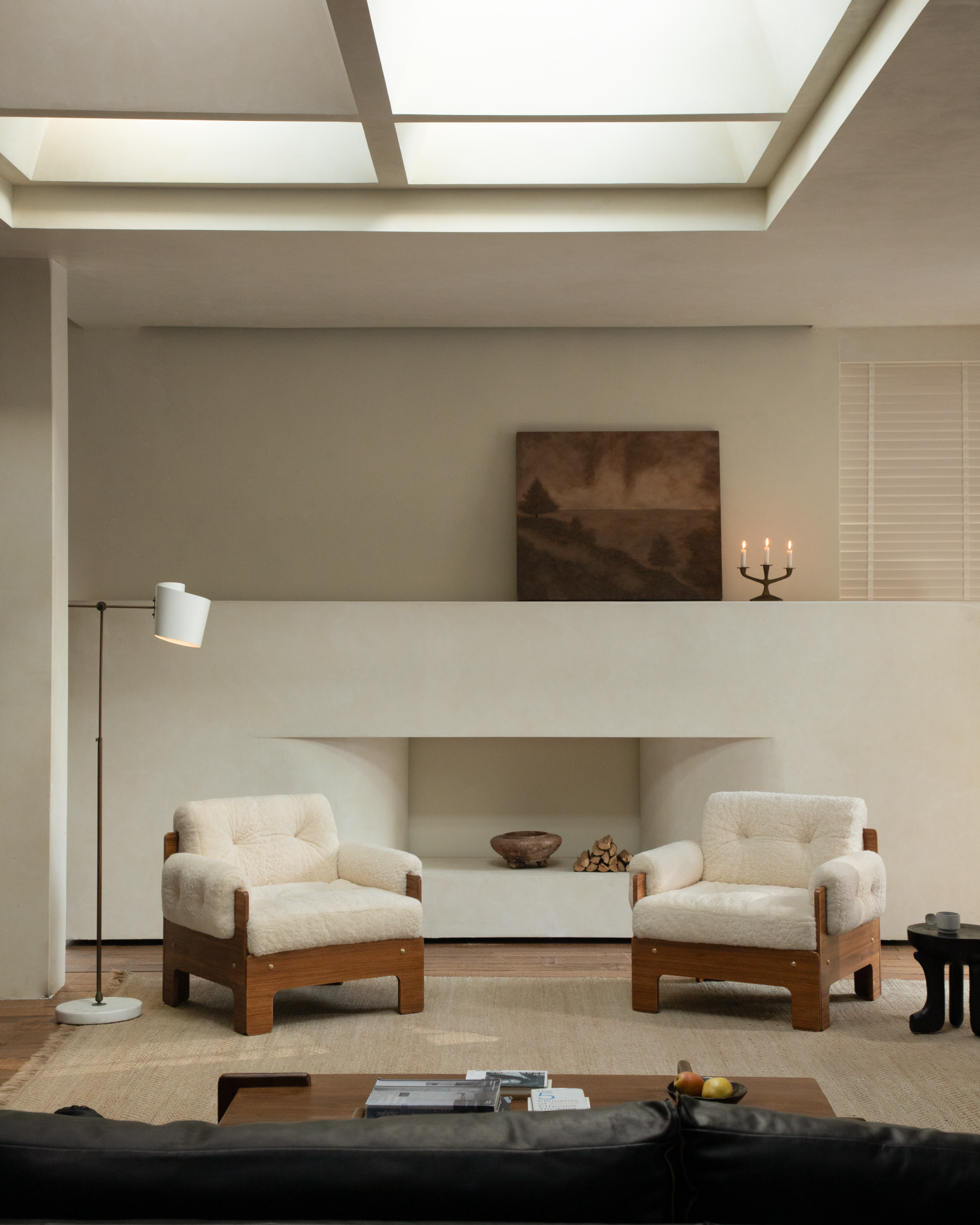
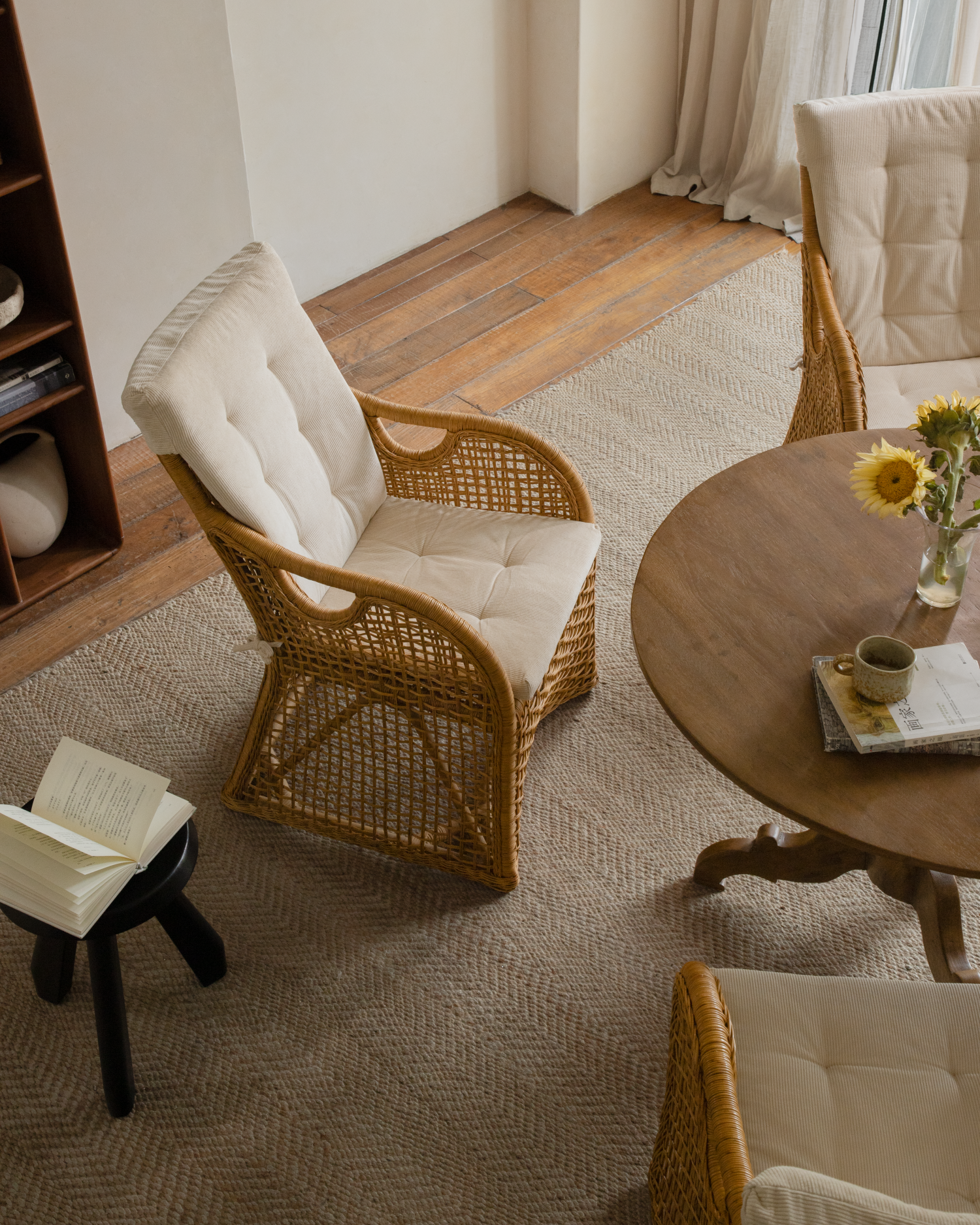
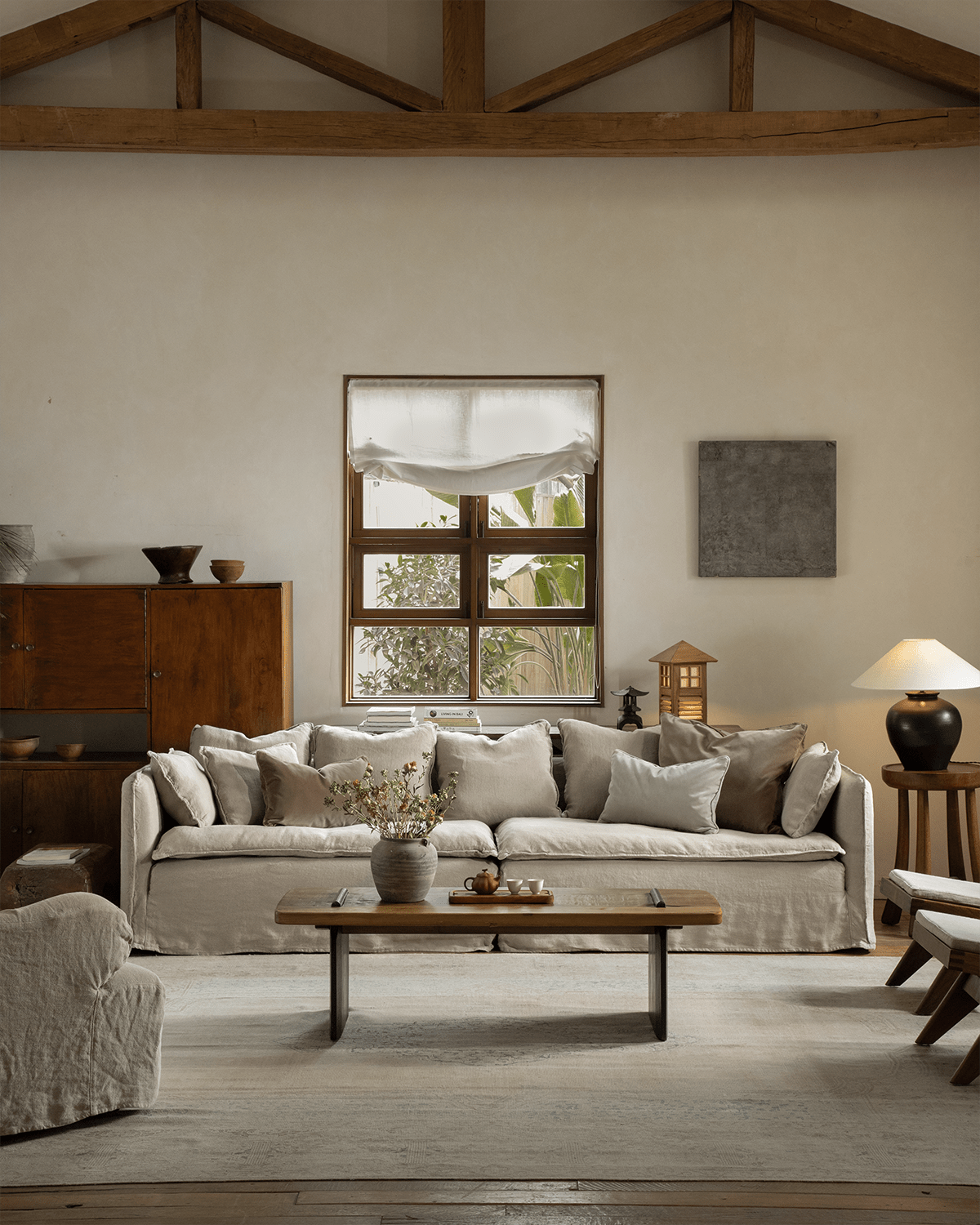
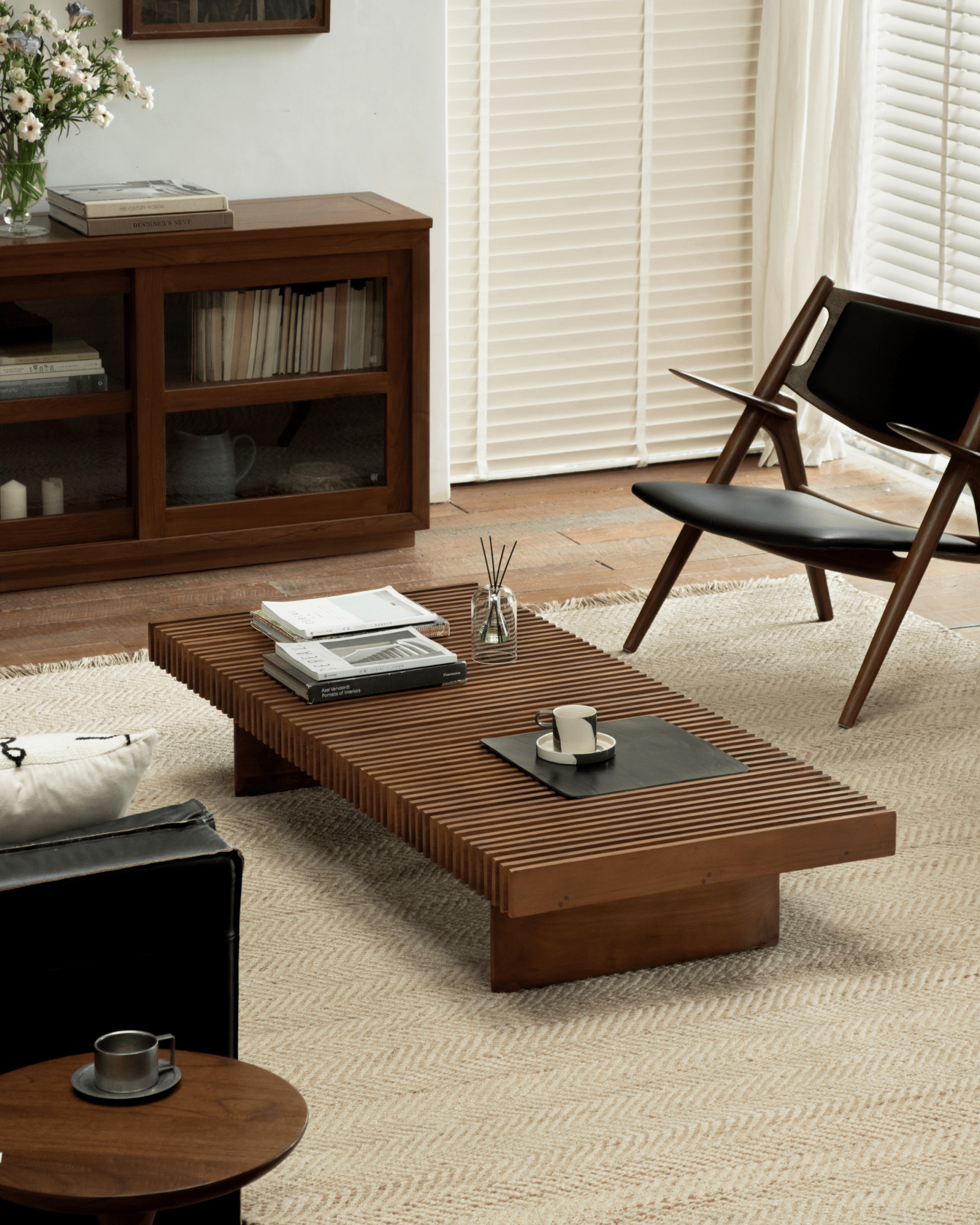
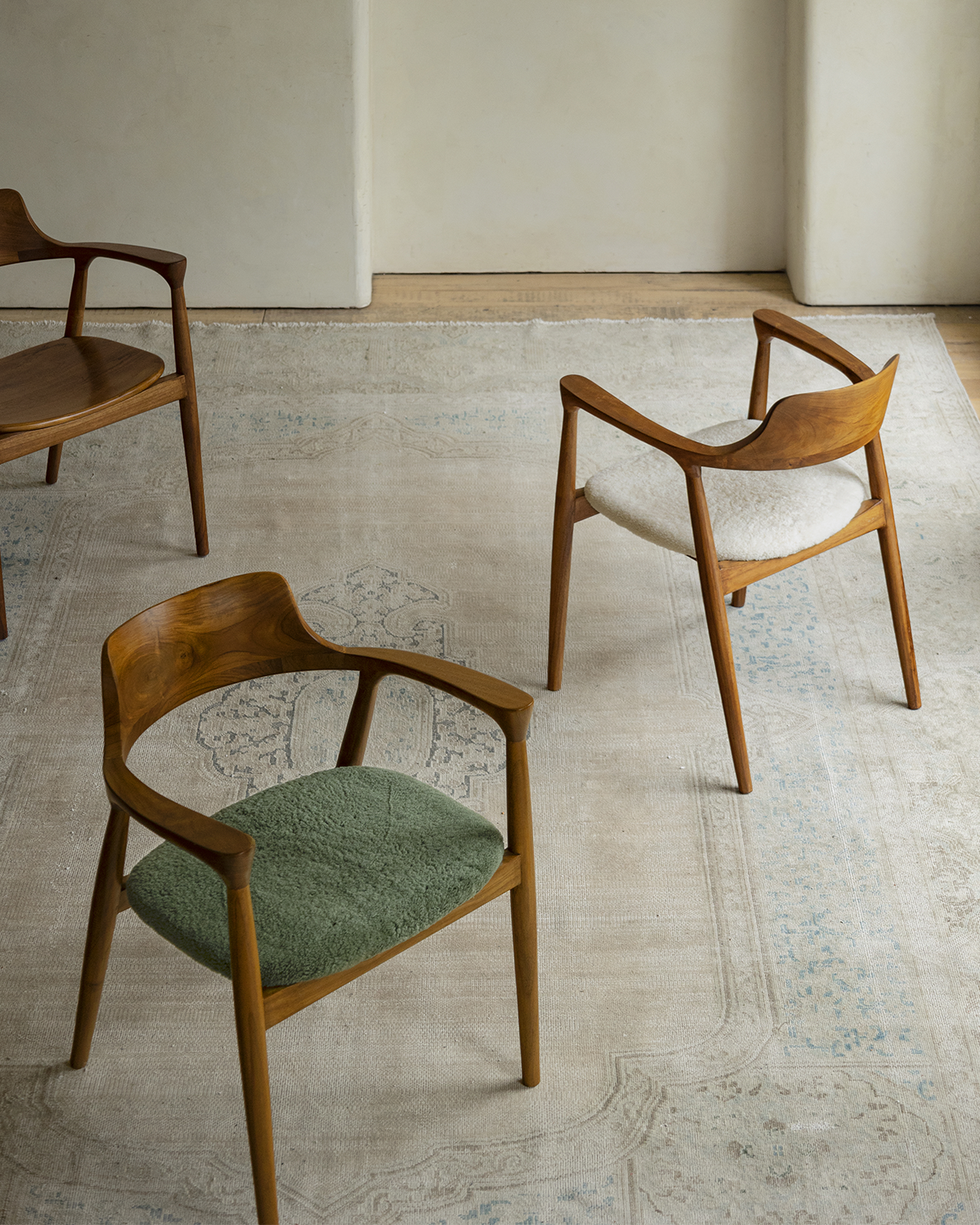

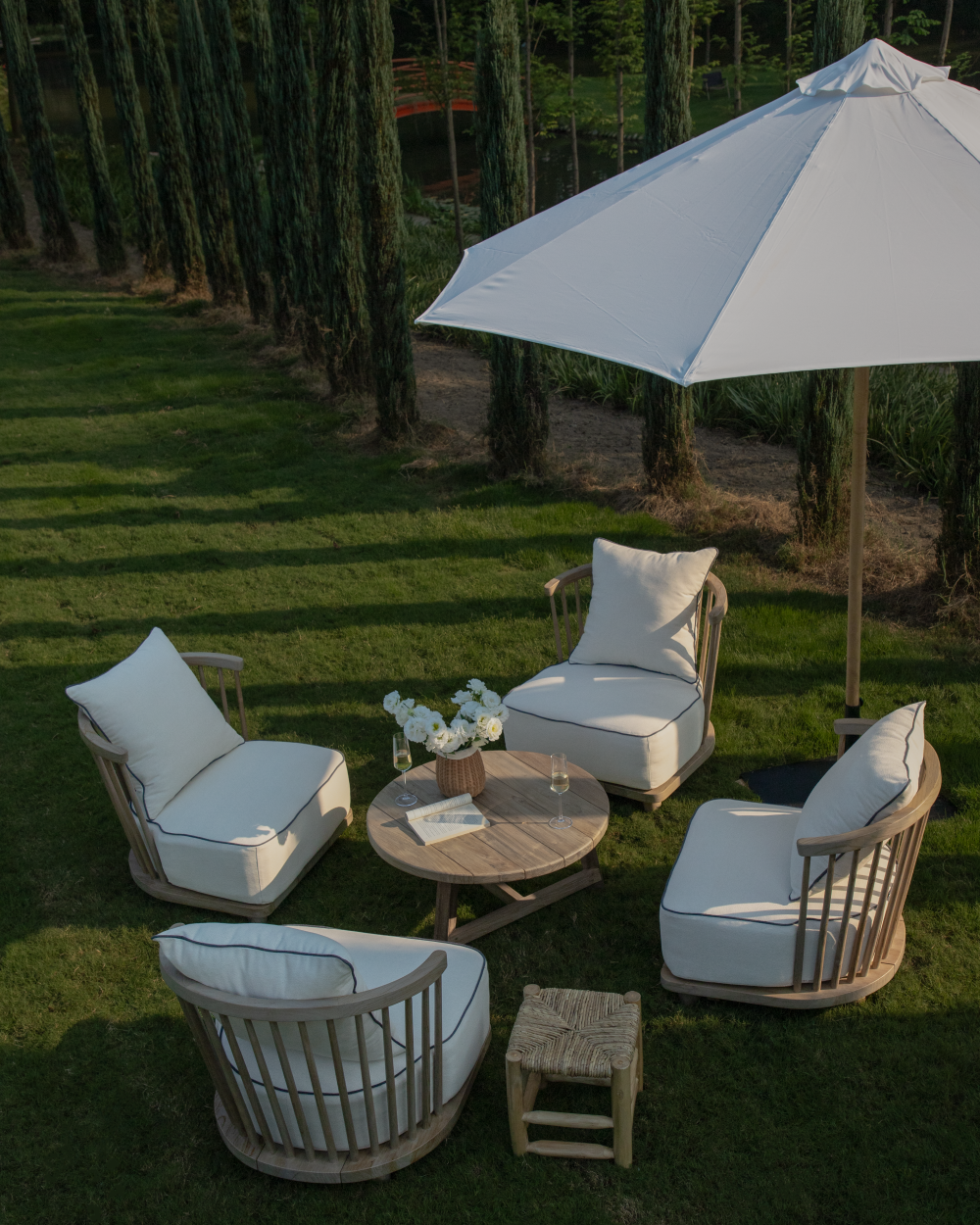



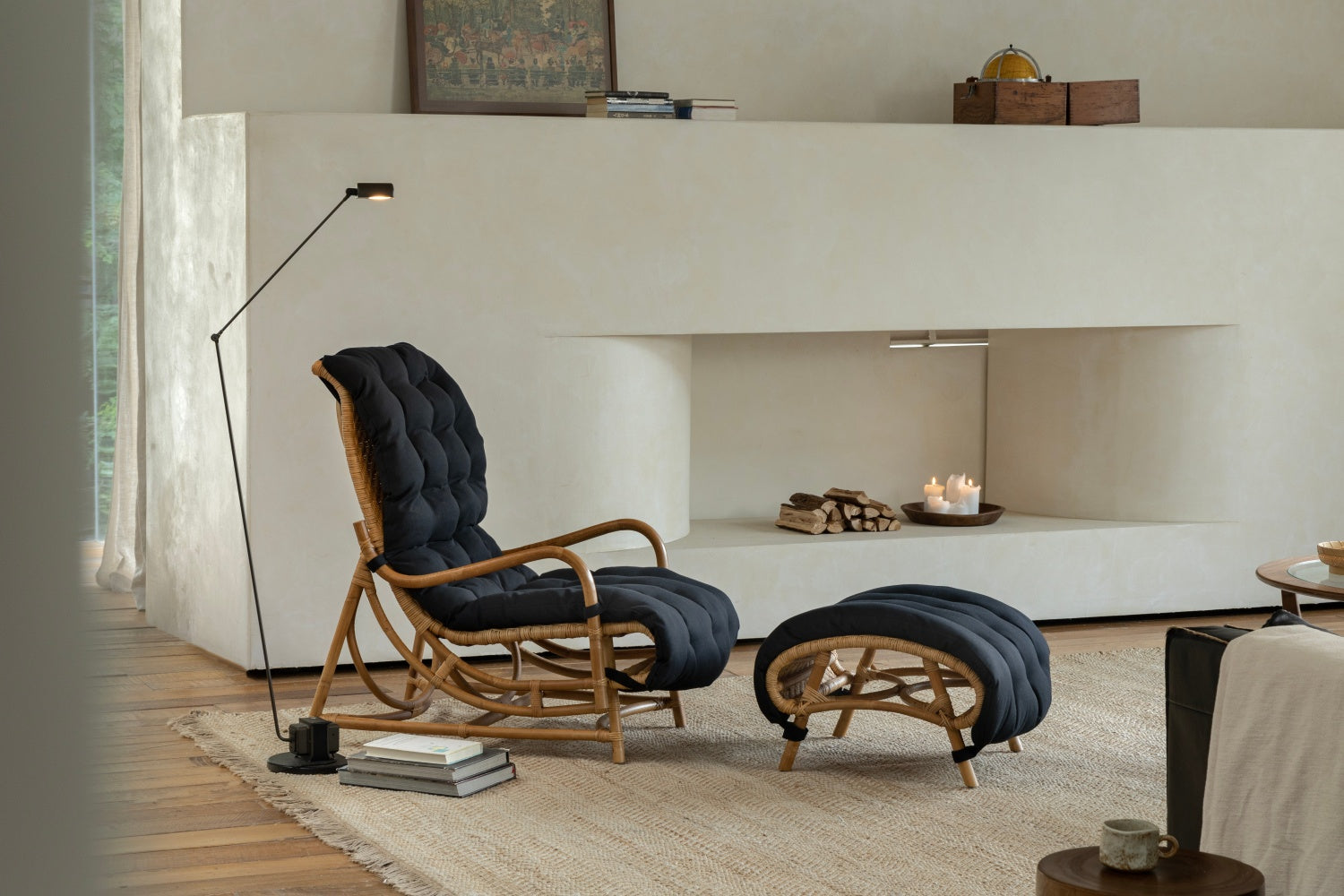
The best answer to how deep should a lounge chair be is this: deep enough to support your thighs and back, but not so deep that you slide forward or lose easy back contact. For many adults, a seat depth in the 21 to 24 inch range is a practical everyday starting point, while deeper seats in the 24 to 28 inch range usually lean more toward relaxed lounging. Cushions and seat angle can change the feel, so the listed number is only part of the check.
How Lounge Chair Seat Depth Affects Comfort
A lounge chair seat depth changes how your body settles, how much of your thighs are supported, and how easy it is to sit upright or lean back. The same frame depth can feel different once the cushion compresses, so comfort is a fit check, not a label check.
Seat Depth and Upright Sitting
If a seat is too deep for upright use, your back may sit away from the backrest and your feet may drift forward to compensate. That makes reading, chatting, or working in the chair feel less natural. A shallower or mid-depth lounge chair usually keeps the back in reach and makes it easier to sit with a steady posture.
Seat Depth and Lounging Comfort
Deeper seating usually feels more relaxed because it gives your legs more room to stretch out and lets the body sink back a little. That is why deeper chairs often suit movie time or low-key lounging. The trade-off is simple: more depth can feel cozier, but it can also make quick sit-downs and standing up feel less smooth.

Cushion Feel and Seat Angle
Seat depth should be read with cushion compression in mind. Soft cushions can make a chair feel deeper after you sit down, even if the frame measurement looks moderate. A slight seat slope can also push the body farther back, which changes how much usable depth you really feel. Perceived depth changes with cushion softness and seat angle is why the number alone never tells the full story.
|
Seat depth band |
What it usually feels best for |
Main drawback |
|
Shallow, about 20 inches or less |
Upright support, easier entry and exit |
Less room for stretching out |
|
Mid-depth, about 21 to 24 inches |
Balanced everyday sitting |
May not feel very relaxed for tall users |
|
Deep, about 24 to 28 inches |
Lounging and reclined sitting |
Can feel awkward for quick sitting or standing |
|
Scenario |
Shallow, about 20 inches or less |
Mid-depth, about 21 to 24 inches |
Deep, about 24 to 28 inches |
|
Upright support |
Strong |
Balanced |
Light |
|
Lounging comfort |
Moderate |
Strong |
Balanced |
|
Ease of entry and exit |
Strong |
Balanced |
Light |
For readers comparing lounge chairs indoor use, the best lounge chairs for a living room often land in the mid-depth band because they have to balance posture, traffic flow, and everyday sitting. That is also where armchair comfort and lounge comfort overlap most often.
If you are still deciding between shapes, a quick sofa chair vs. lounge chair check can help separate a more upright seat from a more relaxed one.
What Seat Depth Works Best for Your Body
A lounge chair that feels perfect for one person can feel off for another. Body size, leg length, and posture all change the right depth, so the clearest check is how well the seat supports your body while still letting you sit back comfortably.
Best Seat Depth for Taller People
Taller shoppers often do better with more depth because longer legs can use the extra seat surface without losing back support. The useful part is not height alone, though. A tall person can still feel cramped in a chair that is too soft, too low, or too sloped, even if the depth number looks generous. A deeper lounge chair is usually the better starting point when the goal is long, relaxed sitting.
Seat Depth for Shorter People
Shorter users often do better with a shallower seat because it makes back support easier to reach and helps keep the feet planted. A chair that feels too deep can push a smaller sitter toward the edge or make them rely on pillows to feel normal. Seat depth for shorter users often lands closer to the 20 inch area, but the real test is whether the backrest still works without forcing a slide-forward posture.
Simple Fit Check at Home
If you can measure your seated body length, compare it to the usable seat depth and aim for a chair that leaves a little space behind the knees instead of pressing right into them. A common ergonomic guideline is to choose a seat depth slightly shorter than your buttock-popliteal length, leaving a small gap behind the knees for comfort and circulation. That ergonomic rule is the stronger fit check than a generic depth number.
If you cannot measure that distance, use this simpler test: sit with your back fully against the chair, and check whether your thighs are supported without the seat edge digging into the back of your knees. If you need to scoot forward to feel comfortable, the chair is probably too deep for your body or your usual posture.

Shallow vs. Deep Lounge Chairs
This is where the choice gets practical. The best lounge chair seat depth depends on how you sit most days, how often other people will use the chair, and how much room you want to give up in the layout.
|
Seat depth style |
Best fit for |
When it breaks down |
|
Shallow |
Upright reading, easier get-in and get-out, smaller users |
Can feel too firm or too short for lounging |
|
Mid-depth |
Mixed use, guest seating, everyday living rooms |
May not feel plush enough for long reclining sessions |
|
Deep |
Movie nights, stretched-out relaxing, lower-key corners |
Can feel awkward for frequent upright use |
For most homes, the middle band is the easiest place to start because it gives you a fair balance of support and comfort. That said, a deep lounge chair makes more sense if the chair is mainly for long sitting sessions, while a shallow one is safer if the chair will see more upright use. The common seat depth band is useful as a starting point, but the better choice flips with posture and use.
A deep chair can also take more room visually and physically, so it may crowd a small seating area faster than a mid-depth chair. If your room gets frequent traffic, a mid-depth option often feels easier to live with than the deepest model available. The deeper-lounge trade-off is comfort on one side and everyday ease on the other.
Match Seat Depth to How You Use the Chair
The same seat depth can work in one room and fail in another. Reading corners, living rooms, and relaxed seating areas each ask for a slightly different balance of support, depth, and ease of movement.
Lounge Chair Depth for Reading Nooks
A reading chair should keep the backrest within easy reach so you can sit for a while without sliding around. That usually points to a shallower or mid-depth seat rather than an extra-deep one. A chair for reading should feel steady with a book or tablet in hand, not only when you lean back far enough to nap. If you are setting up a quiet corner, a cozy reading area tends to work best when the chair supports an upright, settled posture.
Lounge Chair Depth for Living Rooms
Living room seating has to work for more than one person and more than one posture. Guests may sit upright for conversation, then lean back later, so a mid-depth chair is often the easiest compromise. A very deep chair can look inviting, but it may also make the seating zone feel crowded and less easy to move through. If you are planning a fuller room layout, the living room seating mix should leave enough space for traffic, side tables, and everyday use.
Lounge Chair Depth for Relaxed Seating
For a corner meant for long lounging, a deeper chair can make sense because it gives the body more room to settle in. This works best when you want the chair to feel soft, low-key, and easy to sink into. The downside is that very deep seating can feel less handy for frequent in-and-out use. If the chair will mainly be a quiet retreat, a deeper profile is often the more comfortable direction.
If you are comparing chairs for lounging, lounge room chairs, or a lounge indoor chair, the best choice usually comes down to whether the chair is meant for upright reading, guest seating, or long reclined sitting. A modern lounge chair indoor can still feel generous without being oversized, while a hug chair or chairs that hug you style often reads deeper because it wraps the sitter more closely.
Lounge Chair Size Checks Before You Buy
Seat depth matters, but it should not be the only number you check. The rest of the spec sheet can change how the chair feels just as much as depth does, especially once cushions and posture come into play.
- Check seat height with seat depth together. A deep seat with a low seat height can feel very different from a deep seat that sits higher off the floor.
- Look at cushion thickness. Thick padding can make a chair feel deeper than the frame depth suggests.
- Watch seat angle and back angle. A reclined back can increase the sense of depth.
- Confirm the overall footprint so the chair does not crowd the room or block normal walking paths.
- Measure doorway and hall clearance if the chair has to fit through a tight entry.
- Review return terms and warranty details as a final safeguard, not as a comfort substitute.
- If you want a broader browse path while comparing proportions, lounge chair options and armchair styles can help you sort shapes before you narrow the depth.
- If you like an airy, armless shape, a Chandigarh-inspired easy chair can be a useful place to compare proportions, but still check the seat depth against your own comfort needs before buying.
A chair can look right in photos and still feel wrong once you sit down, so the safest approach is to compare the published depth, cushion build, and your own posture together. For online shoppers, that is usually the difference between a chair that gets used every day and one that needs extra pillows from day one.

FAQs
Q1: What Is the Ideal Lounge Chair Seat Depth for Most Adults?
Most adults can start with the 21 to 24 inch range, then move deeper only if they want a more relaxed feel. That range is a shopping starting point, not a universal comfort rule, so body size and posture still matter.
Q2: How Do I Know If a Lounge Chair Is Too Deep?
A chair is probably too deep if your back cannot reach the backrest without sliding forward, or if you keep needing pillows to sit normally. If your legs feel stretched in a way that makes upright sitting awkward, the seat is likely deeper than your usual fit.
Q3: Can a Deep Lounge Chair Still Feel Comfortable for Reading?
Sometimes, yes. A deep chair can work for reading if the backrest is still easy to reach and your body does not keep shifting around. If you like to sit upright with a book for a long time, a mid-depth chair is often the safer choice.
Q4: What Should I Check Besides Seat Depth?
Check seat height, cushion thickness, back angle, arm height, and overall footprint. Those details can change comfort more than the depth number alone, especially in smaller rooms or for shoppers who sit upright most of the time.
Q5: Is a Shallower Lounge Chair Better for Small Rooms?
Often it is, because a shallower chair usually feels easier to place and less heavy in the room. Still, the right pick depends on how you use the chair. A small room can still support a deeper chair if the layout has enough clearance and the chair is mainly for lounging.
Final Takeaway
If you want the shortest answer to how deep a lounge chair should be, start with the 21 to 24 inch range, then move shallower for upright use and deeper for relaxed lounging. The right chair is the one that fits your body, your posture, and your room. Measure your sitting habits first, then check the spec sheet with more confidence.


