
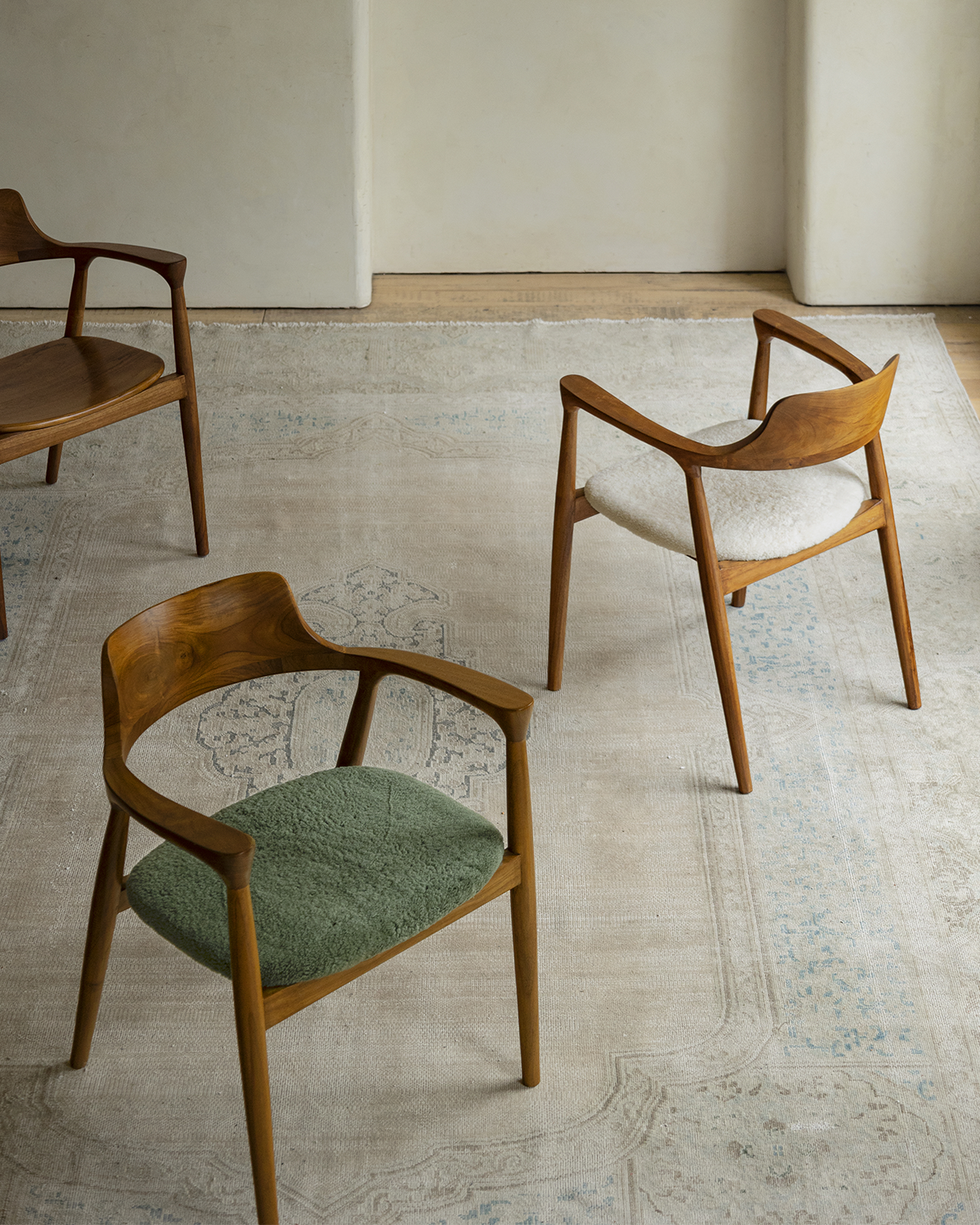

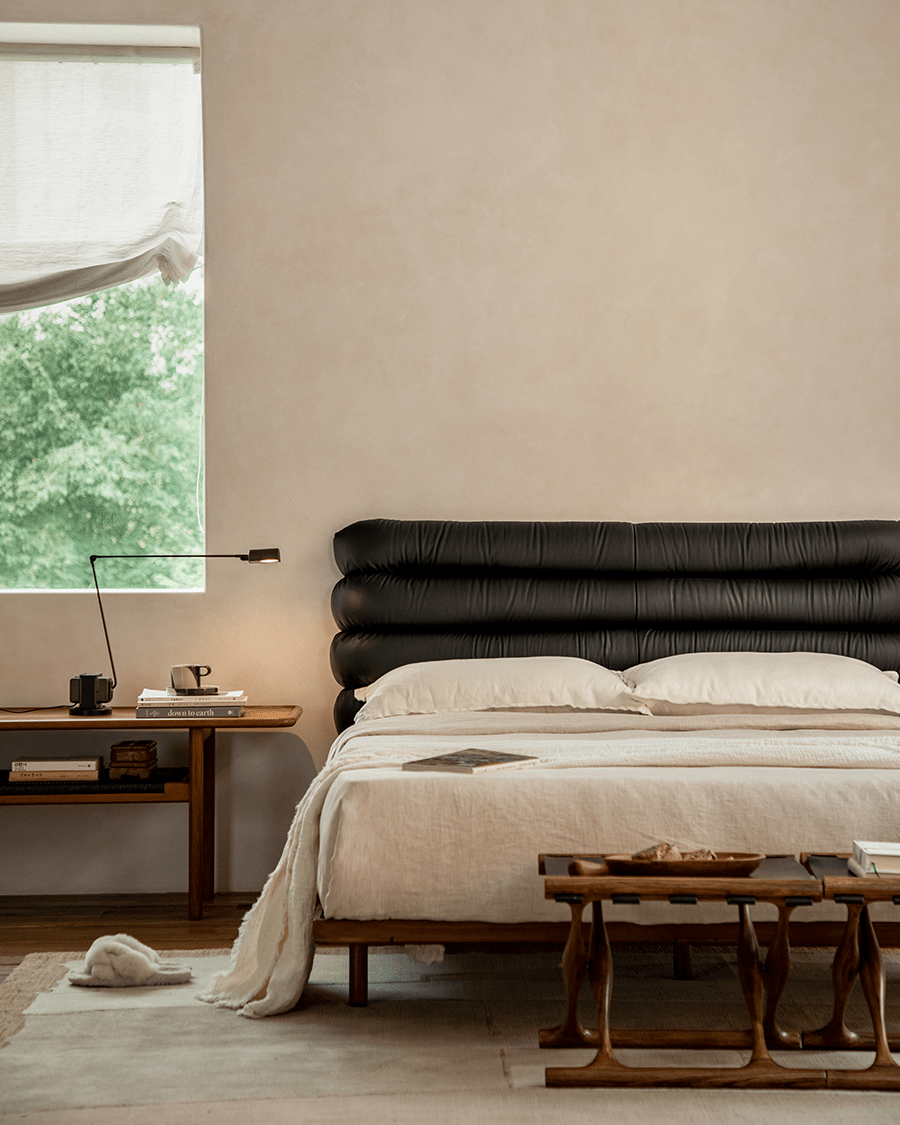
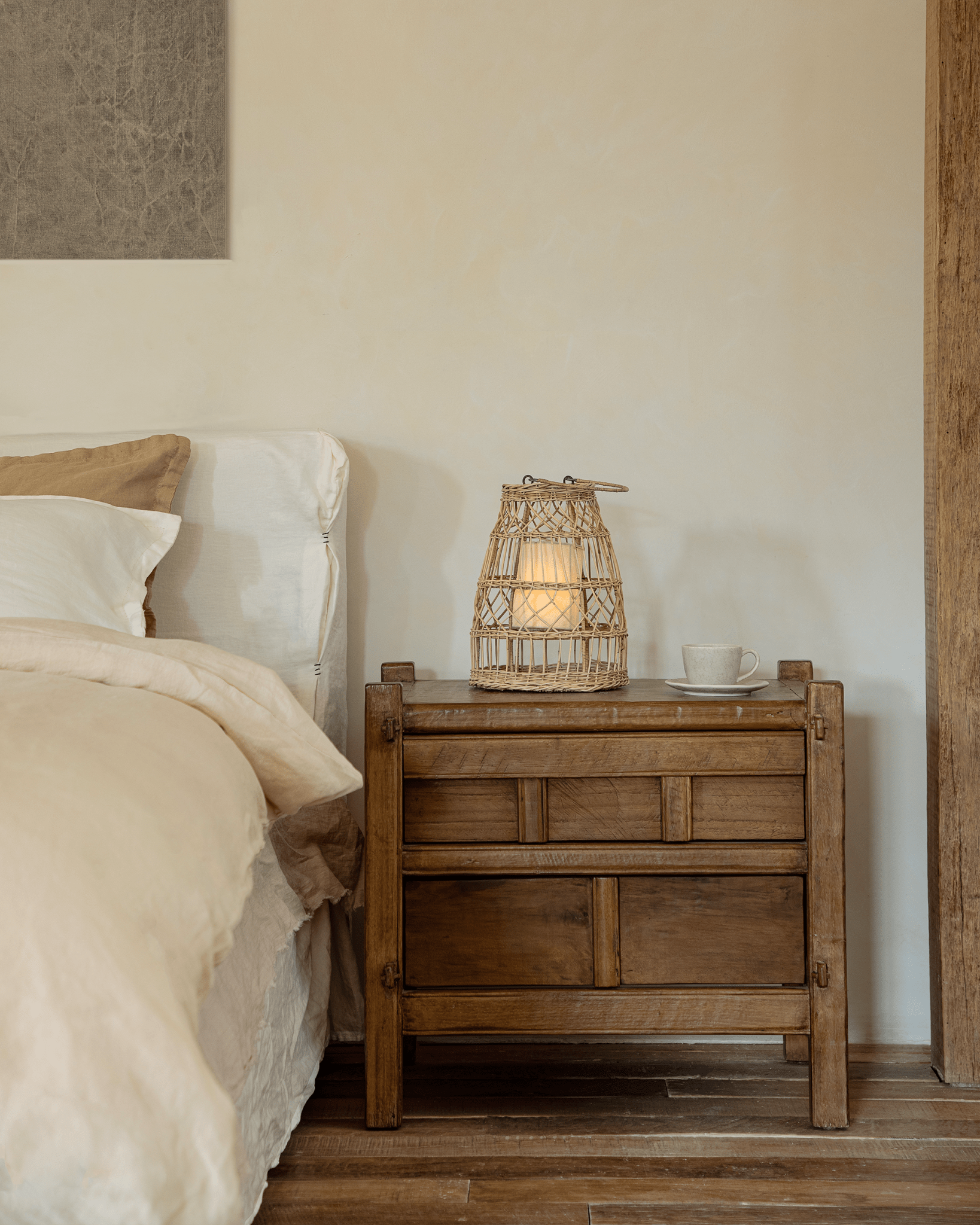
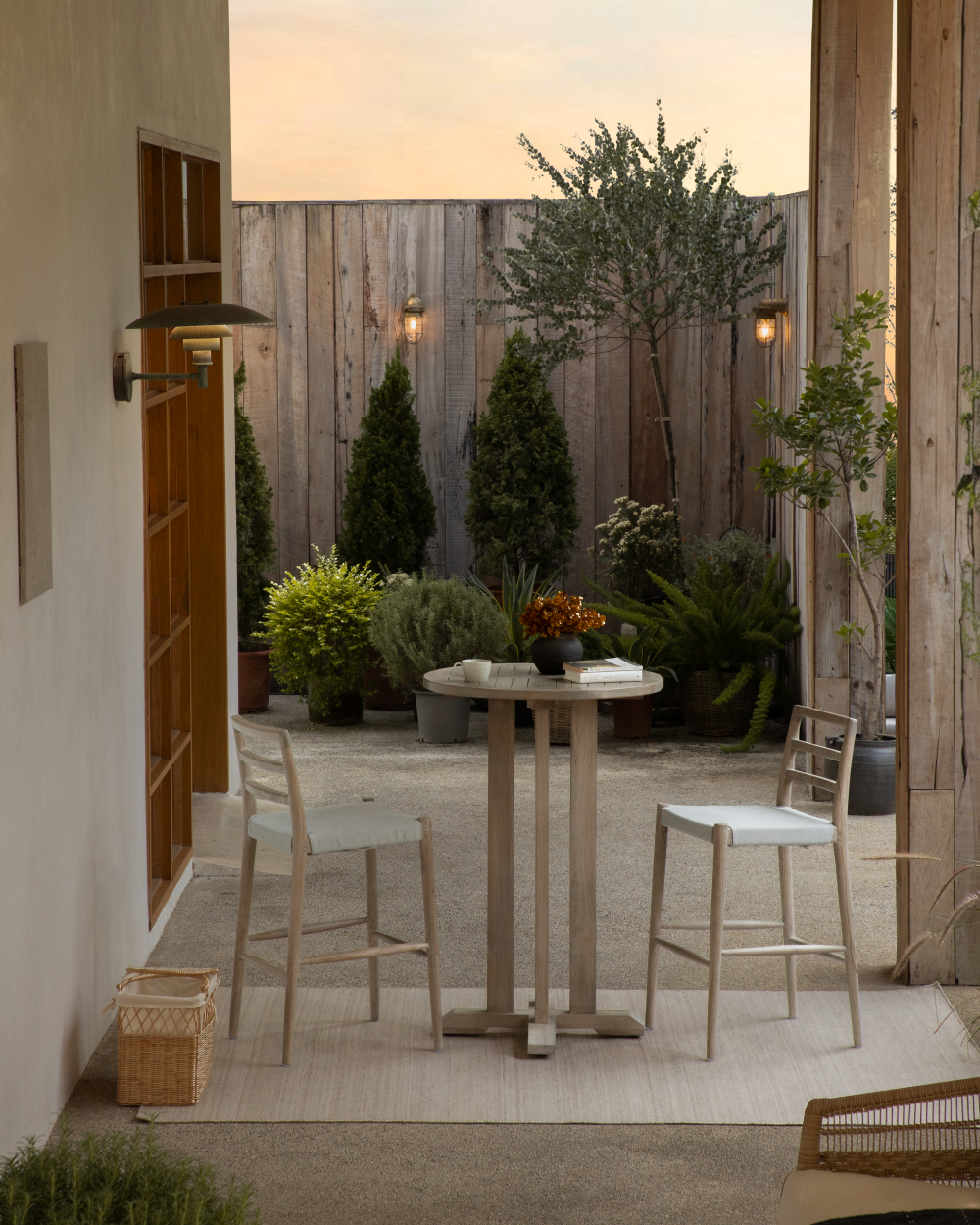

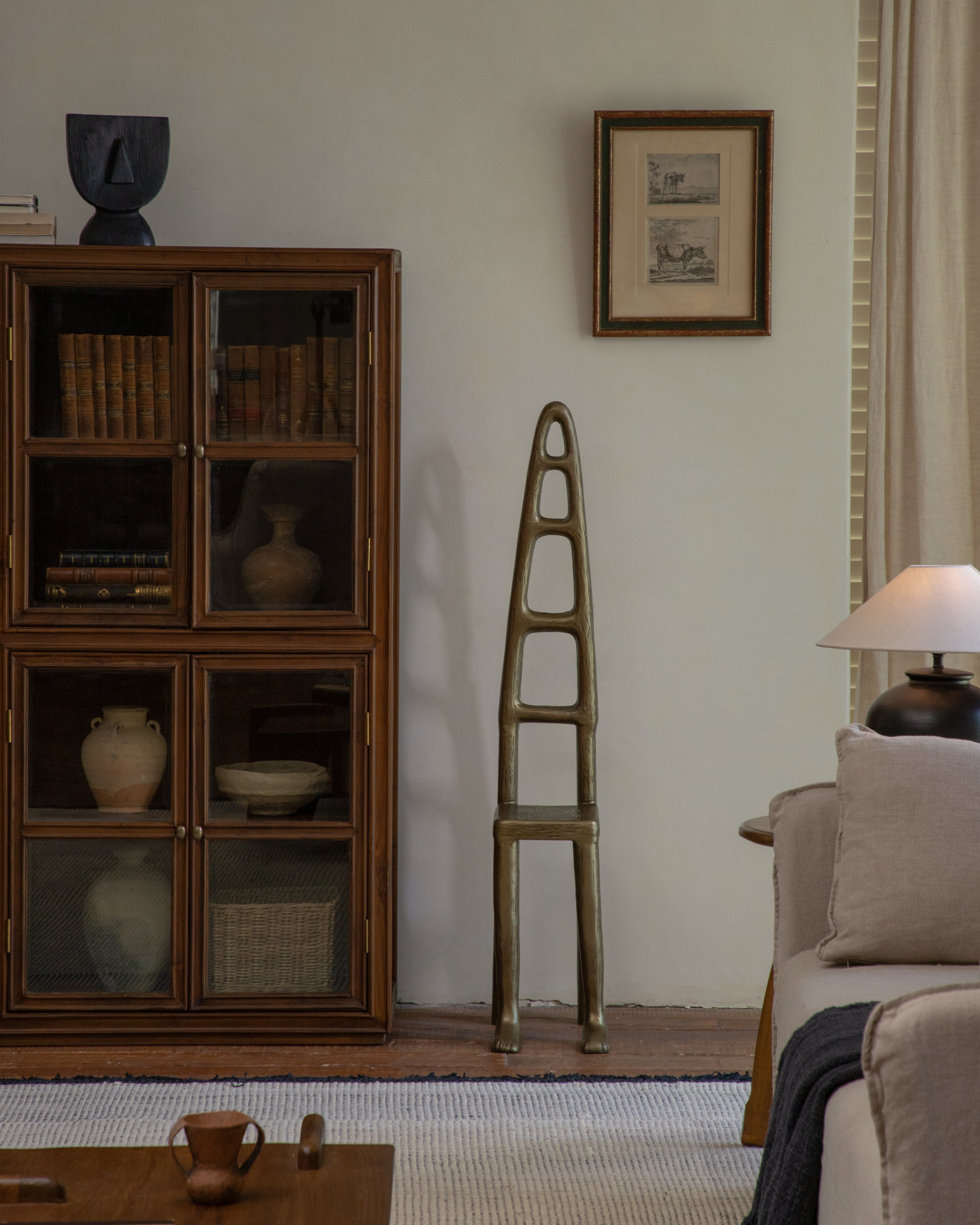


Accent chair vs lounge chair is really a choice between style-first flexibility and comfort-first relaxation. If the seat will mostly add visual interest and handle occasional guests, an accent chair is usually the better fit. If you want a chair for reading, unwinding, or longer sitting, a lounge chair is often the safer choice.
For shoppers comparing an accent armchair with lounge chairs for living room setups, the question is usually less about labels and more about how the chair will fit in the room.
What Each Chair Is Designed to Do
An accent chair is typically the room's visual exclamation point. It's often seen as a decorative focal piece that still gives you flexible, occasional seating, which is why it works well when a corner needs personality without becoming the room's main relaxation seat. In practical terms, an accent chair should earn its place through shape, finish, or texture as much as through comfort. Accent chair design basics can help if you want to compare that role with other seating types.
A lounge chair is different in intent. It comes as a relaxation-first form, shaped for extended sitting with angled, canted seating and a lower center of gravity. That does not make every lounge chair the same, but it does mean the category is usually built around ease, not just display. If the chair is meant to support a wind-down routine, lounge chair options usually make more sense than a purely decorative seat.
A simple way to read the difference is this: if the room needs a focal point that still functions as backup seating, start with an accent chair. If the room needs a seat people will actually settle into, start with a lounge chair. In many homes, the best answer is not one category in every room, but the one that matches the room's main job.
Comfort, Posture, and Sit Time
For most shoppers, comfort is where the decision flips. A lounge chair often feels better for longer sitting because it commonly uses a deeper seat, a lower sit, and a more relaxed posture. Cornell's ergonomics guidance on seating and chair design is useful background here because seat height and seat depth change how easily you can rest back and shift weight over time. In plain language, the chair that feels fine for ten minutes may feel very different after a long reading session.
An accent chair can still be comfortable, but the comfort is more model-specific. Seat depth, cushion build, and arm style matter more than the category name on the product page. That is why a decorative-looking chair can be perfectly fine for guests and still feel wrong for daily use, while a simpler lounge form may feel better than it looks online.
|
Chair Type |
Better For |
Typical Sit Feel |
Watch Out For |
|
Accent chair |
Short visits, guest seating, display-led corners |
Often more upright and presentation-focused |
Do not assume it will feel relaxed for long stretches |
|
Lounge chair |
Reading, winding down, longer sitting |
Usually deeper and more reclined |
Do not assume every lounge chair is automatically comfortable for your body |
If you are comparing accent chair vs lounge chair for a room where people will sit for a while, lean toward the lounge chair. If the seat is mainly there to look intentional and get used occasionally, the accent chair usually makes more sense.

Size and Scale in Real Rooms
Size is not only about width and depth. Visual weight matters too, which is the perceived heaviness of a piece, not its actual weight. Heavy textures, and solid bases make furniture feel visually heavier, while open frames and lighter materials make it feel lighter. That is why a chair can be physically modest and still dominate a room, especially if it has a dense silhouette.
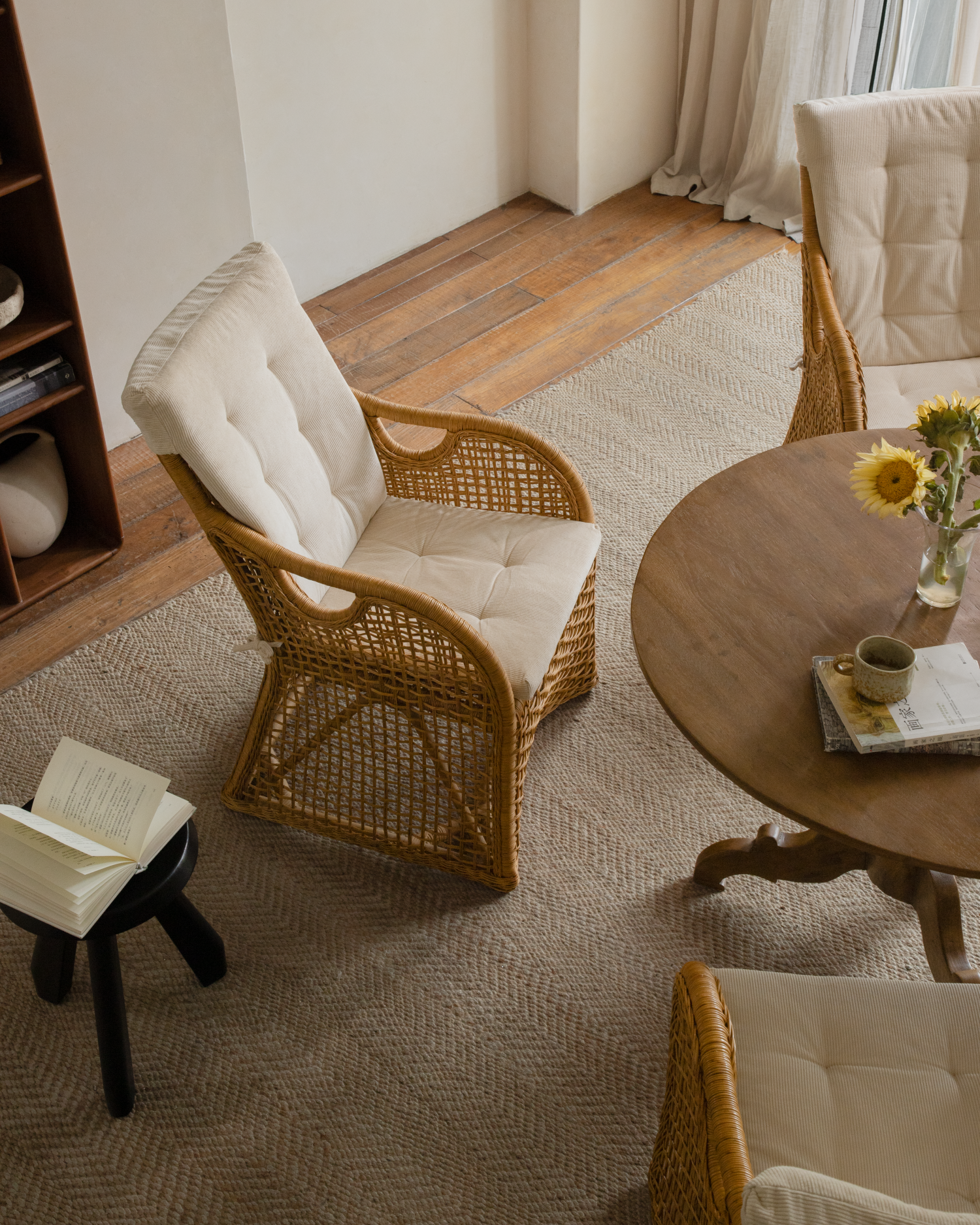
Open legs and lighter framing help smaller rooms feel less crowded. Furniture with open space underneath creates visual air, which can make a room feel calmer and more spacious. For a small living room, that usually means an accent chair with a lighter profile can be easier to live with than a bulky lounge form, especially if the sofa already carries the visual load. Visual weight and balance is a useful concept when you are trying to judge the room before you buy.
Visual Weight and Footprint
A low-profile frame, tapered legs, or a slimmer outline can make a chair feel easier to place. By contrast, plush upholstery, wide arms, and a deeper seat usually make the chair read as more substantial. That does not make one better than the other, but it does change how crowded the room feels.
This is where small-room seating advice matters. If circulation is tight, the chair should support the layout instead of fighting it. If the room already feels full, choose the chair that gives you the look you want with the least visual bulk.
Where Accent Chairs Work Best
Accent chairs are often easiest to place in corners, bedroom nooks, or beside a window where the goal is to add a finishing touch. They also work well near entry-adjacent areas or secondary seating zones, especially when the chair needs to look intentional without becoming the room's anchor. Pairing one with a lamp or side table can make the setup feel complete without adding much visual weight.
If you want a broader living room furniture starting point, use the surrounding pieces to judge scale first. The chair should balance the sofa, rug, and table rather than compete with them.

Style Signals That Change the Look
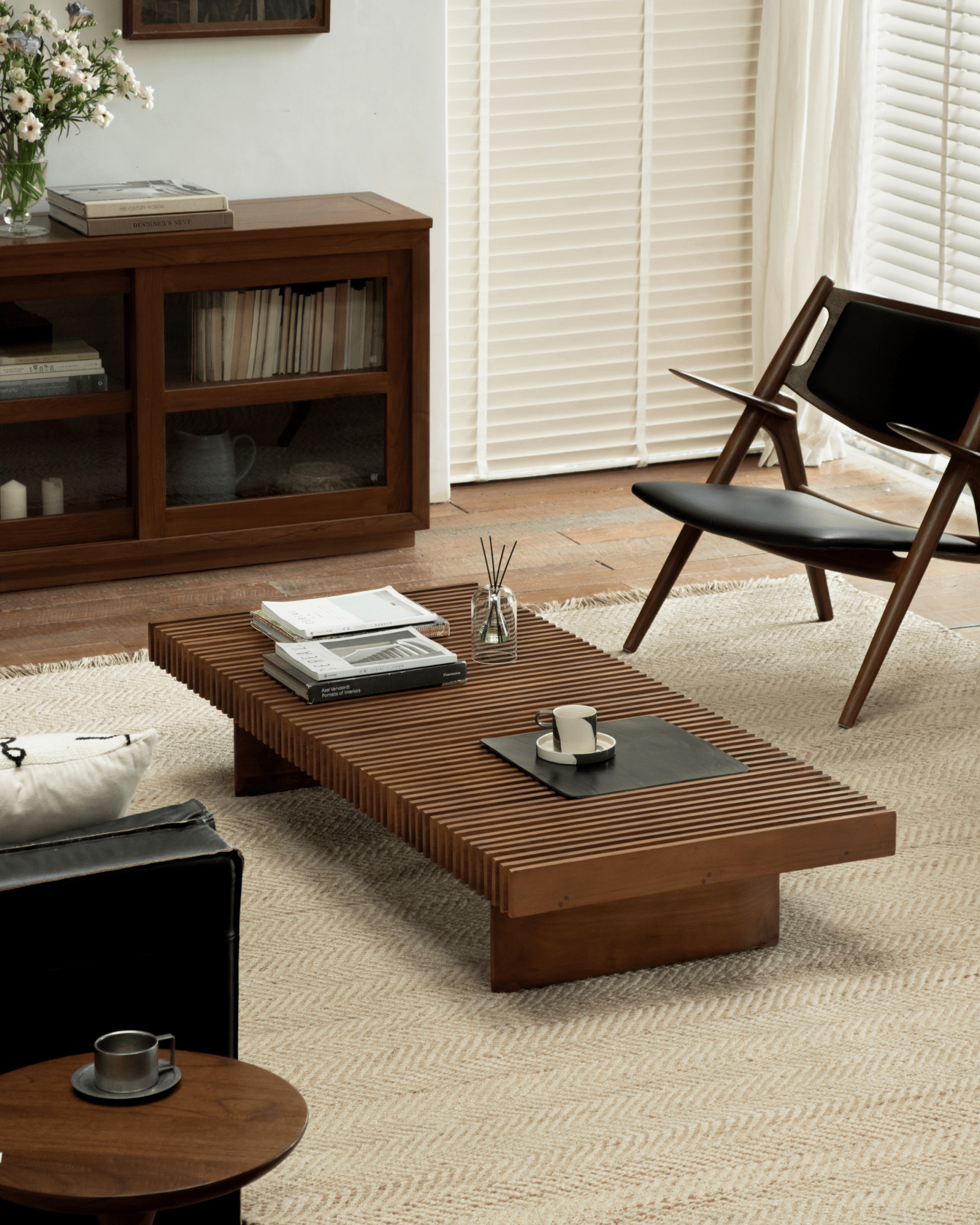
- Open frames, slim legs, and high-contrast finishes usually read as accent-led because they feel lighter in the room.
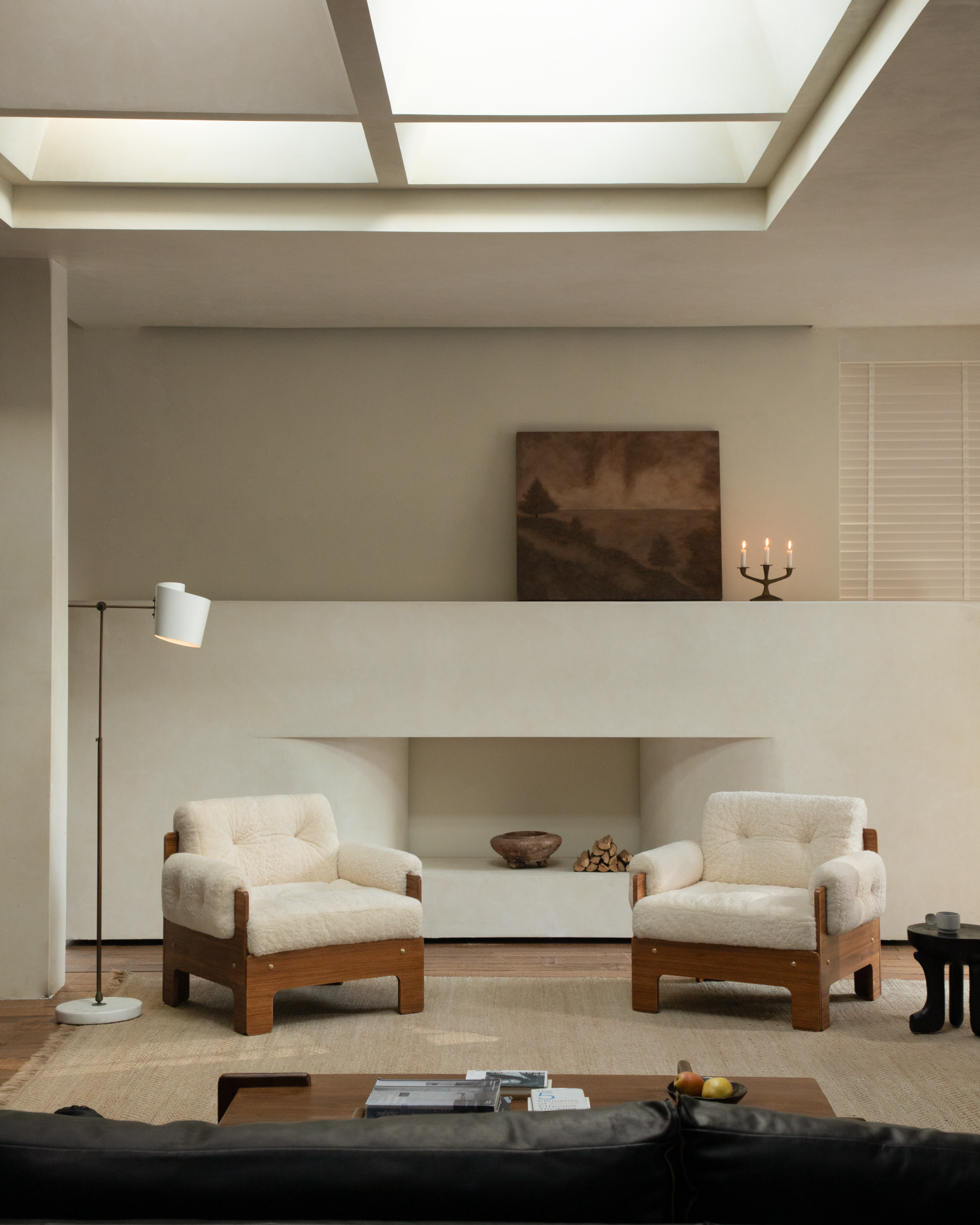
- Plush upholstery, shearling, leather, and deeper profiles usually push a chair toward lounge territory because the chair feels more settled and substantial.
- Vintage-inspired silhouettes can work either way, but cushion build and overall depth usually decide whether the chair reads as decorative or comfort-led.
- Bouclé, woolly textures, and warm materials often create a softer visual effect, which can work in both categories depending on scale.
- Darker colors and heavier textures tend to make the chair feel more visually grounded, so they work best when the room can handle that presence.
For example, a shearling lounge chair usually reads very differently from a lighter, fabric-covered accent piece, even before you sit down. That is because the silhouette and texture shape the room's first impression. A bouclé armchair can still lean either way depending on how deep, open, or structured the form is. A vintage accent chair can work well when you want character without a heavy footprint, and a shearling accent chair can also be more decorative if the room only needs a textural statement.
How to Choose for Your Space and Lifestyle
A useful shortcut: go with accent seating when you need flexibility; go with a lounge seat when armchair comfort matters more than display. The right answer depends on how the chair will be used, not just how it will look in a product photo.
Choose an Accent Chair When
Pick an accent chair when the room already has a main seating anchor and you need one more piece to complete the layout. It is also the better choice if you want a stronger visual statement without committing to a larger, more comfort-led form. For some rooms, an armchair selection is the easiest place to start, as long as you check whether the shape reads more decorative or more relaxed. An elegant accent chair can work especially well in a formal corner, while an accent armchair with a lighter frame keeps the room from feeling overfilled.
Choose a Lounge Chair When
Pick a lounge chair when the seat is part of your daily rhythm, not just a finishing touch. That is especially true for reading corners, media areas, and quiet spaces where comfort matters more than a polished accent. If the chair should feel like a destination in the room, the airy armless chair style is worth checking for its lighter footprint and relaxed feel. For many homes, indoor lounge chairs are the better fit when the goal is a more settled, lived-in seating zone.
A Simple Final Check Before You Buy
Before you check out, ask three questions: Will this chair be sat in for long periods, will it visually crowd the room, and does it solve the room's main problem? If the answer to the first question is yes, comfort should lead. If the answer to the second is yes, a lighter-looking form usually helps. If the answer to the third is no, keep looking.
A final sofa chair vs lounge chair comparison can help if you are still weighing how much comfort you really need. The right choice is the one that fits your room's job, not the one that tries to do everything.

FAQs
Q1: How Do I Know If I Need an Accent Chair or a Lounge Chair?
Choose based on the room's main job. If you need visual lift and occasional seating, an accent chair is usually the better fit. If you want a place to relax, read, or sit longer, a lounge chair is the better starting point. The category name matters less than how often you will use it.
Q2: Can an Accent Chair Be Comfortable Enough for Daily Use?
Sometimes, yes. Comfort depends on the specific seat depth, cushion feel, and arm height more than the label. If you expect to use the chair every day, test whether it supports the kind of sitting you actually do, not just whether it looks good in the room.
Q3: What Size Chair Works Best in a Small Living Room?
The best chair is usually the one with the lightest visual footprint that still fits the job. Open legs, slimmer arms, and lighter materials often help a room feel less crowded. A chair that looks compact but feels visually heavy can still overwhelm the layout.
Q4: Where Should I Place a Lounge Chair in My Home?
Place it where the room already supports a pause, such as a reading corner, bedroom nook, or a quieter edge of the living room. Lounge chairs work best when they are paired with a lamp or side table and have enough breathing room to feel intentional.
Q5: What Style Details Make a Chair Feel More Accent-Like?
Open frames, crisp silhouettes, and contrast in material or color usually push a chair toward accent territory. Heavier upholstery, deeper seats, and more grounded bases move it toward lounge territory. If the chair's first job is to catch the eye, accent-like details matter more than plushness.
Final Takeaway
Accent chair vs lounge chair comes down to one question: do you want the seat to shape the room, or to shape how you relax in it? If you want style-first flexibility, choose an accent chair. If you want a comfort-first seat for longer sitting, choose a lounge chair. When in doubt, use the room's main job and the chair's likely sit time to make the call.


