


Key Takeaways
- Height Matters: Match your counter height to your seat height to ensure proper legroom and posture.
- Support Belongs First: High-density cushioning, contoured seat designs, and backrests make extended sitting painless.
- Small Details Count: Built-in footrests, swivel mechanisms, and padded armrests make daily use effortless.
- Durable Materials Win: Quality linen, warm wood, and tough upholstery balance effortless upkeep with lasting visual charm.
- Function Fits Space: Select features based on how long you sit, your room layout, and family needs.
Kitchen islands and breakfast bars have replaced formal dining tables in many households. We use these versatile spaces constantly, making comfortable seating a top priority for smooth daily living. A stylish design catches your eye, but proper ergonomic support keeps you sitting happily through long meals and evening talks. Finding seating that balances real comfort with long-lasting quality takes a little planning. Checking a few key structural details before buying helps you select a seat that fits your body, supports your posture, and blends effortlessly into your home.
Start With the Right Stool Height for Comfortable Seating
Getting the measurements right keeps your posture natural and stops you from slouching over your kitchen counter.
Counter Height vs. Bar Height Stool Chairs
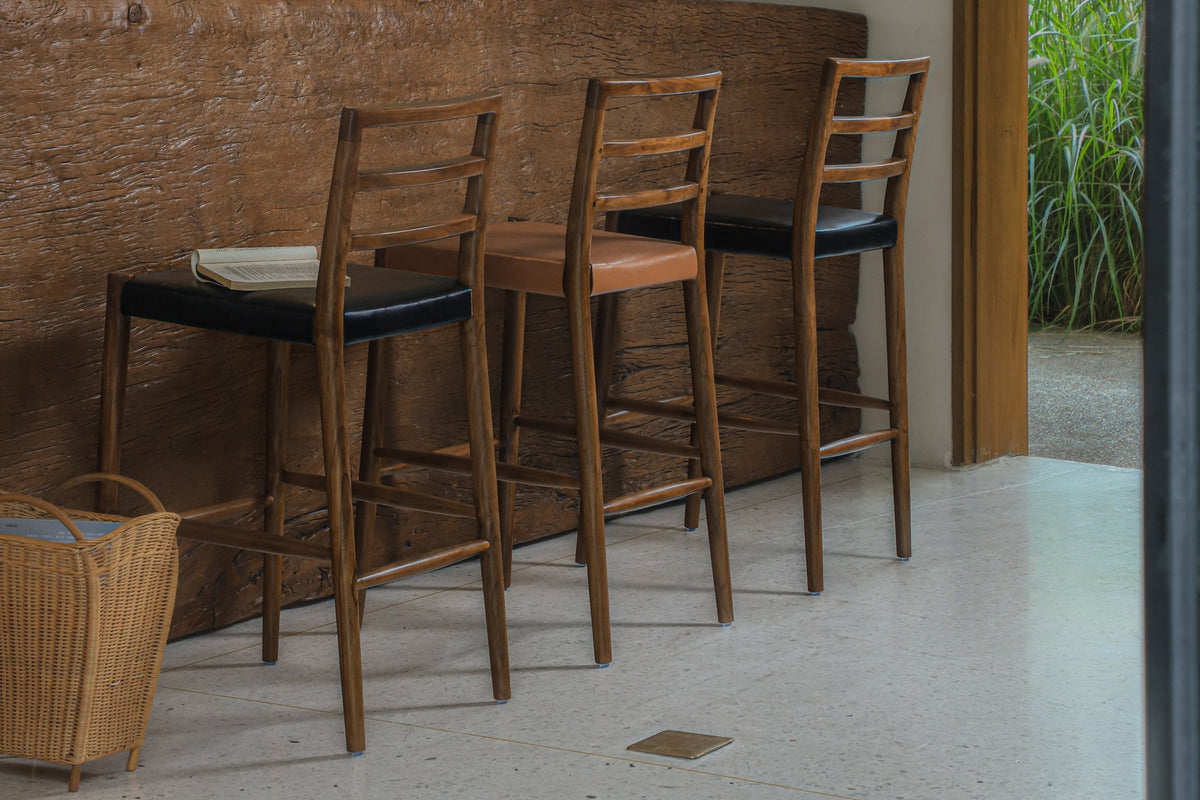
Before shopping, learn how to choose the right stool height by measuring from your floor to the underside of your counter. Standard kitchen islands usually sit between 35 and 37 inches high, requiring a counter stool with a seat height around 24 to 26 inches. Tall home bars or raised counters usually sit between 41 and 43 inches high, which calls for bar stools with seats elevated 28 to 30 inches off the ground.
Taking accurate measurements prevents costly buying mistakes. Matching seat heights precisely to counter surfaces guarantees your knees won’t bump the table frame, keeping family members relaxed during morning breakfast or evening chats.
Leave Enough Space for Comfortable Movement
Comfortable seating depends heavily on proper clearance. Aim for 9 to 12 inches of open space between the top of the stool seat cushion and the bottom of your counter. This gap allows adults of various sizes to slide in effortlessly without scraping their thighs.
Leave roughly 24 to 30 inches of room from the center of one seat to the center of the next. Spacing your furniture this way prevents awkward arm contact, giving everyone enough room to eat, drink, and move comfortably.

Look for Supportive Seating That Feels Comfortable Over Time
Long breakfasts and evening work sessions demand ergonomic designs that gently support your lower body over extended periods.
Choose the Right Seat Cushioning
Plain wood or metal seats work fine for quick ten-minute snacks, but extended meals require real padding. A quality upholstered stool filled with high-density foam distributes your weight evenly across the surface.
Avoid cheap padding that bottoms out instantly under your weight. Extremely soft cushion tops might feel great for two minutes, but they offer zero support, leading to lower back pain. Firm, resilient foam cushions hold their shape over time, delivering relief through hours of daily use.
Consider Seat Shape and Depth
Flat, rigid seating surfaces create uncomfortable pressure spots along your thighs and tailbone. An ergonomic stool chair features a subtly contoured saddle shape or a gentle waterfall front edge. These soft curves reduce leg friction, keeping blood flowing smoothly to your feet.
Seat depth matters just as much as cushioning. A seat that sits too shallow leaves your thighs hanging without support, while an overly deep surface forces small adults to slouch forward just to bend their knees. Aim for a seat depth that leaves two or three inches between the back of your knees and the front edge of the seat.
Decide Whether You Need a Backrest
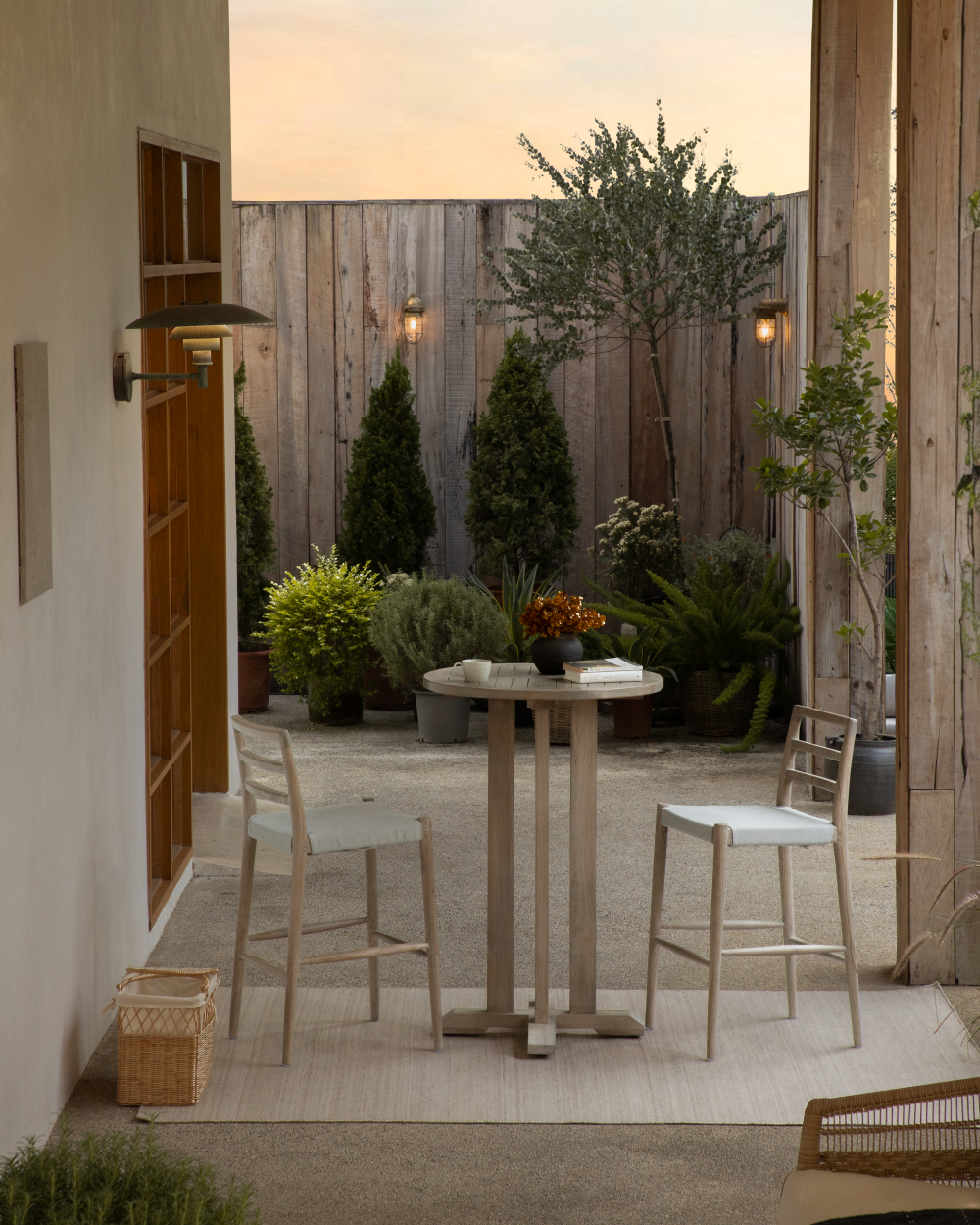
Backless models hide neatly under counter overhangs, freeing up precious floor space in compact rooms. They work great for quick morning coffee routines or casual spaces where people move around frequently.
| Stool Type | Best For | Key Advantages |
|---|---|---|
| Backless | Compact rooms, quick meals | Saves space, slides under desks |
| Low-Back | Minimalist style, basic support | Slim profile, moderate comfort |
| High-Back | Long dinners, remote work sessions | Maximum spine and back support |
If you need a stool chair for long sitting, pick models featuring mid-height or high backrests. A strong stool chair with back support relieves pressure on your lumbar spine, letting you sit upright comfortably during long family dinners or remote work shifts.
Pay Attention to Details That Improve Everyday Comfort
Small design choices greatly influence how easily your furniture fits into your household’s daily routines.
A Built-In Footrest Reduces Sitting Fatigue
Sitting on elevated furniture leaves your feet dangling mid-air without ground support. This position pulls on your lower back and cuts off circulation to the backs of your thighs. A sturdy footrest breaks this tension by giving your feet a stable resting spot.
Position footrests roughly 16 to 18 inches below the seat surface. This placement keeps your hips and knees resting at relaxed 90-degree angles, helping you sit upright without extra effort.

Swivel Features Add Flexibility
A smooth swivel stool lets you turn toward conversations across the room without dragging chair legs across your floor. This movement makes stepping into or out of tight counter spaces easy for kids and older adults alike.
This feature works exceptionally well in open-plan living rooms. Swivel designs allow family members to switch instantly between watching TV, talking to someone cooking, or eating at the island without shifting their furniture around.
Armrests Can Add Extra Comfort
Armrests convert simple kitchen perches into deeply comfortable armchairs. Resting your arms takes physical weight off your shoulders and upper back, making long conversations far more relaxing. Ensure armrests slide cleanly beneath your counter overhang. If armrests bump into your table edge, they force the seat back, leaving you too far away from your plate or laptop.
Choose Materials That Feel Good and Last
The fabrics and structural frame materials you choose influence physical touch, cleaning demands, and overall durability.
Upholstered Fabric for a Softer Experience
People often ask: are upholstered stool chairs more comfortable than plain wooden options? Cushioning covered in textured cloth remains soft against your skin, staying pleasant during hot summers or cool winter mornings.
Selecting a soft fabric stool brings warmth and rich texture into your home interior. Woven fabrics like linen blend soft feel with durability, creating an inviting vibe across open kitchen zones.
Solid Wood and Natural Materials for Timeless Appeal
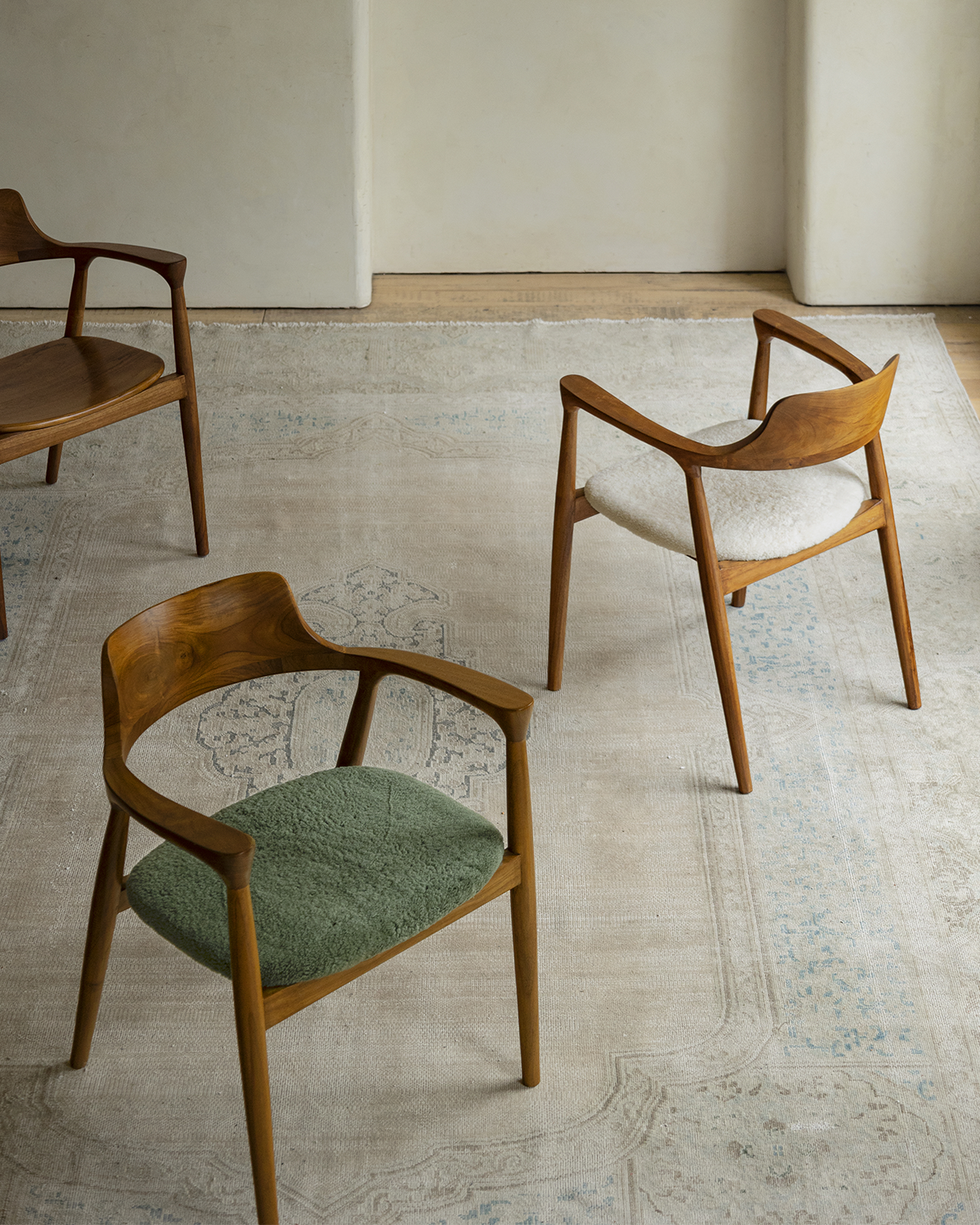
A solid wooden stool brings earthy charm, natural grain, and steady balance into your dining space. Wooden frames hold up remarkably well against daily wear, handling heavy family use without shaking or loosening up.
Many wooden designs feature carved, scooped seats that fit body contours naturally. Pairing natural timber legs with soft fabric cushions combines long-lasting physical stability with cozy seat padding.
Consider Maintenance and Everyday Use
Match your upholstery choices directly to your household activity level. Busy homes with young kids or pets benefit from stain-resistant fabrics, easily wiped faux leather, or high-grade leather stool finishes.
| Material Type | Comfort Level | Maintenance Effort |
|---|---|---|
| Fabric / Linen | High softness and warmth | Moderate (Requires spot cleaning) |
| Leather | Cool, smooth, conforms over time | Low (Easy to wipe clean) |
| Solid Wood | Firm support, ergonomic shapes | Extremely low (Wipe clean easily) |
Leather surfaces clean up effortlessly after spilled drinks or food crumbs. Picking forgiving materials saves you time on maintenance, keeping your seating looking fresh through years of daily use.

Match Your Stool Chair With Your Lifestyle and Space
Selecting the best stool chair for everyday use requires reviewing your space layout and living habits carefully.
For Kitchen Islands and Breakfast Bars
Kitchen counters serve as busy hubs for family breakfasts, quick emails, and homework help. Selecting a versatile, comfortable kitchen stool keeps your family connected throughout busy mornings and quiet evenings. Pick durable, low-maintenance surfaces that handle daily food splashes easily. Stable bases prevent tipping when children climb up and down during afternoon snacks.
For Entertaining Spaces
If you enjoy hosting weekend dinners or parties, prioritize guest comfort above all else. Plush seats with back supports and smooth swivels encourage visitors to stay relaxed and keep talking long after meals end.
Adding an eye-catching accent stool brings extra personality into your space. These decorative seating choices offer extra comfort while upgrading the visual style of your entertaining space.
For Small Homes and Open Layouts
Tight apartments require smart, space-conscious choices. Compact backless models slide out of sight under counters when not in use, keeping walkways wide open.
In small spaces, lightweight frames help you move seating easily between kitchen counters, dining tables, and living room areas whenever extra guests arrive.
How to Choose a Stool Chair That Balances Comfort and Style
Learning how to choose a comfortable stool chair comes down to checking key features against your lifestyle before buying:
- Primary Function: Will family members use these seats for quick ten-minute snacks or for hours of remote work and long dinners?
- Back Support Needs: Do you need high backrests for full lumbar support or backless styles that tuck neatly away?
- Precise Proportions: Did you measure the height between your floor, seat cushion, and counter bottom to secure 9 to 12 inches of knee clearance?
- Material Selection: Do soft fabric weaves suit your cozy style, or do easy-to-wipe leather surfaces fit your busy household better?
- Visual Appeal: Does the overall silhouette complement your kitchen counters, lighting fixtures, and architectural trim naturally?
Choose a Comfortable Stool Chair for Everyday Use
Great seating brings physical ease directly into your kitchen. Combining proper height, thick padding, steady footrests, and solid back support turns simple counter perches into cozy gathering spots. Natural wood frames and soft linen fabrics make morning coffee, family meals, and late-night chats effortless.
FAQ about Stool Chair
Q1. What makes a stool chair comfortable for long periods of sitting?
A stool chair remains comfortable during long sitting periods when it provides dense foam padding, ergonomic seat contouring, a supportive backrest, and a built-in footrest to take tension off your lower back and legs.
Q2. Are upholstered stool chairs more comfortable than wooden stools?
Upholstered chairs usually offer superior cushion comfort for longer sitting periods. However, an ergonomically carved wooden design can still feel comfortable for casual daily use while offering easy-to-clean durability.
Q3. Should I choose a stool chair with a backrest?
Choose a model with a backrest if you plan to work, eat full meals, or entertain guests for long stretches. Select backless styles if saving walkway space and tucking seats under counters matter most to you.
Q4. What height stool chair should I choose for my kitchen island?
Standard kitchen islands measuring 35 to 37 inches high require counter stools with seat heights between 24 and 26 inches. Always leave 9 to 12 inches of open space between your seat cushion and the counter bottom.