


Key Takeaways
Choosing between armchairs and armless seats changes how your dining room feels and functions. Armchairs add extra comfort, elbow support, and a grand presence, but they demand a roomier layout. Armless seats save precious square footage, slide neatly beneath tables, and make tight quarters feel open. To pick the right style, account for your table dimensions, seat clearances, and how many guests you usually host. Many homeowners pair two end armchairs with armless side chairs to get the ideal mix of style, comfort, and space efficiency.
Finding the right seating changes everything about your dining room. The decision involves much more than finding a look you like online. You need to balance physical support against available square footage. Armchairs deliver extra comfort and a substantial presence, but they eat up floor space. Armless options save room, sliding neatly out of the way when dinner ends. Before buying, examine chair width, table size, seating capacity, clearance, personal comfort, and room layout.
Dining Chairs With Arms vs. Armless: What's the Difference?
Different seats have different perks for your home setup. Knowing the differences between these two designs will help you choose the best one for your daily needs.
Dining Chairs With Arms
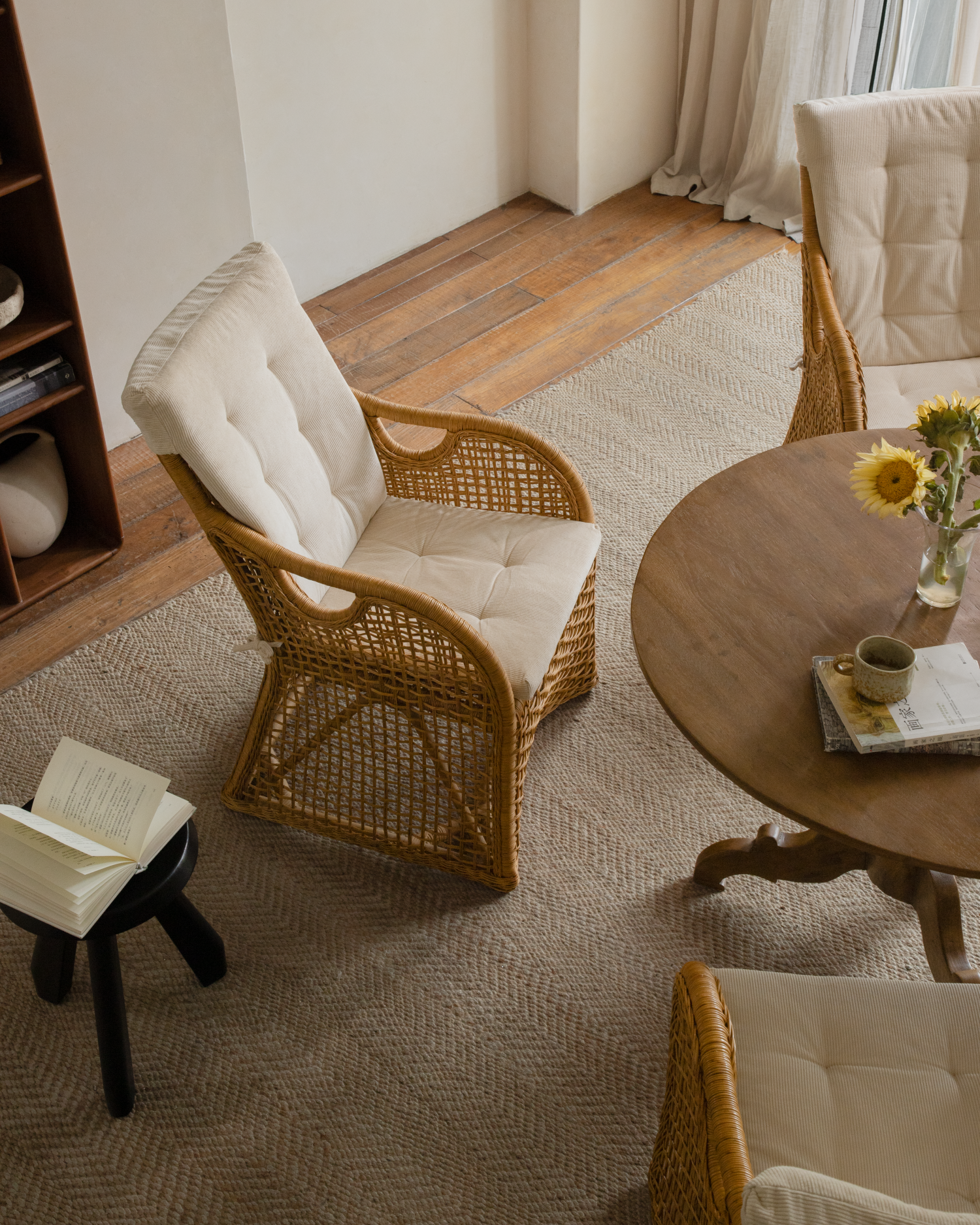
These options feature resting spots for your arms and elbows. They possess a substantial visual weight that anchors a table. Homeowners often choose them to create a formal or relaxed dining mood. Because of their wider build, they demand extra room along the table edges.
Armless Dining Chairs
These seats offer a compact footprint that suits smaller homes. You can move and rearrange them easily during parties. Because they take up less side-to-side room, you can fit more of them along a table edge. Their slim profile creates a light visual appearance across the room.
Neither style is automatically better than the other. Your final choice rests on your available room size and daily dining habits.

How Much Space Do Dining Chairs Need?
A chair's listed width only tells half the story. To create an easy layout, factor in the space people need to sit down and move comfortable.
Allow Enough Space for Each Diner
Plan for roughly 24 to 26 inches of table length for every person. Wider dining chairs demand more room, so you may need to increase this number. Keep in mind that body sizes and frame builds vary, so treat these figures as practical guidelines rather than rigid rules.
Leave Room Between Chairs
Give your family and guests extra elbow room so they do not bump into each other. Leaving around 6 inches between seats works well. Increase this gap if you pick wide armchairs or thick upholstered frames.
Measure the Chair at Its Widest Point
A seat cushion width rarely matches the true width of a dining chair. Check the distance between the outer arms, the top of the backrest, and any flared wooden legs. Use those maximum product dimensions when measuring your floor plan.

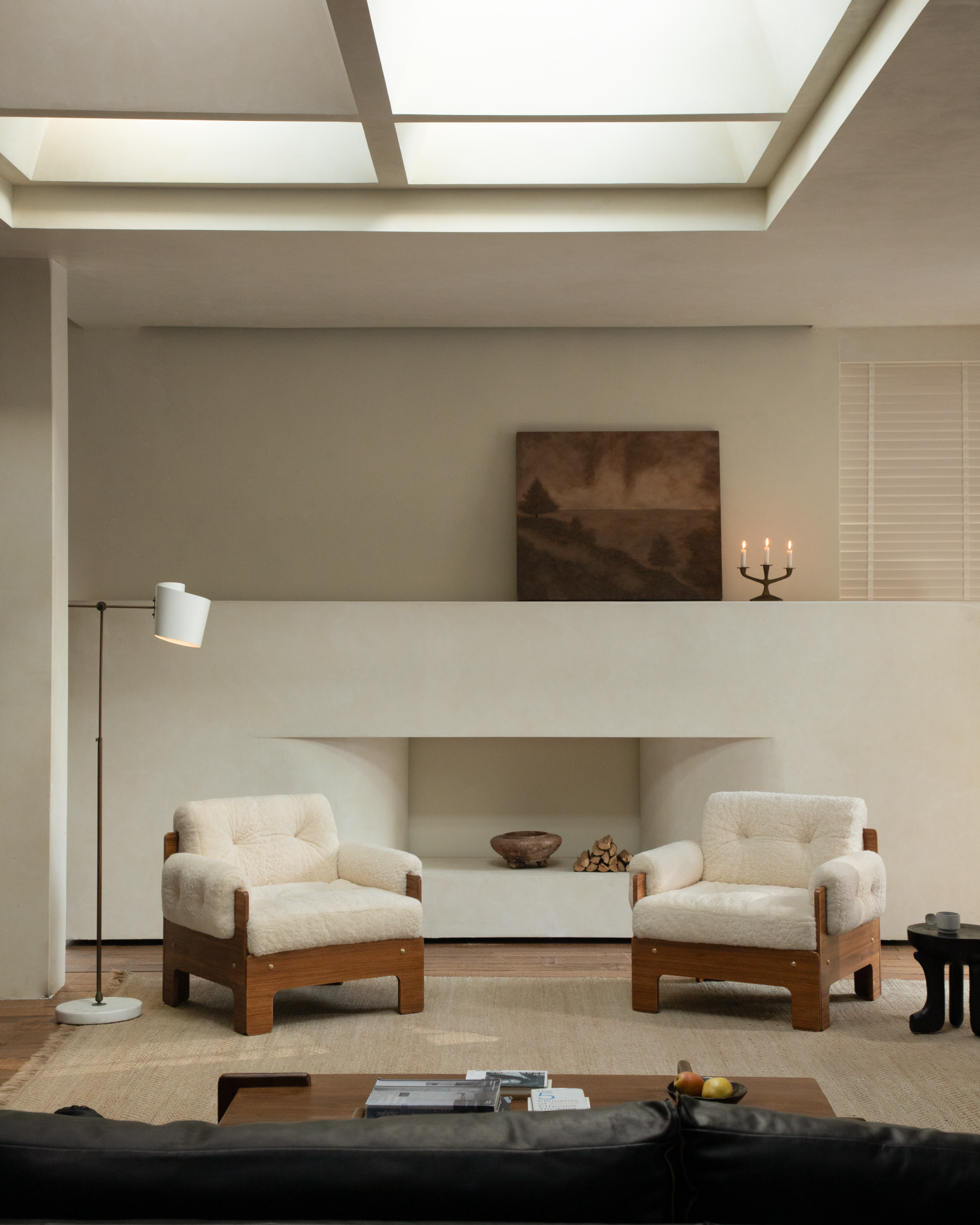
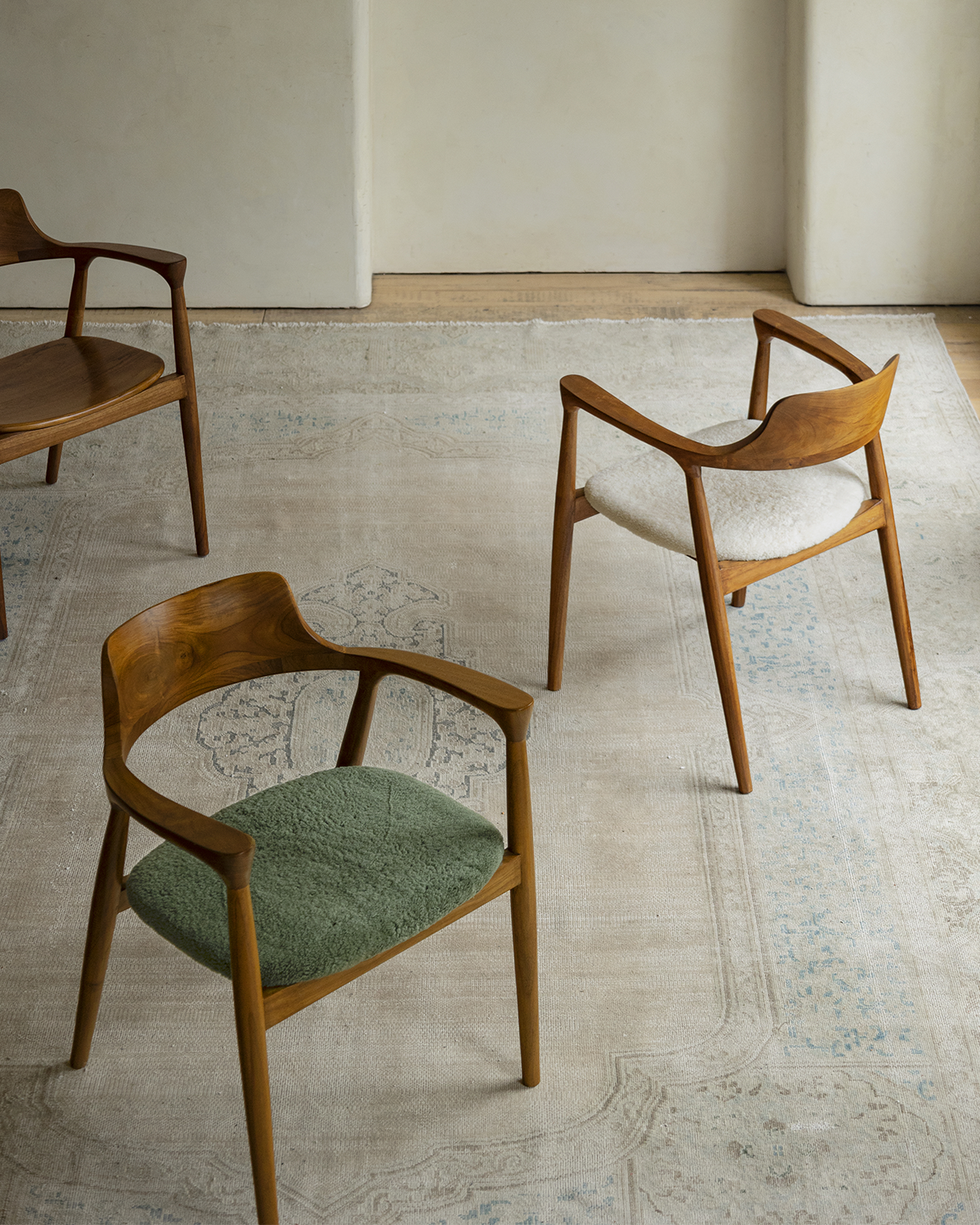
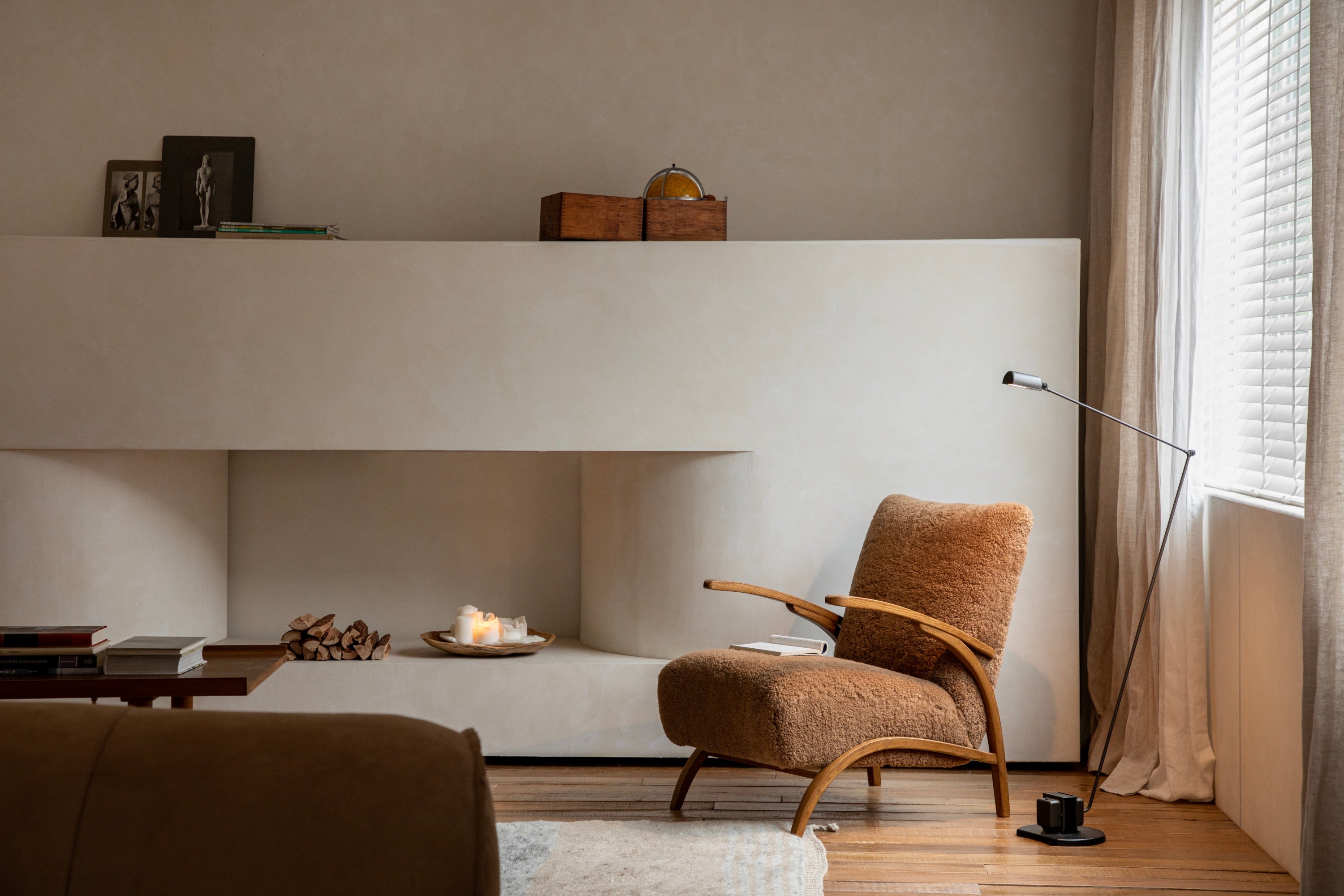
Raymond Shearling Armchair
When Do Dining Chairs With Arms Make More Sense?
Extra support takes up physical room, but that extra footprint is often worth it for the added luxury.
When Comfort Is a Priority
Upper body support makes long gatherings far more enjoyable. If you host lingering multi-course dinners, wood dining chairs with arms encourage guests to relax long after dessert.
In Larger Dining Rooms
Spacious rooms can handle larger furniture without feeling cramped. You have freedom to use wider frames without stressing over every inch. Comfortable dining chairs with sturdy armrests fill large areas and add balance to a big table.
At the Head and Foot of the Table
Placing armchairs at the two table ends creates an attractive focal point. Keep armless dining room side chairs along the main sides. This smart setup delivers comfort at the end positions while saving space everywhere else.

When Are Armless Dining Chairs the Better Choice?
Smaller spaces require clever furniture choices to prevent a crowded, cluttered look around your eating area.
For Small Dining Areas
Compact spaces benefit from smaller furniture frames. Armless seats fit easily into small dining rooms, apartments, and kitchen nooks. They also keep main walking paths clear.
When You Need More Seating
Because armless profiles use less lateral room, you can set up extra seats along a single table side. This helps large families or people who host big groups regularly.
For Flexible Everyday Use
Armless designs slide out smoothly and push back completely out of sight. You can move them into the living room when extra company arrives. They keep your room looking airy and open.

Check Your Dining Table Before Choosing Chairs
Your table structure determines which seat designs work best. Check your table dimensions before making a final purchase.
Measure Table Length and Usable Seating Space
Measure the distance between the inner table legs where the seats sit. Overhanging table tops can deceive you, as bottom legs and thick bases block legroom. Calculate space based on usable area, not total tabletop length.
Check Seat-to-Table Clearance
Aim for 10 to 12 inches of space between the seat top and the underside of the table. Measure to the lowest structural point, such as a wooden apron rail, rather than the top surface.
Check Armrest Clearance
Armrests require vertical clearance to fit underneath. Ensure the arms slip under the table edge if you want to push them out of sight. Leaving roughly 7 inches between the armrest top and the table underside gives you plenty of room.

Chandigarh Armless Office Chair
Consider the Space Behind Your Dining Chairs
Fitting seats around a table is only half the battle. People need room to pull seats back, stand up, and walk through the room.
Allow Room to Pull Out the Chair
Calculate the total depth of the chair plus the space needed to push back from the table. Never measure just from the edge of the tabletop directly to the nearest wall.
Leave Enough Circulation Space
Maintain roughly 36 inches of clearance where people walk behind seated guests. Busy dining areas or pathways leading to outdoors need even more open space.
Consider Nearby Furniture and Walkways
Map out clear pathways around nearby features:
- Kitchen islands and prep counters
- Storage cabinets and sideboards
- Entry doorways and hall entrances
- Open living room areas
- High-traffic family walkways

How Table Shape Affects Your Choice
Table shapes alter physical space and visual balance, changing how your seats interact with the room.
Rectangular Dining Tables
Longer tables give you freedom to test out different dining chair styles. Place armchairs at the top and bottom positions, then line up simple armless seats along the long sides to maximize overall capacity.
Round Dining Tables
Seat width dictates your overall footprint at a round table. Wide armchairs can quickly make a small round table look crowded. Armless frames sit closer together, letting you fit more guests around the circle.
Square Dining Tables
Square designs demand extra attention to corner spaces and side lengths. Check that neighboring seat legs do not bump into each other underneath. Skip thick armchairs unless your square table is very large.
| Table Shape | Best Chair Style | Layout Advantage |
|---|---|---|
| Rectangular | Mixed (Arms at ends, armless on sides) | Maximizes side space while offering end-table comfort |
| Round | Armless | Prevents a cluttered look and maximizes perimeter space |
| Square | Armless or Slim Armchairs | Prevents crowded corners and keeps walkways open |
Can You Mix Dining Chairs With Arms and Armless Chairs?
Combining two different designs yields a practical balance of daily comfort, smart footprint use, and custom style.
Use Armchairs at the Ends
Setting two armchairs at the table ends creates a clear focal point. It offers comfortable anchor seating while keeping side paths open for traffic.
Use Armless Chairs Along the Sides
Placing armless seats along the sides makes efficient use of table length. Guests get in and out easily without bumping into armrests.
Keep the Mixed Look Cohesive
Select matching wood finishes or similar fabric textures to unify different frame shapes. Keeping seat heights uniform makes the combined set look deliberate and carefully planned.
Dining Chairs With Arms vs. Armless: Which Should You Choose?
Use this quick chart to decide which seat style fits your home layout best.
| Choose Dining Chairs With Arms If… | Choose Armless Dining Chairs If… |
|---|---|
| Comfort is your main goal | Floor space is tight |
| You have a spacious dining room | You want to fit more guests |
| You love long family meals | You need flexible, mobile seats |
| You prefer a grounded, sturdy look | You want an open, airy appearance |
| Placing seats at table ends | You want seats to tuck away easily |
| You have generous walkway space | Your room has high-traffic paths |
Choose the Right Dining Chairs for Your Space
Neither option is superior across the board. Armchairs are great when you want added comfort, extra support, and a classic look. Armless designs shine in tight spaces where saving room matters most. Combining two armchairs at the ends with armless side chairs gives many homes the perfect mix of comfort and space efficiency. Pick options that fit both your table dimensions and your lifestyle.
FAQ about Dining Chairs With Arms and Armless
Q1: Do dining chairs with arms take up more space than armless chairs?
Yes. Armrests add extra width to the chair's footprint. They can also prevent the chair frame from sliding under low tables, keeping the seat pushed out into the room.
Q2: How much space should you leave between dining chairs?
Plan for 24 to 26 inches of table space per diner. Leave roughly 6 inches between chair edges so guests do not bump elbows.
Q3: Are dining chairs with arms more comfortable?
Armrests give extra support for your arms and shoulders, making longer meals pleasant. However, proper cushion padding, backrest shape, and seat height also drive total comfort.