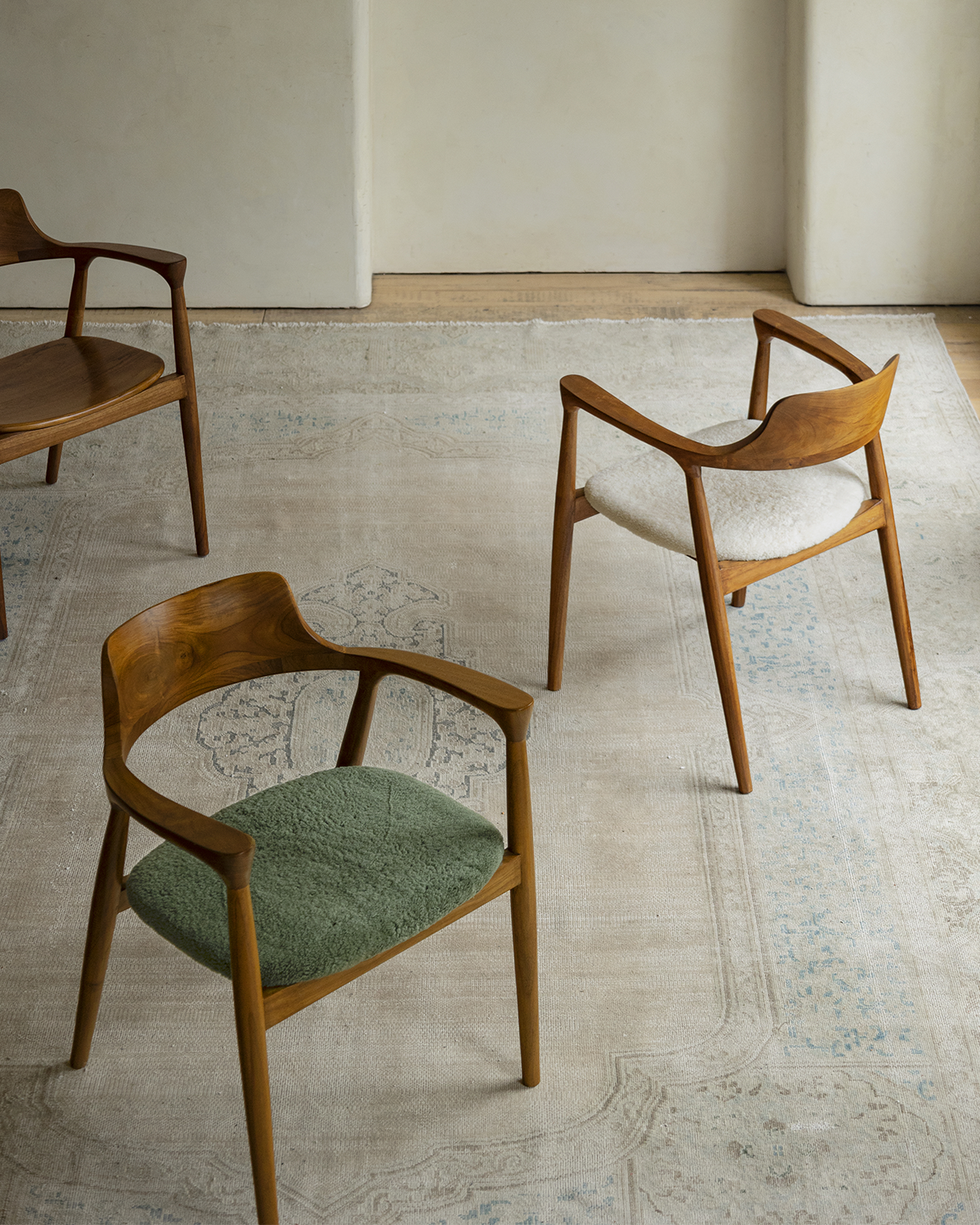

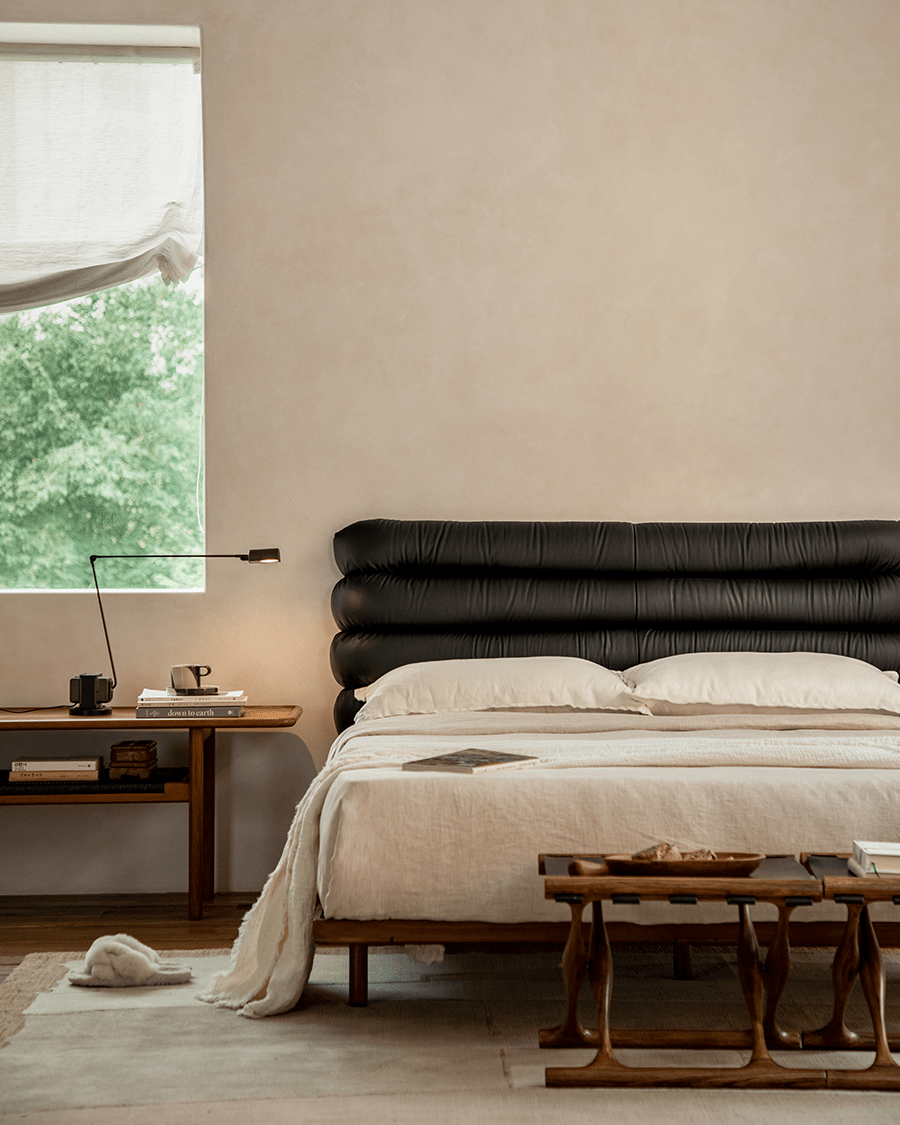
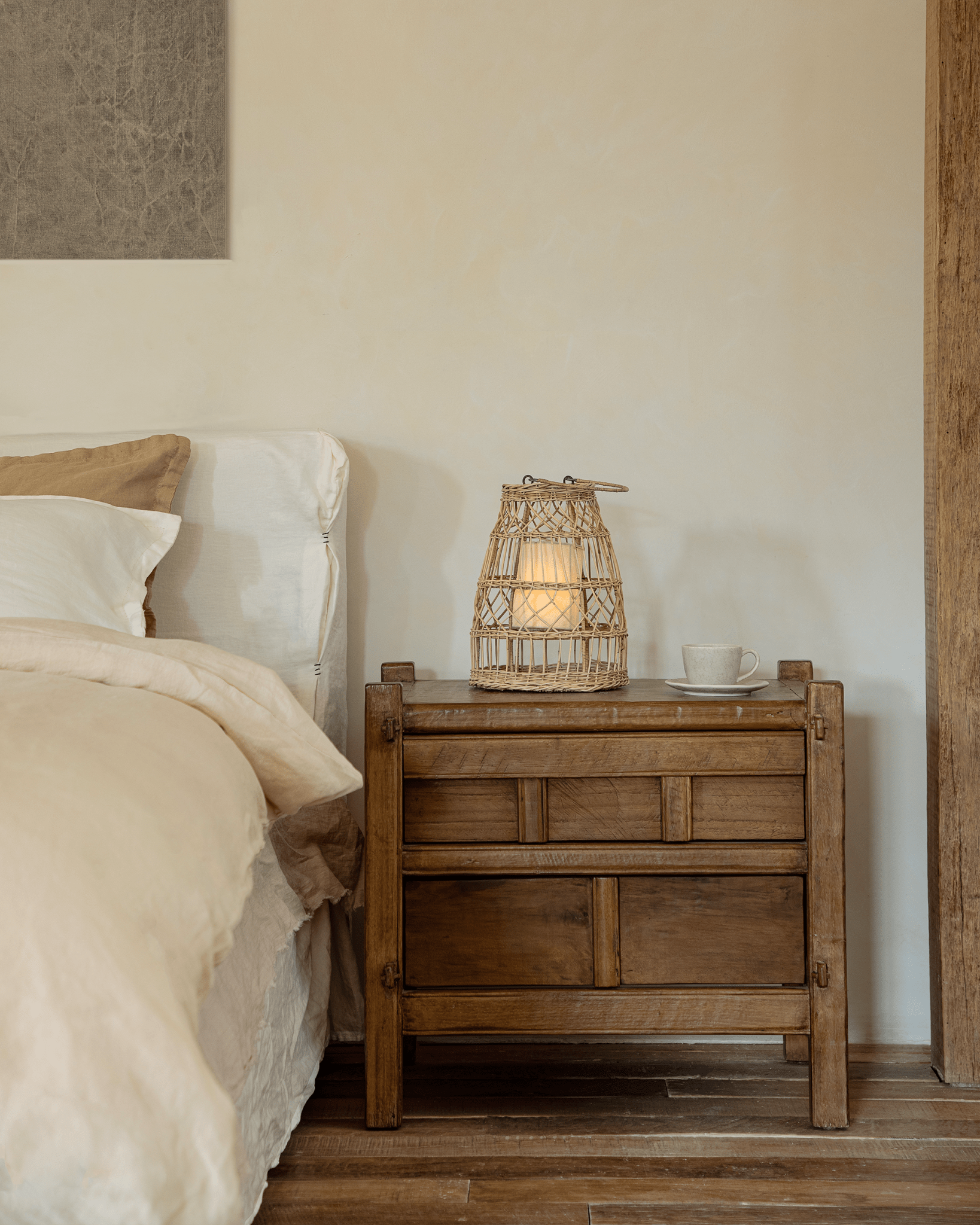
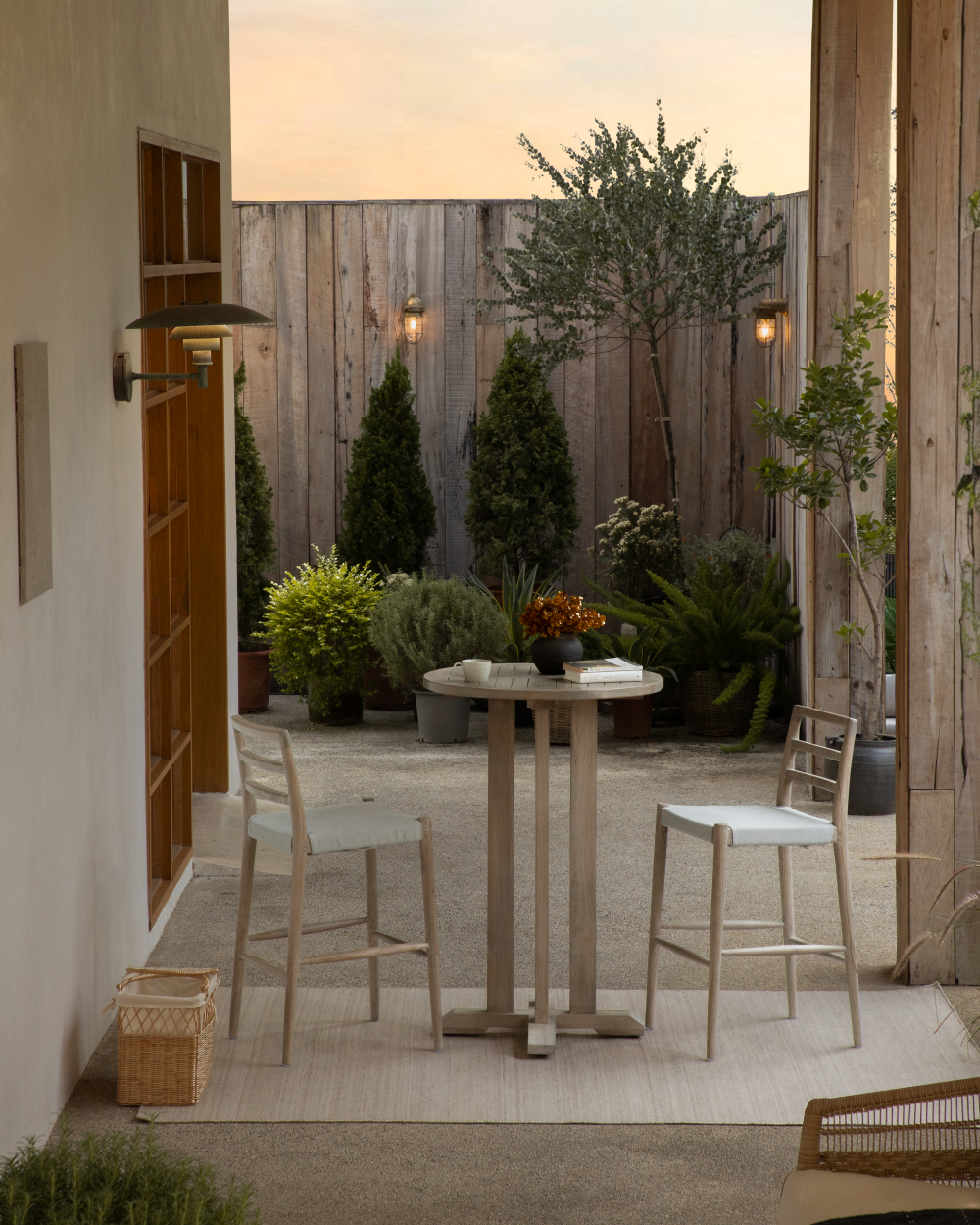
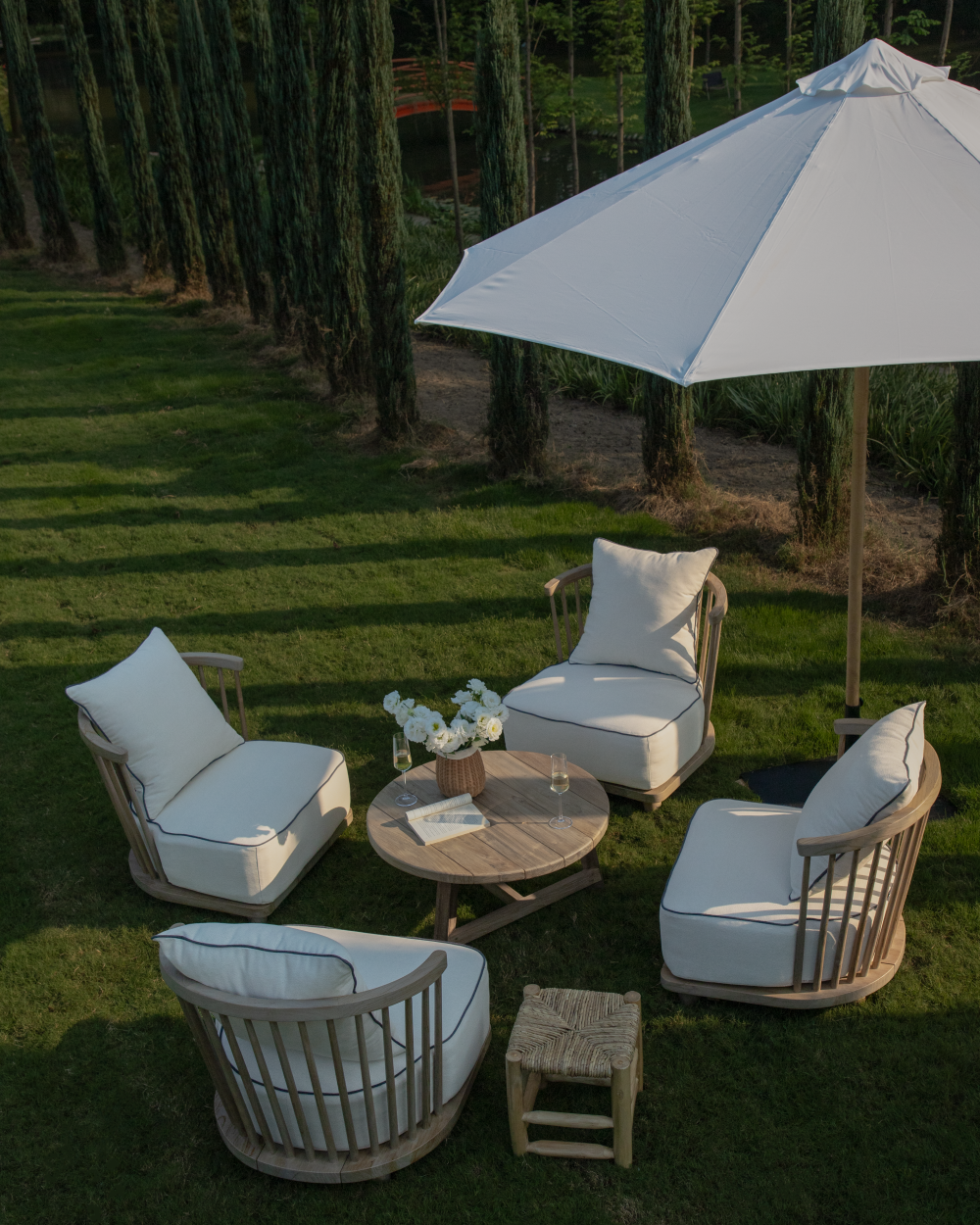


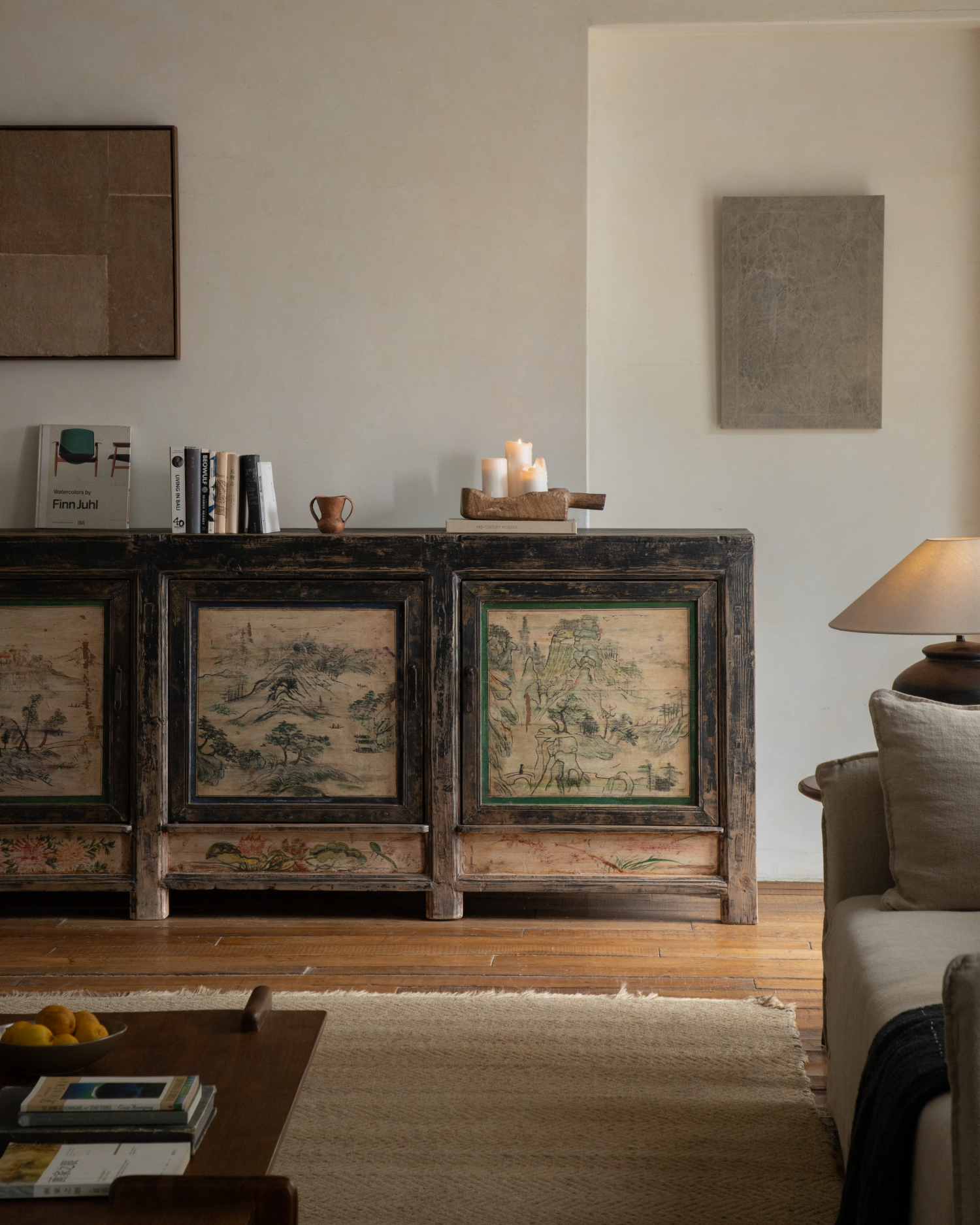
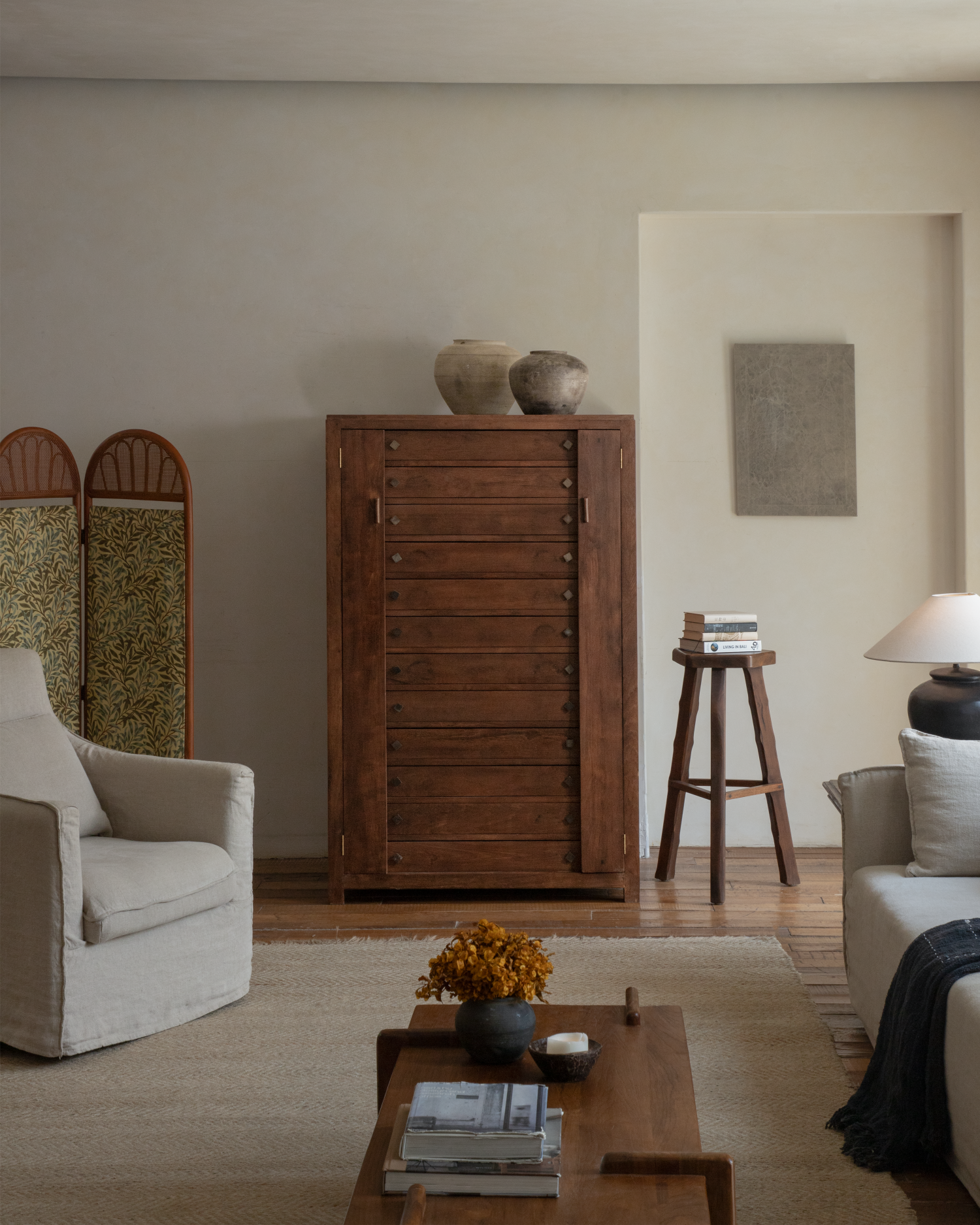
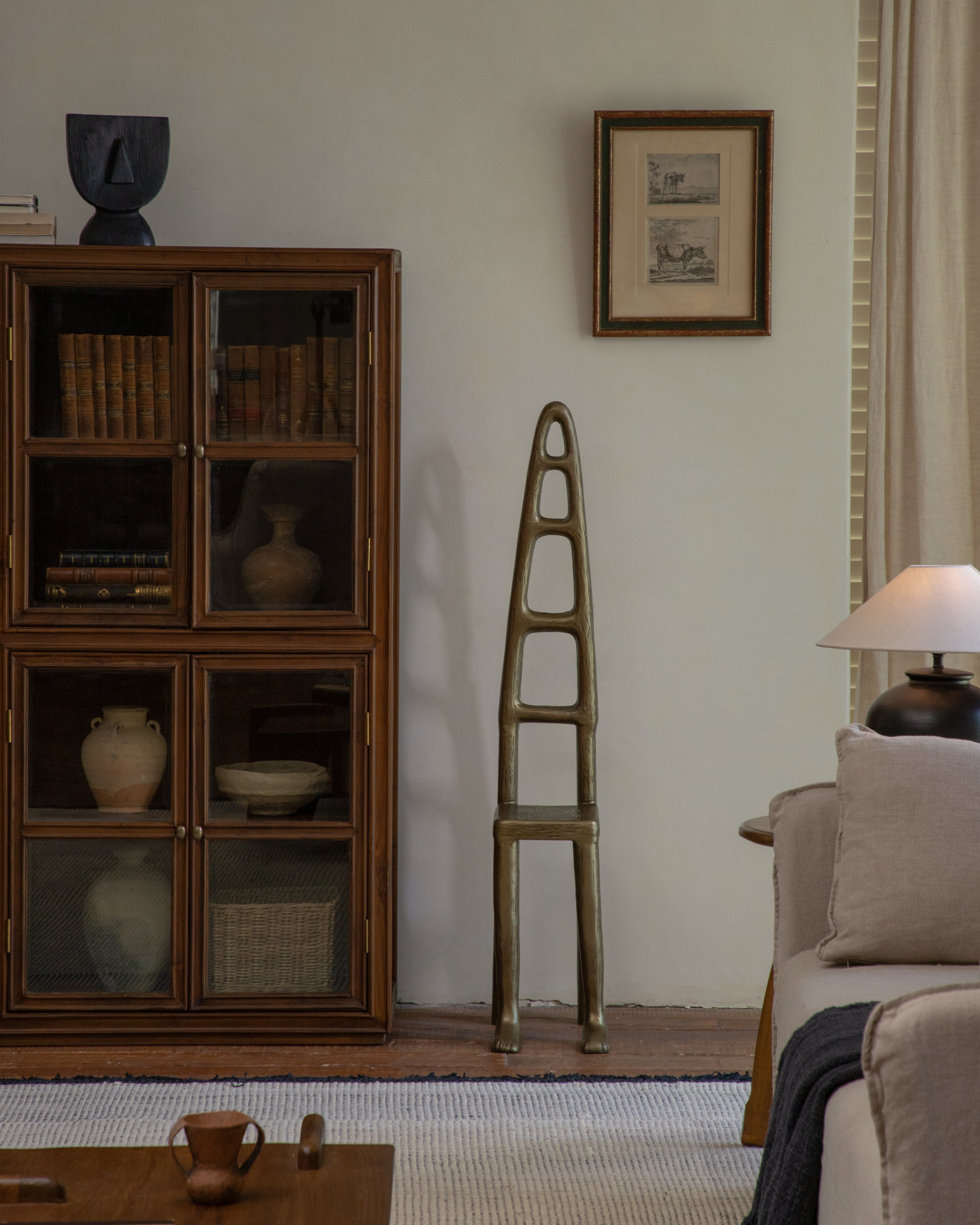

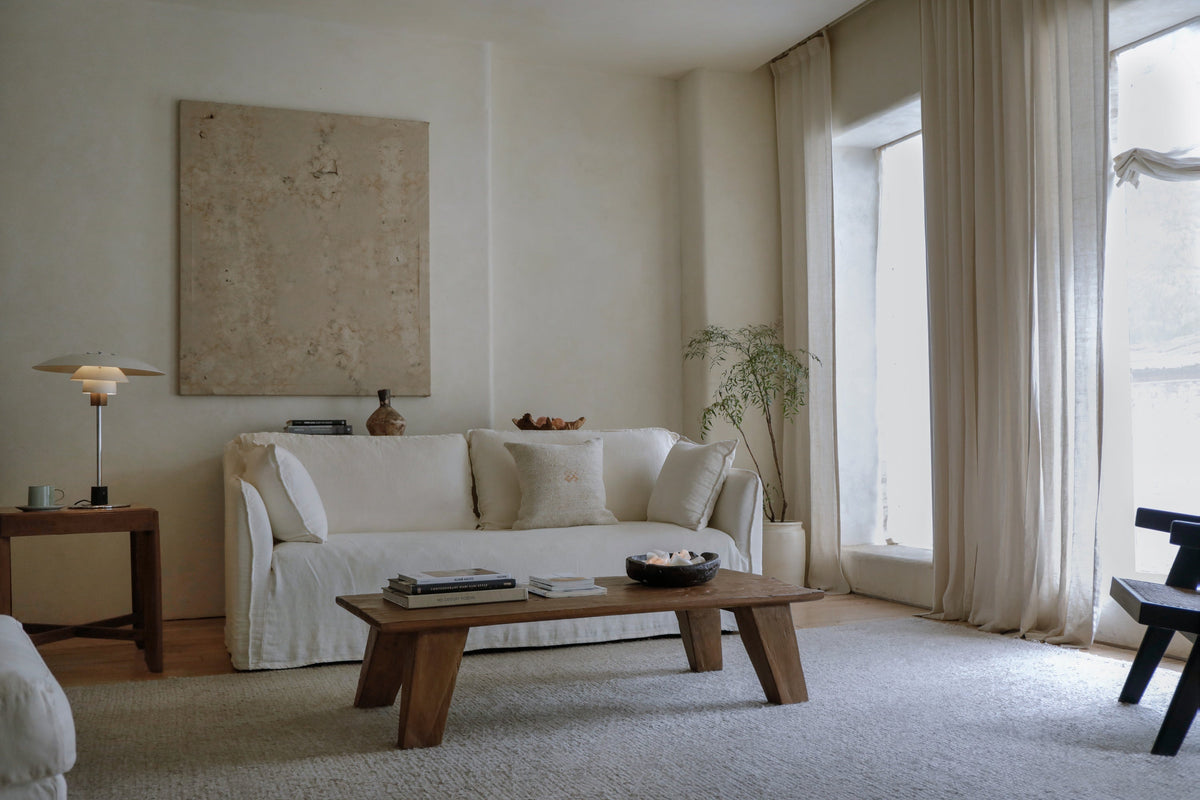

A piece of reclaimed wood furniture is most likely to age beautifully when its material condition, construction, finish, room exposure, style, and care requirements fit the way you live. Start with the room and your routine: a high-use dining table, a sunny entryway bench, and a protected accent piece should not face the same buying standard. Then distinguish attractive variation from movement or defects that affect stability, function, or surfaces you touch.
Choose Reclaimed Wood Furniture for Your Room and Routine
Choose a piece whose documented construction, finish, placement guidance, and care requirements match its actual job in your home. Use the matrix below before style preference takes over.
| Room and routine | Prioritize before buying | Pause until verified |
|---|---|---|
| High-use or spill-prone surface | Stable support, resolved edges, practical finished surfaces, and care instructions your household can follow | Cleaning limits, finish-repair expectations, or surface details that are unclear |
| Bright or heat-exposed location | Placement guidance, finish information, and a plan to reduce direct exposure | Whether the finish and material suit the location |
| Damp or fluctuating area | Construction that accommodates wood movement and clear placement instructions | Any claim that a rustic appearance proves environmental tolerance |
| Entryway or impact zone | Level support, secure connections, durable contact points, and easy maintenance | Unresolved repairs, uneven feet, sharp edges, or unclear load-bearing details |
| Low-use accent in a protected area | Proportion, visual character, and a finish whose maintenance suits occasional use | Function or stability problems, even when the irregularity looks intentional |
A more maintenance-sensitive surface may suit a protected accent, while a frequently used table needs care instructions and construction details that fit repeated touch, spills, and cleaning. If a sunny, hot, damp, or fluctuating location has no clear placement guidance, choose a better-documented option rather than assuming the material will tolerate it. When you are ready to compare categories, browse reclaimed wood furniture collection, but treat the collection as a starting point, not proof of a specific piece's performance.

Tell Reclaimed Wood Character from a Quality Problem
Variation is character when it suits the room and remains stable, functional, and comfortable to use. Treat movement, unresolved repairs, or damage that changes alignment or contact surfaces as a buying question, not an automatic benefit of a rustic look.
Read Variation as Character
Grain changes, knots, color variation, old marks, and uneven visual texture can give a piece its individual appearance. The useful test is whether each feature remains compatible with the piece's job. A mark on a decorative side panel has a different consequence from a split at a load-bearing joint or an uneven surface where dishes, drawers, or belongings must sit.
Use two checks:
- Visual fit: Does the variation work with the room's visual weight, color, and level of formality?
- Functional stability: Does the piece stay aligned and usable, with contact surfaces, edges, and moving parts properly resolved?
Ask for the wood species, source, previous use, treatment, and repair history when any of those facts could change care or suitability. A shopper considering reclaimed teak wood furniture, for example, should compare the documented source and finish rather than assume teak will automatically develop a better patina than another species. The same caution applies to claims about sustainable or eco-friendly furniture made from reclaimed wood: reclaimed status alone does not establish a universal environmental or durability advantage.
Screen for Defects before Ordering
Request clear views of cracks, checks, holes, repaired areas, uneven boards, unfinished edges, undersides, and other hidden surfaces. Seasonal moisture changes can affect furniture fit and joints, so wood movement can create visual or structural problems when construction does not accommodate it.
Ask how each unresolved condition affects:
- support, level contact, and alignment;
- drawers, doors, hinges, or other moving parts;
- sharp or rough areas that people will touch;
- future repair, refinishing, or appearance expectations.
A crack is not automatically a defect, but the seller should be able to explain its location, history, and effect on use. If the piece has unknown old paint and you may sand, strip, or refinish it, address lead-safe handling before disturbing the surface. That narrow concern applies to potentially older painted material, not to reclaimed furniture in general. For a focused follow-up, read about cracks in reclaimed wood.

Check the Build and Finish for the Wear You Expect
Judge construction and finish together. The finish shapes the surface-care experience, while the underlying build determines whether the piece supports weight, stays aligned, and accommodates normal wood movement.
Inspect Stability and Function
Look at the parts that carry weight or undergo repeated movement before focusing on decorative texture. Use this inspection list:
- Check legs, bases, shelves, drawers, doors, hardware, joints, edge transitions, and level contact points.
- Look for secure connections and aligned components.
- Operate moving parts to see whether they work as intended.
- Ask how repaired boards and fasteners were resolved.
Wood exchanges moisture with surrounding air, and wood moisture relationships help explain why that movement can contribute to dimensional change. Ask how the material was dried or prepared and whether the construction allows for movement. A rigid-looking joint or unexplained gap deserves a construction question rather than a visual assumption.
Choose a Finish You Can Live with
Choose a finish based on the cleaning, touch, spill, and visible-wear experience you can realistically maintain. A natural-looking finish may suit a low-use room, while a high-use surface needs clearly stated cleaning limits and repair expectations.
| Finish question | What the buyer must verify |
|---|---|
| Surface protection | Which surfaces are finished, and what kind of everyday contact or spills are expected? |
| Visible wear | How might scratches, color change, or touch marks appear in the intended room? |
| Cleaning limits | Which products, methods, and spill responses are allowed? |
| Repair or refinishing | Can spot repairs change the appearance, and what process is recommended? |
A finish can slow moisture exchange and help protect a surface, but a finish cannot compensate for poor construction. Ask about finished and unfinished areas, especially edges, undersides, and surfaces near spills. If you are comparing a reclaimed wood console table, use the product page as a shopping resource only after identifying the construction and finish questions that matter to your space.
Choose a Style That Makes Future Changes Easier
No style guarantees future relevance. Favor proportion, silhouette, function, and a level of visual distinctiveness you will still accept if the room, color palette, or layout changes.
Rustic pieces can suit a room that benefits from visible texture and history, but heavy distressing may dominate the space after other furnishings change.
A modern profile with restraint may offer more flexibility when you expect to update upholstery, wall color, or accessories.
Mixed materials can help connect the wood to existing metal, stone, fabric, or painted surfaces.
Use bespoke or custom furniture made from reclaimed wood when a real proportion, storage, seating, or clearance problem calls for it. A made-to-order detail is useful when it solves that problem; it is not evidence of better construction by itself. Evaluate the piece's visual weight, edge profile, storage, and functional details against the room before choosing a distinctive feature.
You can browse furniture styles for comparisons, then use ideas about how to style reclaimed wood furniture without treating any style as timeless or guaranteed to age well.

Plan Care and Placement for Attractive Aging
Attractive aging depends partly on whether the ownership routine fits your home. Follow the maker's instructions for the specific wood and finish, reduce avoidable exposure when practical, and choose a placement you can maintain consistently.
- Get the care instructions first. Ask how to handle cleaning, spills, heat, placement, and refinishing for the actual finish. General wood advice should not replace product-specific limits.
- Control avoidable exposure. In a sunny room, move the piece out of direct sunlight when practical or use shades, curtains, or suitable window film. The same for avoiding major temperature and humidity swings, so place furniture away from fireplaces, heating vents, damp areas, and similarly unstable locations when possible. Furniture placement guidance for light and environmental changes can help you make that room decision without promising to prevent every color or finish change.
- Test the routine against real life. Consider delivery access, dimensions, children, pets, meals, cleaning habits, and how often the surface will be touched. If a sunny location cannot be changed, the minimum requirement is clear placement guidance for that exposure. If the care routine feels unrealistic, select a piece with a simpler documented maintenance plan.
More general maintenance ideas appear in preventing wood furniture cracking and warping, while keeping in mind that its fixed humidity range should not be treated as a universal requirement.
Use This Final Pre-Order Check before You Commit
Before you buy, collect only the facts that could change the decision. A short final screen is more useful than relying on a rustic description or an unsupported promise about durability.
- What the piece is: Record the stated wood species or source, previous use if known, treatment, repairs, dimensions, and intended function. Note which visible conditions are documented and which remain unexplained.
- How it fits the routine: Match support, alignment, contact surfaces, finish, cleaning limits, placement guidance, and exposure to the room and use you selected. Include entry access and practical clearances where they affect installation.
- What support is actually offered: Get the finish-care instructions and any applicable delivery, customization, return, or warranty terms in writing. Do not assume a policy or service exists because it is common in furniture retail.
Buy when the material condition, construction, finish, placement, dimensions, and care demands all fit your routine. Keep comparing when a fact that could change stability, maintenance, exposure fit, or purchase support remains unknown.
That is the practical standard for choosing a piece that can develop appealing character without asking you to excuse poor function. Match it to the room first, then commit only when its condition and ownership demands are clear.
FAQs: Reclaimed Wood Furniture Quality, Care, and Placement
Q1: Are Cracks in Reclaimed Wood Furniture Normal or a Sign of Damage?
Either is possible. Location, stability, alignment, sharpness, function, and documented repair history matter more than the rustic label. A crack that affects a joint, level contact, moving part, or touch surface needs clarification before purchase or delivery.
Q2: Does Reclaimed Wood Furniture Need Special Care or Placement?
It needs care appropriate to its specific wood and finish. Follow the maker's instructions, limit direct sun when practical, and avoid major heat, temperature, or moisture swings. If those steps do not fit your home, choose a piece with clearer and more manageable placement guidance.
Q3: How Can I Tell If Furniture Made from Reclaimed Wood Is Well Made?
Look for level support, aligned joints, functional drawers or doors, resolved edges, secure hardware, documented repairs, and finish-specific care information. Rustic variation can add visual interest, but it does not establish sound construction.
Q4: Is Reclaimed Wood Furniture a Good Choice for a Sunny or High-Traffic Room?
It can be a fit when the construction, finish, placement guidance, and expected visible wear match that room and routine. For a sunny or heavily used location, proceed only when those details are clear and manageable; otherwise keep comparing.