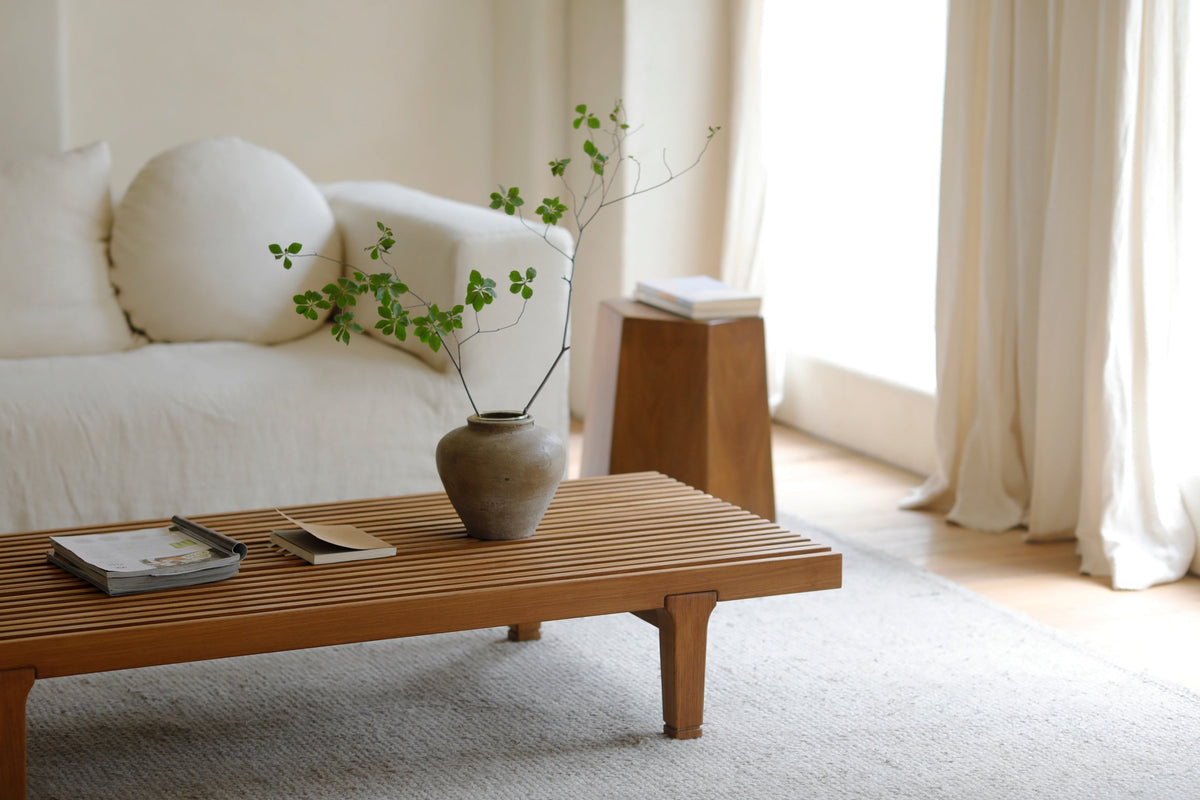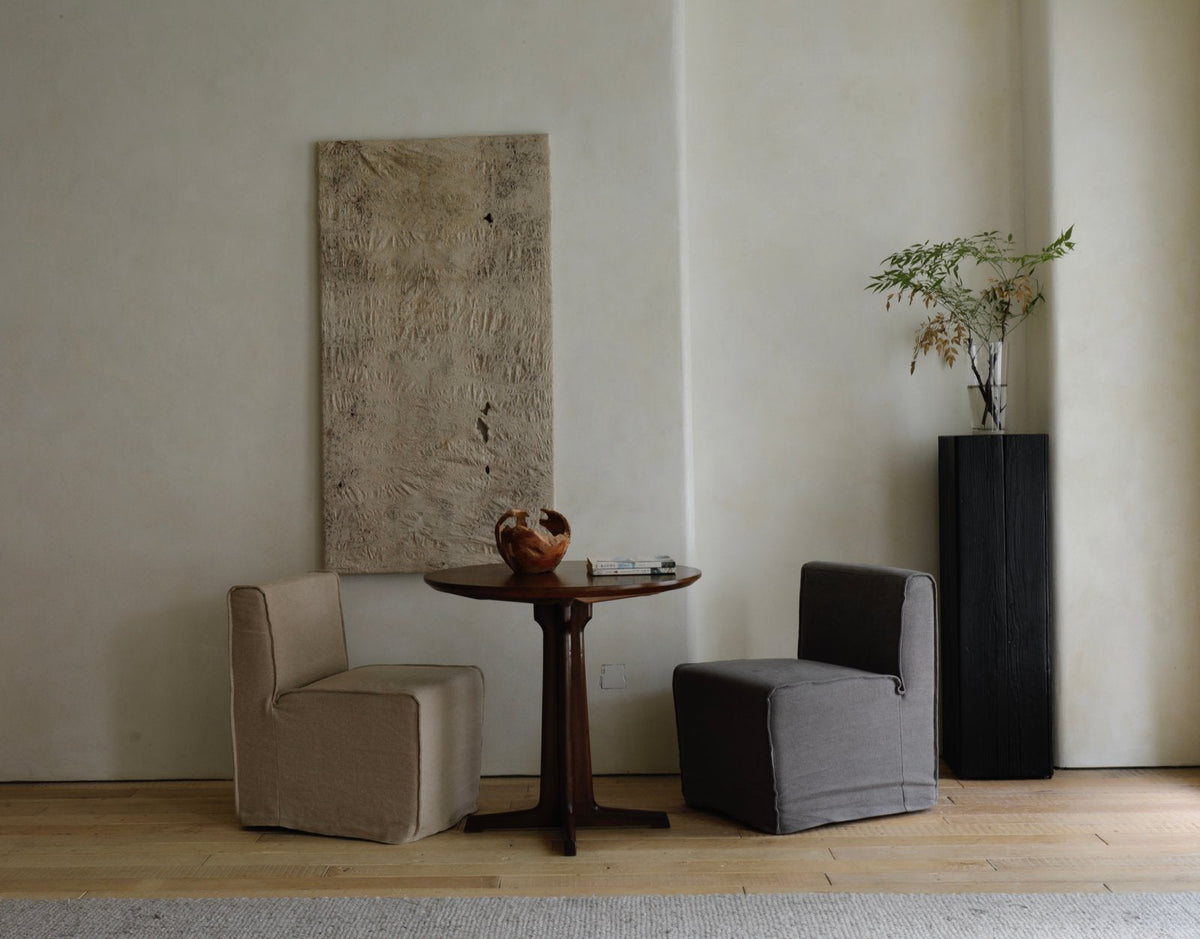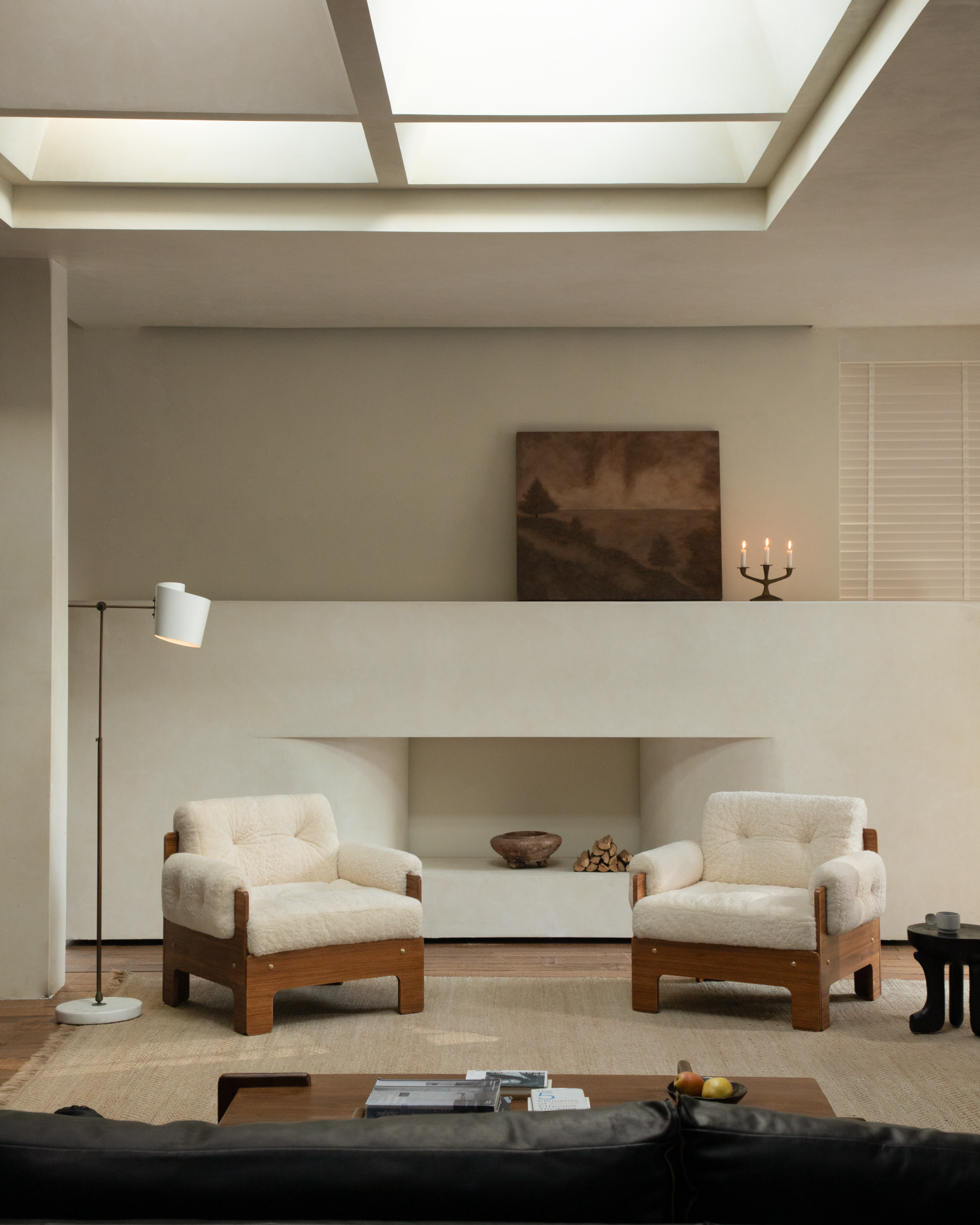
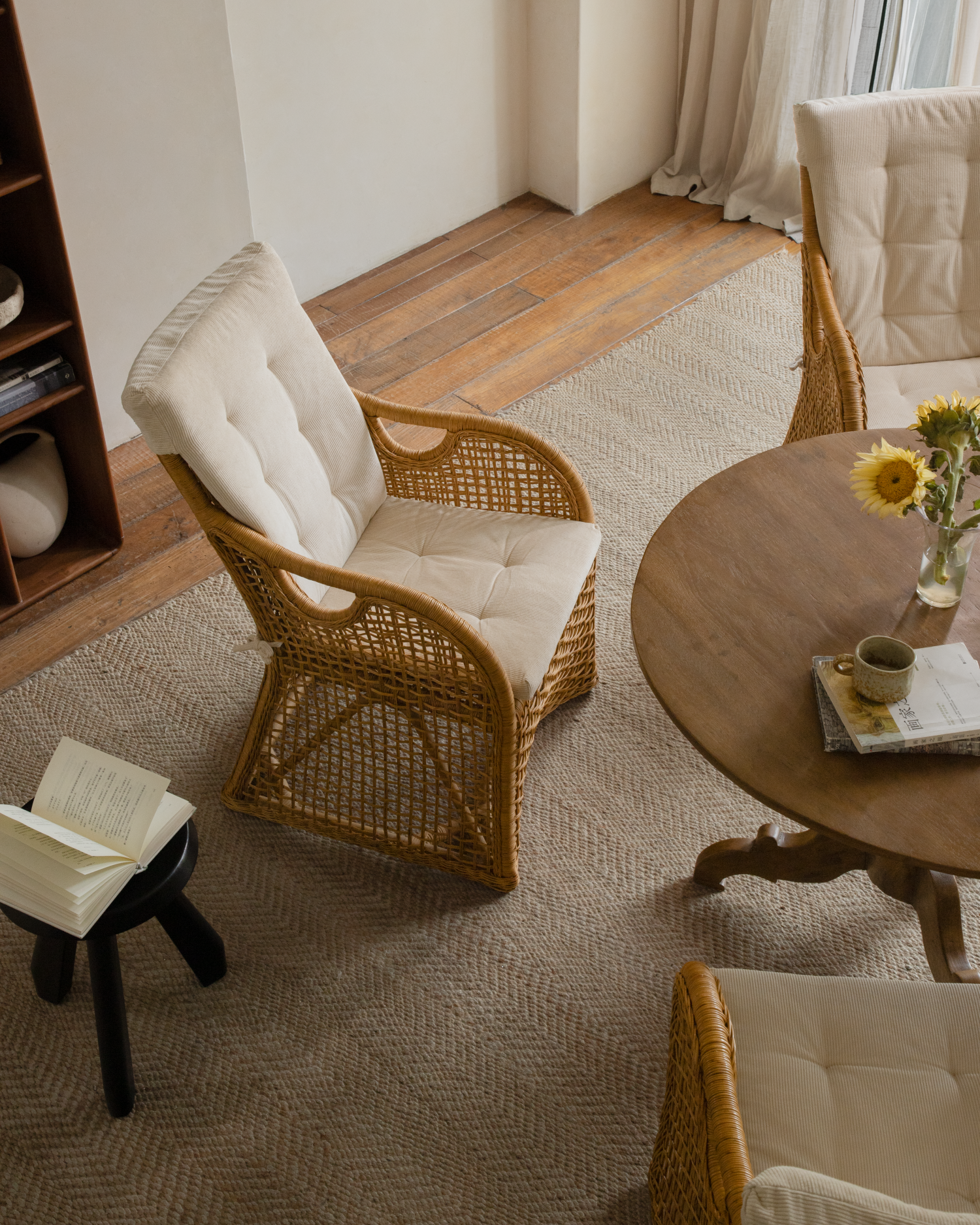

Wood furniture is vulnerable to cracking and warping because wood is hygroscopic, continuously absorbing and releasing moisture as indoor humidity shifts. Even well-built wood furniture will expand, shrink, or warp when ambient conditions fluctuate beyond safe limits. Keeping humidity stable, sealing exposed surfaces, and building a few simple care habits can greatly reduce the risk of cracking and warping.
What Causes Wood Furniture to Crack and Warp
When you know what causes wood to move physically, every step you take to stop it is reasonable and doable, not just guesswork.
How Wood Cells Absorb and Release Moisture
Wood cells contain hollow lumens that fill with water vapor whenever surrounding relative humidity rises. Above the fiber saturation point, which corresponds to approximately 30% moisture content, cells swell tangentially more than radially, generating internal stress across the board’s width. Rapid humidity swings, not simply high humidity, are the primary trigger for cracking and warping in wood furniture. Every piece of wood continuously seeks equilibrium moisture content (EMC), the moisture level at which the wood neither gains nor loses water relative to the surrounding air. When indoor RH shifts quickly, wood cannot equalize fast enough, and stress accumulates. Preventing wood furniture cracking and warping, therefore, requires minimizing the speed and magnitude of those humidity shifts, not just targeting a single number.
Cracking vs. Warping: Two Distinct Failure Modes
Cracking occurs when surface wood dries and shrinks faster than the interior, creating tensile stress that exceeds the wood’s modulus of rupture. The result is typically end-grain checks or surface splits running parallel to the grain.
Warping is a shape distortion, including cupping, bowing, twisting, or kinking, caused by uneven moisture absorption or release across a board’s faces, edges, or length. Cupping, for example, develops when one face absorbs more moisture than the opposite face, causing the wetter side to expand and the drier side to pull the board concave. Because each failure mode originates from a slightly different moisture gradient, preventing them requires addressing both surface sealing and ambient humidity simultaneously.
Species, Grain, and Cut: How Wood Selection Affects Risk
Flat-sawn lumber is two to three times more prone to cupping than quarter-sawn lumber because tangential shrinkage is roughly double radial shrinkage across most species.
Ring-porous species such as oak and ash react faster to humidity shifts than diffuse-porous species such as maple or cherry, meaning the same RH swing produces larger dimensional changes in oak than in maple.
Kiln-dried lumber acclimated to 6 to 8% moisture content before construction resists movement better than green or improperly dried stock. Choosing quarter-sawn boards and slower-reacting species meaningfully reduces the risk that solid wood furniture cracks or warps over its lifetime.
Wood movement is a predictable physical process driven by moisture exchange, wood species, and cut angle, not manufacturing defects.

The Best Humidity Levels for Solid Wood Furniture: A Room-by-Room Comparison
Maintaining stable indoor relative humidity is the single most effective way to protect solid wood furniture, and the right target varies by room based on typical risk conditions.
|
Room / Environment |
Recommended RH Range |
Common Risk Condition |
Corrective Action |
|
Living Room |
35%–55% RH year-round |
Winter heating drops RH below 25% |
Run a humidifier; keep furniture away from radiators |
|
Dining Room |
35%–55% RH |
Steam from kitchen raises RH above 65% |
Use an exhaust fan; allow 12-inch clearance from cooking areas |
|
Bedroom |
40%–50% RH |
Seasonal swings between 20% and 70% |
Install a hygrometer; use a combined humidifier-dehumidifier unit |
|
Basement / Storage |
45%–55% RH |
Chronic dampness keeps RH above 70% |
Deploy a dehumidifier; elevate furniture off concrete floors |
|
Sunroom / Conservatory |
40%–55% RH |
Direct sun creates localized drying cycles |
Use UV-filtering window film; rotate furniture position seasonally |
Keeping RH between 35% and 55% greatly reduces the moisture swings that commonly cause cracking and warping in solid wood furniture. A calibrated hygrometer in each room provides the real-time data needed to act before damage begins.
How to Prevent Wood Furniture From Warping: A Step-By-Step Protection Routine
Preventing cracking and warping in wood furniture requires a layered approach applied in the correct sequence, from initial placement decisions through ongoing care.
- Acclimate new wood furniture before use. Place the piece in the room where it will live for 72 to 96 hours before loading it with weight or objects, allowing the wood to reach equilibrium moisture content with its environment and reducing the stress introduced at installation.
- Apply a penetrating finish to all surfaces, including undersides and backs. Unfinished surfaces absorb moisture up to 40% faster than finished ones, creating the differential drying that triggers warping; sealing every face, even those hidden from view, equalizes the moisture exchange rate across the entire piece.
- Position furniture at least 12 inches from heat sources and exterior walls. Radiators, forced-air vents, and cold exterior walls create localized humidity and temperature gradients that accelerate moisture cycling in nearby wood, concentrating stress in one area of the board.
- Place moisture barriers under table legs and furniture feet on concrete or tile floors. Concrete releases ground moisture upward continuously; felt pads with a vapor-impermeable backing block this localized moisture source at the exact contact point where it would otherwise enter the wood.
- Reapply a protective topcoat or conditioning oil every 12 to 24 months. Finish layers degrade with UV exposure and regular cleaning; a refreshed surface coat restores the moisture-buffering barrier and is the most cost-effective single maintenance action available to extend furniture life.
- Inspect glue joints and veneer edges at each seasonal change. Early-stage delamination or micro-cracks at joints can be repaired with wood glue before moisture infiltration deepens the damage into the substrate and requires professional refinishing.
Each step in this routine addresses a distinct entry point for moisture: ambient air, direct contact, surface degradation, and structural joints. Completing all six steps greatly reduces the risk of cracking and warping under normal indoor conditions.

Daily Habits That Keep Wood Furniture Stable Long-Term
Structural protection measures work best when reinforced by consistent daily handling habits that address the routine actions gradually undermining even a well-finished piece.
- Wipe spills within 60 seconds, because liquid water penetrates most surface finishes within two to five minutes and initiates localized swelling that leads to finish bubbling and grain raising.
- Use coasters, placemats, and trivets on all tabletop surfaces, since excessive heat can soften many wood finishes, creating microscopic gaps through which moisture enters the wood beneath.
- Avoid dragging furniture across floors, as racking forces applied during dragging twist leg-to-apron joints, opening glue lines and creating direct paths for moisture infiltration into the wood structure.
- Dust with a slightly dampened cloth rather than a dry one, because overly aggressive dry dusting can gradually wear down protective finishes over time, gradually thinning the protective layer.
- Keep wood furniture out of direct, unfiltered sunlight, given that UV radiation degrades lignin, the binding polymer in wood, causing surface checking and color change within six to twelve months of unprotected exposure.
- Store seasonal pieces wrapped in breathable fabric, not plastic, because plastic sheeting traps condensation against the wood surface, raising localized RH to levels that cause swelling and mold growth during storage.
These habits cost no money and require under five minutes of attention daily, yet each one directly blocks a known damage pathway. Combined with humidity control and proper finishing, they form the third and final layer in a complete strategy to keep wood furniture from warping and cracking.
Prevent Wood Furniture From Cracking and Warping
Keep indoor humidity steady, seal every side of the wood, and check joints as seasons change. Small cracks and loose joints are much easier to fix early than after moisture spreads deeper into the wood. A simple hygrometer and regular care can help solid wood furniture stay stable, strong, and beautiful for many years.
FAQs About Wood Furniture Protection
Q1. How Do You Reverse Minor Warping in a Solid Wood Board or Panel?
Mild warping can often be corrected by placing the concave face down on a damp cloth atop a flat surface and applying even weight for 24 to 72 hours. Re-expanding compressed fibers on the dry side gradually flattens the curve. Severe warps exceeding 3mm typically require professional re-milling or full panel replacement.
Q2. What Is the Best Humidity Level for Solid Wood Furniture?
The best humidity for solid wood furniture is a stable relative humidity between 35% and 55%. Keeping humidity stable matters more than chasing one exact number: a consistent 45% RH causes far less movement than an environment swinging between 25% in winter and 70% in summer, because rapid change, not absolute level, drives damage.
Q3. Can You Prevent Wood Cracking Indoors With Finish Alone?
Not always. A surface finish significantly slows moisture exchange but does not stop it entirely; wood reaches equilibrium moisture content even through cured coatings, just more slowly. To prevent wood cracking indoors, finish must be combined with active humidity control, because neither strategy alone provides complete protection against seasonal moisture swings.
Q4. Why Does Solid Wood Furniture Crack More in Winter Than in Summer?
Winter central heating reduces indoor relative humidity to 15% to 25%, causing wood to release stored moisture and shrink. Shrinkage occurs faster at the surface than at the core, building tensile stress until the wood splits along the grain. This seasonal cycle is the leading cause of end-grain checking and surface cracks in solid wood furniture.
Q5. How Often Should a Protective Finish on Wood Furniture Be Reapplied?
Oil and wax finishes require reapplication every 6 to 12 months; film-forming finishes such as lacquer or polyurethane typically last 2 to 5 years before needing a light scuff-sand and recoat. High-traffic surfaces and pieces positioned near windows or heat sources degrade faster and should be inspected annually, regardless of finish type.