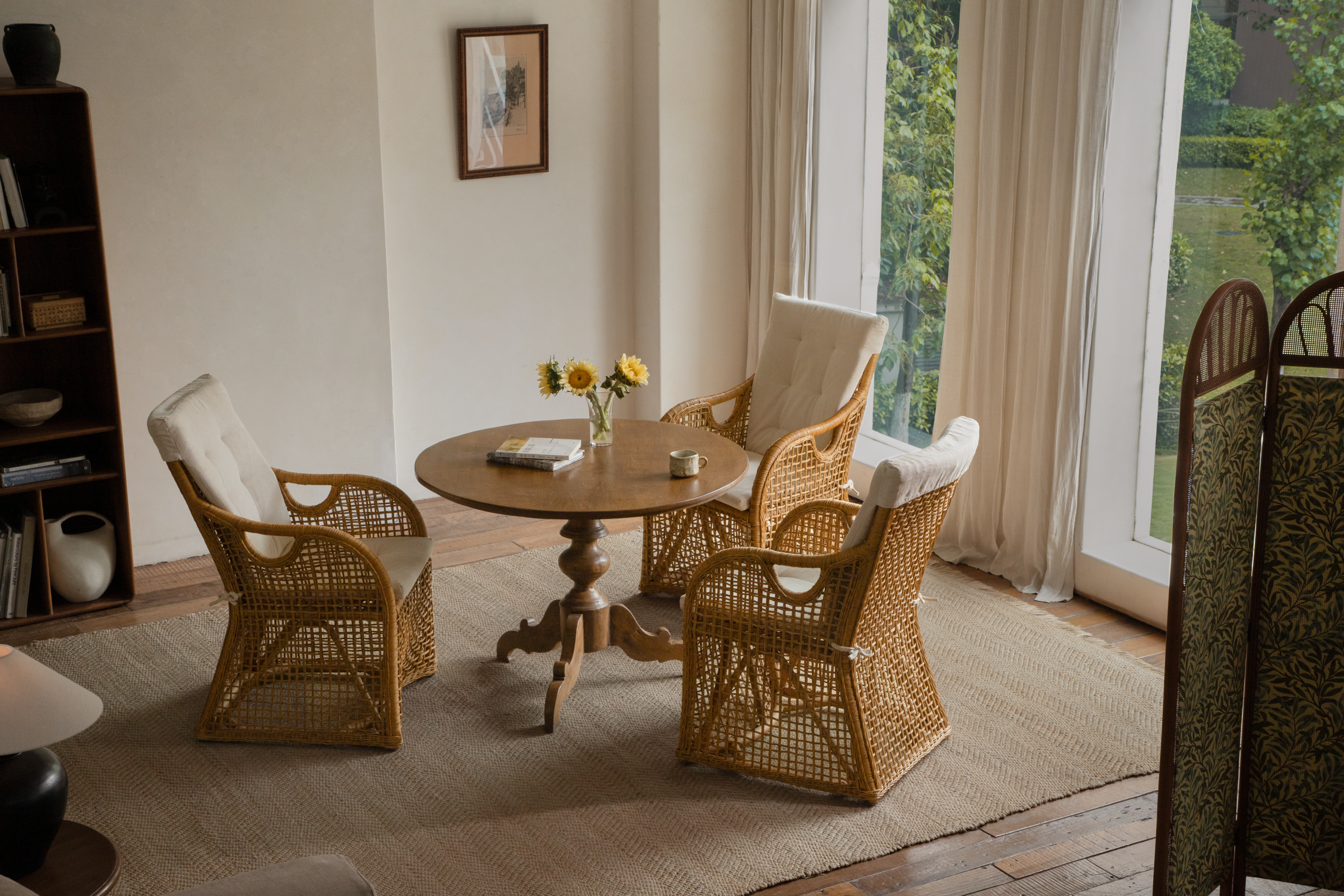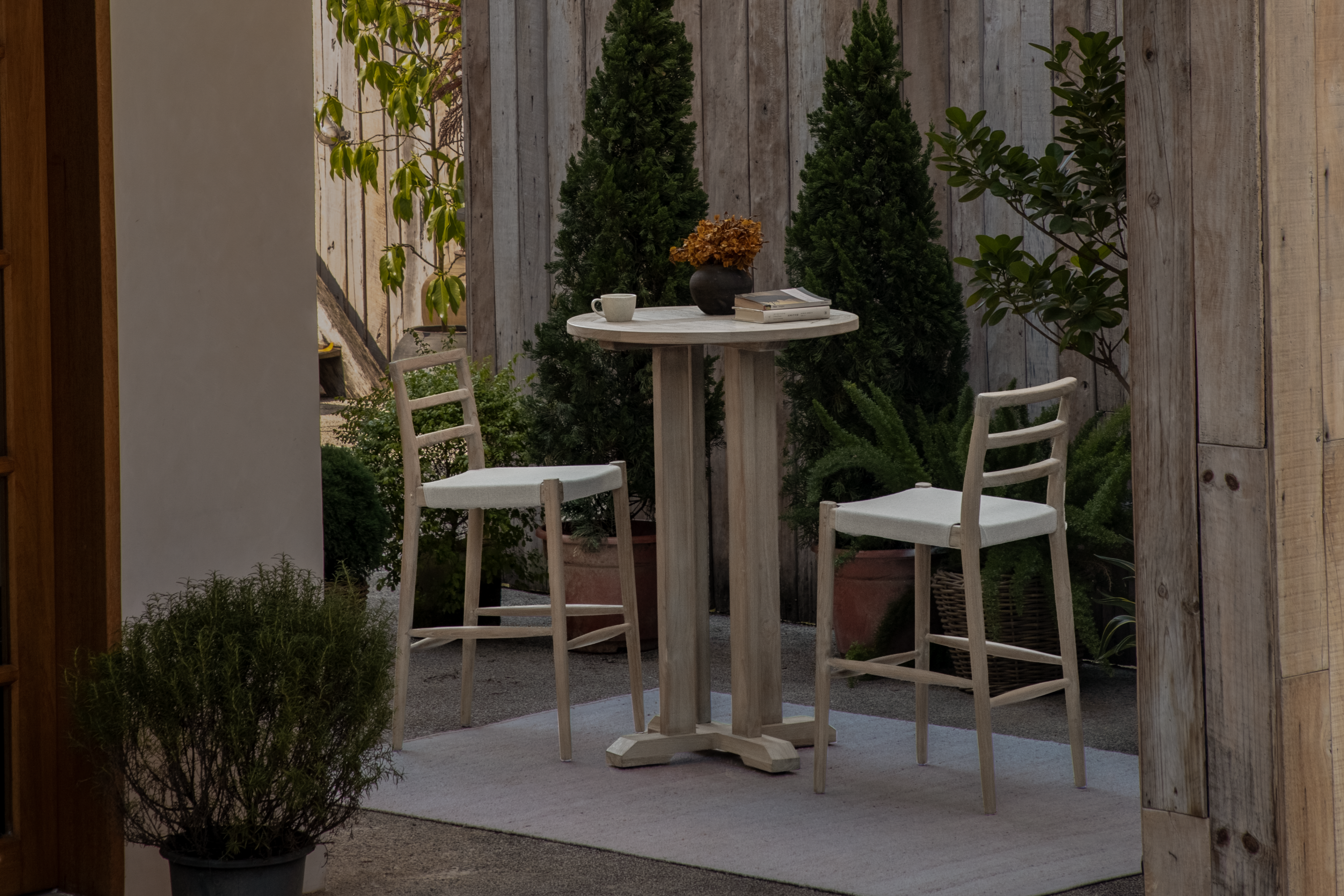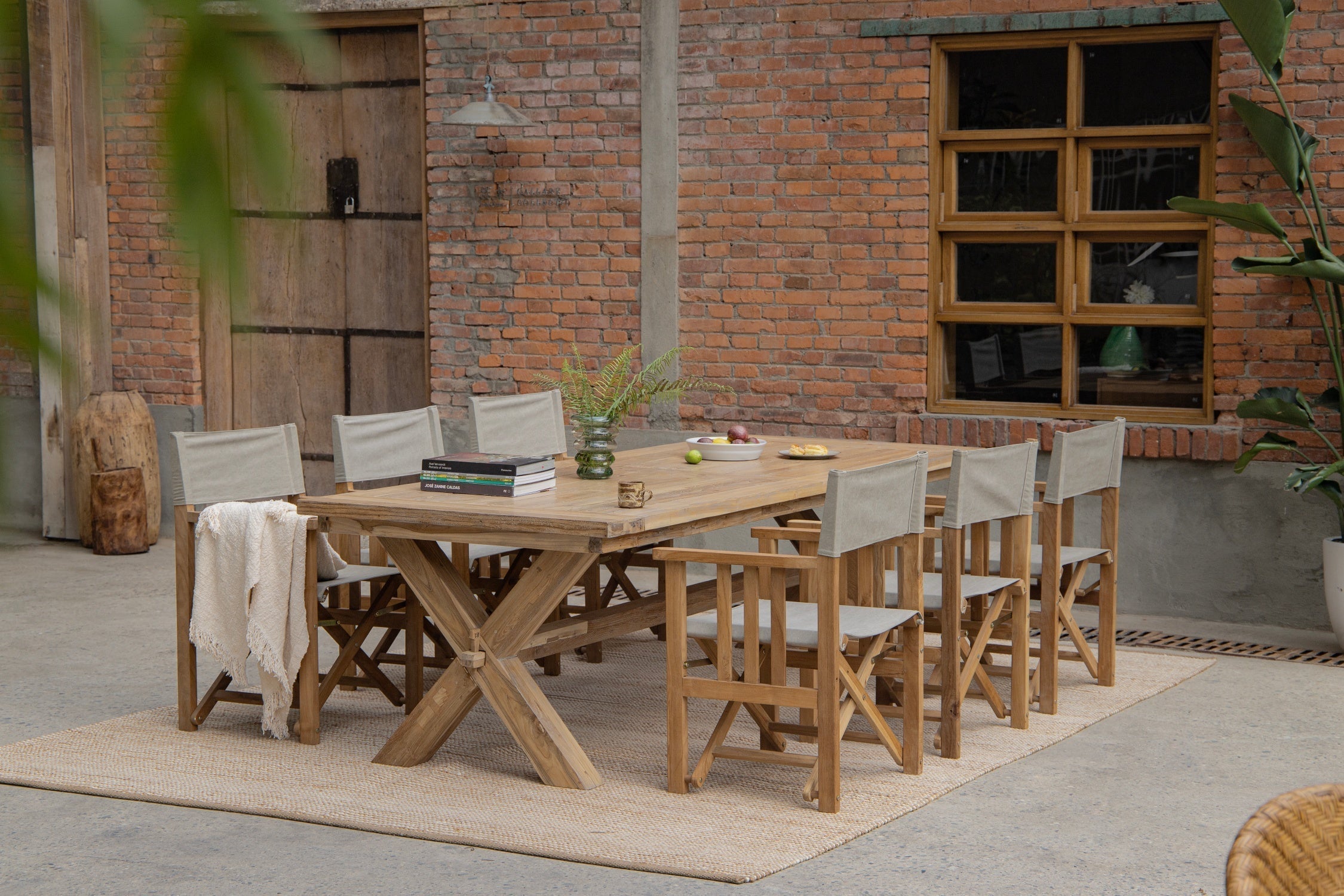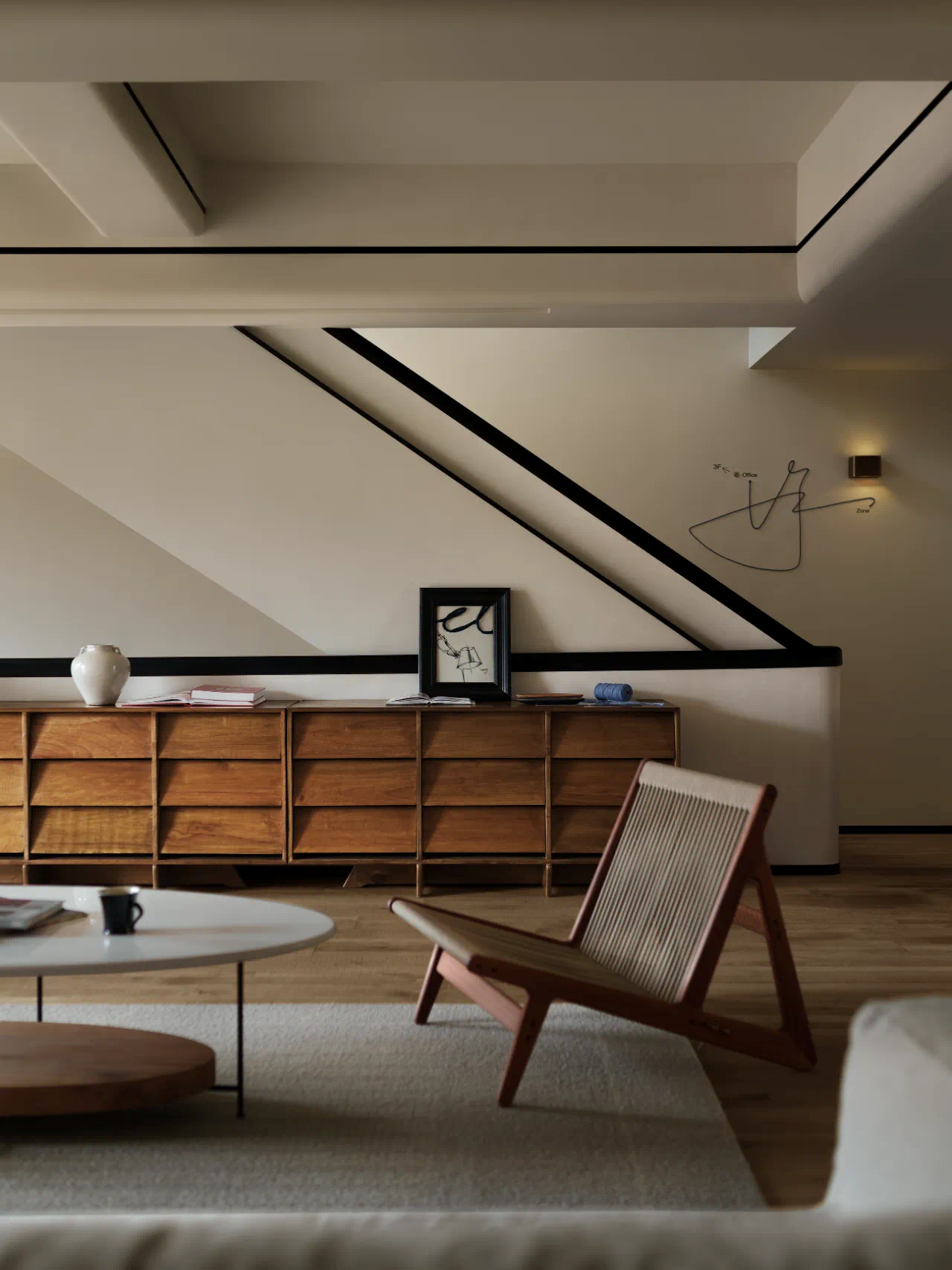
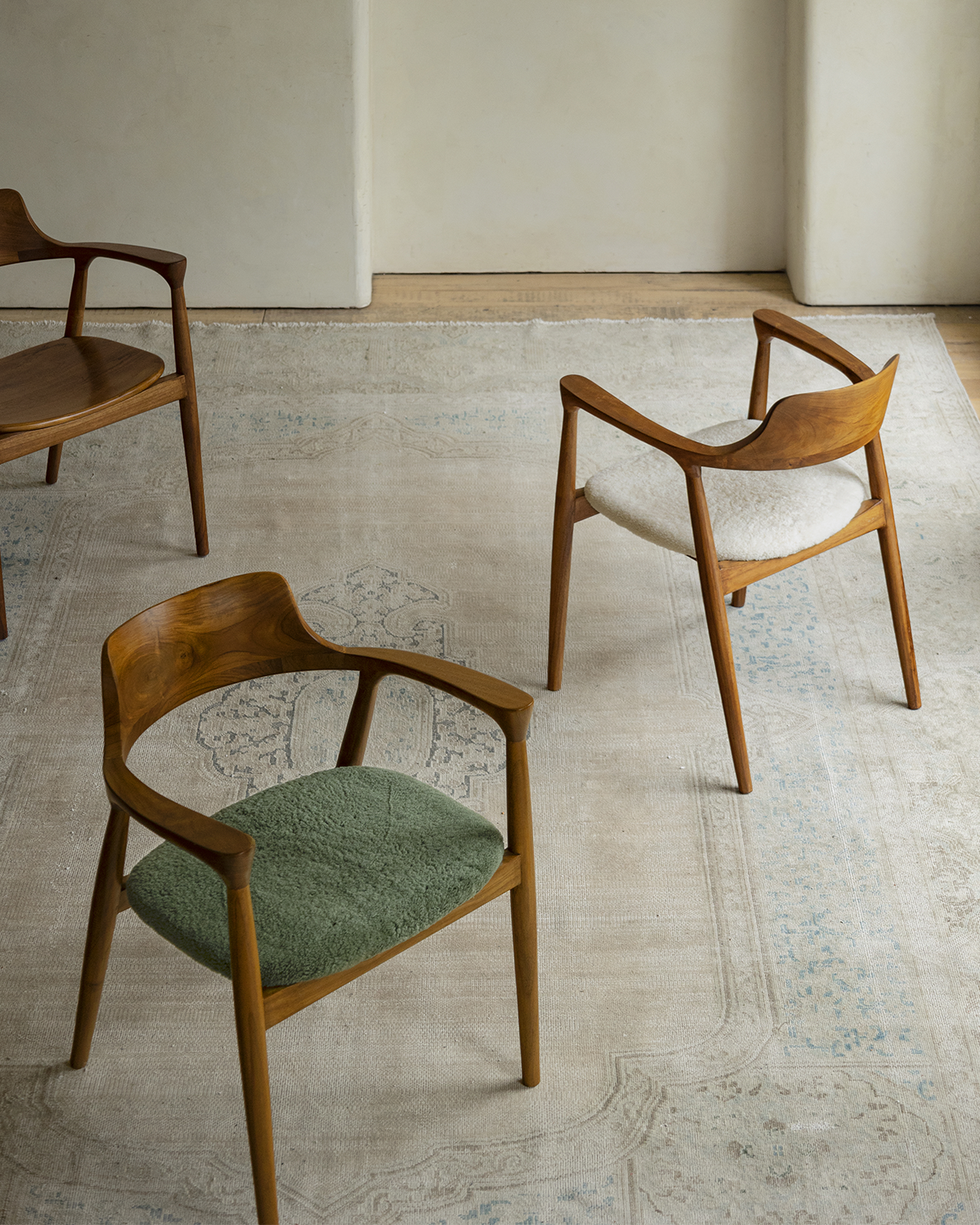
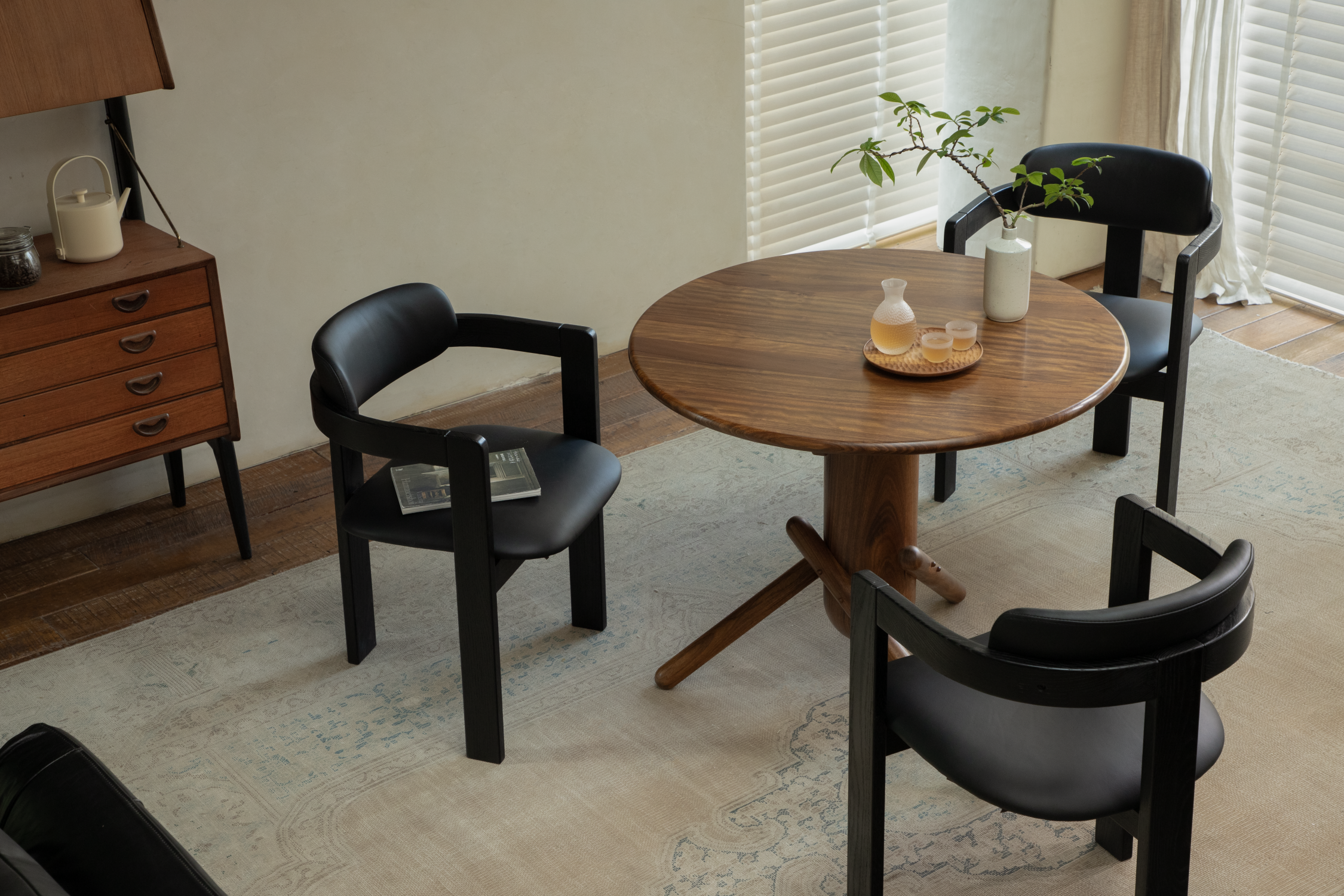
Curved dining chairs usually feel better for longer everyday meals, but only if the seat depth, back height, and room clearance fit your household. Straight-back chairs can still be the better pick when you want a firmer feel, a cleaner visual line, or simpler wipe-down care. The real decision is less about style and more about how the chair feels after 45 to 90 minutes.
What Makes a Dining Chair Feel Comfortable Every Day
For most buyers, everyday comfort comes down to fit first and silhouette second. A curved back can feel more forgiving because your back and shoulders make contact across a wider area, which often feels nicer as the meal goes on. A straight-back chair can feel supportive too, but it usually depends more on getting the seat depth and back height right.
The practical target many adults end up near is a seat depth of roughly 16 to 18 inches, which lines up with common ergonomic guidance from BIFMA-based seating references and other furniture fit resources. That range is a planning guideline, not a universal rule. Taller sitters may want more depth, and shorter sitters may feel better with less.

Curved vs Straight-Back Dining Chairs at a Glance
|
Trait |
Curved Dining Chairs |
Straight-Back Chairs |
|
Comfort feel |
Often feels softer and more relaxed for lingering meals |
Often feels firmer and more structured |
|
Support feel |
Can feel more forgiving because contact is spread out |
Can feel supportive when fit is right |
|
Visual effect |
Softer, more organic, easier to blend into open spaces |
Cleaner, more formal, more defined around the table |
|
Footprint |
Can still be compact, but arms or rounded backs may take up visual space |
Often reads as tighter and more linear |
|
Cleaning |
Depends more on finish and upholstery than shape alone |
Also depends more on finish and upholstery than shape alone |
|
Best everyday use |
Long dinners, casual family meals, softer interiors |
Formal rooms, simpler lines, firmer seating preference |
In practice, the most useful comparison is not just curved versus straight. It is how much support you want, how much room you have, and how much upkeep you will tolerate. If your room already feels visually busy, the softer profile of curved dining chairs can make the space feel calmer. If you want a more disciplined dining set, a straight-back profile usually reads cleaner.
For small rooms, The Best Dining Chair Designs for Small Spaces in 2026 is a useful companion because the footprint question often changes the decision more than the comfort question does.

Which Dining Chair Style Fits Your Home
- Choose curved dining chairs if your table gets used for long family dinners, conversation-heavy weekends, or a room that should feel softer and more relaxed. They are usually the better everyday pick when you want the seating to feel a little more inviting across a full evening.
- Choose straight-back chairs if you want a cleaner formal profile, a more upright feel, or a simpler look around the table. They often make more sense when visual order matters more than a tucked-in, lounge-like feeling.
- Choose easier-cleaning surfaces if kids, pets, or frequent spills are part of daily life. The silhouette matters less than the finish when cleanup is the real pain point.
- Choose a slimmer frame if your dining area needs more walking space or easier pull-out clearance. In open-concept homes, this can matter as much as comfort because the chairs stay visible all day.
If you want to browse by category first, the Dining Chair collection is the safest place to compare shapes without overcommitting to one style.
How to Test Dining Chair Comfort Before You Buy
A showroom sit is useful, but a quick sit is not enough. A chair that feels fine for two minutes can feel very different after 15 to 20 minutes, especially if the seat edge presses on your thighs or the back angle feels too upright.
Use the same test for both styles:
- Sit with both feet flat and your back fully against the chair.
- Stay seated for at least 10 to 15 minutes if possible.
- Check whether the front edge presses your thighs.
- Shift slightly and see whether the back still feels steady.
- Pull the chair in and out to judge clearance and effort.
- Stand up without using the table for a push if you can.
That simple routine helps you judge curved dining chairs and straight-back chairs on feel, not just appearance. It also reveals whether the chair invites you to settle in or makes you want to move after a short while.
Materials and Finishes That Change Daily Use
Material choice often changes daily comfort as much as back shape does. A curved chair in wood, rush, or woven material can feel breathable and easy to live with, especially for long dinners. Upholstery usually adds softness, but it also adds cleaning work.
- Wood and other hard surfaces are often easier to wipe after a weeknight meal. That makes them appealing if you want a low-fuss routine.
- Upholstered seats can be the right call when comfort matters more than cleanup speed, but they reward buyers who are willing to vacuum, spot clean, and follow the care label.
If you are trying to judge overall build quality, how can you tell if a dining chair is high quality is a helpful next read because joinery and finish quality affect longevity more than silhouette alone.
When comparing materials, one easy rule helps: if spills happen often, favor the easiest surface to clean; if dinners run long, favor the seat that feels best after the initial novelty wears off. For many households, that trade-off matters more than whether the back is technically curved or straight.
Measurements and Trial Steps for the Final Pick
Before you order, measure the seat height, seat depth, and table clearance so the chair works with both the sitter and the table. Then check how much space remains behind each pulled-out chair, because a dining set that looks right online can feel cramped once people start moving around it.
Use this final checklist:
- Measure the table height and compare it with the chair seat height.
- Check seat depth against the sitter, not just the room.
- Leave enough pull-out space for daily movement.
- Confirm whether the finish is easy to clean.
- Read the return policy before you commit.
- Verify shipping timing and warranty coverage.
If you are still deciding by category, Dining Chairs & Benches and Dining Room Furnitures are useful browsing paths. The right choice is the one that fits your room, your cleaning tolerance, and your everyday routine, not just the one that looks best in a photo.

FAQs
Q1. How Do You Tell If a Dining Chair Feels Comfortable After 45 Minutes?
The best clue is whether pressure builds at the thighs, lower back, or shoulders as time passes. Test with feet flat, the table pulled close, and a small posture shift every few minutes. If you start fidgeting early, the fit is probably off for long meals.
Q2. What Seat Depth Works Best for Everyday Dining?
A practical starting point for many adults is roughly 16 to 18 inches, but shorter or taller sitters may need less or more. Measure from the back contact point to the front edge, then compare that number to how long you usually sit.
Q3. Can Curved Dining Chairs Work in a Small Dining Room?
Yes, if the frame is slim and you leave enough pull-out and walkway space. Tape the footprint on the floor before buying, then check the clearance behind each seat. A softer profile can work in a compact room if it does not crowd movement.
Q4. Why Do Some Straight-Back Chairs Feel More Supportive?
A straighter back and firmer seat edge can feel supportive when the chair height and depth match the user well. What matters most is where your back contacts the chair and whether your thighs stay relaxed, so compare fit rather than shape alone.
The Better Everyday Pick Depends on Fit
Curved dining chairs usually feel more comfortable for long casual meals, while straight-back chairs suit firmer preferences and cleaner lines. Measure seat depth and height first, test each style for 10–15 minutes, and let your daily routine decide rather than appearance alone. Check return policies before committing.