
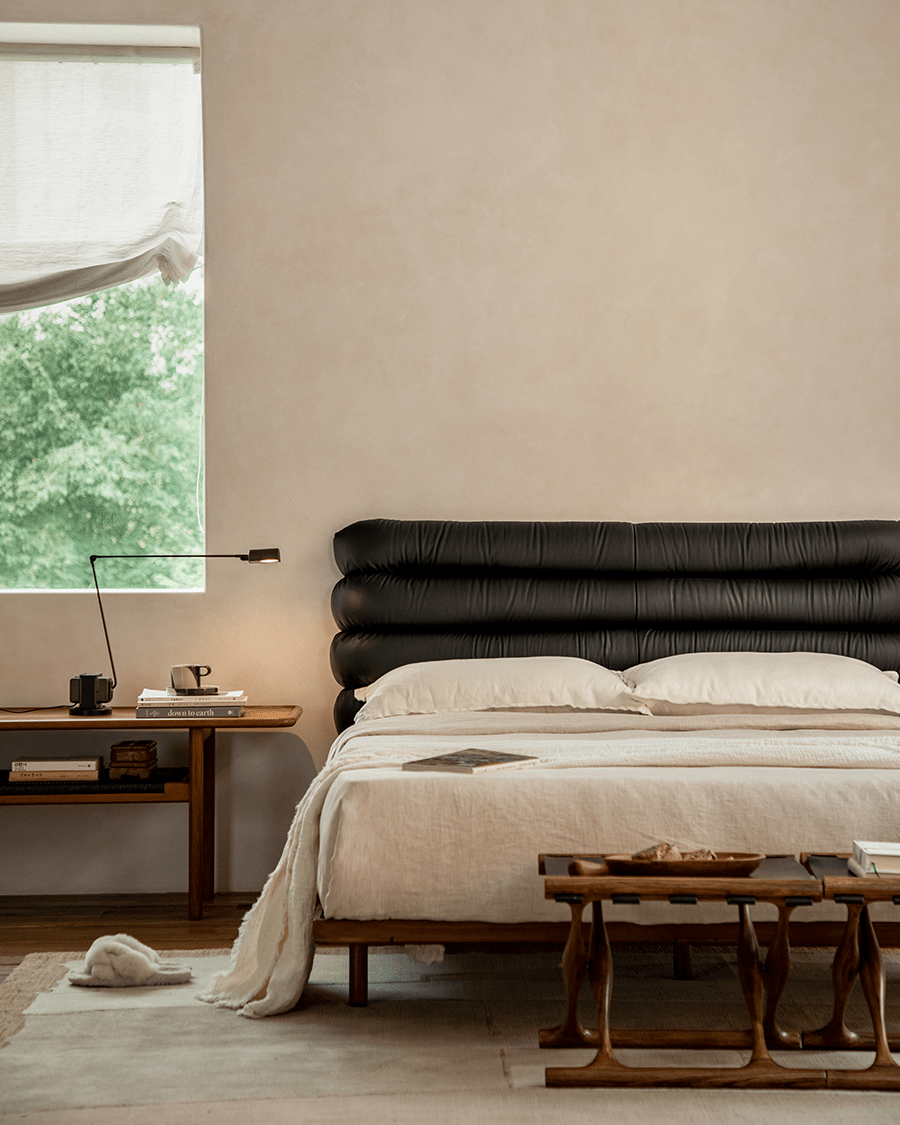
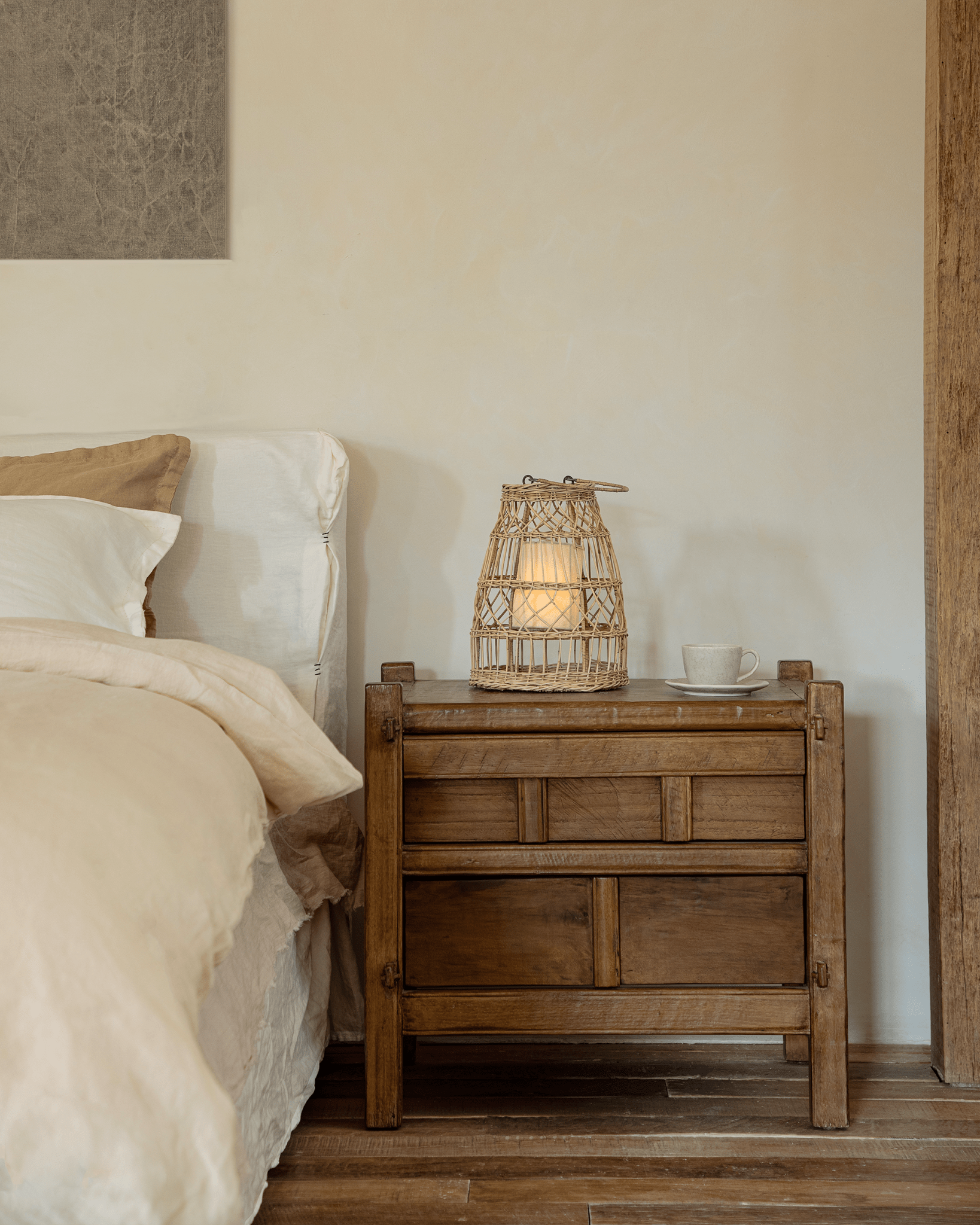
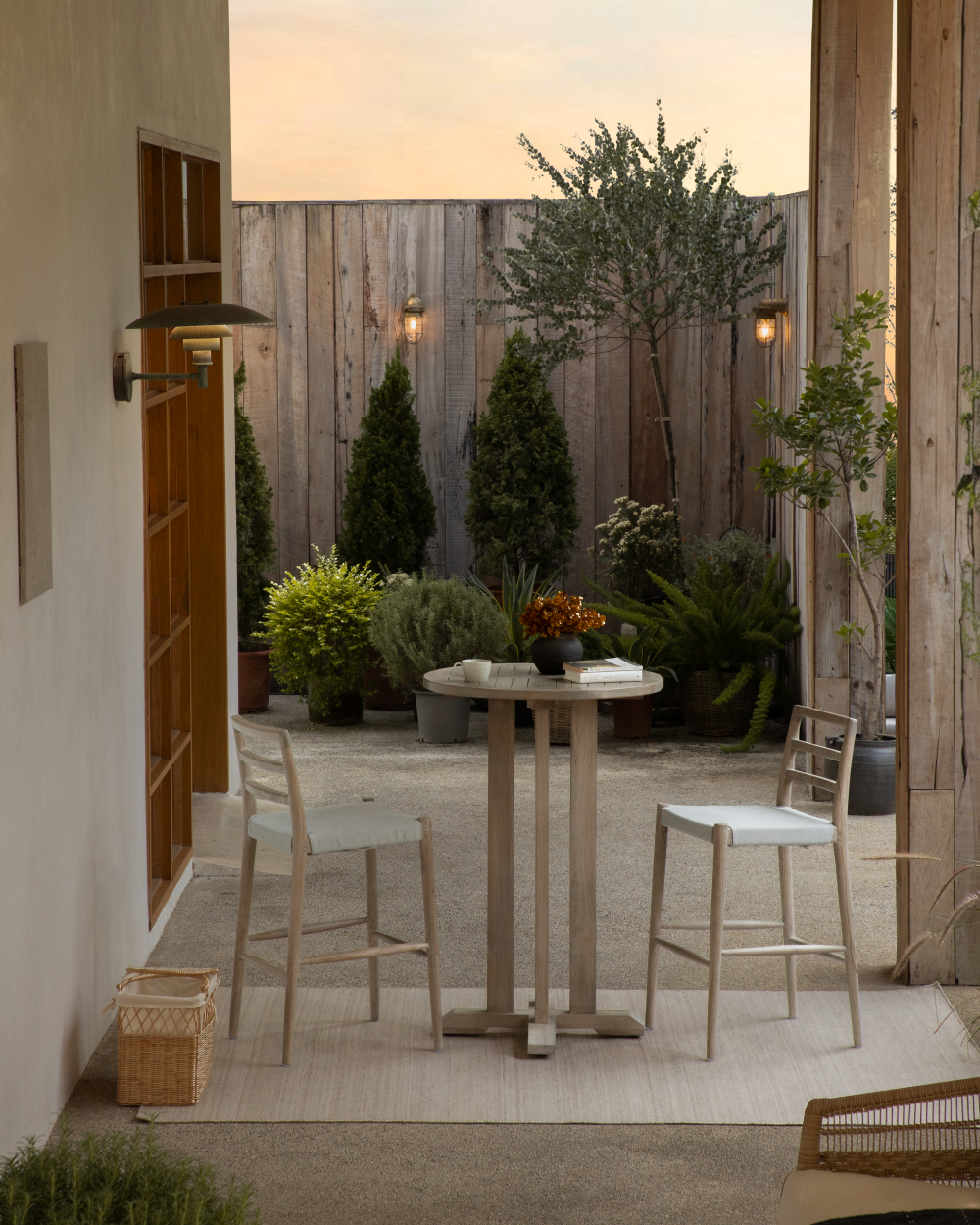
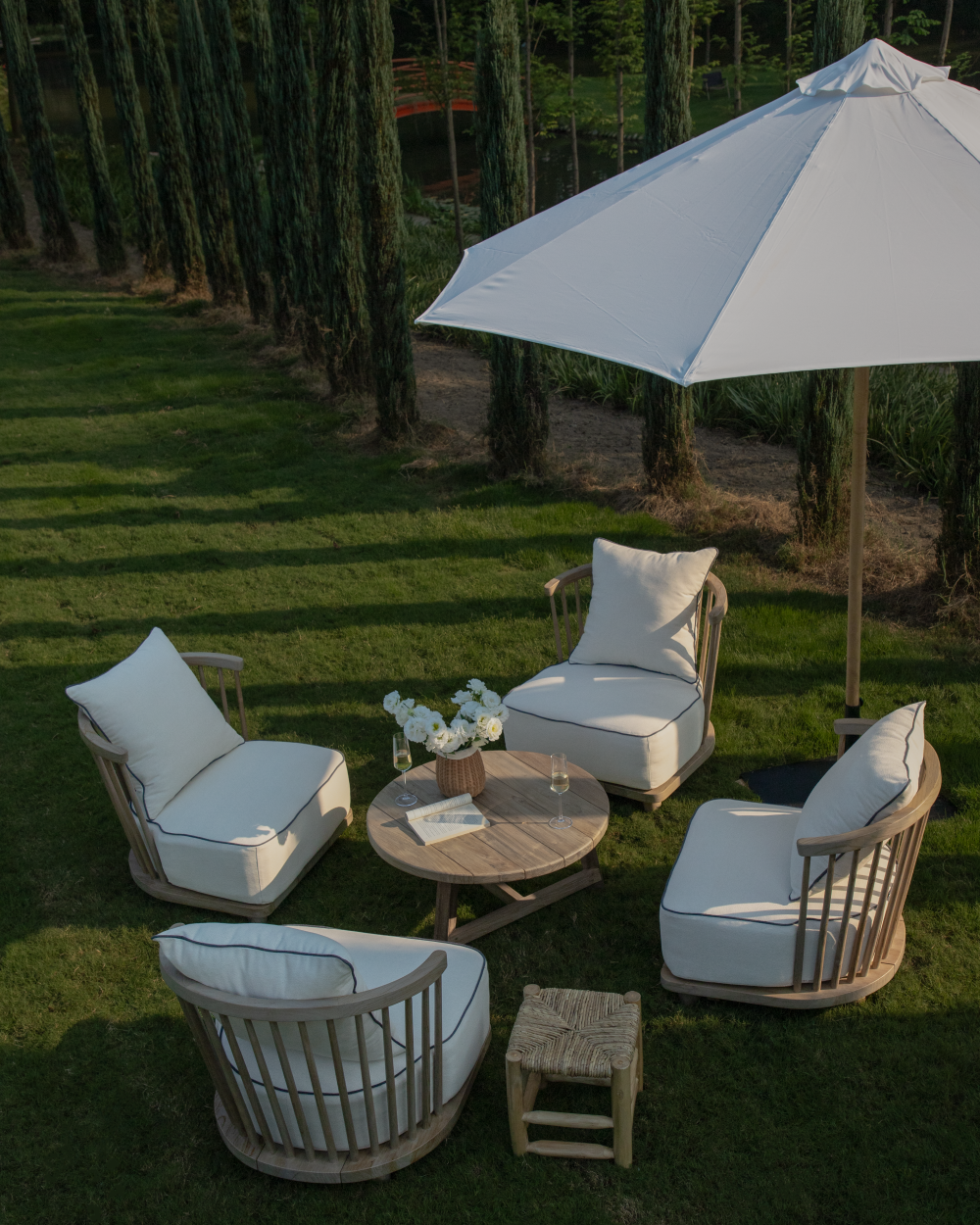
A bare side table feels unfinished; an overcrowded one feels chaotic. A side table is a small accent surface placed beside seating or a bed, and its limited footprint makes intentional styling essential. This article delivers 15 concrete decoration ideas, three foundational styling rules, and room-by-room guidance so every surface in your home looks purposeful, balanced, and personal.
Side Table Décor Foundations: The Rules That Make Styling Work
Effective side table decoration relies on three repeatable principles: proportion, grouping, and layering. These principles apply regardless of the table's material or the room it occupies.
The Rule of Three for Grouping Objects
The Rule of Three is a core interior styling principle that suggests arrangements of three items feel more balanced, natural, and visually engaging than even-numbered groupings. This works because the eye reads odd-number groupings as dynamic rather than rigid or symmetrical.
On a side table, the most effective composition follows a simple structure:
- One tall anchor item (lamp or vase)
- One mid-height supporting object (stacked books or a sculptural piece)
- One low grounding element (tray, bowl, or coaster set)
Together, these three roles create a clear visual hierarchy and prevent the surface from feeling either empty or overcrowded.
To make this structure even more effective, designers often use a 60/30/10 visual weight balance:
- The tall anchor carries about 60% of visual attention
- The mid object contributes about 30%
- The low element provides the final 10% as a stabilizing base
The goal is contrast in scale and purpose, ensuring each object has a distinct role instead of competing for attention.

Height Layering: How to Build Visual Depth on a Side Table
While the Rule of Three defines what to place, height layering defines how to position it in space.
A well-styled side table should always move the eye through three vertical layers:
- Tall layer (vertical anchor):
Typically a lamp, vase with branches, or sculptural object. This element establishes height and draws the eye upward, giving the arrangement structure.
- Mid layer (transition zone):
Items like books, candles, or framed objects bridge the visual gap between the tall anchor and the surface. This layer adds density and context without overwhelming the space.
- Low layer (grounding base):
A tray, small plant, dish, or stacked object anchors the arrangement visually and physically. It defines boundaries and prevents items from feeling scattered.
Height layering focuses on spatial depth, ensuring the arrangement feels dimensional rather than flat.
In practice, this means the tallest object should dominate vertical space, while the remaining items progressively step down in height to create a smooth visual rhythm.
Material Contrast on a Reclaimed Wood Side Table
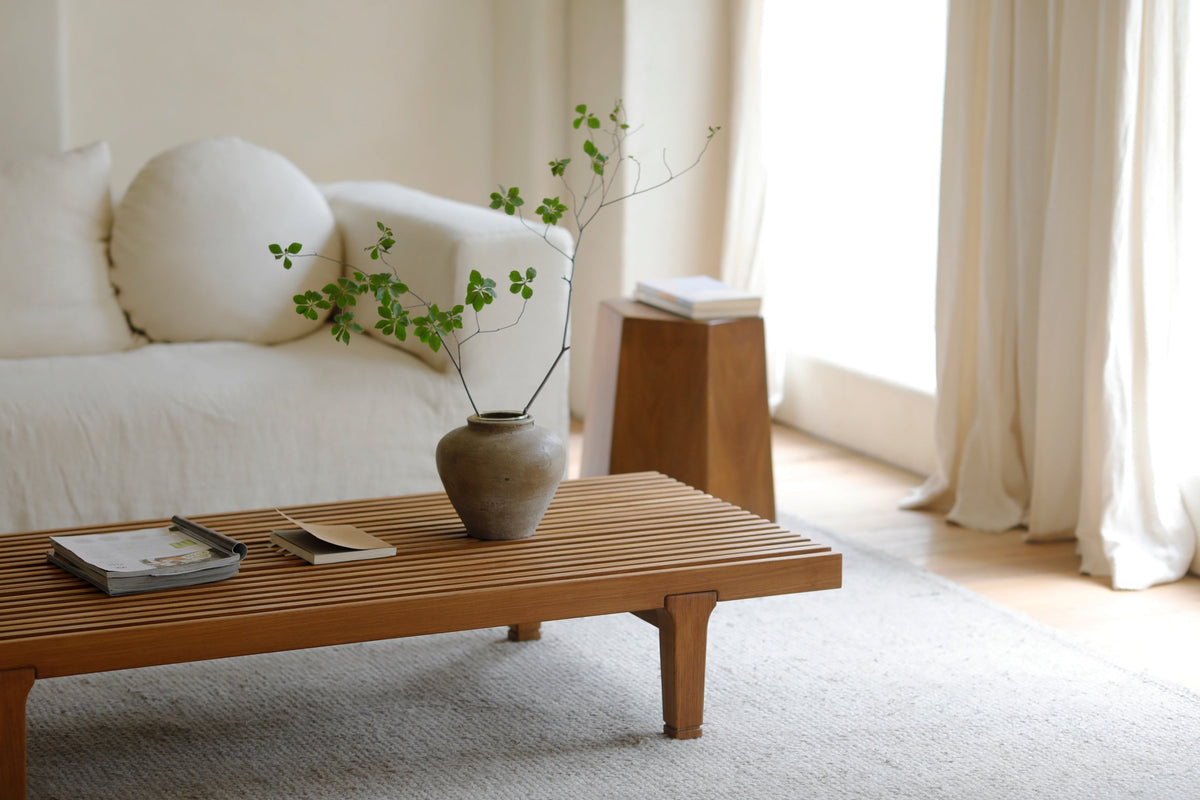
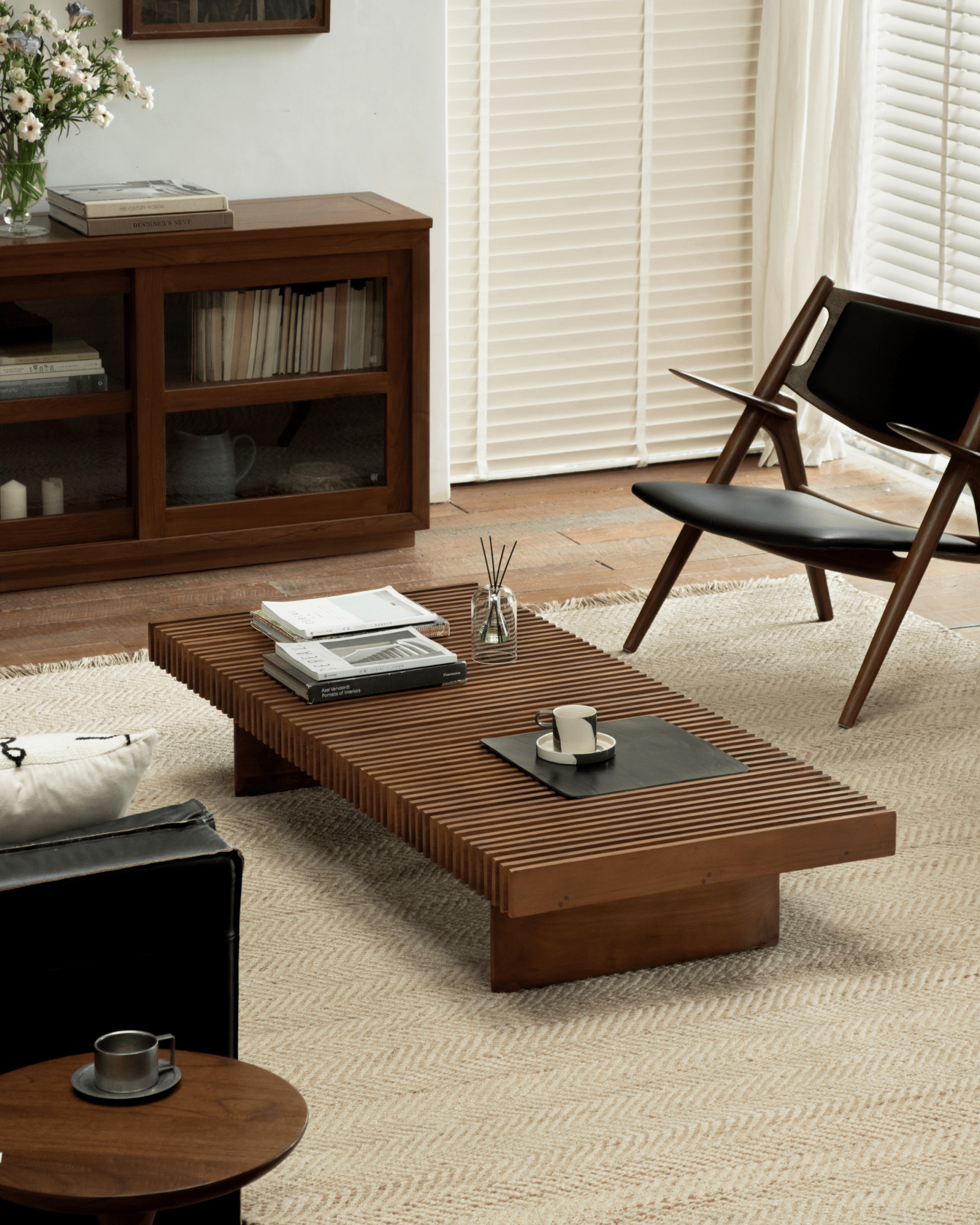
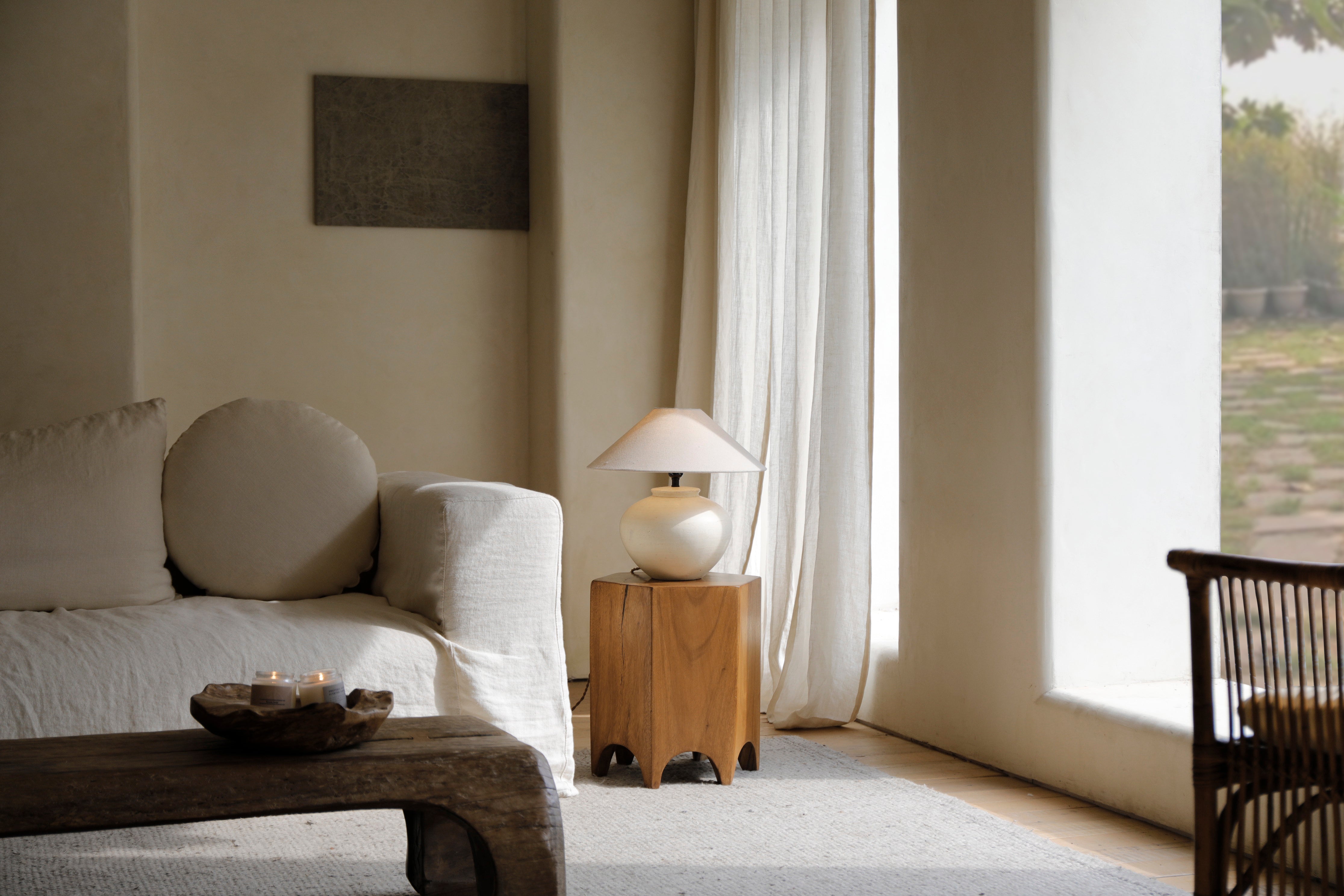
A reclaimed wood side table's natural grain and warm texture create a built-in contrast opportunity that many decorators underuse. Pairing raw wood with smooth ceramics, polished metal accents, or matte linen objects amplifies tactile interest by placing opposing surface qualities side by side. Reclaimed wood side tables benefit specifically from lighter-colored objects on top, because dark or heavily patterned items merge visually with the wood grain and eliminate the contrast that makes each material readable. Neutral or cool tones allow the table's natural grain to remain the primary visual texture.
Mastering proportion, layering, and material contrast gives every side table arrangement a cohesive, intentional look. These foundations apply equally to end table décor ideas and coffee table accents, making them transferable across every room.
15 Side Table Decoration Ideas at a Glance
These 15 decoration ideas cover a range of styles, budgets, and room types, so everyone finds at least three immediately actionable options for their space.
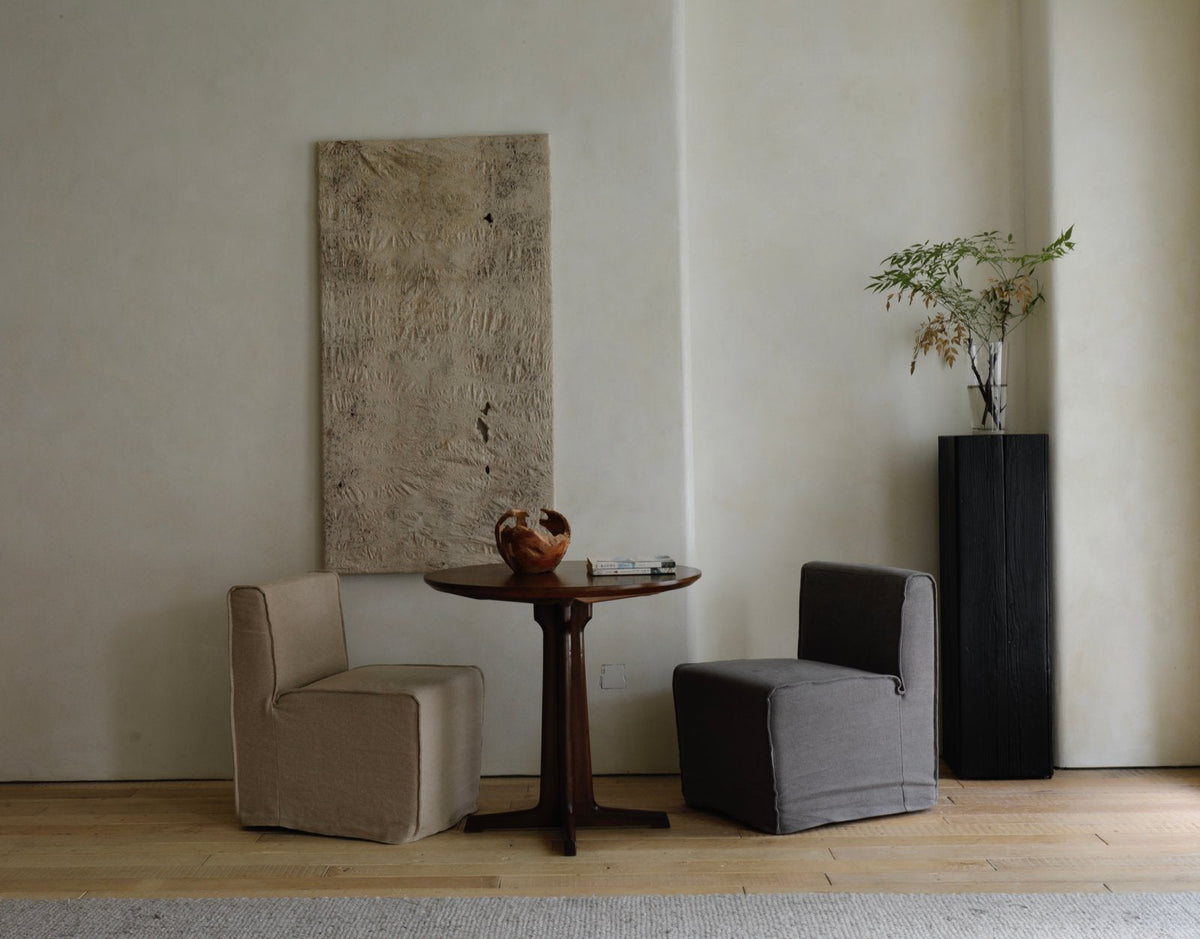
- A single sculptural vase in a contrasting material anchors the table without crowding the surface.
- A stacked set of two or three hardcover books creates an instant mid-height riser for smaller objects placed on top.
- A small potted plant or succulent introduces organic texture and a living element that softens hard furniture lines.
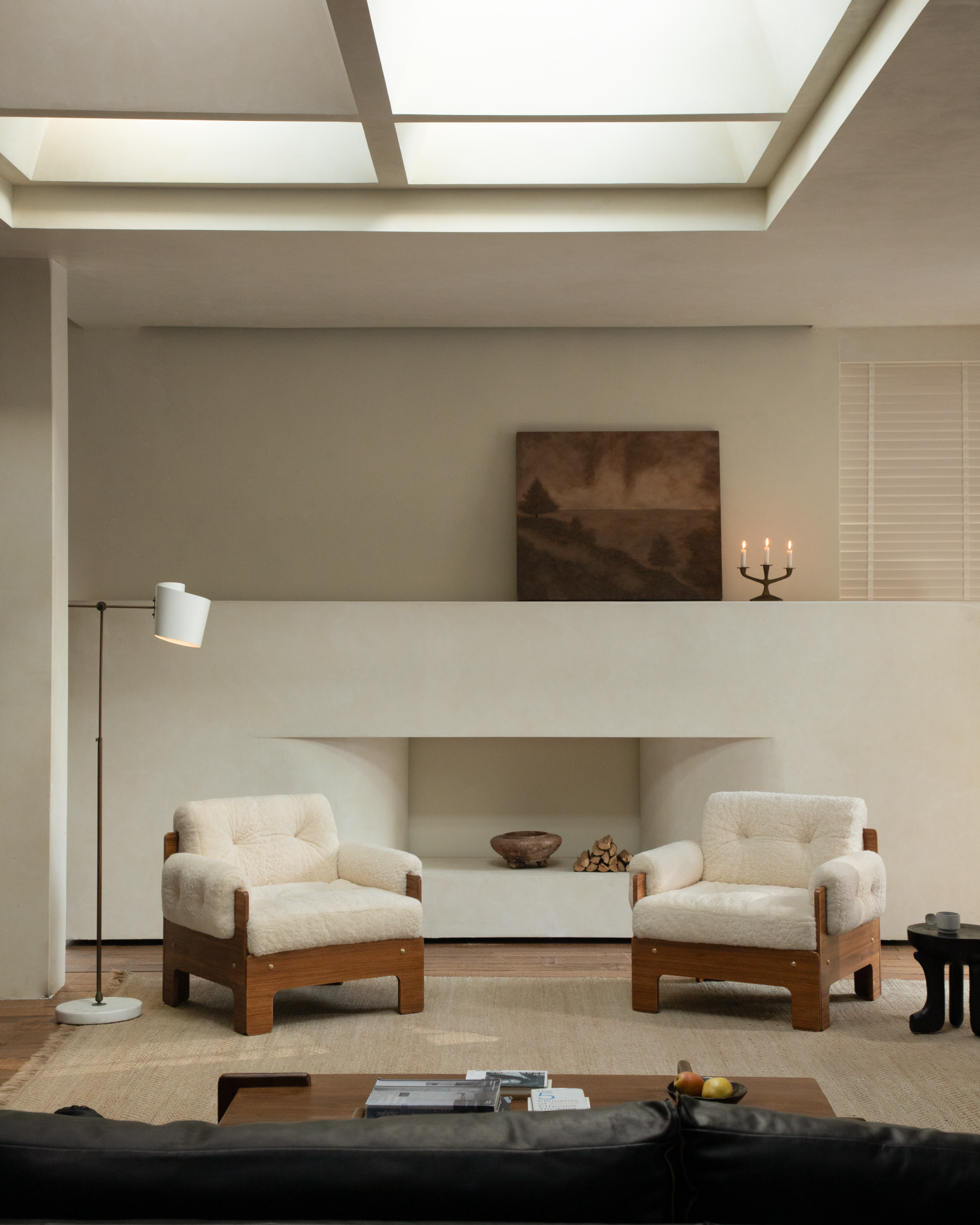
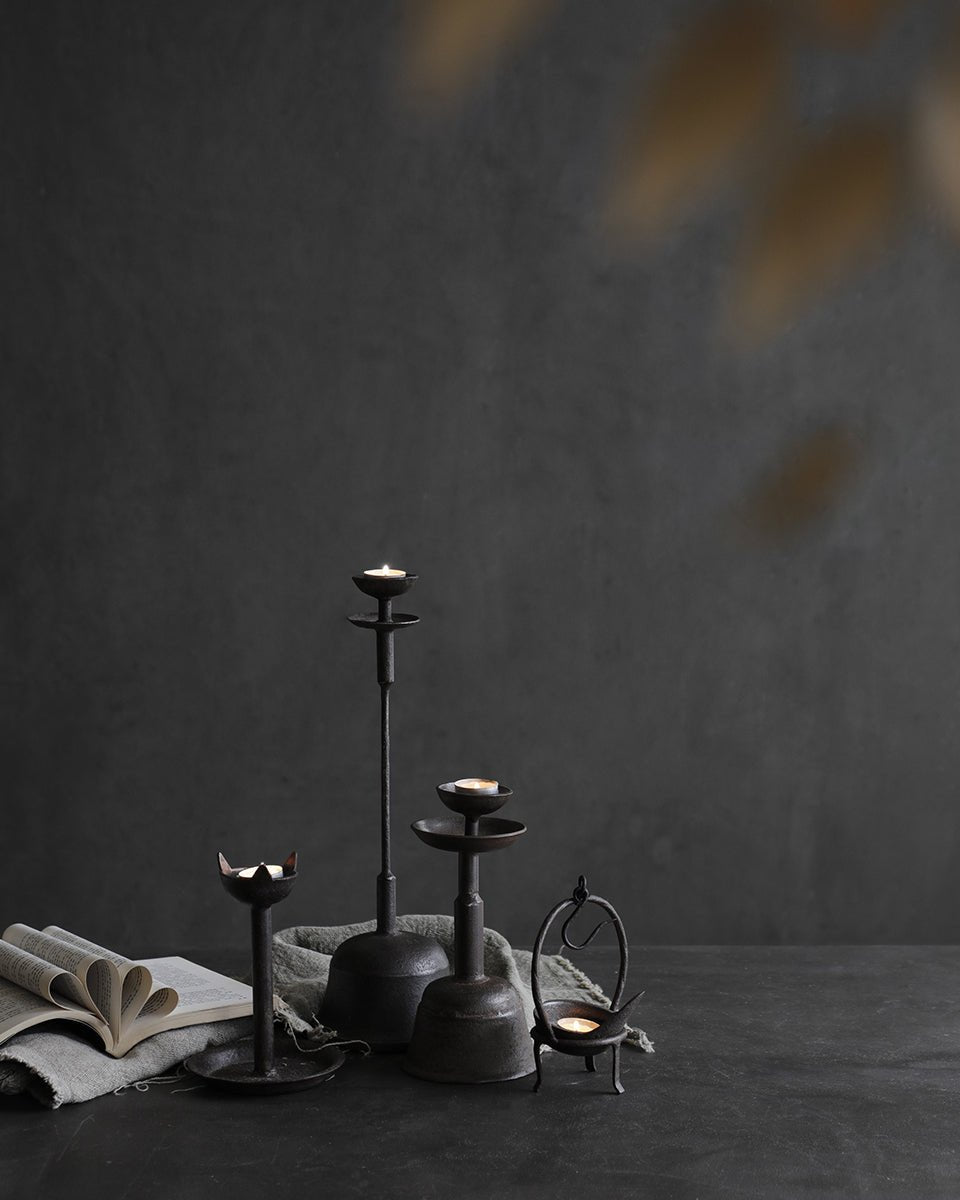
- A candle in a simple holder adds ambient lighting and scent as a dual-function accent piece.
- A decorative tray corrals loose items and creates a defined zone that keeps the surface looking organized.
- A table lamp sized to two-thirds the table's height provides task lighting while serving as the tallest visual anchor.
- A small framed photograph or artwork leaned against the wall behind the table adds a personal, layered dimension.
- A geometric object in metal or stone introduces a bold shape that contrasts effectively with soft upholstery nearby.
- A small woven or ceramic bowl provides a functional catch-all while contributing handmade texture to the arrangement.
- A clock that fits within the table's footprint serves both a decorative and a practical purpose without dominating the surface.
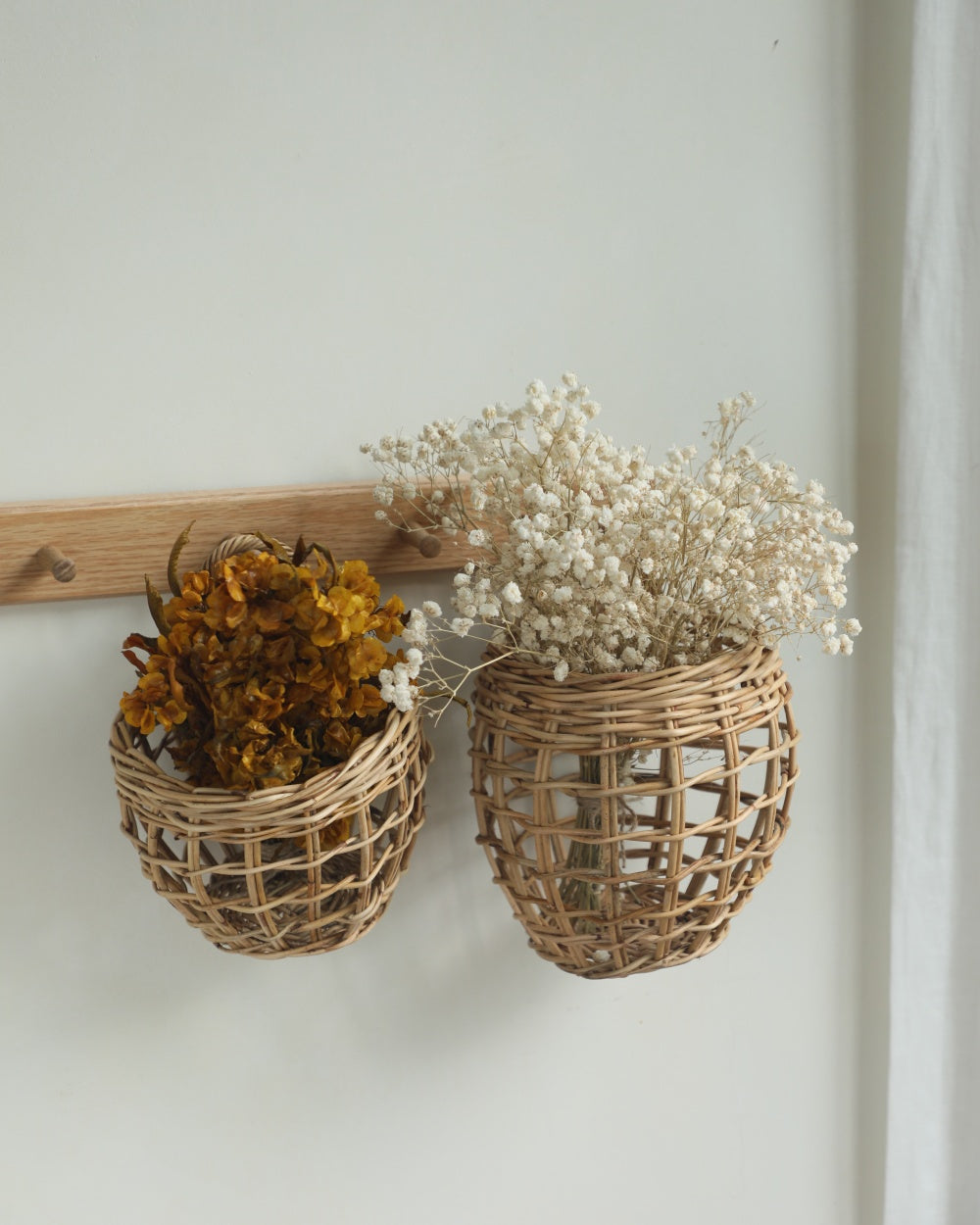
- A single branch or dried botanicals in a slim vessel deliver height and organic form at minimal visual weight.
- A decorative box with a textured lid hides clutter while acting as a solid base for a stacked arrangement above it.
- A small mirror leaned or mounted above the table amplifies light and makes a narrow space feel noticeably wider.
- A scented diffuser in a simple vessel adds an aromatherapy layer as a subtle, functional décor element.
- A seasonal object such as a small gourd, a pinecone cluster, or a flowering stem rotates the arrangement without requiring a full redesign.
Each idea serves a specific visual or functional role, preventing surface clutter while maintaining style. Combining three to five of these ideas using the Rule of Three from the previous section produces the most cohesive end table décor results.

How to Style a Side Table by Room: Living Room, Bedroom, and Entryway
Room context changes both the functional requirements and the visual expectations of a side table, so styling decisions must reflect how the space is actually used.
Living Room: Coffee Table Accents vs. Side Table Styling
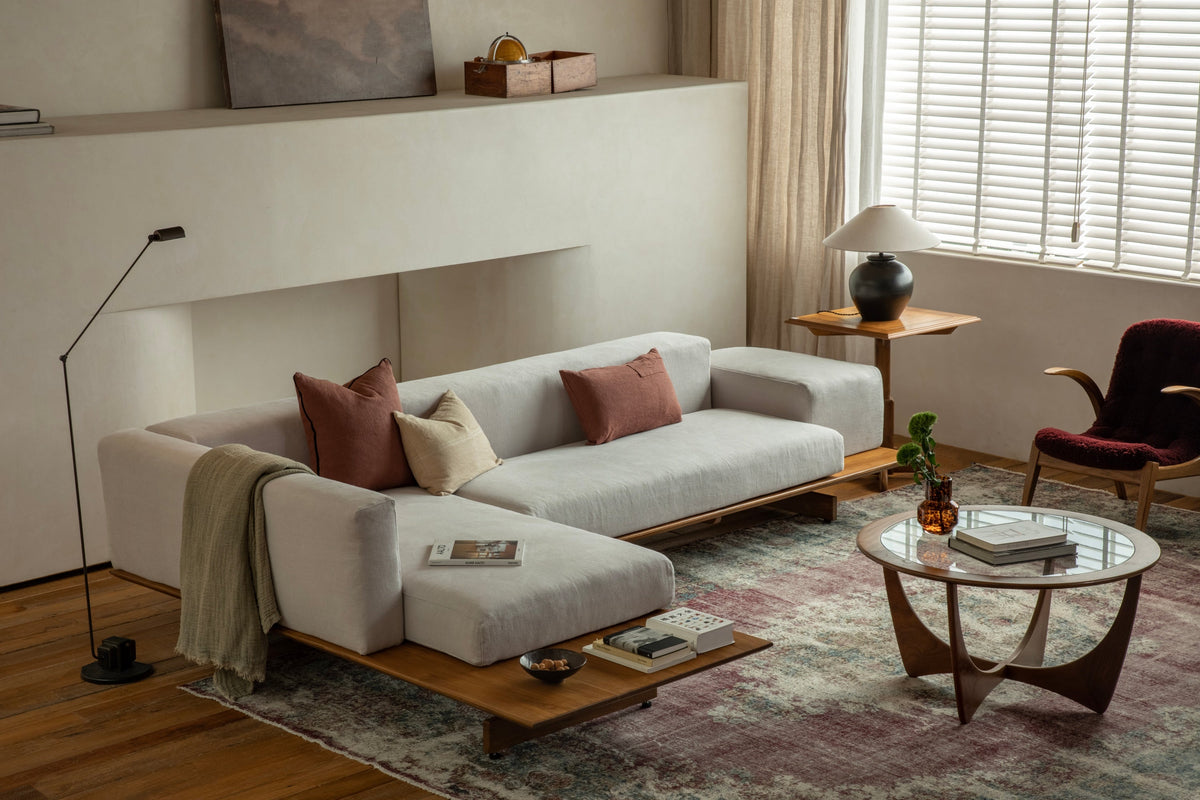
A coffee table anchors the entire seating group and supports more objects, while a side table flanks a single chair or sofa end and should hold no more than three to four items at any time. Coffee table decorating ideas, such as large trays, stacked books, and sculptural objects should be scaled down for a side table by reducing quantity and object size by roughly one-third. Decorating coffee tables in a living room often means repeating one accent color or material, and that same color or material should appear on the adjacent side table to unify the arrangement across the seating zone. This repetition creates visual continuity without requiring matching furniture.
Bedroom: Nightstand-Style End Table Décor Ideas
A bedroom side table functions as a nightstand, so every object must earn its place through daily use or a strong visual contribution. Prioritize a lamp for reading light, one functional item such as a charging tray or a coaster, and one purely decorative object such as a small plant or a framed image.
Keep the surface at or below 40% covered to avoid a cramped feel on smaller nightstand surfaces. How to decorate an end table in a bedroom differs from a living room because the arrangement is viewed from a lying-down angle, which makes extreme height variation less critical and horizontal balance more important.
Entryway: Functional Styling for High-Traffic Surfaces
An entryway side table handles keys, mail, and bag drop-off daily, so functional objects must anchor the décor rather than decorate around it.
- A tray is non-negotiable in this space: it corrals everyday essentials and defines a clear boundary between deliberate décor and daily-use clutter.
- A small lamp or a candle adds atmosphere in a room that often receives limited natural light.
- Entryway end table styling prioritizes vertical space above the surface; a mirror or a wall-mounted hook above the table doubles the surface's utility without expanding its footprint.
Each room demands a different balance of function and decoration, but the Rule of Three and layered height principles remain consistent. Applying room-specific constraints prevents over-styling and keeps the surface practical.
Styling Approach by Table Style: Matching Décor to the Table's Aesthetic
The table's own material and silhouette act as the first layer of décor, so objects placed on it should complement rather than compete with the table's existing aesthetic.
|
Table Style |
Best Décor Approach |
Objects to Avoid |
|
Reclaimed wood side table |
Pair with smooth ceramics, matte metals, or linen textiles to contrast the rough grain; use earthy or neutral tones to echo the natural material |
Glossy lacquered objects or heavily patterned textiles that compete with the wood's natural variation |
|
Glass or acrylic side table |
Use solid, weighty objects such as stone bookends or ceramic vases to ground the light, transparent base; limit items to two or three to avoid a cluttered appearance through the surface |
Too many small items that create visual noise when viewed through the transparent tabletop |
|
Metal or industrial-style end table |
Introduce soft textures such as a small potted plant, a woven tray, or a linen coaster to warm the cold material; geometric objects in complementary metals reinforce the industrial theme |
Overly ornate or floral objects that clash with the table's angular, utilitarian silhouette |
|
Painted or lacquered wood side table |
Choose objects in tones that either match the paint color for a tonal look or sit directly opposite on the color wheel for bold contrast; matte finishes on objects balance a high-gloss table surface |
Objects in the same finish level as the table surface, which eliminate contrast and flatten the arrangement |
Aligning décor choices to the table's inherent material and finish prevents visual conflict and reduces the number of revisions needed to achieve a polished look. This approach also makes coffee table accents and side table objects feel intentionally coordinated across a room.

Start Styling With Three Objects and Build From There
Three insights drive every successful surface arrangement: apply the Rule of Three to create intentional groupings, match object materials to the table's own finish for visual harmony, and let room function determine which objects earn a place on the surface. Start with any bare surface in your home today, place one tall anchor, one mid-height object, and one low item, then adjust from there until the arrangement feels balanced.
Frequently Asked Questions
Q1. How Do You Decorate a Side Table Without Making It Look Cluttered?
Limit objects to three to five items and use a tray to define a boundary between décor and everyday essentials. Apply the Rule of Three: one tall anchor, one mid-height object, and one low item create intentional visual balance rather than random placement. Editing ruthlessly, removing anything that lacks a clear visual or functional role, is the most effective anti-clutter strategy.
Q2. What Is the Ideal Height for Objects Placed on a Side Table?
The tallest object (typically a lamp or vase) should be roughly two-thirds the height of the adjacent seating back. This proportion keeps sightlines clear while providing visual hierarchy across the arrangement. Mid-height and low objects then fill the remaining two layers below that anchor point, completing the composition without blocking conversation or movement.
Q3. Can You Use the Same Décor Ideas for a Side Table and a Coffee Table?
Yes, but scale down the quantity and object size by roughly one-third when moving from a coffee table to a side table. Coffee table decorating ideas typically involve more objects and larger trays suited to a wider footprint. A side table's smaller surface demands tighter editing to avoid a crowded result that undermines both the décor and the table's daily functionality.
Q4. Why Does a Reclaimed Wood Side Table Look Mismatched With Certain Décor Styles?
Reclaimed wood carries strong organic texture and warm undertones that clash with heavily patterned or high-gloss objects in the same visual weight range. Choosing smooth, matte, or neutral-toned objects on top creates contrast rather than competition, allowing the wood grain to remain the visual focal point of the surface arrangement.
Q5. How Often Should You Refresh a Side Table's Decoration?
Seasonal refreshes, roughly every three months, keep an arrangement feeling current without requiring a full redesign. Swapping one seasonal object, such as a plant variety or a single accent piece in a season-appropriate color, while keeping the core arrangement intact is the most efficient and cost-effective update strategy available.