

| Feature | Teak Wood | Oak Wood |
| Primary Use | Indoor & Outdoor (Luxury) | Indoor (Everyday) |
| Appearance | Warm golden-brown; tight, uniform grain | Light tan to red-brown; prominent wavy grain |
| Texture | Smooth, oily, and refined | Coarse, textured, and tactile |
| Durability | Extremely high; resists rot and insects | High; resists scratches and dents |
| Water Resistance | Excellent (Built-in natural oils) | Low (Prone to staining or warping) |
| Maintenance | Very low; occasional dusting/oiling | Moderate; needs protection from spills |
| Weight | Heavy | Very Heavy / Dense |
| Customization | Usually left natural | Takes stains and paints very well |
| Price Point | Premium / High | Affordable / Mid-range |
| Best For | Humid rooms, patios, coastal styles | Living rooms, bedrooms, farmhouse styles |
Teak and oak are popular hardwoods, yet they offer different benefits for your home. You might want the waterproof strength of teak or the classic, sturdy feel of oak. Since each wood has its own price point and style, picking the right one depends on your specific needs. These details help you decide which material will look best and last longest in your favorite rooms.
What Is Teak Wood?
Teak wood is a tropical hardwood that comes from the Tectona grandis tree. It is famous for having a lot of natural oils that act like a built-in shield against the world.
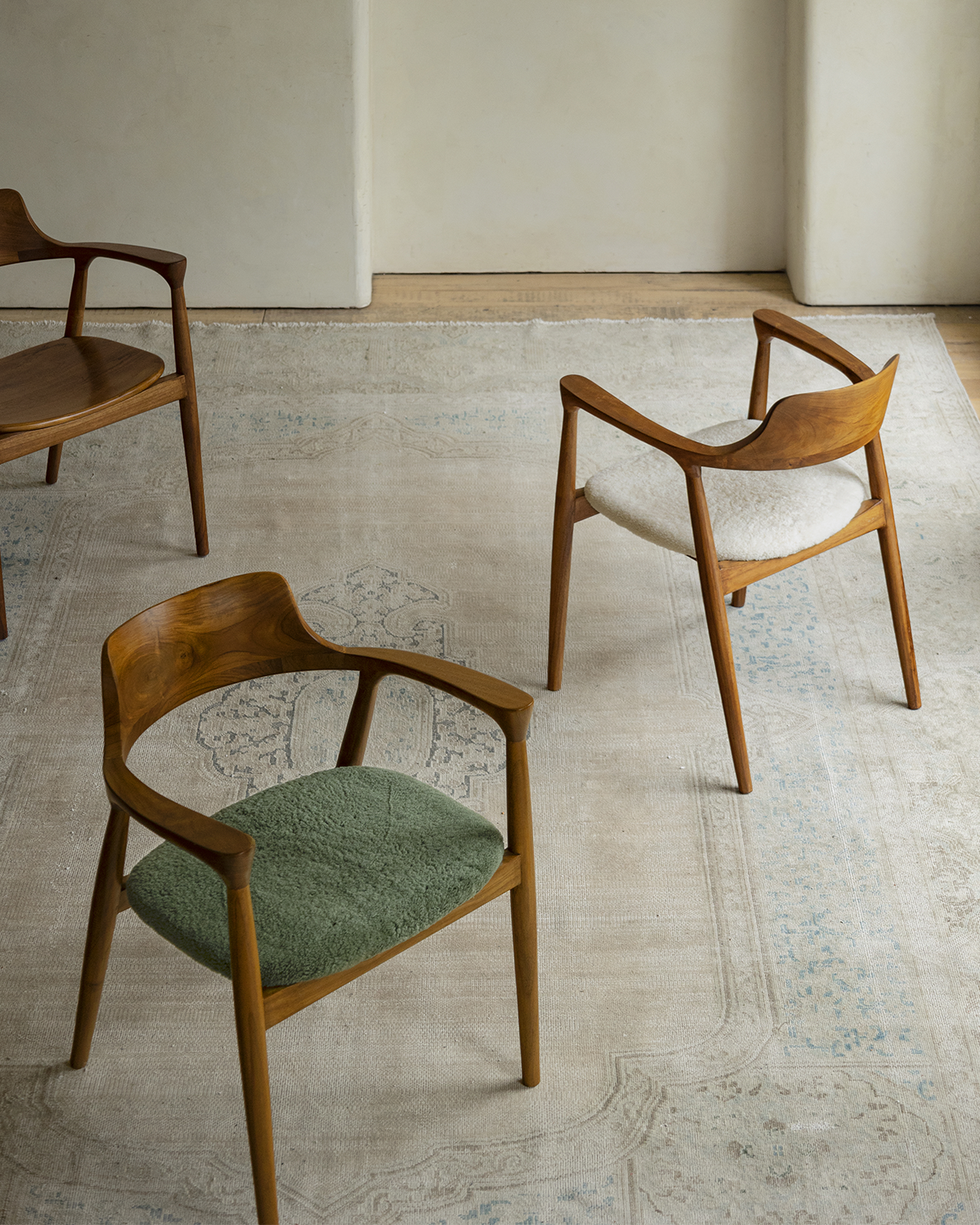
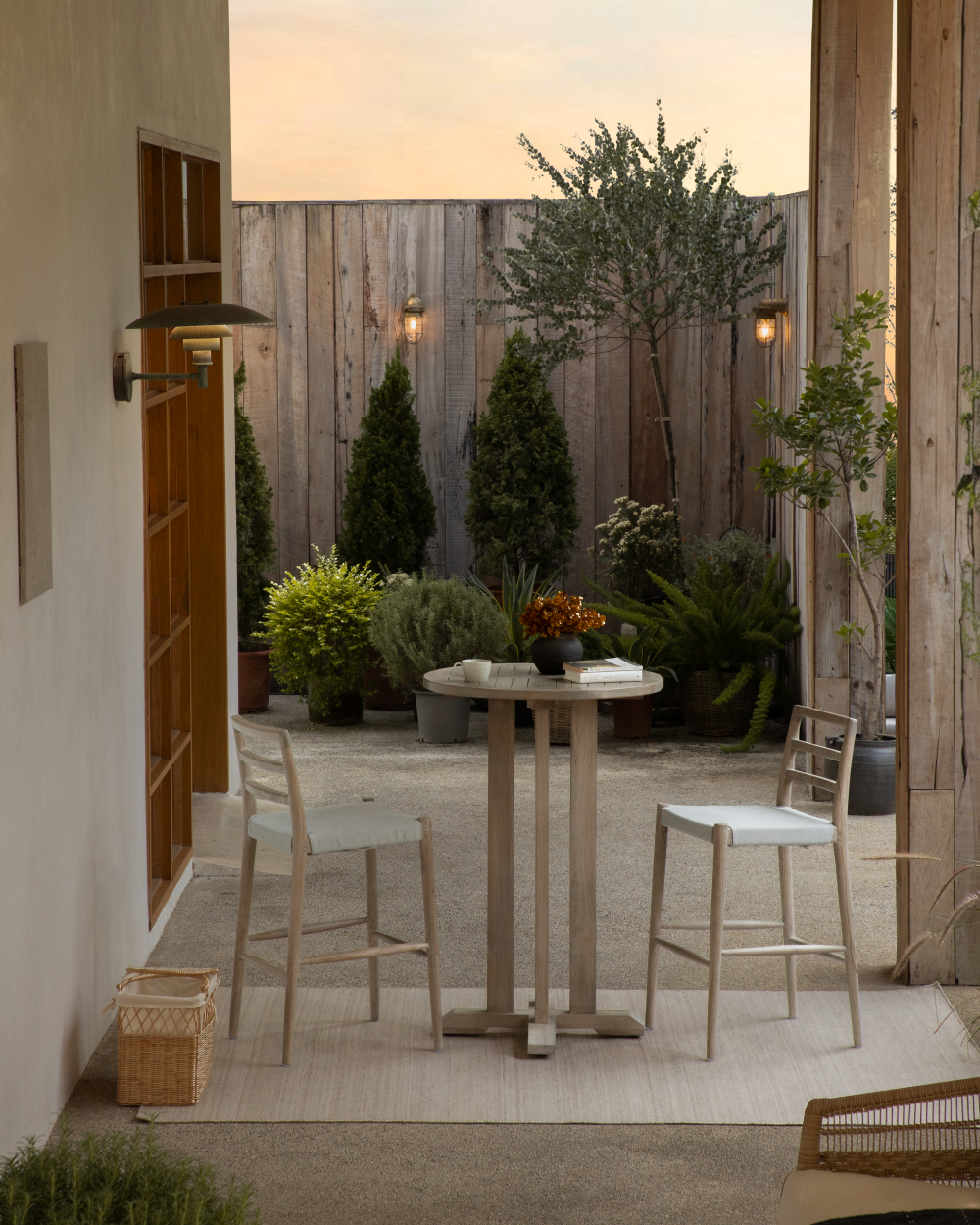
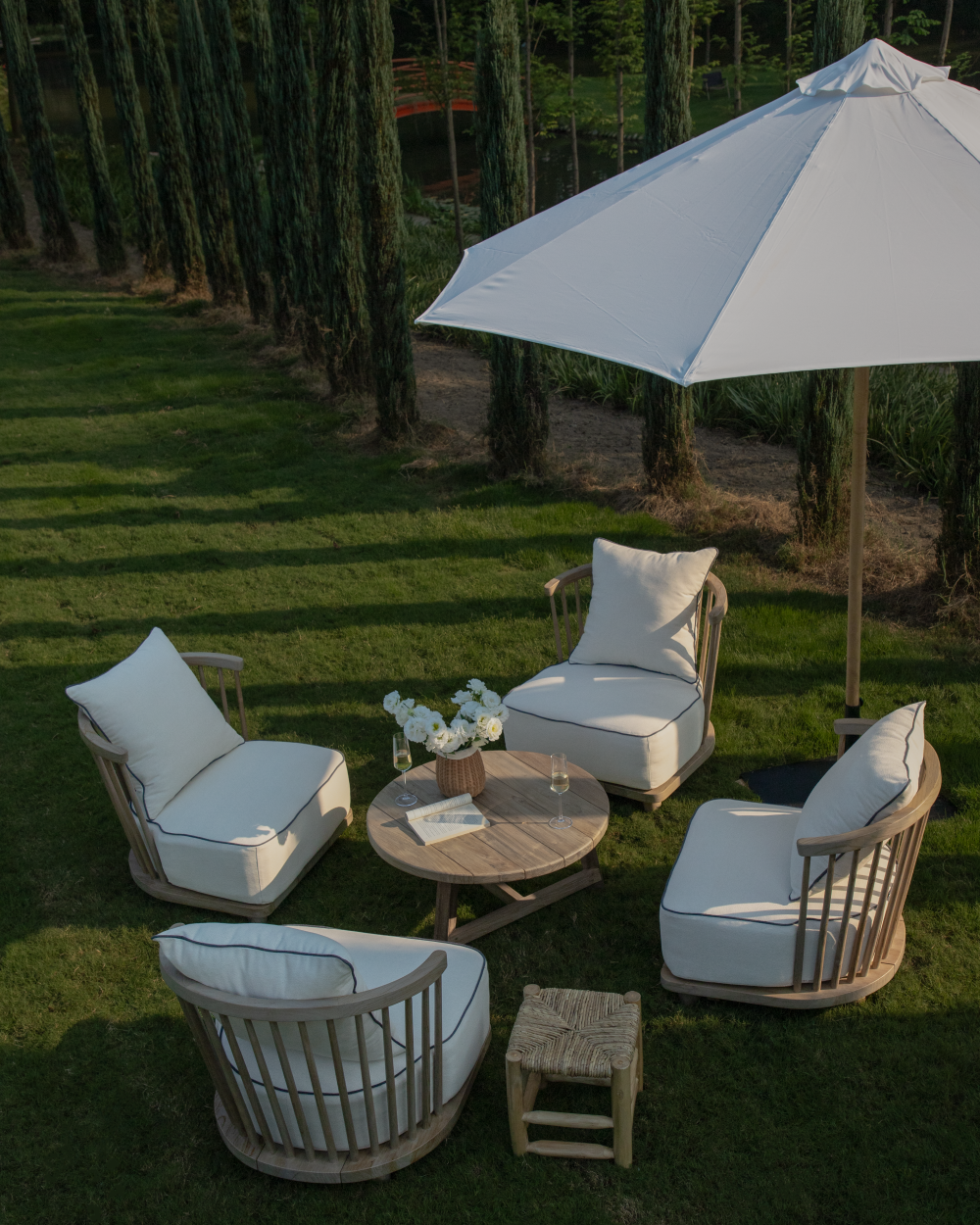
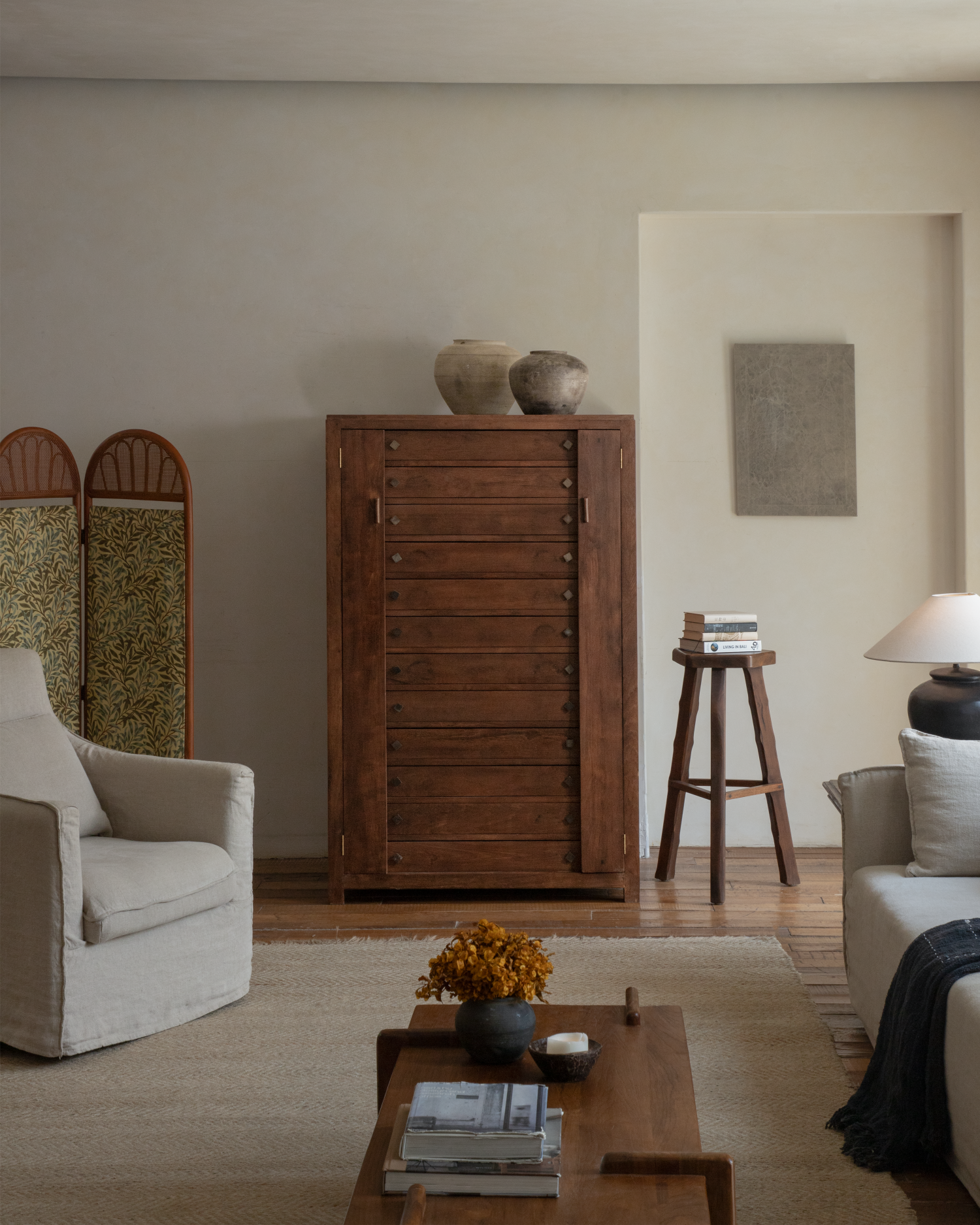
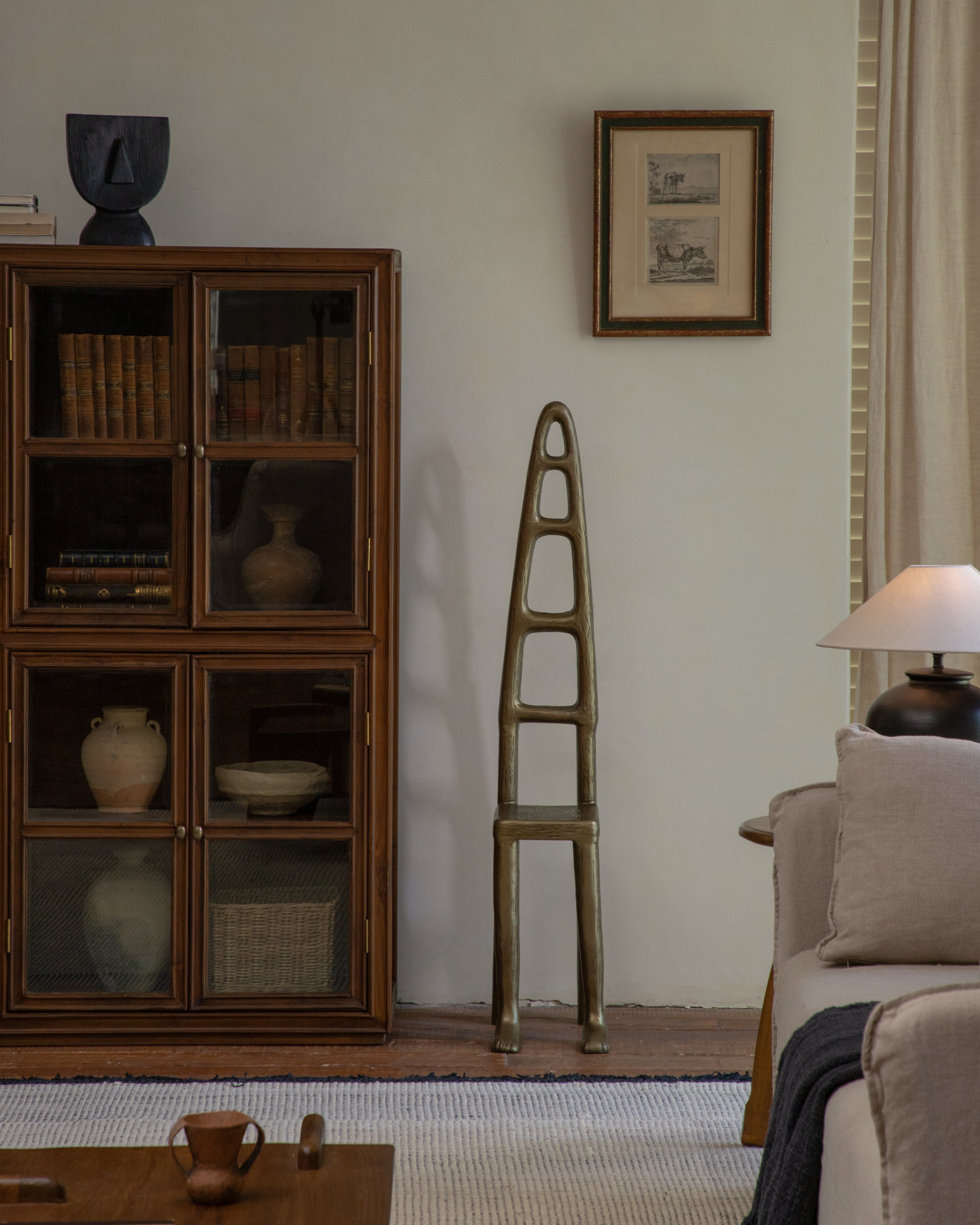
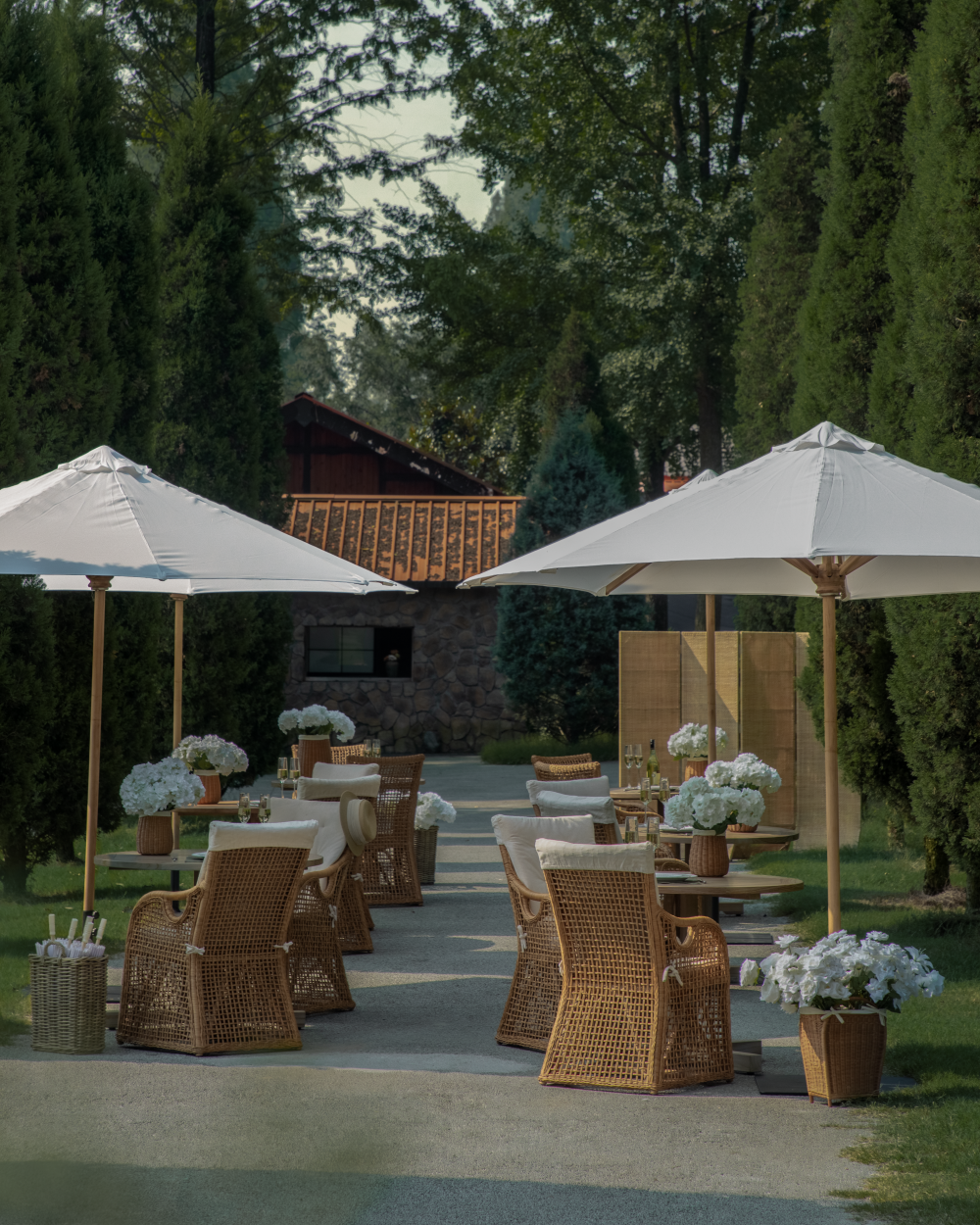
For a long time, people used teak to build ships because it handles water so well. Today, it is a luxury choice for home items. It has a tight grain and a warm, golden-brown color. Because it is strong and oily, it works for both indoor tables and outdoor patio sets.
Pros of Teak Wood
- Water Resistance: The natural oils in the wood keep water from soaking in. This prevents rotting and warping.
- Pest Shield: Those same oils taste bad to bugs like termites, so they usually leave teak alone.
- Extreme Durability: It can last for many decades without much help from you.
- Weather Ready: It is the best choice for humid rooms or porches where other woods might swell or crack.
- Rich Look: It has a glowing, high-end appearance that makes a room feel expensive.
Cons of Teak Wood
- High Cost: Because it grows slowly and often comes from overseas, it usually costs more than other hardwoods.
- Availability: You might have to search harder to find specific teak pieces in local shops.
- Color Matching: Its deep honey or brown tone might clash if your house has a lot of cool, gray, or very light wood.
- Budget Strain: It is often a big investment, which might not work for someone furnishing a whole house at once.

What Is Oak Wood?
Oak wood is a classic hardwood found across North America and Europe. It is known for being very hard, heavy, and having a very distinct wavy grain pattern.
You will find oak in many traditional and modern homes. It is a reliable workhorse for pieces that get used every single day. Furniture makers love it because it takes stains and paints very well, allowing for many different looks. It offers a great balance of strength and price.
Pros of Oak Wood
- Super Strong: Oak is very resistant to scratches and dents, making it great for homes with kids or pets.
- Better Prices: It is usually much cheaper than teak, giving you a solid wood feel for less money.
- Style Options: You can find "Red Oak" with warm tones or "White Oak" with cooler, grayish-tan tones.
- Easy to Find: Most furniture stores carry a wide range of oak pieces, from beds to desks.
Cons of Oak Wood
- Water Sensitivity: Unlike teak, oak can get damaged if it stays wet for too long. It can develop dark spots or mold.
- Maintenance Needs: In very humid or very dry areas, oak might expand or shrink, which can lead to cracks over time.
- Heavy Weight: Moving an oak dresser or dining table is a two-person job because the wood is very dense.
- Visible Grain: Some people find the "cathedral" grain patterns of oak too busy for a minimalist home.
Teak vs Oak: Key Differences That Matter to Buyers
Deciding between these two woods usually comes down to where the piece will sit. Your home’s environment and your personal style play the biggest roles in the final choice. Here are the main areas where these two hardwoods stand apart from each other.
Appearance and Style
Teak has a smooth, oily feel and a grain that looks more uniform. It usually looks best in modern, mid-century, or coastal designs. Its color stays rich and warm. Oak has a much more textured feel. You can see and feel the grain. It fits perfectly in farmhouse, traditional, or rustic homes. Oak can be stained almost any color, while teak is usually left in its natural state.
Durability and Lifespan
Both will last a lifetime if you keep them inside a dry house. However, if you live in a place with high humidity, teak has the advantage. It won't move as much as oak does when the air changes. Oak is incredibly tough against physical "oops" moments like dropping a remote or sliding a plate, but it needs a dry environment to stay healthy.
Maintenance and Care
Teak is very easy. You can mostly just dust it. Some people use teak oil once a year to keep the color bright, but you don't have to. Oak needs a bit more attention. You must wipe up spills immediately to prevent staining. It also benefits from occasional polishing or waxing to keep the finish from drying out and looking dull.
Price and Value
Oak offers better "bang for your buck" if you are looking for sturdy indoor items. You get a lot of wood for a fair price. Teak is a "buy it once" purchase. While you pay more upfront, the wood's ability to resist almost everything means you won't be replacing it due to damage or rot.

Which Wood Is Better for Different Rooms?
Some rooms stay dry and calm, while others deal with heat and moisture. By looking at each room separately, you can decide if you should spend extra on teak or save some money by going with oak. Here is how they stack up in the most common parts of the home.
Living Room Furniture
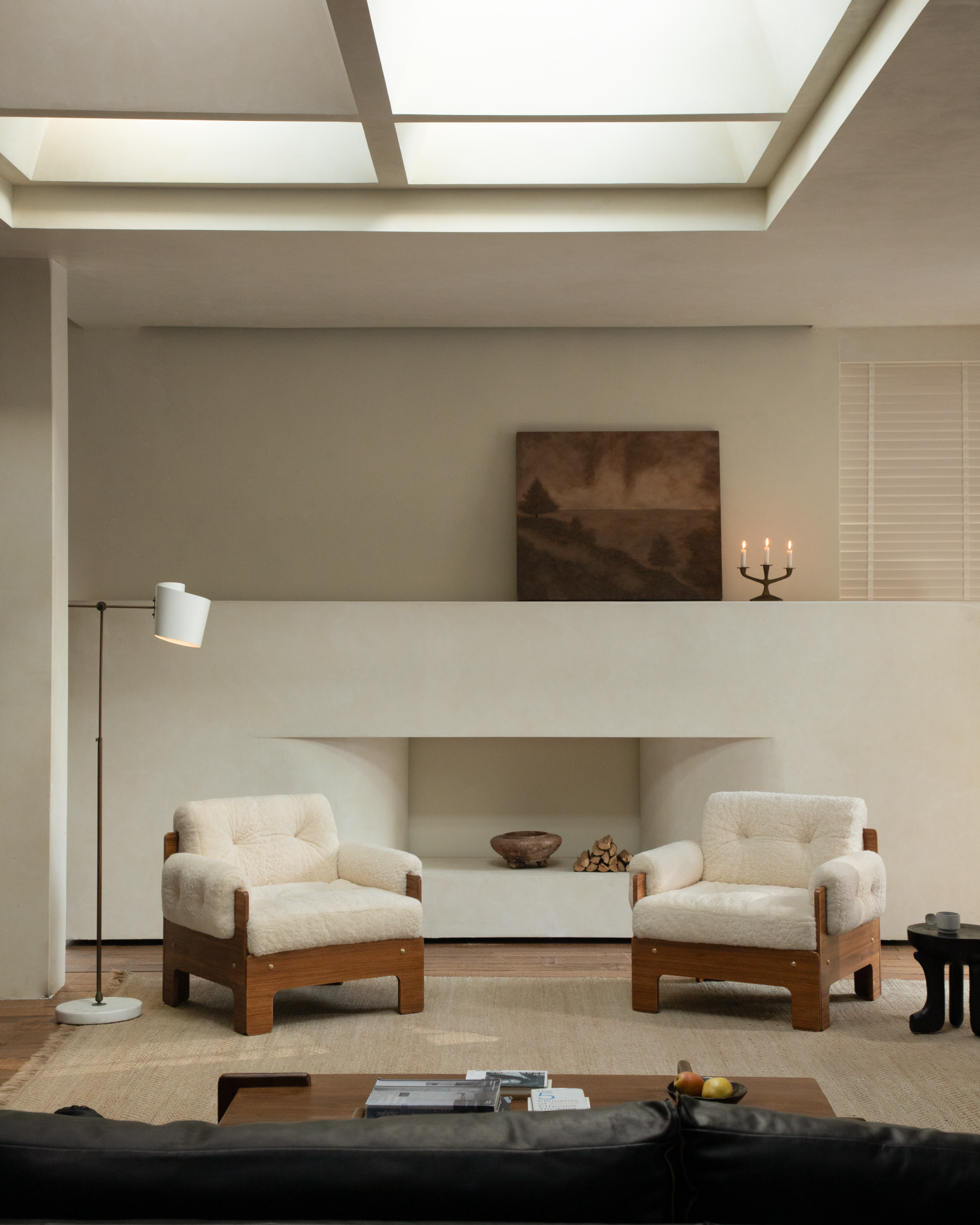
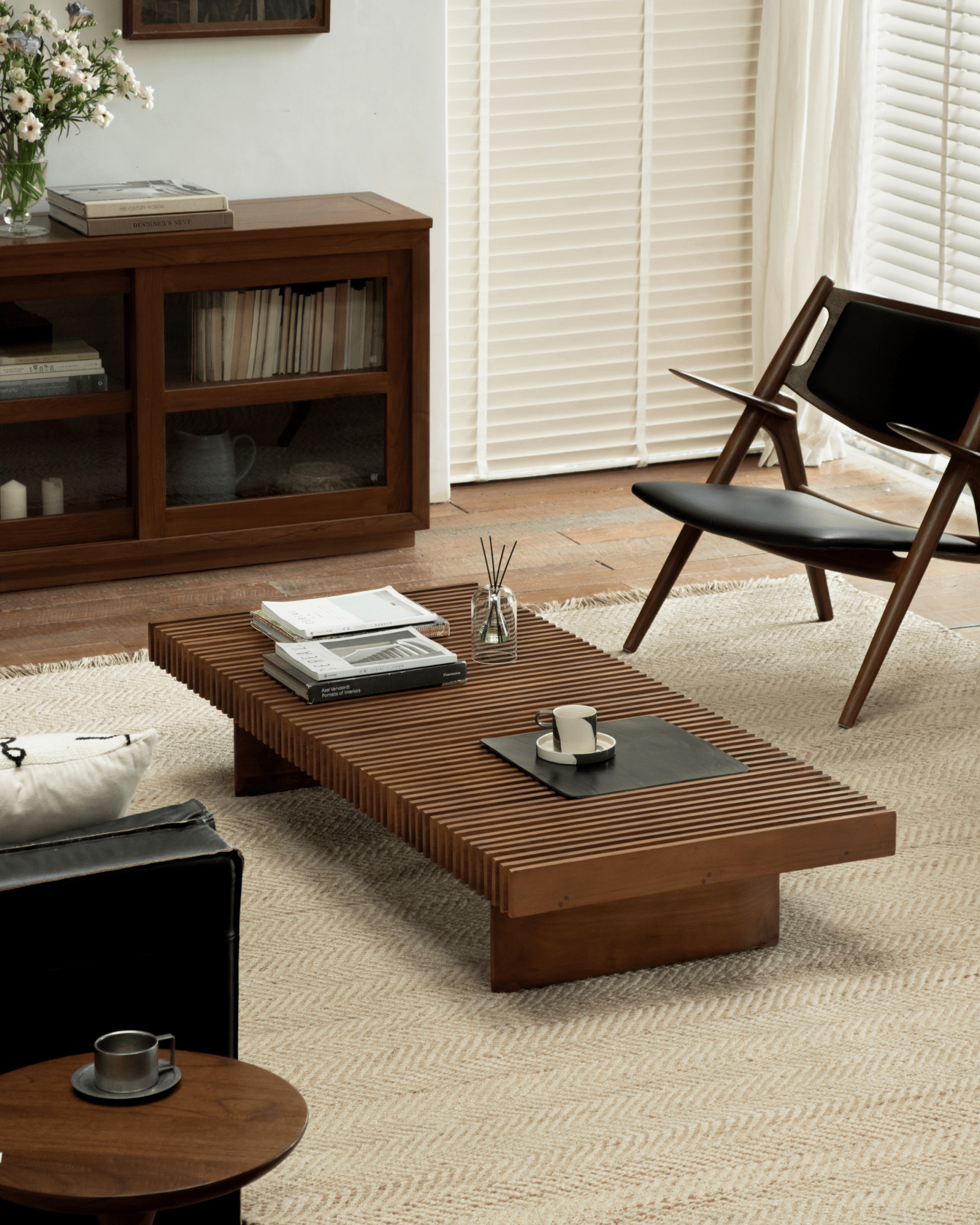
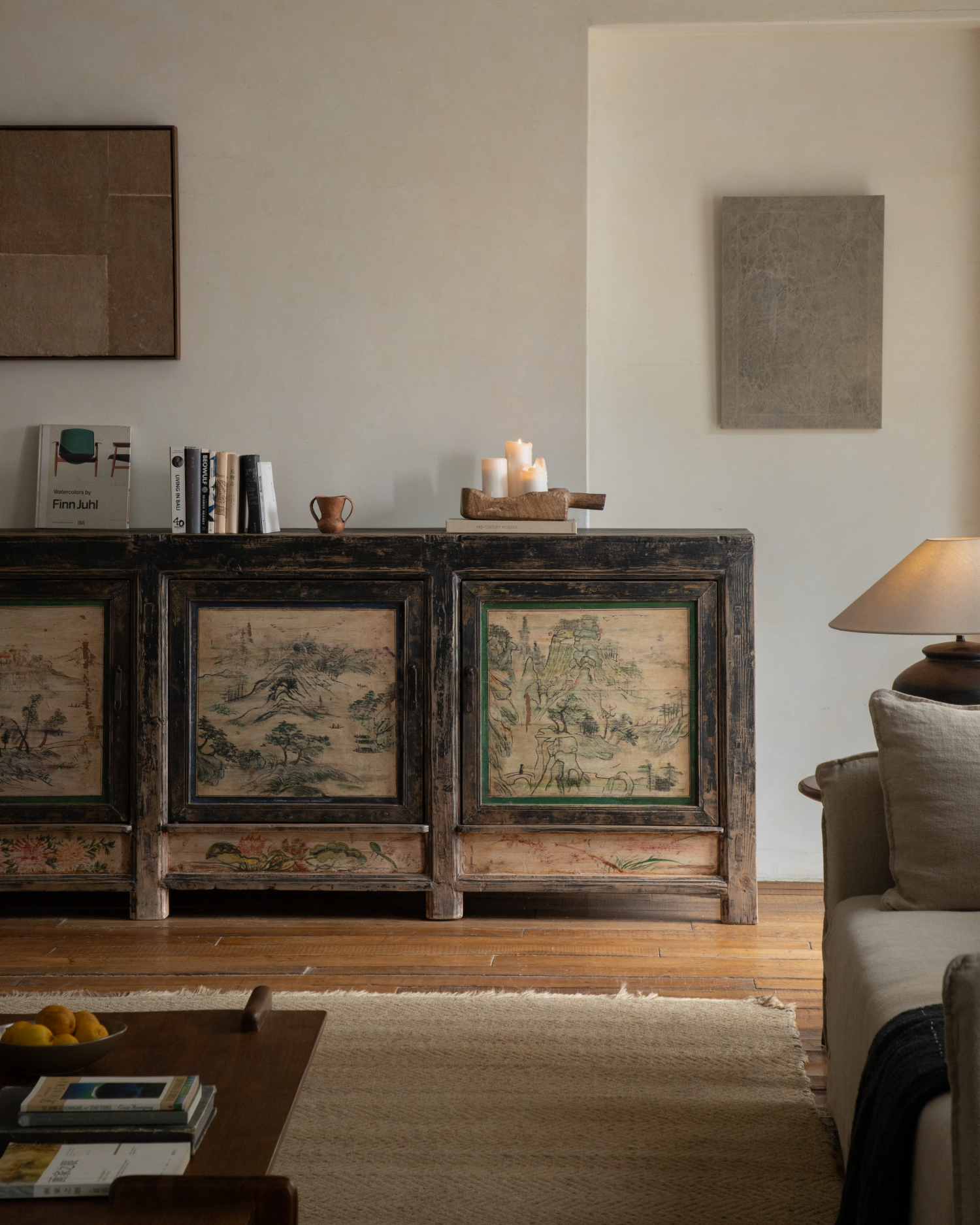
For coffee tables and TV stands, oak is a fantastic choice. It handles the weight of heavy electronics and the occasional kick from a foot without denting easily. If you want a specific "look" like a dark espresso or a light whitewash, oak is the way to go. Teak works well for accent chairs or sideboards if you want a warm, glowing focal point.
Dining Room Furniture
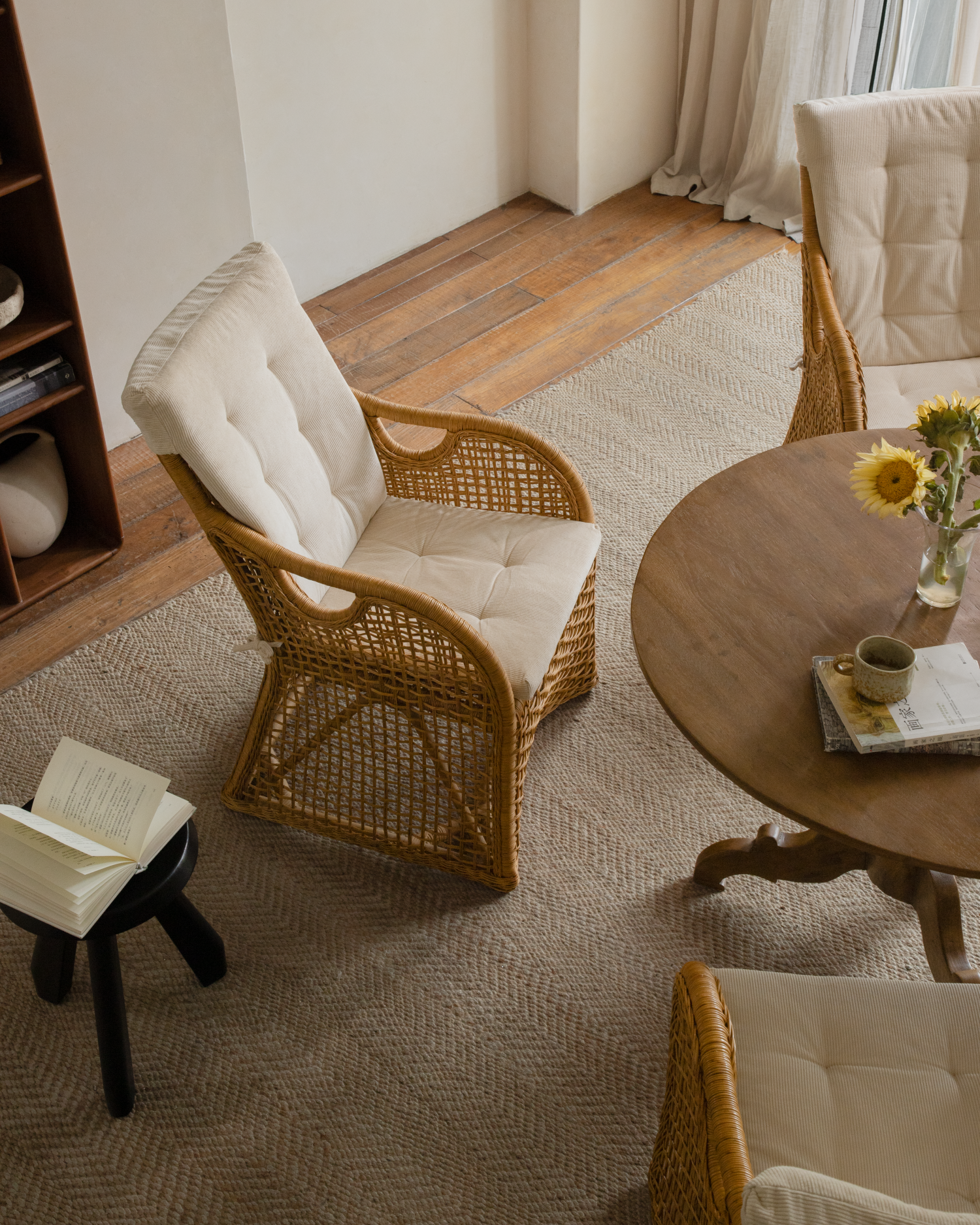
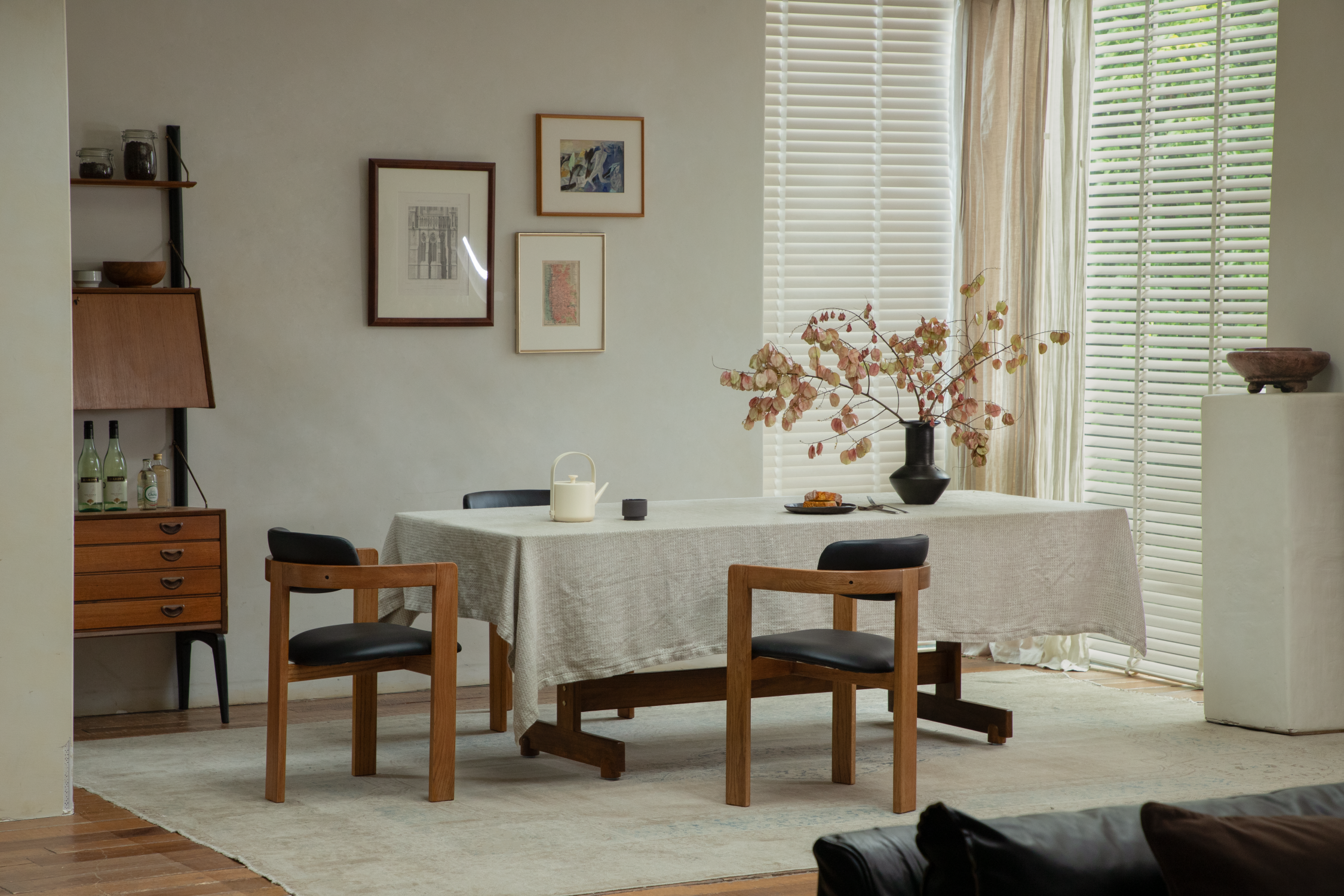
An oak dining table is a classic for a reason. It feels solid and stays put. Since dining rooms are usually dry, oak performs well here. However, if your dining area is right next to a kitchen with a lot of steam, or if you want a table that feels a bit more "refined" and smooth to the touch, teak is a beautiful, upscale alternative.
Bedroom Furniture
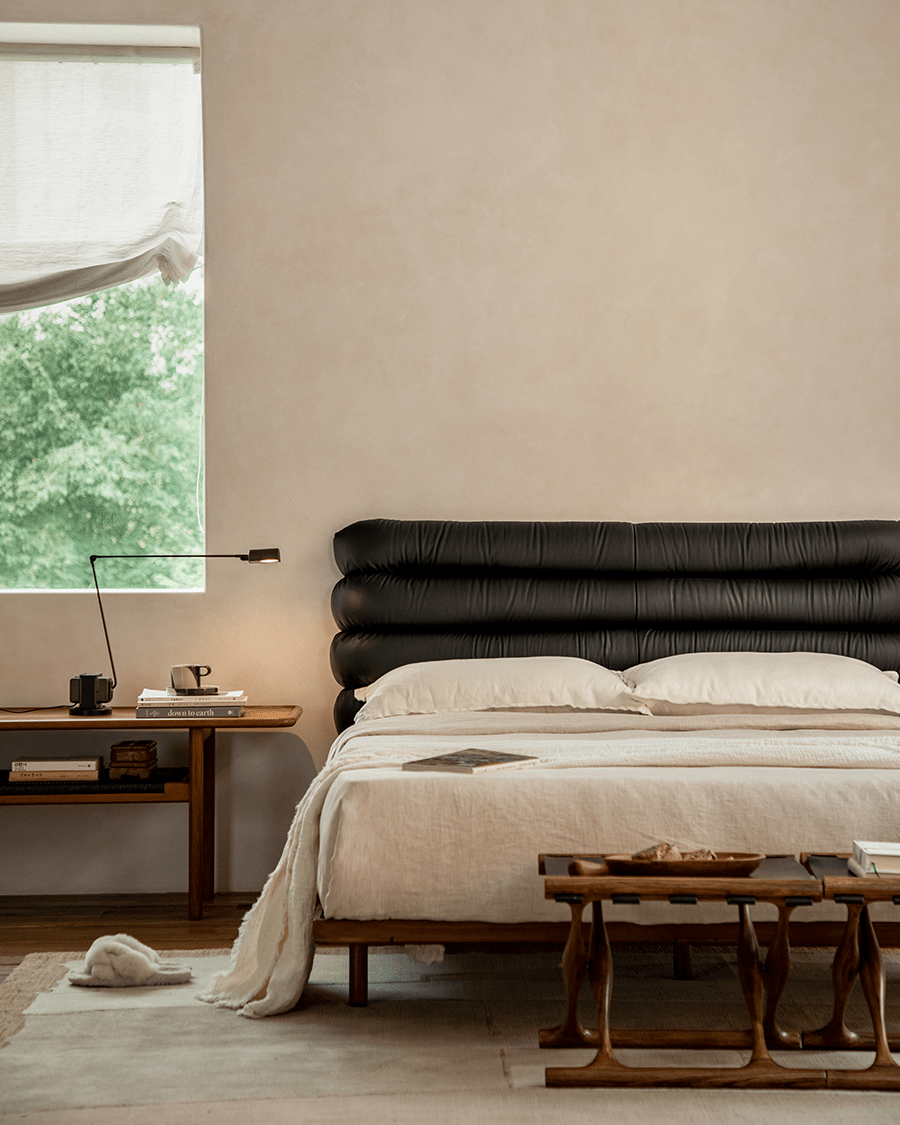
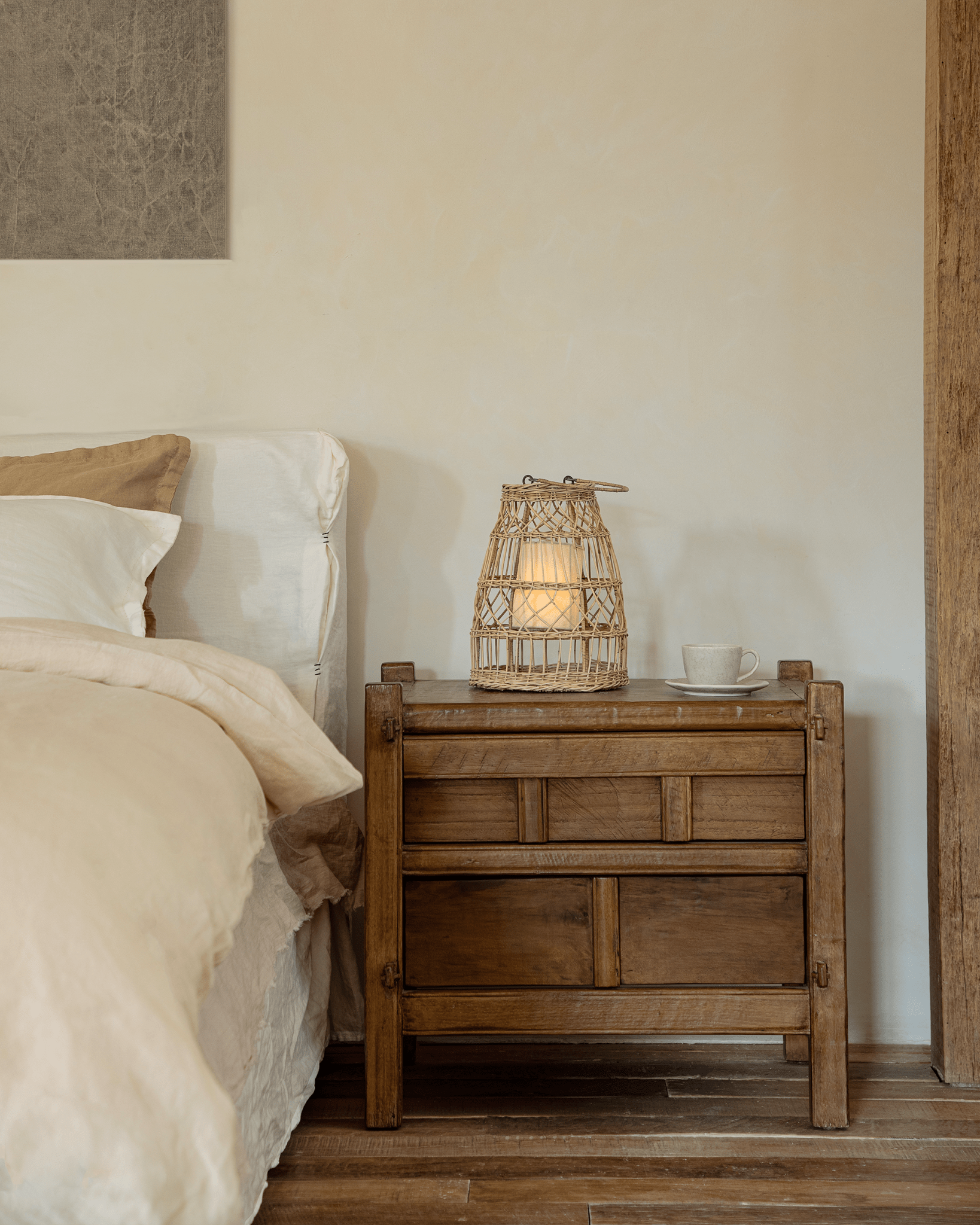
Bedroom furniture doesn't face much "traffic." Oak bed frames and dressers are very popular because they provide a cozy, sturdy feel at a reasonable price. Teak is less common in bedrooms but can create a very calming, spa-like atmosphere. If you have a large budget and want a bedroom that feels like a luxury hotel, teak is the winner.
Moisture-Prone Areas
In bathrooms or sunrooms where windows stay open, teak wood is the only real choice. Oak can warp or grow mildew if the air is constantly damp. Teak stays stable and looks great even if it gets splashed or sits in a humid breeze.
Who Should Buy Teak and Who Should Buy Oak?
Choosing a wood type is a personal decision based on your priorities. Both are great, but they serve different types of homeowners and different types of spaces.
Buy Teak If:
- You want the highest level of moisture resistance.
- You prefer a smooth, oily wood texture.
- You are okay with spending more money for a premium material.
- You want furniture that can work both inside and outside.
Buy Oak If:
- You want a very strong, dent-resistant hardwood for a fair price.
- You like seeing a lot of grain and texture in your wood.
- You want to be able to stain or paint your furniture a specific color.
- You are looking for traditional or "farmhouse" style pieces.
Choosing Your Best Wood Furniture
Both teak and oak create beautiful, lasting homes. If you need a tough piece for a humid spot or want a high-end feel, teak is a smart investment. For a strong, classic look that stays within a smaller budget, oak is a fantastic partner for your indoor rooms. Think about your daily habits and your favorite style. No matter which you pick, you are bringing home a quality material that stays solid for years.

FAQs about teak and oak furniture
Q1: Is teak better than oak for furniture?
It depends on where you put it. Teak is better for wet or humid areas because it doesn't rot. Oak is often better for heavy-use indoor items like desks because it is very hard and costs less.
Q2: Which is more expensive, teak or oak?
Teak is almost always more expensive. It grows in specific tropical regions and takes a long time to mature. Its natural oils make it a premium "specialty" wood.
Q3: Is oak wood good for long-lasting furniture?
Yes. Oak is one of the most durable woods available. If you keep it indoors and away from standing water, an oak table or bed can easily last for 50 to 100 years.
Q4: Should I choose teak or oak for humid climates?
Teak is the better choice for humidity. It does not expand or contract as much as oak, and its natural oils prevent the wood from soaking up moisture from the air.


