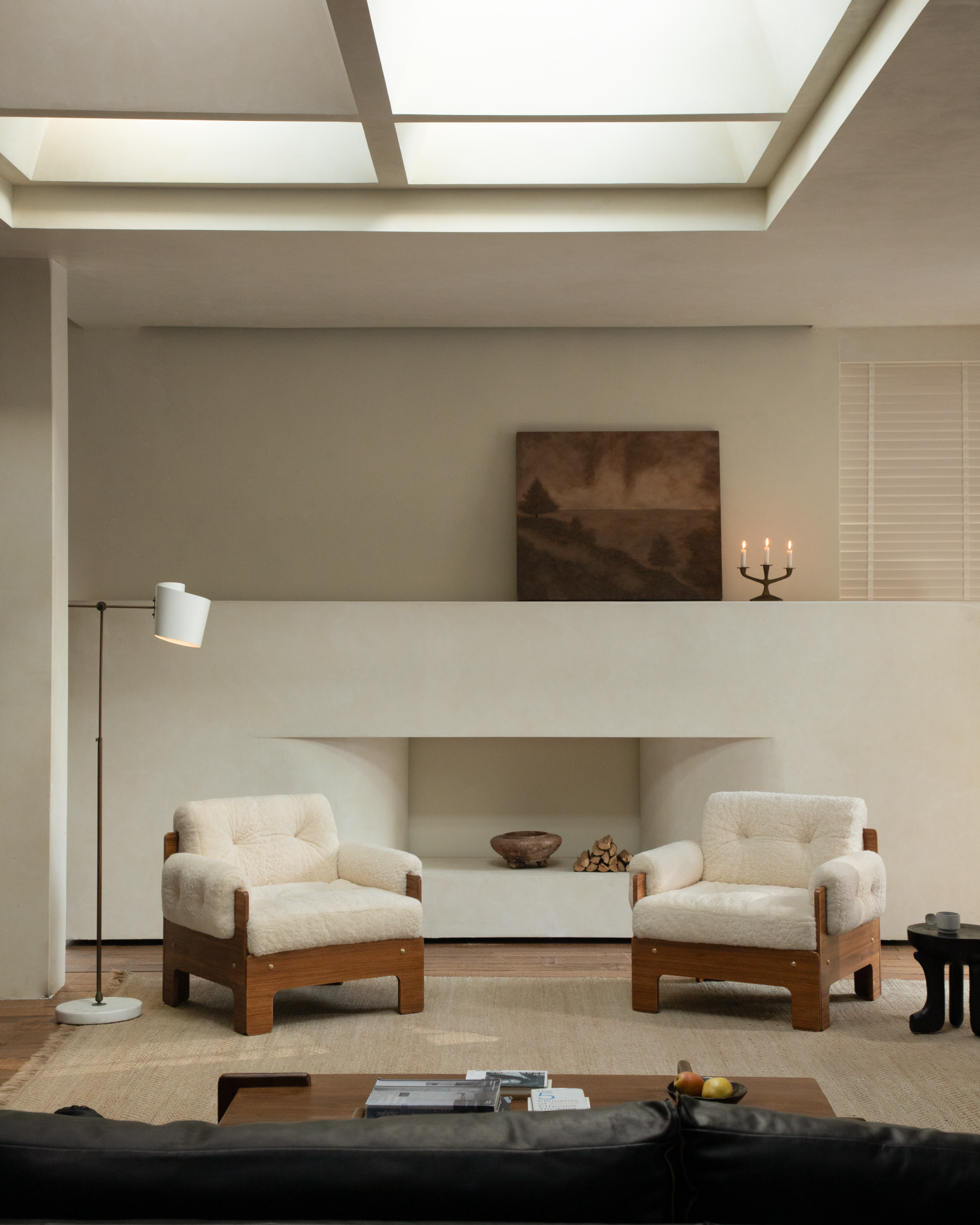
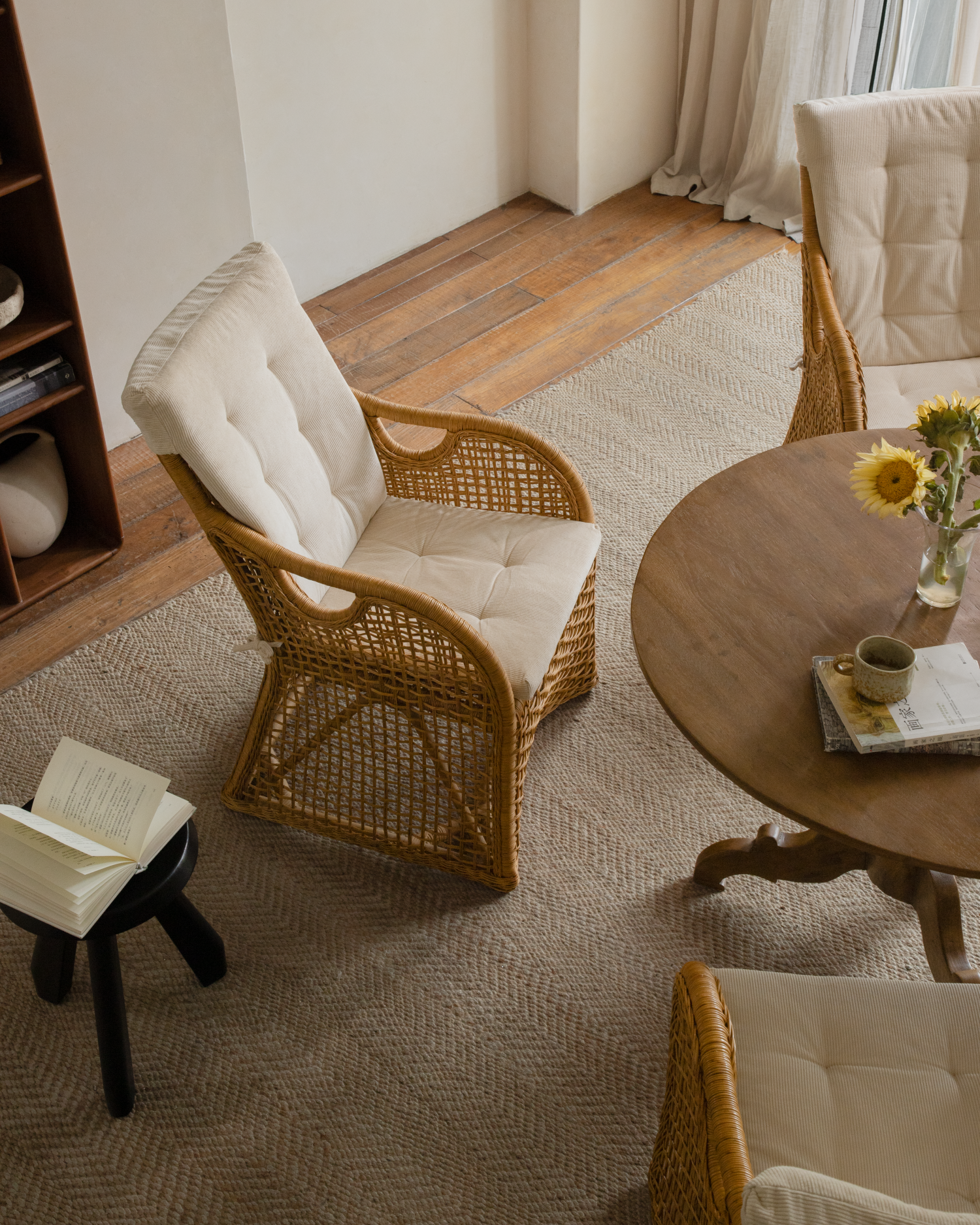
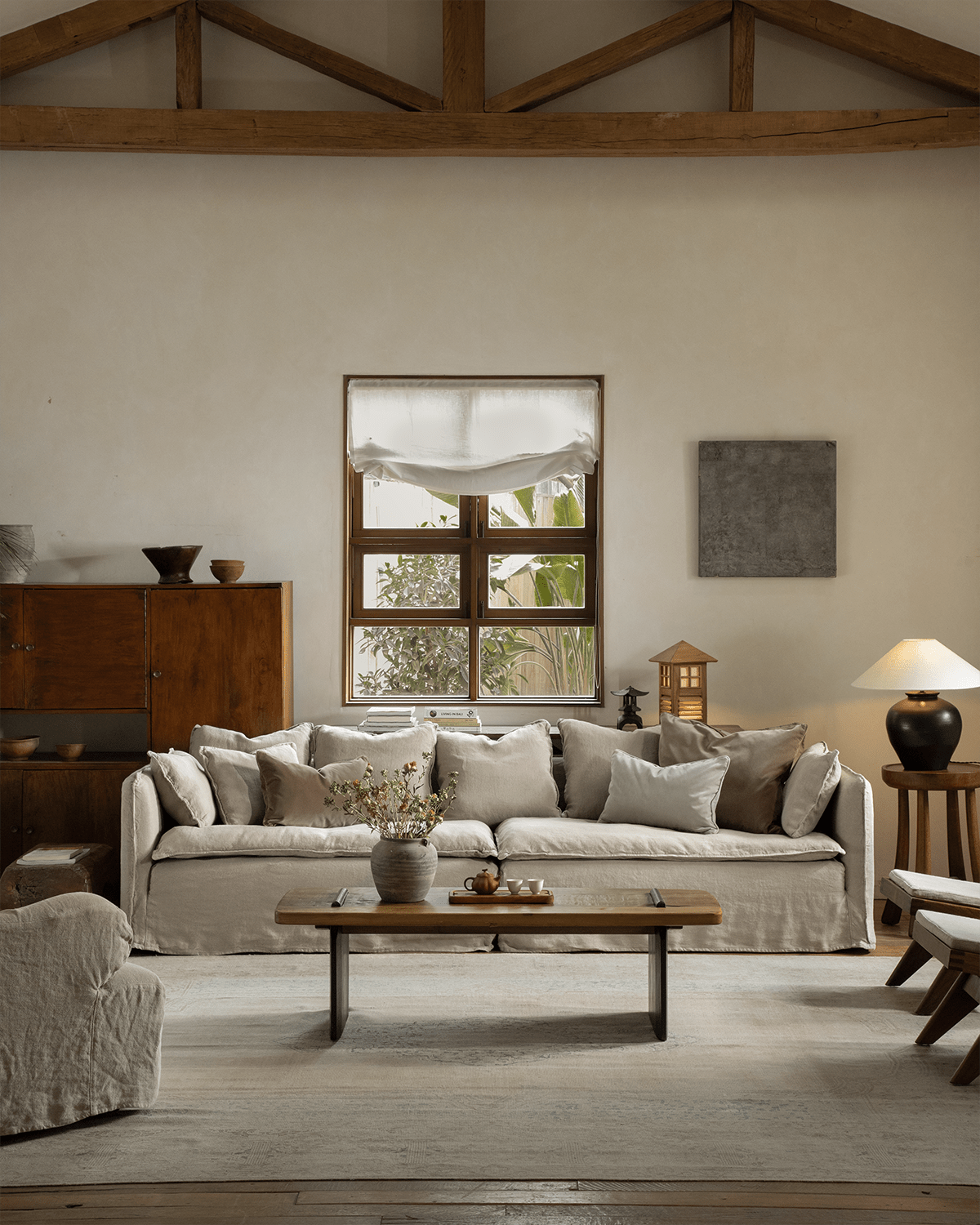
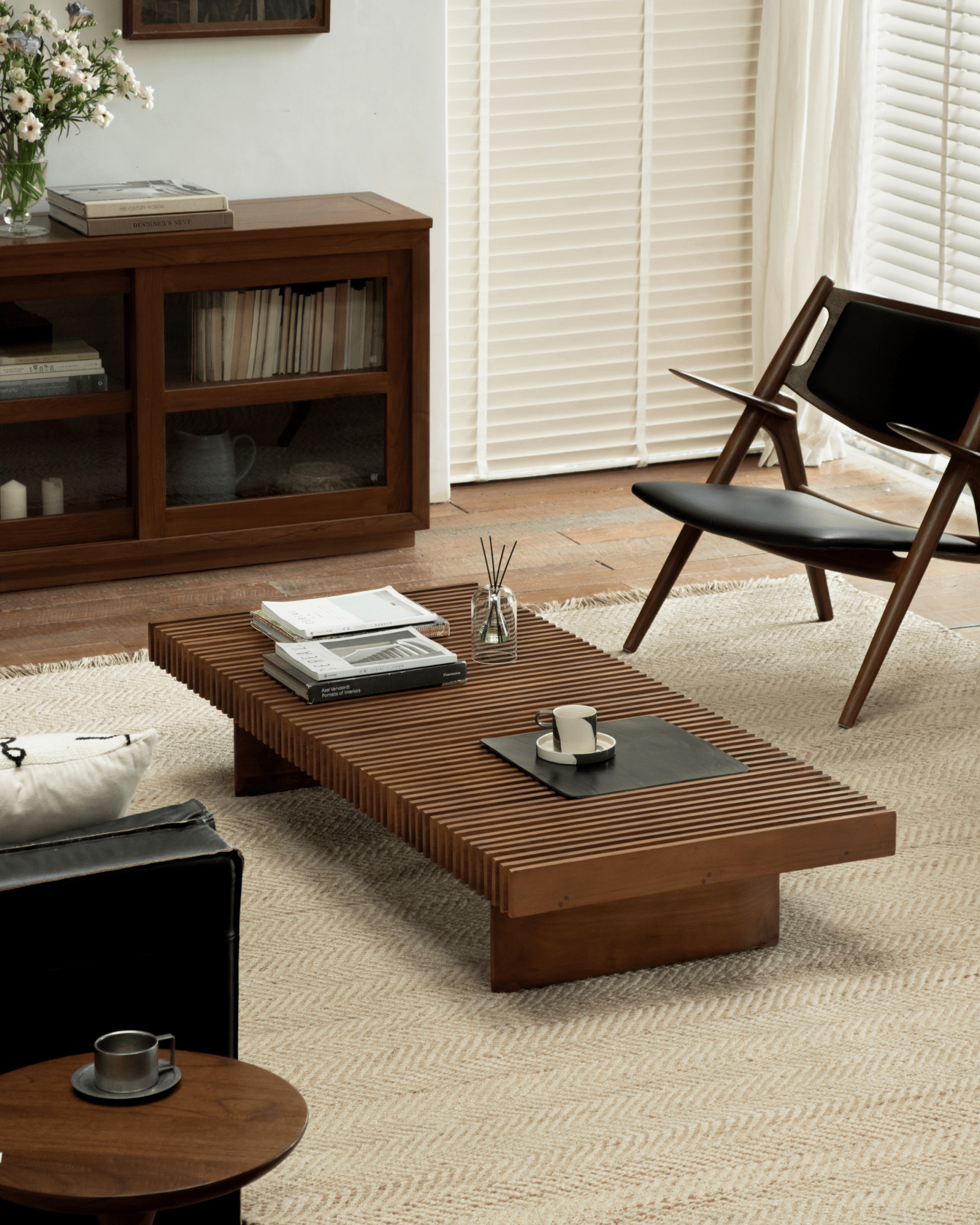
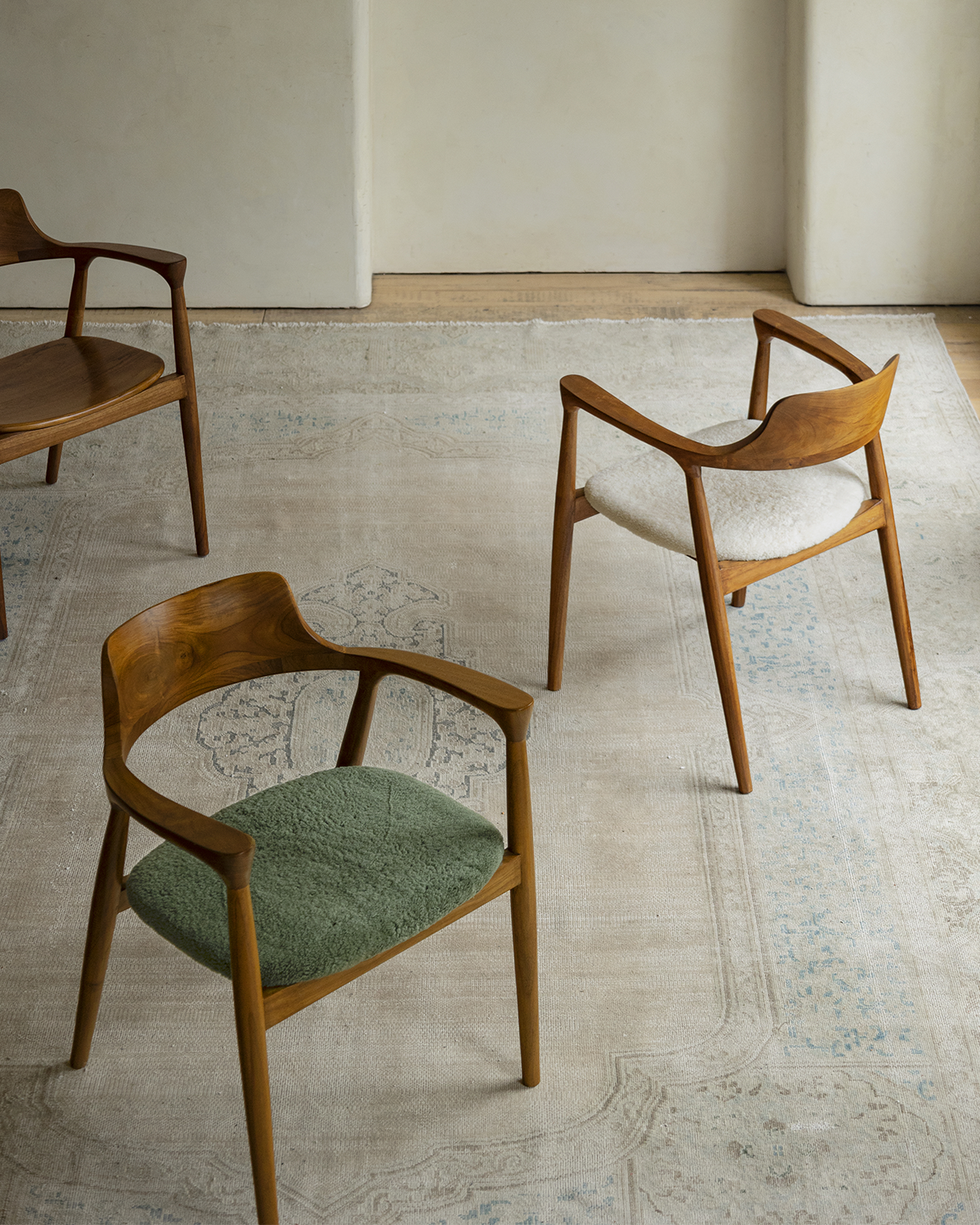




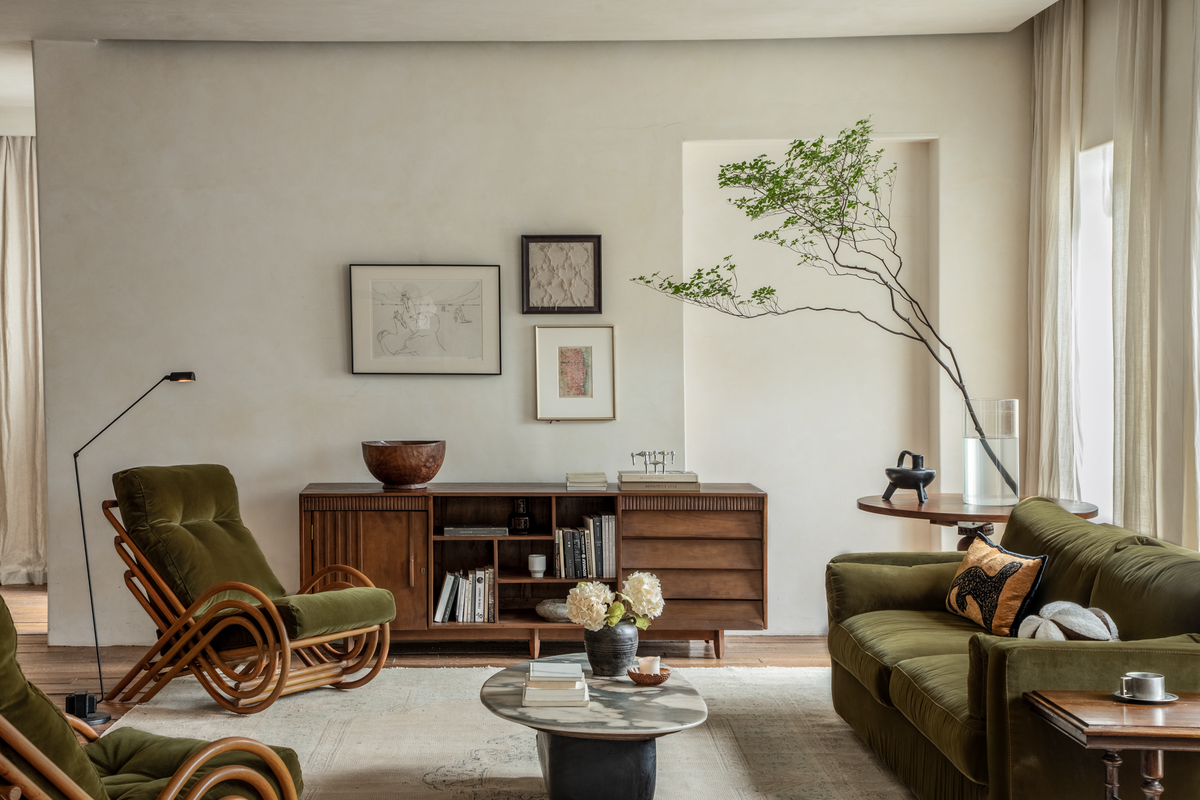

Choose a dining chair when the table is the seat's main destination and easy pull-out movement matters most. Choose an armchair when reading, conversation, or relaxed sitting is the primary activity. For a mixed-use space, an armchair vs dining chair decision favors a slim armchair only when its seat height, arm clearance, depth, width, and occupied footprint fit the table and room.
The category name is only a starting point. The right choice depends on the activity, the person using the chair, the surrounding furniture, and the space needed to move comfortably.
Armchair or Dining Chair: Choose by Your Primary Use
The primary activity is the best place to start: table-first use favors a dining chair, while lounge-first use favors an armchair. For mixed use, choose a slim armchair only when its dimensions pass the table, body-fit, and room checks. Chair selection guidance also recommends considering the task, body size and shape, supported feet, and space behind the knees instead of assuming one type fits everyone.
| Primary use | Better starting point | Why |
|---|---|---|
| Table-first dining or kitchen use | Dining chair | Its typical role supports repeated access to the table and easier movement around a shared seating area. The actual design still needs to clear the table underside, supports, and pull-out path. |
| Lounge-first reading or conversation | Armchair | Its typical role better suits relaxed sitting away from a table. Compare its depth and width with the user and the room so comfort does not overwhelm the space. |
| Dining plus occasional relaxing | Slim, table-compatible armchair | This is a conditional choice. The arms, seat height, depth, width, and occupied footprint must all work at the table and during movement. |
This is the practical difference between an armchair and a dining chair: a dining chair usually prioritizes access and an upright position at the table, while an armchair usually prioritizes supported, relaxed seating. Neither category guarantees better comfort. Padding, back shape, seat depth, posture, and body dimensions can change the result.
If the table is the main destination, begin with dining chairs and benches. If the seat will mainly sit in a reading or conversation area, browse armchair styles. Treat both links as starting categories, not proof that a particular chair will fit your table or floor plan.

Check the Chair Against Your Table and Floor Plan
A preferred chair works only when its listed dimensions fit the actual table opening and the occupied room footprint. Measure the furniture together instead of relying on a standard chair label or a universal clearance number.
- Measure the tabletop and its underside. Record the tabletop height, then identify the lowest obstruction that affects the chair, such as an apron, stretcher, leg, or other support. The usable opening is often determined by that obstruction rather than the tabletop alone.
- Check the legroom and chair-tuck opening. Compare the chair's arms and upper frame with the opening beneath the table. A chair may fit beside the table but fail to tuck in or collide with the apron and supports.
- Compare the chair dimensions with the user and table. Check seat height, Seat depth, overall width, overall depth, and arm height. Seat depth should leave the user able to sit with supported feet and comfortable space behind the knees. For a counter-height or bar-height surface, use the relevant table and chair specifications instead of applying a standard dining-table assumption. A dining chair height guide can help organize that comparison.
- Measure pull-out movement and circulation. Place the chair in its occupied position and account for the space needed to pull it away from the table, sit down, stand up, and walk past. Include nearby walls, islands, cabinets, other chairs, and open-plan walkways.
- Reject a candidate that fails one required condition. Select a chair only when its listed dimensions fit the measured table opening and occupied footprint. A good-looking chair with appealing cushioning is still the wrong choice if it blocks access, forces an awkward posture, or makes routine movement difficult.
This measurement process is more reliable than asking whether an armchair is simply "too big" or whether a dining chair is automatically the safer fit. Armchair dimensions can vary substantially compared with dining chair dimensions, so compare the exact width, depth, height, and arm profile of the chairs under consideration.
Match Comfort, Movement, and Room Fit to the Scenario
Room type changes the starting recommendation, but the chair's actual dimensions and the user's main activity remain the final decision points.
For a Dining Room or Kitchen Nook
For a table-first dining room or kitchen nook, start with the heart dining chair because repeated in-and-out movement, table access, and tuck-in space usually control the choice.
An armchair can replace it when the arms, seat height, depth, width, and table clearance work in the actual layout. A slim profile is more plausible for this job than a deep lounge design, but appearance alone cannot establish compatibility. If the chair interferes with neighboring seats or the walkway, use a dining chair at the shared table instead.

For a Living Room, Bedroom, or Reading Corner
For a lounge-first living room, bedroom, or reading corner, start with an armchair when relaxed sitting, conversation, or reading is the main job. Compare the chair's depth and width with the room and the user's posture so the seat provides useful support without taking over the layout.
A dining chair can be the better fit when the space needs an upright, compact, desk-adjacent, or occasional seat rather than lounge-style support. This is useful in a bedroom workspace, small apartment, or room where the chair must stay easy to move. The answer to how to choose between an armchair and a dining chair is tied to the activity, not just the softer-looking design.
For Small, Open-Plan, or Mixed-Use Spaces
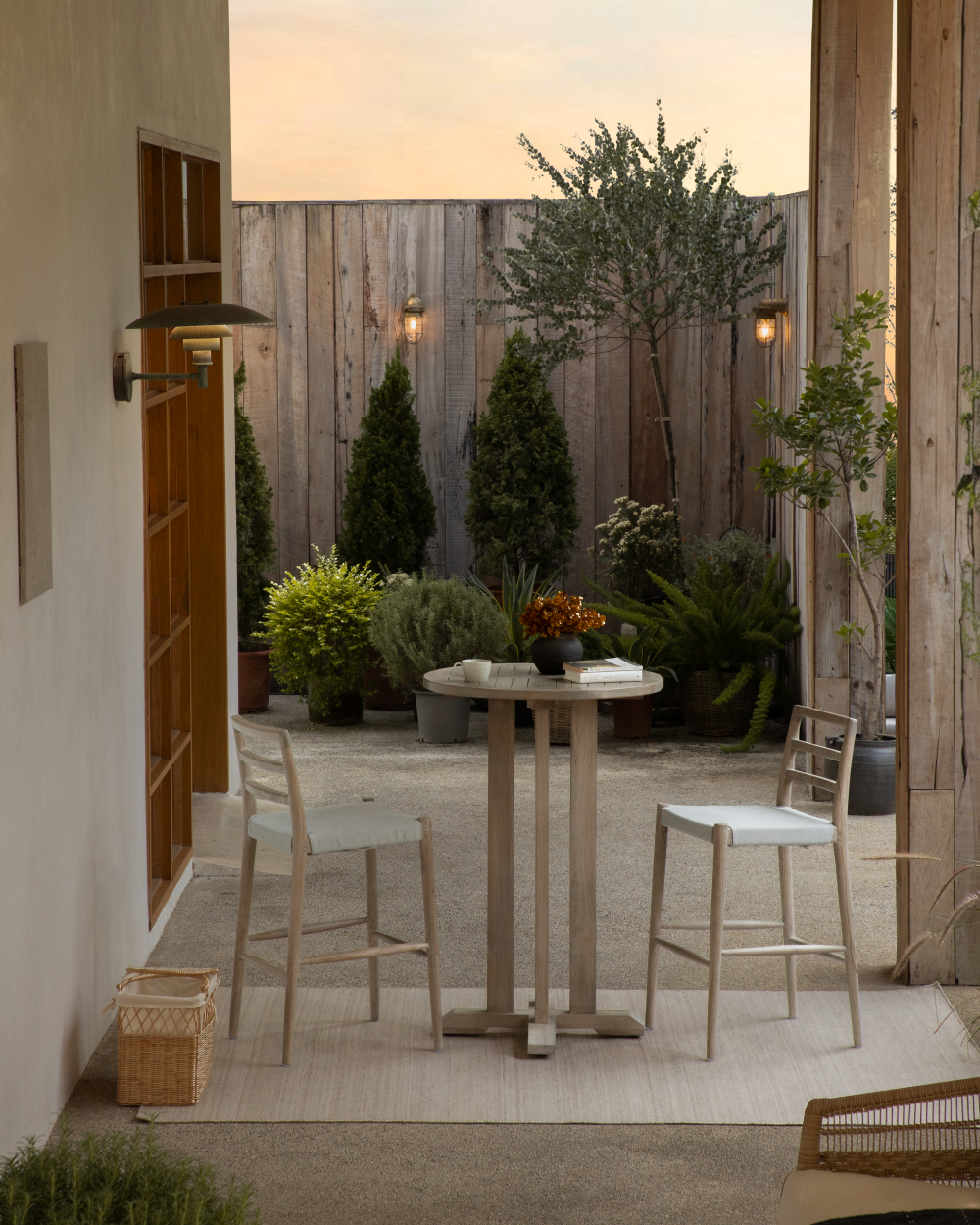
In a small or open-plan home, compare the complete occupied footprint, not just the chair's front-facing width. A chair that looks compact when empty may require more room once pulled out, occupied, or placed beside a walkway, island, wall, or neighboring seat. Dining room furniture sizing guidance also emphasizes accounting for pull-out movement and circulation around an occupied table.
For mixed use, choose a table-compatible armchair only if it preserves table access, supports a workable seated posture, and leaves the circulation path usable. Otherwise, prioritize a dining chair for the shared table and reserve relaxed seating for another part of the room. If you want to compare forms without treating style as a fit guarantee, review how to mix dining chair styles.
For the armchair vs dining chair for the dining room, the clearest starting answer is a dining chair when meals and movement come first, an armchair when relaxed sitting comes first, and a slim armchair only when every table and room check passes. Measure the actual opening and occupied footprint before buying, then choose the category that serves the main activity without blocking access.

FAQ: Choosing Between an Armchair and a Dining Chair
Q1: Can you use an armchair as a dining chair?
Yes, but only when the armchair's seat and arm heights, depth, width, table clearance, and pull-out path work in the actual layout. A slim, table-compatible design is more plausible than a deep lounge chair. The table opening and occupied footprint decide whether it functions well.
Q2: Are armchairs more comfortable than dining chairs?
Not automatically. An armchair may suit relaxed or longer sitting, while a dining chair may better support an upright meal and easier movement. Compare padding, back shape, seat depth, and how the chair supports the user's posture and sitting position rather than treating the category as a comfort guarantee.
Q3: What measurements matter most when choosing between an armchair and a dining chair?
Start with the table underside or apron and its supports. Then compare seat height, arm height, seat depth, overall width, overall depth, and the space needed to pull the chair out and walk around it. The relevant measurements are the ones that match the actual table, chair, and room.
Q4: Which chair is better for a small dining area?
Start with a compact dining chair because movement and tuck-in space usually matter most. Consider a slim armchair only when its complete footprint preserves table access and circulation, including the space needed to pull it out and use it.
Q5: Can one chair work for both dining and relaxing?
It can when the chair supports the primary table activity and still provides acceptable relaxed comfort without overwhelming the room. Use the mixed-use option only after its table opening, user fit, movement path, and occupied footprint work together.
Conclusion: Match the Chair to the Activity, Not the Label
A label never replaces a measurement. Before you buy, write down your table height, the clearance under it, and the room space you can give the chair, then pick the category that serves your main activity without blocking access. The right seat is the one that fits your table, your body, and your room — not the one that simply looks like a dining chair or an armchair.