

Buying new seats for your dinner table is a major commitment. These items get daily use and stay in your home for many years, making them a long-term investment rather than temporary decorations. Selecting the wrong type can lead to sore backs or constant cleaning stress.
Many homeowners find themselves torn between two popular options. On one side, people want the excellent comfort and soft style that fabric seating offers. On the other side, people value the high durability and simple upkeep of solid timber. It can be difficult to decide which features matter most for your space. The following content evaluate comfort, cleaning, longevity, and costs so you can find the perfect match for your household habits.
What Are Upholstered Dining Chairs?
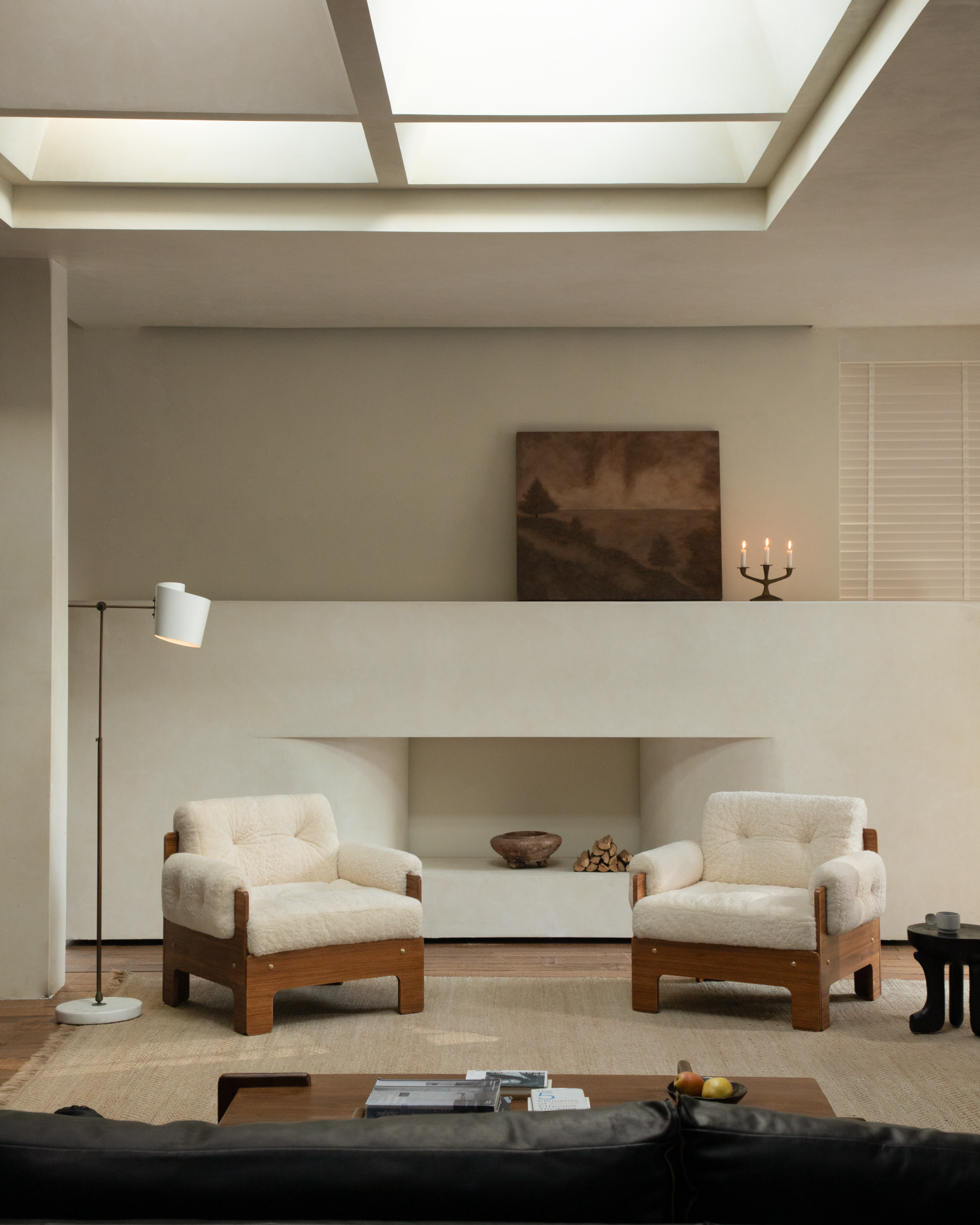
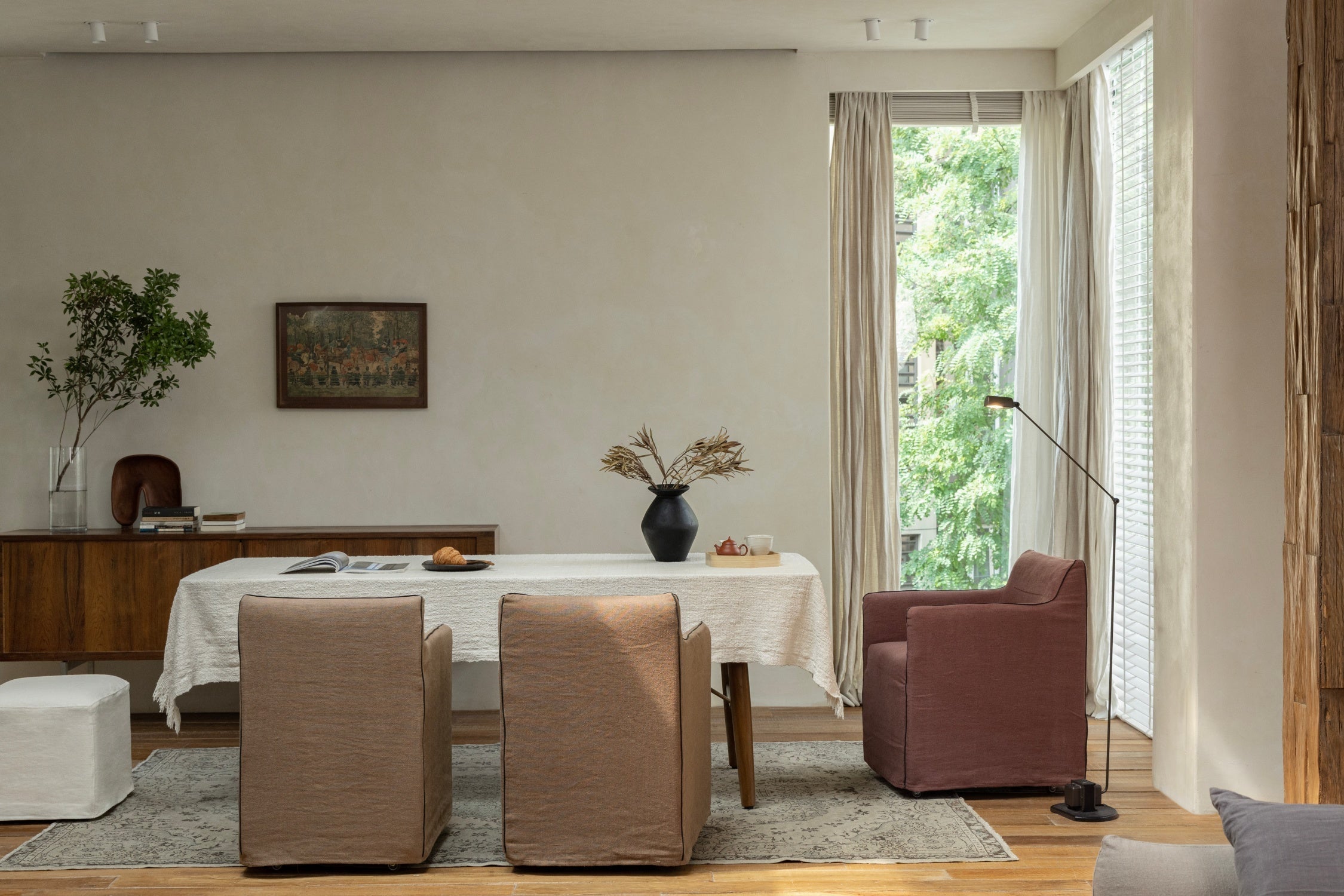
Fabric-covered seating brings soft textures and extra cushioning into your eating area. These seats feature built-in padding on the seat base, the backrest, or both areas. A sturdy internal frame supports the thick foam, which is fully covered in a soft exterior material. This design hides the hard frame parts and creates a soft barrier between your body and the chair structure.
Manufacturers use several popular coverings for upholstered dining chairs.
- A linen chair offers a breezy, natural texture that looks highly relaxed.
- Polyester and specialized performance fabrics resist liquid spills well and handle daily friction without tearing.
- Smooth faux leather or PU leather provides a sleek look that feels soft but wipes clean quickly.
- For a richer appearance, textured fabrics like velvet add depth and a slight shine to the room.
The primary draw of these products lies in their thick cushioning and elegant dining chairs look. They bring a cozy, welcoming atmosphere to a room. The variety of fabric colors allows you to match your curtains, rugs, or wall colors perfectly.
What Are Wood Dining Chairs?
Timber seating provides a classic structure that highlights natural wood grains and shapes. This category includes seating constructed entirely or mostly from natural timber or durable engineered wood boards. These units lack built-in fabric coverings or thick foam layers. Instead, they rely on carefully shaped wood panels and precise angles to support your body weight safely.
You can find these items in several classic and updated styles.
- Traditional ladder-back shapes feature horizontal slats that support your spine comfortably.
- Windsor designs use thin, vertical spindles and a curved top rail for an open, airy appearance.
- Homeowners who prefer clean lines often select modern wood dining chairs, which feature minimal details and simple, sleek frames.
The main benefits of a wood dining chair are its excellent strength, simple maintenance, and timeless appeal. Timber has a neutral, organic appearance that never goes out of fashion. These pieces feel solid under your weight and provide a grounding element to the visual layout of your home.

Comfort Comparison: Soft Seating vs Firm Support
Seating comfort changes how long your guests stay around the dinner table.
Upholstered Chairs
Thick foam cushions adapt to your body shape and relieve pressure on your hips and thighs. This thick padding makes comfortable dining chairs an excellent choice for extended gatherings. If your family enjoys long conversations after dessert, soft fabric support keeps everyone cozy. These supportive seats also turn your eating area into a functional spot for evening paperwork, laptop work, or kid homework sessions.
Wood Chairs
Timber seats offer firm, rigid support without soft surfaces. While a well-shaped timber seat holds your body in a healthy, upright posture, it lacks the cozy give of foam. This firmness is perfectly fine for quick breakfasts or standard thirty-minute dinners. However, sitting on a hard surface for hours can cause mild stiffness and discomfort for some family members.
Key takeaway: When long-term comfort is your top priority, cushioned fabric styles win the comparison.
Maintenance & Cleaning: Real-Life Family Impact
Spills, crumbs, and stains happen in every dining space over time. See how fabric surfaces and solid timber handle the inevitable messes of daily breakfast and dinner routines.
Wood Chairs (Easier Maintenance)
A solid wood dining chair requires very little effort to keep clean. When children spill milk, sauce, or sticky juice, a simple wipe with a damp microfiber cloth fixes the problem instantly. The solid surface prevents liquids from sinking deep into the material. Because these units do not collect dust or pet hair, they help keep the eating area highly sanitary with minimal scrubbing.
Upholstered Chairs (Higher Maintenance)
Fabric coverings require careful attention because woven fibers easily catch crumbs and absorb liquids. A dropped fork covered in gravy can leave a dark stain that is difficult to remove. Odors from heavy cooking can also sink into fabric fibers over time. While modern stain-resistant performance fabrics make cleanup easier, you must still vacuum the seams regularly and blot spots immediately to prevent permanent discoloration.
Durability & Longevity
Furniture should withstand years of shifting, leaning, and daily use without breaking down.
Wood Chairs
High-quality wood dining room chairs are famous for their outstanding structural lifespan. Sturdy dining room chairs built from solid timber can last for decades without losing their shape or strength. If the surface gets scratched or the clear finish fades after years of use, you can sand the material down and apply a fresh coat of stain or paint. This repairability makes them excellent heirloom pieces.
Upholstered Chairs
The internal foam padding in fabric seats naturally compresses and loses its bounce after several years of heavy use. Over time, the outer fabric can fade from sunlight, develop thin spots from friction, or show permanent stains. While the underlying frame might remain strong, the visible fabric layers usually show age much faster than bare timber.

Style & Aesthetic Impact
The look of your seating affects the mood of your entire dining space. Learn how fabric textures and timber grains influence different interior design themes.
Upholstered Chairs
Fabric seating introduces a sense of luxury and warmth to a room. The soft lines hide sharp angles, creating a balanced visual environment. You can use bold fabric colors to add a bright accent to a neutral room, or choose muted tones for a calm look. These designs complement modern, minimalist, Scandinavian, or upscale formal spaces beautifully.
Wood Chairs
Timber pieces showcase natural beauty through unique grain lines, rich knots, and warm earth tones. A vintage dining chair can bring a sense of history and charm into a room. These options fit perfectly into farmhouse, rustic, mid-century modern, and traditional homes. Because wood is a neutral element, it is easy to pair these pieces with different tables and changing wall colors over time.
Family & Lifestyle Considerations
Your household dynamic is the most critical factor in this furniture decision. Use these practical guidelines to match your seating choices with your actual daily habits.
Upholstered Chairs Are Better If:
- You want an extra comfortable dining chairs setup for multi-hour dinner parties and deep conversations.
- Your dining table double-functions as a home office desk or a dedicated study zone for your children.
- You want to establish a soft, luxurious ambiance with elegant dining chairs that make the space feel formal.
Wood Chairs Are Better If:
- You raise toddlers, young children, or pets who frequently track mud and spill food at the table.
- You prefer low-maintenance furniture that does not require special spot cleaners or regular vacuuming.
- You want practical, stress-free daily use without worrying about guests damaging delicate fabric items.
Cost & Value Over Time
As you shop for the best dining table chairs, you will notice distinct price differences.
Simple timber models often cost less upfront because their production requires fewer steps and materials. Because a sturdy wood design lasts for decades without needing replacement parts, the total cost over time stays incredibly low.
Fabric-covered models generally demand a higher initial investment. The price reflects the multiple layers of materials, including the internal springs, thick foam padding, and the outer fabric. Over time, you might also face extra costs for professional stain-removal treatments or fabric repairs.
True value depends on your specific lifestyle goals. Spending more on fabric seating makes sense if it becomes the most utilized, comfortable spot in your home. However, if you want a reliable product that never needs repairs, timber provides superior financial value.
Hybrid Solutions (Best of Both Worlds)
You do not have to choose just one material for your dining area.
- One popular styling method is to place fabric-covered seats at the two head positions of the table while using standard timber pieces along the sides. This layout creates an appealing visual balance and keeps your room looking organized. It also gives you a couple of extra-soft seats for long evenings without filling the entire room with high-maintenance fabric.
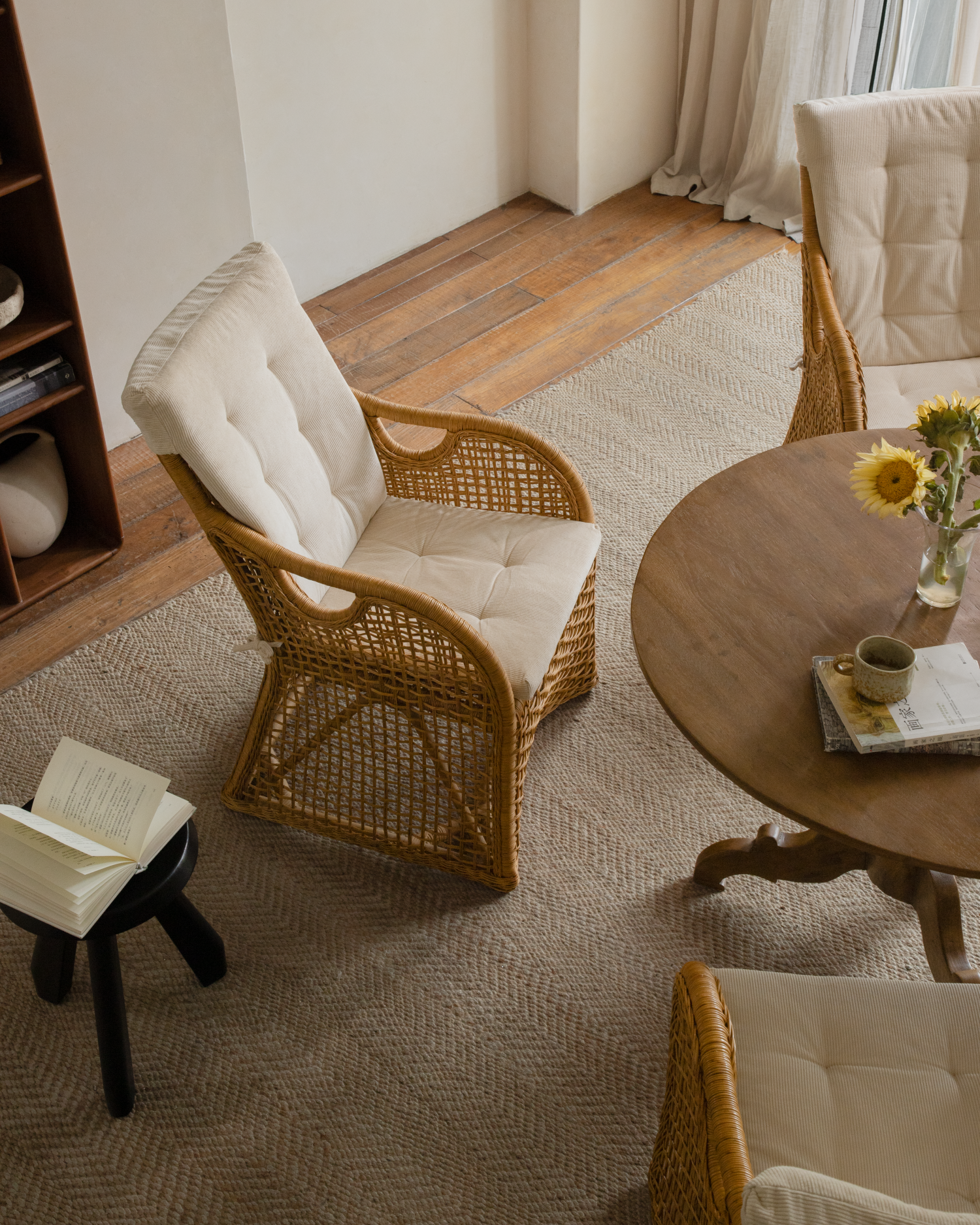
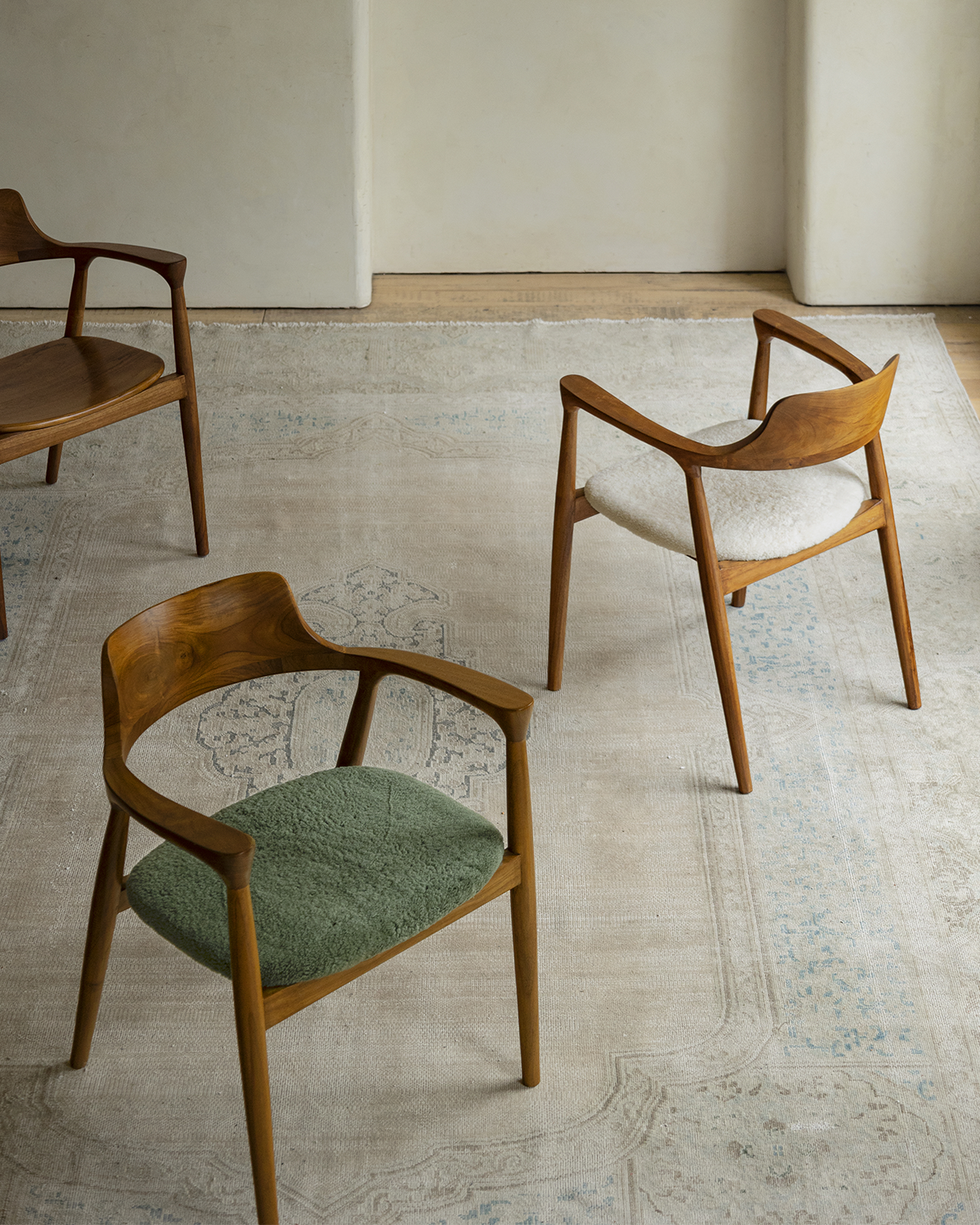
- Another excellent option is purchasing frames that use both materials together. For example, a high-quality teak dining chair can feature a strong, beautiful frame with a small padded seat cushion attached to the top. Opting for durable materials like teak wood dining room chairs or reclaimed wood dining chairs with slim cushions provides a historic look with just enough softness for your hips.
- Finally, you can buy plain timber seats and attach separate, removable tie-on pads. This arrangement lets you toss the cushions into the washing machine whenever they get dirty, giving you total control over cleanliness.

Choosing Your Perfect Seating Style
Your final choice depends on your daily household habits. If your priority is long, relaxing dinners and a soft, cozy look, pick fabric options. If you have messy kids or want zero cleaning stress, solid timber models are your best match. Think about your lifestyle, check your priorities, and select the chairs that fit your routine perfectly.
FAQs
Q1: Are upholstered dining chairs practical for everyday use?
Yes, they work well for daily use if you select heavy-duty polyester or performance fabrics. These materials resist stains and handle regular friction without wearing out quickly.
Q2: Are wood dining chairs uncomfortable?
They feel firm because they lack built-in padding, but a well-contoured seat supports good posture. You can easily add removable tie-on cushions to increase comfort during longer meals.
Q3: Which is easier to clean: wood or upholstered chairs?
Timber units are much easier to clean. You can wipe away food spills, sticky juices, and dust with a simple damp cloth in just a few seconds.
Q4: What is the best choice for families with kids?
Solid timber or hybrid designs with washable cushions are best for homes with children. They resist heavy wear and save you from worrying about permanent fabric stains.