
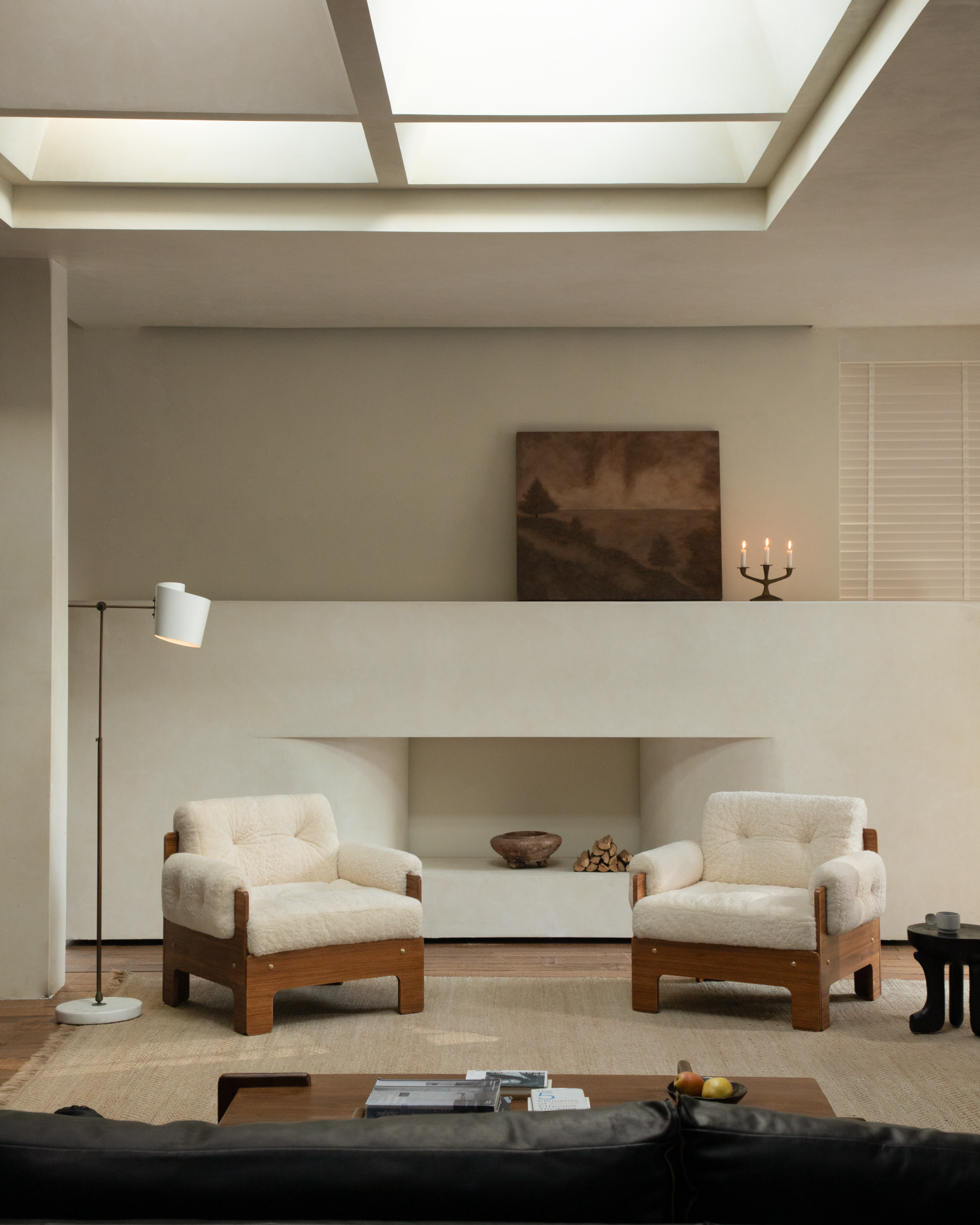
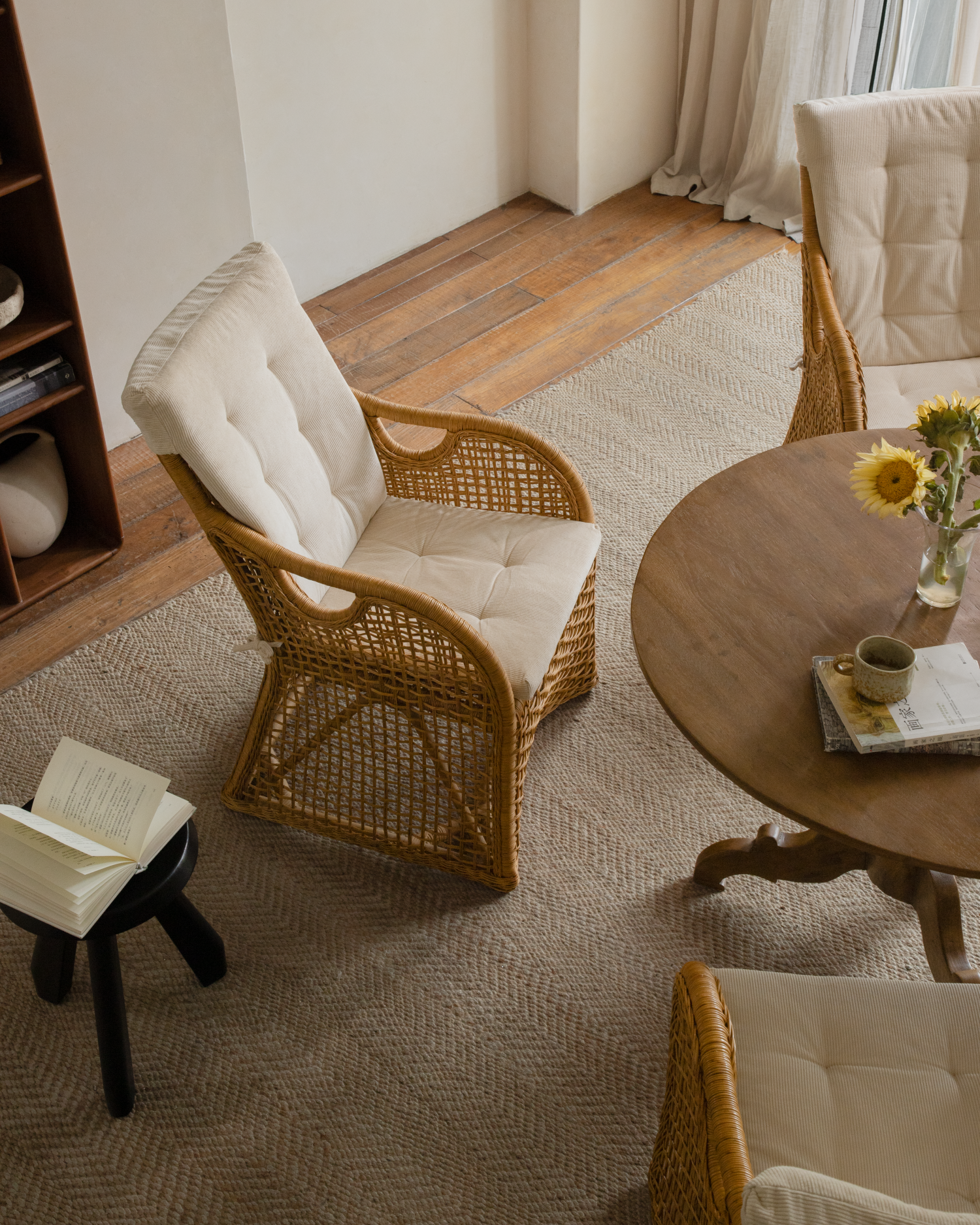
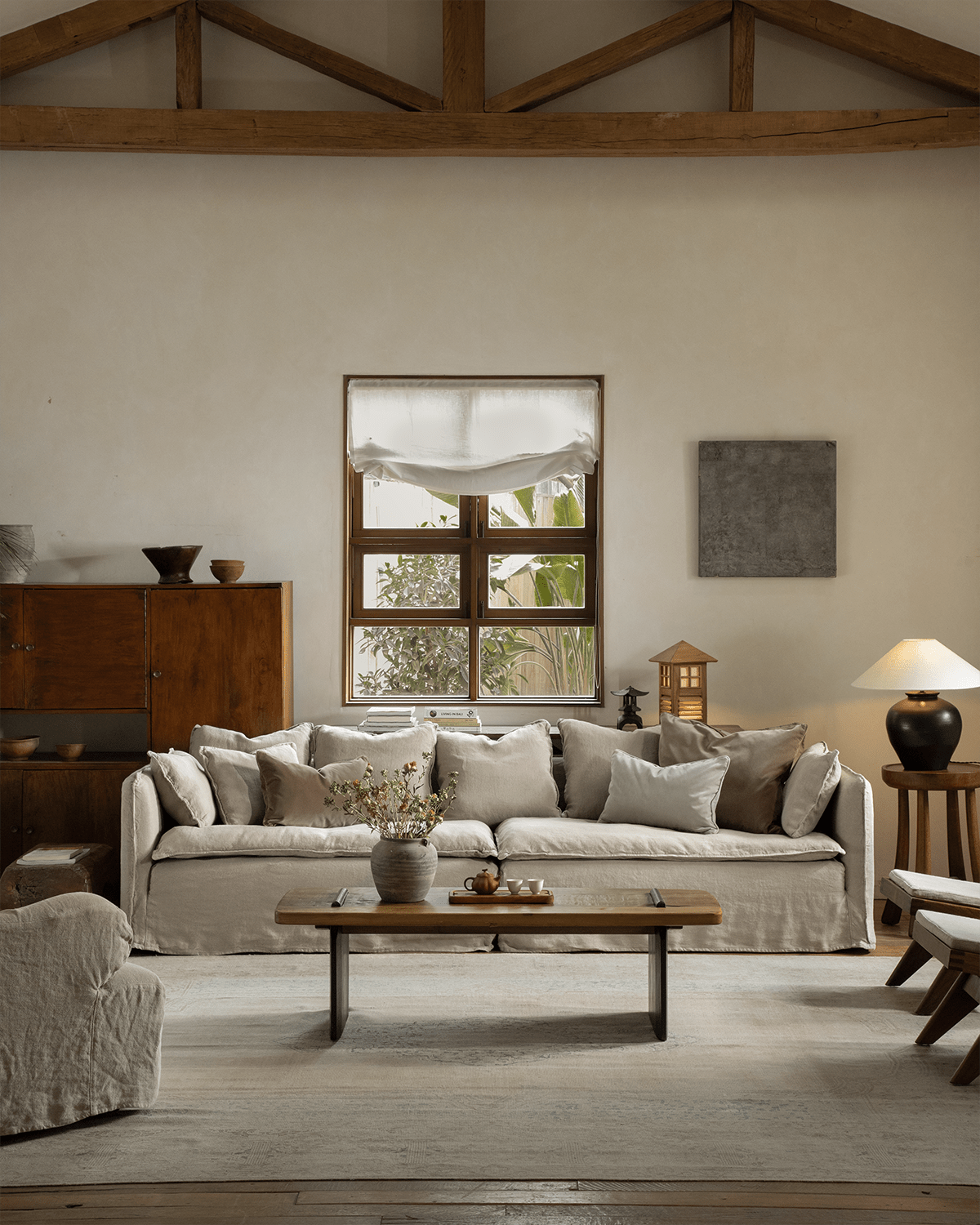
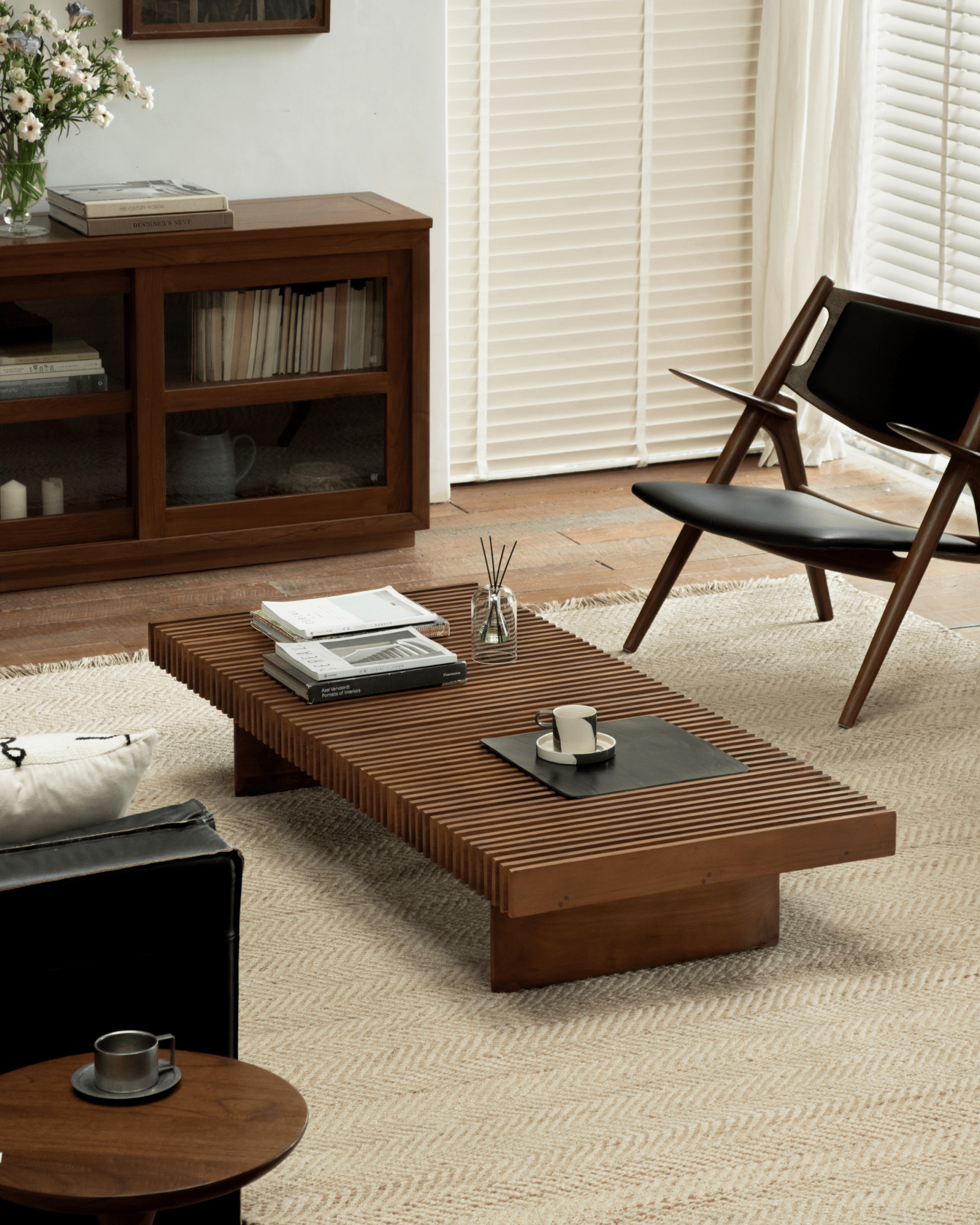

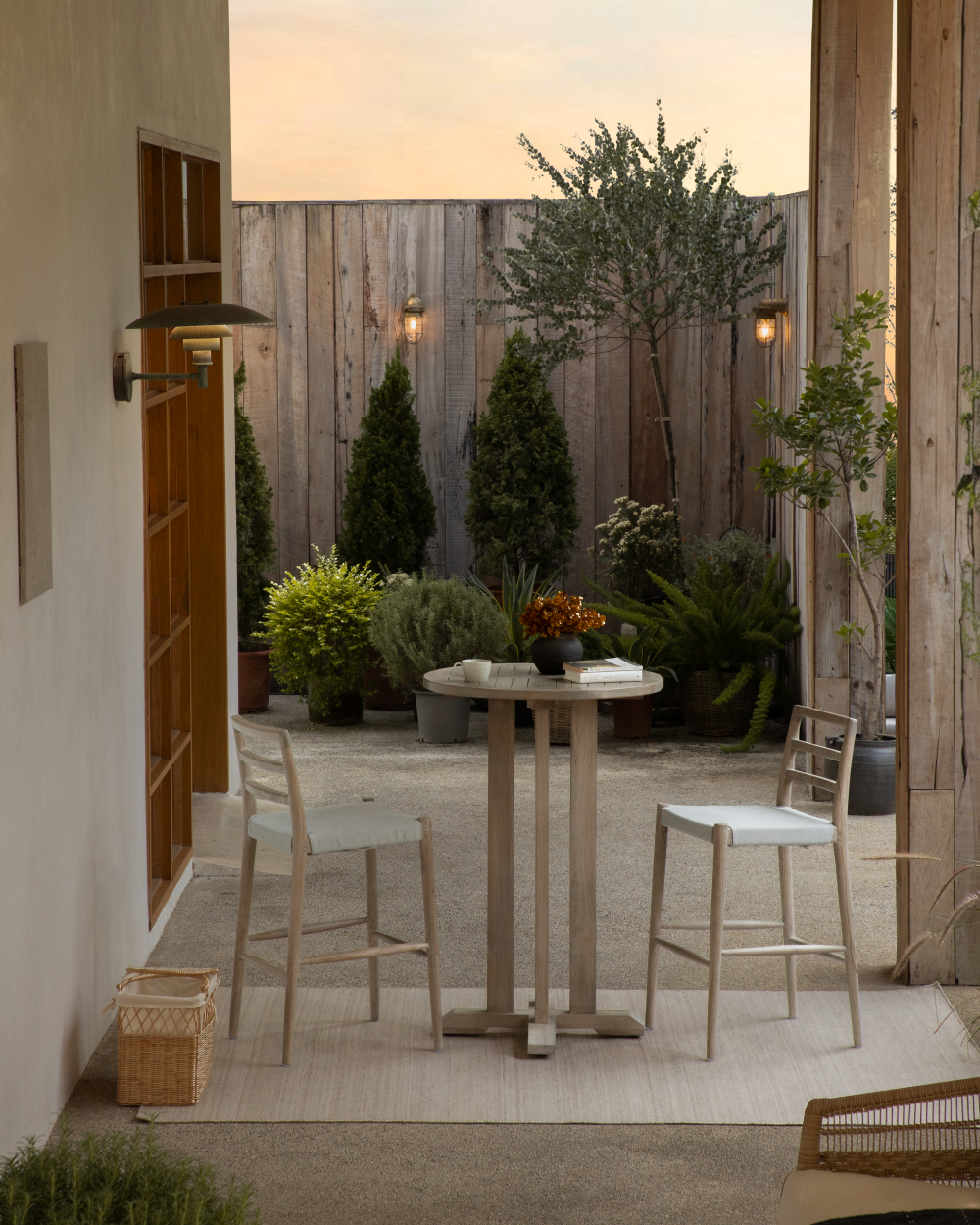
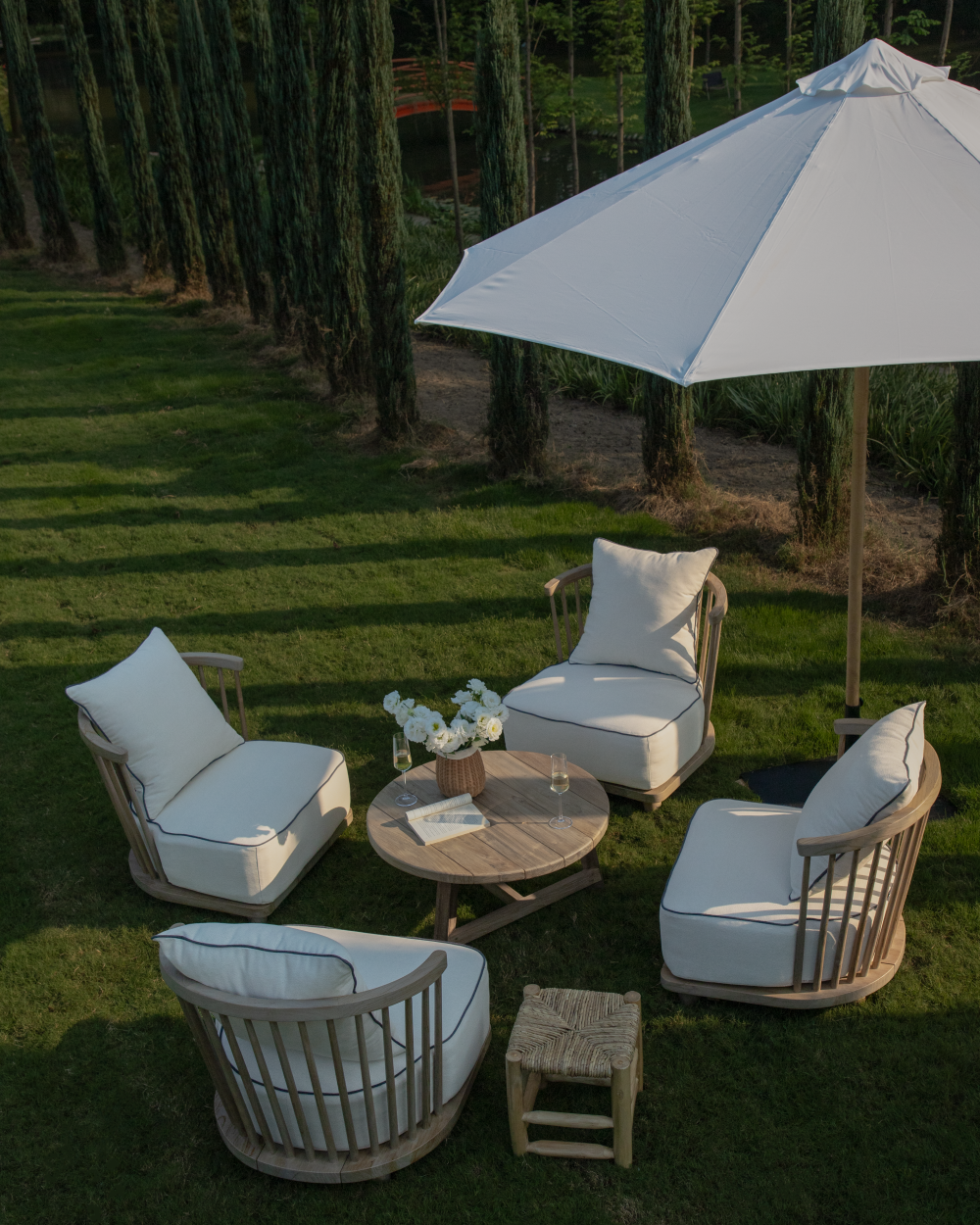

An outdoor coffee table helps to anchor your patio seatig. It provides a central spot for drinks, snacks, or resting your feet. Picking the wrong size can make your deck feel crowded, while the wrong material might rust or crack in the sun. Choosing the right piece keeps your backyard functional and comfortable. These steps ensure you find a table that fits your layout and stands up to the weather for years to come.
Step 1: Measuring Your Space and Planning the Layout
You need to have a clear picture of how much space you have before you go furniture shopping. Take a measuring tape and make a plan of the exact area where your chairs will go.
Define the Seating Zone
Start by measuring the total width and length of your patio, deck, or balcony. If you have a large area, use an outdoor rug to define the seating spot. This creates a "room" within the open space. Knowing these dimensions prevents you from buying a coffee table outdoors that overwhelms the area or looks tiny next to a large sofa.
Factor in Traffic Flow
People need to move around the furniture without bumping into knees or shins. Leave about 30 to 48 inches of open space on at least two sides of the seating group. This ensures guests can walk to their seats comfortably. If the area is tight, like a small apartment balcony, you might need to prioritize a slim profile to keep the pathways clear.
Relation to Existing Furniture
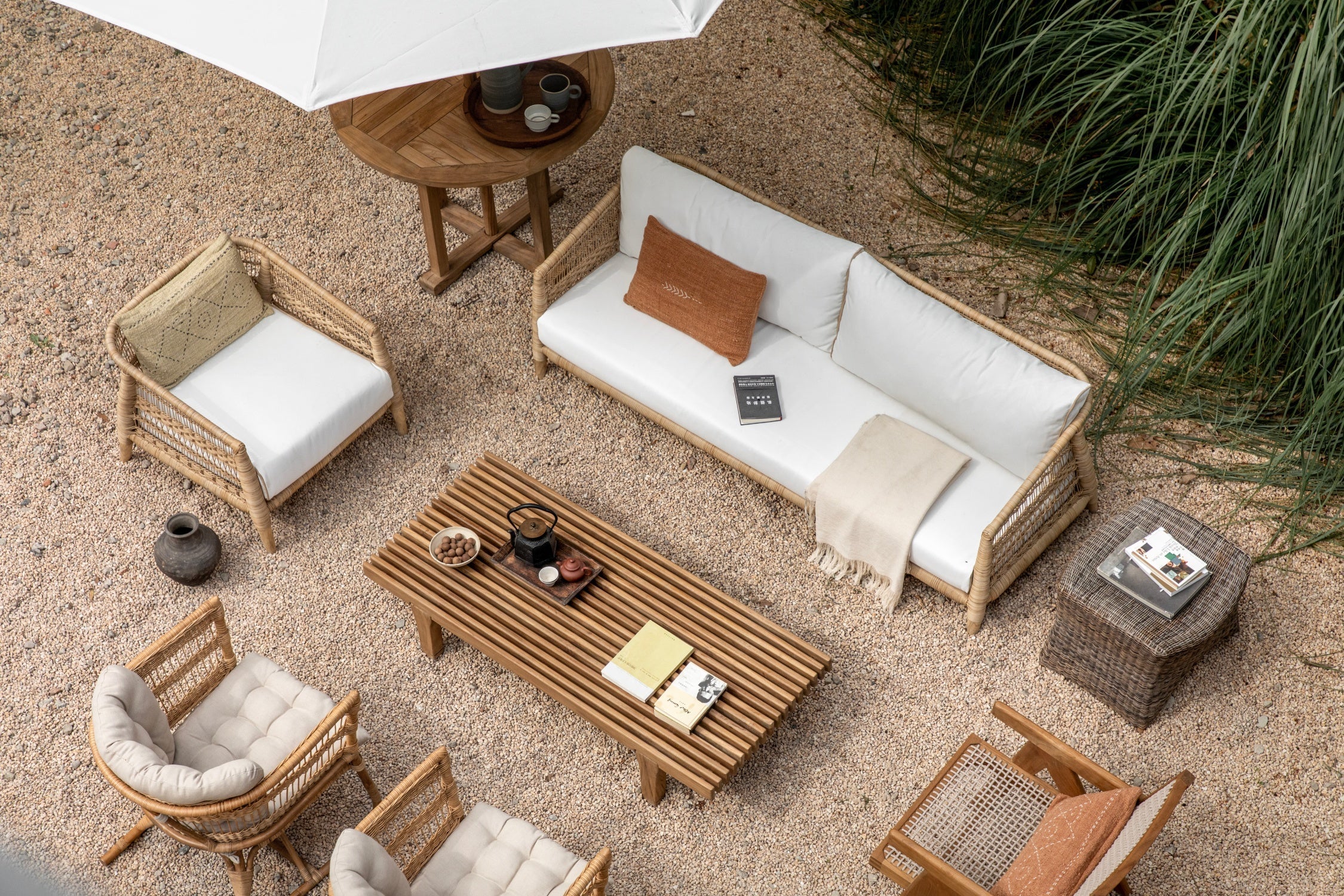
The table should sit in the "U" or "L" shape created by your sofas and chairs. For a standard setup, the table usually sits directly in front of the largest seating piece. If you have a sectional, the table needs to be reachable from both sides of the "L" shape.
Step 2: Finding the Right Size and Height for Comfort
Scale is the most important part of a comfortable setup. A table that is too high or too far away makes it difficult to reach for a glass of water.
Length vs. Seating Width
A good rule of thumb is to choose a table that is roughly two-thirds the length of your main outdoor sofa. For example, if your sofa is 90 inches long, a 60-inch table looks balanced. If the table is much shorter than half the sofa length, it will look out of place and won't be reachable for people sitting on the ends.
Proper Clearance for Legroom
Place the outdoor coffee table about 14 to 18 inches away from the edge of the sofa cushions. This distance is close enough to reach your drink but far enough to allow you to sit down and stretch your legs. In smaller spaces, you can shrink this gap to 12 inches, but going closer usually makes the space feel trapped.

Match the Height
The top of the table should be the same height as your seat cushions or about 1 to 2 inches lower. Most outdoor lounge seats are 16 to 18 inches high. A table that sits significantly higher than the seat feels awkward, like a dining table. A table that is too low requires you to lean over uncomfortably every time you need something.
Step 3: Selecting the Best Shape for Your Furniture Arrangement
The shape of your table dictates how people move through the space. Different layouts require different silhouettes to maximize both style and utility in your backyard.
Rectangular Outdoor Coffee Tables
A rectangular outdoor coffee table is the most common choice for traditional sofas or long sectionals. Its elongated shape mirrors the lines of the seating, providing a surface for everyone on the couch. This shape works best in larger, defined rectangular areas where you have plenty of room for wide pathways.
Square Tables for Symmetrical Areas
Square tables are ideal for "U" shaped seating arrangements or groupings of four armchairs. They fill the center of a square space perfectly. If you have a deep sectional with equal lengths on both sides, a square table sits neatly in the corner nook.
Round and Oval Options
Round tables are excellent for small decks or homes with active children. The lack of sharp corners makes them safer for kids running around. Visually, round shapes soften the hard lines of a deck and make it easier to squeeze past in tight quarters. Oval tables offer the length of a rectangle but with the safety and flow of a round piece.
Nesting and Multiple Small Tables
Sometimes one large table is not the answer. Two small "nesting" tables or a pair of matching side tables can be pushed together or pulled apart. This is a smart move if you often host parties and need to move furniture around to accommodate different groups.
Step 4: Choosing Materials Based on Climate and Upkeep
Furniture outside has to deal with harsh weather that furniture inside never has to. What kind of material is best for your outdoor coffee table should depend on the local weather.
Wood Options
Teak is the gold standard for outdoor wood because it has natural oils that repel water and insects. It will turn a silvery gray over time unless you oil it.
Acacia is a more affordable wood but requires more frequent sealing to prevent cracking. Wood adds warmth to a patio but generally requires more maintenance than metal.
Metal Durability
Aluminum is lightweight, rust-proof, and very easy to clean, making it a favorite for rainy or coastal areas. Steel and wrought iron are much heavier and sturdier in windy locations, but they must be powder-coated to prevent rust. Be aware that metal can get very hot if left in direct summer sun.
Wicker and Rattan
Natural rattan will rot if left in the rain. For outdoors, look for "all-weather" synthetic wicker made from High-Density Polyethylene (HDPE). This plastic material mimics the look of woven wood but can handle moisture and sun without fading or breaking.
Stone, Concrete, and Ceramic
These materials are incredibly heavy and stable, so they won't blow away in a storm. Concrete offers a modern look but can be porous; it needs a sealer to prevent food stains. Tile-top tables offer beautiful patterns but may have grout lines that need cleaning or repair over time.
Glass Tops
Glass provides a light, airy look that doesn't block the view of a beautiful outdoor rug. Tempered glass is strong, but it shows every fingerprint and water spot. If you live in a dusty area, you might find yourself wiping it down daily.

Step 5: Matching Style and Color with Your Decor
The way your table looks should feel like it's an extension of your living room. You want the colors and textures to go with the chairs and surroundings you already have.
Align with Design Themes
If your home is modern, look for clean lines and dark metals. For a coastal vibe, light-colored woods or white-washed finishes work best. A boho-style patio might benefit from a woven texture or a colorful ceramic top.
Select Colors
Neutral colors like gray, beige, and black are safe bets because they match almost any cushion color. However, a bold-colored table can act as a centerpiece if your seating is neutral. Think about your flooring; a dark wood table might disappear on a dark wood deck, so look for contrast to make the piece stand out.
Step 6: Evaluating Function and Special Features
Think about how you use your patio. Do you eat dinner there, or is it strictly for morning coffee? Extra features can make your furniture work harder for you.
Storage and Multi-Use Designs
Some tables feature a lift-top mechanism, allowing you to raise the surface for dining or working on a laptop. Others have hidden compartments under the top where you can store throw blankets or pillows. If you have a very small space, look for a sturdy table that can also serve as an extra stool when you have more guests than chairs.
Portability and Safety
If you like to rearrange your furniture often, look for lightweight aluminum or tables with built-in handles. For families, stability is key. A heavy base prevents the table from tipping if a child leans on it. Always check for smooth edges and shatter-resistant materials if you have pets or kids.
Step 7: Caring for Your Table for Long-Term Use
If you take some care of things, even the toughest ones will last longer. If you take care of your investment, it will look great for many years to come.
Protection and Storage
Using a fitted waterproof cover is the easiest way to prevent sun fading and water damage. If you live in a climate with snow and ice, try to move the table into a garage or shed during the winter. This prevents the "freeze-thaw" cycle from cracking stone or wood.
Simple Cleaning Routines
For most tables, a bucket of warm water with a squirt of mild dish soap is all you need. Use a soft brush to get into the crevices of wicker or wood. Avoid power washers, as the high pressure can strip away paint or damage the wood grain.
Quality Checks
Before you buy, look at the hardware. Stainless steel or brass screws won't rust. Check if the table requires assembly; if it does, make sure the pieces fit together tightly without wobbling. A solid warranty is also a sign that the manufacturer trusts the product's durability.
Picking the Best Outdoor Coffee Table for Your Home
Finding the right outdoor coffee table turns a simple patio into a comfortable living room. Focus on a size that leaves plenty of legroom and a material that survives your local weather. A smart choice stops your furniture from rusting or fading. When the table fits your layout and style, the whole space feels complete. You end up with a reliable spot for every morning coffee and weekend gathering.

FAQs: Choosing an Outdoor Coffee Table
Q1: What size outdoor coffee table should I get for my patio sofa?
The table should be about two-thirds the length of the sofa. Leave 14 to 18 inches of space between the sofa and the table for legroom.
Q2: Which outdoor coffee table material lasts the longest outside?
Teak wood and powder-coated aluminum are usually the longest-lasting. Teak resists rot naturally, while aluminum does not rust, making them both great for high-moisture areas.
Q3: Is a round or rectangular outdoor coffee table better for small spaces?
Round or oval tables are often better for small spaces. They lack sharp corners, which makes the area feel less crowded and allows for better movement in tight spots.
Q4: Do I really need a cover for my outdoor coffee table?
Yes, a cover significantly extends the life of your furniture. It protects the finish from UV rays, prevents wood from graying, and keeps metal from getting too much moisture exposure.


