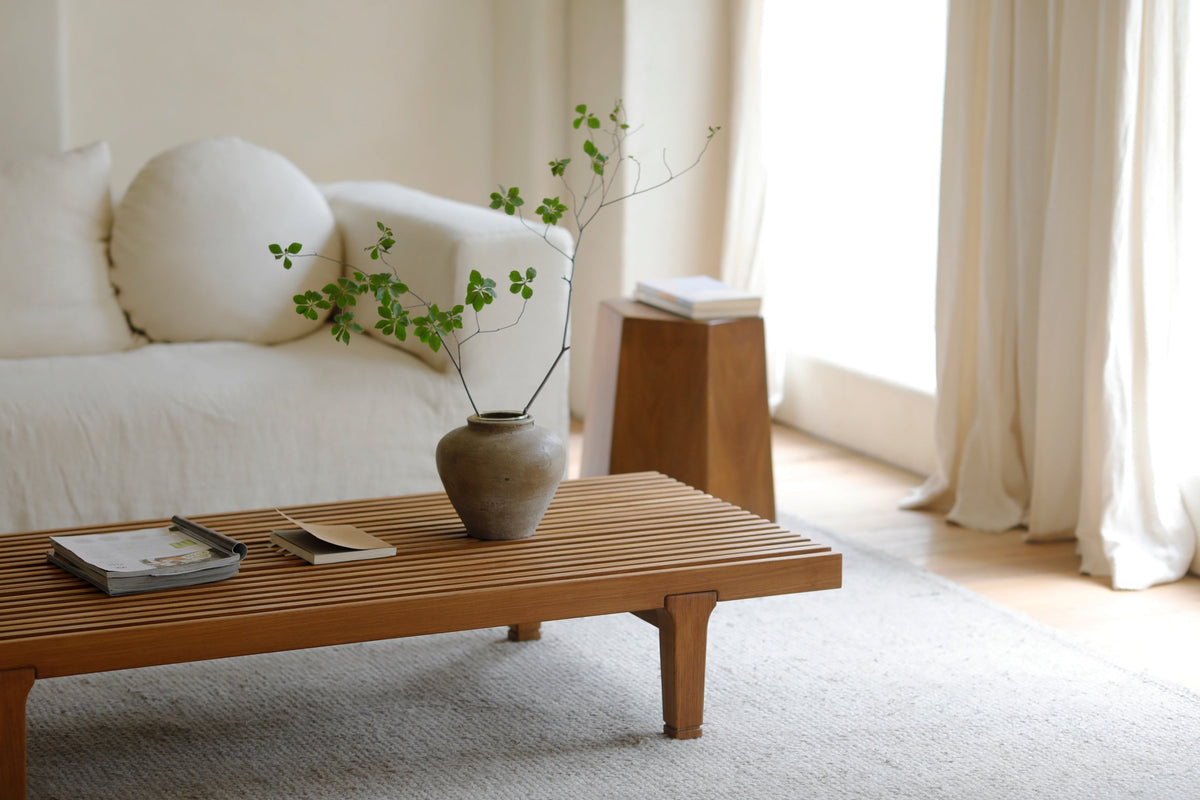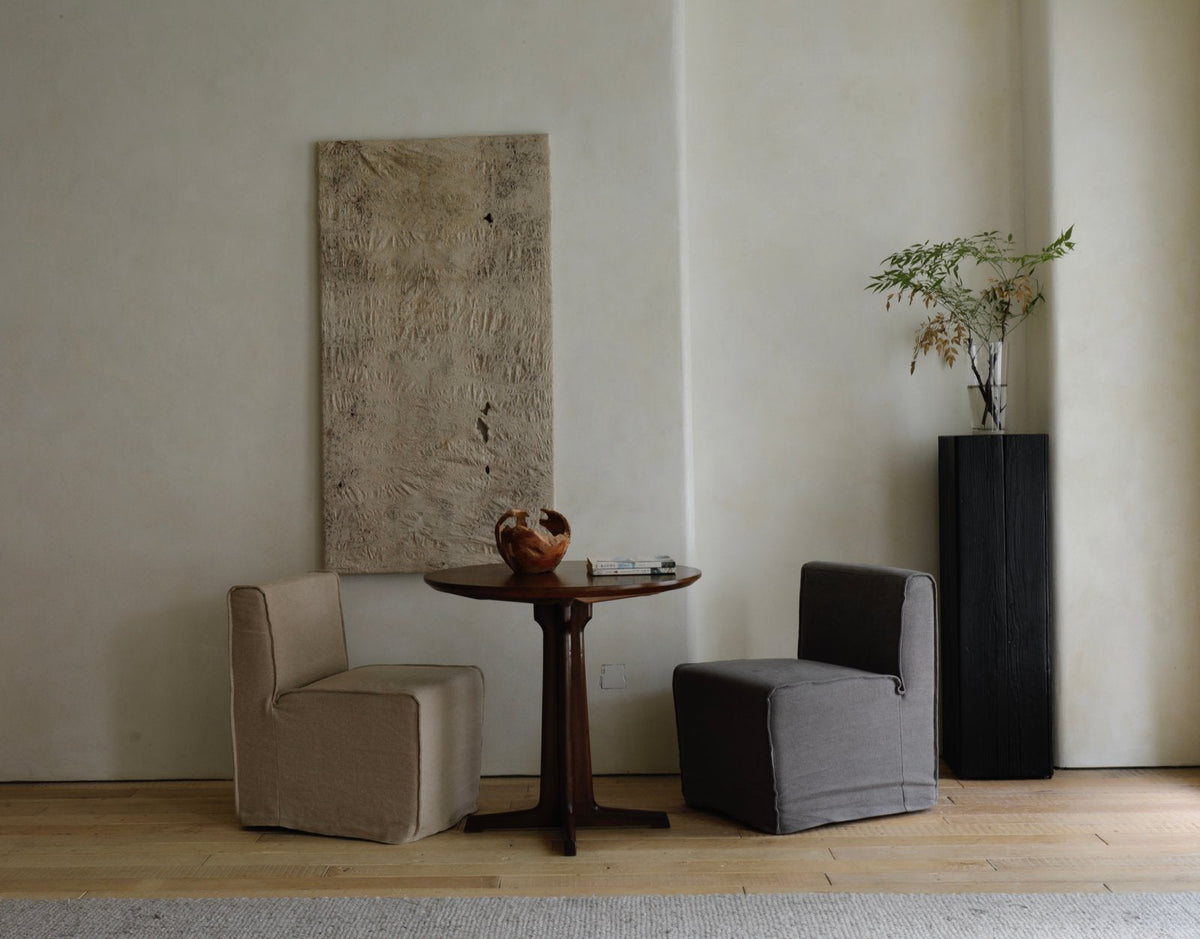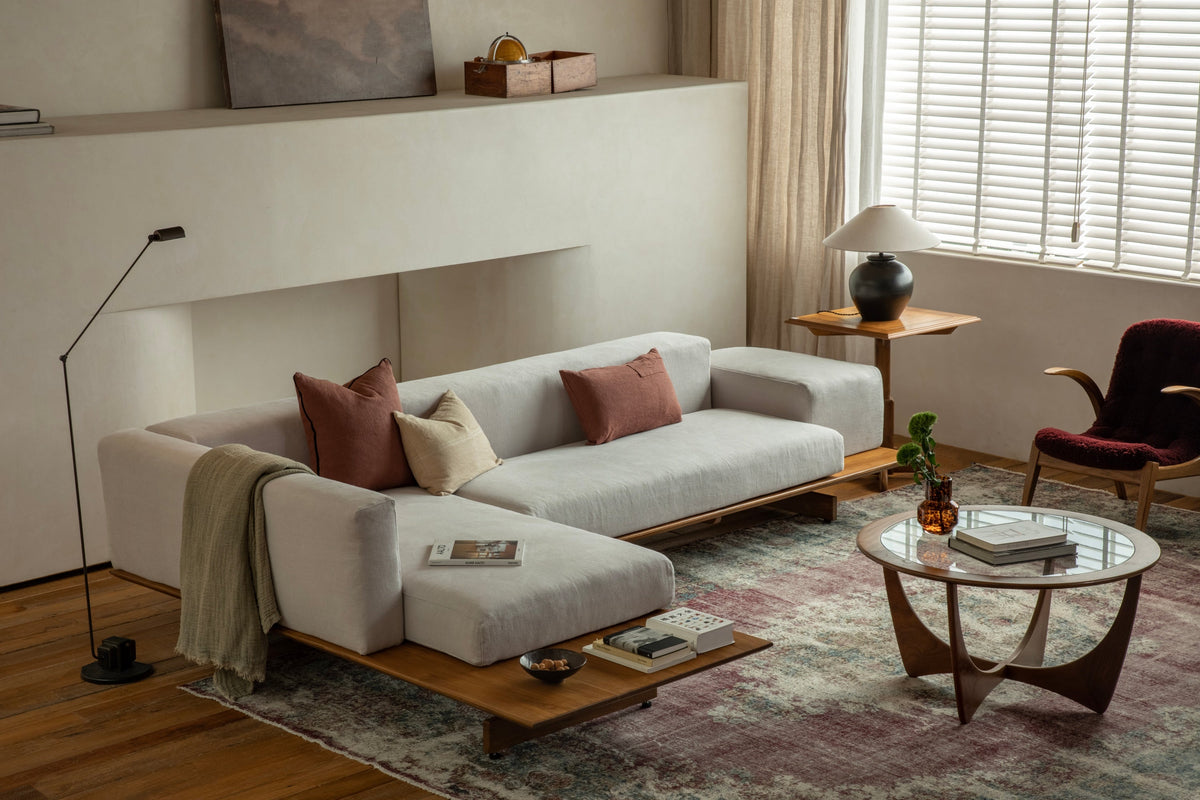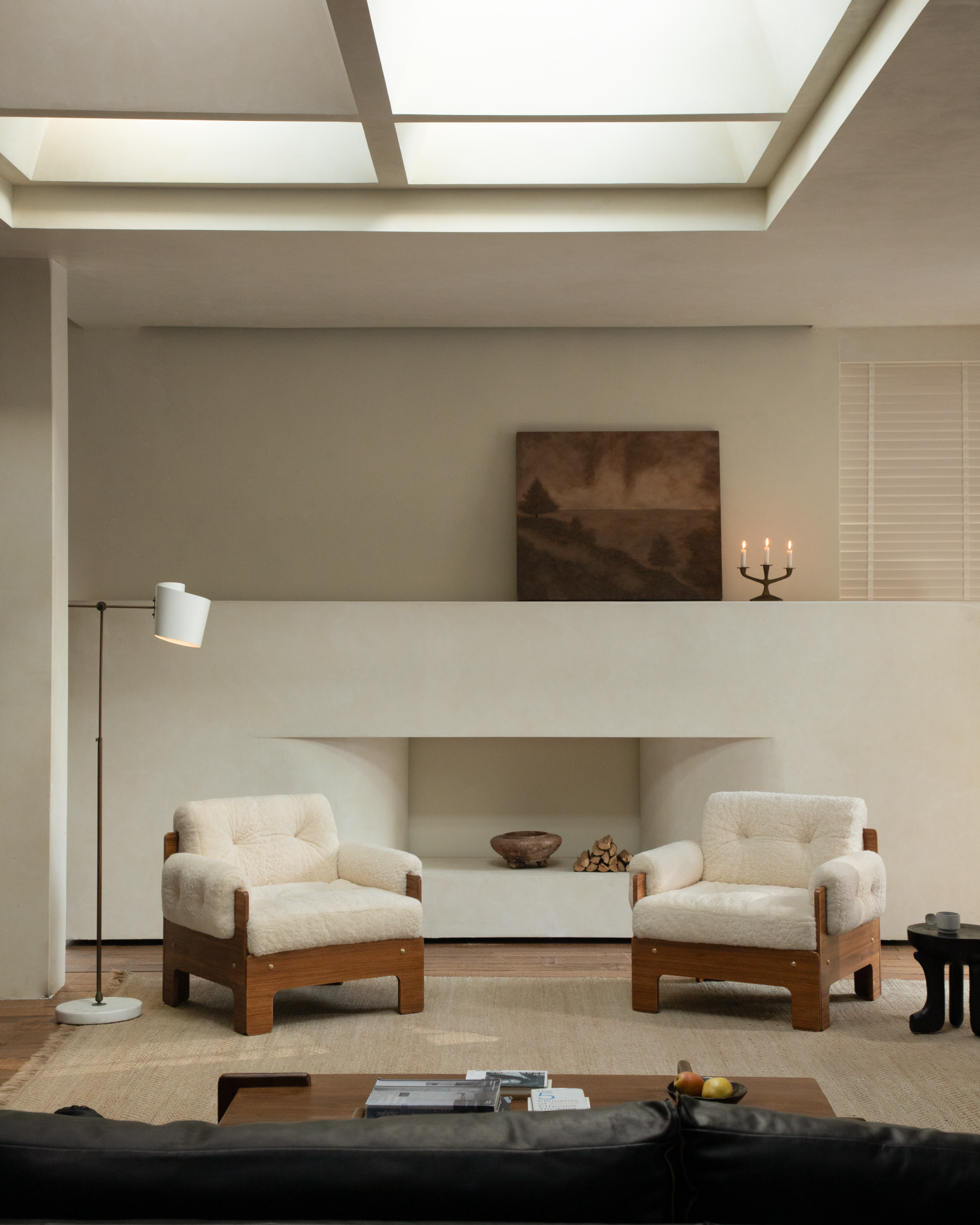

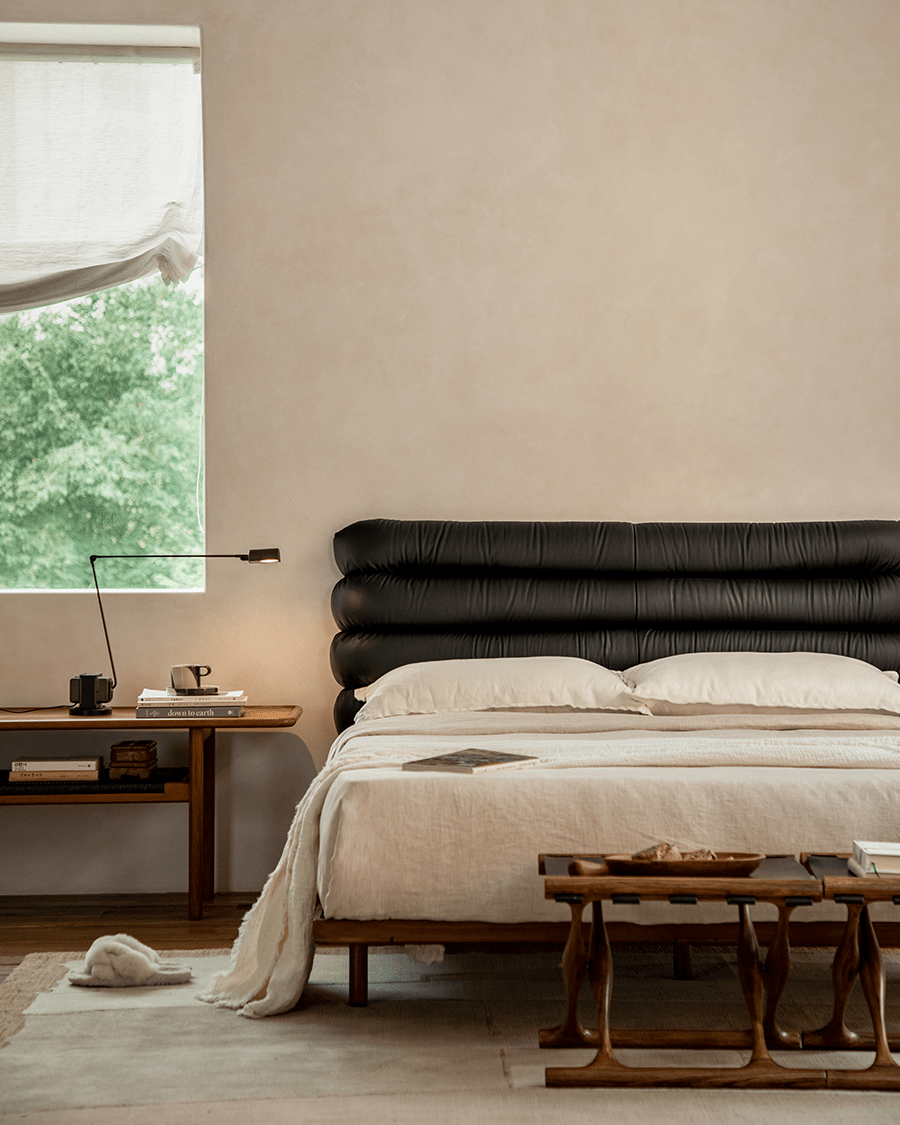
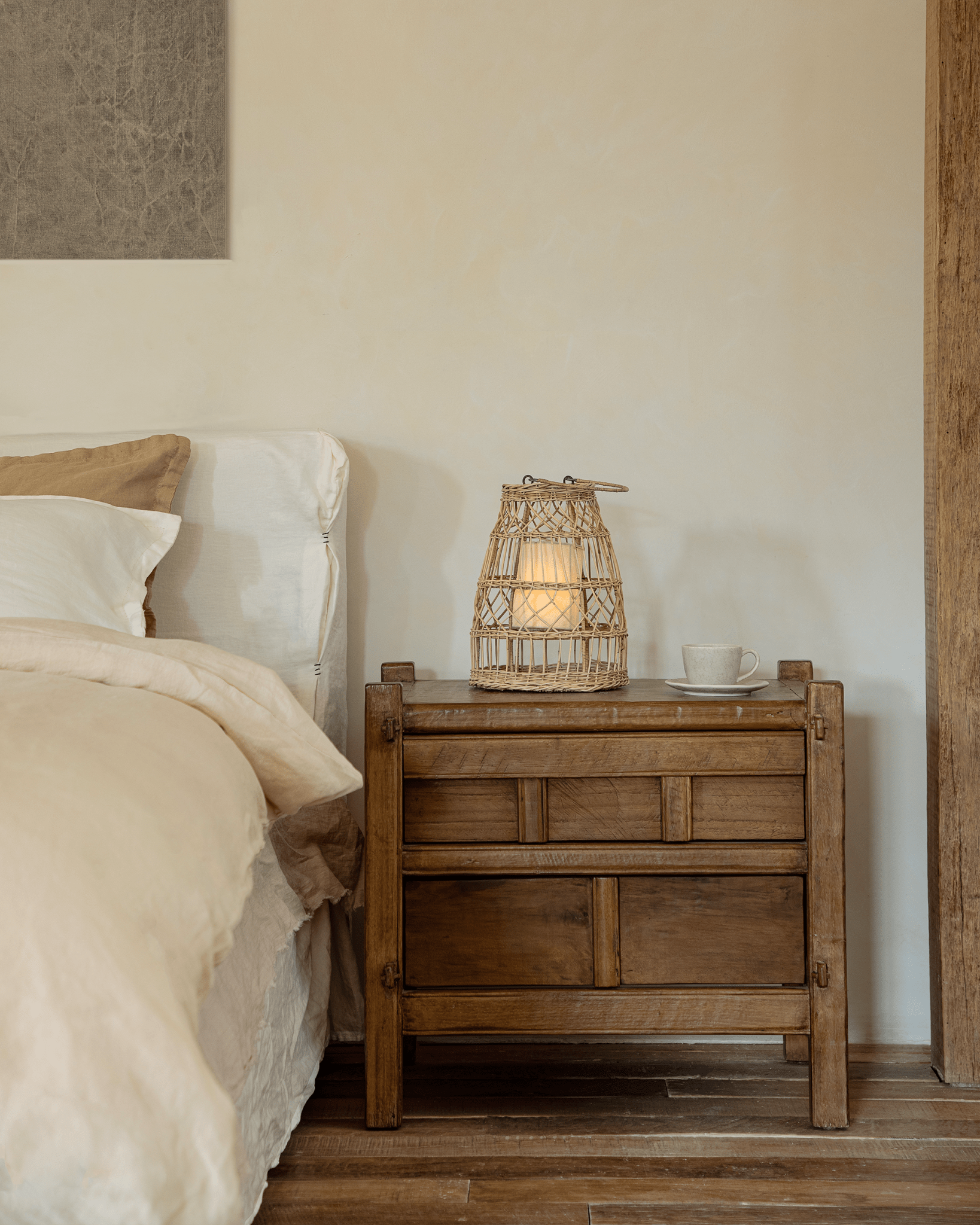
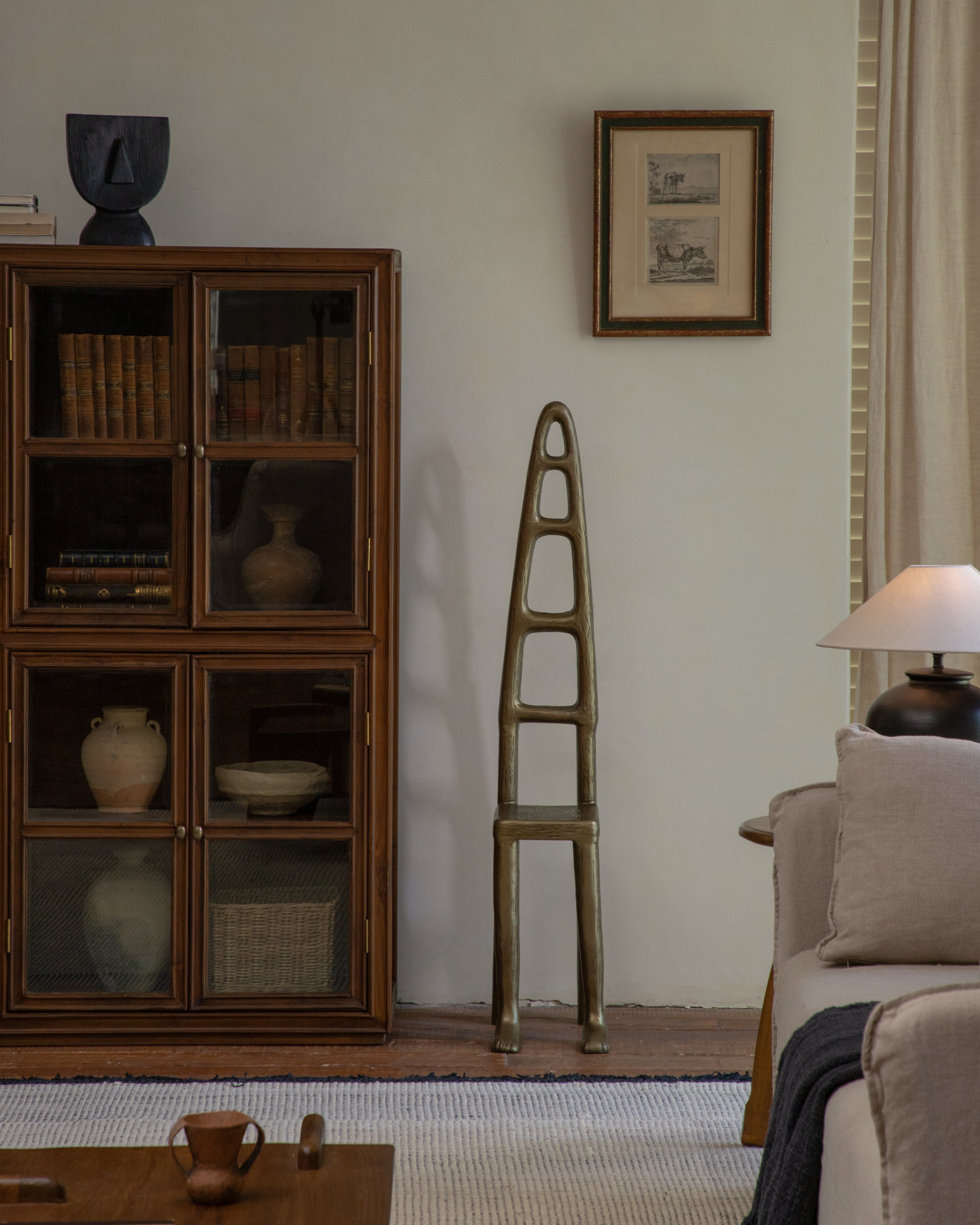

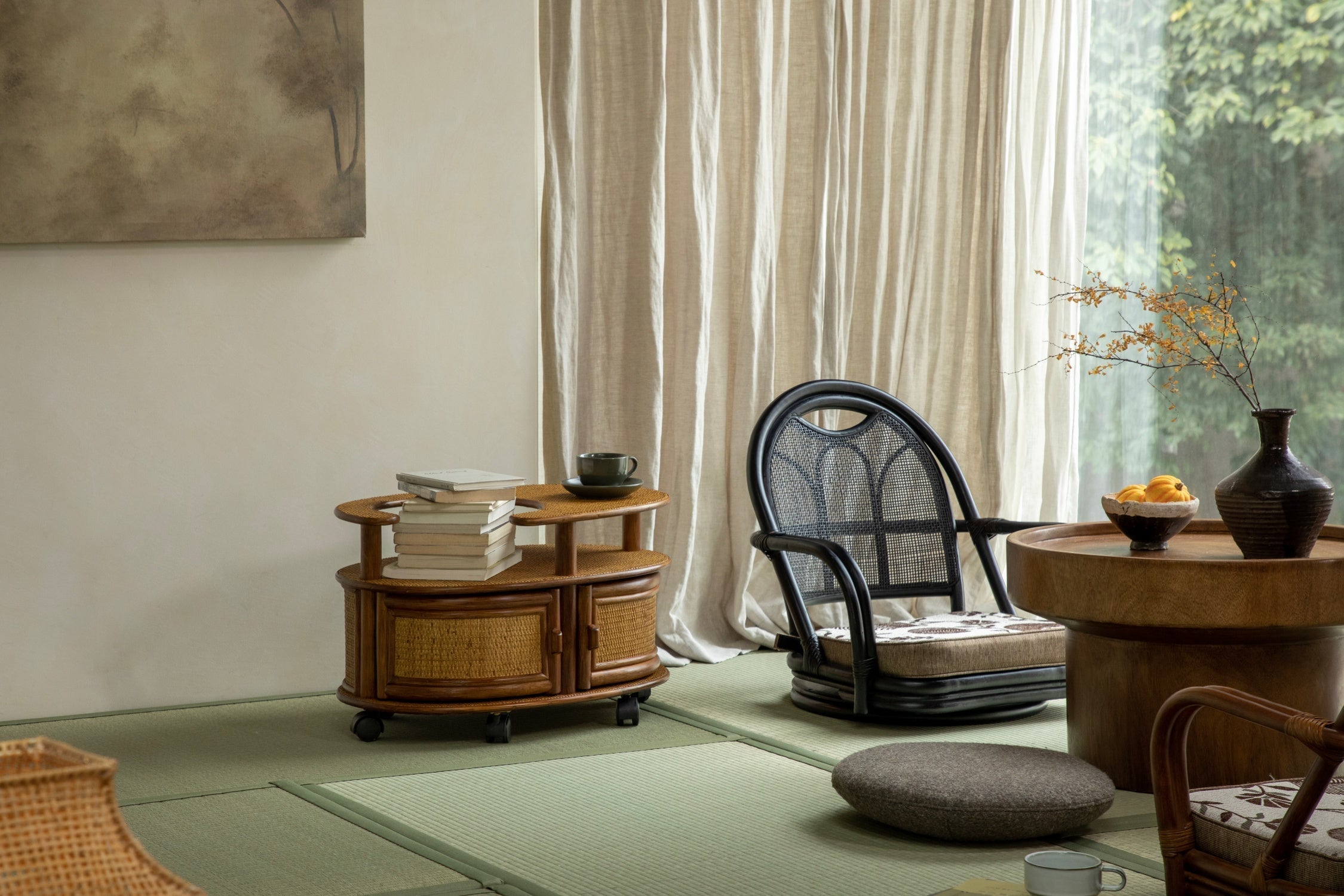

A bulky, traditional nightstand might not fit your space or your style. This leads to a common question: can you just use a side table instead? The answer is a definite yes. Using a side table as a nightstand is a smart way to save space and add a unique look to your room. As long as the table is the right height and holds what you need, it can be a perfect fit. In the sections below, you will find out how to pick the best table, avoid common sizing mistakes, and style your bedside area like a pro.
The Quick Verdict
A side table works as a nightstand if its top is about the same height as your mattress. It needs to be stable enough not to tip over and have enough room for your lamp and phone. If you have a lot of clutter you want to hide, a traditional nightstand with drawers is likely a better choice.
What Is the Difference Between a Side Table and a Nightstand?
While the names change depending on which store you visit, the job they perform in your bedroom stays the same.
Define the Nightstand vs. the Side Table
- A nightstand is a piece of furniture specifically designed to sit beside a bed. Because its primary goal is bedroom utility, it usually features storage like drawers or cubbies to hide personal items and keep the tabletop clear.
- A side table, on the other hand, is a broader term for a small table intended to be placed beside any seating, like a sofa or armchair. Side tables are often more decorative and "open," focusing on a stylish surface rather than deep storage.
Focus on Function Over Furniture Labels
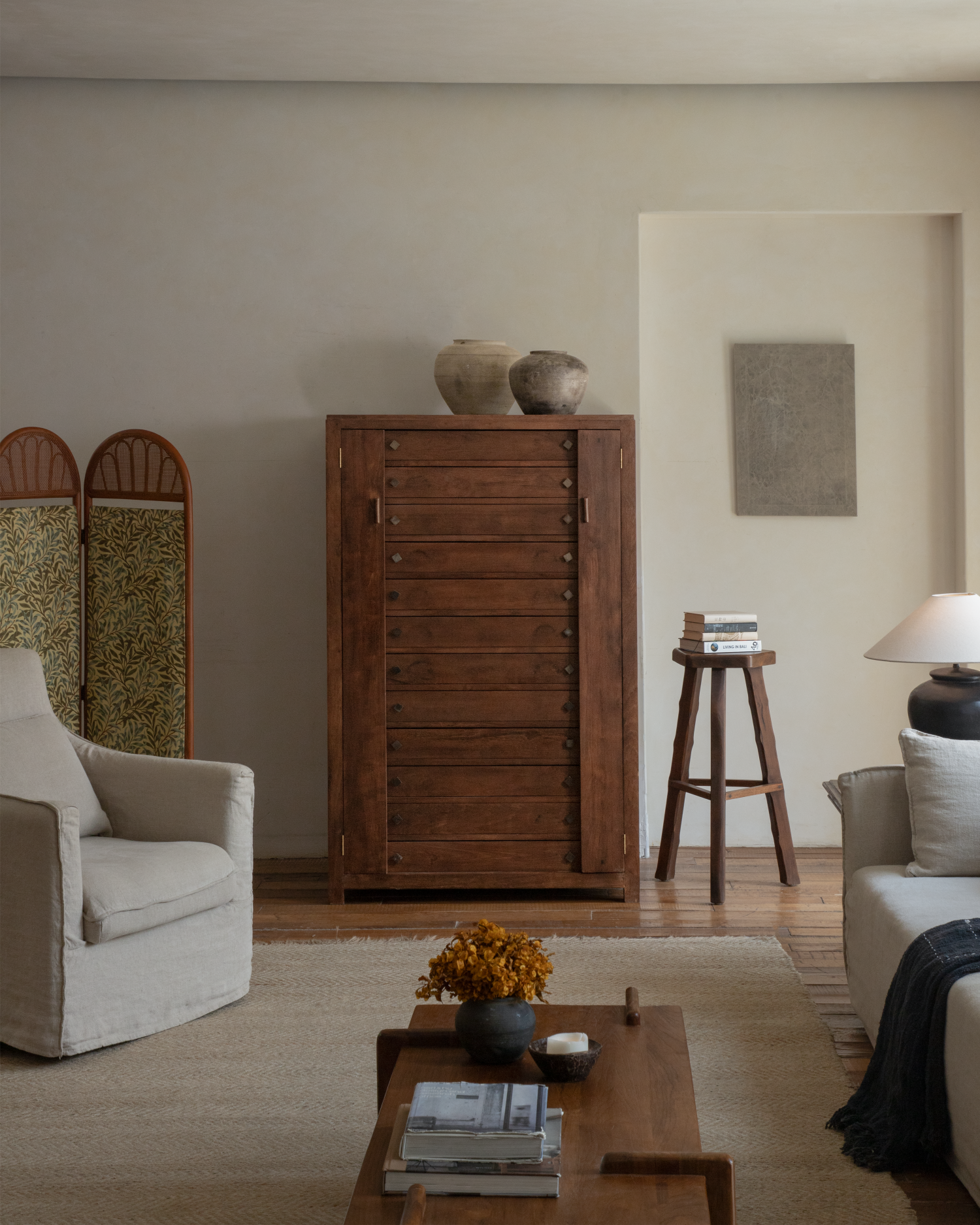
Retailers use terms like side table, end table, and bedside table almost interchangeably. However, the label on the tag matters much less than how the piece fits your space. If a piece of furniture is stable and sits at a comfortable height next to your bed, it functions as a nightstand regardless of what the tag says. The "function-first" rule means you should shop for your specific routine. Do you read a heavy book before bed? You need a sturdy top. Do you just need a place to drop your phone? A slim reclaimed wood side table might be all you need. As long as the piece supports your habits and reaches your hand easily, it belongs in the bedroom.

Top Benefits of Using a Side Table As a Nightstand
Putting a non-traditional table next to your bed has a lot of benefits that a normal bedroom set can't offer. For example, you can save money and feel like your room is much bigger than it really is.
Better Fit for Small Bedrooms
Standard nightstands are often wide and boxy. In a small apartment or guest room, a bulky cabinet can block the path to the closet. Side tables come in much narrower shapes. You can find "C-shaped" designs or slim pedestals that slide into tight gaps where a regular nightstand would not fit.
More Style Options
Matching bedroom sets can feel stiff. Mixing a reclaimed wood end table with a metal bed frame creates a layered, professional look. Using a side table allows you to use materials like glass, stone, or woven rattan. This breaks up the "matchy" look and gives your space more personality.
Lightweight and Easy to Move
Side tables are generally lighter than heavy nightstands. This makes it much easier to rearrange your furniture, clean under the bed, or move the table to another room if your needs change.
Lower Costs
Furniture labeled as a "nightstand" often costs more because it has drawers and extra hardware. A simple side table is usually more affordable. This helps you save money for a high-quality mattress while still having a stylish spot for your water glass and reclaimed wood side table decor.
Common Drawbacks and Trade-offs to Consider
While there are many pros, swapping a nightstand for a side table does come with a few challenges.
Lack of Hidden Storage
The biggest downside is the lack of drawers. Most side tables are open underneath. If you use your bedside area to store medications, charging cables, journals, and sleep masks, these items will stay visible. Without a drawer to hide them in, your bedroom can quickly look messy. You have to be more disciplined about what you keep on the surface.

No Built-in Cord Management
Modern nightstands often have holes in the back for cords or even built-in USB ports. Side tables rarely have these features. You will likely see your phone charger and lamp cord hanging down the side of the table. If you hate the look of tangled wires, you will need to find your own way to tuck them away or clip them to the table legs.
Stability and Surface Limits
Side tables are often lighter than heavy bedside cabinets. If you have a thick carpet or a very high bed, a tall, thin table might wobble when you reach for your alarm. Additionally, the surface area is usually smaller. If you like to have a large lamp, a carafe of water, and three books nearby, a small reclaimed wood bedside table might feel too crowded.
What to Know Before You Buy: The Success Checklist
To make sure your new table fits your bedroom perfectly, you need to check a few specific details.
Match the Table Height to Your Mattress
Height is the most important factor for comfort. You need to find a tabletop that sits close to the top of your mattress. This makes grabbing your phone or a glass of water feel natural while you are lying down. To get this right, measure from the floor to the top of your mattress and look for a table within two inches of that number.
Measure Your Bedside Surface Needs
Think about what you need to fit on the table every night. Common items include a lamp, phone, charger, book, and glasses. If you use a decorative tray to keep things organized, make sure the table is wide enough to hold that tray securely. A small reclaimed wood side table looks great, but it must have enough room for your lamp base and a water bottle.
Decide on Hidden vs. Visible Storage
If you want a clean and tidy look, choose a table with a shelf or a small drawer. An open bottom shelf is perfect for a basket that can hold messy items like charging cables or journals. If you are a true minimalist, a simple flat tabletop without any extra storage may be enough for your needs.
Check for Stability and Safety
Safety is a factor in daily use. A very tall and narrow table can be unstable and might tip over easily. Check the width of the base compared to the height. Heavier materials, like a solid reclaimed wood end table, stay in place better than lightweight plastic or thin metal versions that might slide around on the floor.
Plan for Room Layout and Cords
Make sure the table does not block your walkway or prevent you from opening closet doors. Look at where your wall outlets are located. You want to place the table so that your phone and lamp cords can reach the plug easily without stretching across the floor.
Professional Styling Tips for Your Side Table
You want the table to look like it belongs in a bedroom instead of a living room once you have it. Making the change from "living room furniture" to "bedside essential" feel normal comes down to styling.
Use an Anchor Item
Every bedside surface needs one main focal point. A lamp is the most common choice. If your side table is very small, consider installing a wall-mounted light (sconce) above the table instead. This frees up the entire surface for your books and phone. If you do use a lamp, make sure the scale matches. A tiny table looks odd with a massive lamp on top.
Balance the Visual Height
If your side table is a bit on the short side, you can make it look taller by using a tall, thin lamp. If the table is tall and narrow, use a shorter, rounder lamp to ground the look. You can also stack a couple of coffee table books under a small decorative object to add height and fill the space between the table and the headboard.
Use a Tray to Organize Small Items
To keep an open side table from looking like a junk pile, use a small tray. Place your watch, rings, and lip balm inside the tray. This "corrals" the clutter. It makes the items look like a deliberate decoration rather than a mess you forgot to clean up.

Side Table vs. Nightstand: Which Should You Choose?
Which piece is best for you will depend on your room size and how much "stuff" you like to sleep with close by.
- Choose a Side Table if: You have a small bedroom, you prefer a modern or minimalist look, you are on a budget, or you enjoy a "collected" look that isn't perfectly matched.
- Choose a Traditional Nightstand if: You need deep drawers to hide clutter, you want built-in charging stations, you prefer your furniture to match the bed frame exactly, or you have a very large master bedroom that needs "heavy" furniture to fill the space.
FAQs About Bedside Tables
Q1: Can any side table work as a nightstand?
Most can, but not all. The main things to check are height and stability. A very flimsy plant stand might look like a side table, but it won't be strong enough to hold a lamp and a heavy book safely. Always check the weight limit and the height relative to your bed.
Q2: Is a round side table a good choice?
Yes, round tables are great for bedrooms. They take up less visual space and are safer in small rooms because there are no sharp edges to hit your shins on. Just ensure the circular top is large enough to hold your lamp base without it feeling cramped.
Q3: How do I hide cords on an open side table?
Use cable management clips that stick to the back of the table legs. You can also use a small decorative box with a hole cut out of the back to hide your charging hub. Another trick is to place a basket on the bottom shelf of the reclaimed wood bedside table and run the cords behind the basket.