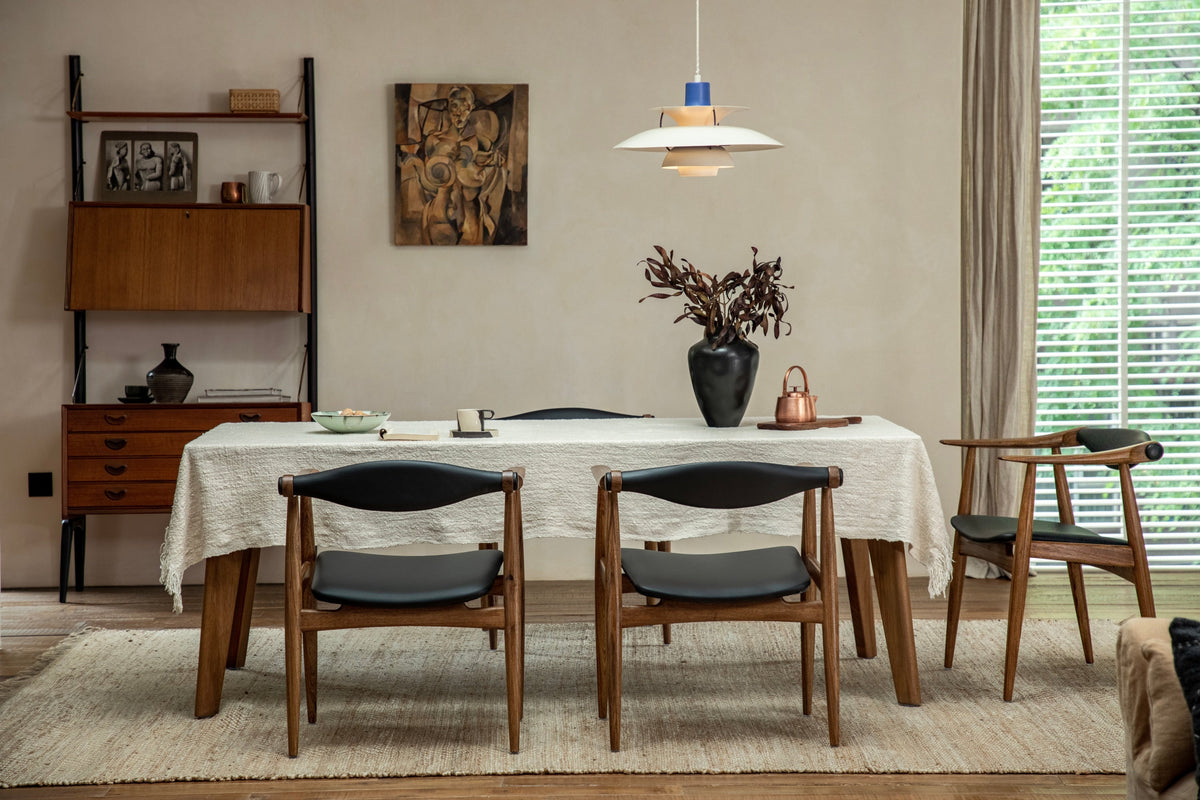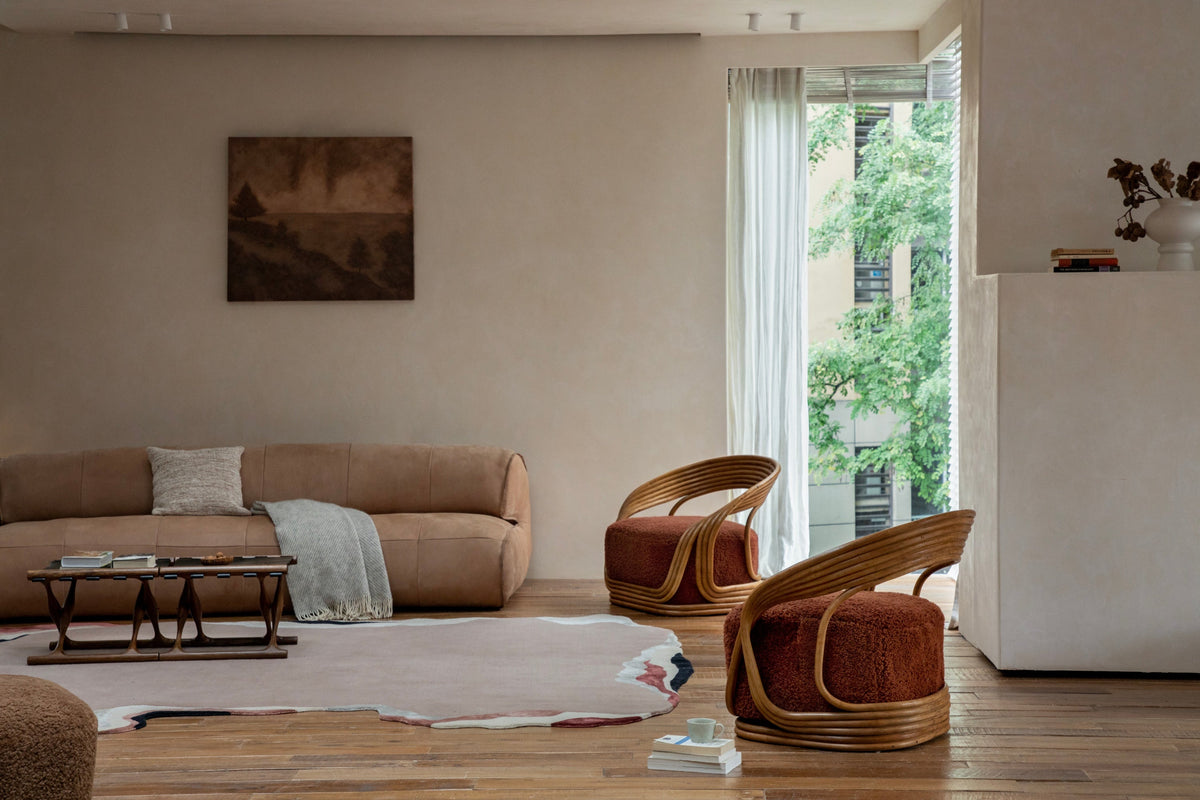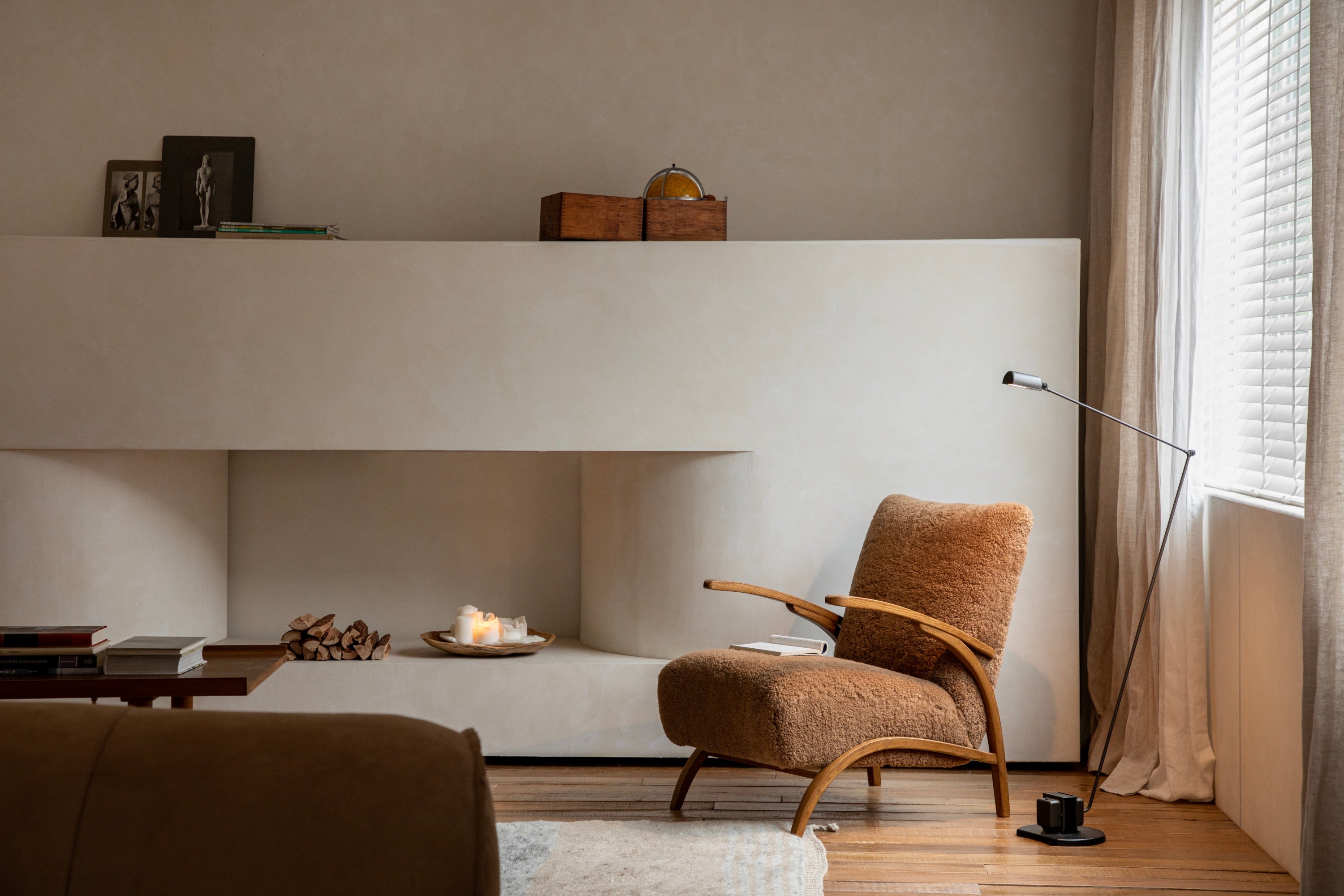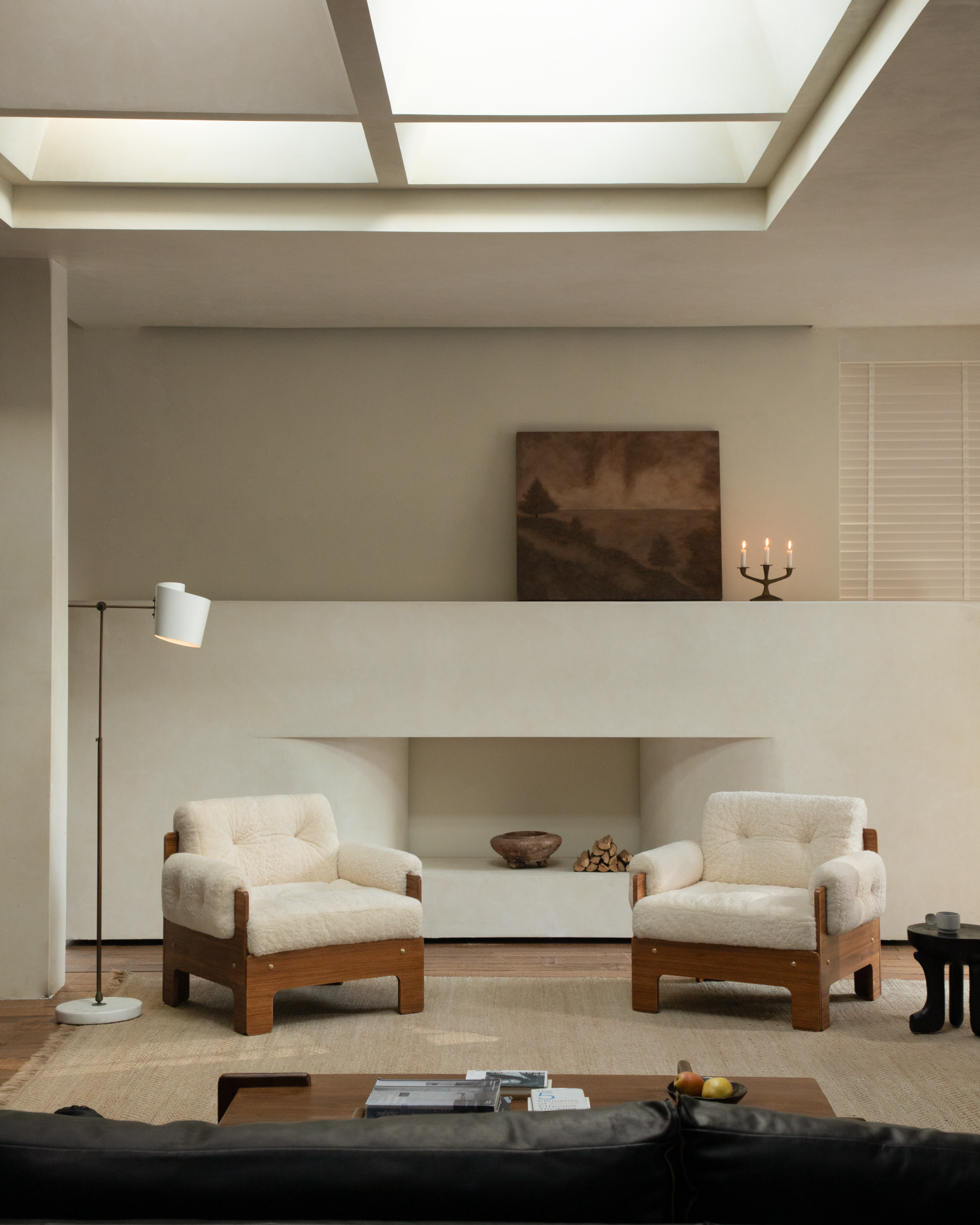
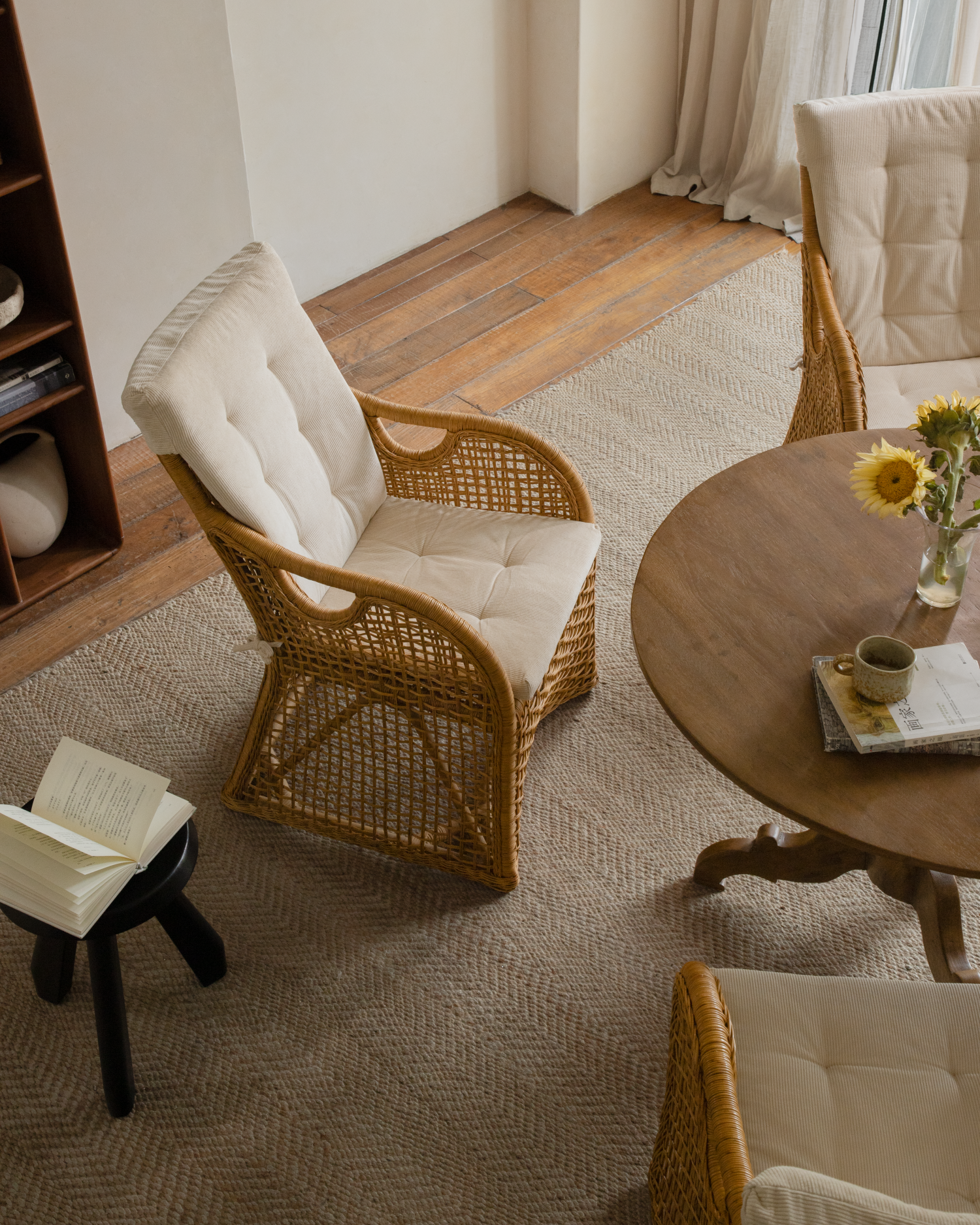
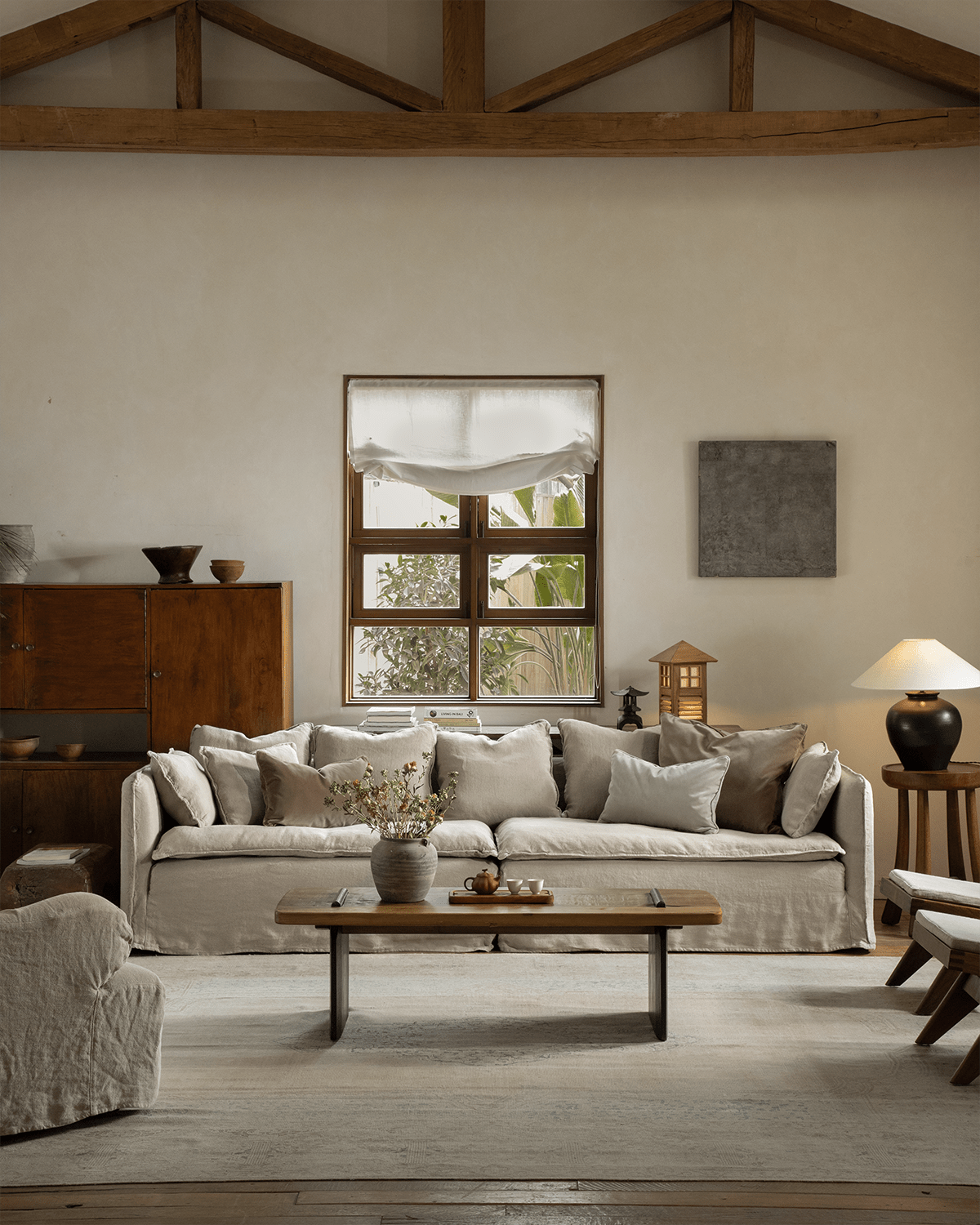
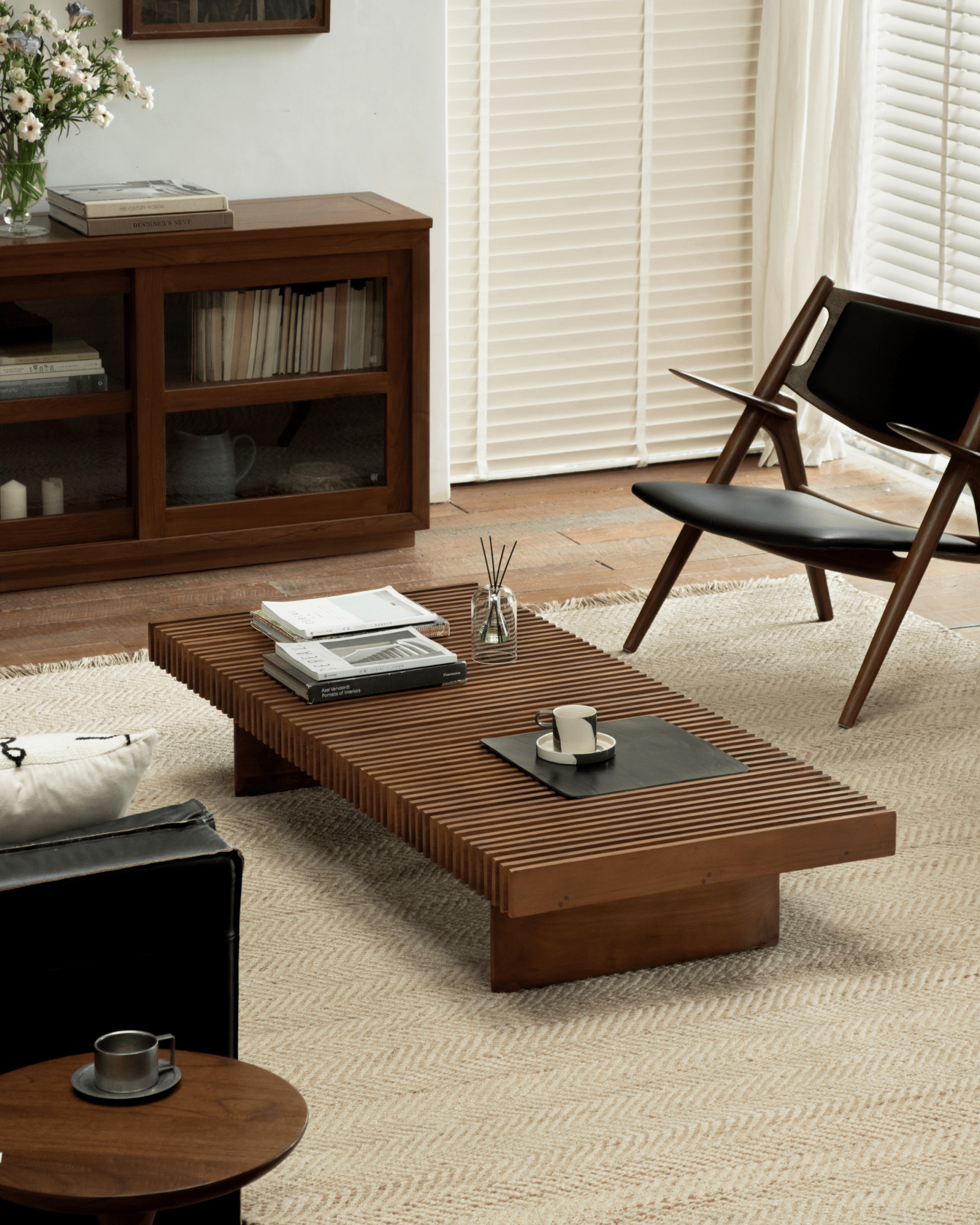
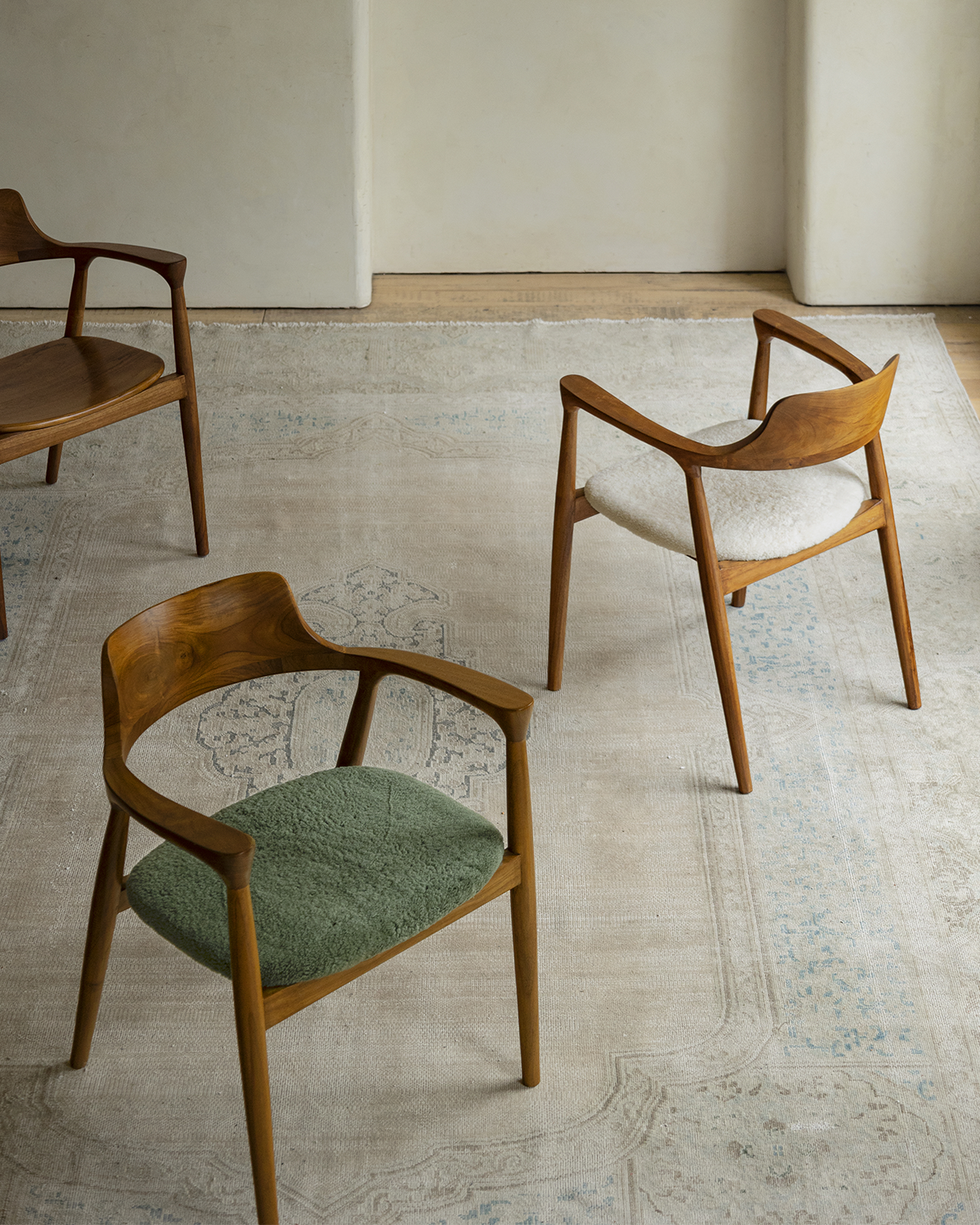

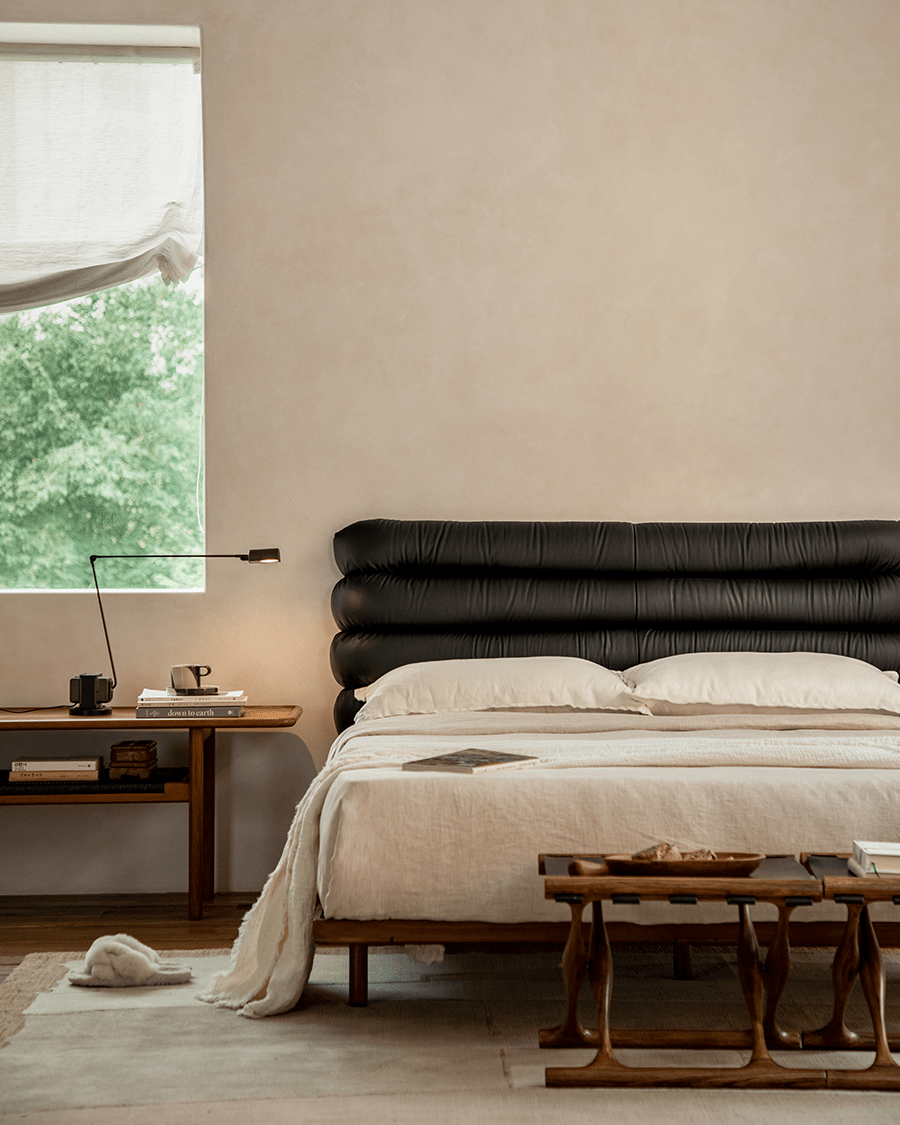
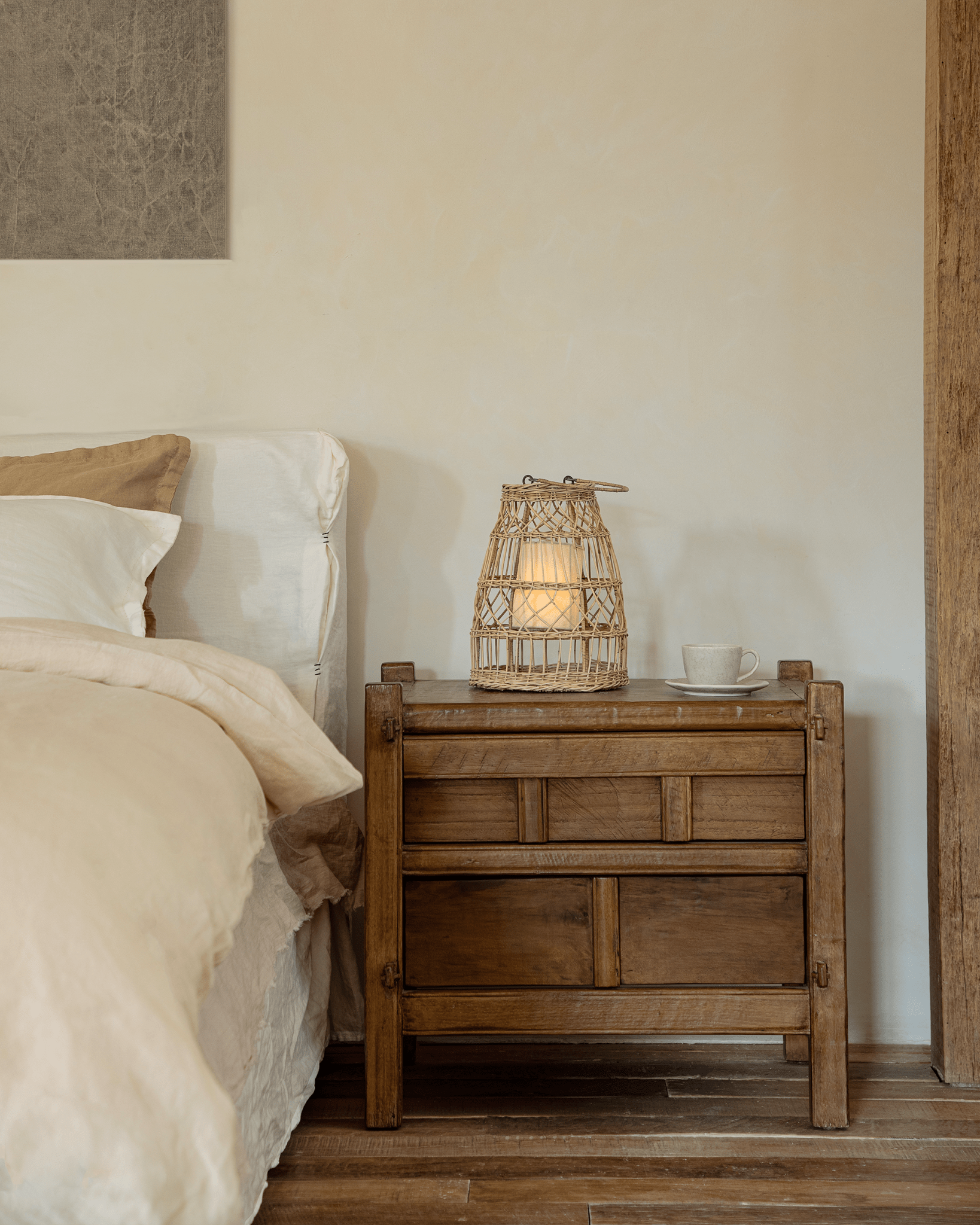
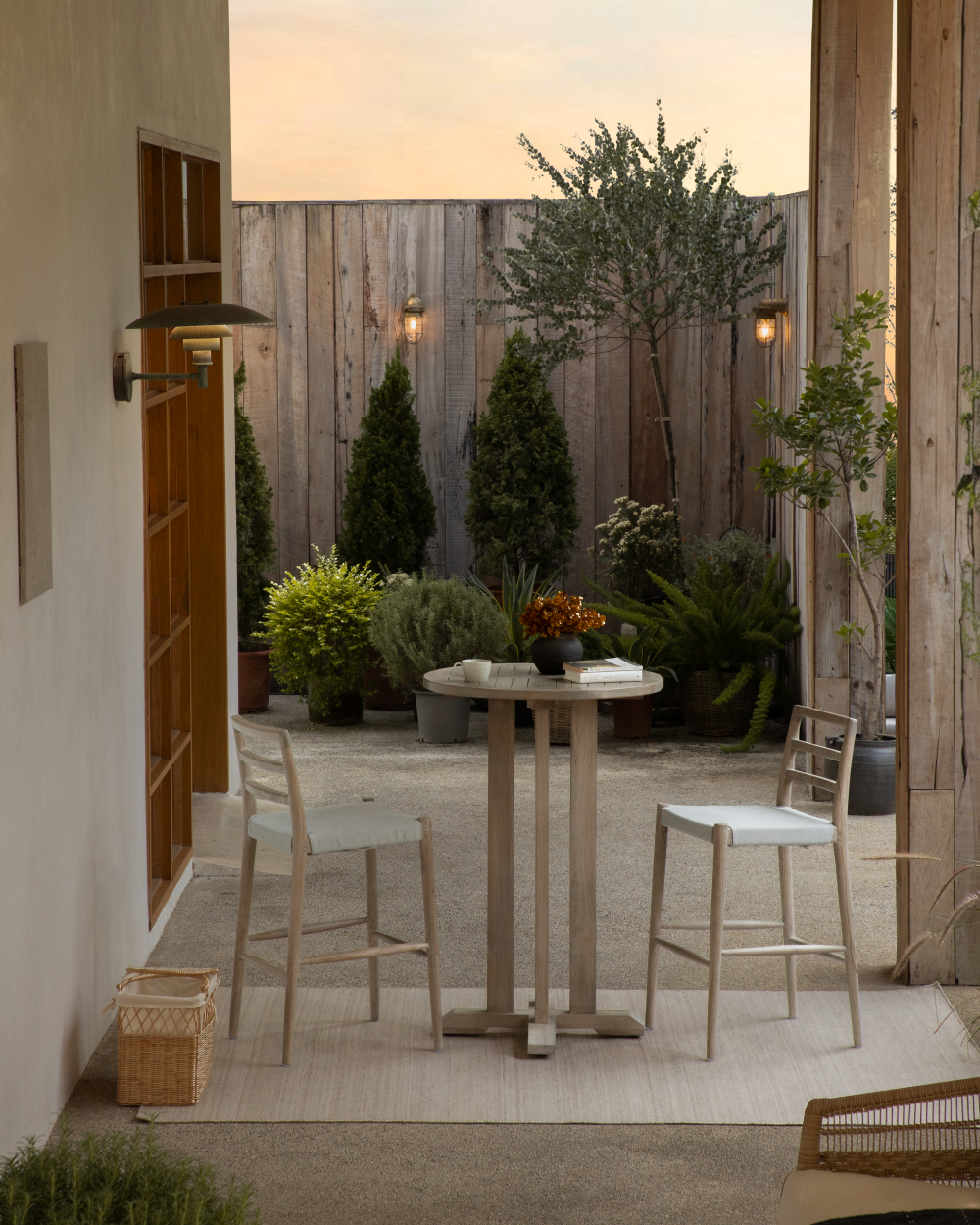
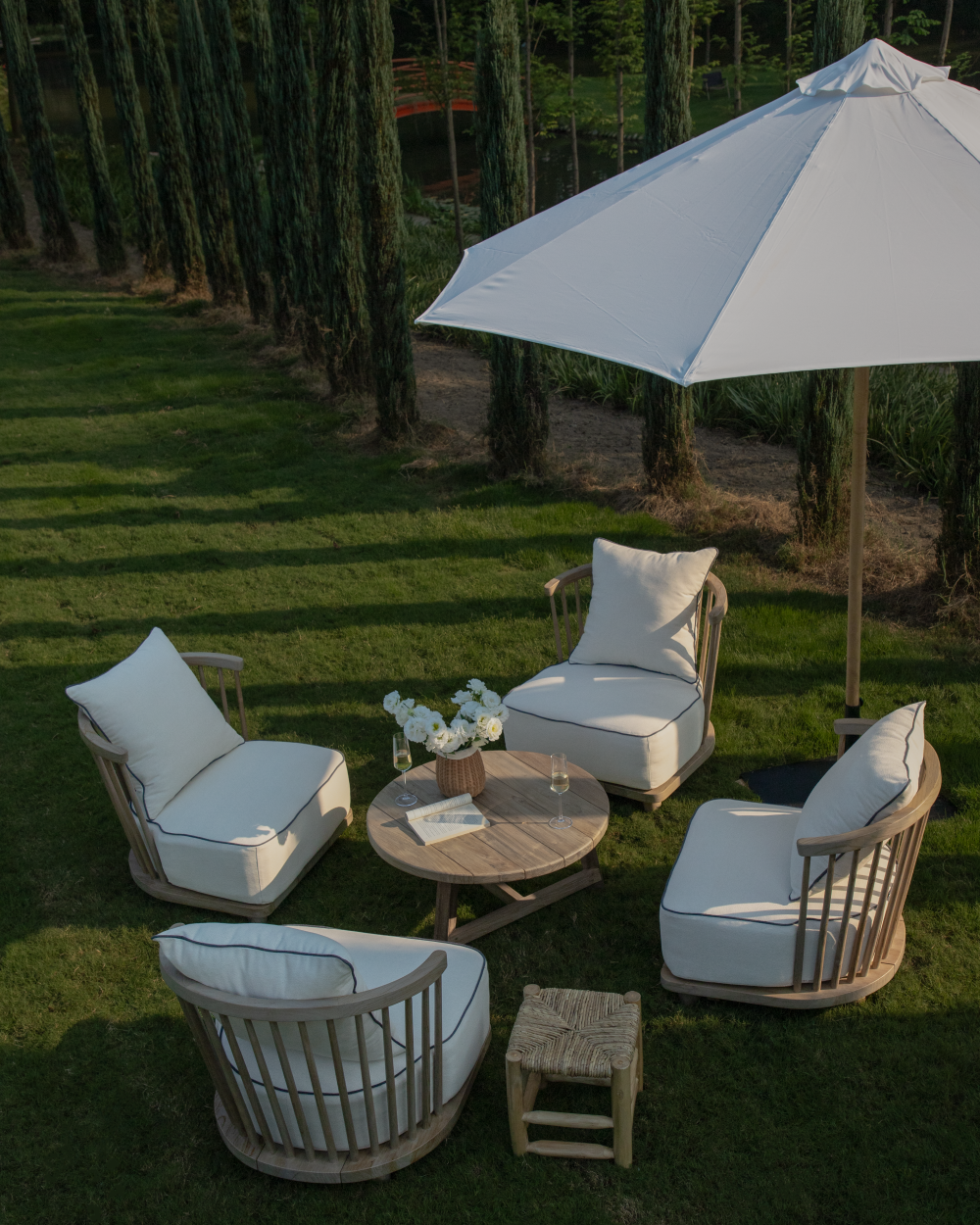
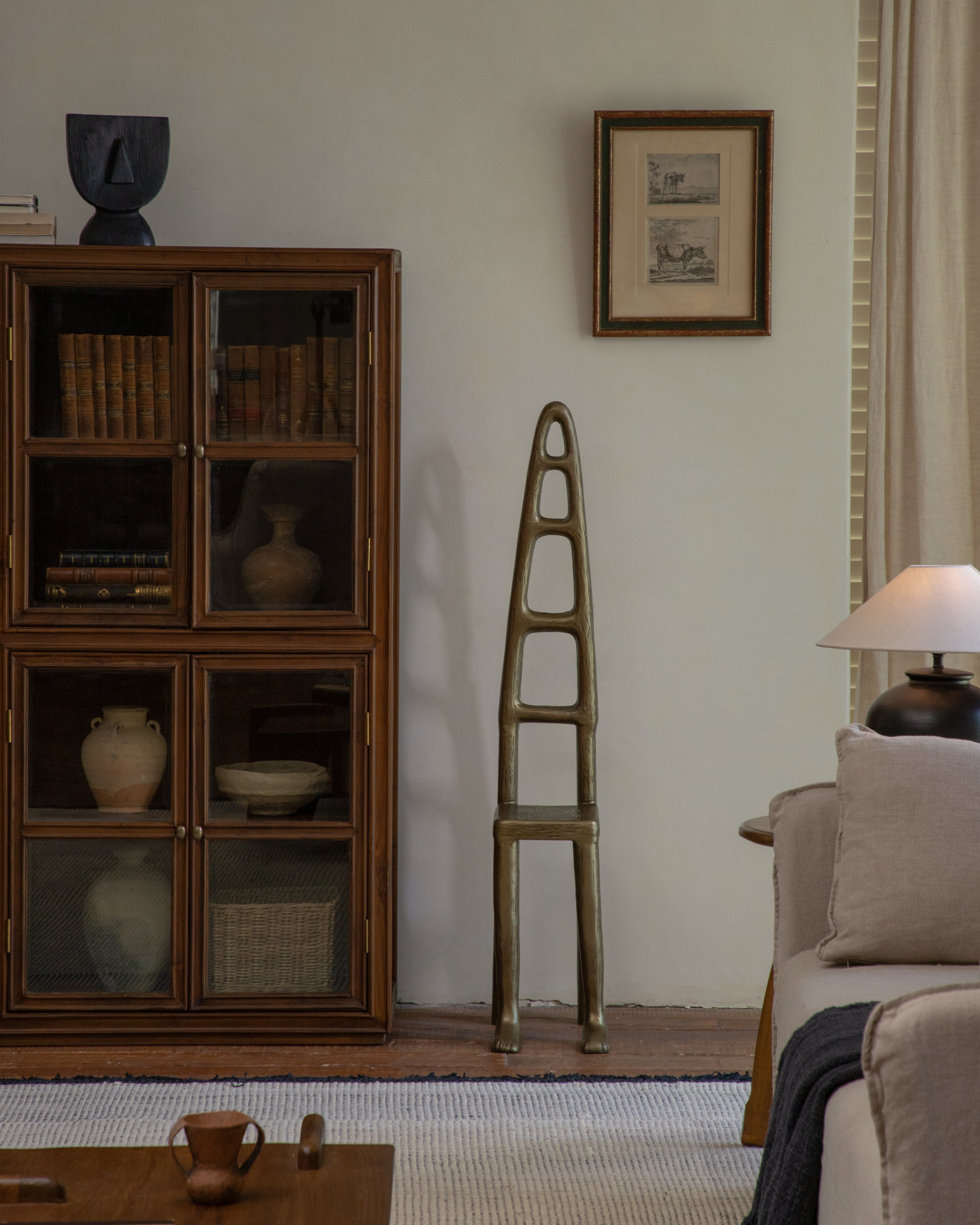
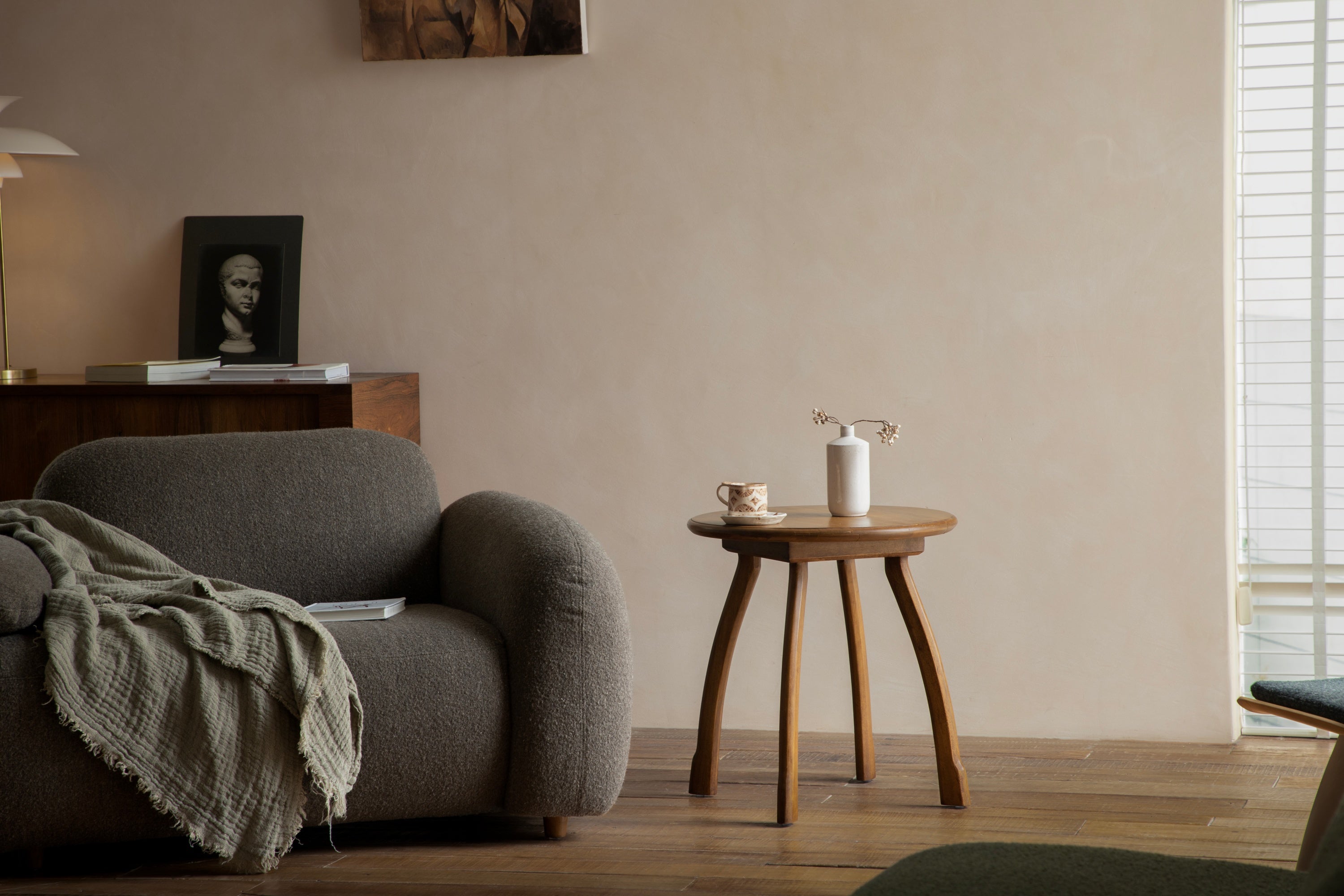
Choosing the wrong table can easily "break" a minimalist space. A piece that is too bulky, too colorful, or too ornate creates a visual distraction that ruins the calm atmosphere. On the other hand, the right table supports a sense of cohesion. This guide covers how to choose the right size, material, and shape, as well as how to style your tables without creating clutter.
Understanding Minimalist Decor Principles
To find the right furniture, look at the logic behind minimalist design. Success comes from being intentional with every single object you own.
Less but Better
Every piece must earn its place. A side table should serve a clear function or add specific beauty to the room. Focus on high-quality, timeless materials rather than cheap or overly trendy items.
Simple Forms and Natural Textures
Minimalism relies on clean lines and uncluttered surfaces. Most rooms use neutral or low-saturation colors. Natural textures, like wood grain or stone, add interest without looking messy.
The Role of Negative Space
Leaving some areas intentionally empty is a key minimalist side table design ideas strategy. Choosing tables with slim legs or transparent tops creates a sense of openness by allowing more visual flow through the space. This helps the room feel open and calm.

Clarifying Your Minimalist Style First
Identify your specific look so your new purchase fits in perfectly. Minimalist homes follow different paths, and your table should match the specific vibe of your room.
Identify Your Minimalist Direction
- Warm Minimalist:Uses wood, soft neutrals, and cozy tones.
- Cool Minimalist:Focuses on white, grey, glass, and smooth metal.
- Japandi / Wabi-Sabi:Values natural wood, organic shapes, and a bit of imperfection.
- Modern Urban:Uses black metal and sharp, bold contrasts.
Audit Your Existing Space
Look at your current sofa style, rug, lighting, and floor finishes. Small details like the metal finish on a lamp or the wood tone of the floor should influence your choice. This ensures the best side tables for minimalist homes you consider will actually look right in the room.
Define the Function
Decide what the table needs to do. If you only need a spot for a lamp and a drink, a simple pedestal works well. If you need to hide remotes and charging cables, look for a piece with a small drawer or hidden shelf. If you need to charge devices, look for tables with built-in cable management or holes to keep cords hidden and maintain the clean aesthetic.
Getting the Proportions Right for Balance
Even the most beautiful table will look wrong if the size is off. Proportions are the key to making a minimalist room feel professional and balanced.
Size and Scale
Your side table height should be roughly level with, or slightly below, the arm of your sofa or bed. This makes it easy to reach without looking awkward. The width should also feel balanced; a tiny table next to a massive armchair will disappear, while a huge table will dwarf a small chair. Always leave enough walking clearance so the room feels airy.
As a general rule, side tables should be within 2 inches (5 cm) of the sofa arm height. For width, a range of 18-24 inches (45-60 cm) works for most standard sofas.
Quantity and Symmetry
Decide if you want a matching pair or a single table. Using a matching pair creates a very structured, clean look. If you want a softer feel, you can use two different tables that are "related" through the same material or color family.

Choosing the Right Shape for Minimalism
The shape of a table changes how you move through a room. Pick a form that either blends with your walls or offers a gentle contrast to your sofa.
- Round Tables:These soften sharp lines in a room. They work well in small spaces and high-traffic areas and are safer for kid-friendly homes since they lack sharp edges.
- Square and Rectangular Tables:These look crisp and architectural. They align perfectly with boxy, modern sofas and follow the lines of your rug for a structured look.
- Nesting Tables:These are a top choice for small areas. They have a compact footprint but provide flexible surface space when you have guests.
- Organic and Irregular Forms:Tables shaped like smooth stones or wood stumps add a natural touch. To keep the minimalist feel, choose pieces with a single solid color or a very subtle texture.
Matching Materials to Your Minimalist Decor
The material of your table sets the mood for the entire room. Minimalist design relies on a few top materials for minimalist side tables to keep the look clean and consistent.
Wood Textures
Light woods like oak, ash, or birch fit Scandinavian or Japandi styles. Use medium or dark woods sparingly as accents in bright rooms. Look for simple profiles and minimal hardware to keep the focus on the natural grain.
Metal Elements
Black or white powder-coated metal works well for sharp, modern spaces. Choose slim metal frames with thin tops to keep the piece visually light. Metal provides a nice contrast to soft sofa fabrics and adds structure to the room.
Glass, Stone, and Acrylic
Glass or acrylic tables are ideal for small spaces where you want the furniture to "disappear" and keep the floor visible. Stone or sintered stone tops offer a calm, gallery-like feel. To avoid a heavy look, pair thick stone tops with slender, thin bases.
Mixing Materials
You can combine wood and metal or glass and metal while keeping the design simple. For a cohesive look, repeat a material already found in your room, such as the wood from your floors or the metal from your lighting fixtures.

Planning Your Minimalist Color Strategy
Color serves as a tool for creating calm. Stick to a neutral palette of white, black, beige, greige, or soft taupe. These tones help furniture blend into the room rather than standing out as a distraction.
Matching and Contrasting Colors
Choosing a table that matches your wall or floor color helps the piece disappear, making a small room feel larger. In contrast, using a black side table in a very light space acts as "visual punctuation." This adds a sharp point of interest that grounds the design without adding clutter.
Adding Subtle Tones
You can introduce color without breaking the minimalist feel. Use muted shades like soft green, clay, or sand. These earth tones add warmth and character while remaining quiet and sophisticated.
Following Smart Placement Rules
Proper placement keeps your home easy to navigate and ensures every item looks intentional.
Improving Room Flow
Keep the table at a comfortable distance from your seating so the surface is easy to reach. Always prioritize clear walking paths. Avoid placing tables where they might block doors or natural walkways. Protecting the flow of movement is vital for a peaceful home.
Creating Visual Order
Align your side tables with the arms of the sofa, the edges of your rug, or the lines of the walls. This alignment creates a sense of geometric order. In open-plan layouts, you may need to "float" a table away from the wall. If you do, pick a table that looks clean and finished from every angle.
Simple Side Table Styling Tips for Minimalist Homes
Styling is where many people go wrong. The goal is to keep the surface useful but mostly empty.
What to Put on the Table
Stick to one to three items. A lamp and a small tray, or a single book stack with a sculptural object, is plenty. Using a tray is one of the best simple side table styling tips for minimalist homesbecause it keeps small items like remotes and coasters from looking like clutter.
What to Avoid
Avoid over-styling with too many knick-knacks. Stay away from busy patterns or loud colors that fight with the rest of the room. Most importantly, don't let the table become a permanent home for daily mail or trash.
Mastering Your Minimalist Side Table Selection
The right side table stays quiet but works hard. It supports your daily habits and respects the empty space around it. Choosing a piece that matches your room's scale ensures a high-end look. Stick to clean lines and quality materials to keep your living space peaceful. Less is more. Fewer, well-chosen pieces always create a better home than a room full of items that don't belong.