

Key Takeaway
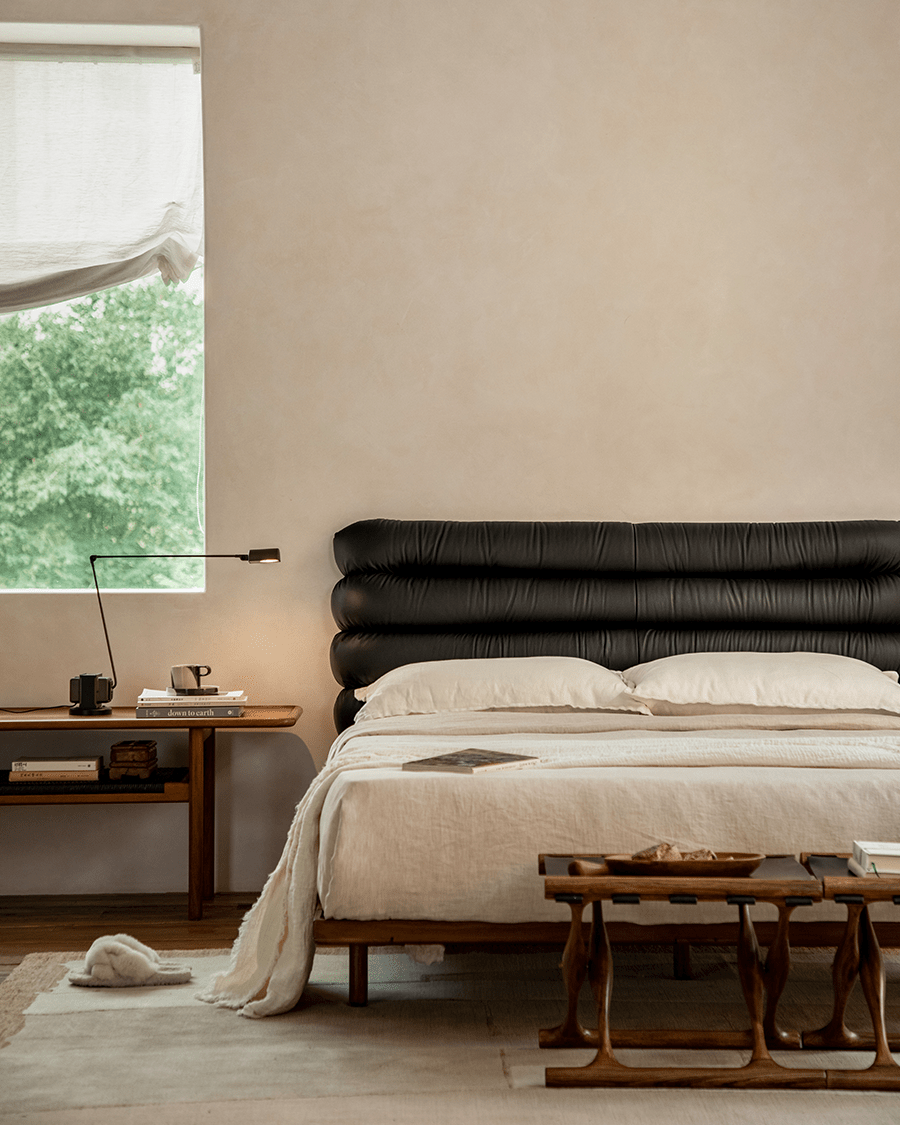
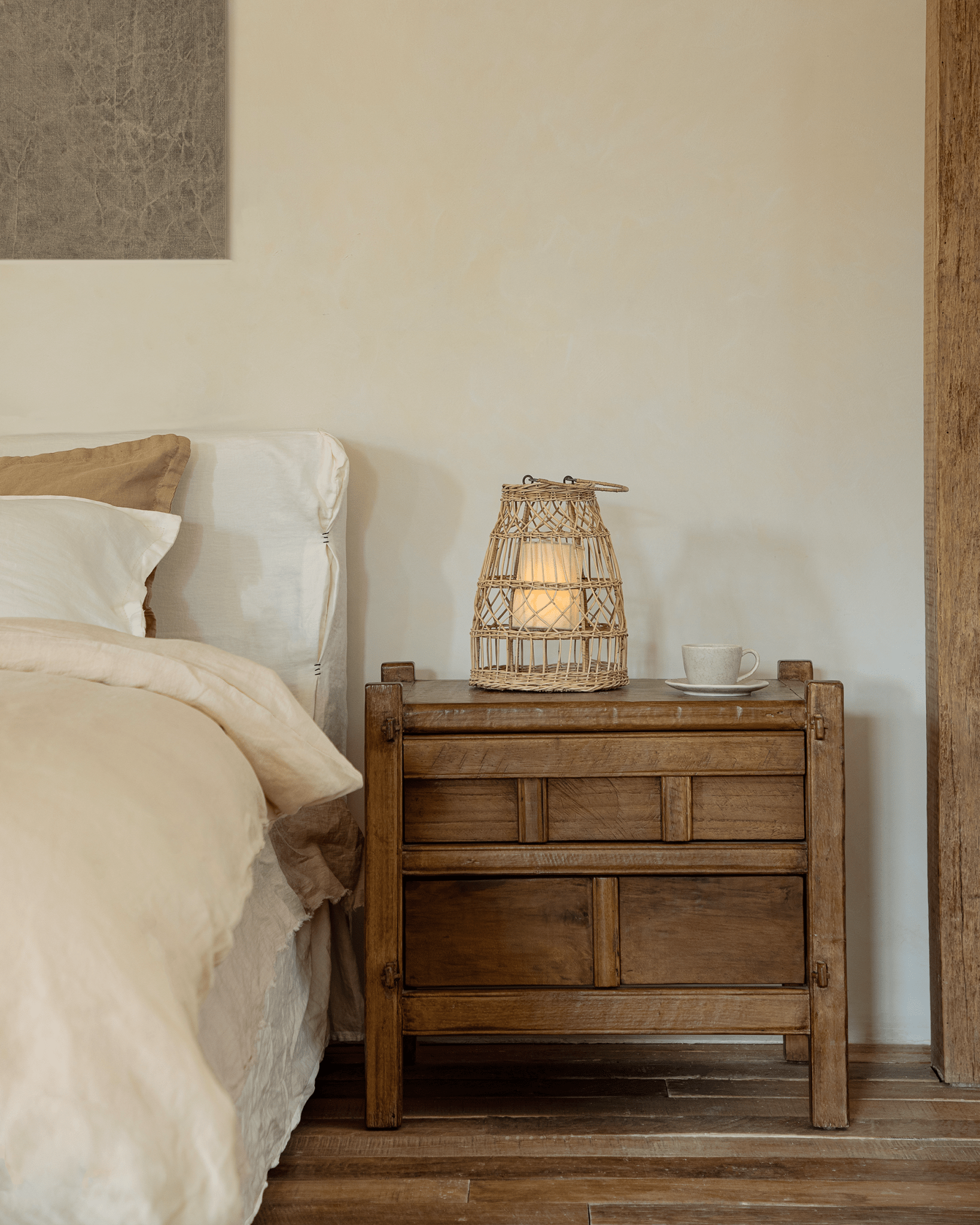
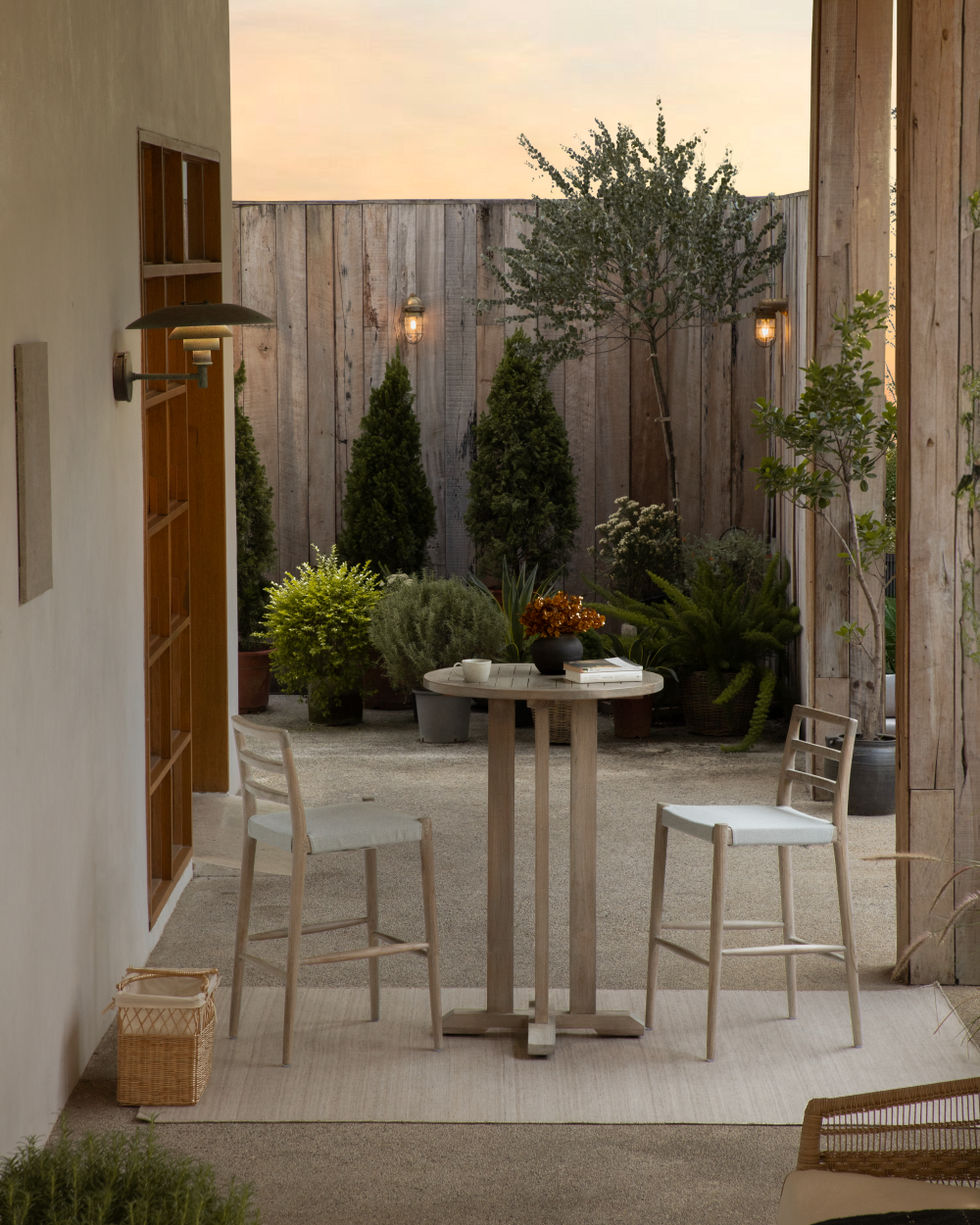
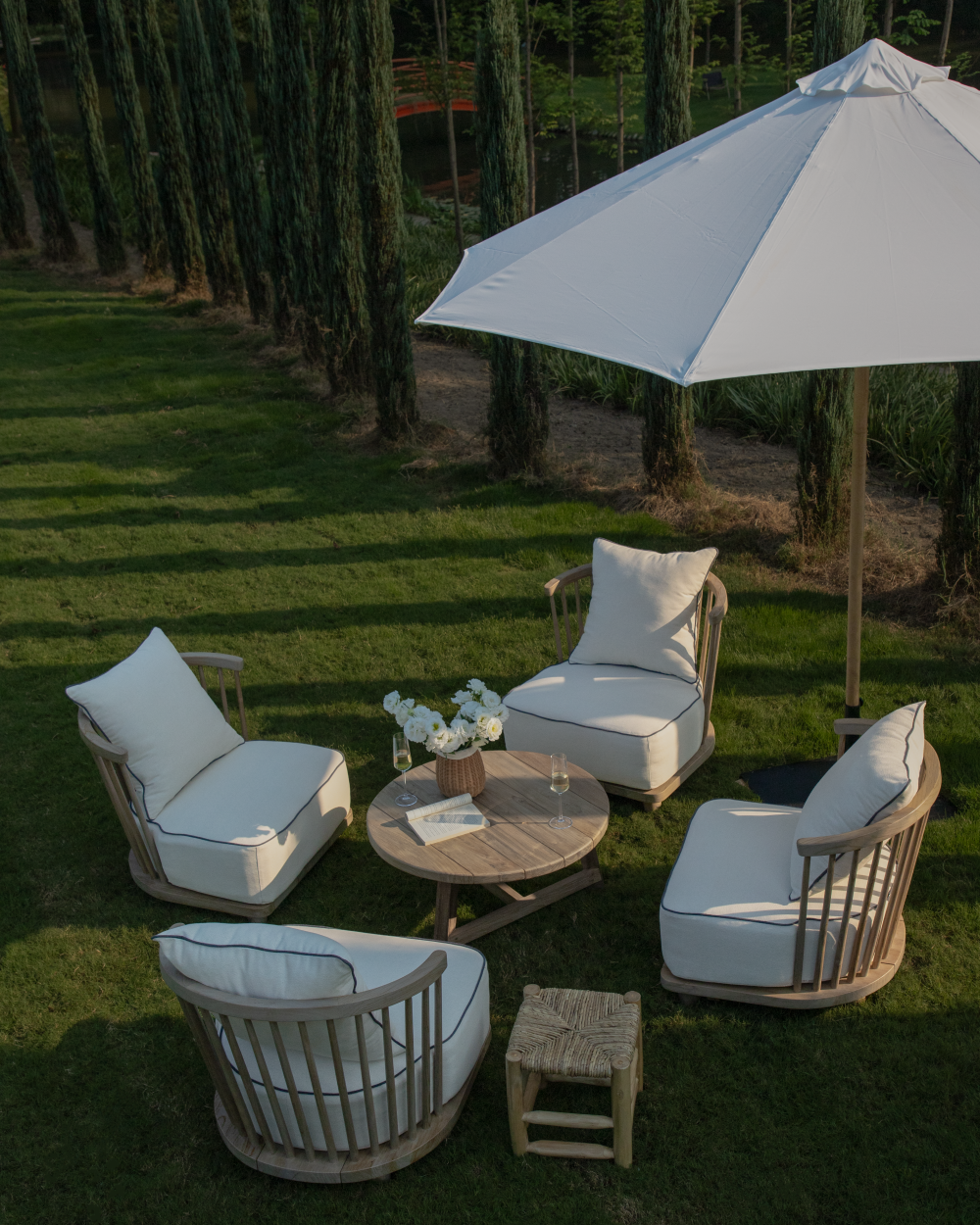
A neutral living room can feel warm and inviting without relying on bold colors. Start with warm undertones, then build depth through different shades, soft and natural textures, wood, layered lighting, darker accents, varied shapes, and personal details. The goal is not to fill every surface with decor. Instead, create enough contrast between colors, materials, finishes, and light so the room feels comfortable, balanced, and lived-in.
Neutral rooms have a natural sense of calm. Cream walls, a soft sofa, a simple rug, and natural wood can create a space that feels easy to live with and simple to update. The problem starts when every element sits at nearly the same color, texture, and visual weight. A room filled with white, beige, and pale gray can look flat rather than inviting.
Learning how to warm up a neutral living room does not require replacing all your furniture or adding bright colors. Small changes in tone, texture, lighting, and material can create much more depth while keeping the relaxed look that makes neutral interiors appealing.
Start With a Warm Neutral Color Foundation
The right color foundation gives the rest of the room a clear direction. Once the undertones and main shades work together, furniture, textiles, and accessories can add depth without making the space feel busy.
Choose the Right Undertones
Not every white, beige, or gray works well together. Neutral colors can have warm, cool, or slightly green, pink, or yellow undertones, and these subtle differences become noticeable when several large surfaces sit next to each other.
For a warm neutral living room, consider:
- Warm white
- Cream
- Ivory
- Beige
- Taupe
- Oatmeal
- Sand
- Warm greige
- Soft brown
These shades tend to work well with warm wood, natural fabrics, brass, and other earthy materials. A cooler gray or blue-gray can still work, but it creates a different mood and needs supporting colors and finishes that share its cooler character.
Layer Different Shades of the Same Color Family
A neutral room does not need to use a single shade from floor to ceiling. In fact, subtle changes in value can make the room much more interesting.
For example, you could pair:
- Warm white walls
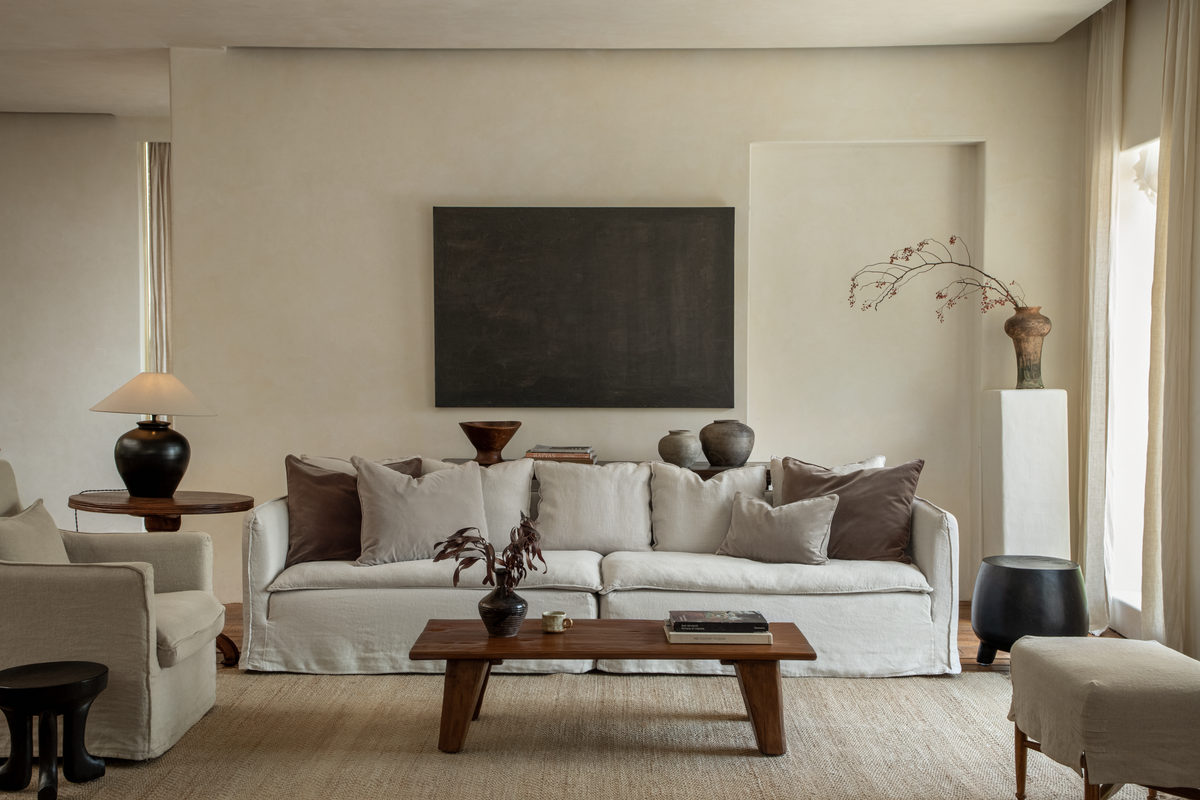
- A cream or beige sofa
- A sand-colored rug
- Taupe pillows
- Medium-brown wood
- A deeper brown or charcoal accent
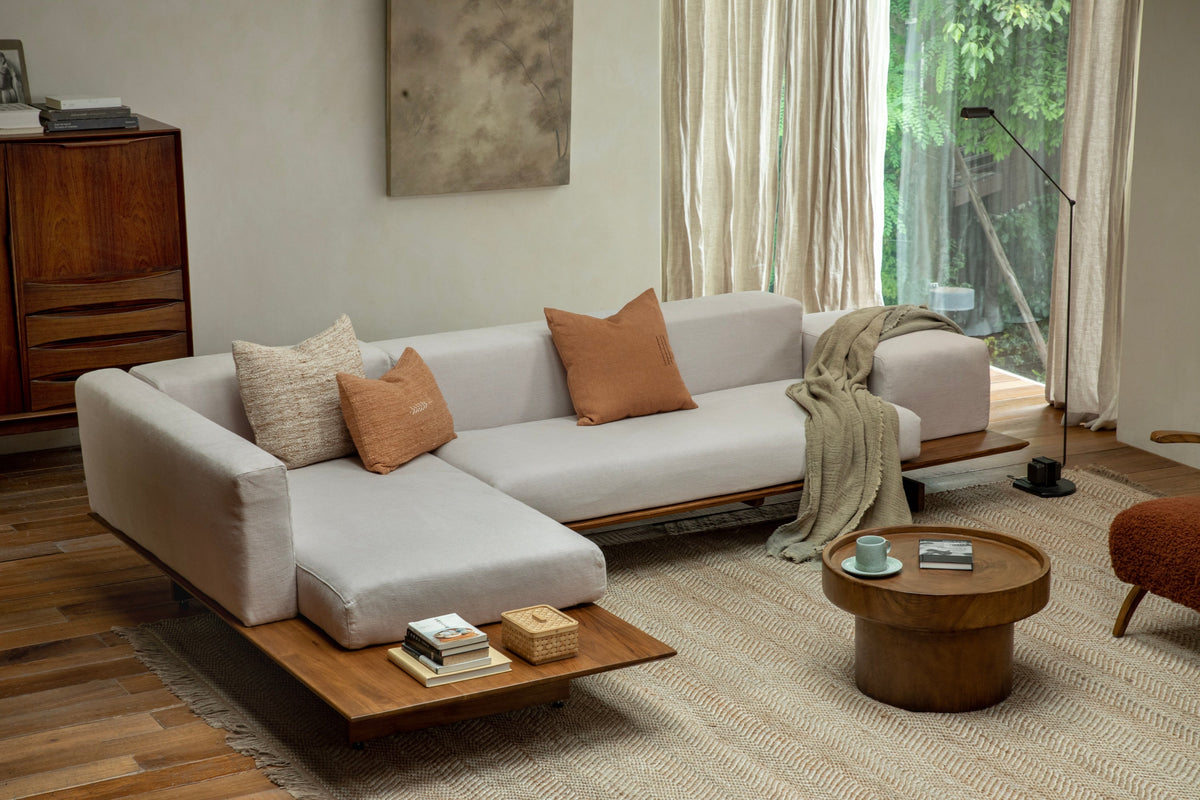
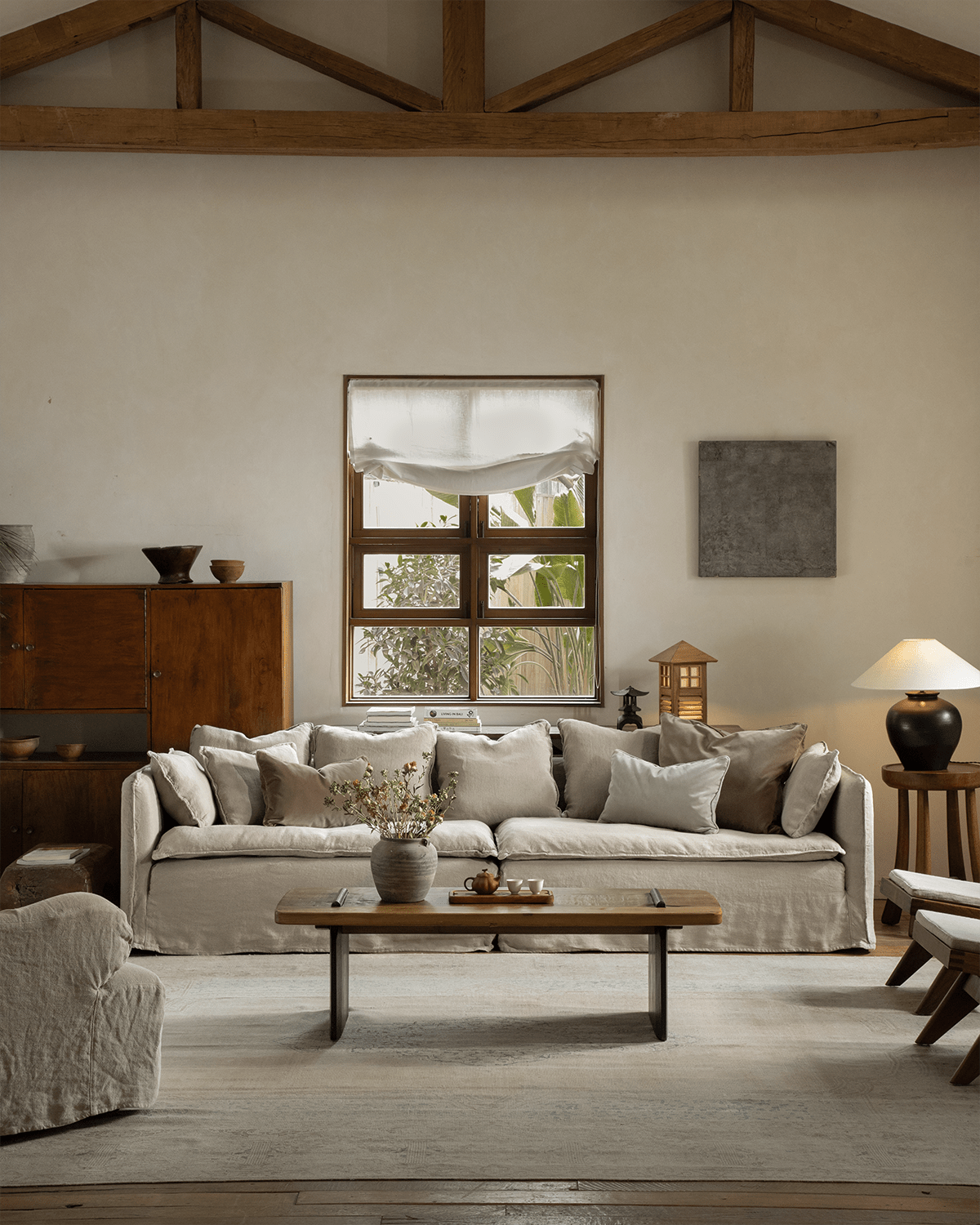
This approach creates a tonal palette rather than a collection of unrelated colors. It also gives your eyes enough variation to move around the room. The same idea works for a beige linen couch or white linen sofa. Instead of matching the upholstery exactly to the walls, use nearby shades for the rug, curtains, pillows, and other pieces.

Layer Textures to Keep Neutrals From Feeling Flat
Color creates the foundation, but texture gives a neutral room much of its visual depth. Different surfaces catch light differently, so even a quiet palette can feel rich and interesting.
Mix Soft and Structured Textures
Think beyond color and ask how each surface looks and feels. Soft materials can include:
- Linen
- Cotton
- Wool
- Bouclé
- Knits
- Velvet
More structured materials can include:
- Wood
- Stone
- Ceramic
- Metal
- Woven fibers
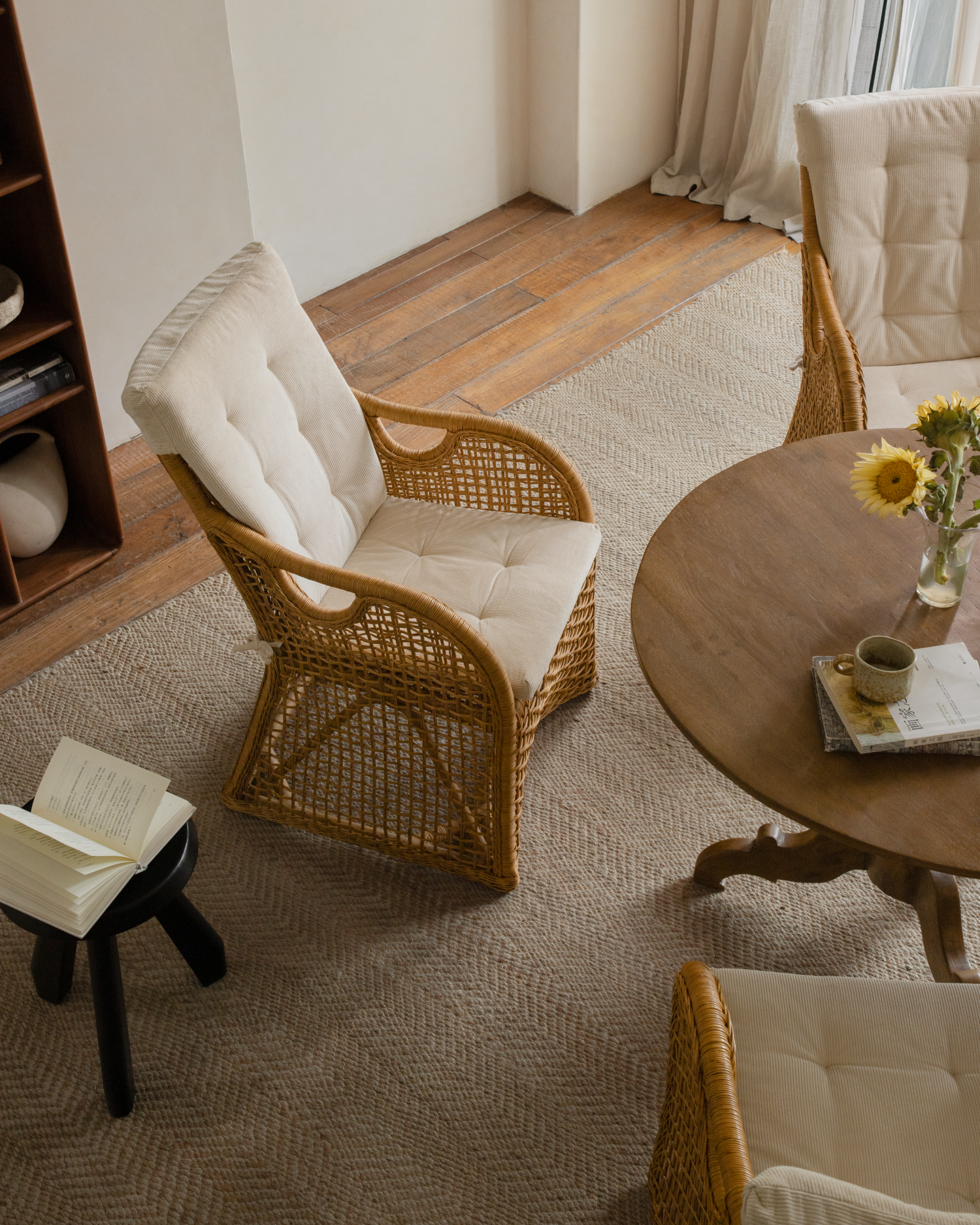
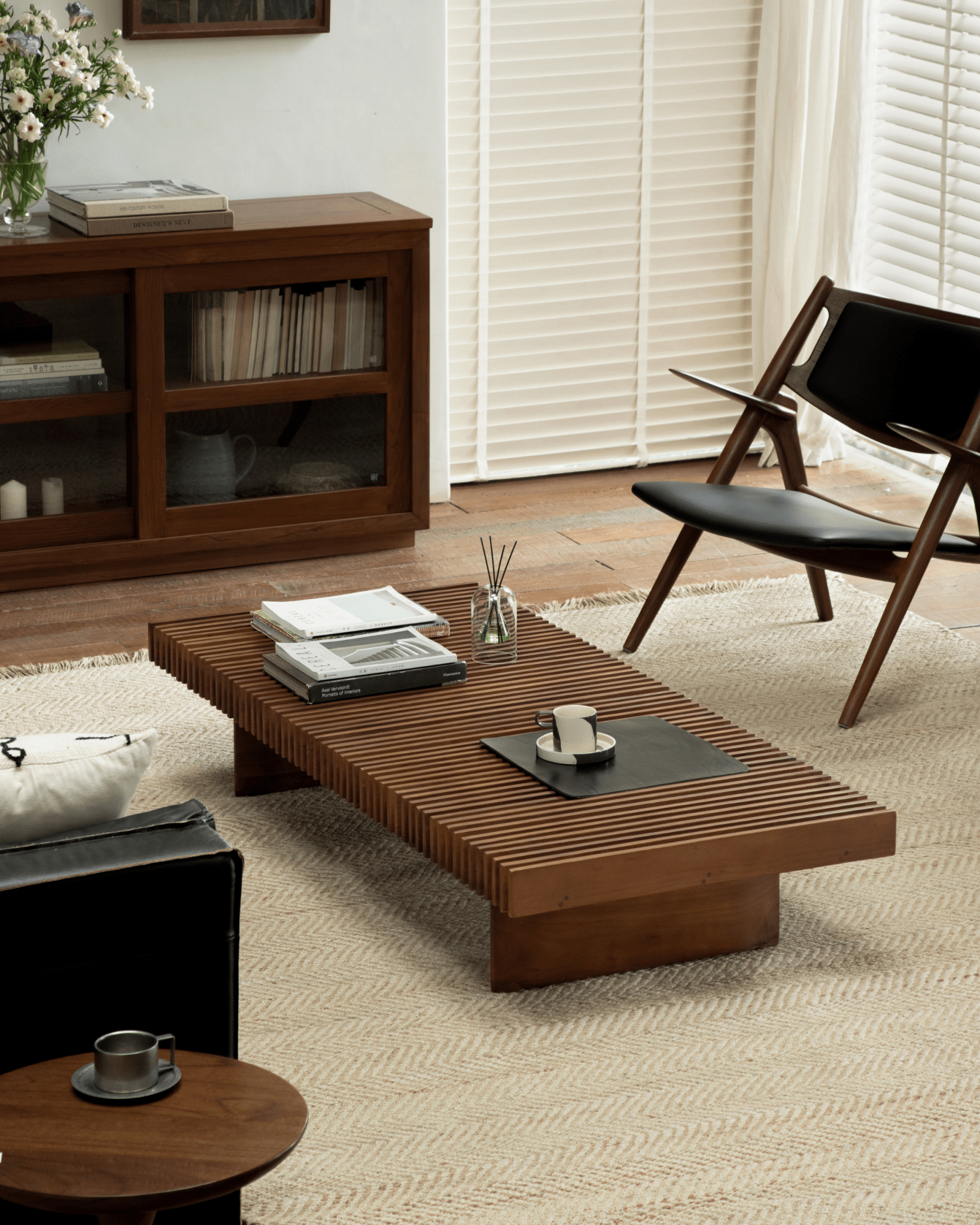
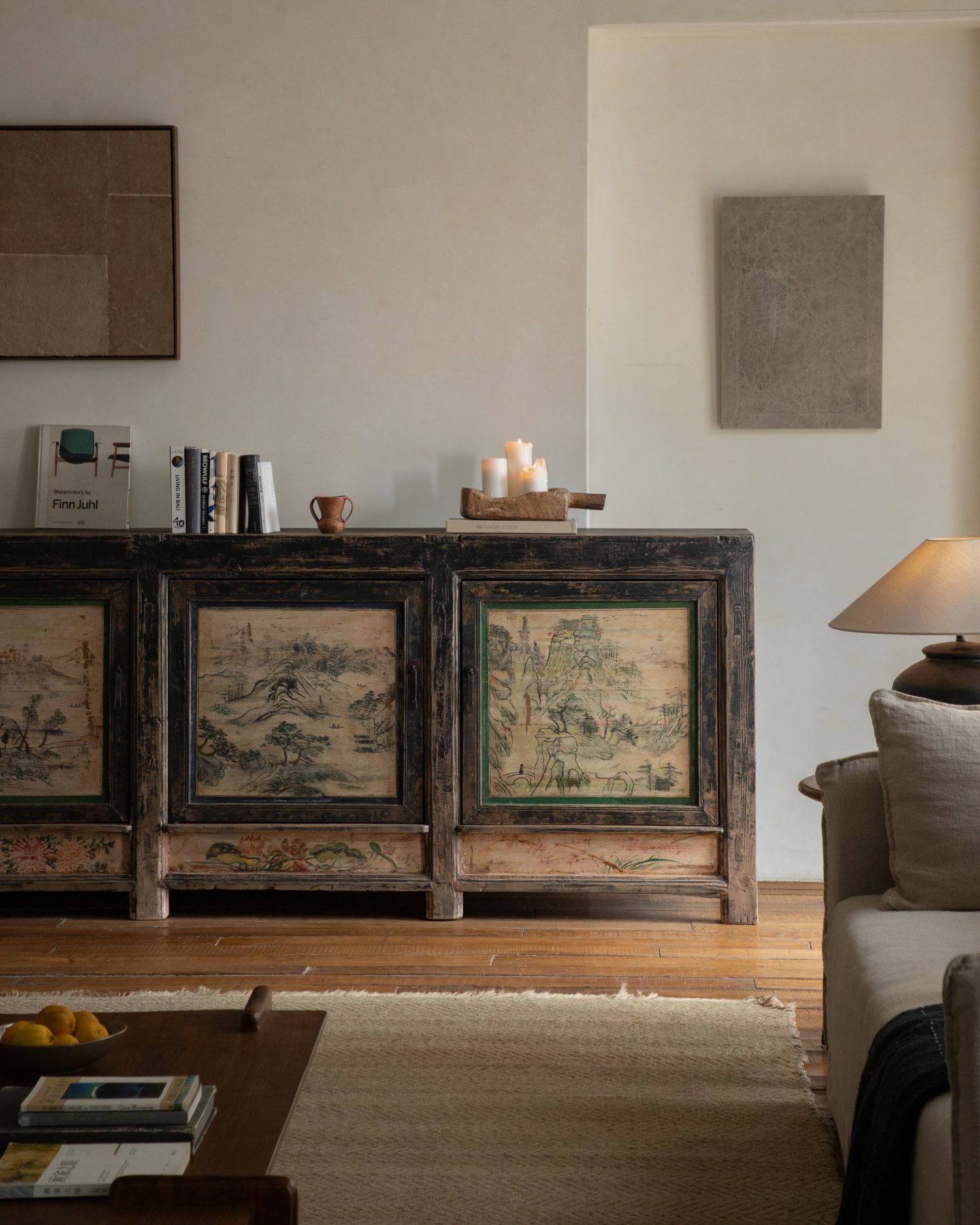
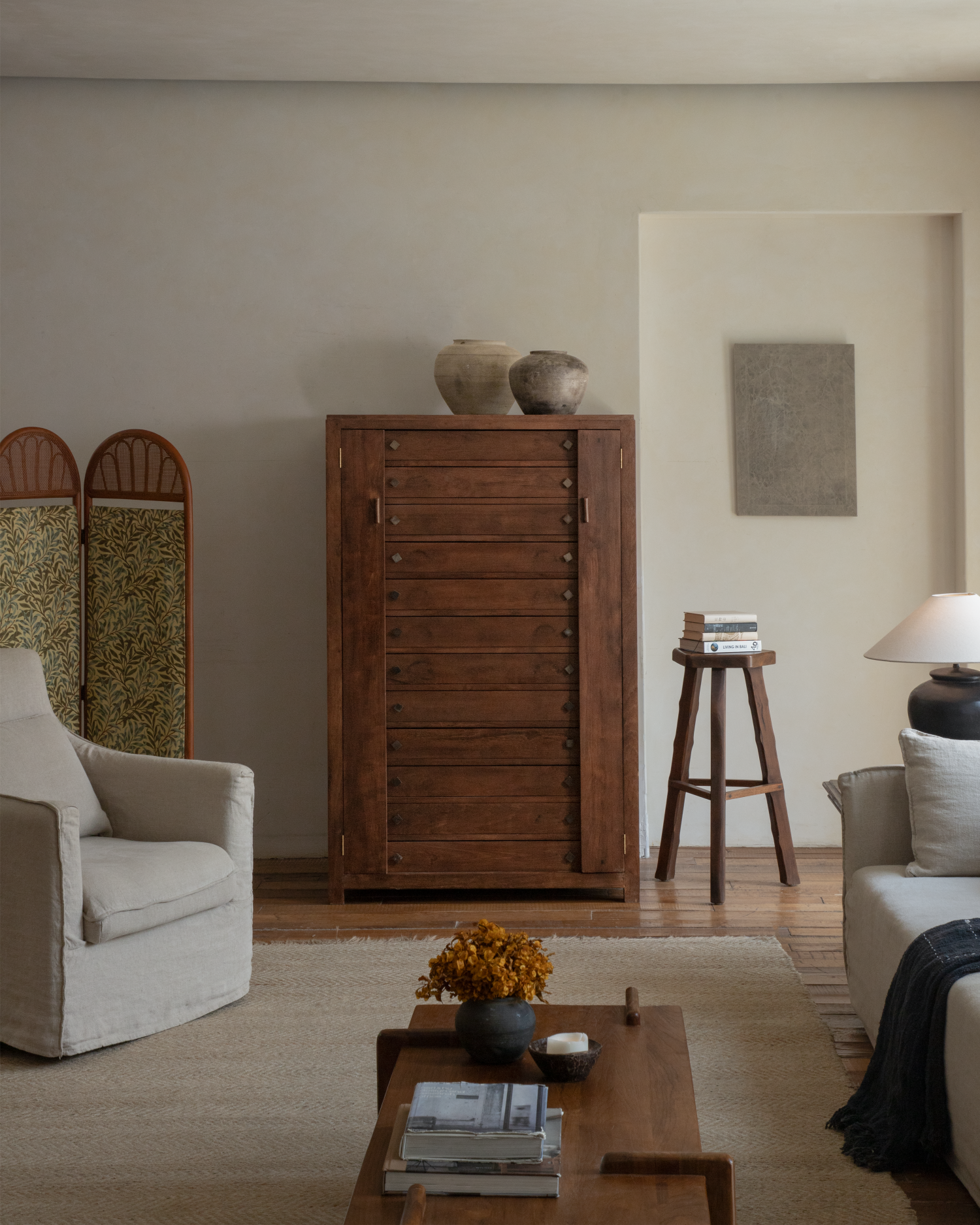
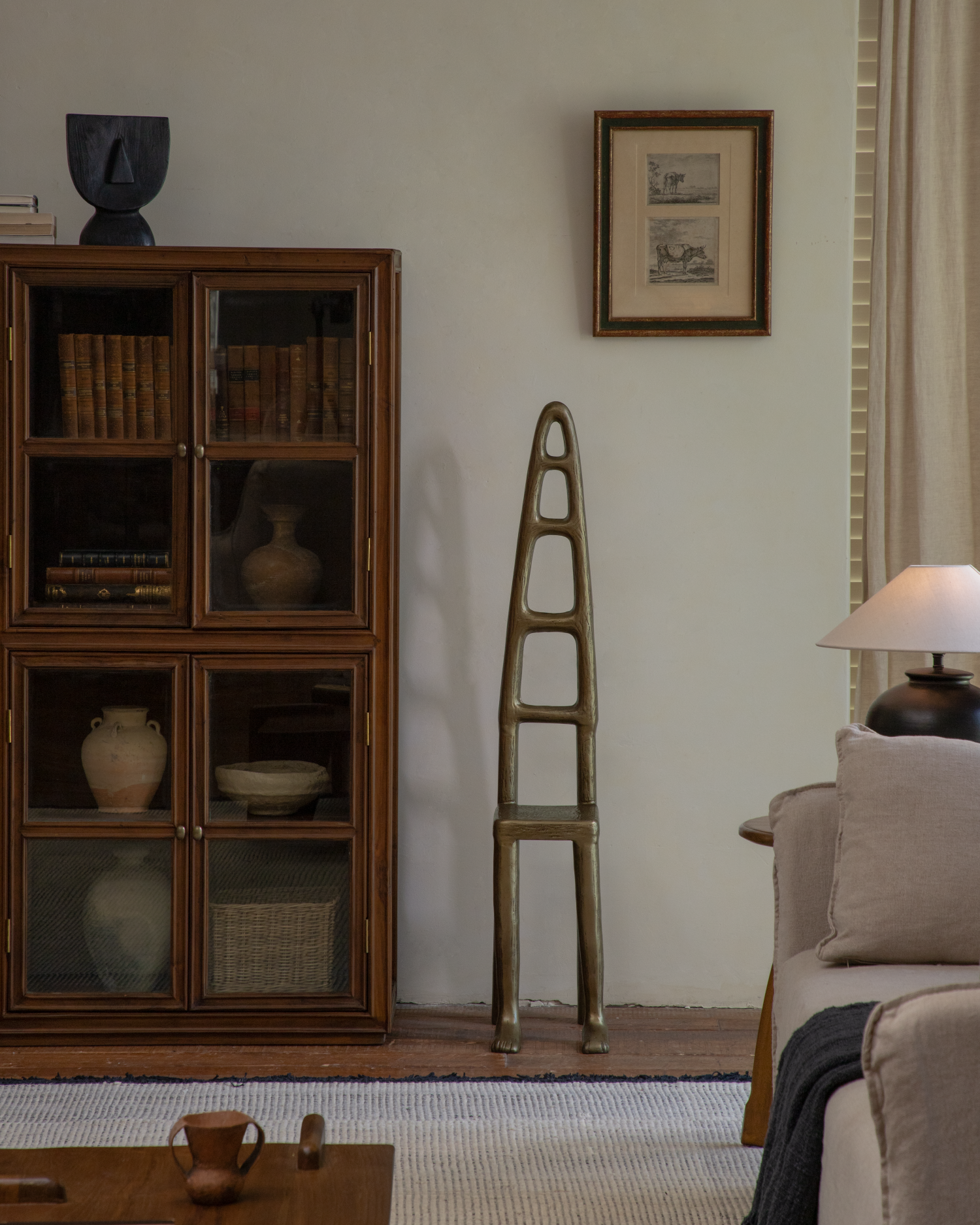
Pairing these materials creates contrast without requiring a strong accent color. A distinctive-designed wood coffee table beside a textured rug feels different from a room filled entirely with smooth finishes. A linen sofa can also feel richer when paired with a chunky throw and a nubby pillow.
Build Texture Through Everyday Furniture and Textiles
Start with the large pieces rather than buying many small decorations. A comfy living room couch in a tactile fabric can establish the main soft layer. A textured rug can anchor the seating area. Linen curtains can soften the windows, while pillows and throws add smaller layers.
You do not need five different fabrics on the sofa. Two or three clearly different textures can be enough.
For example:
Linen sofa + wool rug + chunky knit throw + smooth wood table
creates much more depth than:
Fabric sofa + flat synthetic rug + matching fabric accessories
The goal is variation that still feels connected.
Bring in Natural Materials for Visual Warmth
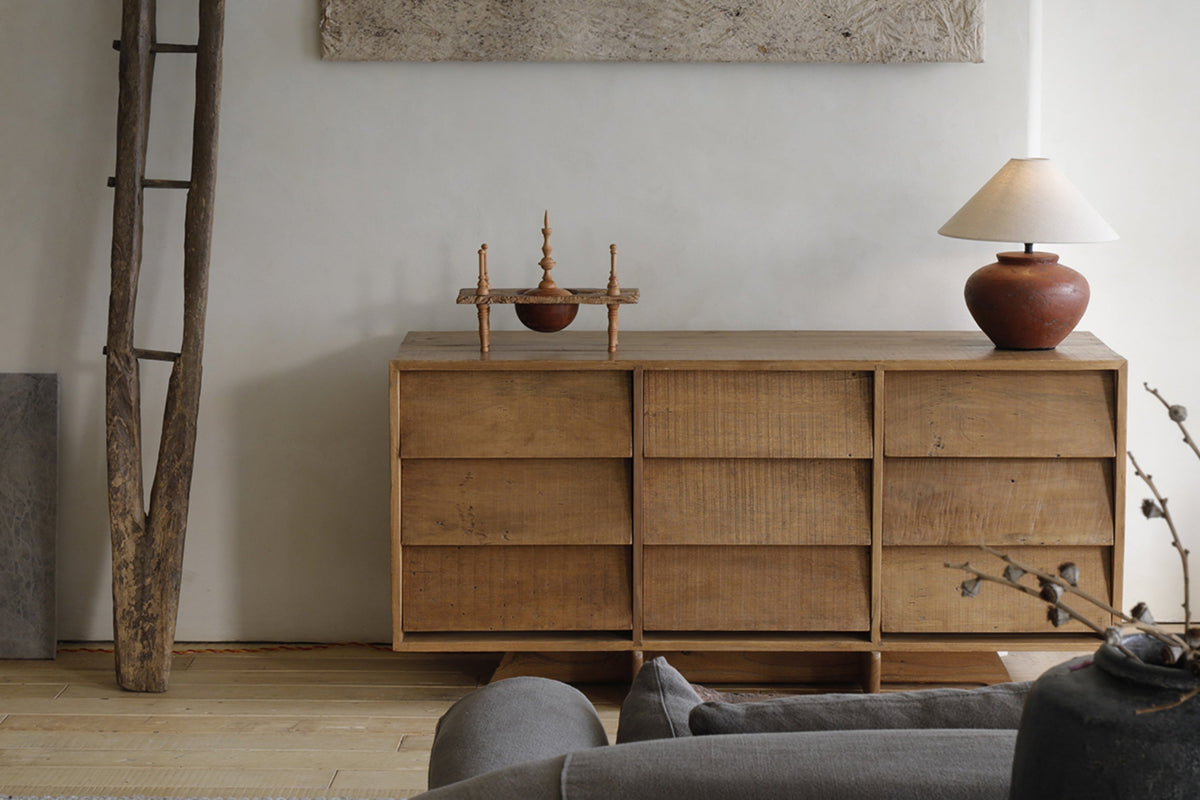
Natural materials add another layer to a neutral palette because they bring grain, irregularity, and subtle changes in tone. Wood, stone, linen, rattan, jute, and ceramic can make a room feel less uniform without making it colorful.
Use Wood to Ground a Neutral Palette
Wood is especially useful in a neutral living room because it adds both color and texture.
Try using it for:
- Coffee tables
- Side tables
- Media consoles
- Shelving
- Picture frames
- Cabinets
- Decorative trays
The amount matters. A tiny wooden bowl may add a small detail, but a substantial wood coffee table can visually anchor an entire seating area.
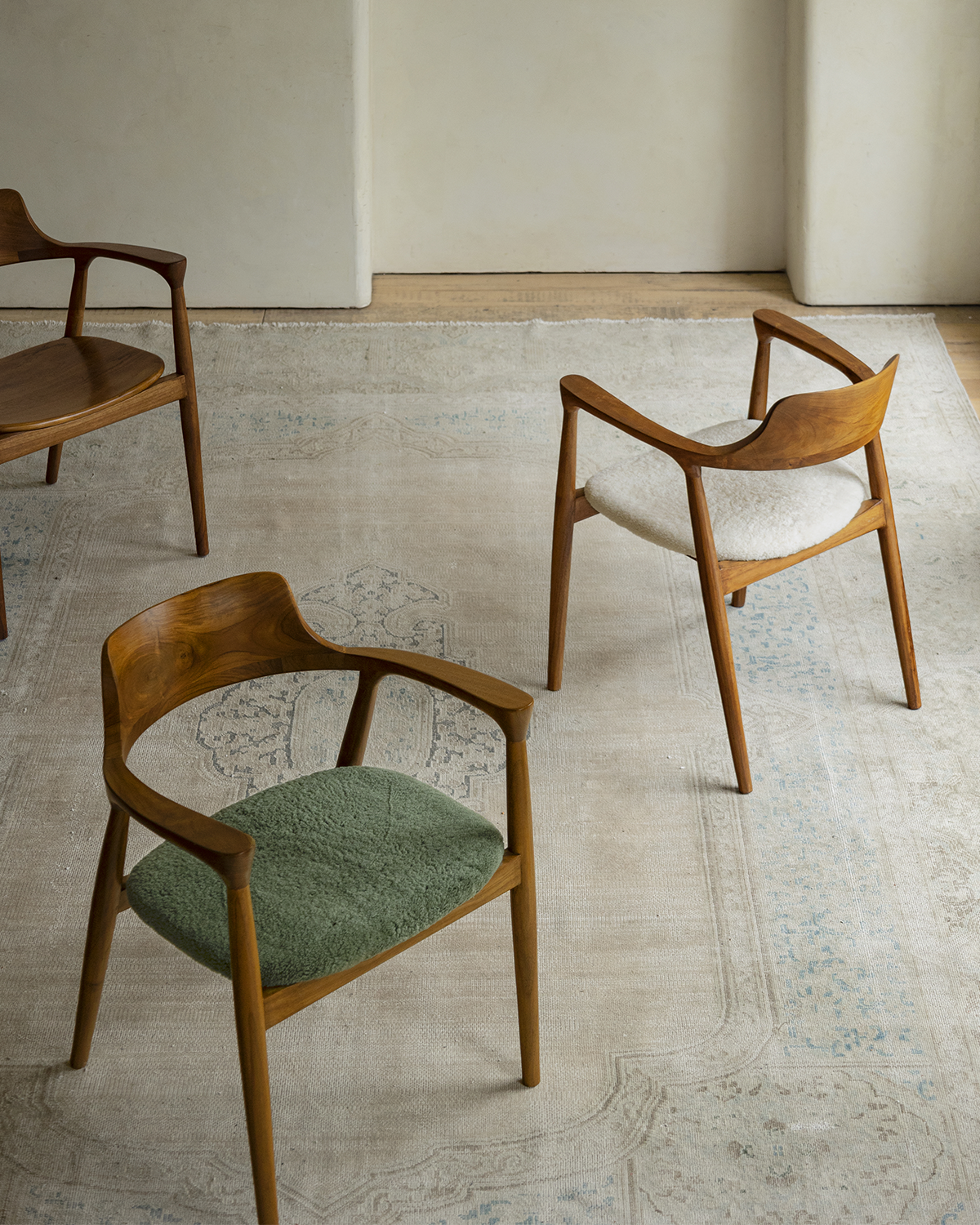
Different wood tones can also work together. Light oak can keep a room airy, while walnut or darker brown wood adds more weight. You do not need every wooden item to come from the same collection. Designers increasingly use mixed wood tones to create more personal and less rigid interiors.
Balance Wood With Other Natural Materials
Wood works even better when it does not stand alone.
Try pairing it with:
- Jute
- Rattan
- Cane
- Linen
- Wool
- Stone
- Terracotta
- Matte ceramic
For an organic modern couch or modern organic sofa, these materials can help create a relaxed look without making the room feel rustic.
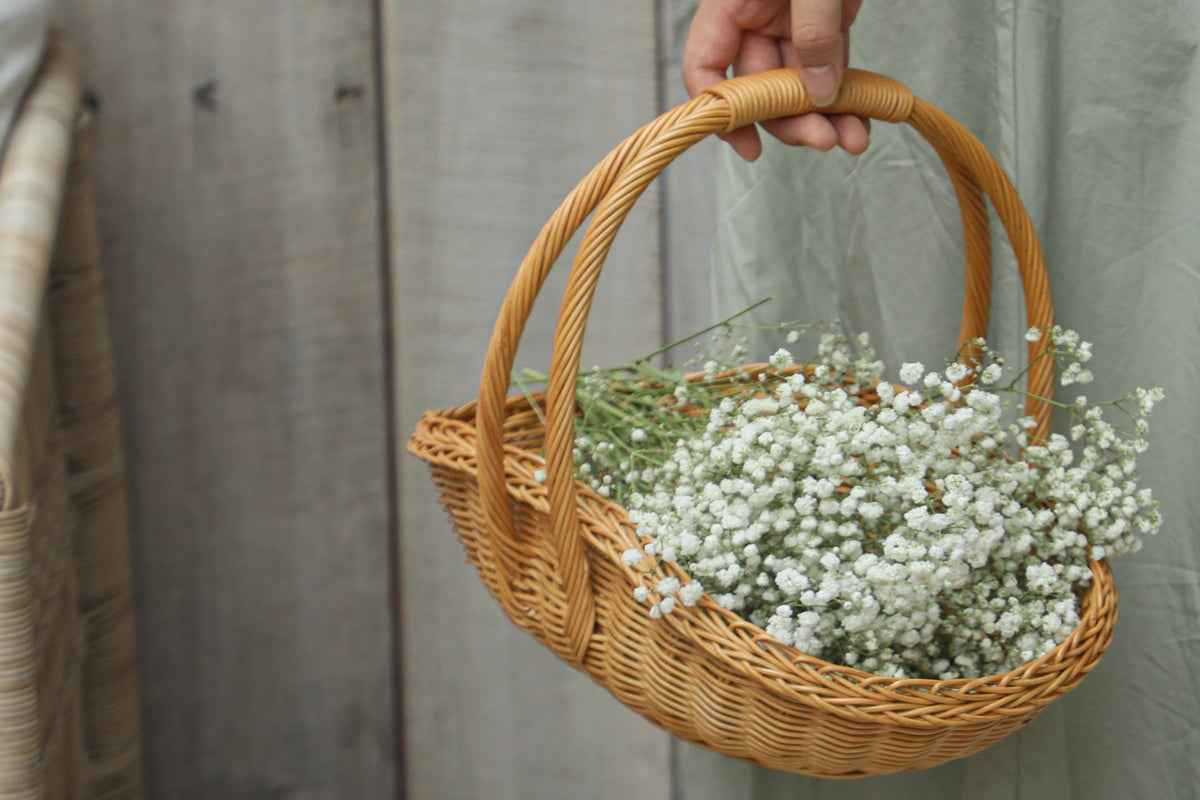
The key is repetition. If you have wood in the coffee table, you can repeat a similar tone in a picture frame or side table. A woven basket can connect with a jute rug. Linen curtains can echo linen upholstery. These repeated details make the room feel intentional.

Use Lighting to Make the Room Feel Warmer
A neutral room can look completely different after sunset. During the day, sunlight reveals fabric, wood grain, and subtle color differences. At night, a single bright ceiling fixture can flatten those details. Layered lighting helps preserve the room’s depth after dark.
Layer Ambient, Task, and Accent Lighting
A useful neutral living room lighting plan includes several types of light.
- Ambient lighting provides general illumination through ceiling fixtures or other broad sources.
- Task lighting supports activities such as reading. A floor lamp beside a lounge chair or a table lamp near the sofa can work well.
- Accent lighting draws attention to artwork, shelving, architectural details, or decorative pieces.
Using these layers gives you more control than relying on a single overhead light.
Create Pools of Light Instead of Lighting Everything Evenly
A room can feel warmer when light comes from different heights.
Try placing:
- A floor lamp beside a chair
- A table lamp on a console
- A small lamp beside the sofa
- Wall lighting near artwork
This creates small areas of light around the room rather than one bright wash from above.
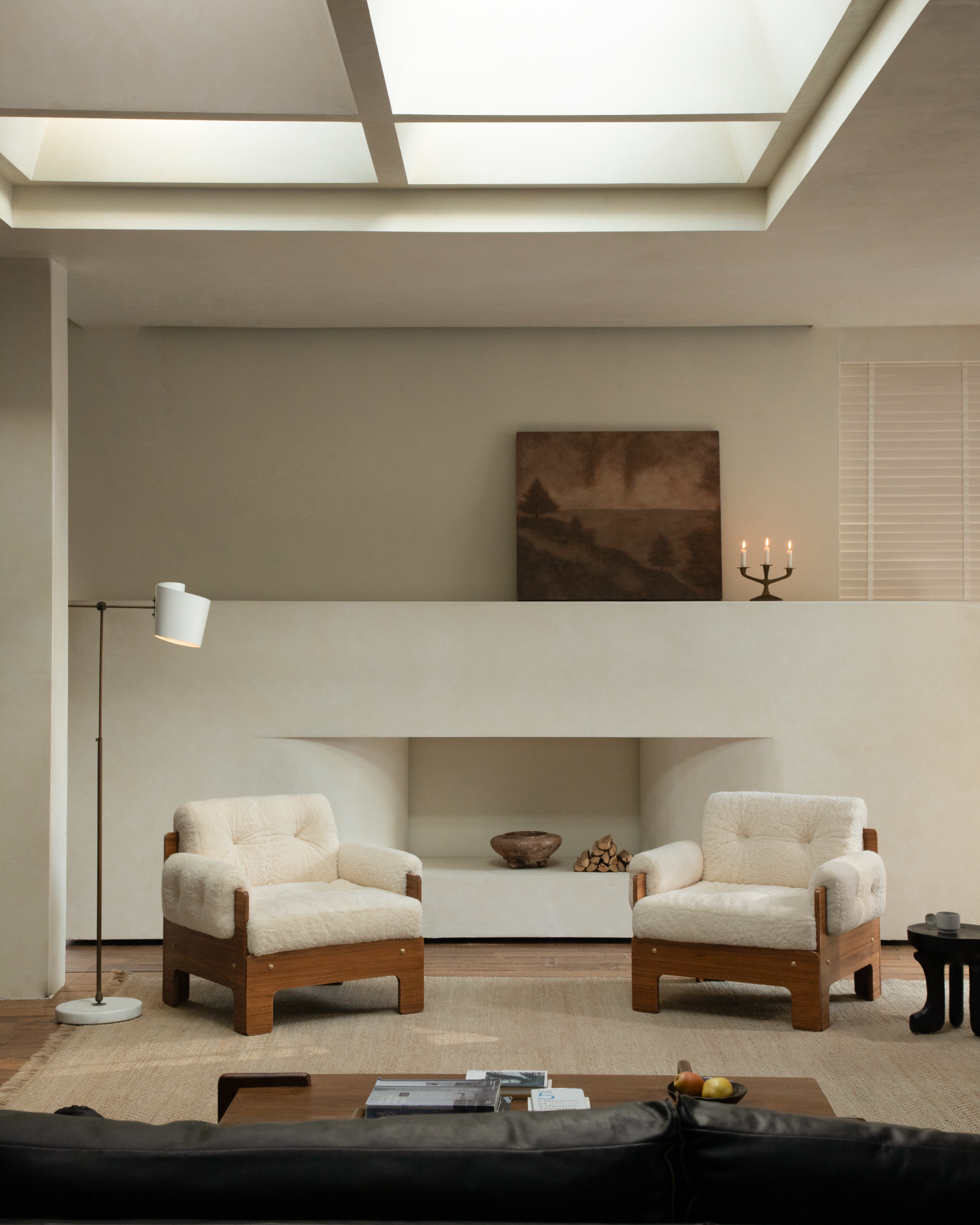
The effect is particularly helpful for a cozy neutral living room because it adds shadow and depth while making seating areas feel more inviting.
Choose Light That Complements Your Neutral Palette
Warm-white bulbs can work well with cream, beige, taupe, and wood. Around 2700K is a common starting point for a warm evening atmosphere, though the best choice depends on the room, finishes, and personal preference.
Dimmers can also help. Brighter light can support reading or cleaning, while lower light can make the same room feel softer in the evening.
Add Contrast Without Losing the Neutral Look
A warm neutral room still needs some contrast. Without it, pale furniture and walls can blend together and lose their visual structure.
Introduce a Few Darker Anchors
Dark accents can give a light room more definition.
Consider:
- Dark walnut
- Espresso brown
- Charcoal
- Aged bronze
- Matte black
You might use a dark wood side table, black picture frames, or a charcoal pillow. The key is moderation. A few darker accents can ground the room, while too many can shift the entire style toward a high-contrast look.
Vary Shapes and Scale
Layering also comes from the shapes and sizes of furniture and accessories. If everything has straight edges, introduce a round coffee table, curved chair, arched mirror, or organic-shaped vase. If all your accessories are small, add a larger artwork or substantial floor lamp. Try combining:
- Large + medium + small objects
- Straight + curved forms
- Low + medium + tall pieces
- Smooth + textured surfaces
This creates visual movement without adding more colors.
Leave Enough Negative Space
A layered room should not feel crowded. Do not fill every shelf, tabletop, or corner simply because the room still has empty space. Empty areas help the materials and furniture stand out. If your coffee table already has a stack of books, a ceramic bowl, and a vase, you may not need three more objects.
A useful rule is simple: reduce the number of objects when the room feels cluttered, but increase the difference between the textures and materials you keep.
Add Personality to Keep the Room From Feeling Staged
A neutral palette can sometimes look too carefully matched. Personal objects give the room character and make it feel connected to the people who use it.
Bring in Art, Books, and Meaningful Objects
Artwork does not have to introduce a strong color. Black-and-white photography, soft abstract art, natural landscapes, line drawings, and muted prints can all work with neutral living room decor.
Books, ceramics, framed photographs, bowls, and small collected pieces can add smaller layers. Keep some items grouped and leave other surfaces relatively open. This creates a collected look without turning the room into a display shelf.
Mix New Pieces With Vintage or Aged Elements
Aged materials can add character that perfectly new furniture sometimes lacks.
Consider:
- A vintage wood side table
- An older ceramic vessel
- A worn frame
- A vintage rug
- An antique mirror
- A secondhand accent chair
The contrast between newer upholstery and older materials can make a neutral room feel more relaxed and personal.

Pull the Layers Together Without Making the Room Feel Busy
After adding color, texture, materials, and lighting, take a step back and look at the room as a whole. Good layering should make the space feel connected, not crowded.
A simple way to check the balance is to look for contrast in several areas:
- Light and dark: cream sofa with darker wood
- Soft and hard: linen upholstery with a stone or ceramic table
- Smooth and textured: polished surface beside woven fabric
- Large and small: substantial furniture with smaller accessories
- New and aged: fresh upholstery with vintage details
- Bright and soft: general lighting with smaller lamps
You can also repeat a few colors or materials around the room. This repetition creates cohesion without requiring everything to match.
A Simple Layering Formula
For a layered neutral living room, use this sequence:
Neutral base → tonal variation → texture → natural materials → contrast → lighting → personal details
This order also makes decorating easier. You can start with what you already own, identify the missing layer, and make a few targeted changes instead of replacing the entire room.
Build a Warm Neutral Living Room With Layered Details
A warm neutral living room comes together through small, thoughtful contrasts. Pair soft linen with natural wood, light upholstery with a deeper rug, and gentle lighting with textured surfaces. Keep the palette calm, but give each layer its own role. If the room still feels flat, add texture, depth, or warmth instead of more decor. That balance can turn a simple neutral space into a cozy room that feels natural and lived-in.
FAQs about Warming Up a Neutral Living Room
Q1: How Can I Make a Small Neutral Living Room Feel Warmer Without Making It Look Crowded?
Use fewer but larger-impact pieces. A properly sized rug, floor-length curtains, a comfortable sofa, and a few well-placed lamps can add warmth without taking up much visual space. Keep small decorations limited so the room still has breathing room.
Q2: Should the Sofa or Rug Be Darker in a Neutral Living Room?
Neither has to be darker, but some difference in visual weight helps define the seating area. For example, a light sofa can sit on a medium-toned rug, while a deeper rug can work with cream or beige seating. Consider the floor color and natural light as part of the overall balance.
Q3: How Do I Make a Neutral Living Room Work With an Open Floor Plan?
Use the same neutral palette across connected areas, then define the living room with a rug, seating arrangement, lighting, and furniture placement. Repeating a wood tone or fabric in nearby spaces can create a visual connection without making every area look identical.
Q4: Can a Neutral Living Room Have Patterns Without Losing Its Calm Look?
Yes. Choose low-contrast patterns such as subtle stripes, checks, tonal geometrics, or small-scale motifs. If the room already has several strong textures, keep patterns restrained so the space still feels relaxed and cohesive.