
Key Takeaways
- Wabi-sabi furniture values simplicity, natural materials, irregularity, and changes that come with time.
- Wood grain, knots, color variation, and patina can give furniture a distinct, lived-in character.
- Wabi-sabi is a design philosophy, not a strict furniture category or a synonym for rustic style.
- Natural imperfections differ from poor construction or actual damage.
- A few carefully chosen pieces can bring a wabi-sabi feel to a modern home without making the room look cluttered.
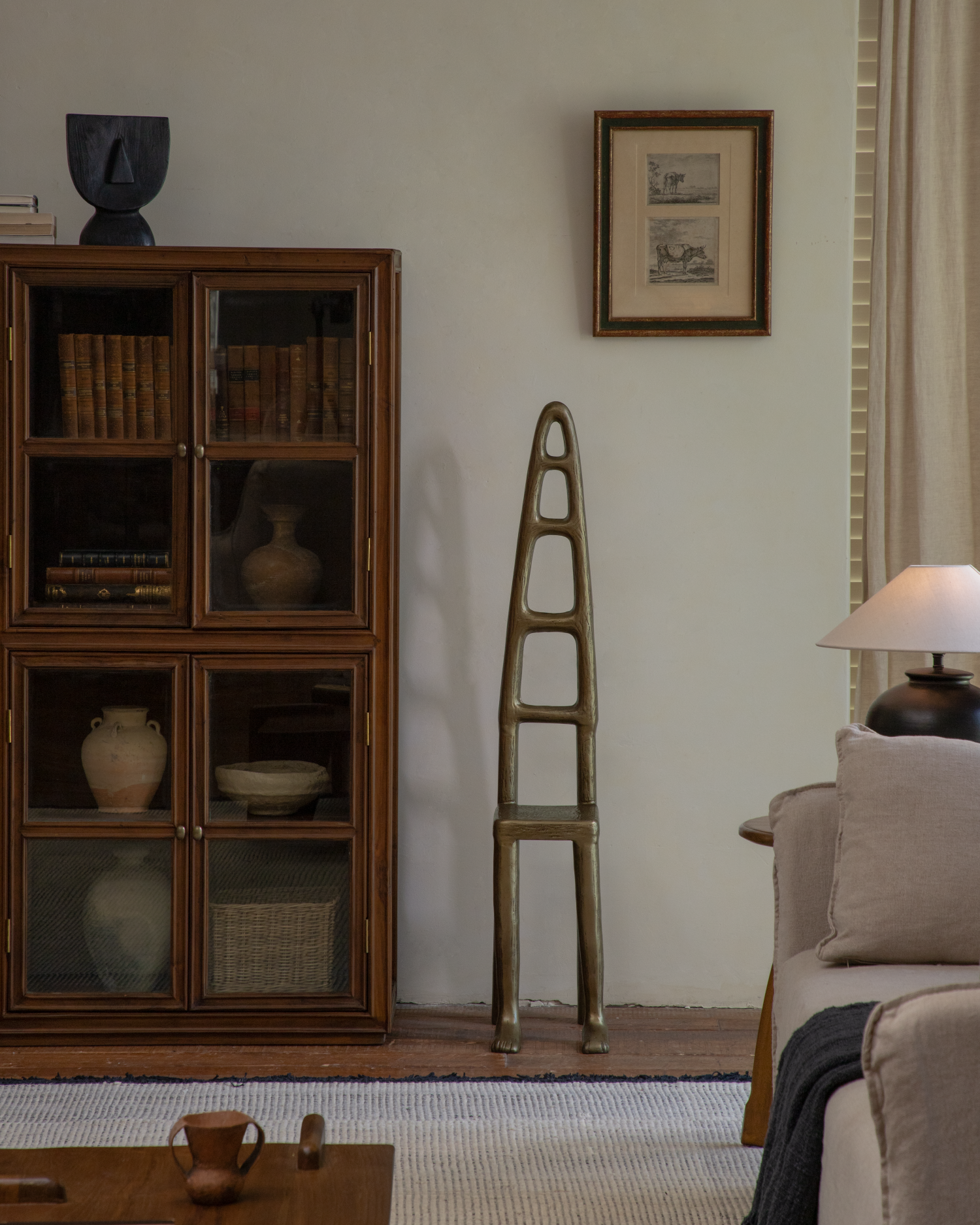
Perfectly smooth surfaces and matching furniture can create a polished room, but they can also make a home feel somewhat impersonal. Wabi-sabi takes a different view. It values natural materials, subtle irregularity, simplicity, and the changes that come with time. In furniture, that can show up through visible wood grain, knots, handmade details, uneven edges, and gentle signs of use.
The appeal is easy to see with natural wood. No two boards have exactly the same pattern, and a piece can develop a richer surface as it ages. This makes wabi-sabi furniture especially useful for homeowners who want a space that feels calm, warm, and personal rather than perfectly matched.
What Is Wabi-Sabi Furniture?
Wabi-sabi furniture brings a Japanese aesthetic philosophy into furniture and interior design. Rather than chasing flawless surfaces, it gives value to simplicity, natural variation, age, and the character that develops through use.
Wabi-sabi is better viewed as a design philosophy than a defined furniture category. A dining chair, bench, sofa, or coffee table does not need a particular shape or origin to fit the idea. Its materials, construction, finish, and relationship with time matter more.
The two parts of the term also offer useful clues. Wabi has associations with simplicity, modesty, and an understated kind of beauty. Sabi relates to age, wear, patina, and the changes that come with time. Together, the concept encourages appreciation for things that are imperfect, impermanent, and incomplete.
That does not mean a wabi-sabi table should be unstable or poorly finished. A piece can have natural knots and irregular grain while still having solid construction and a smooth, comfortable surface. In fact, good craftsmanship makes those natural details more noticeable because they become part of the design rather than signs of neglect.

What Makes Furniture Feel Wabi-Sabi?
The idea becomes easier to recognize once you look at the materials and details. Wabi-sabi furniture usually lets those elements show instead of covering them with heavy decoration or overly polished finishes.
Natural Materials
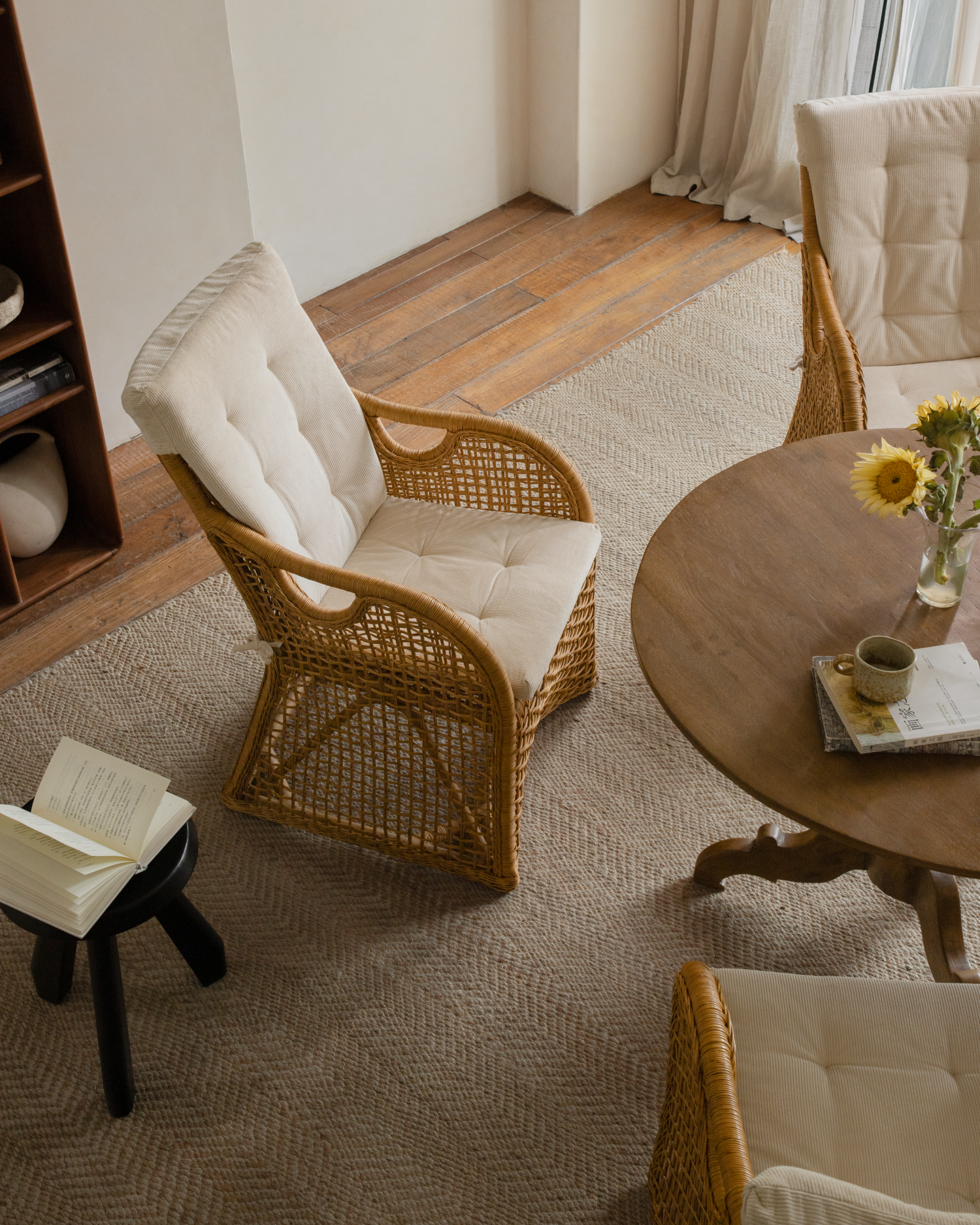
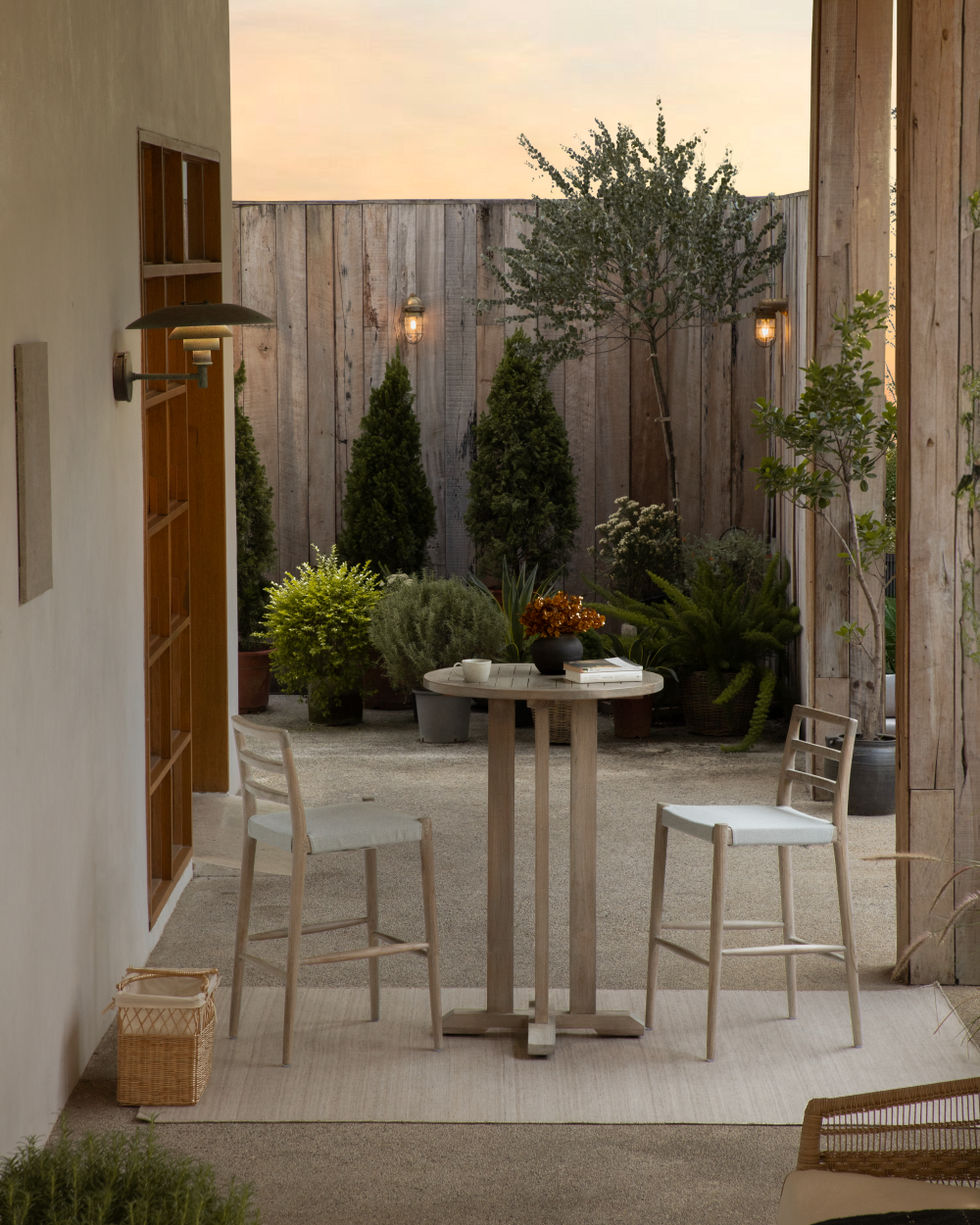
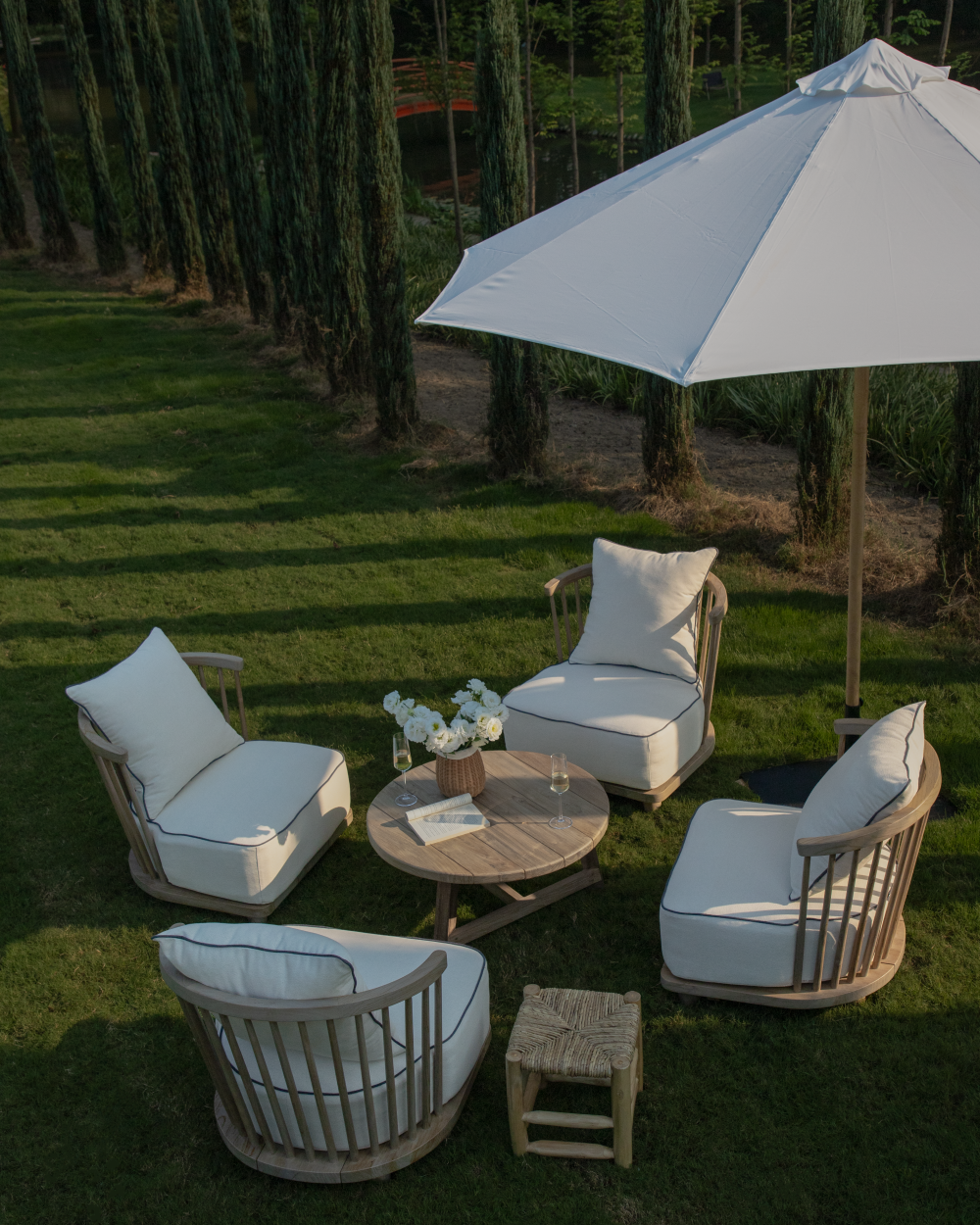
Wood is especially common because it changes naturally with age and shows plenty of variation from piece to piece. Stone, clay, linen, cotton, rattan, and other natural materials can also support the same look. A natural material does not need to look rough. A carefully finished oak table can still fit a wabi-sabi interior if its grain, knots, and subtle color changes remain visible.
Visible Texture and Natural Variation
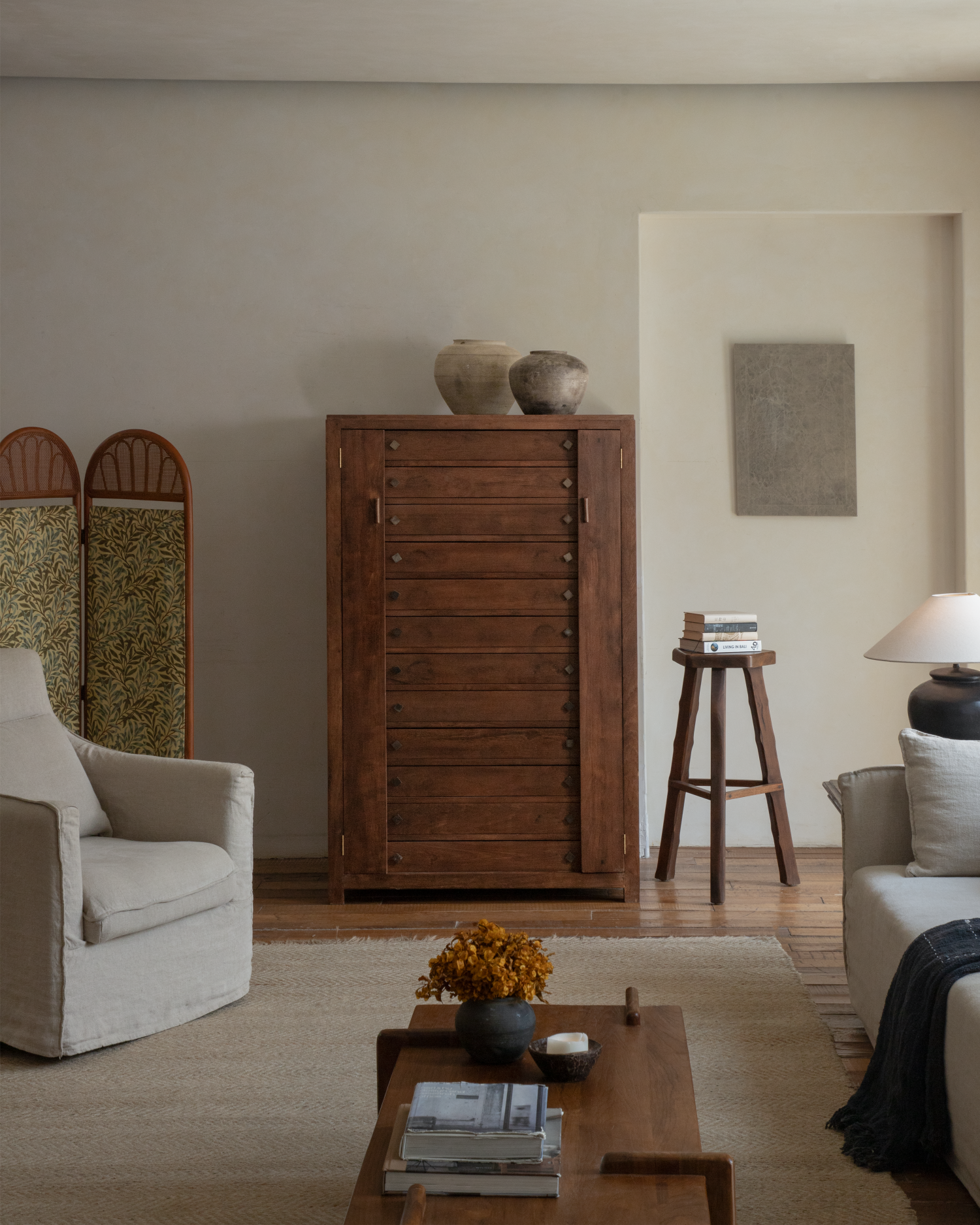
Natural wood imperfections can give a piece more visual interest without adding decorative details. Knots, small differences in tone, grain patterns, and variations between boards can make each piece distinct. This is where visible wood grain furniture works especially well.
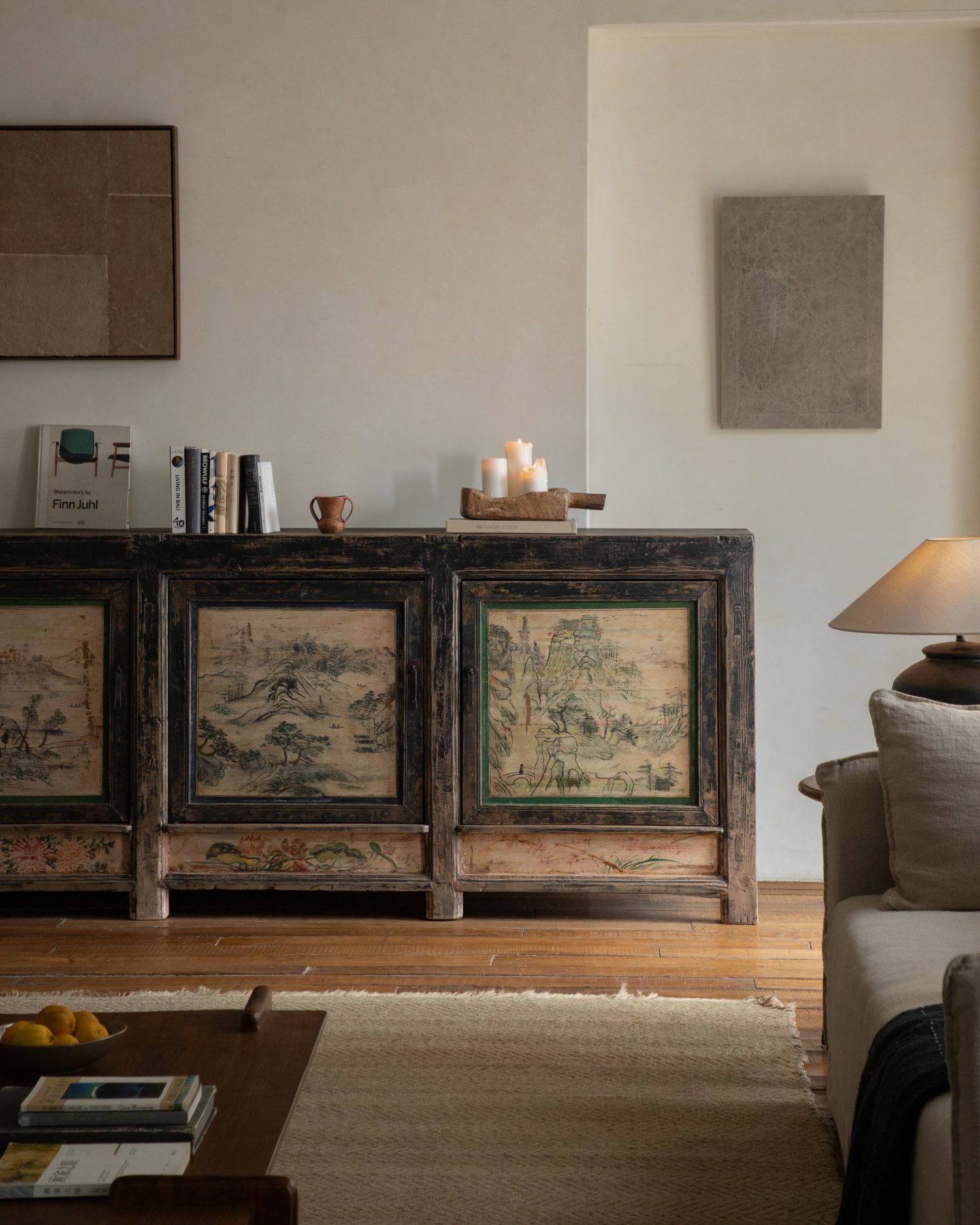
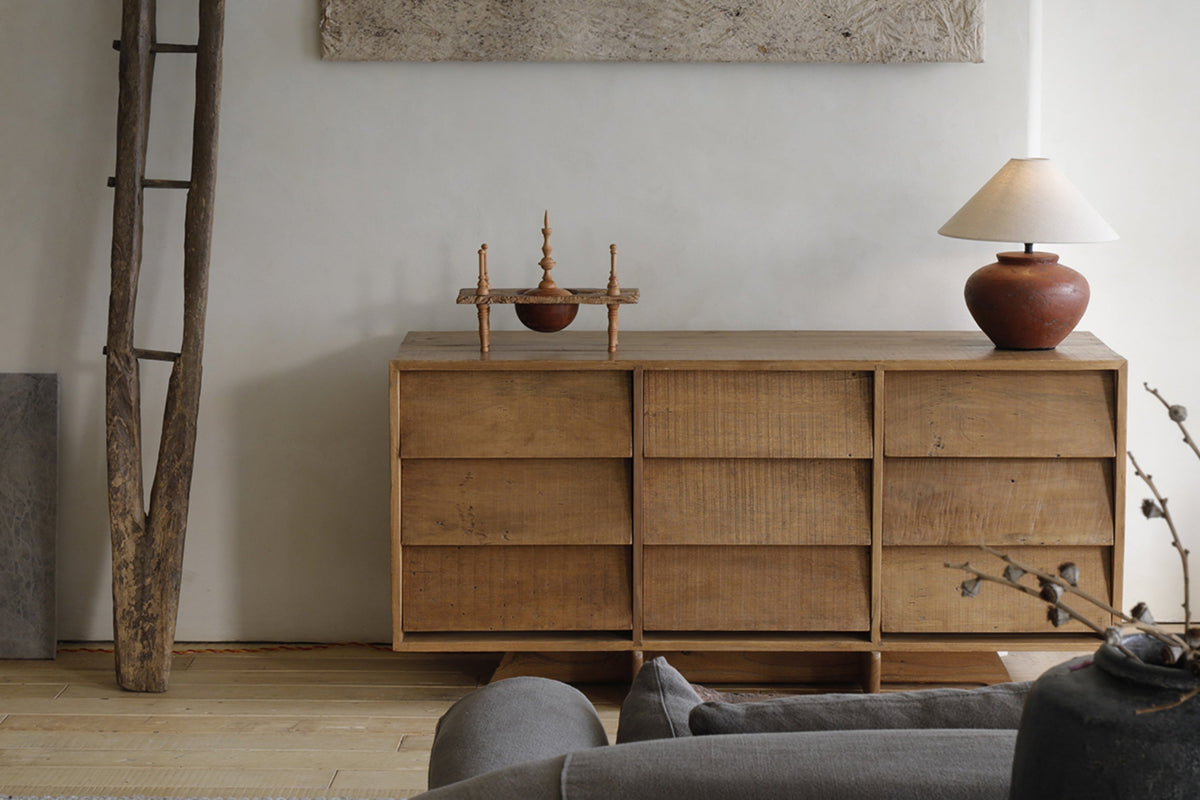
Reclaimed wood can take this idea even further. Reclaimed wood furniture often carries weathered marks, old nail holes, color variation, and a naturally aged surface. These details can give reclaimed materials furniture a strong sense of history while keeping the overall design simple.
Simple Forms and Organic Shapes
Wabi-sabi furniture generally avoids excessive ornamentation. Simple silhouettes let the material take the lead.
A low table with rounded corners, a simple bench, or a chair with a gently curved frame can create the right effect without looking overly themed. Low profile wabi-sabi furniture can also make a room feel grounded and open, especially when paired with natural textiles and plenty of empty space.
Asymmetry can play a role, too. A slightly irregular tabletop or a naturally shaped edge can feel more relaxed than a perfectly geometric piece.
Muted Colors and Signs of Age
Warm wood, cream, beige, soft gray, brown, clay, and muted green can work well with wabi-sabi furniture. Still, there is no fixed wabi-sabi color palette.
The more important point is restraint. Colors should allow the furniture's texture and shape to remain visible rather than competing for attention.
Signs of age can add another layer. A worn wood surface, softened edge, or natural patina can show how an object has changed through use. That aging process is a major part of the appeal.
How Do Natural Imperfections Add Character to Furniture?
Natural imperfections become valuable in wabi-sabi design because they make furniture feel less interchangeable. A small knot or unusual grain pattern can turn a familiar furniture shape into a piece with its own visual identity.
- Think about a solid wood dining table. A factory-made surface may aim for a highly consistent appearance, while a natural wood surface can show darker sections, knots, fine lines, and changing grain direction. Those differences give the tabletop something to look at without requiring extra decoration.
- Handmade details can contribute, too. Traditional wood joinery, subtle tool marks, or a hand-finished surface can reveal how a piece was made. These details can create a connection between the material, the maker, and the finished furniture.
- Age adds another layer. Wood can deepen in tone, leather can develop patina, and natural fabrics can soften through regular use. These changes do not have to make furniture look worn out. With suitable care, they can give it a more personal appearance.
The key distinction is important: natural variation is not the same as a defect. A knot in a sound piece of wood may be a desirable visual detail. A cracked joint that affects stability is a construction problem. Wabi-sabi appreciates honest material characteristics; it does not turn poor workmanship into a design feature.
Wabi-Sabi vs. Minimalist, Japandi, and Rustic Furniture
Wabi-sabi can look similar to several popular furniture styles, so the differences can be easy to miss. Looking at the ideas behind each style helps separate them without treating them as completely unrelated.
| Style | Main Focus | Common Furniture Characteristics |
| Wabi-Sabi | Imperfection, natural change, and material character | Natural materials, organic shapes, visible variation, patina |
| Minimalism | Simplicity and visual reduction | Clean lines, limited pieces, controlled forms |
| Japandi | Japanese and Scandinavian design influences | Simple shapes, natural materials, function, warm neutrals |
| Rustic | Rural and weathered character | Rough wood, substantial forms, aged or reclaimed finishes |
- Wabi-sabi and minimalism can work together because both can favor fewer visual distractions. The difference is that wabi-sabi gives more attention to irregularity, age, and natural change.
- Japandi also shares natural wood, simple furniture, and restrained colors with wabi-sabi. A room using japandi style reclaimed wood can therefore have some wabi-sabi qualities, but the two concepts remain distinct.
- Rustic furniture often uses rough or reclaimed wood, so there can be plenty of overlap here as well. Still, a rustic room may emphasize a stronger country or farmhouse character, while wabi-sabi usually keeps the overall composition quieter and more restrained.
That distinction helps explain why modern reclaimed wood furniture can work in a wabi-sabi home. The furniture does not need to look heavily rustic. A simple reclaimed wood table with a clean silhouette can provide natural variation while keeping the room contemporary.

How to Bring Wabi-Sabi Furniture Into Your Home
You do not need to redesign every room to create a wabi-sabi feel. A few natural, tactile pieces can make a noticeable difference when the rest of the room gives them enough space.
Living Room
Start with a coffee table, side table, or seating piece that shows natural material character.
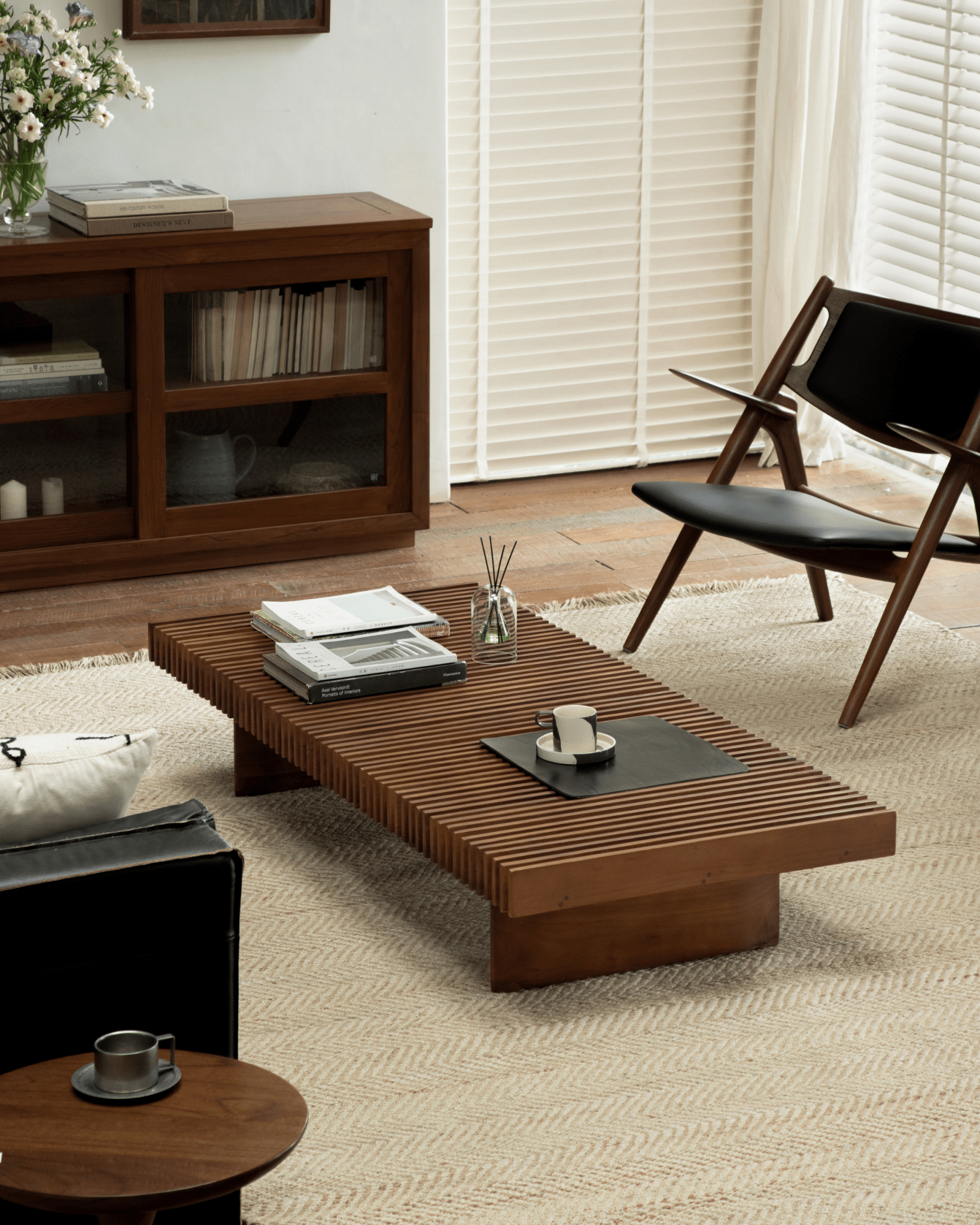
A wabi-sabi coffee table with visible grain can anchor a neutral sofa without adding visual clutter. A rustic wood side table can also work if its shape remains simple and its finish does not make the room feel overly rustic.
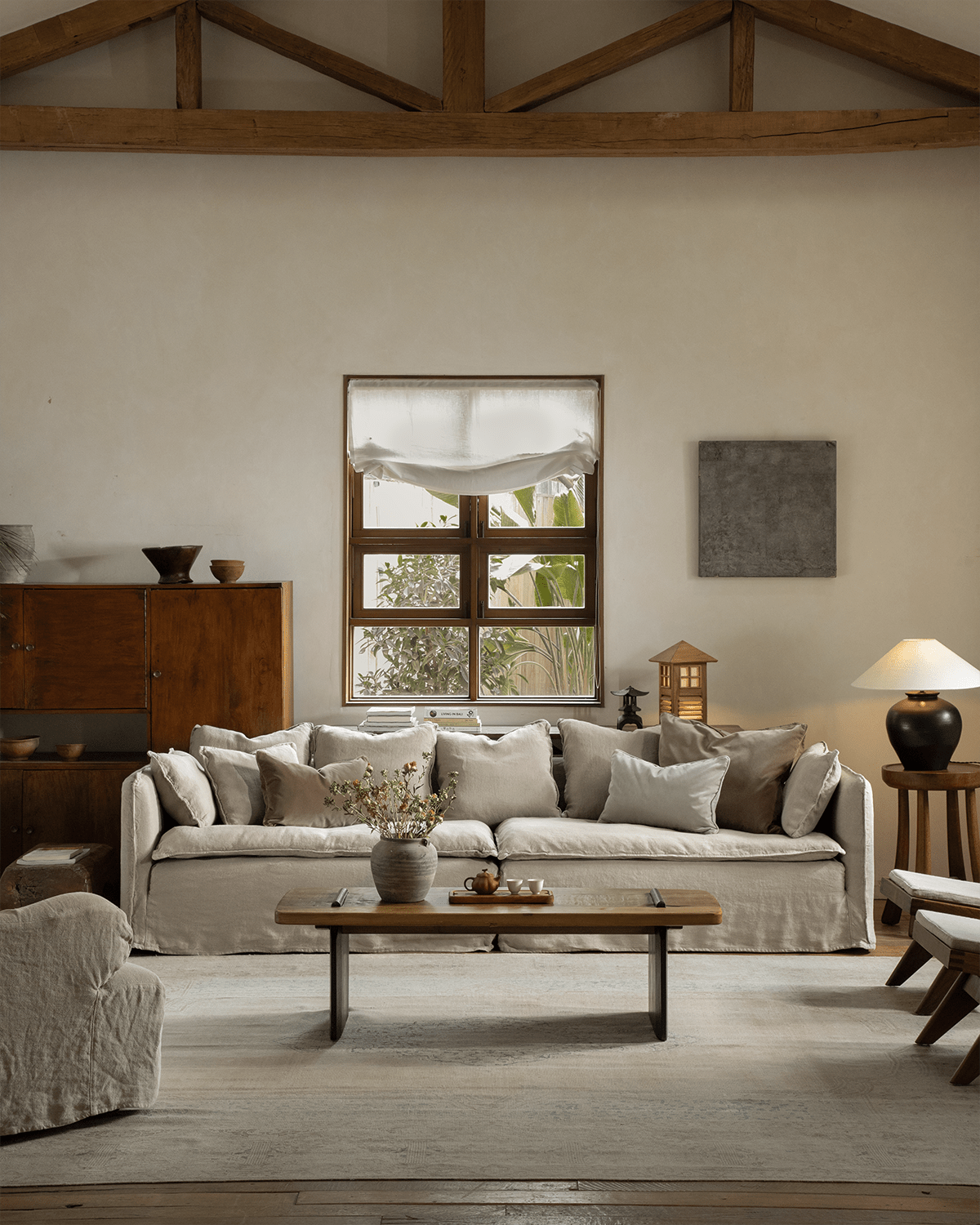
For seating, look for linen, cotton, leather, or other materials that develop texture through regular use. A simple wooden bench can also work near a window or along a wall.
Dining Room
The dining table is a natural place for wabi-sabi design because it is used every day.
A solid wood table with visible grain can become the main feature of the room. A reclaimed wood dining table can add more variation through its weathered surface and history.
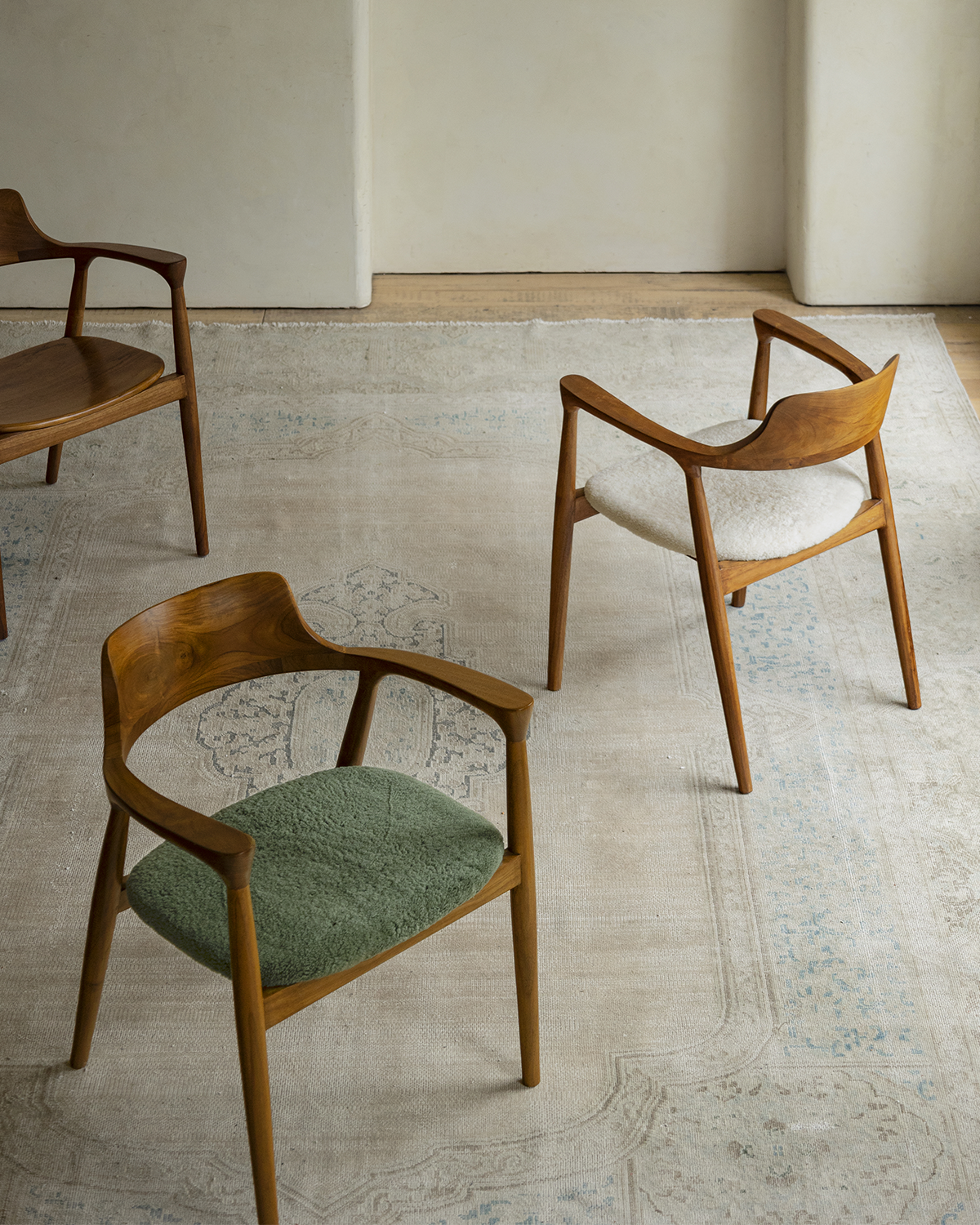
Pair it with simple chairs rather than trying to match every material perfectly. Slight differences in wood tone, upholstery, or shape can keep the room relaxed.
Bedroom
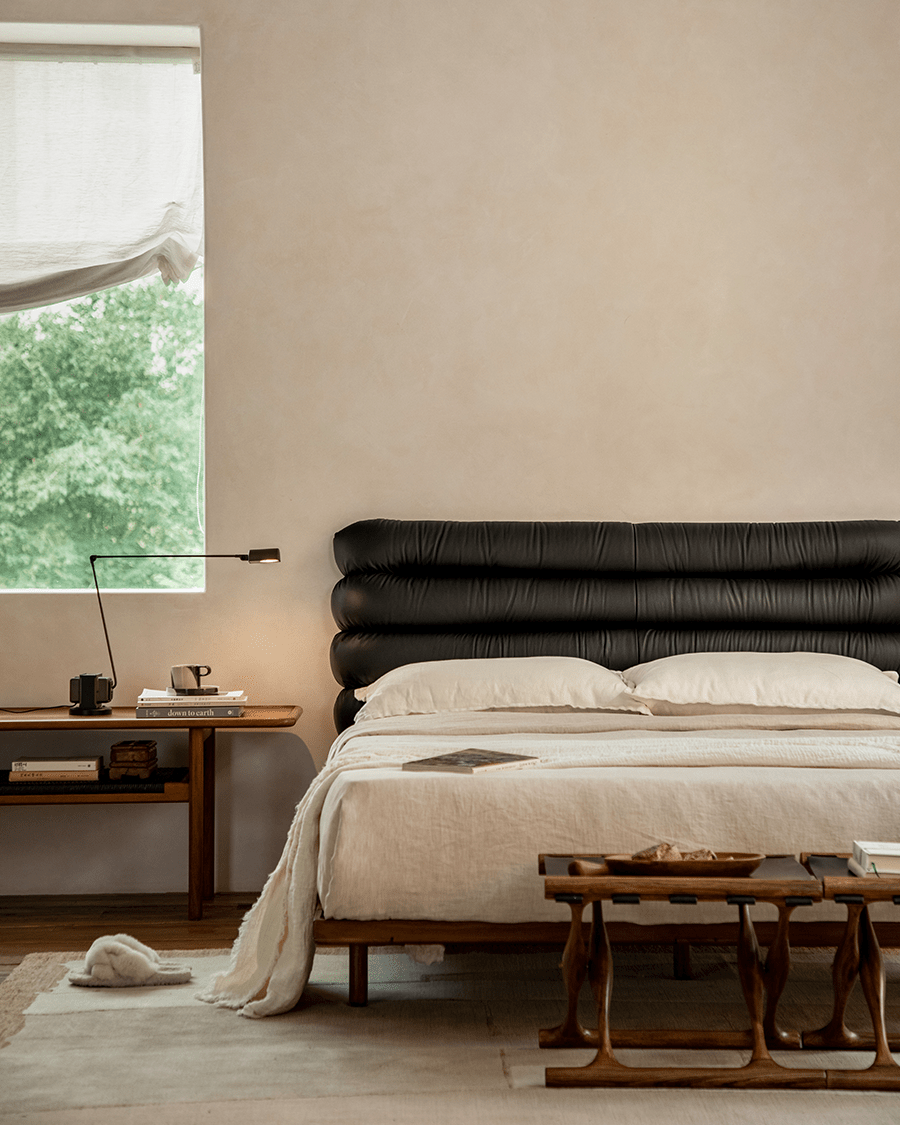
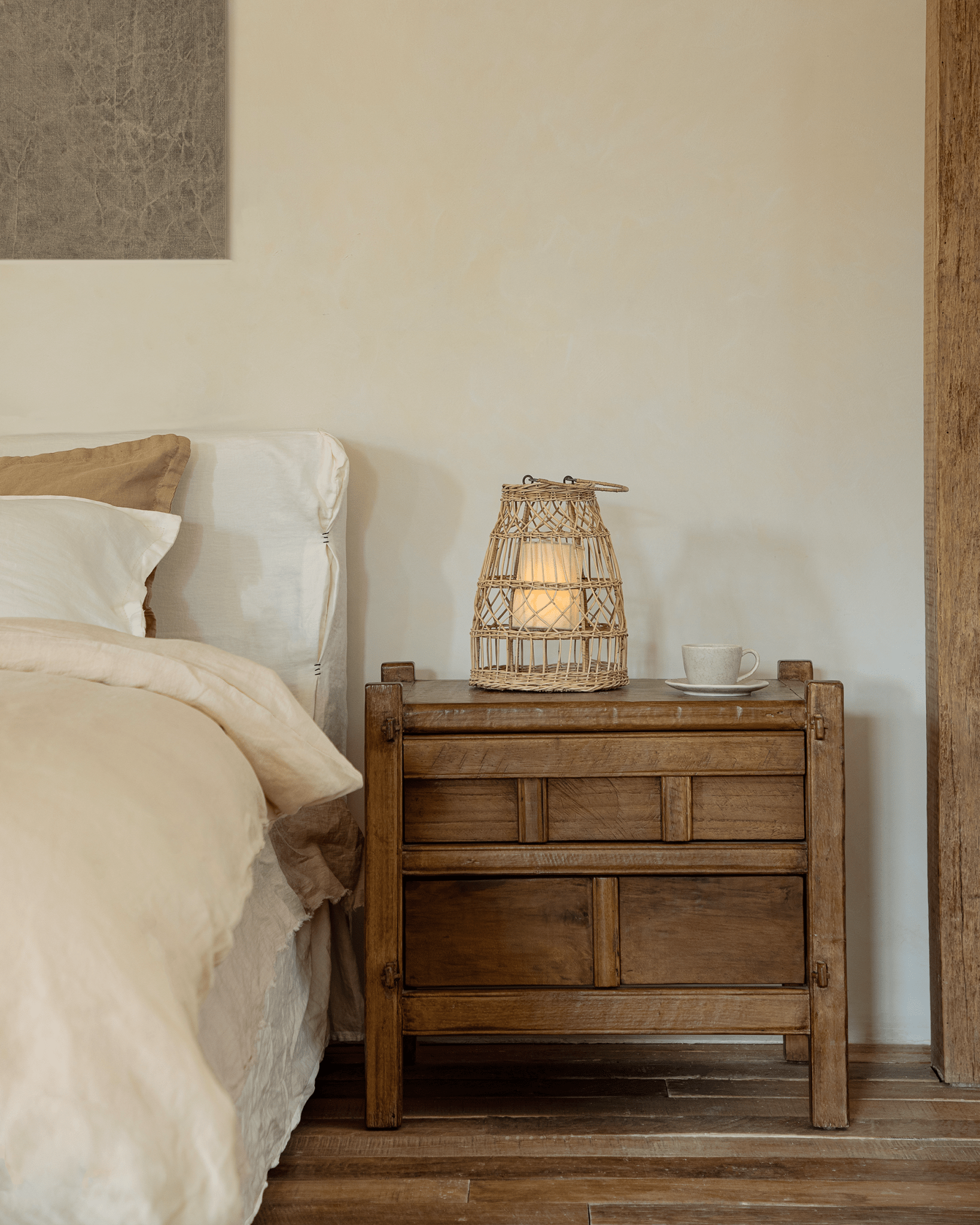
A low wood bed frame, a small nightstand, and natural bedding can create a quiet setting. Japanese minimalist wooden furniture can work well here because its simple forms allow wood texture and natural textiles to stand out.
You can also choose different bedside pieces rather than buying an identical pair. A small difference in shape or material can introduce asymmetry without making the room feel random.
Entryway
The entryway needs useful furniture, so a simple console, stool, or bench can bring wabi-sabi character without taking up much space.
A wabi-sabi wooden bench with a simple silhouette can provide seating while showing natural grain and texture. Keep the surrounding decor limited so the material remains visible.
How to Choose Wabi-Sabi Furniture That Ages Well
The right piece should offer natural character without giving up comfort, strength, or everyday function. A little attention to material and construction can make the selection much easier.
Start With the Material
Look closely at the wood, stone, fabric, or other main material. Ask how much of its natural texture remains visible.
With wood, look for grain patterns, knots, color variation, and a finish that does not completely hide the surface. Raw edge wood furniture can create a strong natural look, but the edge should still be safe and comfortable for its intended use.
Check the Construction
Wabi-sabi does not remove the need for good construction.
Check:
- Stable legs and frames
- Secure joints
- Proper weight support
- Smooth surfaces where needed
- A finish suited to the furniture's use
- Quality hardware and joinery
This matters especially with reclaimed wood. If you are asking, is reclaimed wood furniture durable? The answer depends on the wood species, preparation, construction, finish, and care. Reclaimed wood can make durable furniture, but its previous use and natural condition should be considered.
Think About How It Will Age
A useful question is not only how the furniture looks on the day you buy it, but how its materials may change with regular use.
Wood may become richer in tone. Leather can develop patina. Natural fabric can soften. These changes can fit the wabi-sabi approach if the furniture is designed and maintained properly.
For what to look for in reclaimed wood furniture, focus on stable construction, properly prepared wood, an appropriate finish, and natural characteristics that you genuinely like rather than simply choosing the piece with the most visible damage.
Common Misconceptions About Wabi-Sabi Furniture
Wabi-sabi can be easy to simplify into a few visual clues, but that can lead to a distorted version of the concept. These common misconceptions help clarify what the style actually values.
Wabi-Sabi Does Not Mean Damaged or Poorly Made Furniture
Natural knots, grain variation, small differences in color, and signs of normal aging can add character. Structural cracks, loose joints, unsafe surfaces, or poor construction are different issues. Good furniture can show its natural material while still being carefully made.
Wabi-Sabi Is Not the Same as Minimalism
Minimalism focuses heavily on reducing visual elements and keeping forms controlled. Wabi-sabi can share that restraint, but it also accepts irregularity and change.
A simple room with perfectly uniform furniture can feel minimalist without having much wabi-sabi character.
Wabi-Sabi Is Not About Artificially Distressing Furniture
Adding fake scratches to a new table does not automatically create wabi-sabi furniture. The stronger connection comes from genuine material qualities: natural grain, handmade variation, authentic wear, and changes that develop through use. Reclaimed wood can provide these qualities naturally, but it does not need exaggerated distressing to make its character visible.
Wabi-Sabi Does Not Mean a Messy or Unfinished Home
A wabi-sabi room can still be clean, comfortable, and carefully arranged. The goal is not to fill the room with random objects or leave everything unfinished. Simple furniture, open space, tactile materials, and a few meaningful details can create a calmer composition.
Wabi-Sabi Is Not Limited to Beige and Rustic Decor
Warm neutrals and natural wood appear often, but wabi-sabi does not require a beige-only room.
The stronger foundation is natural material, simplicity, irregularity, and respect for change. This leaves room for darker wood, muted colors, handmade ceramics, stone, and even carefully selected modern furniture.

Let Natural Imperfections Give Furniture More Character
Wabi-sabi furniture does not ask a home to look old, unfinished, or perfectly styled. It offers a different way to value furniture: notice the grain, accept small variations, and give materials room to change through everyday use.
For homeowners interested in wabi-sabi aesthetic home decor, the simplest starting point may be a single piece with genuine material character. Give it space, pair it with comfortable textures, and let its natural details remain visible. That can bring the quiet, grounded quality of wabi-sabi interior design furniture into a modern home without forcing every room into the same look.
FAQs About Wabi-Sabi Furniture
Q1: What Materials Are Commonly Used in Wabi-Sabi Furniture?
Wood is especially common because it naturally shows grain, knots, color variation, and changes with age. Stone, linen, cotton, rattan, clay, and other natural materials can also fit the aesthetic when their textures and natural qualities remain visible.
Q2: Does Wabi-Sabi Furniture Mean Old or Damaged Furniture?
No. Wabi-sabi can appreciate age, wear, patina, and natural variation, but that does not include unsafe construction or serious damage. A well-made piece can have plenty of natural character while remaining stable, comfortable, and functional.
Q3: How Can I Add Wabi-Sabi Furniture to a Modern Home?
Start with a few pieces that show natural materials, such as a wood coffee table, dining table, bench, or side table. Keep the surrounding furniture simple, use tactile fabrics, and leave enough open space for natural textures and irregular details to stand out.