


Key Takeaways
- High-traffic homes need furniture that can handle frequent use, spills, scratches, and repeated cleaning.
- Performance fabrics, polyester blends, microfiber, leather, and coated upholstery can work well for busy seating areas.
- Oak, maple, quality veneer, plywood, and well-made engineered wood can suit frequently used tables and storage pieces.
- Material alone does not determine durability. Frame construction, joints, finishes, cushions, and care also matter.
- Choose materials based on how each piece will be used, not simply on a material label.
Furniture in a busy home faces constant wear. A sofa may be used for hours each day, a dining table may handle meals and spills, and chairs may be moved and sat on many times.
That makes material selection more important, but material alone does not tell the full story. A strong fabric can still perform poorly if it is hard to clean, while a beautiful wood table may show damage quickly if it has a weak finish.
The right choice combines the material, construction, finish, and care needs with your household's daily habits.
What Should You Look for in High-Traffic Furniture?
A busy home puts different kinds of stress on furniture, so start with the problems each piece needs to handle most often.
Durability and Resistance to Daily Wear
Look for materials that can handle repeated contact, friction, pressure, and movement. Sofas and dining chairs need fabrics that can tolerate regular use, while tables and cabinets need surfaces that can handle scratches and impacts.
For upholstery, abrasion testing can offer useful information, but it should not be treated as a prediction of furniture lifespan. The Association for Contract Textiles notes that cleaning, maintenance, application, and other types of wear also affect fabric durability.
Easy Cleaning and Stain Resistance
A material can be durable yet difficult to maintain. For a family room or dining area, easy cleaning can matter just as much as resistance to wear.
Think about common problems such as food, drinks, pet hair, dirt, and fingerprints. Smooth finishes and easy-clean upholstery can reduce the work needed to keep frequently used furniture looking fresh.
Structural Strength
Check the frame, joints, hardware, and support system as well as the visible material. Consumer Reports recommends looking closely at furniture construction, including frames, cushions, joints, and finishes.
Finish and Maintenance Requirements
The finish protects many furniture surfaces from daily wear. For heavily used wood furniture, catalyzed conversion varnish offers greater wear resistance than a lacquer top coat. Always check the manufacturer's care instructions. A material that needs special cleaning may not suit a household looking for low-maintenance furniture.

Best Upholstery Materials for High-Traffic Homes
Sofas, sectionals, and dining chairs face repeated contact, so upholstery needs to balance comfort, appearance, cleaning needs, and resistance to wear.
Performance Fabrics
Performance fabrics can be a practical choice for busy living rooms because they focus on everyday concerns such as stains, wear, and cleaning. They can work well for families, homes with pets, and seating that receives daily use. Still, the term "performance fabric" covers many different products, so check the specific fabric's care instructions and performance information.
Polyester and Polyester Blends
Polyester blends can offer a useful balance of durability, easy care, comfort, and cost. They tend to be more durable and easier to clean than all-cotton or all-linen upholstery. For someone searching for the best material for a sofa, a well-made polyester blend can be a practical option for a family room or frequently used sectional.
Microfiber
Microfiber offers a soft feel and can suit sofas, recliners, and lounge chairs that receive regular use. Check the specific product's cleaning instructions rather than judging the material by its name alone. Fabric construction and finishing can change how a particular piece handles daily use.
Leather
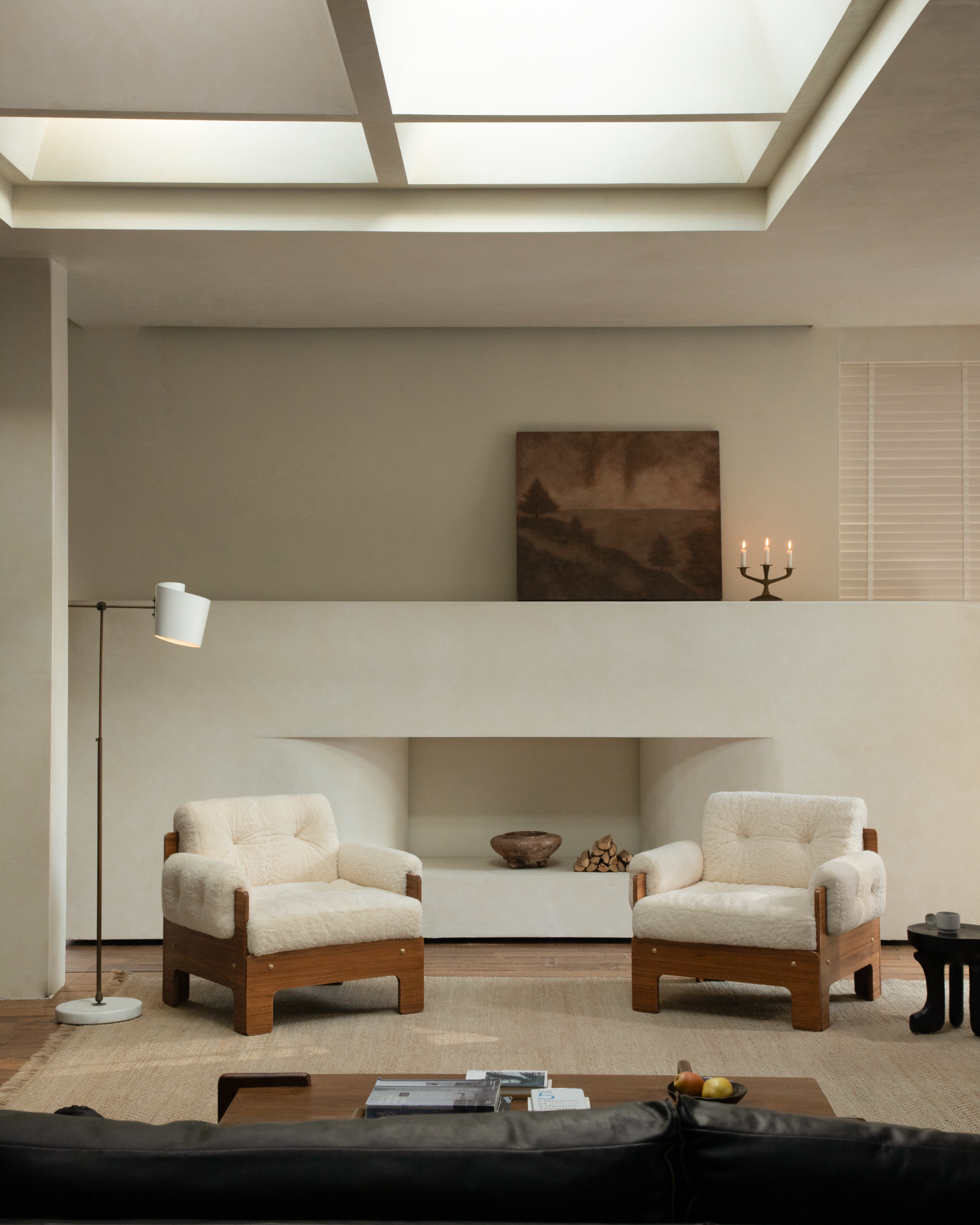
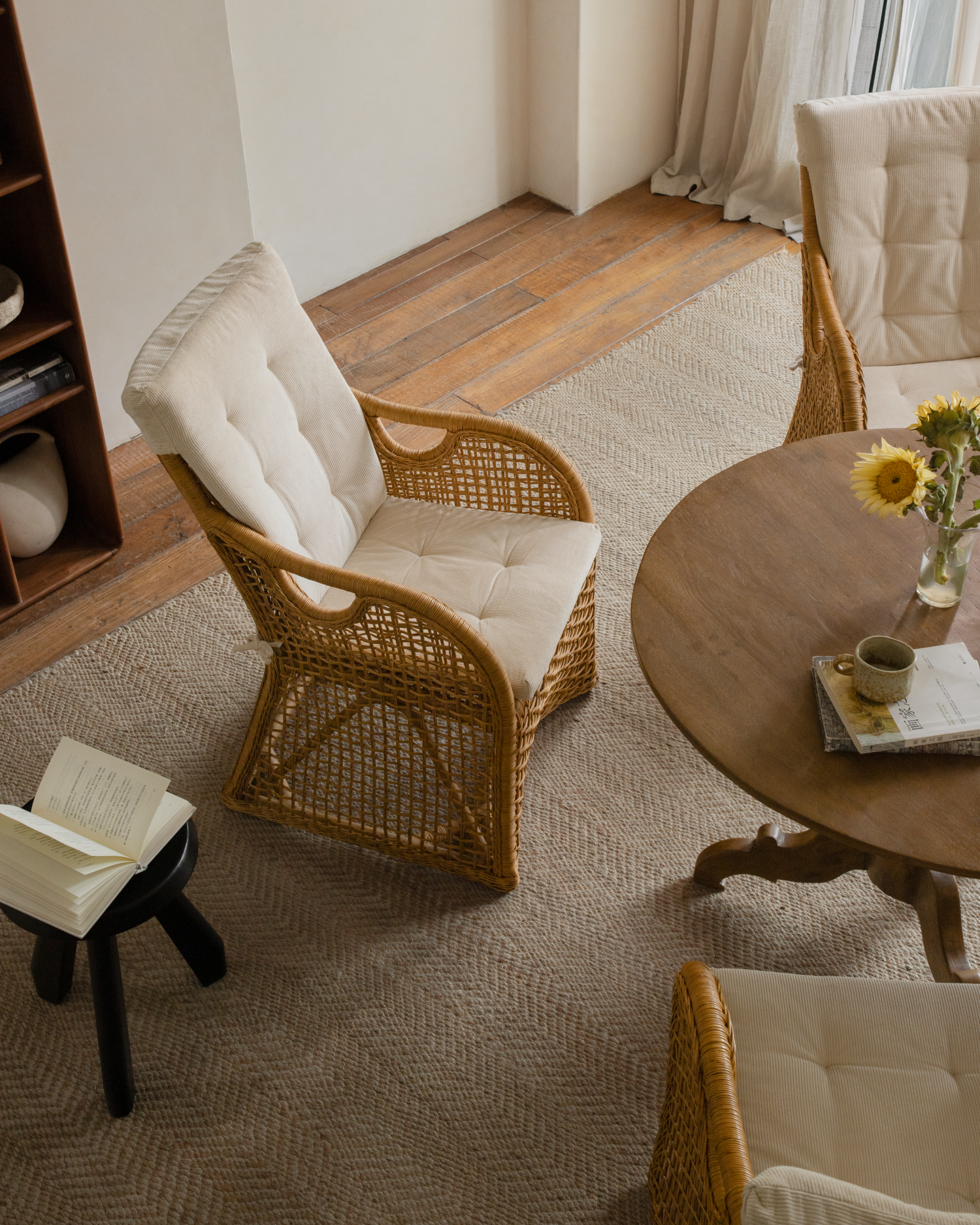
Leather offers a smooth surface that can be convenient for wiping away many everyday spills. It can also develop a distinct appearance with use. That patina can help a leather chair settle into a room that mixes vintage and modern furniture. Different leather types and finishes have different care needs. Very soft leather can be more vulnerable to staining or scratches, so households with young children or heavy dining use should check the specific product carefully.
Vinyl and Coated Upholstery
Vinyl and urethane-coated upholstery can work well in areas where frequent wiping is useful, such as dining chairs and breakfast seating. ASTM performance specifications for coated upholstery include tests for abrasion, coating adhesion, flexing, colorfastness, and other properties.
What About Cotton and Linen?
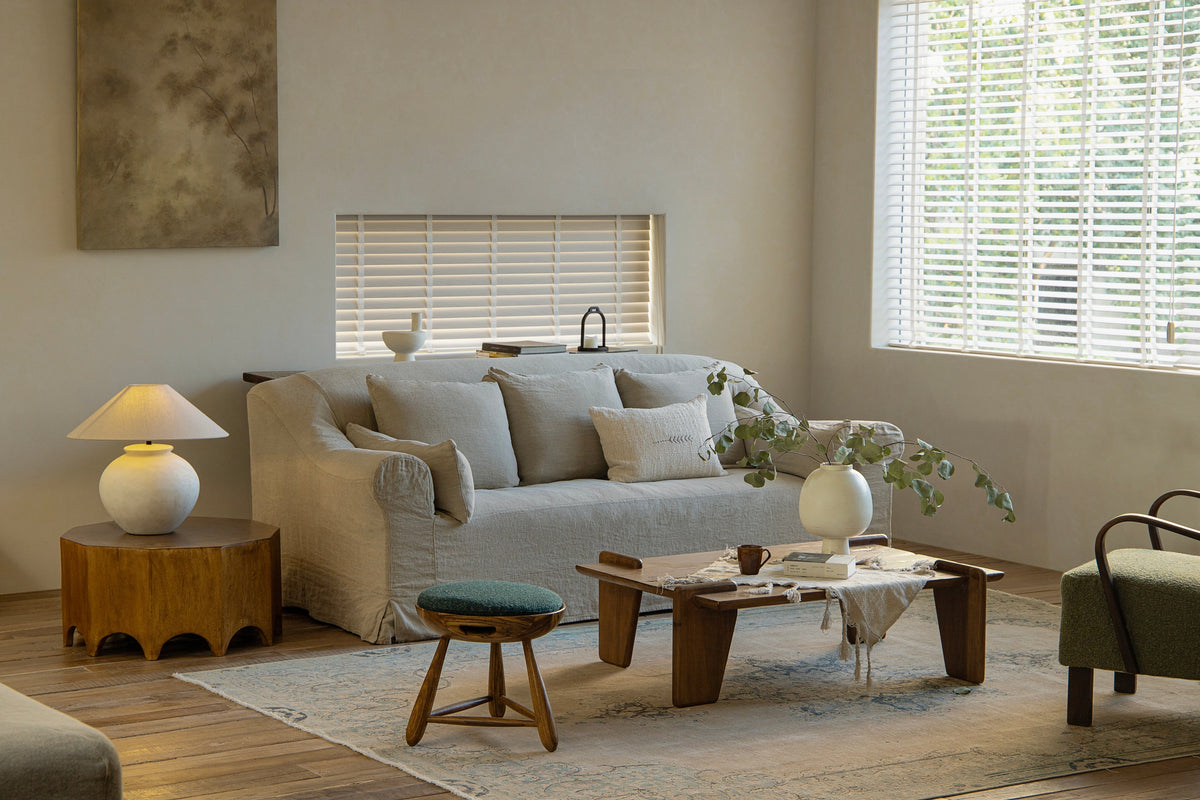
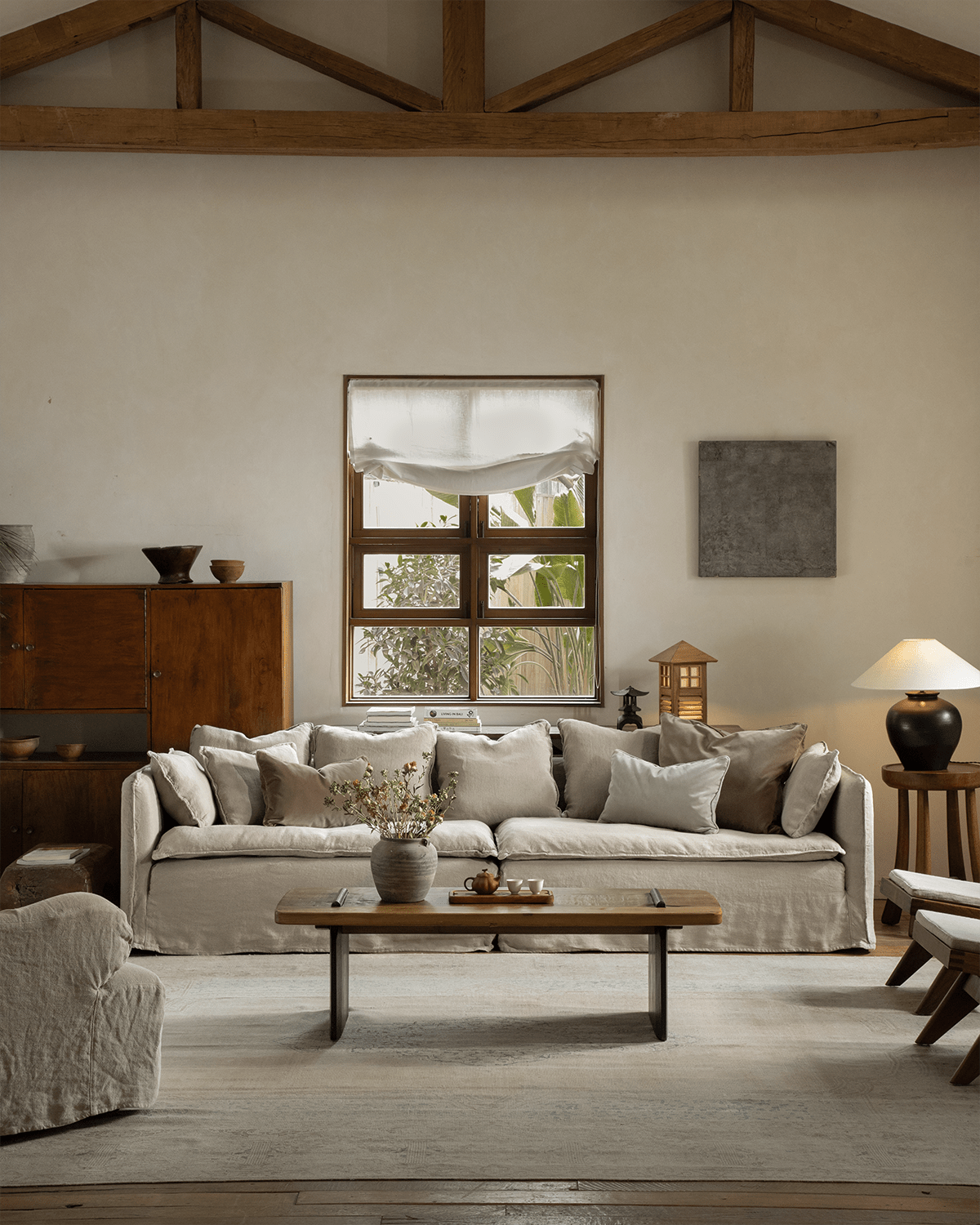
Cotton and linen can offer a soft, natural look, but all-cotton or all-linen upholstery may require more care in heavily used areas. A linen material sofa can still work well in a lower-stress room or with a suitable protective treatment and care routine.
Best Wood Materials for Frequently Used Furniture
Hard surfaces face a different type of wear, so tables, desks, cabinets, and shelves need materials and finishes suited to repeated contact and everyday loads.
Solid Hardwood
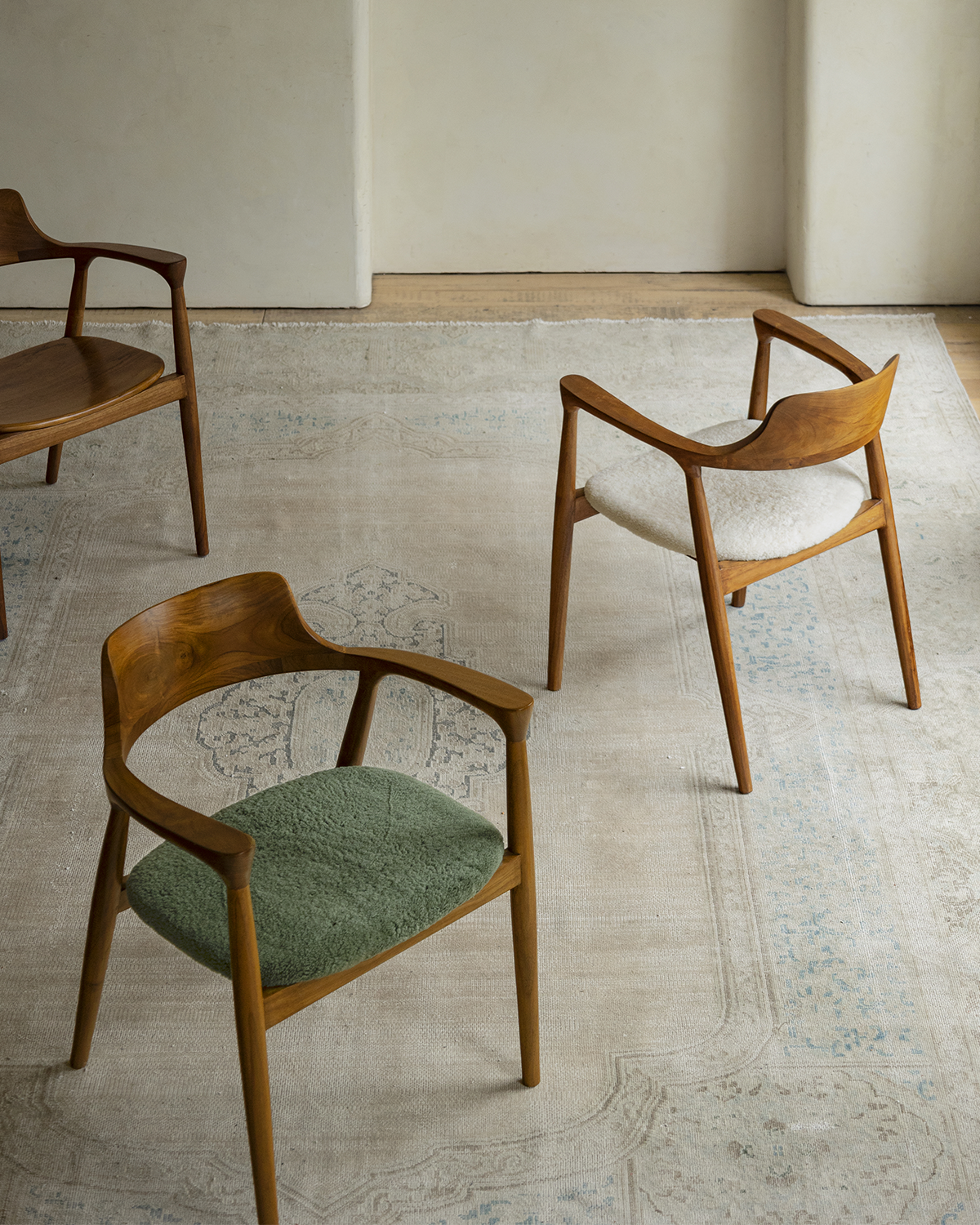
Solid hardwood remains a practical choice for dining tables, desks, chairs, and other frequently used pieces. Common choices include oak, maple, walnut, and cherry. Look at the wood species, construction, finish, and intended use together rather than assuming every hardwood piece will perform the same way.
Oak
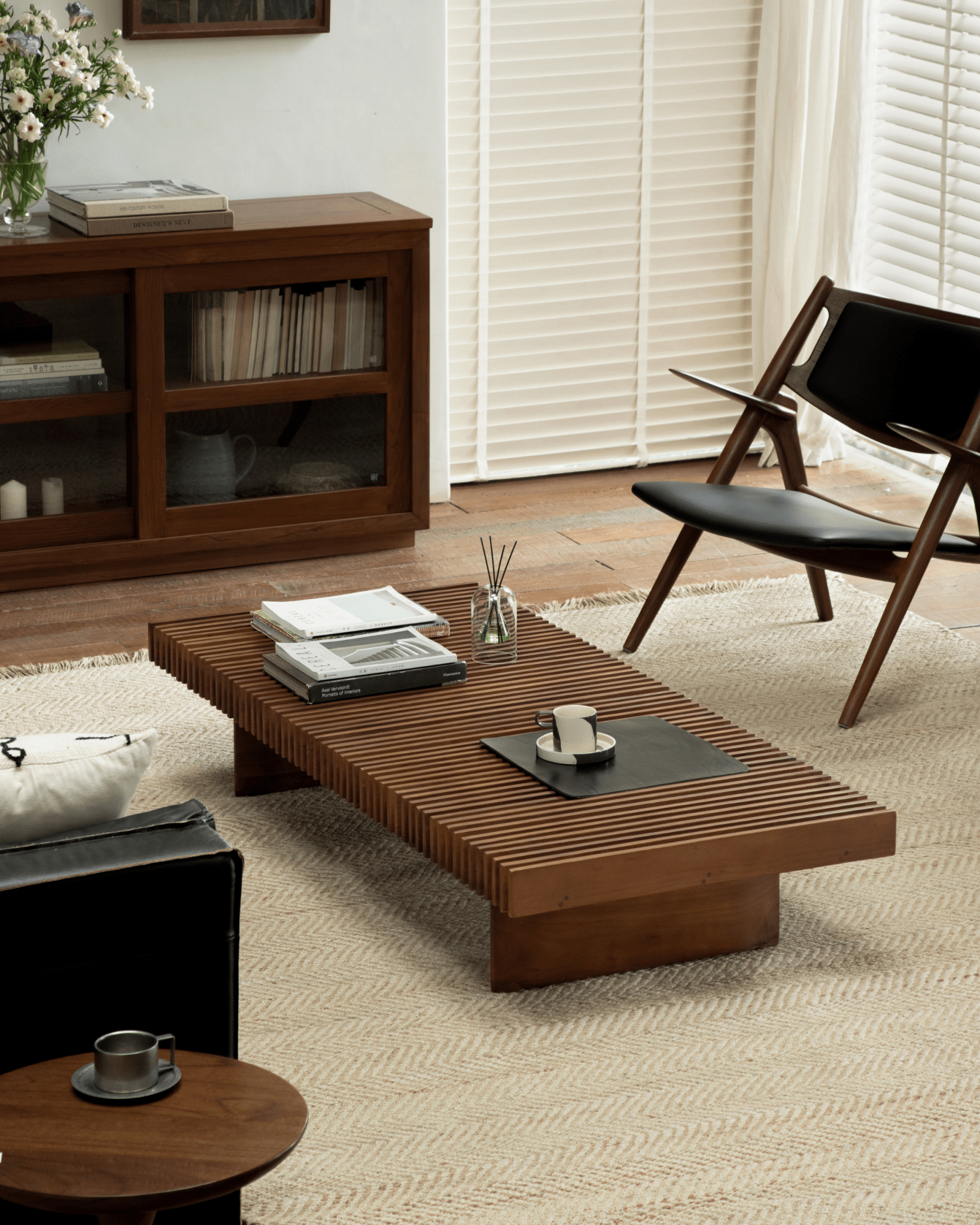
Oak is widely used for furniture because it combines a strong structure with a noticeable grain pattern. Its grain can also help make small marks less obvious than they might appear on a very uniform surface. Oak can suit dining tables, coffee tables, chairs, cabinets, and other pieces that receive regular use.
Maple
Maple provides a hard, smooth surface and a relatively clean appearance. It can work well for tables, desks, cabinets, and other furniture that needs to handle repeated use. Its lighter, more uniform appearance can also make scratches or marks easier to notice, so the finish still matters.
Wood Veneer
Wood veneer should not automatically be treated as a lower-quality choice. A real wood veneer over a suitable substrate can provide an attractive surface while keeping large furniture pieces more affordable.
Plywood and Engineered Wood
Quality plywood and engineered wood can work well in furniture, especially for large panels and storage pieces. Pay attention to panel thickness, edges, joints, hardware, and intended load. The label alone does not tell you how well a piece will handle years of use.
How Metal, Glass, and Stone Compare for High-Traffic Furniture
Wood and upholstery cover many needs, but other materials can offer useful advantages for specific furniture styles and rooms.
Metal
Steel and aluminum can provide strong frames for dining chairs, tables, shelving, and other frequently used furniture. Check the coating as well as the metal itself. A durable frame can still develop visible scratches or corrosion if its surface protection does not suit the room.
Glass
Glass offers a smooth surface that can be easy to wipe clean. It can work well for coffee tables, dining tables, and display furniture. Fingerprints, chips, scratches, impacts, and edge design deserve attention, especially in homes with children.
Stone and Ceramic Surfaces
Stone and ceramic surfaces can work well for tabletops because they can provide a hard, easy-to-clean surface. The table structure still matters. A highly durable top cannot compensate for weak legs, poor joints, or an unstable base.

Why Furniture Construction Matters as Much as Material
A durable surface cannot make up for weak furniture construction, so inspect the piece as a complete system rather than focusing on the material label.
Check the Frame and Joints
For upholstered furniture, a strong frame and reliable support system help the piece handle repeated use. For wood furniture, inspect joints and hardware for solid construction.
Look at Cushion Construction
A durable cover does not guarantee a comfortable sofa. Cushion materials and support affect how the seat feels after repeated use.
For shoppers looking for the best couch material, consider the upholstery together with cushion support, frame quality, and the sofa's intended use.
Pay Attention to the Finish
A protective finish can help a wood surface handle everyday contact, spills, and cleaning. Ask what finish the furniture uses and what cleaning products the manufacturer recommends.
Do Not Choose Furniture by One Specification
A high abrasion number does not automatically make a sofa more durable. ACT states that abrasion tests measure specific forms of surface wear and cannot predict actual service life on their own.
Look at several factors together: fabric construction, cleaning, maintenance, frame quality, cushions, finish, and the furniture's intended use.
How to Choose Furniture Materials for Different Households
The right material changes with the people, pets, rooms, and routines in the home, so match each choice to its most common source of wear.
Homes With Young Children
Prioritize easy-clean upholstery, stain resistance, durable finishes, stable construction, and surfaces that can handle frequent wiping.
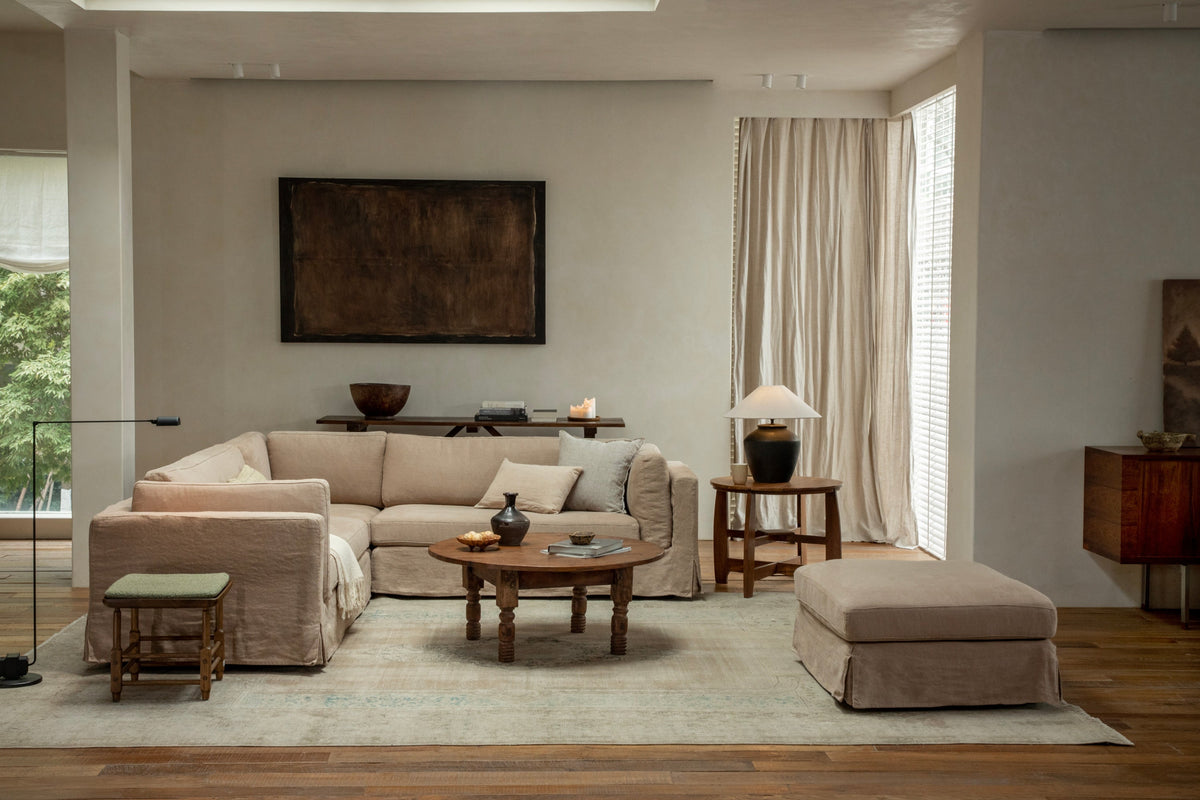
Slipcovered furniture can also be useful because removable covers may make routine care simpler, depending on the specific product and cleaning instructions.
Homes With Pets
Look for upholstery that can handle regular contact and cleaning. Tightly constructed fabrics can be worth considering, along with smooth surfaces that are easier to remove hair and dirt from.
Homes That Entertain Frequently
Dining chairs, sofas, and tables may receive much more use in a home that regularly hosts guests. Choose durable upholstery, easy-clean surfaces, strong frames, and finishes designed for regular use.
Homes With Heavy Everyday Use
For a family room, a durable sofa with easy-care upholstery can be more practical than delicate fabric. For dining spaces, a strong table with a durable finish can provide better everyday performance. If both areas share one room, our guide to open-concept living and dining furniture shows how to plan them together.
The best comfortable sofa for a busy household still needs more than soft cushions. The upholstery, frame, support, and cleaning requirements all deserve attention.

How to Compare Furniture Materials Before You Buy
A simple comparison process can help you avoid choosing furniture based only on appearance or a single performance number.
- Identify the furniture's main use. A dining chair has different needs from a decorative accent chair.
- Find the main source of wear. Think about spills, rubbing, scratches, weight, pets, or frequent cleaning.
- Check performance information. Look for fabric care details, abrasion testing, finish information, and material specifications.
- Inspect construction. Check frames, joints, hardware, cushions, and support.
- Review maintenance needs. Make sure the required care fits your normal routine.
- Consider visible wear. Some materials hide small marks better than others.
- Compare the complete piece. The fabric material sofa shoppers notice first is only part of the furniture's long-term performance.
Choose Furniture Materials for Your Real Daily Use
High-traffic homes do not need a single "best" furniture material. They need materials that match the way each piece will be used.
Performance fabrics, polyester blends, microfiber, leather, coated upholstery, hardwood, quality veneer, plywood, and metal can all work well in the right setting. The strongest choice combines the material with good construction, a suitable finish, practical maintenance, and the demands of the room.
Focus on the furniture's most heavily used parts, check its performance information, and choose a material that fits your household's daily routine.
FAQs About Furniture Materials
Q1: What Is the Most Durable Material for a High-Traffic Sofa?
Performance upholstery, polyester blends, microfiber, and suitable leather can all work well. The best material for a sofa depends on its fabric construction, cleaning needs, frame, cushions, and daily use.
Q2: Is Solid Wood Better for High-Traffic Furniture?
Solid hardwood can be highly durable, but quality veneer, plywood, and engineered wood can also work well. Construction, joints, surface finish, and intended load matter alongside the wood itself.
Q3: Is Performance Fabric Worth It for a Family Home?
Performance fabric can be a practical option for families that need easier cleaning and resistance to daily wear. Check the specific fabric's test information and care instructions instead of relying on the category name alone.
Q4: Does a Higher Abrasion Rating Mean Furniture Will Last Longer?
No. ACT states that higher abrasion numbers do not directly predict longer fabric service life. Cleaning, maintenance, physical use, application, and other forms of wear also affect durability.