
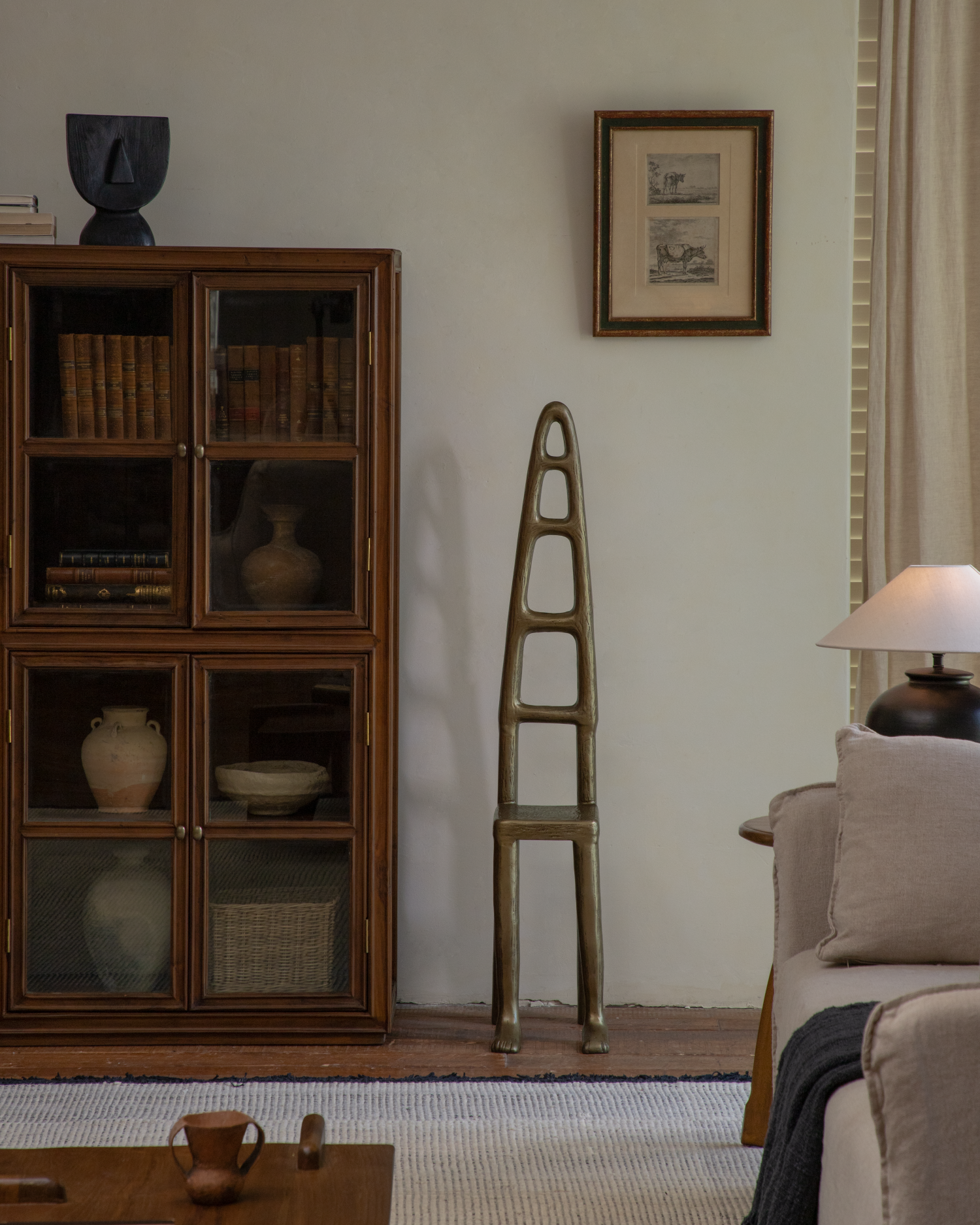
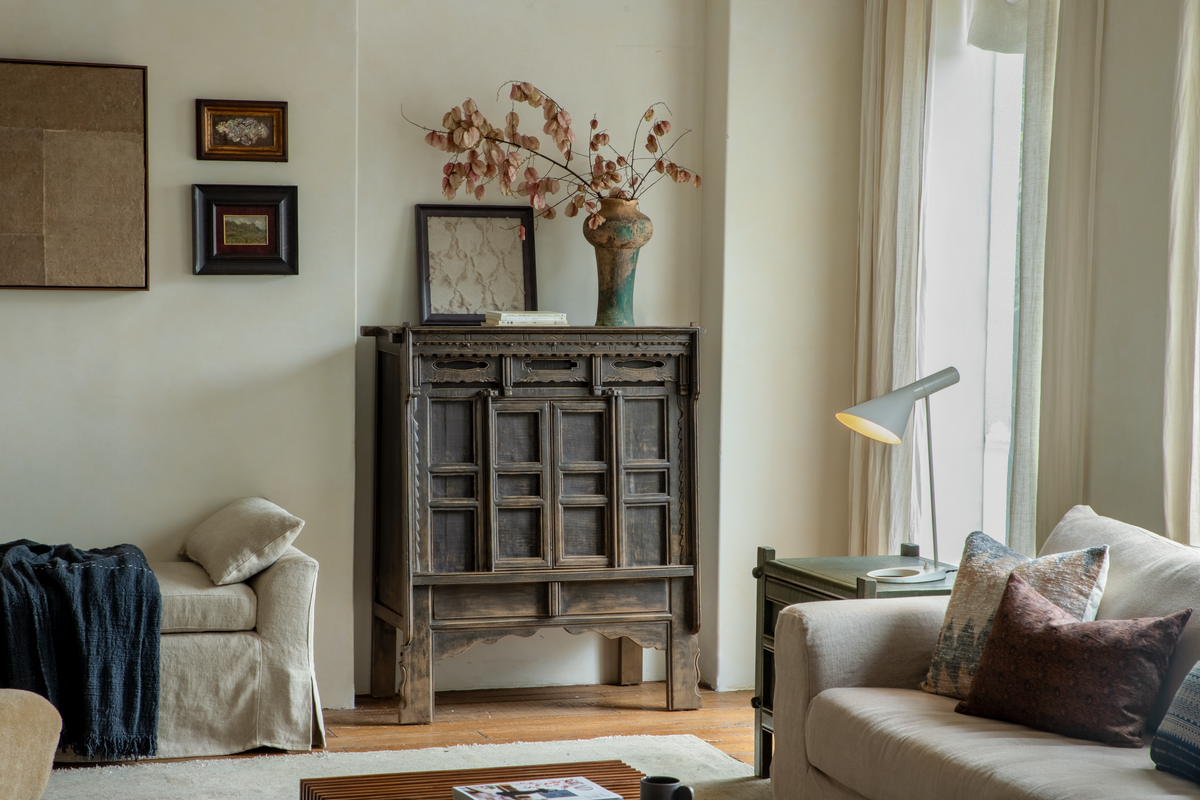

Key Takeaways
- Yes, vintage and modern furniture can work well in the same room.
- Choose a dominant style to give the space a clear direction.
- Connect different pieces through color, material, shape, or texture.
- Balance scale and visual weight instead of trying to match furniture.
- Use vintage pieces as focal points and modern furniture as a practical foundation.
- Keep the palette controlled so the room feels collected rather than cluttered.
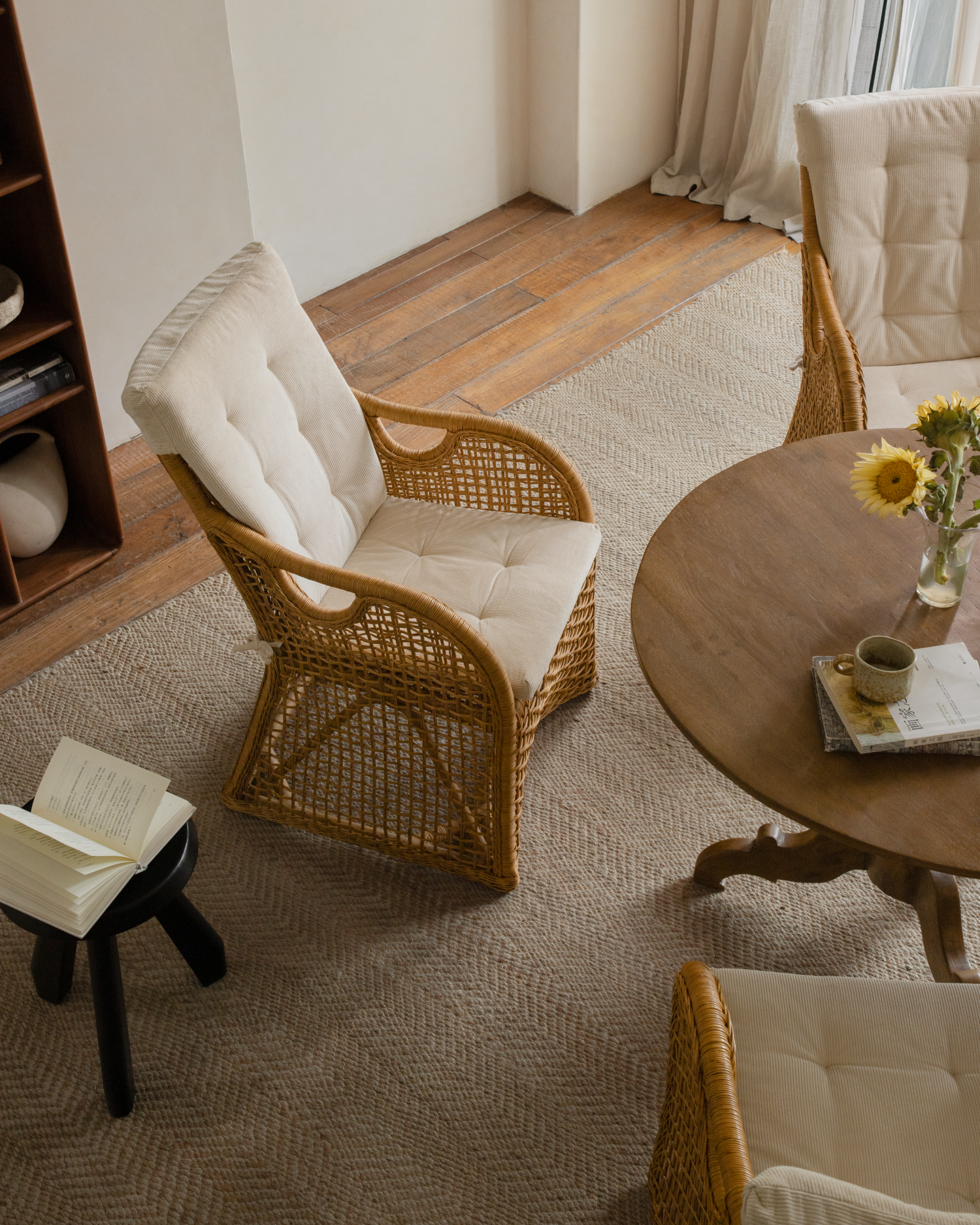
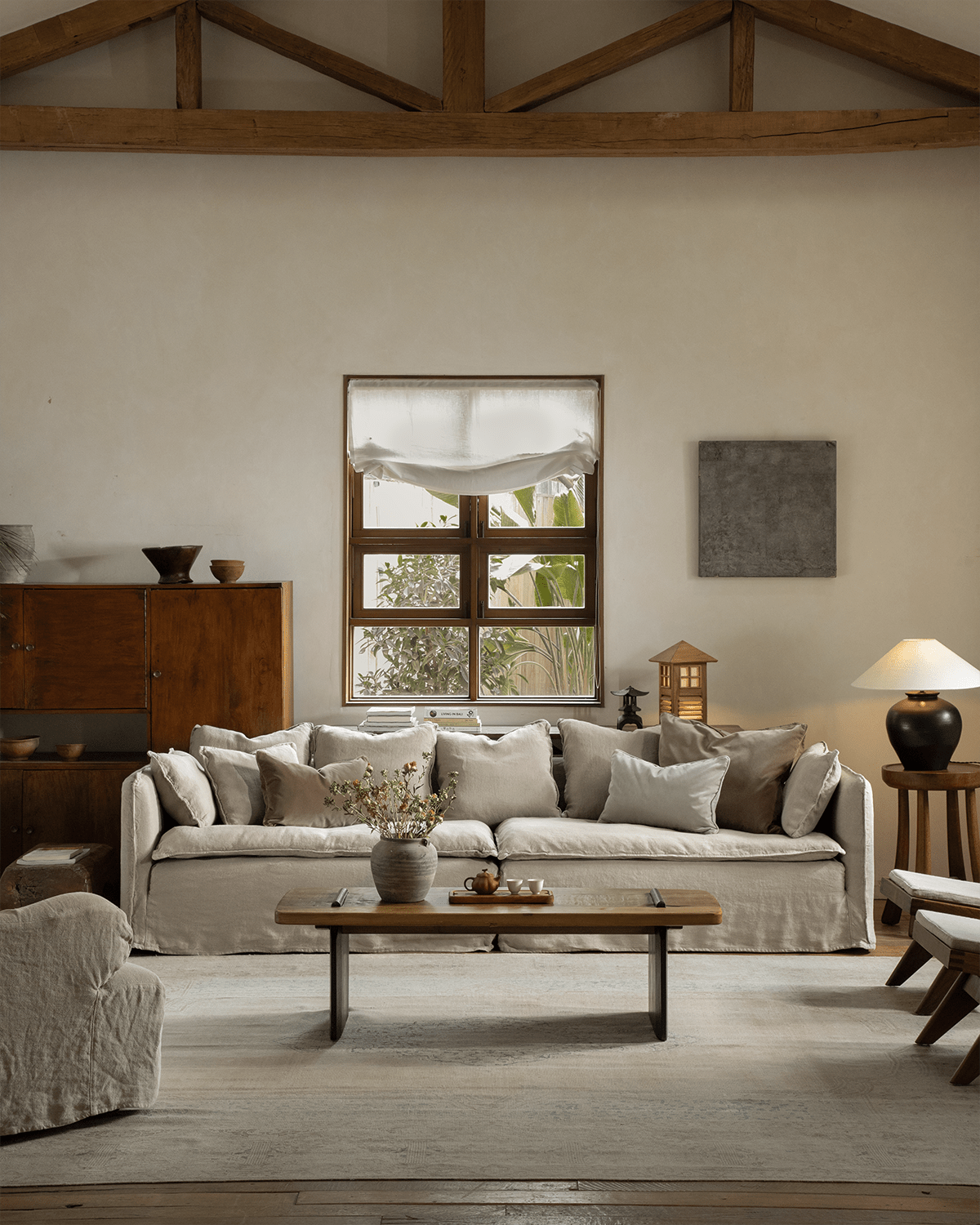
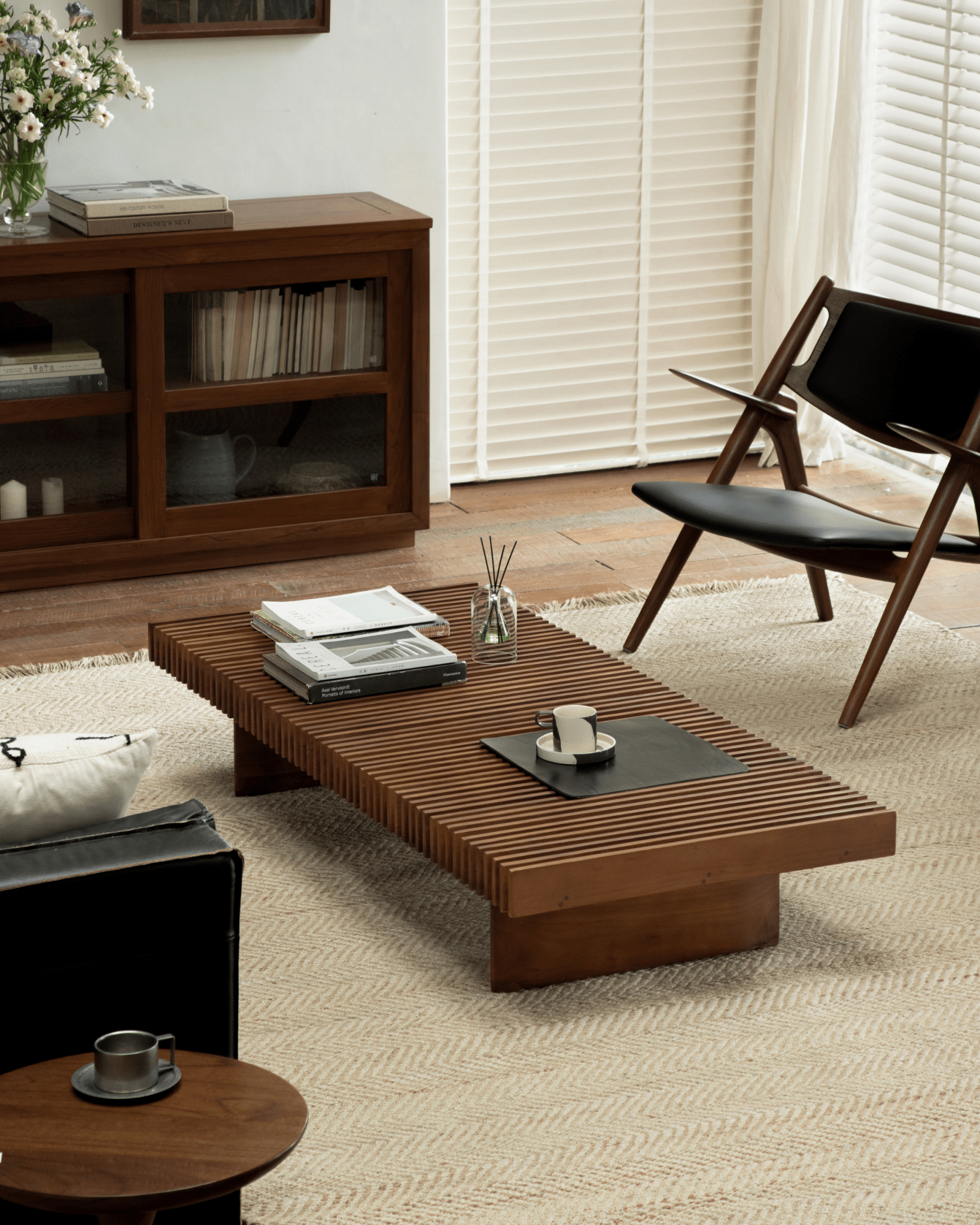
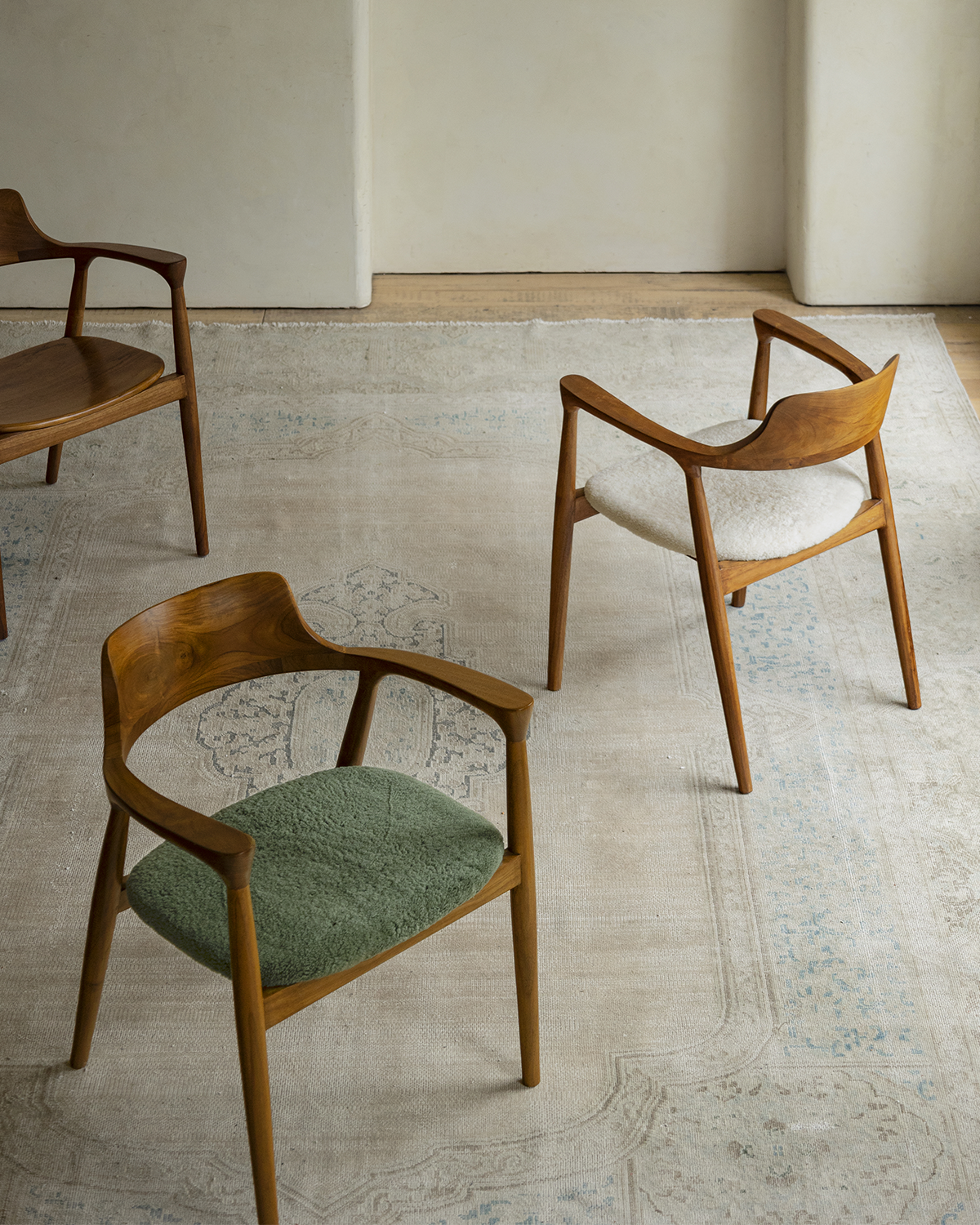
Mixing furniture from different eras can give a room more character than using a matching set. A modern style sofa can sit beside a vintage wood chair, while an older cabinet can add warmth to a contemporary space. The key is to create connections between the pieces without making them look identical. Color, material, proportion, texture, and placement can help blend old and new furniture into a cohesive room. This approach can work in living rooms, bedrooms, dining rooms, and small spaces.
Modern furniture provides clean lines and everyday comfort, while vintage furniture adds texture, history, and personality.
Why Does Vintage and Modern Furniture Work Together?
Different furniture eras can create useful contrast. The trick is to give that contrast enough structure so the room still feels connected.
Create Contrast Without Making the Room Feel Random
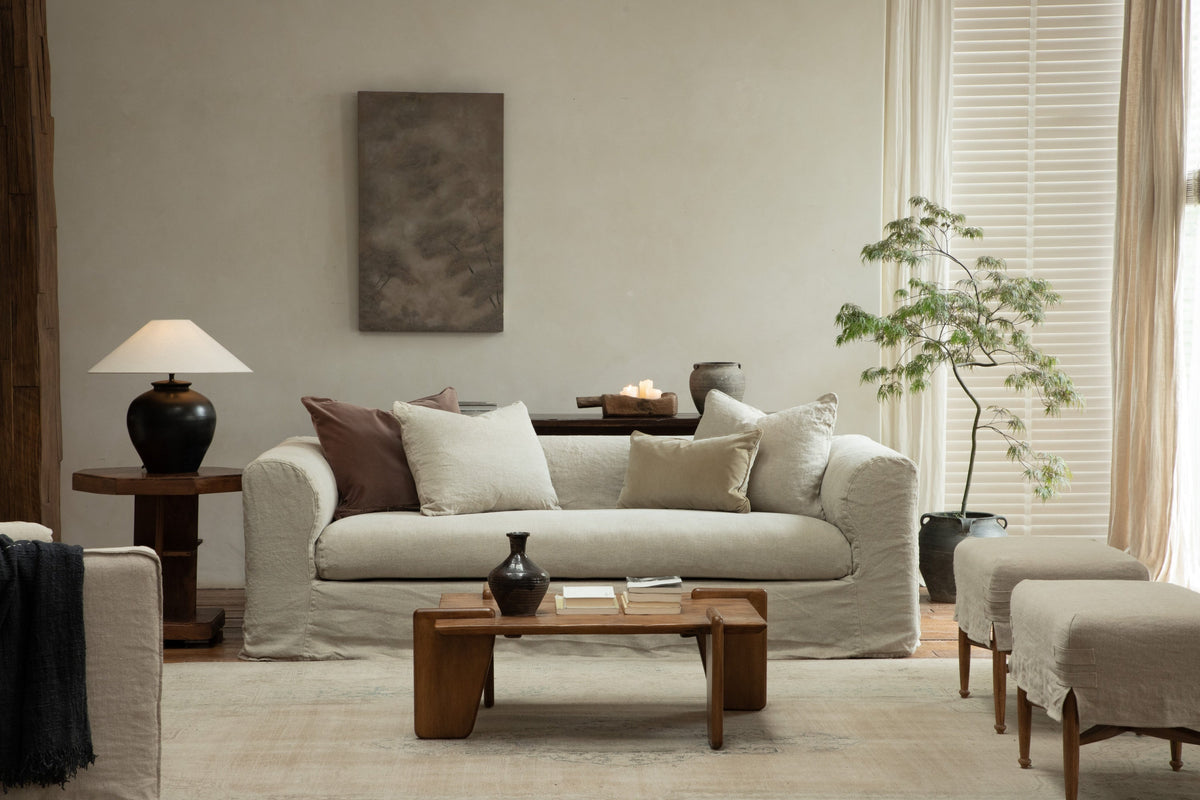
A modern sofa paired with a vintage accent chair can create more visual interest than two matching sofas. A clean-lined coffee table can also highlight the texture of an older wooden cabinet.
The contrast works best when some details repeat across the room. A shared color, wood tone, metal finish, or shape can connect pieces from different periods. Designers often recommend limiting the number of major styles so the room does not become visually crowded.
Balance Function With Character
Modern furniture often provides practical comfort and simple proportions. Vintage furniture can add distinctive shapes, aged finishes, and craftsmanship.
For example, a comfortable modern style sofa can form the main seating area while a vintage sofa or vintage accent chair provides a focal point. In a dining room, a modern dining chair can make a heavier vintage table feel lighter.
This blend can make a room feel personal instead of like a complete furniture showroom.

Choose a Dominant Style for Your Vintage and Modern Room
A clear visual direction makes mixing furniture easier. Choose which style should lead, then use the other style to add contrast.
Try a Modern-Dominant Room
Start with modern furniture as the foundation and add a few vintage pieces.
For example:
- Modern style sofa
- Simple coffee table
- Contemporary lighting
- Vintage accent chair
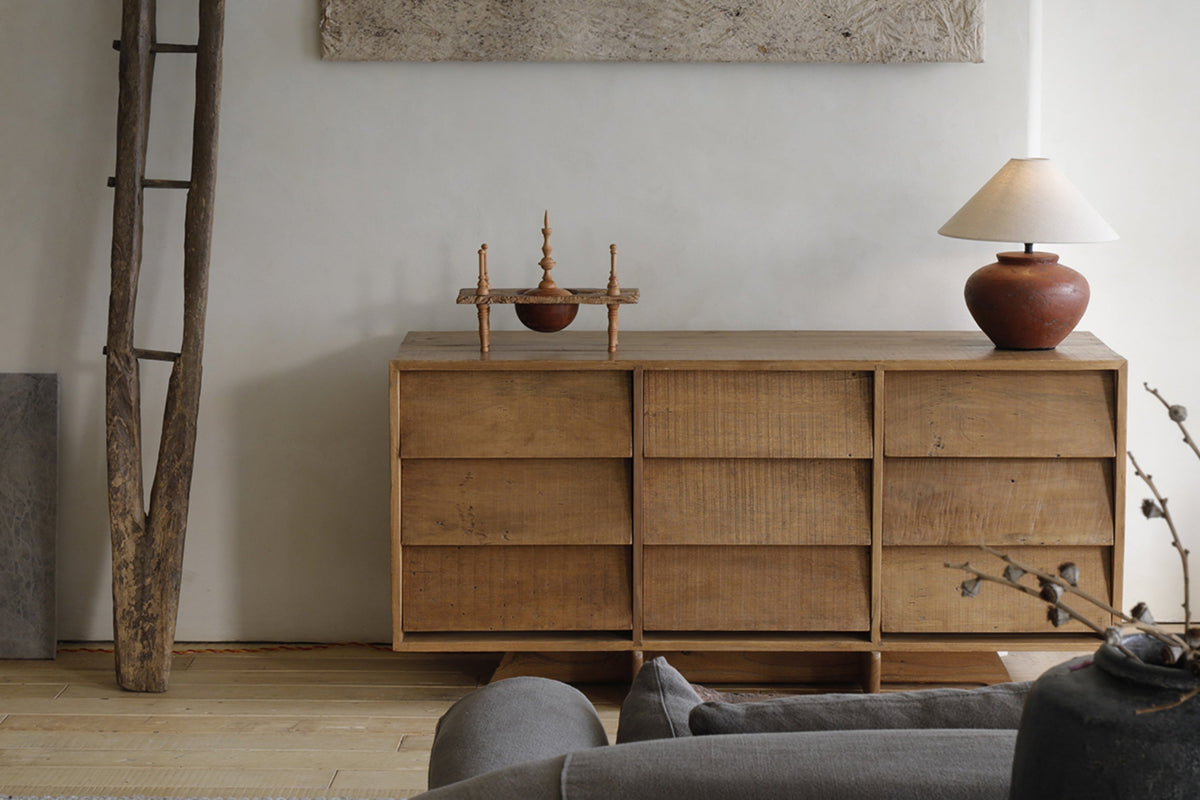
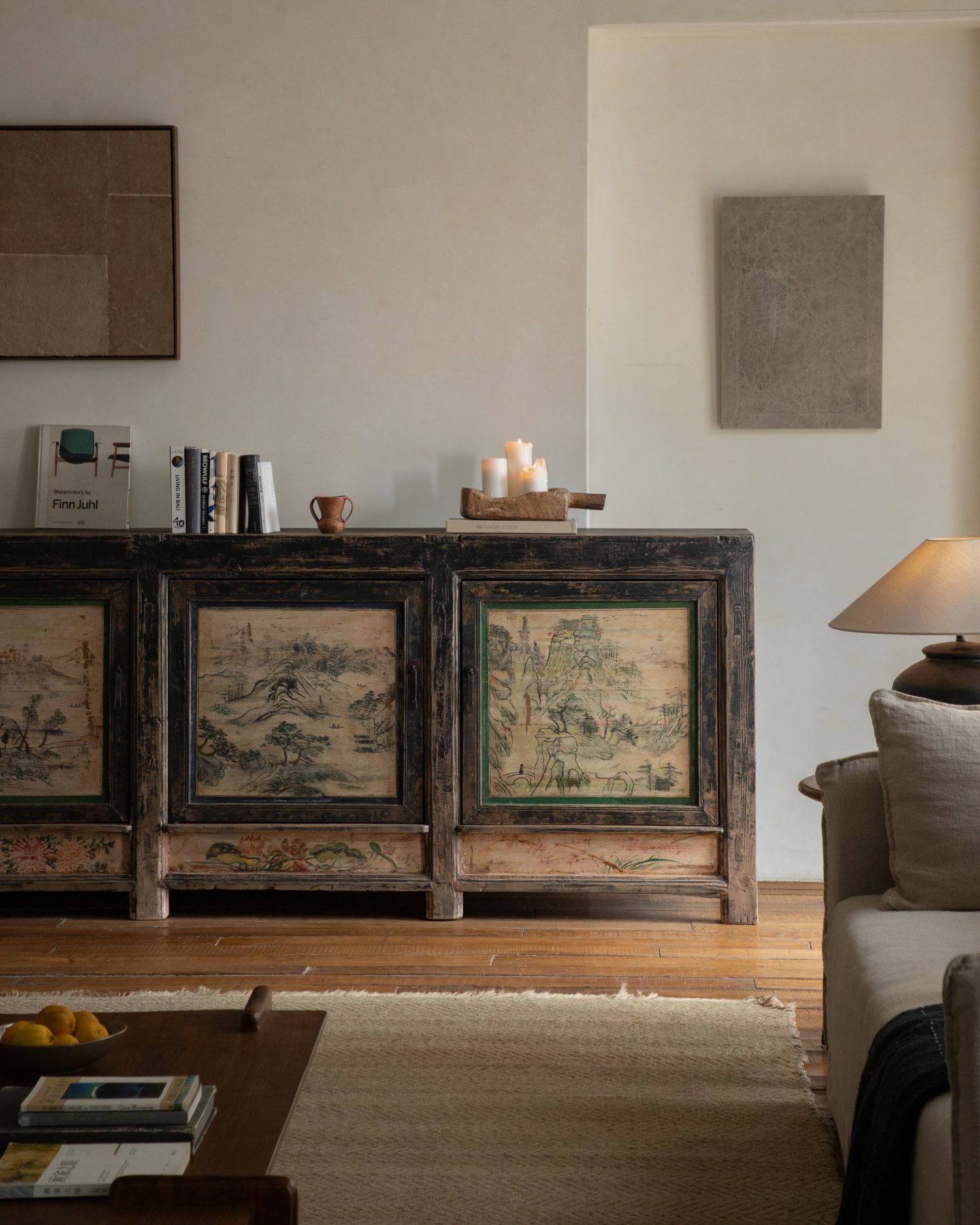
- Vintage wood cabinet
- Vintage rug
This approach works well if you prefer a clean room but want more warmth and personality.
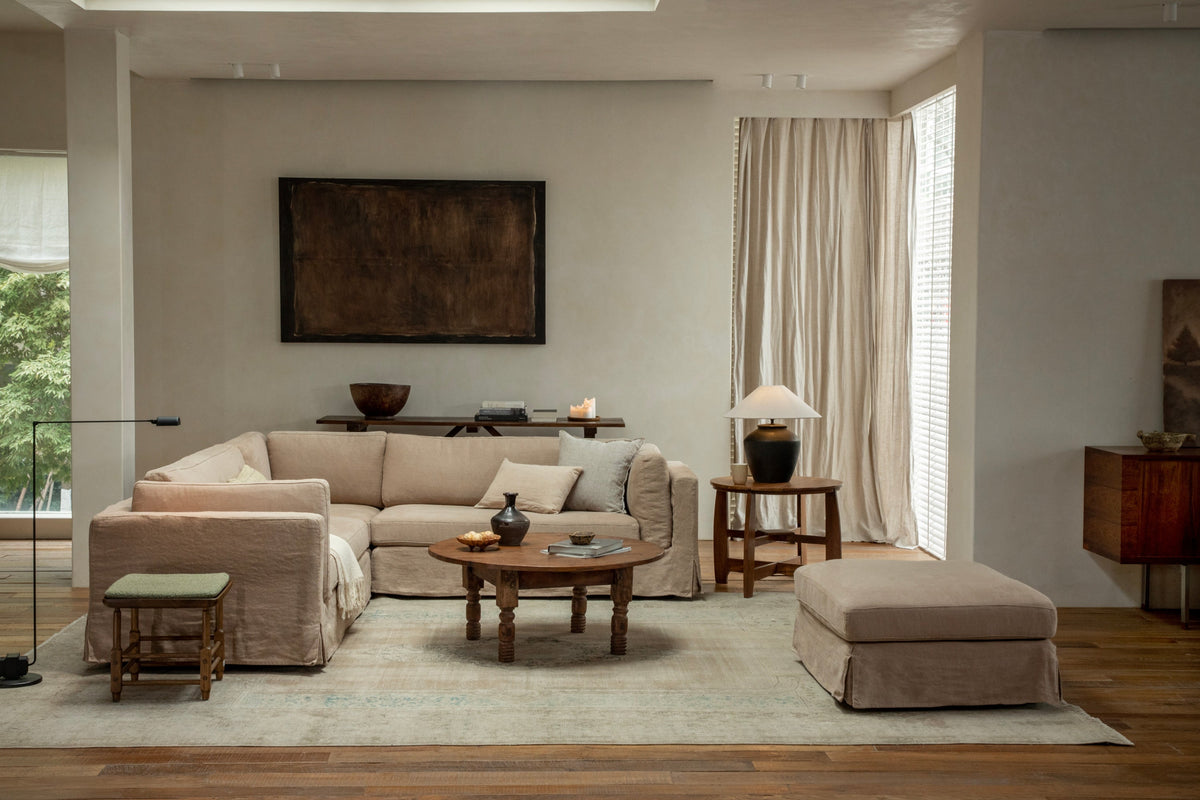
A neutral backdrop with vintage accents can make this mix especially easy to manage. Warm white, cream, beige, and natural wood tones give distinctive vintage pieces room to stand out.
Try a Vintage-Dominant Room
You can also let vintage furniture lead the room and use modern pieces to keep the space fresh and functional.
A vintage dining table, cabinet, or vintage sofa can establish the character. Simple modern chairs, lighting, or storage can then provide contrast.
There is no need to follow a strict vintage-to-modern percentage. A large cabinet can carry more visual weight than several small accessories, so judge the room by size, shape, color, and placement instead.
Connect Vintage and Modern Furniture With Color and Material
Once the main style is clear, shared colors and materials can bring different pieces together. These details create a visual link without forcing the furniture to match.
Use a Controlled Color Palette
Choose two or three main colors and repeat them through furniture, rugs, artwork, and accessories.
For example, warm white, walnut brown, and olive green can work across both vintage and modern pieces. A vintage wood cabinet can introduce the brown, while an olive pillow or artwork can repeat that color elsewhere.
A neutral palette is especially useful if your vintage furniture has a strong shape or detailed finish.
Match Wood Undertones, Not Exact Finishes
Warm woods such as walnut, oak, and cherry can create a related look when the surrounding colors support them. If several wood tones appear in the room, repeat the main tones so they feel intentional.
This can also help modern furniture with rustic wood fit naturally into a more contemporary setting.
Repeat Materials Across Different Eras
Material can act as a bridge between old and new. Try combinations such as:
- Vintage brass lamp + modern brass hardware
- Vintage leather chair + contemporary leather ottoman
- Vintage wood cabinet + modern wood table
- Wool vintage rug + modern upholstered sofa
- Washed linen and aged wood in a bedroom
You do not need to repeat every material. Two or three shared details can be enough.

Balance Scale, Proportion, and Visual Weight
Color can connect furniture, but size determines how pieces work together physically. Scale and proportion matter even more when the furniture comes from different periods.
Check the Size of Each Piece
Vintage furniture can have very different proportions from modern furniture. Some older pieces are tall and narrow, while others are wide and heavy. A large vintage cabinet beside a tiny modern table may feel unbalanced. A substantial vintage dining table, on the other hand, can pair well with slimmer modern dining chairs. Measure each piece and compare it with the furniture already in the room.
Balance Heavy and Light Shapes
Visual weight comes from more than size. Dark wood, thick upholstery, solid bases, and detailed carvings can make furniture look heavy. Open legs, light fabrics, and thin frames can make pieces feel lighter. Useful combinations include:
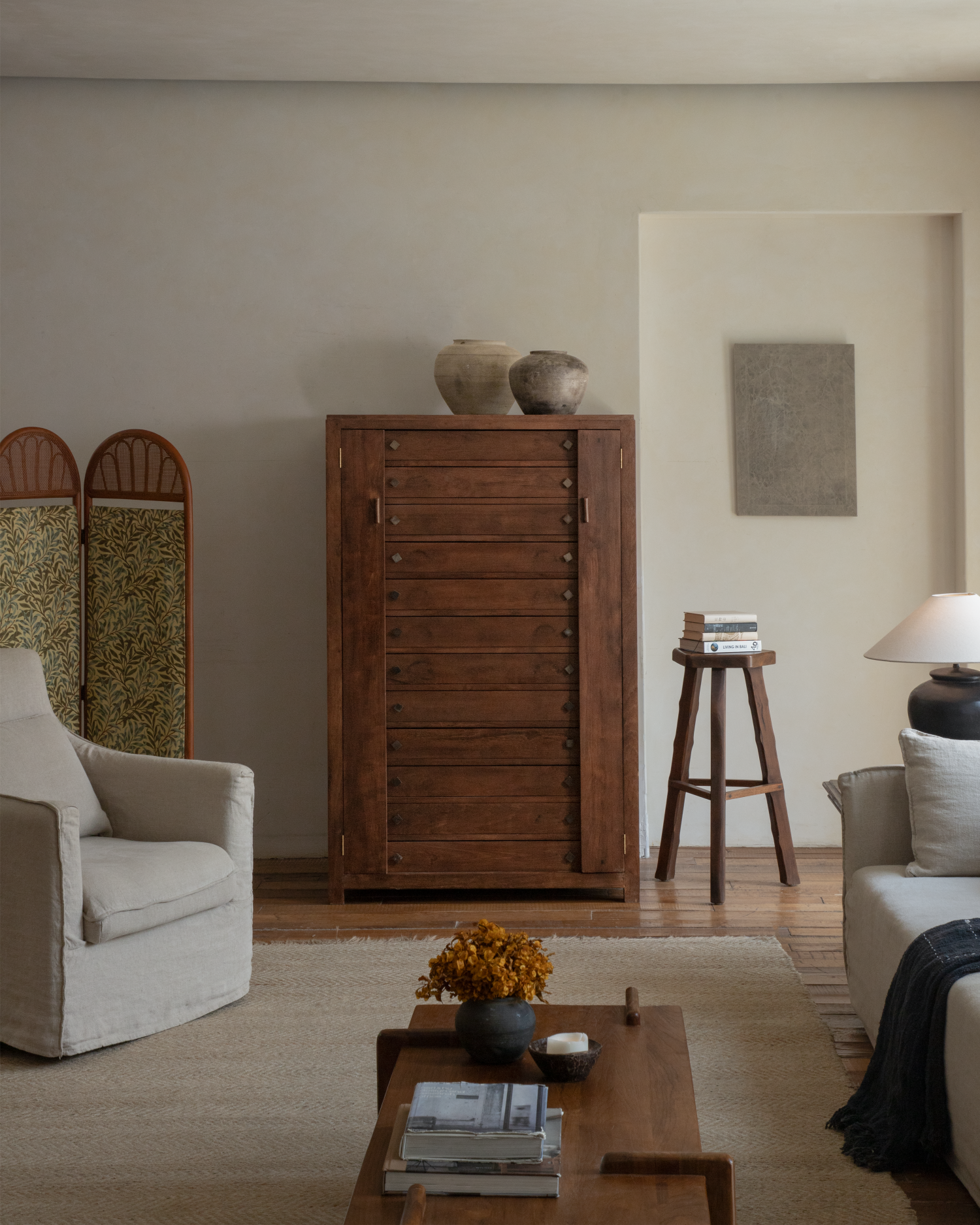
- Heavy vintage cabinet + slim modern chair
- Large vintage sofa + simple modern side tables
- Solid wood table + lightweight modern dining chairs
- Dark vintage furniture + light upholstery
Use Contrast to Make Vintage and Modern Furniture Stand Out
A modern vintage interior design scheme should not hide the differences between old and new. Instead, use those differences intentionally.
Pair Curved and Straight Shapes
A curved vintage sofa can soften a room filled with straight modern furniture. A simple modern style sofa can also provide a calm contrast to a rounded vintage chair.
Pair Ornate and Simple Pieces
An ornate vintage mirror can stand out above a simple modern console. A detailed vintage cabinet can also become a focal point against a plain wall. Keep nearby pieces quieter so the strongest item has room to stand out.
Pair Heavy and Light Materials
A reclaimed wood coffee table in a modern living room can add warmth and texture without making the whole space traditional. Likewise, smooth modern upholstery can balance a rougher wooden surface. Patina and natural imperfections can add character rather than looking like flaws.

How to Mix Vintage and Modern Furniture in Different Rooms
The same design principles can work throughout the home, but each room needs a combination that fits its function.
Living Room: Combine Comfort With Character
For vintage modern living room ideas, start with the main seating arrangement.
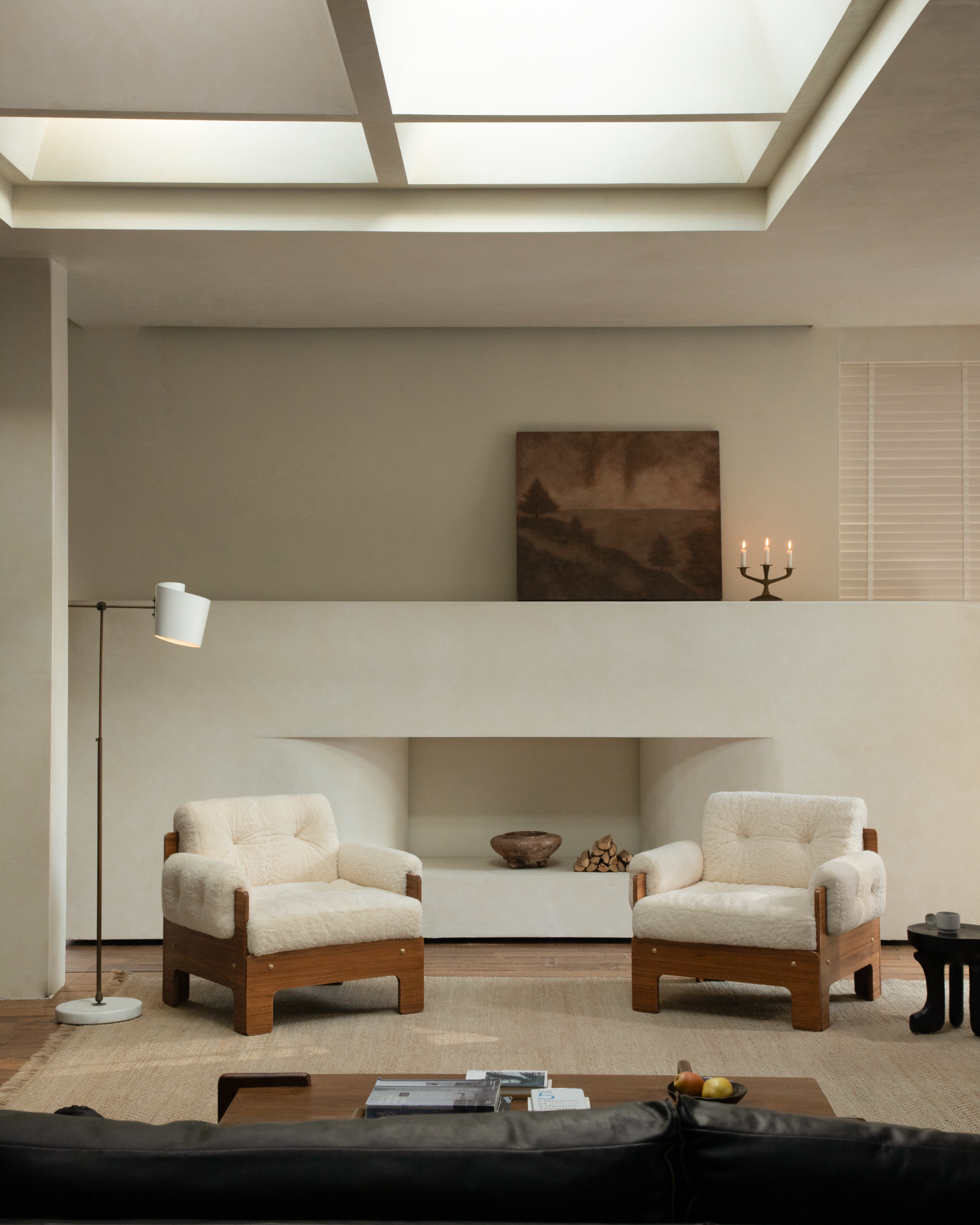
Use a modern style sofa as the main seating piece and add a vintage accent chair or vintage coffee table. A bouclé mid-century modern lounge chair can also bridge retro and modern styles. A vintage rug or wood cabinet can provide another connection.
If you prefer a warmer look, modern furniture with rustic wood can create a simple contrast without making the room feel heavily traditional.
Dining Room: Mix Tables and Chairs
A vintage dining table with modern dining chairs is an easy combination. The older table adds warmth and texture, while the chairs keep the room visually lighter. You can also reverse the arrangement with a modern table and vintage wood chairs.
For a modern vintage dining room, repeat a table color or material through the lighting, artwork, or nearby furniture. Designers are also increasingly using mixed modern and vintage pieces instead of matching dining sets.
Bedroom: Keep the Mix Calm
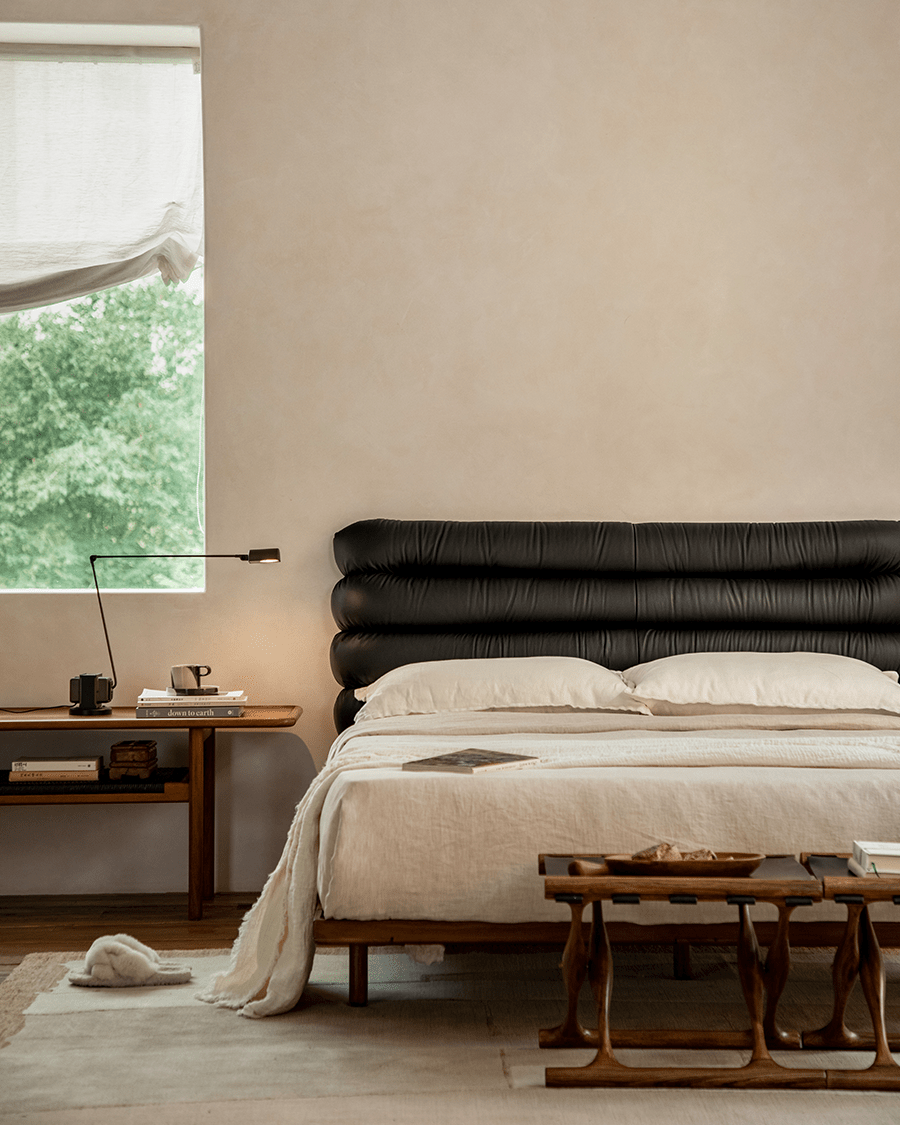
For vintage modern bedroom decor, use modern furniture for larger functional pieces and vintage furniture as accents.
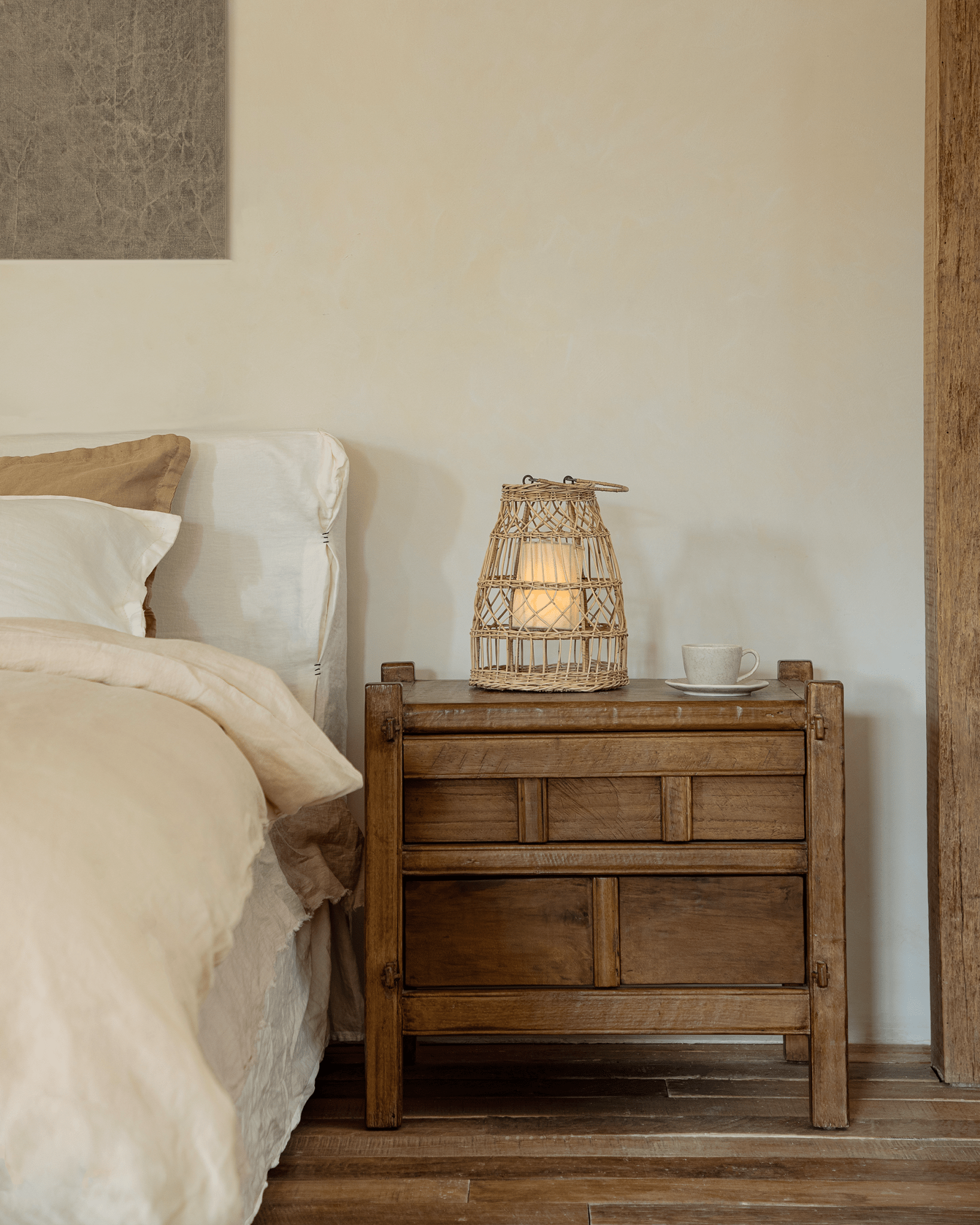
A modern upholstered bed can work with vintage nightstands or an older dresser. A vintage wood bed can also pair with simple modern bedside tables.
Washed linen and aged wood can create a warm, relaxed combination without adding too many colors or patterns.
Small Spaces: Use Fewer Statement Pieces
Small rooms need more control because each piece has a stronger visual impact. Try one vintage cabinet, chair, or table alongside simple modern furniture. Leave enough open floor space so the room does not feel crowded.
Create a Balanced Vintage and Modern Furniture Mix
Vintage and modern furniture can share the same room without competing for attention. Choose a dominant style, then use color, material, shape, and texture to connect different pieces. Pay close attention to scale and visual weight, especially with large vintage furniture. Let distinctive pieces keep their character instead of forcing everything to match.
A successful modern and antique furniture mix does not erase the differences between old and new. It gives both styles a clear place in the room, creating a space that feels comfortable, personal, and collected.
FAQs about Mixing Vintage and Modern Furniture
Q1: Can Vintage Furniture Look Good with Modern Furniture?
Yes. A controlled color palette, balanced proportions, and repeated materials can help vintage furniture work naturally with modern pieces.
Q2: How Much Vintage Furniture Should You Have in a Modern Room?
There is no fixed percentage. Start with one or two vintage pieces and consider their size and visual weight within the room.
Q3: Can You Mix Different Wood Tones with Vintage and Modern Furniture?
Yes. Different wood tones can work together when their undertones and surrounding colors feel connected. They do not need to match exactly.
Q4: How Do You Keep Vintage and Modern Furniture from Looking Mismatched?
Use a consistent color palette, balance furniture sizes, repeat a few materials or shapes, and avoid mixing too many unrelated design periods.