How to Choose a Kid-Friendly Coffee Table: A Parent's Guide
Watching your toddler pull themselves up on a sharp glass corner is a scary wake-up call. You want a beautiful home, but safety is the priority. You don't need to settle for ugly plastic foam or mismatched mats. This guide shows you how to find a kid-friendly coffee table that looks great and stays sturdy. Learn to pick the right shapes, materials, and storage to keep your living room safe and stylish for the whole family.
Why Your Coffee Table Choice Matters More Than You Think
Since kids spend most of their time on the floor, the center of the living room becomes their primary play zone.
A coffee table is more than just a place to rest a mug. For a young child, it is a mountain to climb, a desk for coloring, and a handhold while learning to walk. Because it sits at eye level for toddlers, it is also a frequent source of bumps and bruises. Furniture-related injuries are a leading cause of ER visits for children under five. Sharp edges and heavy, unstable frames can lead to head cuts or tipping accidents.
5 Key Factors for Picking a Kid-Safe Coffee Table
Selecting the right piece requires looking past the price tag or the wood finish. You need to evaluate how the design handles the daily wear and tear of family life.
Factor 1: Shape — Prioritize Round and Soft Edges
The most common injury comes from a child falling against a sharp 90-degree corner. Round coffee tables or oval designs remove this threat entirely. In 2026, organic, cloud-like shapes are very popular, which is great news for parents because these styles have no harsh points. If you already have a rectangular table you love, you can use silicone corner guards as a temporary fix, but a naturally curved design is always the safest long-term bet.
Factor 2: Stability — Prevent Tipping Accidents
Toddlers love to lean their full weight on the edge of a table. If a table is top-heavy or has a narrow base, it can flip over. Look for tables with four sturdy legs or a wide, heavy base. Avoid "pedestal" styles that stand on a single center pole, as these are often easier to tip. A high-quality kid-safe coffee table should be heavy enough to stay put even when a child tries to push it across the room. Check the weight capacity; a family-friendly option should ideally support at least 100kg (220 lbs).

Factor 3: Material — Durability and Non-Toxic Finishes
The material you choose dictates how well the table survives spills and play.
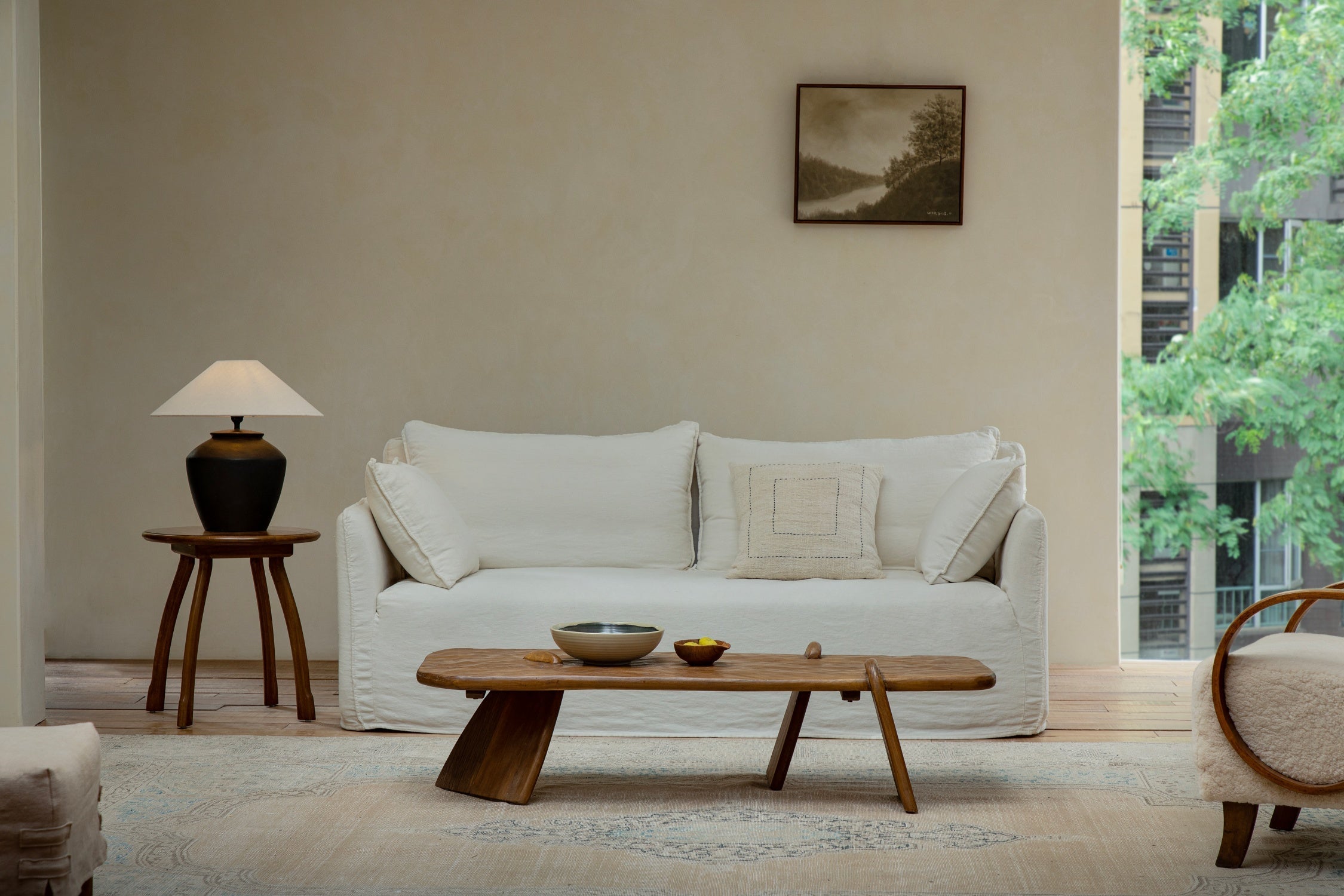
- Solid wood: This is a top choice. It is sturdy, can be sanded down and fixed if scratched, and lasts for years.
- Upholstered ottoman coffee tables: These are perhaps the safest choice. They are soft all the way around, meaning zero hard surfaces for a falling toddler to hit.
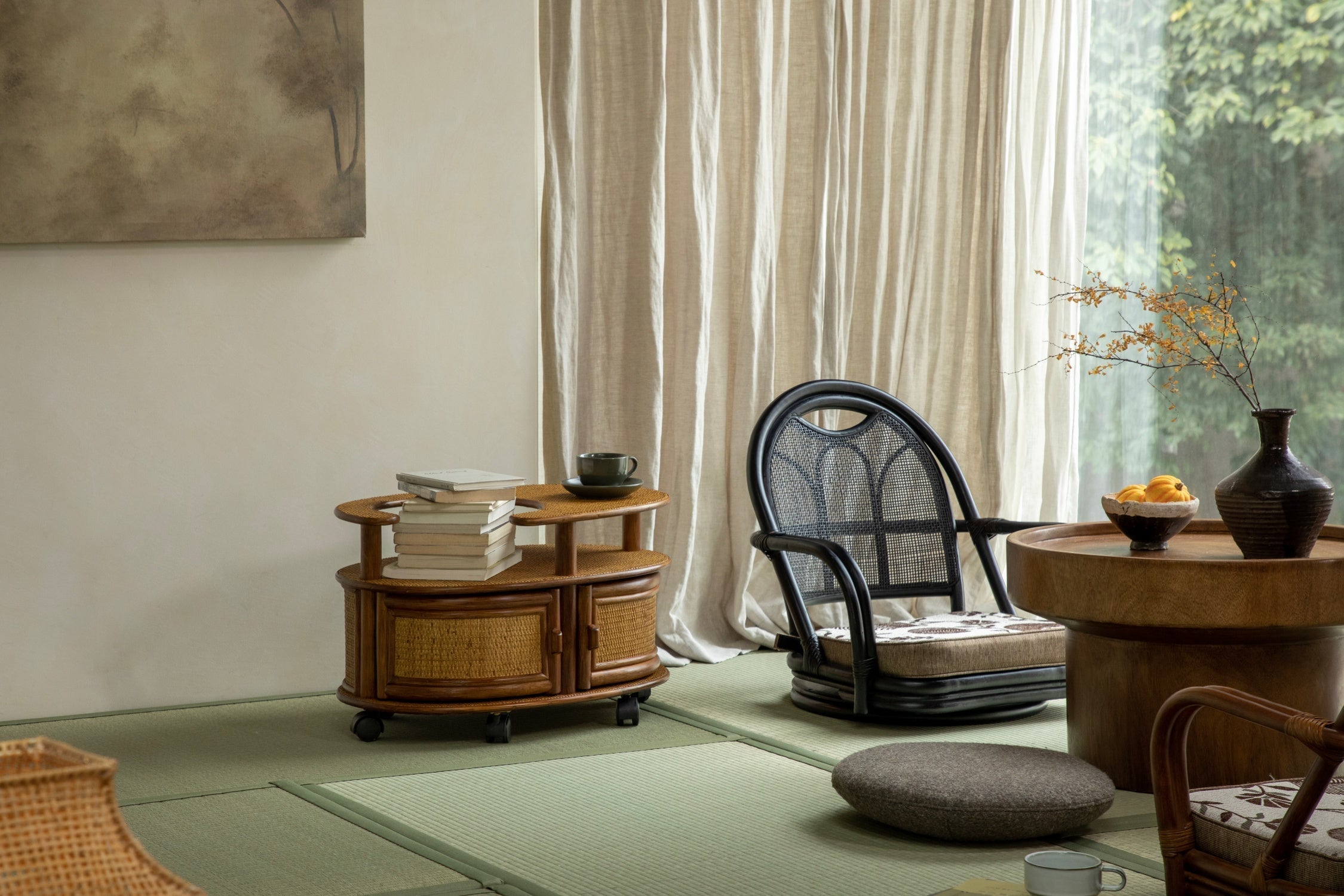
- Rattan coffee tables: These offer a natural look and are softer on impact than metal or stone.
- Acrylic: These are easy to clean and have smooth edges, though they can scratch over time.
- Tempered Glass: While safer than standard glass because it breaks into small, dull pieces, it is still a hard surface that requires constant cleaning of fingerprints.
Factor 4: Surface Finish — Scratch and Stain Resistance
Kids will inevitably use the table as a canvas for crayons or a landing pad for juice boxes. A high-gloss or thin veneer finish will show every single scratch. Instead, look for matte lacquers or "distressed" wood finishes. These textures hide marks naturally. Always check that the paint or stain is non-toxic and GREENGUARD certified to ensure it doesn't release harmful chemicals into your home.
Factor 5: Storage — Manage the Toy Explosion
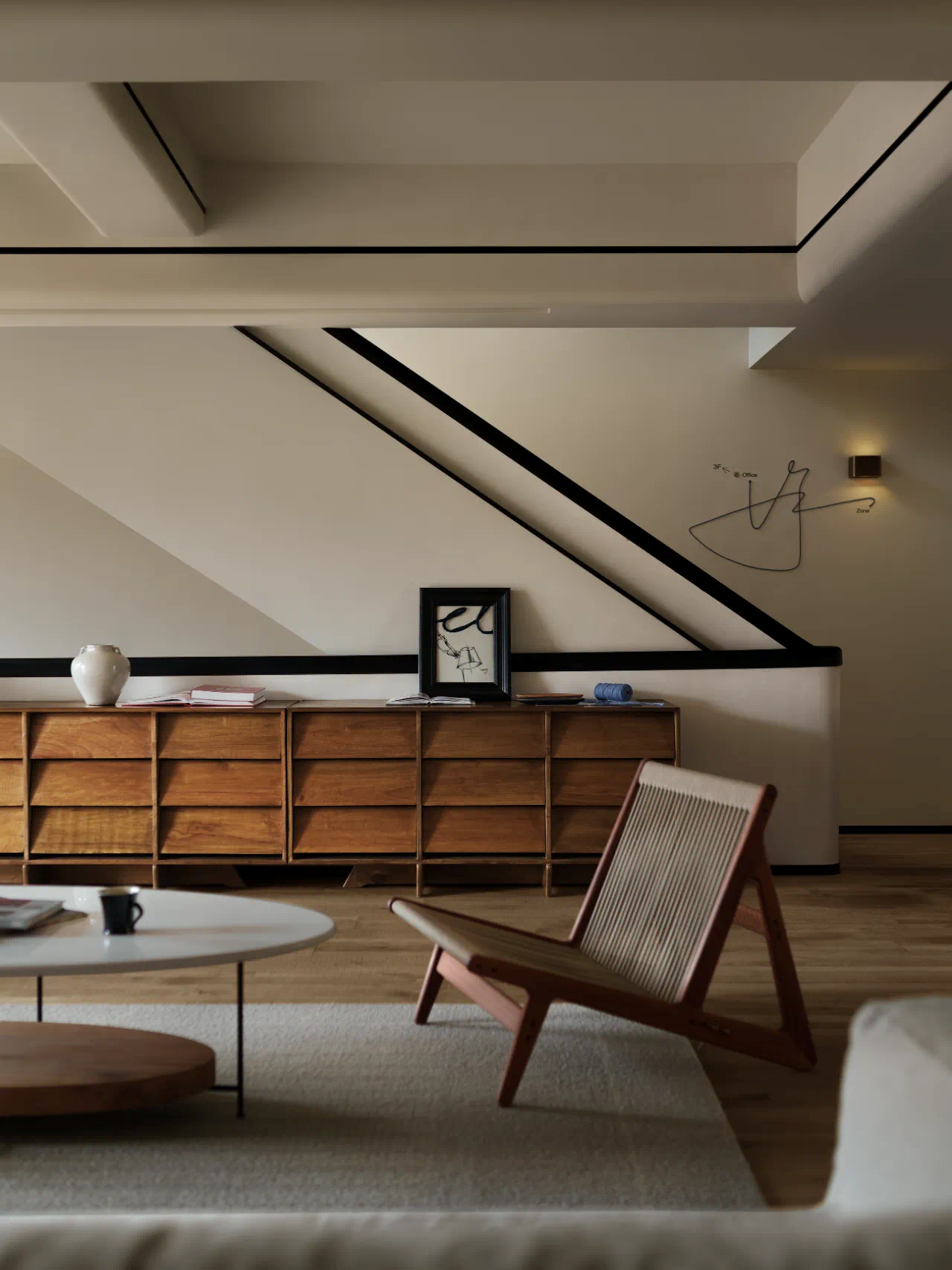
A solid wood storage coffee table is a lifesaver for keeping a living room tidy. Look for designs with deep drawers or lower open shelves. This allows kids to reach their own books and puzzles, which encourages independent play. An ottoman with a lid that lifts off is another excellent way to hide bulky blankets or large plastic toys that don't fit on a traditional shelf.
5 Best Coffee Table Types for Families with Kids
Different styles offer different benefits depending on your floor plan. These five types are the most reliable options for parents who want a mix of beauty and function.
- Ottoman coffee tables take the lead for safety. Because they are padded with foam and fabric, they act like a giant cushion. You can place a wooden tray on top to create a flat surface for drinks, then move the tray when it is time for the kids to play.
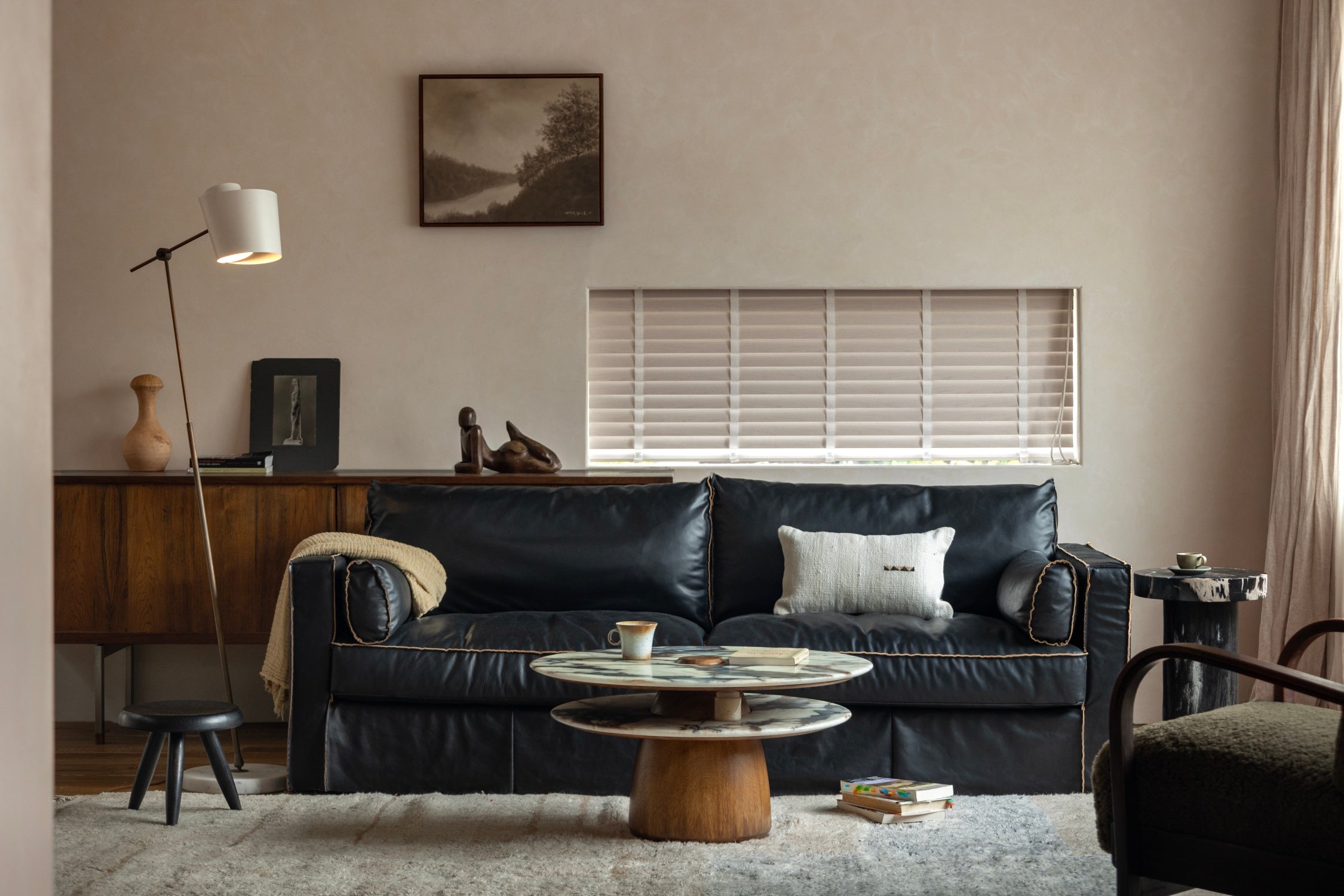
- Round coffee tables made of oak or walnut are a close second. They provide a sturdy surface for homework or snack time while keeping the room flow open and safe from sharp corners.
- For smaller rooms, low-profile coffee tables work well because they don't overwhelm the space and sit at a height that is easy for toddlers to reach.
- If you like a bohemian look, rattan coffee tables provide a lightweight yet durable option. The woven texture is forgiving when it comes to small dents.
- Finally, a wood table with a dedicated lower shelf keeps the top clear for adults while the bottom belongs to the kids' toy bins.

Choosing the Right Table for Your Child's Age
As children grow, their needs change. A table that works for a crawling baby might not be large enough for an eight-year-old doing a science project.
| Child's Age | Primary Safety Concern | Recommended Table Type |
| 0–2 Years | Falling and tipping | Upholstered Ottoman, Round Wood |
| 2–5 Years | Scratches and spills | Solid Wood, Woven Rattan |
| 5–8 Years | Space for activities | Wood Table with Drawers |
| 8+ Years | Adult-style durability | Tempered Glass or Stone |
For parents with infants, the focus is entirely on soft surfaces. As kids reach school age, the focus shifts to a child-safe coffee table that can handle heavy art projects and spilled glue. By the time they are older, you can return to more delicate materials like glass or marble.
Safety Add-Ons: If You Already Own a Coffee Table
You might not be ready to buy a new piece of furniture just yet. There are several ways to upgrade what you already have to make it safer for your kids.
- Start by adding silicone corner protectors. These are clear and stick onto the sharp points of your table.
- If your table feels a bit wobbly, you can use furniture straps to anchor it or place a thick, non-slip rug underneath. This prevents the table from sliding if a child bumps into it.
- To protect the wood from water rings and markers, apply a clear surface protector film. This is a thin, adhesive layer that keeps the original wood looking new.
- If you have a wood table and want to keep it in good shape, learning how to clean wood coffee table surfaces properly is key. Use a damp microfiber cloth and a mild, kid-safe soap. Avoid harsh chemicals that could strip the finish or be harmful if a child touches the table and then their mouth.
Picking a Kid-Safe Coffee Table for Your Home
When you choose a piece with rounded edges, a stable base, and a durable material like solid wood or a soft ottoman, you are investing in peace of mind. Your living room can still look like a page from a magazine while being the perfect spot for your kids to grow. Focus on quality and safety first, and the style will follow naturally.
FAQs About Family Coffee Tables
Q1: What is the safest height for a family coffee table?
A height between 40cm and 45cm (16–18 inches) is best. This matches the height of most sofa cushions. It is low enough that a fall is less likely to cause a major injury, and it is the perfect height for a child to use as a play surface while sitting on the floor.
Q2: Can I use a glass table with toddlers?
It is generally better to avoid glass until children are older. If you must use glass, ensure it is tempered. You should also check the thickness; thicker glass is much harder to break. Always keep the edges covered with guards, as glass edges can be quite sharp.
Q3: How do I remove crayon or marker from wood?
For a solid wood storage coffee table, a little bit of baking soda mixed with water usually does the trick. Rub the paste gently on the mark and wipe it away. For tougher stains, a tiny amount of toothpaste (non-gel) can help lift the pigment without ruining the wood finish.