| Feature | Reclaimed Wood Coffee Table | New Wood Coffee Table |
| Source | Salvaged from old barns, factories, and crates. | Freshly harvested and processed lumber. |
| Appearance | Rustic, textured, with visible knots and nail holes. | Clean, uniform, and smooth finish. |
| Character | High; every piece is unique and has a history. | Low; predictable and consistent look. |
| Durability | Very high; often dense, old-growth timber. | High; depends on the specific wood species used. |
| Sustainability | Excellent; recycles existing materials. | Good; depends on responsible forest management. |
| Price Point | Generally higher due to labor-intensive sourcing. | Wide range; often more budget-friendly options. |
| Best Fit For | Farmhouse, Industrial, or Vintage styles. | Modern, Minimalist, or Polished interiors. |
| Maintenance | Hides scratches well; harder to wipe perfectly clean. | Shows dents easily; very easy to dust and scrub. |
Picking a coffee table is a big step in furnishing your living room. It sits right in the center of the space, holding your drinks, books, and decor. Many people find themselves stuck choosing between the history of old timber and the crisp look of fresh lumber. Both options offer unique benefits for your home. This comparison helps you look at style, strength, and price. By seeing how these materials perform in real life, you can pick a piece that matches your daily habits and your house. Let's look at what makes each type of wood special.
What Is Reclaimed Wood Coffee Table Material?
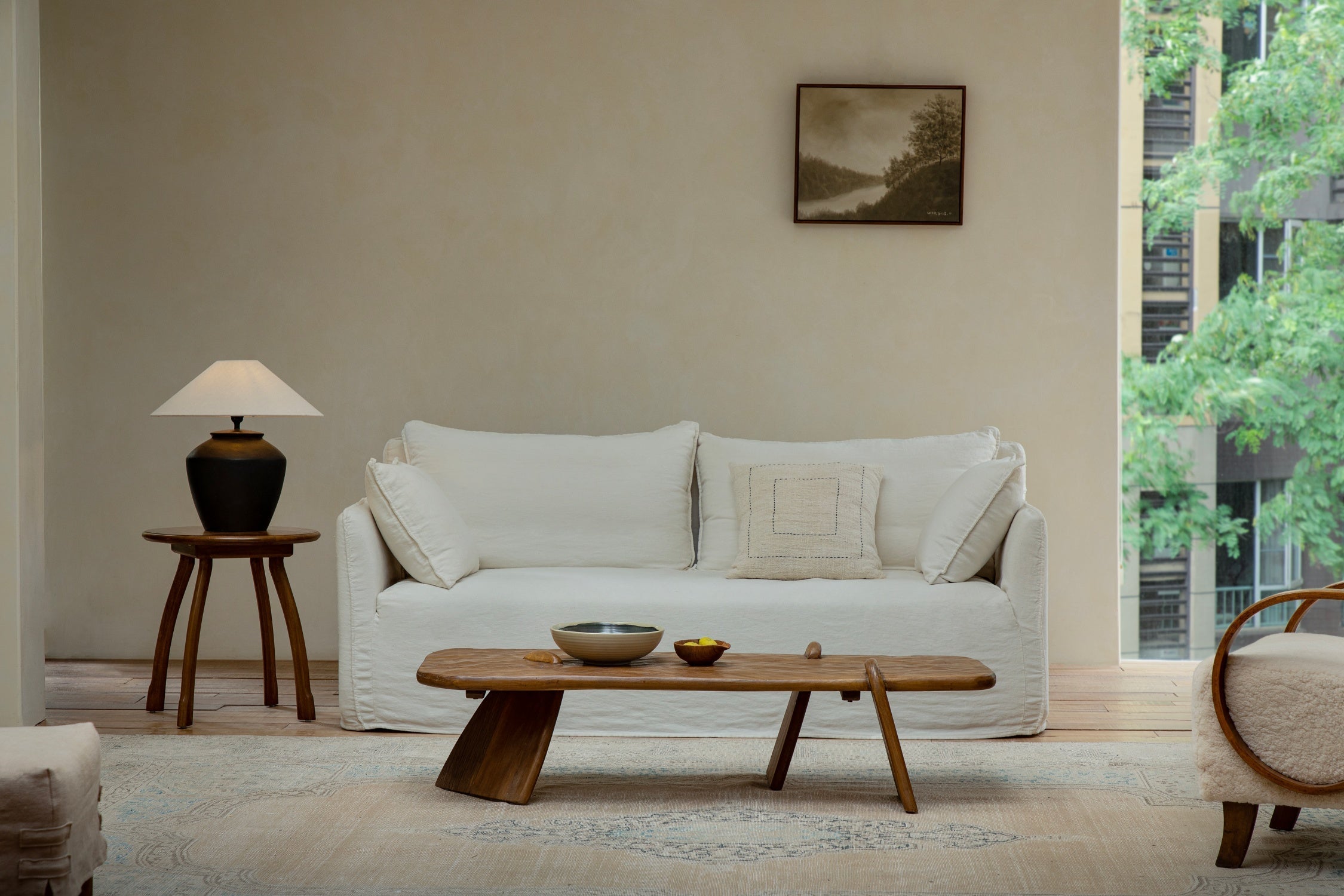
Reclaimed wood comes from places like old barns, retired factories, or wooden shipping crates. Instead of throwing these materials away, builders salvage them. A reclaimed wood coffee table often shows signs of its past. You might see small nail holes, marks from old saws, or natural cracks that happened over decades.
People love a rustic reclaimed wood coffee table because no two pieces are the same. The grain is often tighter because the wood came from older, slow-growing trees. This gives it a deep, rich look that is hard to copy with brand-new materials. Choosing sustainable reclaimed wood furniture also feels good for the environment since it keeps waste out of landfills.

What Is New Wood for Furniture?
New wood refers to lumber that was recently harvested from forests and sent straight to a mill. This is the standard choice for most furniture you see in stores today.
When a builder uses new wood, they start with a clean slate. The boards are uniform in color and have fewer surprises. Most new wood is kiln-dried to remove moisture, which helps prevent warping or shrinking later on. This process creates a very stable material that is easy to cut and join together.
A solid wood coffee table made from new lumber looks very polished. If you want a table with a perfectly smooth top and matching legs, new wood is the way to go. It works well for styles that need sharp lines and a "perfect" finish.
Reclaimed Wood vs New Wood: Key Differences
Comparing these two materials helps you see which one fits your lifestyle. While both are wood, they behave differently and offer different vibes for your living room or den.
Appearance and Style
Reclaimed wood is all about texture. It has a rugged feel that fits great in farmhouse or industrial-style homes. You will see color shifts across the surface, moving from light tan to dark brown in a single board. New wood is much more predictable. It offers a sleek, tidy look that matches modern or minimalist homes. If you want your furniture to blend in quietly, new wood is best. If you want it to be a conversation piece, go with reclaimed.
Durability and Strength
Some people think old wood is weak, but it is often the opposite. Wood from a reclaimed lumber coffee table usually comes from "old-growth" trees. These trees grew slowly, making the wood very dense and strong. New wood is also durable, but its strength depends on the species. For example, new oak or maple is very tough, while new pine is softer. In both cases, the way the table is built matters more than how old the wood is.
Sustainability
Using reclaimed materials is a win for the planet. It saves trees and reduces the energy needed to process new lumber. However, new wood can be green too. Many companies now use wood from certified forests where they plant new trees for every one they cut down. If being eco-friendly is your main goal, reclaimed wood is usually the top choice, but a responsibly sourced natural wood coffee table is a close second.
Cost and Value
You might expect old wood to be cheaper, but it usually costs more. Workers have to find the wood, remove old nails by hand, and clean it thoroughly before they can even start building. This labor adds to the price. New wood is easier to get and work with, so you can often find a wider range of prices. A high-end new wood table might cost the same as a reclaimed one, but entry-level prices are almost always lower for new wood.
Maintenance and Care
Both types of wood need protection from water and heat. You should always use coasters. Reclaimed wood is a bit more forgiving with scratches because it already has a "distressed" look. A new scratch might just blend in. On a smooth, new wood table, a scratch will stand out. However, new wood is easier to wipe clean because the surface is perfectly flat without the deep grain or pits found in salvaged timber.

Pros and Cons of Reclaimed Wood Coffee Tables
Reclaimed wood brings a sense of history into your home. It feels warm and organic, but it also comes with specific traits that might not work for everyone.
Pros
- Unique Look: Your table will be the only one like it. Every knot and mark tells a story.
- Eco-Friendly: Buying a reclaimed wood coffee table is a great way to recycle.
- Proven Strength: Since the wood has already stabilized over many years, it is less likely to warp or change shape now.
Cons
- Price: Expect to pay a premium for the labor involved in saving the wood.
- Uneven Surface: It might be harder to balance a wine glass on a very rustic, textured top.
- Availability: Finding the exact size or color you want can take more time because the materials are limited.
Pros and Cons of New Wood Coffee Tables
New wood is the reliable choice for many homeowners. It offers a sense of order and cleanliness that makes a room feel fresh and updated.
Pros
- Consistency: If you buy two tables, they will look almost exactly the same.
- Smooth Finish: The flat surface is perfect for writing, drawing, or setting down small items.
- More Choices: You can pick from many different types of wood, like walnut, cherry, or oak, in any stain you like.
Cons
- Less Character: It can look a bit "plain" compared to the deep textures of old wood.
- Shows Damage: Scratches and dents are very visible on a smooth, new surface.
- Environmental Impact: Unless it is certified, new wood has a higher carbon footprint than reused wood.
Which Coffee Table Is Better for Your Home?
The right choice depends on your personal taste and how you use your living room. There is no wrong answer, only what works best for your specific situation.
If you have a home with a lot of white walls and simple furniture, a natural wood coffee table made of new oak can add warmth without feeling cluttered. It keeps the room looking organized. Families who want a very specific color to match their cabinets or floors usually find better luck with new wood.
On the other hand, if your home feels a bit more relaxed or "lived-in," reclaimed wood fits right in. It is great for people who don't want to worry about a small scratch from a toy or a TV remote. The heavy texture hides the wear and tear of daily life. If you love the idea of owning a piece of history, the reclaimed route is the winner.
What to Consider Before Buying
Take a moment to look at your space before you swipe your card or go to the furniture shop. A coffee table is a long-term investment that you will see every day.
- Room Style: Does your room feel modern, or is it more traditional? Match the wood to the vibe.
- Household Needs: Do you have kids who might spill drinks? A well-sealed new wood table might be easier to scrub. Do you have pets? A rugged reclaimed table won't show claw marks as easily.
- Budget: Decide how much you want to spend. Remember that a solid wood coffee table lasts decades, so sometimes it is worth spending a bit more upfront.
- Construction: Check the joints. Avoid tables held together only by staples or cheap glue. Look for solid "dovetail" or "mortise and tenon" joints.
- Size: Measure your couch. A coffee table should be about two-thirds the length of your sofa and roughly the same height as the cushions.

Pick Your Perfect Solid Wood Coffee Table
Both wood types bring beauty to your living room. Reclaimed wood fits if you love history, unique textures, and helping the planet. It hides daily wear easily. Choose new wood for a smooth, tidy look that matches modern decor perfectly. While the styles differ, both options provide a sturdy place for your morning coffee. Pick the wood that feels right for your home and matches your daily routine.
FAQs About Wood Tables
Q1: Is reclaimed wood better than new wood for a coffee table?
It isn't "better" in a technical sense, but it is different. Reclaimed wood is better for style and the environment. New wood is better for budget and a clean look.
Q2: Do reclaimed wood coffee tables last longer?
Not necessarily. While the wood itself is often very hard, the life of the table depends on how well the legs and joints are put together. A well-made new wood table can last just as long.
Q3: Which is easier to maintain: reclaimed wood or new wood?
New wood is easier to dust and wipe down because it is smooth. However, reclaimed wood is easier to own if you don't want to stress over every little scratch or dent that happens over time.