


Key Takeaways
- Shearling chairs offer a fluffy, cozy look, while bouclé chairs feature a looped, nubby texture.
- Comfort depends on seat padding, chair design, and fabric feel, not just the upholstery name.
- Shearling may flatten with frequent use, while bouclé loops can snag on pet claws, zippers, and jewelry.
- Check fabric composition, cleaning instructions, and chair dimensions to find the right fit for your home.
Textured upholstered chairs can add warmth and character to a room without bold colors or busy patterns. Shearling and bouclé are two popular choices, each offering a distinct look and feel.
A shearling chair has a soft, woolly surface that creates a relaxed, inviting appearance. A bouclé chair features small loops and knots that give the fabric depth and texture. Both work well in modern interiors, yet their care needs and everyday performance can differ.
What Are Shearling and Bouclé Chairs?
Although shearling and bouclé can look similar from a distance, their surface structures differ, which affects their appearance, feel, and care needs.
What Is a Shearling Chair?
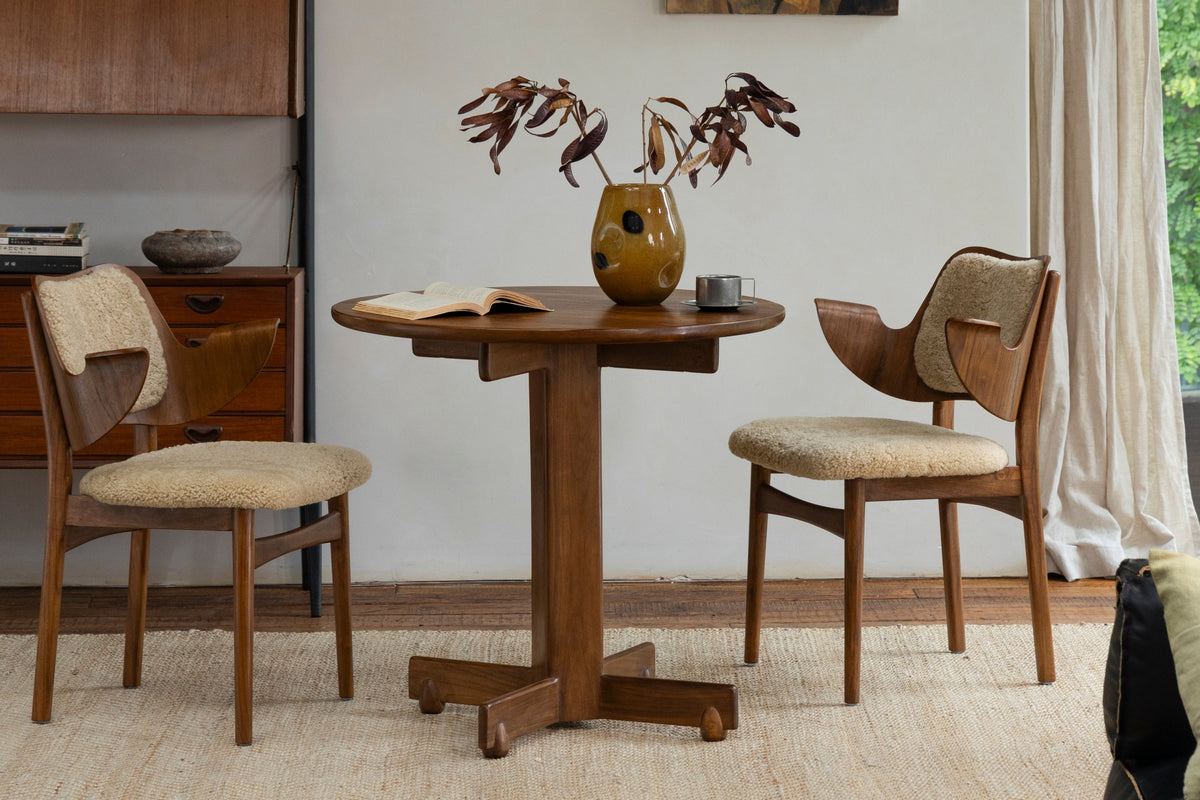
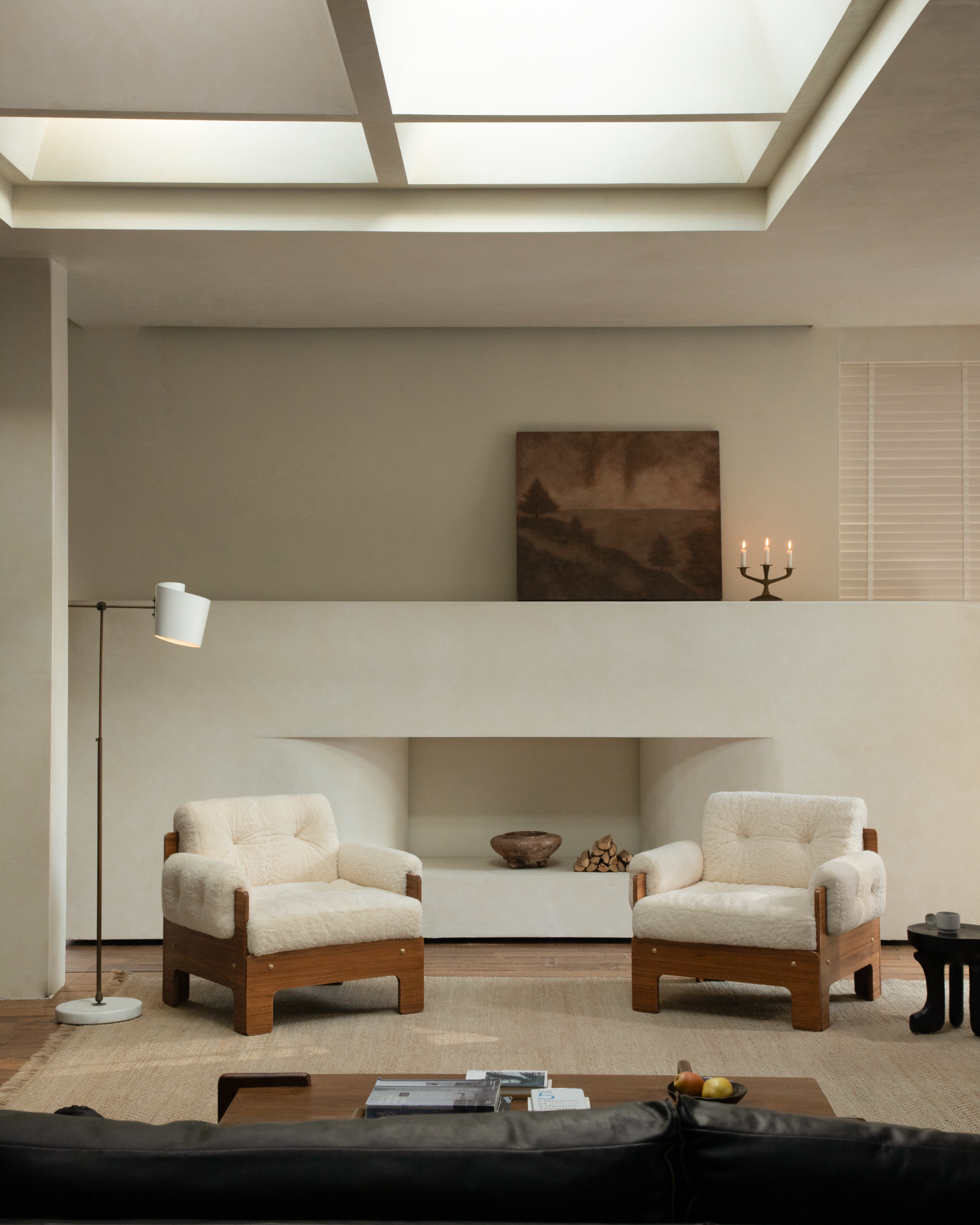
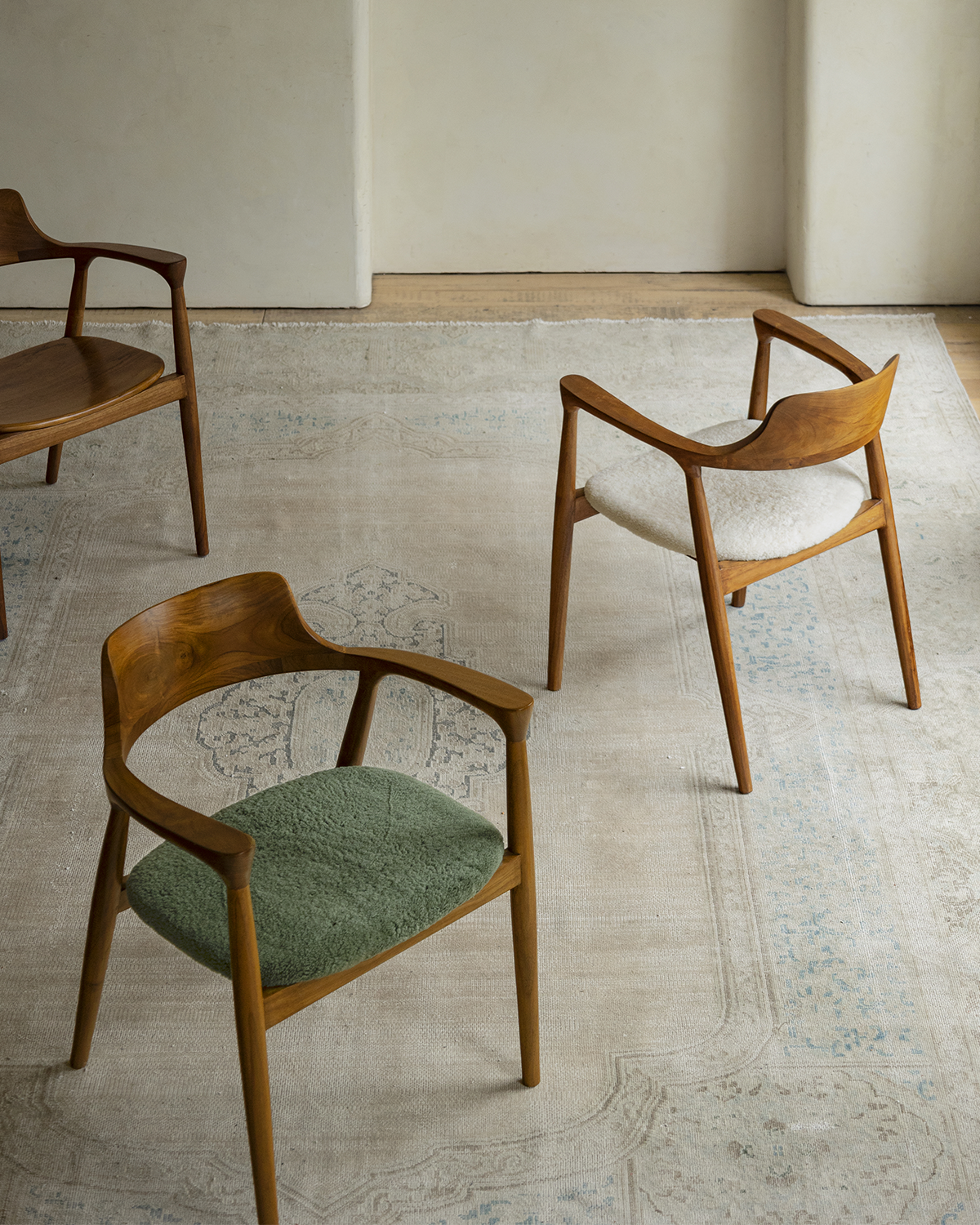
A shearling chair features upholstery with a woolly, fleece-like surface. Genuine shearling typically comes from sheepskin with the wool attached, while faux shearling uses other materials to recreate that soft, fluffy look.
Many modern accent chairs use synthetic fabrics designed to resemble sheep's wool. These fabrics can create a warm, inviting finish without using genuine sheepskin.
A shearling accent chair often has a rounded back, a deep seat, or a curved shape that adds to its cozy appearance. Cream, ivory, beige, and brown are common choices for neutral interiors.
What Is a Bouclé Chair?
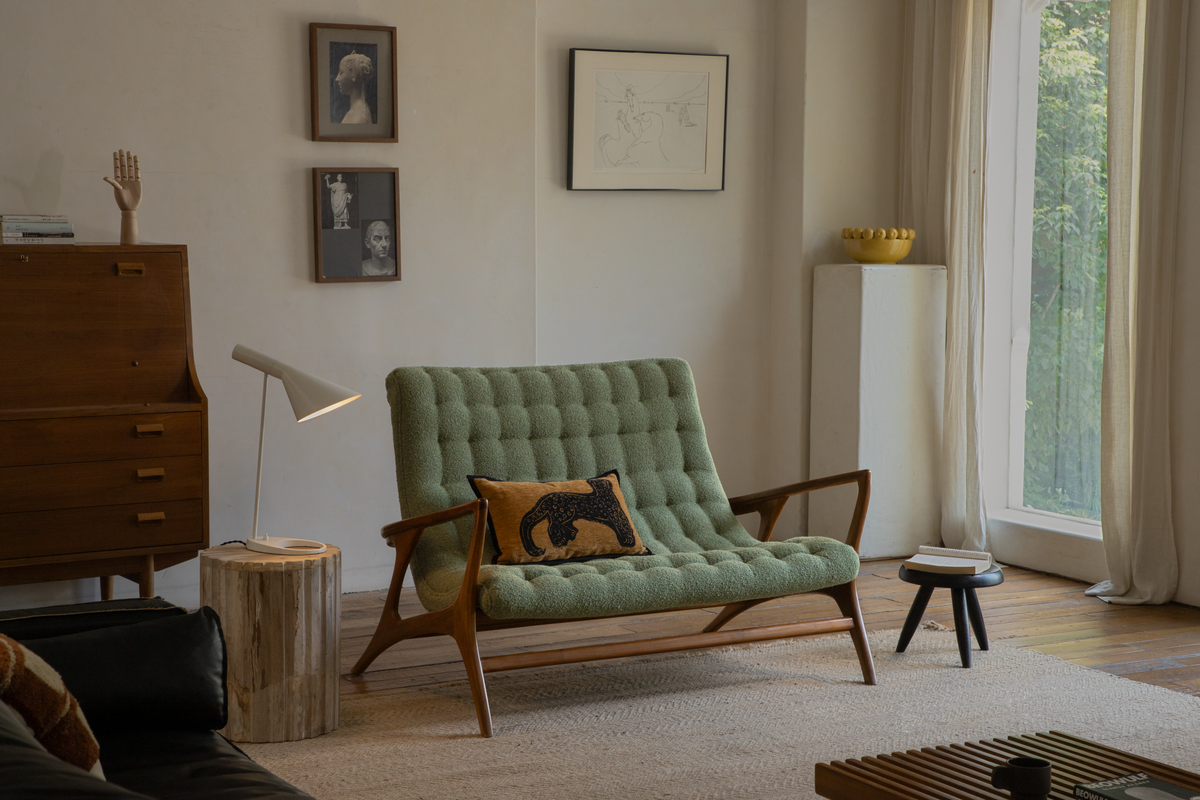
Bouclé upholstery gets its distinctive appearance from yarn made with small loops or curls. The finished fabric has a nubby, textured surface that adds visual interest without relying on prints or bright colors.
Bouclé can contain wool, cotton, polyester, acrylic, or a blend of fibers. Each combination affects the fabric's softness, durability, and cleaning needs.
A bouclé chair often features curved lines, compact proportions, or sculptural shapes. It fits naturally into contemporary, Scandinavian, and organic modern interiors.

How Shearling and Bouclé Fabrics Differ
The main difference lies in the surface texture. Shearling typically looks fluffy and raised, while bouclé has a more defined pattern of loops and knots.
Shearling creates a softer visual effect, making a room feel relaxed and welcoming. Bouclé adds texture with a slightly more structured appearance, helping a chair stand out as a design feature.
These categories can overlap in appearance. Some faux shearling fabrics have tightly curled surfaces that resemble bouclé, so always check the listed fiber content and fabric description.
Shearling vs. Bouclé Chairs: Key Differences
Appearance is only part of the decision. Comparing comfort, wear, and cleaning requirements can help you decide which upholstery works best for your daily routine.
Texture, Feel, and Visual Appeal
Shearling generally has a fluffy surface that feels soft against the skin. Its raised fibers create a cozy look that works well in reading corners, bedrooms, and relaxed living spaces.
Bouclé has a looped texture that can feel soft, firm, or slightly coarse, depending on the yarn and fiber blend. Its surface adds depth to neutral furniture and pairs well with wood, stone, and metal finishes.
Choose shearling if you prefer a plush, relaxed appearance. Choose bouclé if you want visible fabric texture with a more defined, woven look.
Comfort and Everyday Seating
Neither fabric guarantees a more comfortable chair. Seat depth, cushion filling, back support, and armrest height all affect how a chair feels during use.
If possible, sit in the chair before buying it. Check that your feet rest comfortably, your back receives enough support, and the seat feels suitable for the amount of time you plan to spend in it.

Durability and Resistance to Wear
Both fabrics can work well in a home, but each has specific wear concerns.
Faux shearling may flatten, mat, or shed fibers in areas that receive frequent pressure. The seat and armrests can show changes sooner than less-used parts of the chair.
Bouclé can develop pulled loops when caught by sharp objects, jewelry, zippers, or pet claws. Some blends can also develop pills from repeated friction.
Fabric quality matters more than the upholstery name alone. Check the fiber composition, weave density, abrasion test results, and manufacturer's durability claims when available.
Cleaning and Maintenance Requirements
Shearling upholstery may collect dust, lint, and pet hair among its raised fibers. Gentle vacuuming and prompt spot treatment can help keep the surface looking fresh.
Bouclé also needs regular vacuuming, especially if its loops trap crumbs or loose fibers. Blot spills gently instead of rubbing, since friction can distort the texture or pull at the yarn.
Always follow the manufacturer's care instructions. Some fabrics allow water-based spot cleaning, while others require special cleaning products or professional care.

Which Chair Fabric Is Best for Your Lifestyle?
Your household and seating habits can narrow the options considerably.
Choosing a Chair for Homes with Children or Pets
Both fabrics require care in busy homes. Shearling may collect loose hair and show flattened areas, while bouclé loops can catch on claws and small objects.
- For households with pets, consider the animal's habits as well as the fabric. A cat that scratches furniture may damage loose-loop bouclé, while a shedding dog may leave visible hair on fluffy upholstery.
- For homes with young children, look for upholstery with clear cleaning instructions and tested stain resistance.
- A tightly constructed performance fabric may be a more practical choice for heavy daily use.
Selecting Upholstery for Frequent Use vs. Occasional Seating
A shearling accent chair can work well in a quiet reading nook or bedroom where it receives moderate use. Regular maintenance can help preserve its soft appearance.
Bouclé can suit everyday seating, provided the fabric is designed for upholstery and its loops are firmly constructed. A dense, durable fabric may handle regular use better than a loosely woven alternative.
For a shearling dining chair, consider how easily food and drink stains can be removed. Dining seats face different demands from decorative chairs, so cleanability should carry more weight in the decision.
Balancing Maintenance Needs and Long-Term Appearance
Both materials can retain their appearance with suitable maintenance, but neither is completely free of upkeep. Choose a fabric that matches your cleaning habits, household activity, and tolerance for visible wear. If you prefer a chair that needs minimal attention, compare both options with tightly woven performance upholstery.

How to Choose the Right Shearling or Bouclé Chair
Once you have a preferred style, check the practical details that affect long-term satisfaction. A closer look at materials, construction, dimensions, and price can help you avoid a chair that looks appealing but does not suit your needs.
Check Fabric Composition and Care Instructions
Read the upholstery specifications rather than relying on the product name. A genuine shearling chair has different care needs from a synthetic faux shearling model.
For bouclé, check the fiber blend and how tightly the loops are constructed. Ask for cleaning instructions and abrasion test results if the product listing does not provide them.
Also check the manufacturer's recommendations for stain removal, vacuuming, and professional cleaning. These details can help you estimate the effort needed to maintain the chair.
Evaluate Seat Dimensions, Cushion Support, and Frame Quality
Measure the seat height, seat depth, overall width, and back height. Compare these measurements with your available space and the people who will use the chair.
Check whether the cushion provides enough support and whether the backrest feels comfortable. A soft exterior cannot compensate for poor seating proportions or a weak frame.
If the chair will see frequent use, review its weight capacity, frame materials, construction details, and warranty.

Consider Room Size, Placement, and Your Budget
A compact chair can suit a bedroom corner or small apartment, while a larger accent chair may need more open floor space. Measure doorways and hallways, too, so the furniture can be delivered without difficulty.
Prices vary with fabric quality, fiber content, construction, and design. Genuine shearling may cost more than many synthetic alternatives, while bouclé ranges from affordable blends to premium upholstery.
Conclusion
Shearling chairs and bouclé chairs both bring texture and character to a home, but they create different visual effects. Your choice should reflect how the chair will be used, the look you prefer, and the level of maintenance you can manage. Check the actual fabric composition, seating comfort, and construction rather than relying on appearance alone.
FAQs about Shearling and Bouclé Accent Chairs
Q1: Is Shearling or Bouclé Better for an Accent Chair?
Shearling suits rooms that call for a soft, cozy look, while bouclé works well in contemporary spaces that need more visible texture. Comfort and durability depend on the specific upholstery and chair construction.
Q2: Do Bouclé Chairs Go Out of Style?
Bouclé chairs can remain appealing beyond short-term design trends because their texture works with many neutral interiors. Choosing a classic shape and a color that suits your existing furniture can help the chair remain relevant as your decor changes.
Q3: Do Shearling Chairs Shed or Lose Their Fluffy Texture?
Some shearling-style fabrics may release loose fibers or flatten with repeated pressure and friction. The extent depends on the material and construction. Gentle cleaning and following the care label can help maintain the surface.
Q4: Are Bouclé Chairs Suitable for Small Living Rooms?
Yes. A compact bouclé accent chair can add texture without taking up too much floor space. Check its full dimensions, including the arms and base, and choose a shape that leaves clear walking paths.
Q5: What Other Upholstery Fabrics Should You Consider Besides Shearling and Bouclé?
Linen, cotton blends, velvet, chenille, and performance fabrics are worth comparing. Linen offers a relaxed look, velvet has a smooth pile, and performance fabrics may provide easier care for busy households. Check each fabric's specifications to find a suitable balance of comfort, durability, and maintenance.