





Key Takeaway
A lounge chair with an ottoman gives your legs more support and works well for long reading, TV watching, and relaxed sitting. A lounge chair without an ottoman takes up less floor space and is easier to move. Your sitting habits, room size, and furniture layout should guide the choice.
A lounge chair can give a living room, bedroom, or reading corner a comfortable place to sit without taking up as much room as a sofa. The bigger decision comes with the ottoman. Do you want a separate footrest for longer periods of relaxation, or would you rather keep the seating area simple and flexible?
The answer depends less on the chair itself and more on your daily routine. Think about how long you usually sit, what you do in the chair, and how much open floor space your room has. A lounge chair with an ottoman can create a dedicated place for reading or relaxing. A lounge chair without an ottoman can fit more easily into a busy living room or a smaller space.
Lounge Chair With Ottoman vs Without: What Really Changes?
The main difference goes beyond adding another piece of furniture. An ottoman changes the way you use the chair, the amount of floor space you need, and how the seating arrangement works with nearby furniture.
What a Lounge Chair With an Ottoman Adds
An ottoman gives your feet and lower legs a place to rest. This can make a reclined lounge chair feel more comfortable during longer sitting sessions.
For example, a person reading for an hour may prefer to stretch out rather than keep both feet on the floor. The same applies to watching a movie, listening to music, or taking a quiet break after work.
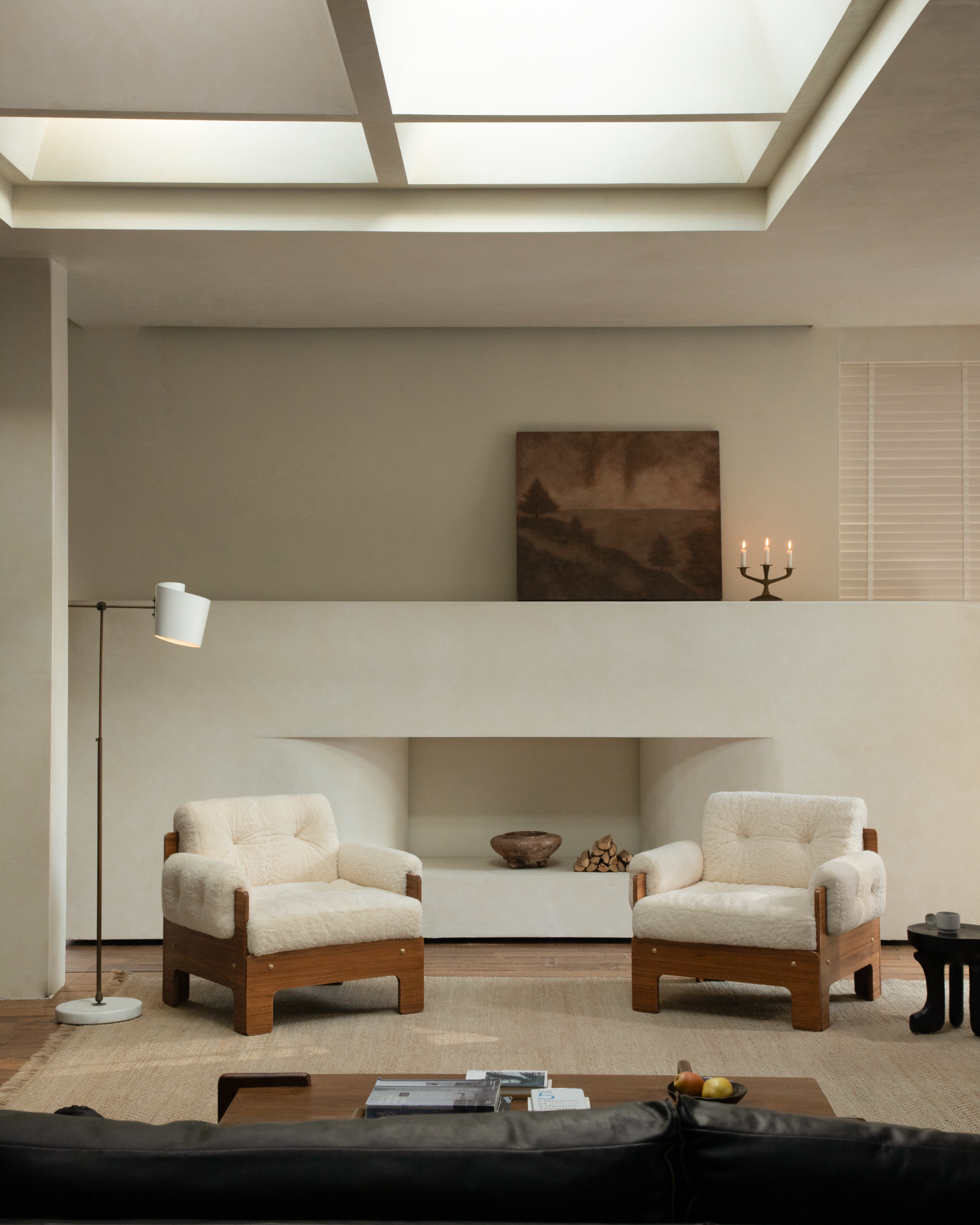
A complete lounge chair ottoman setup can also create a clear relaxation zone. Add a small side table and a floor lamp, and the area can become a dedicated reading or resting spot.
Some ottomans can serve another purpose, too. Depending on the design, they can work as occasional seating or provide storage.

What a Lounge Chair Without an Ottoman Offers
A lounge chair without ottoman gives you a simpler layout. You still get the chair's deep seat and relaxed posture, but you do not need to reserve extra floor space for a separate footrest.
That can make a difference in a smaller room. It also gives you more freedom to move the chair around.
If you often rearrange furniture, host guests, or use the same room for several activities, keeping the chair on its own can be practical.
The choice, then, comes down to a simple trade-off: an ottoman adds leg support and a more complete lounging experience, while a chair without one keeps the room more flexible.
Choose Lounge Chairs With Ottoman for Longer Relaxation
If your main reason for buying a lounge chair is to sit back and stay awhile, an ottoman can add useful support. It works especially well for activities that encourage a relaxed, reclined position.
Reading for Extended Periods
With your back supported and your legs extended, you can settle into a less upright position. A side table nearby can hold a book, tablet, glasses, or drink without forcing you to reach across the room.
If you are searching for comfy lounge chairs, pay attention to the whole seating position rather than cushion softness alone. Seat depth, back angle, seat height, and leg support all affect how the chair feels during a long session.
Watching TV or Movies
An ottoman lets you extend your legs while keeping the chair separate from the main sofa. This can be useful in a family room where different people prefer different seating positions.
The placement still matters. Make sure the chair faces the screen comfortably and that the ottoman does not sit across a main walkway.
Creating a Dedicated Reading or Relaxing Corner
A chair and ottoman can turn an unused corner into a useful part of the room.
Try a simple combination:
- Lounge chair
- Ottoman
- Small side table
- Floor lamp
- Soft rug
Keep enough space around the arrangement so it does not feel boxed in.
Choose a Lounge Chair Without an Ottoman for Flexibility
A separate footrest is useful, but it is not necessary for every room. A chair without an ottoman can make more sense when space, movement, and multiple uses matter more.
Smaller Living Rooms
For a lounge chair for small living room layouts, every inch of floor space can affect how easily people move through the room.
The physical size of the chair is only part of the calculation. You also need space to sit down, stand up, move around the chair, and reach nearby furniture.
Adding an ottoman extends the setup farther into the room. Current furniture-planning examples show that a chair-and-ottoman arrangement can require roughly 50–60 inches of combined depth, depending on the design.
That does not make an ottoman impossible in a small room. It simply makes measuring more important.
Multi-Purpose Rooms
A living room may need to support several activities during the same day.
You might use it for:
- Reading
- Watching TV
- Talking with family
- Hosting friends
- Working on a laptop
- Moving between rooms
In this situation, a lounge chair without ottoman can give you a useful extra seat without creating another fixed object in the middle of the room.
Homes With Changing Furniture Layouts
If you enjoy changing your furniture arrangement, a chair without an ottoman can save effort.
You can move it closer to a window, angle it toward a sofa, place it beside a bookshelf, or shift it away from a walkway. There is no second piece that needs to move with it.
This flexibility can be especially useful for lounge chairs for the living room because living rooms often need to balance seating, storage, entertainment, and circulation in the same area.
Compare Lounge Chair Setups by Lifestyle
The easiest way to choose is to match the setup to your daily habits. Use the comparison below as a quick starting point.
| Lifestyle or Need | Better Fit |
| Long reading sessions | Lounge chair with ottoman |
| Watching TV for long periods | Lounge chair with ottoman |
| Small living room | Lounge chair without ottoman |
| Frequent entertaining | Lounge chair without ottoman |
| Dedicated reading corner | Lounge chair with ottoman |
| Flexible furniture arrangement | Lounge chair without ottoman |
| Maximum leg support | Lounge chair with ottoman |
| Minimal visual footprint | Lounge chair without ottoman |
| Occasional extra seating | Lounge chair without ottoman |
| Personal relaxation space | Lounge chair with ottoman |
If you spend long periods reading or relaxing with your legs extended, an ottoman can provide useful support. If the chair mainly serves as occasional seating, you may not need the extra piece. They can be worth the added floor space if you use the footrest often. If the ottoman mostly sits unused, a simpler chair may serve you better.

Think About Floor Space for Lounge Chairs in the Living Room
Room size can change the decision just as much as comfort. A chair that looks compact in a product photo can take up a much larger area once you add walking space and nearby furniture.
Measure the Full Chair-and-Ottoman Footprint
Start with the actual dimensions of both pieces.
Then account for:
- Space between the chair and ottoman
- Space beside the chair
- Space in front of the ottoman
- Nearby tables
- Main walking paths
- Doorways and openings
For a lounge chair with an ottoman, the total depth can reach roughly 50–60 inches for some common designs, although the exact footprint varies by model.
A current example of a lounge chair and ottoman arrangement also recommends leaving additional clearance around the furniture rather than treating the product dimensions as the full space requirement.
Keep Walkways Clear
Do not place the ottoman directly across a route people use several times a day.
Check paths to:
- The sofa
- TV
- Kitchen
- Bedroom
- Balcony or patio door
- Main entrance
If people have to step around the ottoman every time they cross the room, the arrangement may become frustrating even if everything technically fits.
Test the Layout Before Buying
Painter's tape can give you a quick reality check. Measure the chair and ottoman, then mark their approximate footprints on the floor. Include the open space needed around them.
Walk through the room as you normally would. Sit inside the taped area. Stand up. Open nearby doors. Pull out drawers. Walk between the seating area and other parts of the room.
This simple test can reveal layout problems that are easy to miss when you only look at measurements on a screen. Furniture-planning sources also recommend marking the proposed footprint with tape as a practical way to test a chair-and-ottoman arrangement.
Choose the Right Lounge Chair Ottoman Setup
If you decide that an ottoman fits your lifestyle, take a closer look at how the two pieces work together. Size and placement can affect comfort just as much as the chair itself.
Check the Height
A footrest that sits too high can lift your legs more than you want. One that sits too low can leave your legs angled sharply downward. There is no single height that fits every lounge chair. Seat height, cushion softness, chair angle, and your own leg length all matter. For the safest choice, check the manufacturer's recommended pairing when available.
Compare Width and Depth
The ottoman should provide enough surface for comfortable leg support without overpowering the chair.
A very narrow footrest may feel awkward if you want to rest both legs. A very large ottoman can make a compact room feel crowded.
Depth matters too. It should provide useful support for the lower legs without forcing you to sit too far forward or too far back.
Consider Mobility and Extra Functions
A lightweight design can be pulled closer for reading and pushed aside for conversation. A storage ottoman can also hold blankets, magazines, or other small items. An ottoman that can serve as occasional seating adds another benefit in a room that needs flexible seating.
The key is to choose a design that supports your routine rather than adding another object that rarely gets used.

When an Indoor Lounge Chair Without an Ottoman May Be the Better Choice
Not every seating area needs a complete chair-and-ottoman arrangement. For many indoor lounge chairs, the chair itself can provide enough comfort while keeping the room easier to use.
This setup can work well in:
- Small apartments
- Bedrooms
- Reading corners
- Home offices
- Multipurpose rooms
- Narrow living rooms
- Areas with heavy foot traffic
A single chair can still create a comfortable place to read, rest, or take a short break.
In a bedroom, for example, a lounge chair beside a window may already provide the seating you need. Adding an ottoman could make the corner harder to move through.
The same applies to a home office. If the chair is mainly for reading, phone calls, or short breaks, a separate footrest may not provide enough extra value to justify the floor space.
Create the Right Lounge Chair Setup for Your Routine
A lounge chair with an ottoman suits long reading, TV watching, and relaxed sitting, while a chair without one saves floor space and is easier to move. Choose based on how you relax and how much room you have. If putting your feet up is part of your daily routine, add an ottoman for extra leg support. If you need flexible seating or a clear floor plan, a lounge chair without ottoman may fit better. The best setup should feel natural in both your body and your room.
FAQs
Q1: Is a Lounge Chair More Comfortable With an Ottoman?
An ottoman can make a lounge chair more comfortable during longer sitting sessions by supporting your lower legs and feet. The chair itself still matters. Seat depth, back angle, cushion firmness, and seat height all affect comfort.
Q2: Do I Need an Ottoman With a Lounge Chair?
You do not necessarily need one. An ottoman makes more sense if you regularly want to stretch your legs or use the chair for long periods. For short breaks or occasional seating, a lounge chair alone may be enough.
Q3: Can a Lounge Chair With an Ottoman Work In a Small Living Room?
Yes, but the complete footprint needs careful planning. Measure the chair, ottoman, space between them, and nearby walking paths. Marking the proposed arrangement with painter's tape can help you see how much floor space it will use.
Q4: What Should I Look for in a Lounge Chair and Ottoman Set?
Start with the chair's seat height, seat depth, back support, and overall size. Then check the ottoman's height, width, depth, and mobility. The two pieces should work comfortably together without blocking important paths through the room.